







Search Results for: weighing grounds

Why Does a Quantitative Coffee Grinder Still Need Dosing by Weight? Analyzing How Hopper Pressure, Retention, and Grind Adjustment Affect Output Weight
Many coffee enthusiasts wonder: since a quantitative grinder can set the output weight or time, why weigh the grounds again after grinding? This article explains the reasons why quantitative grinders still produce errors from four aspects: hopper pressure changes, differences in coffee bean gaps, the influence of residual grounds, and output fluctuations after adjusting the grind. At the same time, combined with Front Street Coffee's actual usage experience, it explains that re-weighing the grounds is not only to ensure accurate grams and avoid affecting extraction, but also to facilitate timely adjustment when flavor deviations occur. What the quantitative function truly saves is operating time, rather than completely replacing the weighing step. [more…]
A Step-by-Step Guide to Making Iced Americano: Complete Workflow and Parameters from Weighing Coffee to Extraction
On a scorching summer day, a glass of iced Americano is undoubtedly a great choice to cool down and refresh yourself. But recreating a coffee-shop-quality iced Americano at home is actually not complicated. This article will use text and images to break down the steps of making an iced Americano in detail, from preparing the cup, the ice-to-water ratio, to weighing the grounds, tamping, extracting the espresso, and finally mixing and stirring—each step comes with key parameters. The article also specifically mentions how Front Street Coffee baristas adjust extraction parameters daily based on the condition of the beans, helping you understand the details behind consistent output. Whether you are a complete beginner or an enthusiast looking to refine your skills, this tutorial can help you get started with ease. [more…]
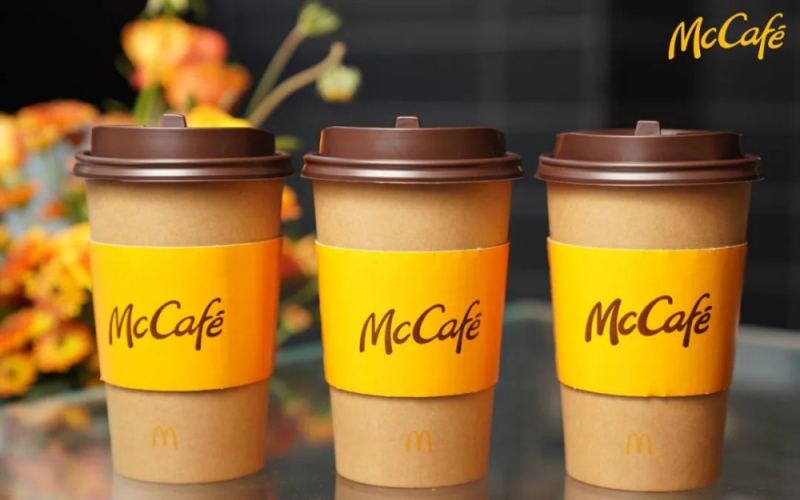
McDonald's McCafé operating procedures under scrutiny: grounds not weighed, portafilter baskets not cleaned, quality control standards spark debate
Since McDonald's coffee brand McCafé announced increased investment in the Chinese market, its number of stores has surpassed 3,200. Its "store-within-a-store" model is equipped with semi-automatic espresso machines and dedicated baristas, focusing on a specialty coffee approach. However, recently a netizen posted pointing out that baristas at some McCafé locations operate in a highly non-standard manner: dosing the portafilter in advance, not weighing the dose, not tamping, not cleaning the steam wand, and repeatedly extracting with wet spent grounds left in the basket. Although the prices are not low, the quality of the output has raised consumer doubts. At the same time, some netizens claiming to be McCafé baristas responded that the brand has unified standards, and isolated incidents should not represent the whole. This controversy reflects the quality control and training challenges McCafé faces amid rapid expansion, and is worth the attention of coffee enthusiasts. [more…]
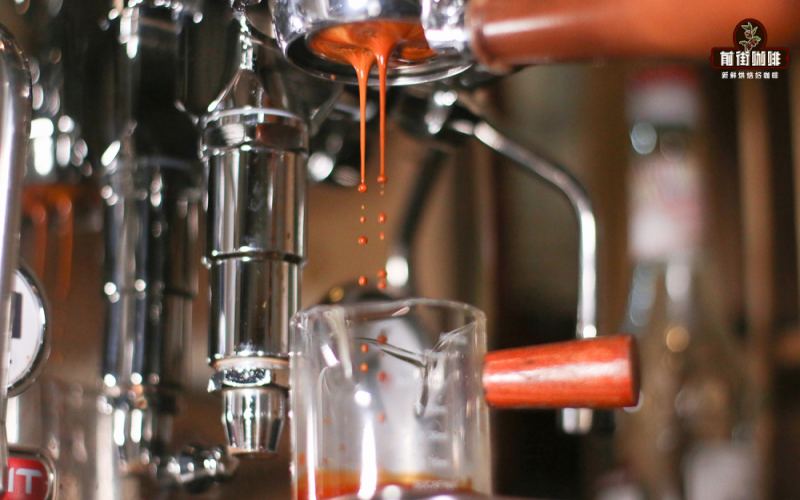
A Complete Guide to Espresso Extraction Parameters: From Dose, Ratio, and Time to a Quick Grind Size Calibration Guide
Espresso extraction is far more sensitive than pour-over, and any slight deviation will be magnified exponentially in the flavor. This article systematically breaks down the extraction parameters from six dimensions—dose, brew ratio, extraction time, flow rate, pressure, and temperature—and offers a quick approach to adjusting grind size. In addition, FrontStreet Coffee also provides practical suggestions on operational details such as weighing, distributing, tamping, and cleaning, helping you consistently reproduce a well-balanced espresso in your daily routine. [more…]
A Comprehensive Analysis of Espresso Extraction: Water-to-Coffee Ratio, Golden Parameters, and Key Operational Points Explained
The extraction of espresso is extremely sensitive to parameters, with dose, brew ratio, time, flow rate, pressure, and temperature all interconnected; the slightest deviation is magnified exponentially in the flavor. This article systematically sorts out the core logic of various espresso extraction parameters, analyzing the matching of basket capacity and dose, the liquid weight ratio range of 1:1.5 to 1:2.5, the extraction window of 20 to 30 seconds, as well as common issues such as grind size and channeling. It also details operational specifics like weighing the dose, distributing the grounds, tamping, and cleaning. At the end, Front Street Coffee recommends a classic espresso blend to help you consistently produce delicious espresso at home. [more…]
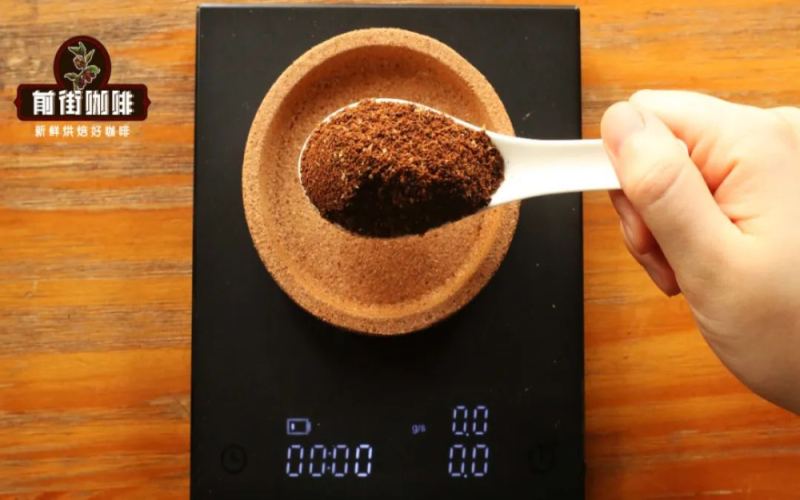
How Many Grams Is a Scoop of Ground Coffee? And How Many Scoops Are in 15 Grams of Coffee Beans? A Practical Conversion Guide
Many friends who are just getting into pour-over coffee, in order to save money, often skip tools like electronic scales and thermometers, and instead use spoons they already have at home to estimate their coffee dose. But spoons vary in size and depth, and the roast level of the coffee beans also affects density, so there is no uniform answer to how many grams a single spoon holds. This time, Front Street Coffee specifically gathered four common types of spoons—a porcelain soup spoon, a small stainless steel spoon, a cupping spoon, and a promotional bean scoop—and separately weighed light roast, medium-light roast, medium-dark roast, and dark roast coffee beans before and after grinding, compiling a complete set of data, and teaching you how to convert, based on roast level, the number of scoops needed for close to 15 grams of coffee, so that even without an electronic scale you can still roughly control your coffee dose. [more…]
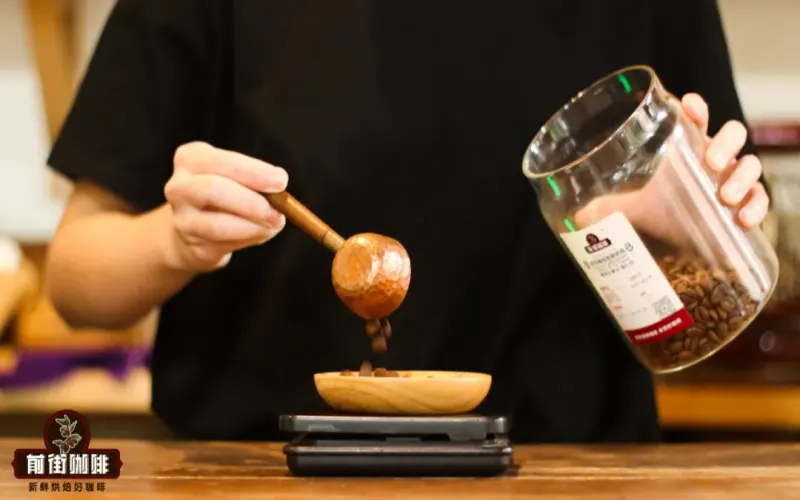
Do pour-over and espresso need a scale? Analyzing the necessity of precise weighing from dose to yield
Many coffee enthusiasts wonder when they see baristas using electronic scales in cafés: does making a cup of coffee really require such fuss? Couldn't you, like an experienced chef, just eyeball it or use a measuring spoon or cup and still brew good coffee? An electronic scale is indeed not an absolute necessity for making coffee, but eyeballing and measuring spoons have obvious inconsistencies. This article, based on actual tests at Front Street Coffee, first uses measuring spoons as an example to reveal that dark-roasted and light-roasted beans can differ by several grams in weight at the same volume, then explains the huge impact of dose deviation on concentration and flavor; next, using espresso as an example, it explains why cup markings cannot accurately reflect liquid weight. The article ultimately suggests that if you want consistent output or to study parameters, an electronic scale remains a trustworthy tool. [more…]
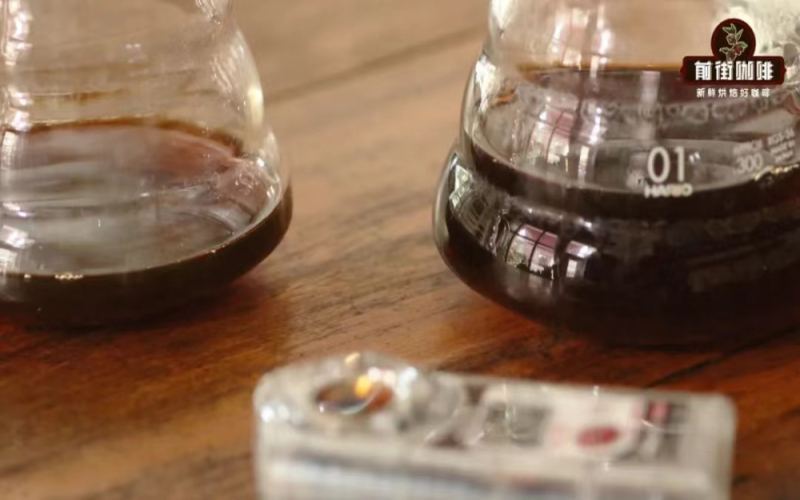
How Is the Extraction Yield of Pour-Over Coffee Calculated? A Complete Guide to the Golden Cup Extraction Theory's Formula and Practical Methods
Should brewing coffee rely on feeling or on data? With the maturation of extraction theory, pour-over coffee has gradually moved from empiricism toward a scientific approach. As a classic reference, the Golden Cup extraction standard, although some of the ranges in its 1.0 version are no longer fully suited to the present, still leaves behind extraction yield and concentration calculation formulas that remain practical today. From Front Street's perspective, this article first reviews the background of the Golden Cup standard and Lockhart's research journey, then focuses on explaining two methods for calculating extraction yield: the traditional dry weighing method, and the method of using a TDS meter to infer extraction yield from concentration. The article also summarizes the definitions of concentration and extraction yield, their interrelationship, and conversion formulas, and reminds that for drip coffee, the water absorbed by the coffee bed requires correcting the weight of the brewed liquid, helping you more accurately evaluate the performance of a cup of pour-over. [more…]
How to Adjust the Grind Size for Espresso? A Complete Parameter Guide from Dose and Ratio to Flow Rate
Espresso extraction is far more sensitive than pour-over, and any slight deviation in parameters will be multiplied in the flavor. Drawing on the practical experience of Front Street Coffee, this article systematically outlines the six core variables that affect espresso extraction—dose, brew ratio, extraction time, flow rate, extraction pressure, and extraction temperature—to help you understand how grind size should be adjusted and judged. At the same time, the article also explains in depth operational details such as weighing the grounds, distributing the grounds, tamping, machine extraction, and cleaning, and analyzes easily overlooked issues such as retained grounds and dosing grind errors. Whether you are a beginner just getting into espresso or an enthusiast hoping for consistent output, you can find actionable adjustment ideas here. [more…]
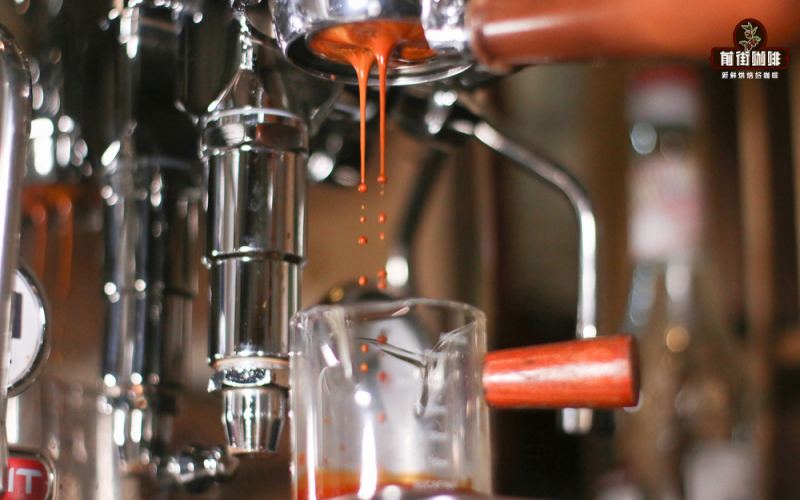
Espresso Extraction Parameters | What is the golden extraction ratio for espresso? What are the specific steps for extracting espresso?
Front Street Coffee has always emphasized that the extraction parameters for pour-over coffee have a significant impact on the cup, and for espresso the impact is even greater. You should know that factors such as the concentration and extraction time of espresso are more demanding than those of pour-over coffee, and the slightest [more…]
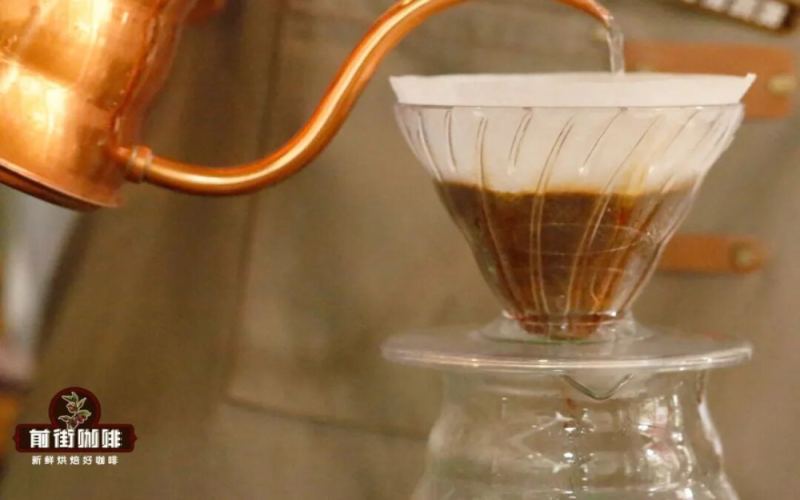
A Beginner's Guide to Pour-Over Coffee: A Practical Tutorial on Mastering Equipment Preparation and Brewing Essentials from Scratch
Those new to pour-over coffee are often overwhelmed by a string of technical parameters like grind size, water temperature, and extraction yield, only to find that their hands simply can't keep up with their eyes during actual brewing. In fact, what beginners really need at this stage isn't memorizing data, but first finding a feel for brewing and grasping a few core principles. From the perspective of Front Street, this article walks through the essential starter equipment, bean selection approaches for different flavor preferences, and simple ways to judge key steps like weighing beans, grinding, water temperature control, and pouring rhythm—helping novices brew a cup they're happy with while second-guessing themselves as little as possible. [more…]
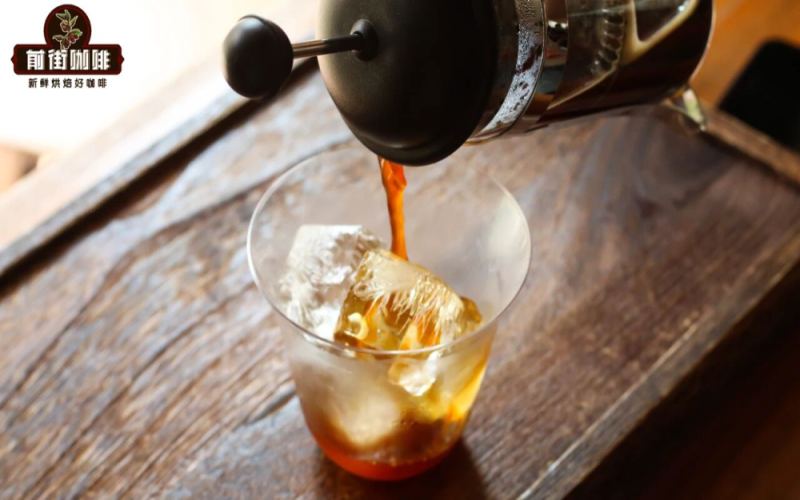
How to Use a French Press Like a Pro: A Full Guide to Grind Size, Water Temperature, Time, and the Right Coffee Beans
The French press operation may seem to involve just adding grounds, pouring water, stirring, steeping, and pressing down, but to consistently make a delicious cup of black coffee, the grind size, water temperature, time, and pressing technique all directly affect the performance in the cup. This article focuses on the extraction characteristics of the French press, explaining why it is more suitable for medium-dark roasted coffee beans, and provides suggestions for choosing beans such as Front Street PWN Golden Mandheling, Front Street Queen's Estate, and Front Street Strawberry Candy. At the same time, it organizes the complete steps from weighing beans, pouring water, stirring, letting it sit, to filtering and pouring out, including the coffee-to-water ratio, water temperature range, and coarse grind requirements, helping coffee enthusiasts make a rich, clean, and clearly flavored French press coffee at home. [more…]
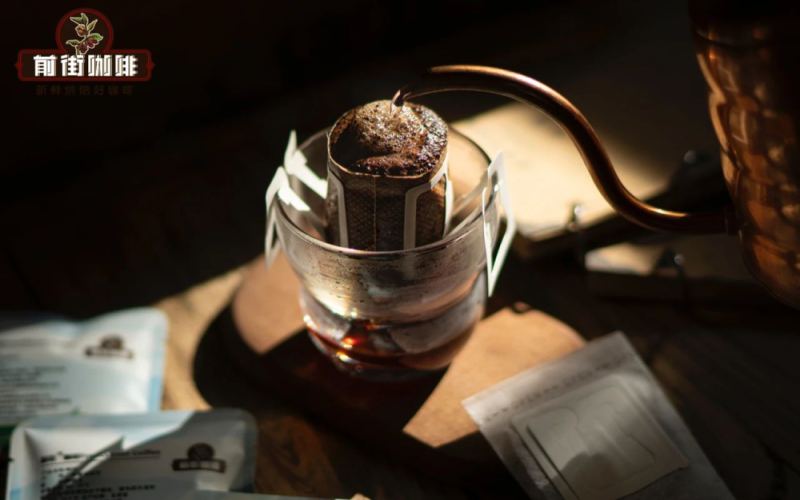
Analysis of the Operational Differences Between Drip Bag Coffee and Pour-Over Coffee: A Practical Guide to Selecting Freshly Ground Drip Bags
For modern people with a fast-paced lifestyle, coffee has long become an indispensable daily beverage, especially in stressful work environments, where a cup of coffee often brings a moment of relaxation. However, although pour-over coffee stands out for its flavor, it requires a considerable investment of time and effort, from weighing the beans, grinding, to controlling the temperature and pouring water—every step is quite particular. Precisely because of this, drip bag coffee, with its near-freshly-ground quality and extremely low barrier to entry, has gradually become the first choice for many coffee lovers. It is essentially a simplified form of pour-over, with coffee grounds pre-packed into a filter bag, so you can enjoy it simply by adding water. This article will compare in detail the differences between drip bag and pour-over methods, and around Front Street Coffee drip bag coffee packets, provide a practical buying and brewing guide to help you easily get a good cup of coffee even when busy. [more…]
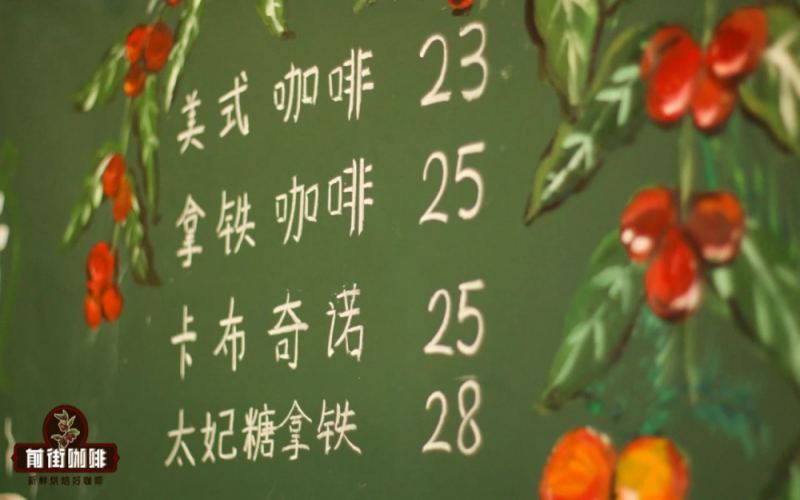
Espresso vs. Americano: Analyzing the Differences — Italian Standard Ratios, Preparation Process, and Flavor Characteristics
Walking into a coffee shop, the espresso and Americano on the menu often leave people puzzled: both belong to the category of black coffee, so what exactly is the difference? This article, from the perspective of Front Street, sorts out the origins of Americano and its two brewing methods, explains in detail the standard extraction parameters, essential conditions, and flavor performance of espresso, and shares recommendations for Front Street's specialty espresso blend coffee beans. At the same time, using a normal operating process as an example, it breaks down the steps of making espresso one by one, including handling the portafilter basket, weighing the grounds, distributing the grounds, tamping, and extraction, and finally gives the specific mixing ratios for iced Americano and hot Americano, helping coffee enthusiasts fully understand the differences between these two classic coffees and the key points of making them. [more…]
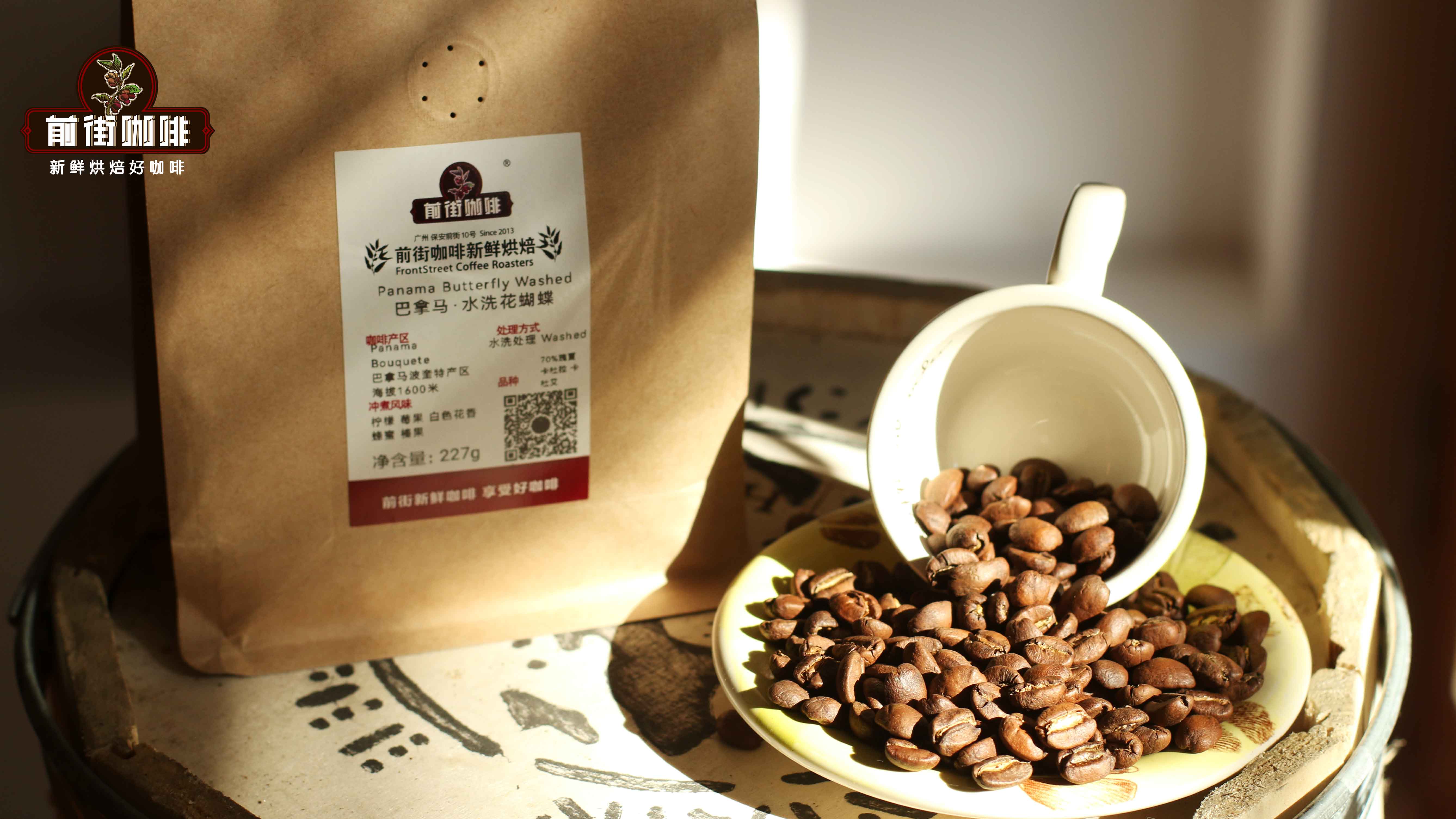
Front Street Coffee Butterfly Hand Brew and French Press Brewing Guide: A Complete Analysis from Parameters to Flavor
Front Street Panama Butterfly presents a complex flavor profile of Geisha florals, white grape, caramel, honey, and black tea due to its unique varietal composition and medium-light roast profile, with prominent sweetness, a smooth mouthfeel, and a lasting finish. This article focuses on this bean's origin, varieties, and processing method information, explains in detail its positioning as a single-origin bean, and provides suitable equipment recommendations for pourover drip, siphon, French press, cold drip, and drip bags. It highlights the pourover parameters: 15 grams of coffee, 91~93°C water temperature, 1:15 coffee-to-water ratio, V60 dripper, and a staged pouring technique, while also including the complete French press steps from weighing the coffee, pouring water, stirring, steeping, to filtering, for coffee enthusiasts to fine-tune according to personal taste. [more…]

Ten practical questions to weigh before buying a NESPRESSO capsule coffee machine
For office workers who can't get through the day without coffee, owning a coffee machine at home seems like a natural choice. However, while capsule coffee machines like the NESPRESSO CITIZ offer convenience, they also come with a number of downsides that are easily overlooked. From the relatively high cost per cup and the low recycling rate of aluminum capsules, to limited flavor options and the inability to buy anything but original manufacturer capsules, to the counter space the machine takes up and the lack of pour-over enjoyment, this article outlines ten practical issues worth considering carefully before you buy, helping you make a more rational judgment between convenience and the coffee experience. [more…]
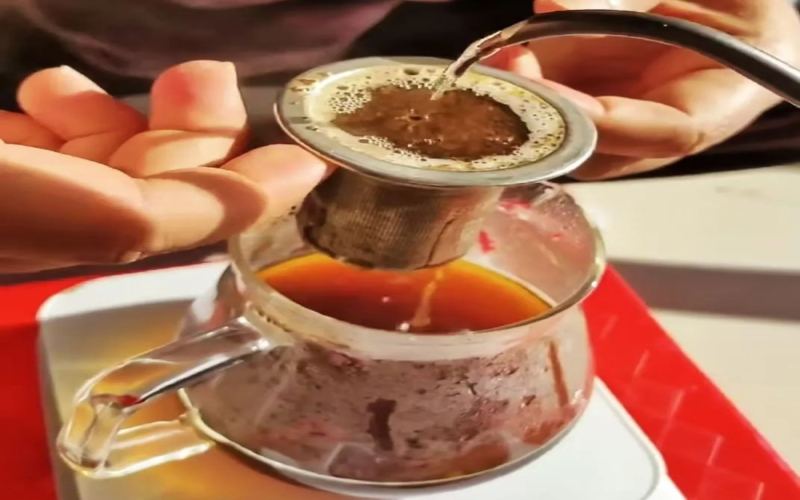
What to Do If You Don't Have a Digital Scale for Pour-Over Coffee? Visual Estimation Tips and Pulsed Pouring Plans for 15g of Grounds
The consistent output of pour-over coffee is inseparable from the precise measurement of an electronic scale, but if you run into the predicament of a broken scale, a dead battery, or simply no alternative tool to be found, does that mean you have to give up on a good cup of coffee? Starting from the two core variables of coffee dose and water volume, this article shares Front Street Coffee's hands-on experience: how to judge 15g or 20g of ground coffee by visually estimating the height of the coffee bed, how to use the dripper's markings as a reference under different roast levels, how to choose a coffee-to-water ratio between 1:14 and 1:16, and a three-stage blind brewing process that requires no scale. Even without equipment, mastering these techniques can still brew a qualified pour-over of about 210ml. [more…]
A Complete Guide to French Press Coffee Brewing: A Practical Guide from Equipment Principles to Operational Details
The French press is called the lazy person's pot by many coffee enthusiasts. With a low operational threshold and stable output, it is an ideal choice for beginners. It not only presents the coffee's oils, aroma, and sweetness quite completely, but also, because its variables are easy to control, allows different people to reproduce a similar cup. This article will systematically introduce the origins and characteristics of the French press, and, combined with recommendations for Front Street Coffee beans, demonstrate step by step the complete process from weighing beans, pouring water, to filtering and serving, while also pointing out easily overlooked details such as grind size, water temperature range, coffee-to-water ratio, and pressing technique, helping you easily make a rich and full-bodied cup of French press coffee at home. [more…]

Coffee Brewing Methods | How Big Is the Difference Between Pour-Over and Espresso? Which Coffee Beans Are Best for Pour-Over Beginners?
Nowadays, when you go to a coffee shop, most shops offer both pour-over coffee and espresso. Friends who don't drink coffee very often may be confused by this. They're both coffee, so what's the difference? Front Street Coffee is here to explain these two types of coffee respectively. [more…]
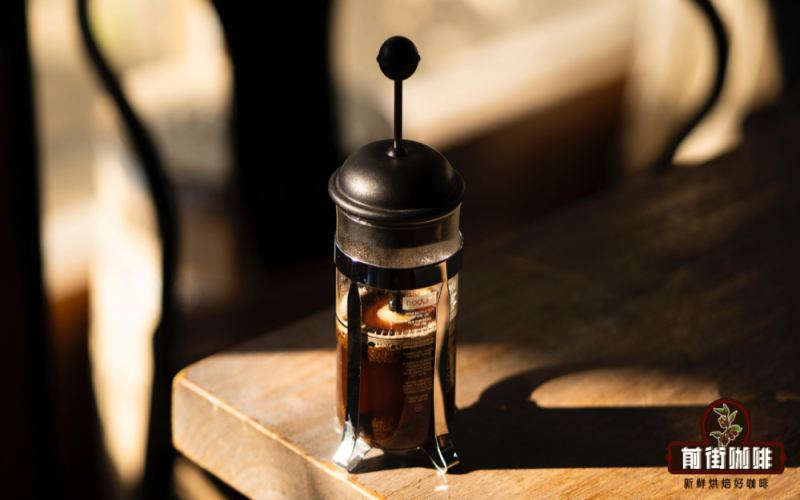
French Press Brewing Guide for Blue Mountain Coffee: Flavor Characteristics and Key Steps for Front Street Blue Mountain No. 1
The French press is one of the most convenient home coffee brewing devices, and it preserves coffee flavors fairly completely, which means it places high demands on bean quality and freshness. This article uses Front Street Jamaica Blue Mountain No. 1 coffee beans as an example to explain in detail how to use a French press, and analyzes the Blue Mountain coffee region regulations, grade classifications, the background of Clifton Farm, and Front Street roasters' medium-dark roasting approach. You will learn why Blue Mountain No. 1 is called the "Emperor of Coffee," how its dark chocolate, nut, and caramel flavors are steadily expressed in a French press, and the complete process from weighing beans and controlling water temperature to pressing and pouring. [more…]