







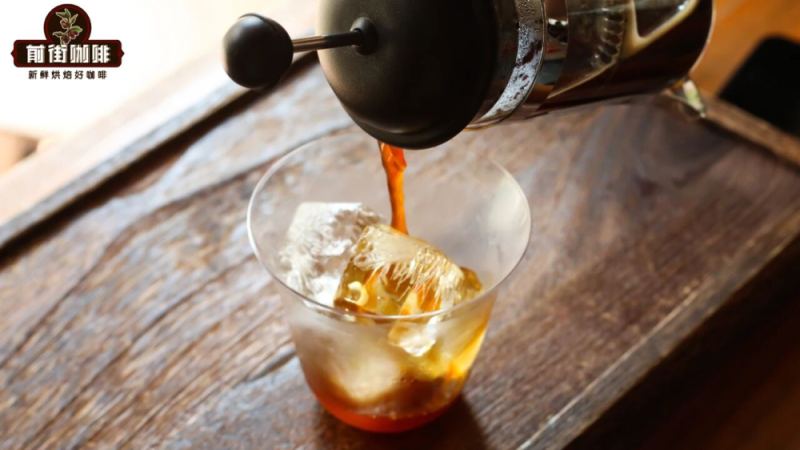
Operating a French press looks like it only involves adding grounds, pouring water, stirring, steeping, and pressing down, but to consistently make a great cup of black coffee, the grind size, water temperature, timing, and pressing technique all directly affect what ends up in the cup. This article focuses on the extraction characteristics of the French press, explains why it is better suited to medium-to-dark roasted coffee beans, and offers bean selection suggestions such as Front Street PWN Golden Mandheling, Front Street Queen's Estate, and Front Street Strawberry Candy. It also lays out the complete steps from weighing beans, pouring water, stirring, and resting to filtering and pouring, including the coffee-to-water ratio, water temperature range, and coarse grind requirements, helping coffee enthusiasts make a full-bodied, clean, and clearly flavored French press coffee at home.
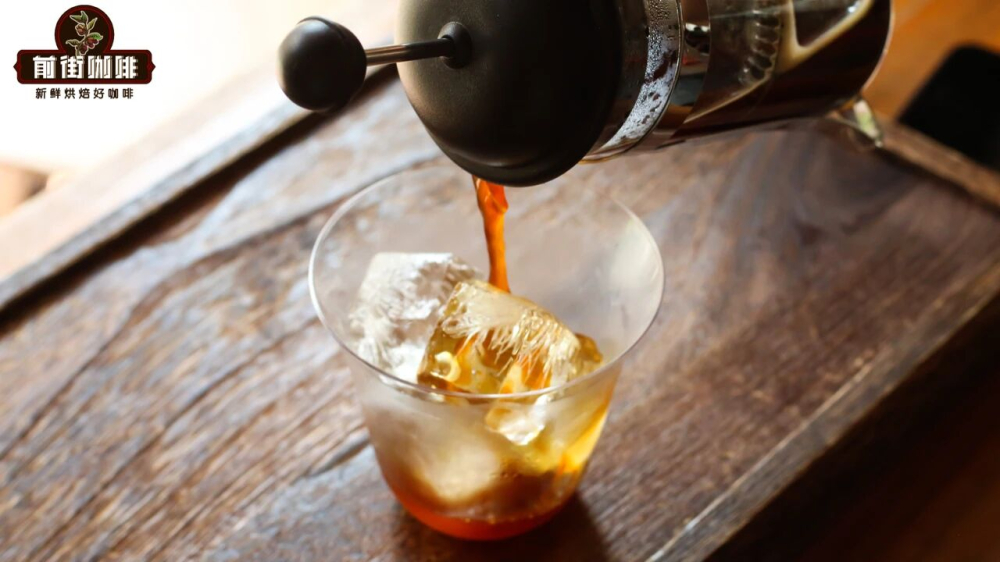
The French pressure pot, which everyone usually calls the "French press." Its operation is somewhat like a syringe: first put in coffee grounds, then pour in hot water, stir it, let it steep for a few minutes, and finally push the filter down to get a freshly made cup of black coffee. The process looks uncomplicated, but to really use it well, there are actually quite a few details.
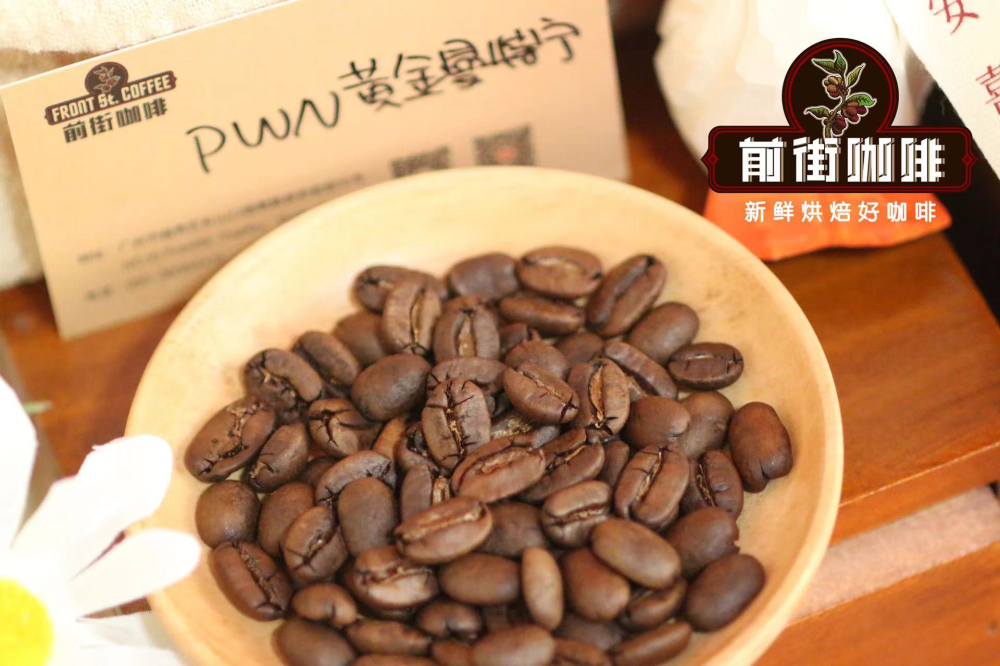
The French press relies on immersion to complete extraction, and the resulting cup usually trends thicker and more intense. Therefore, it pairs best with medium-to-dark roasted coffee beans. Beginners can start with the aromatically bold Front Street PWN Golden Mandheling, the Front Street Queen's Estate with creamy roasted peanut notes, and the Front Street Strawberry Candy with rose floral aromas; these beans tend to perform well in the French press in both mouthfeel and flavor.
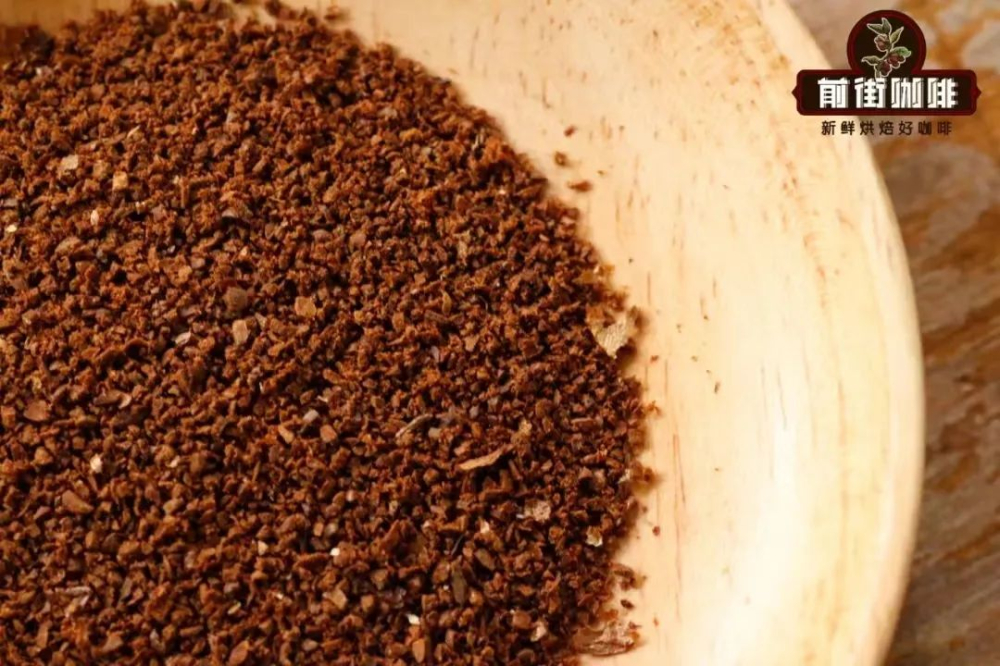
☆The coffee grounds used in a French press should be roughly the coarseness of brown sugar, meaning a coarser grind, and as uniform as possible. This is related to its extraction method and filter structure: the metal mesh holes are relatively wide, so fine particles easily pass through; hot water also comes into direct contact with the coffee grounds, so if it is ground too fine, it is very easy to over-extract.
What you need to prepare: French press, gooseneck kettle, grinder, thermometer, electronic scale, timer, fresh coffee beans, coffee cup.
Front Street French press coffee steps:
1. Weigh out 20g of fresh coffee beans.
2. The water temperature for a French press generally falls between 85–95°C, depending on the roast level of the beans. For light-roasted beans, if you want to highlight the aroma, you can use a slightly higher water temperature; for dark-roasted beans, if you want to suppress bitterness, you can lower the water temperature. Here it depends more on experience and personal preference.
3. Pour the ground coffee into the French press.
4. When pouring water, you can circle evenly like in pour-over.
5. Pour in about 300g of hot water, for a coffee-to-water ratio of about 1:15. As mentioned earlier, the French press coffee-to-water ratio is roughly between 1:14–18, and can be adjusted slightly according to your taste. This French press has no markings, so use an electronic scale to measure the water: after adding the coffee grounds, tare the scale, then weigh the hot water. Although hot water and cold water differ somewhat in weight and volume, under home conditions this error can be ignored.
6. Stir.
7. Put on the lid, but do not press down the filter yet, and let it rest for 4 minutes. If the time is short, the flavor will be lighter; if the time is long, the flavor will be stronger, so the steeping time can also be set according to personal taste.
8. When filtering, hold the plunger and slowly press down to the bottom of the pot. The movement must be slow to avoid fine particles passing through the metal filter; you can stop when you get close to the bottom, and do not wait until it can no longer be pressed down before stopping.
9. When pouring out the coffee, slowly tilt the French press to avoid the coffee grounds at the bottom stirring up due to violent shaking and affecting the taste.
10. Enjoy your French press coffee.
The above content is compiled by CoffeeHunters, a coffee news website.


