







Search Results for: water pouring method
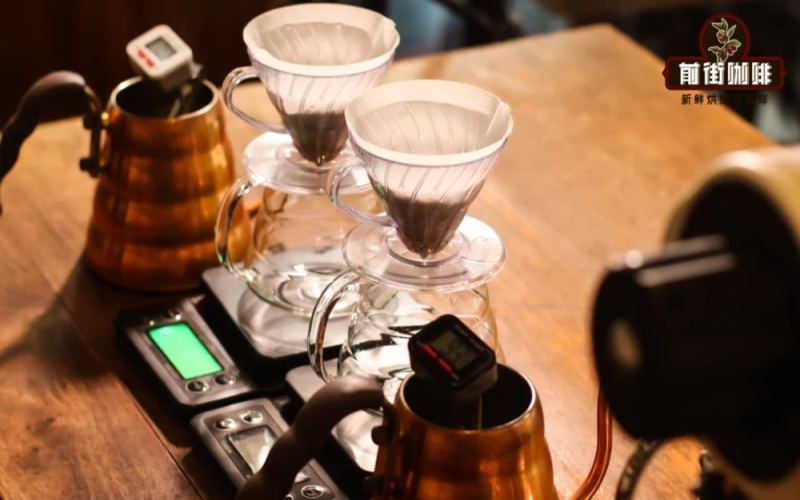
Pour-Over Coffee: One-Pour vs. Three-Pour Comparison — A Comprehensive Analysis of Steps, Ratios, and Brewing Methods
One of the charms of pour-over coffee lies in using different pouring techniques to bring out the diverse flavors of the same bean. Currently, the two most widely used methods—single-pour and three-stage—each have their own followers. Single-pour involves completing the target water volume in one go after blooming; it is simple to operate but extremely demanding on water flow stability and grind size. The three-stage method divides pouring into three phases, enhancing layering and compatibility through staged extraction. Using 15 grams of coffee and a 1:15 coffee-to-water ratio as an example, this article breaks down in detail the specific steps, pouring timing, and parameter requirements of both methods, and combines the brewing performance of Front Street Coffee Huakui and Colombia Huila Washed Caturra to help you find a brewing rhythm that suits you. [more…]
Analyzing the Differences Between American-Style Pour-Over and Japanese-Style Pour-Over: Coffee-to-Water Ratio, Grind Size, and Chemex Iced Coffee Brewing Method
There are obvious differences between American-style pour-over and Japanese-style pour-over in technique, roast level, grind size, and water temperature. Among them, the unique stirring motion and relatively high water temperature of American-style pour-over bring out a rich and bitter flavor. This article analyzes in detail the process of making iced coffee with a Chemex, and further explores the four key extraction points: grind size, time, stirring, and temperature. At the same time, it compares through experiments the flavor differences among the direct pouring method, the standard blooming method, and the blooming-with-stirring method. The article also specifically recommends related products from Front Street Coffee, providing a practical reference for coffee lovers. [more…]
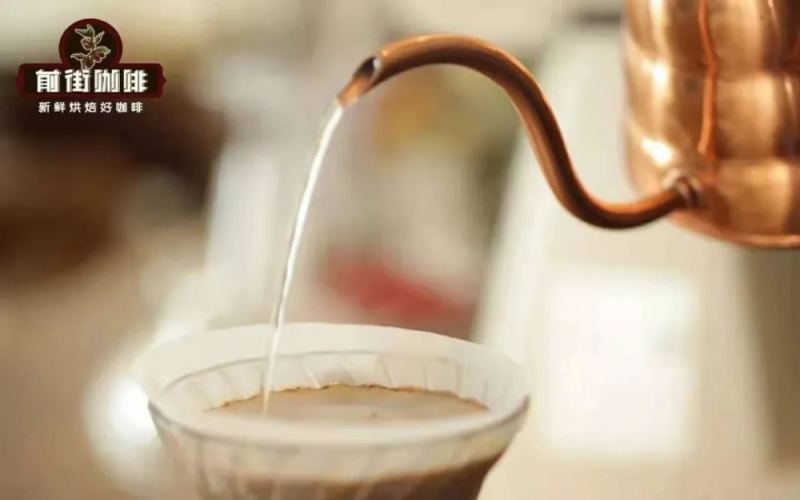
A Detailed Guide to Six Pour-Over Coffee Brewing Methods: Flavor Comparison of One-Pour, Three-Pour, 4:6 Method, Three-Temperature, Volcano Pour, and Stirring Method
The charm of pour-over coffee lies in the diversity of brewing methods; different pouring techniques directly affect the flavor expression and mouthfeel layers of the coffee. This article systematically sorts out six common pour-over techniques: the one-pour method, the three-stage method, the 4:6 method, the three-temperature brewing method, the volcano pour, and the stirring method. From the number of pouring stages, coffee-to-water ratio, extraction time, to grind adjustment, it analyzes one by one the principles and applicable scenarios behind each method, helping coffee enthusiasts understand the release order of sour, sweet, and bitter substances, and choose the most suitable brewing strategy according to the characteristics of the beans, so as to consistently brew a good cup of coffee that suits their own taste. [more…]
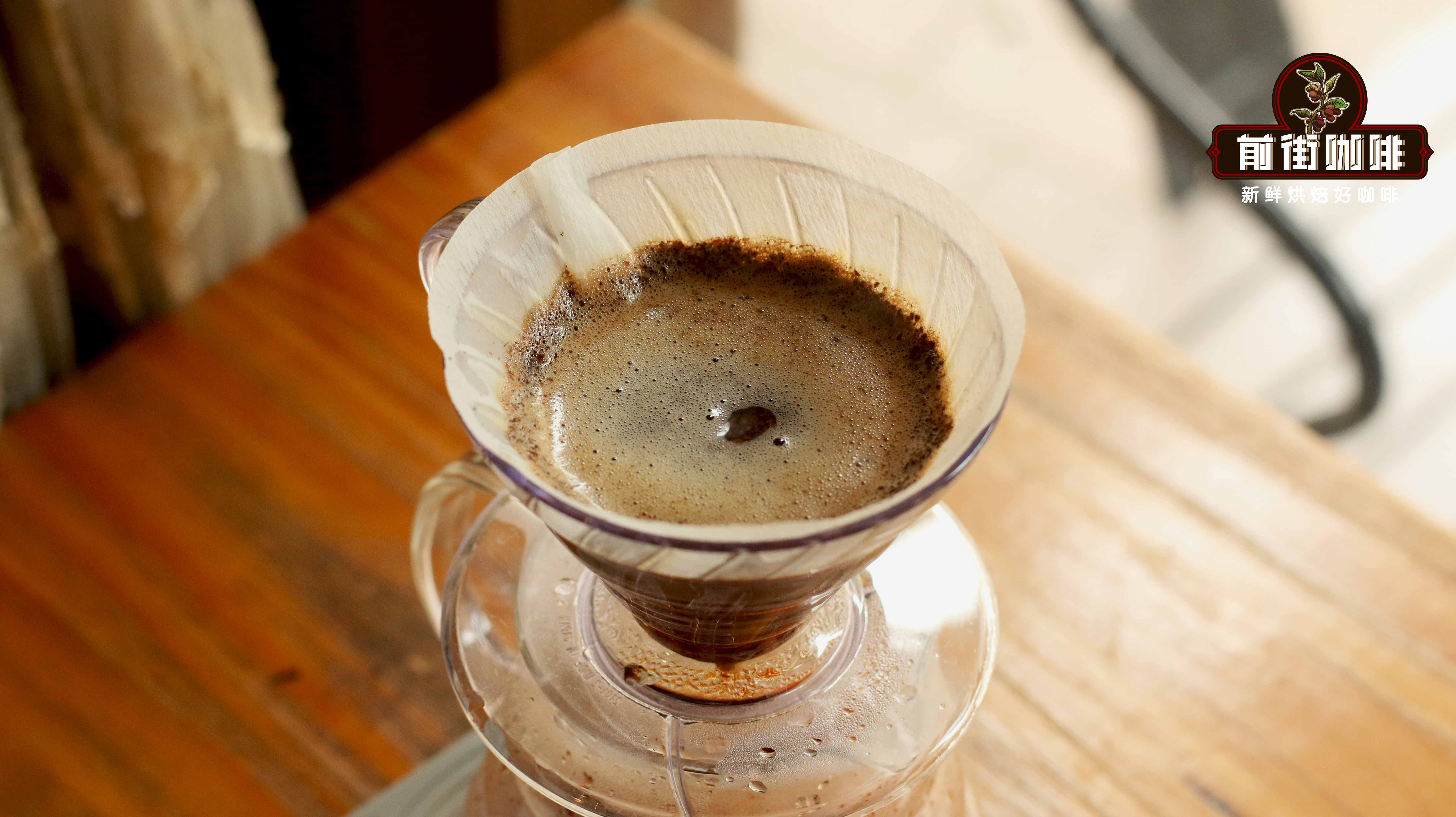
A Complete Analysis of Five Pour-Over Coffee Techniques: Detailed Parameters for One-Pour, Three-Stage, Stirring, 4:6, and Kono Methods
Pour-over coffee may seem simple, but in reality every pouring technique brings out a completely different flavor profile. Front Street Coffee's daily in-store offerings uniformly use the three-stage pour, but the baristas know well that changing the pouring height, water temperature, flow rate, or number of stages is equivalent to creating an entirely new brewing method. This article compiles five distinctive pour-over techniques—the one-pour method, the three-stage method, the agitation method (Rao's spin method), the 4-6 method, and the Kono-style method—breaking down their key operational points and suitable scenarios one by one, along with Front Street Coffee's complete brewing parameters, so that coffee enthusiasts can try them at home one by one and, through comparative tasting, find the cup that best suits their own taste. [more…]

A New Hand-Brew Method Without Blooming: The Principles, Parameters, and Practical Points of the One-Pour Brewing Technique
Pour-over coffee usually starts with blooming, but Tetsu Kasuya, the 2016 World Barista Champion, proposed in 2019 a brewing method that skips blooming entirely—the one-pour method. It may look similar to the single-pour technique, but the differences are clear: the single-pour technique splits the water into two pours, while the one-pour method pours all the hot water in at once. This article covers the principles of the one-pour method, its differences from the single-pour technique, equipment and bean selection, grind adjustment, pouring direction, and the full process of Front Street Coffee's hands-on practice with a Colombia · Hope Estate Geisha, providing key parameters such as dose, ratio, water temperature, grind, and time to help you decide whether this minimalist brewing method suits you. [more…]
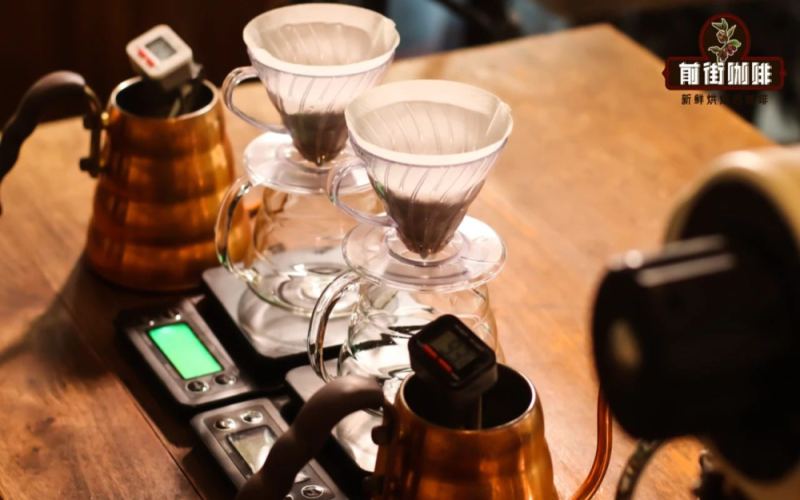
Pour-Over Coffee Techniques Explained | What Is the One-Pour Method? How Does It Differ from the Three-Stage Pour? Which Brews a Better Black Coffee?
For more specialty coffee knowledge, please follow: Front Street Coffee (Frontsteet Coffee). One of the great joys of pour-over coffee is using different brewing techniques to interpret a cup of coffee. And as for pour-over methods, I believe everyone pays close attention. So the most widely spread pour-over technique at present is the one-pour method. [more…]
A Complete Analysis of Tetsu Kasuya's 4:6 Brewing Method: The Logic of Staged Pouring, Grind and Temperature Parameters, and a Front Street Coffee Huakui Demonstration
The 4:6 brewing method was created by粕谷哲, the 2016 World Brewers Cup champion, and its core idea is to let everyone brew good coffee easily. This method splits the total water volume into five pours: the first 40% determines the flavor direction, and the latter 60% shapes the mouthfeel and strength. By adjusting the water volume of each pour, you can change the coffee's sweet-acid balance and body. In this article, Front Street will break down the pour proportions of the 4:6 method in detail, explain the principles behind extraction yield changes, and provide complete brewing parameters. At the same time, we will use Front Street Ethiopia Hachira beans for a hands-on demonstration to help coffee lovers deeply understand the essence of extraction and easily brew a delicious pour-over coffee. [more…]
A Detailed Guide to Six Pour-Over Coffee Brewing Techniques: One-Pour, Three-Stage, 4:6 Method, Variable Temperature, Volcano Pour, and Stirring Method
The charm of pour-over coffee lies in the diversity of brewing methods, as different pouring techniques bring out entirely different flavor expressions. This article systematically sorts through six common pour-over techniques—single-pour, three-stage, 4:6 method, Santuario variable-temperature brewing, volcano pour, and stirring method—analyzing each one by one from the logic of pouring, parameter ratios to flavor characteristics, and explaining their respective applicable scenarios and operational difficulties. Using specific parameters such as 15g coffee to 225ml water and 20g coffee to 300ml water as examples, the article helps readers understand the extraction principles behind each technique. At the same time, it retains Front Street Coffee's practical experience with the three-stage method and grind adjustment for coffee enthusiasts to refer to and compare. [more…]
Analysis of Six Major Pour-Over Coffee Extraction Methods: Comparing the Characteristics of One-Pour, Three-Stage, 4:6 Method, Santai Warm, Volcano Pour, and Stirring Method
The charm of pour-over coffee lies in its ever-changing brewing methods, where different techniques bring out completely different flavor expressions. This article will systematically break down six common pour-over techniques—one-pour, three-stage, 4:6 method, three-temperature brewing, volcano pour, and agitation method—analyzing each one from water-pouring logic and parameter settings to flavor direction. Whether you're a beginner just getting into pour-over or an advanced player looking for a breakthrough, you'll find a key that suits you. At the same time, Front Street Coffee will also share its most commonly used three-stage brewing experience, helping you understand the underlying principles of flavor release, so you can draw inferences and apply them flexibly. [more…]
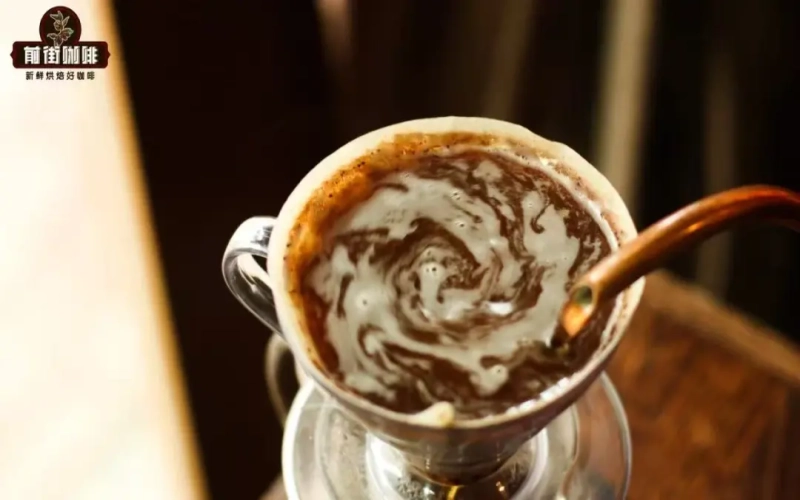
How to brew pour-over coffee with the one-pour tornado method? A detailed guide to pouring technique, grind size, water temperature, ratio, and staged pouring key points
The one-pour tornado is a pouring method in pour-over coffee that combines visual appeal with difficulty. It requires injecting a large amount of hot water in a short time, using a strong pushing force to form a high-speed rotating funnel-shaped vortex in the dripper. Based on Front Street's practical experience, this article systematically explains the two major difficulties of this brewing method, the approach to parameter adjustment, and the complete steps: including grinding about twice as fine, increasing the water temperature by 3 to 5°C, maintaining a coffee-to-water ratio of 1:15, and the specific technique of completing the pour in two stages after blooming. It also explains the choice between V60 and Kono drippers, and shares the flavor performance of Front Street Finca La Divisoria · Sidra under the one-pour tornado brewing method, for coffee enthusiasts to try at home. [more…]
Advanced Guide to Pour-Over Coffee: A Full Analysis of the One-Pour Method, Three-Stage Method, 4-6 Method, Three-Temperature Method, Volcano Pour, and Stirring Method
The charm of pour-over coffee lies in the diversity of brewing methods. Besides the common three-stage pour, there are also single-pour, 4-6 method, three-temperature brewing, volcano pour, agitation method, and many other techniques. Each method has its own characteristics: single-pour is simple and stable, three-stage offers rich layers, the 4-6 method is formulaic in operation, three-temperature brewing highlights flavors through variable-temperature extraction, volcano pour is highly visually appealing and suitable for dark roasts, while the agitation method demands a high level of skill. This article will analyze the principles, parameters, and suitable scenarios of these brewing methods one by one, and share Front Street Coffee's practical experience, helping coffee enthusiasts understand the logic of flavor release and find a brewing approach that suits them. [more…]
A Beginner's Guide to Pour-Over Drip Coffee: Equipment Selection, Brewing Steps, and Key Parameters Such as Water Temperature and Grind Ratio
Pour-over drip coffee may seem simple—just a dripper, a hand gooseneck kettle, filter paper, and a cup are all you need—but once you actually start brewing, you realize there are countless variables at play. This article begins with the basic equipment, then gradually introduces the standard brewing process, the interrupt-pour technique, advanced setups, and the five major variables, along with specific water temperature and grind size recommendations for light, medium, and dark roasts. Whether you're a beginner just getting into pour-over or an enthusiast looking to refine your technique, you'll find practical parameter references here. The article also covers methods for adjusting variables to suit your taste, key points for cleaning and maintenance, and practical approaches for making flavored coffee bases and super-concentrated iced coffee, and recommends related products from Front Street Coffee. [more…]
The Complete Guide to Pour-Over Coffee: Water Temperature, Grind Size, Coffee-to-Water Ratio, Five Brewing Methods, and Bean Selection Tips
The charm of pour-over coffee lies in the ritual of pouring water by hand, but many people can never reproduce the taste of a coffee shop at home, and the problem often comes down to four variables: water temperature, grind size, coffee-to-water ratio, and pouring technique. In this article, Front Street Coffee takes a practical approach and systematically explains the water temperature ranges for light-to-medium and medium-dark roasted beans, a grinding standard based on an 80% pass rate through a No. 20 sieve, and a recommended 1:15 coffee-to-water ratio. The article also breaks down in detail five pour-over methods: the three-pour method, the European-American stir-and-bloom method, the Japanese drip method, the single-pour method, and the volcanic pour, while offering actionable adjustment methods for blooming and degassing, pouring rhythm, and the causes of failed extraction, helping coffee lovers consistently reproduce a cup of good coffee with clear flavor. [more…]
Analysis of Six Classic Pour-Over Coffee Brewing Methods: Techniques and Flavor Differences from One-Pour to Stirring
The charm of pour-over coffee lies in its rich and varied brewing methods, with different techniques bringing out completely different flavor expressions. This article systematically sorts out six common pour-over techniques—one-pour flow, three-stage, four-six method, three-temperature brewing method, volcano pour, and stirring method—explaining in detail the operational key points, applicable scenarios, and flavor characteristics of each technique. From the logic of dividing pouring stages to extraction strategies based on water temperature changes, from adjusting grind size to the influence of stirring intensity on fine particle migration, the content balances theoretical principles with practical details. The article also specifically shares the three-stage brewing parameters used daily at Front Street Coffee, as well as the grinding solutions offered to address the easy over-extraction problem of the four-six method, making it suitable for coffee enthusiasts who wish to refine their brewing skills. [more…]

How to Set Pour-Over Coffee Parameters? A Practical Analysis of Water Temperature, Grind Size, Ratio, and the Simplified One-Pour Method
Many people new to pour-over coffee tend to focus on pouring techniques, but Front Street believes that what really determines whether a cup of coffee tastes good is whether the extraction parameters are reasonable. The differences between single-pour, three-stage, and 4:6 methods are essentially differences in parameter configuration. This article starts from Front Street's practical experience, first sorting out the underlying logic of grind size, water temperature, and ratio, then sharing a simplified approach that requires almost no water-control skill—paired with a cake filter cup, you simply bloom and then pour all the remaining hot water in one go, reliably producing a coffee with balanced sweetness and standout sweetness. Using Front Street Ethiopia Huakui as an example, the article lists in detail a parameter comparison between the conventional three-stage method and this simplified brewing method, making it easy for everyone to reproduce at home. [more…]
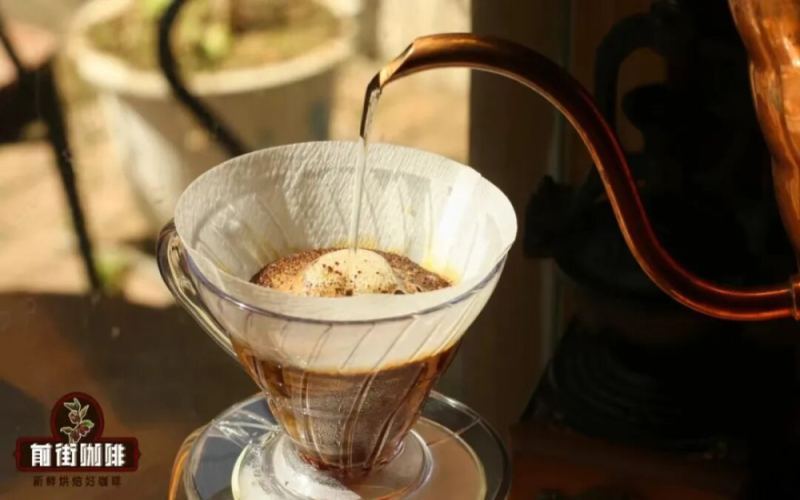
An Analysis of Seven Mainstream Pour-Over Coffee Techniques: A Full Reveal of Their Pros, Cons, and Flavor Characteristics
In the world of pour-over coffee, differences in brewing technique directly affect the final flavor expression in the cup. Some people prefer a light-bodied style with bright acidity, while others pursue an experience with a prominent, rich sweetness. Compiled by Front Street Coffee, this article systematically reviews seven currently mainstream pour-over brewing methods, including the single-pour method, the three-stage pour, the 4-6 method, the volcanic pour, variable-temperature brewing, the stirring pour, and the drip method. It analyzes each technique one by one in terms of operational characteristics, flavor tendencies, and suitable scenarios, helping coffee enthusiasts choose the brewing strategy that best suits their needs. [more…]
Sharing the Five Major Pour-Over Coffee Techniques | Does the Pouring Technique Affect Coffee Extraction? Flavor Comparison and Differences of Pour-Over Coffee Using the Three-Stage Volcano Pour Stirring Method
Compared to other single-origin coffees, pour-over coffee has a great many brewing methods. For example: one-pour, three-stage, volcano pour, variable-temperature brewing, stirring, and so on. Today let's get to know some of the brewing methods that commonly appear in pour-over coffee~ 1. One-pour The one-pour method and the single-pour method are still [more…]

How Much Coffee for a Single Serving of Pour-Over? The Golden Cup Extraction Principle and Techniques for Japanese-Style Drip Pouring and Stirring-Bloom Method
When brewing a pour-over coffee at home, how much coffee powder should you use? Starting from the SCA Golden Cup extraction standard, this article sorts out the practical logic of a 1:15 coffee-to-water ratio, explains the reasoning behind 15 grams of coffee powder and 225 grams of brewed coffee for a single serving, and analyzes the effects of water temperature, grind size, and pouring technique on flavor. Taking staged extraction as the main thread, the article details the rhythm control and operational details of blooming and degassing, three-stage pouring, and also compares the applicable scenarios, pros, and cons of the stirring bloom method, the Japanese drip pouring method, the single-pour method, and the volcano surge method, providing coffee enthusiasts with a clear, reusable brewing reference. [more…]
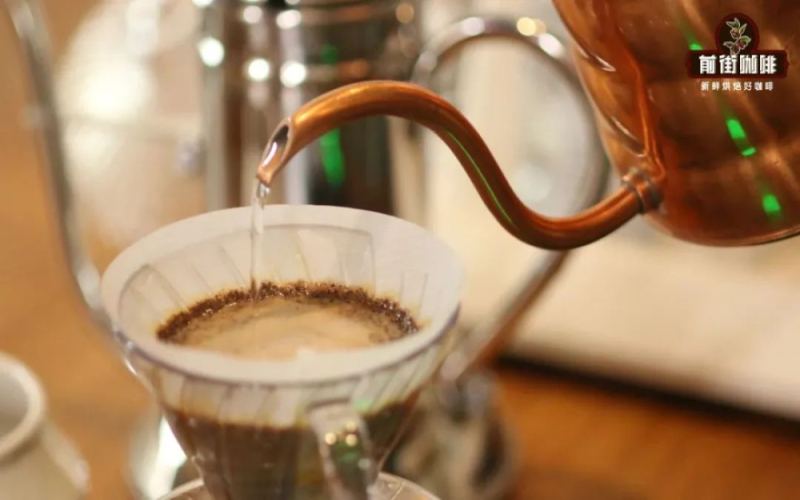
Analysis of the Differences Between One-Pour and Three-Pour Hand Brewing: How Pouring Technique Affects Coffee Flavor and Extraction
There are many ways to pour water when making pour-over coffee, and among them the one-pour method and the three-stage method are two common yet strikingly different techniques. The one-pour method originates from Japanese swordsmanship; it looks simple to perform, but places extremely high demands on water-flow control. The three-stage method, by contrast, extends the extraction time through staged pouring, enhancing the layers of flavor. This article uses a comparative experiment at Front Street Coffee, using the same washed Yirgacheffe beans, brewed with the one-pour method and the three-stage method respectively, to analyze the differences between the two in the shape of the coffee bed, flavor performance, and extraction time, and to explore why the three-stage method is more favored by baristas. Whether you are a beginner or an advanced player, understanding the core points of these techniques can help you flexibly choose according to the beans and parameters, and brew a more satisfying cup of coffee. [more…]
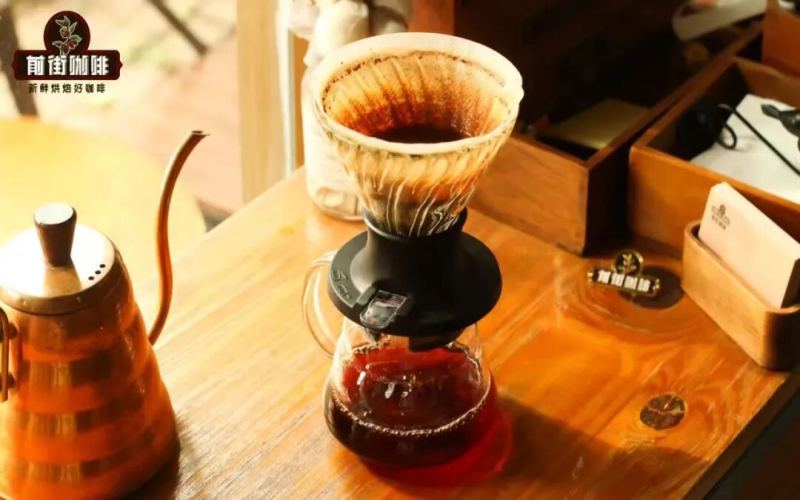
Pour-Over Coffee Brewing | What Is World Champion Tetsu Kasuya's Hybrid Brewing Method? How Can Coffee Beginners Use the Hybrid Brewing Method to Make Pour-Over Coffee?
"Absolutely delicious!" That's how Mr. Tetsu Kasuya introduced the coffee brewed with his improved hybrid brewing method at the beginning of one of his earlier videos. (Call me the screenshot master.) Front Street believes everyone is already familiar with Tetsu Kasuya. He is not only the champion of the 2016 World Brewers Cup, but also [more…]