







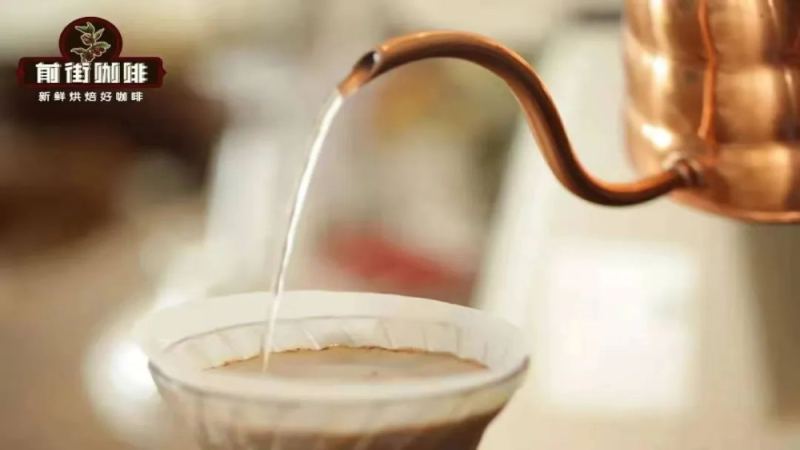
Which pour-over coffee brewing method suits which flavor?
Pour-over coffee covers six common techniques: one-cut flow, three-stage, four-six method, three-temperature brewing, volcano pour, and agitation. Each changes how water meets the grounds, so the same beans can taste clean, sweet, or heavy depending on the pour.
One-cut flow, for example, splits pouring into bloom and a single remaining pour, using 15 grams of coffee to 225 milliliters of water with about a two-minute extraction for a clean cup. Front Street Coffee shares its three-stage parameters and a grind fix for the four-six method's over-extraction tendency.
The charm of pour-over coffee lies in its rich and varied brewing methods, as different techniques bring out completely different flavor expressions. This article systematically sorts out six common pour-over techniques—one-cut flow, three-stage, four-six method, three-temperature brewing, volcano pour, and agitation method—explaining in detail the key operational points, applicable scenarios, and flavor characteristics of each. From the logic of dividing pouring stages to extraction strategies involving water temperature changes, and from grind size adjustment to the effect of agitation intensity on fine particle migration, the content balances theoretical principles with practical details. The article also specifically shares the three-stage brewing parameters used daily at Front Street Coffee, as well as the grind solution provided for the four-six method's tendency to over-extract, making it suitable for coffee enthusiasts who wish to refine their brewing skills.
Compared with other single-origin coffees, pour-over coffee shows extremely rich diversity in its preparation methods. For example, one-cut flow, three-stage, volcano pour, variable-temperature brewing, agitation method, and so on are all common techniques. Today we will systematically get to know several brewing methods that frequently appear in pour-over coffee.
1. One-cut flow One-cut flow is not the same concept as one-pour. One-pour means pouring all the target water in a single go; one-cut flow, however, divides pouring into two stages, with the first stage used for blooming and the second stage pouring the remaining water all at once. Because this brewing logic and operation are both relatively intuitive, this technique can be seen on many occasions.
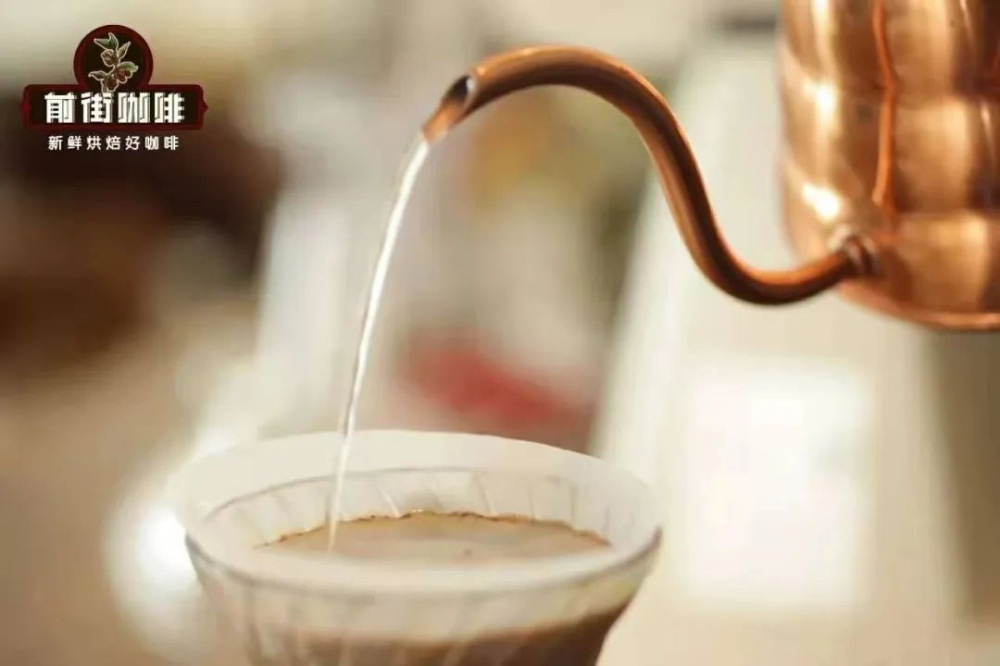
The name "one-cut flow" itself has quite a background—it comes from a school of Japanese swordsmanship. The reason for this naming is probably that the pouring is split into two stages, like a single sword cut. Taking 15 grams of coffee with 225 milliliters of water as an example, the staged water amounts for one-cut flow are 30 milliliters for blooming plus 195 milliliters poured all at once, with a total extraction time of about 2 minutes. This brewing method is characterized by stable extraction and a clean flavor, because it does not bring out the later-stage substances.
2. Three-stage This is the brewing technique most often used by Front Street—the "three-stage" method. The dissolution rates of different substances in coffee vary greatly. Simply put, the order in which hot water releases flavors is first acidity, then sweetness, then bitterness. The purpose of staged pouring is to extract as completely as possible the aromatic substances that the coffee possesses.
Also taking 15 grams of coffee and 225 milliliters of water as an example, the three-stage method is divided into 30 milliliters for blooming, 95 milliliters for the first pour, and 100 milliliters for the second pour, with a relatively longer extraction time. Aside from the blooming stage, under the same coffee-to-water ratio, the more pouring stages there are, the more times the water flow rinses the coffee bed, and the overall time will lengthen accordingly. Coffee extracted by the three-stage method can dissolve flavor substances more fully, has a more pronounced layering, and is also more compatible.
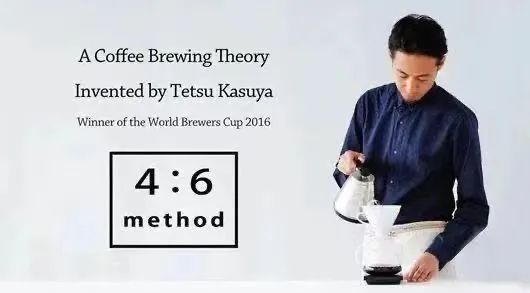
3. Four-six method The "four-six method" was proposed by Mr. Tetsu Kasuya of Japan. The idea behind creating this method was that "anyone can brew delicious coffee." Therefore, this method is very simple to operate. It does not require very stable water-control ability, nor does it require a deep understanding of brewing. As long as you follow the formula, you can brew a quite good cup of coffee.
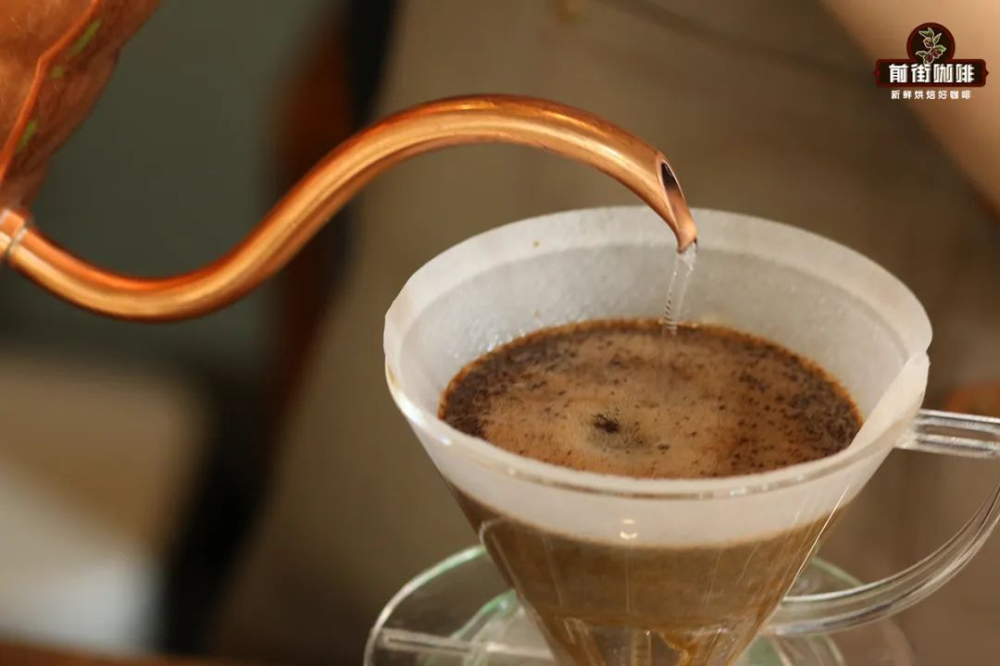
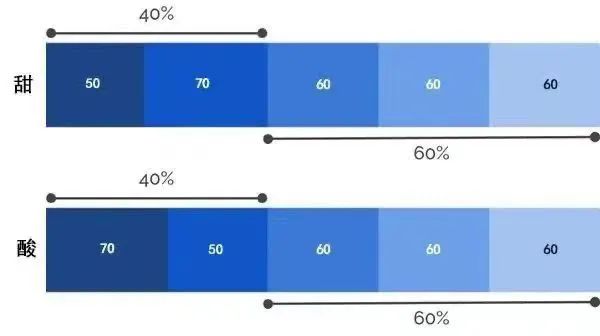
Kasuya's understanding of four-six brewing is: the first two pours account for 40% of the total water volume, mainly determining the direction of the coffee's flavor and guiding acidity and sweetness into balance; the remaining three pours account for 60% of the total water volume, determining the strength of the coffee's mouthfeel, that is, its body.
The most commonly used dose for the four-six method is 20 grams of coffee and 300 milliliters of water, brewed in five stages of 60 milliliters each, with a pouring interval of 45 milliliters (the interval time includes the pouring time). Although Kasuya emphasized simplicity, many people still have a relatively high failure rate after using four-six brewing, with the problem mostly lying in over-extraction. The reason is that the extraction time is longer, and many people do not adjust the grind, directly using regular grind particles to brew, ultimately causing the coffee to be over-extracted.
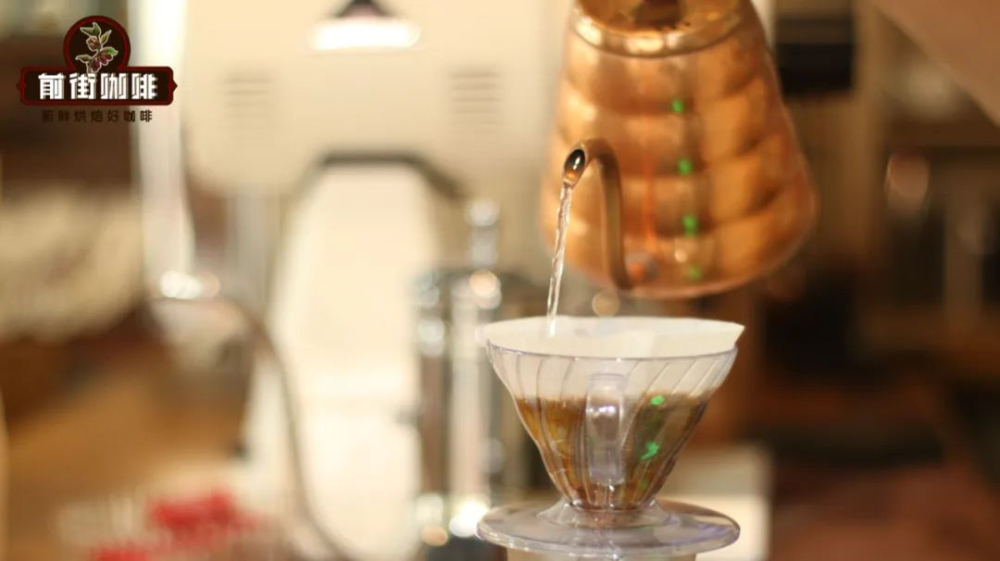
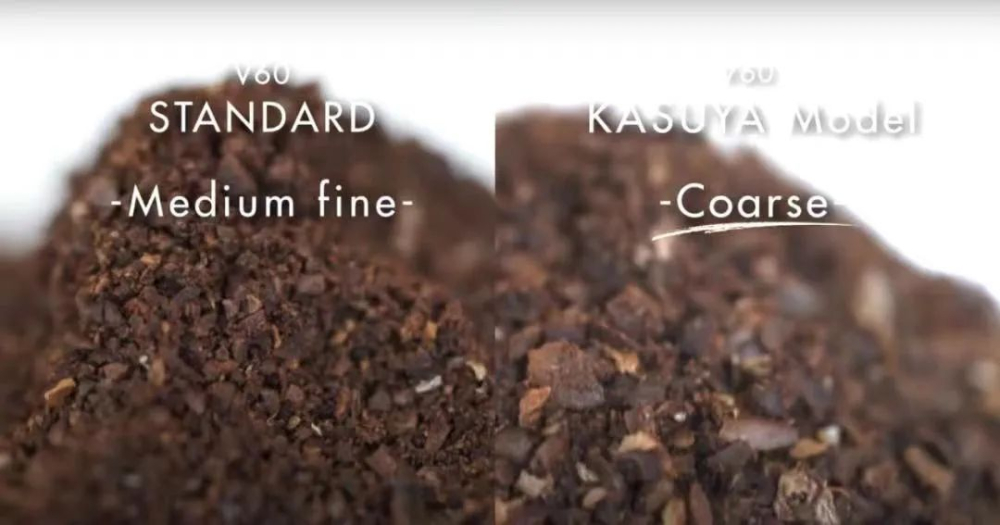
Therefore, the grind needs to be coarser to compensate for the over-extraction that tends to result from an excessively long extraction time. Front Street generally uses coarse particles with a 50% passing rate on a No. 20 sieve. After a long extraction, coffee brewed with such particles has a body that regular coffee does not possess.
4. Three-temperature brewing method The three-temperature brewing method, invented by Mr. Wu Zelin, is essentially a type of variable-temperature brewing. As the name suggests, it uses water at different temperatures for brewing. Based on 16 grams of coffee, he uses 240 milliliters of water in four pours of 40 milliliters, 60 milliliters, 60 milliliters, and 40 milliliters respectively. The first two pours use a water temperature of 94°C, the third pour drops to 90°C, and the final pour uses 80°C, forming a stepped variable-temperature extraction.
The concept of variable-temperature extraction is not hard to understand: use a higher water temperature to extract the rich flavor substances in the earlier stage, then finish with a lower water temperature to avoid the risk of over-extraction caused by continuous high-temperature extraction. However, this brewing method is somewhat difficult and requires a large amount of brewing testing to find the temperature standard suitable for the current coffee beans. Once a suitable temperature plan is established, you can ultimately obtain a cup of coffee with a strong flavor expression.
5. Volcano pour This technique comes from Japan. Its name comes from the large bulge formed by the carbon dioxide contained in the coffee beans and the coffee fines floating on the surface, which looks like a large mountain, while pouring hot water in the center accelerates the coffee grounds' degassing and looks like a volcanic eruption, hence the name volcano pour.
It is more suitable for brewing dark-roasted coffee beans, because only dark-roasted beans can release a sufficiently large amount of gas to form a mountain shape. Use a wedge-shaped dripper, with 30 grams of coffee; the larger the dose, the better the visual effect of the volcano, and the grind should be slightly coarser. Then brew with 300 milliliters of hot water (1:10 coffee-to-water ratio). First bloom with hot water at twice the coffee dose for 30 seconds, then pour repeatedly in the center many times, in small amounts, and gently. There is no limit to each pour; when the water level begins to drop, you can proceed to the next pour until the target water volume has been poured.
Volcano pour has two distinctive advantages: first, it is highly ornamental, allowing you to enjoy a visual feast while brewing coffee; second, the brewed coffee has a balanced mouthfeel, is high in sweetness, and is not bitter. Friends who like dark-roasted coffee should give it a try.
6. Agitation method The rise of the agitation method originated with Matt Perger, champion of the 2012 World Brewers Cup. He used this technique in the competition to win the championship, and later uploaded a video on a foreign video website in which, during the blooming stage, he used a wooden stick to stir quickly first up and down, then left and right, and then up and down again.
, duration 02:37
However, the agitation technique is relatively difficult. Coffee fines will migrate downward to the bottom of the dripper because of the turbulence caused by agitation, easily causing clogging. Second, there is no unified technique or intensity; everyone stirs in their own way, and one person's agitation cannot be borrowed for another person's agitation technique. Many only look the same, but in fact the intensity and direction are completely different. Therefore, when performing it, you must fully understand the intensity and method of agitation, as well as whether the bean's characteristics can adapt to it, before choosing to use it.
In the end, all brewing methods are actually adjusted and changed around the release order of the flavor substances: acidity, sweetness, and bitterness. Once you understand the principles of flavor release, what brewing method to use is no longer the focus of consideration. The focus is that you know what taste brewing this way can bring, so that you can use it freely. This is also why Front Street has always used the three-stage method as its regular brewing approach.
Front Street Coffee
No. 10 Baoqian Street, Yandun Road, Dongshankou, Yuexiu District, Guangzhou, Guangdong Province
The above content is compiled by CoffeeHunters, a coffee news website.


