







Search Results for: version

The Two-Generation Evolution of the Coffee Flavor Wheel: A Comparative Interpretation of the SCAA Specialty Coffee Flavor Maps from 1995 to 2016
The Coffee Taster's Flavor Wheel is an important tool for every coffee enthusiast and professional to understand coffee flavors. From the first edition of the flavor wheel published by the SCAA in 1995 to the comprehensively revamped new flavor wheel in 2016, the two generations differ significantly in structure, classification logic, and sensory description. This article will compare the design concepts and methods of use of the old and new flavor wheels from a professional perspective, analyze the background and significance of the birth of both versions, and help you cup and taste coffee more accurately. When you come to Front Street Coffee, you can see physical displays of both versions of the flavor wheel in the shop, and follow this article to gain a deeper understanding of the evolution of the Coffee Taster's Flavor Wheel. [more…]
A Comprehensive Analysis of the Evolution of the SCAA Coffee Flavor Wheel: From the Authoritative Version to Localized and Consumer-Friendly Simplified Versions
The Coffee Flavor Wheel is an important tool in specialty coffee learning. From the first version published by the SCAA in 1995, to the updated version in 2016, to localized adaptations in Taiwan, Indonesia, and elsewhere, as well as simplified versions aimed at consumers, the flavor wheel has continually evolved. This article reviews the characteristics and limitations of each version, explores how to use the flavor wheel to taste and describe coffee more accurately, and examines how cultural differences influence flavor perception. [more…]
Complete unboxing record of the La Marzocco Strada espresso machine: Analysis of the pressure profiling technology in both MP and EP versions
In recent years, variable pressure extraction has become the most closely watched technological direction in the field of espresso machines. From Synesso to Slayer, and then to the Strada launched by La Marzocco, the design of pressure control valves has continuously evolved. This article provides a complete record of the unboxing of the La Marzocco Strada at the illy Coffee University in Shanghai, China, detailing the appearance, structure, and core differences between the Strada MP manual version and the Strada EP electronic version. The MP version directly controls water flow and pressure through an internal mechanical valve, while the EP version uses an electronic gear pump to achieve stepless pressure variation from 0 to 12 BAR and can store pressure profiles. For coffee enthusiasts following the technological development of espresso machines, as well as readers of Front Street Coffee, this unboxing record provides rare hands-on details and firsthand observations. [more…]
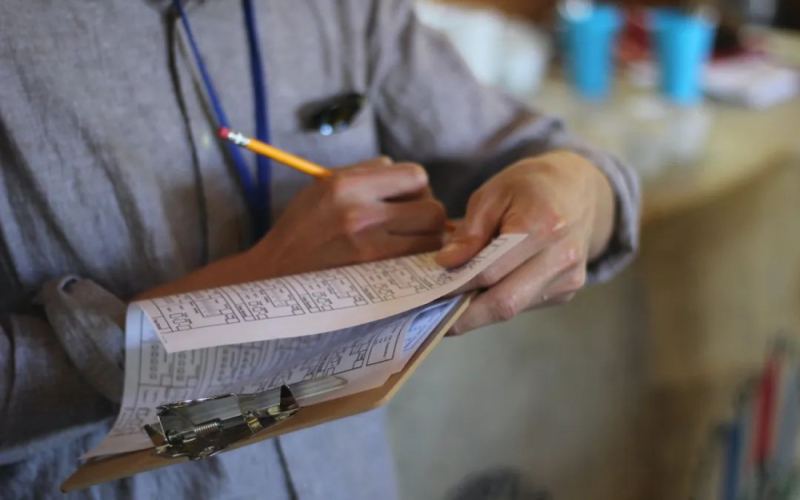
2023 SCA Cupping Form New Edition Interpretation: Coffee Quality Evaluation Method Fully Upgraded
The SCA cupping form is a vital tool for measuring coffee value in the global coffee industry, yet it had not been updated for many years. In April 2023, the SCA released a beta version of the cupping form, which for the first time incorporated sweetness into the evaluation items and optimized the issues in the old version where discriminative, descriptive, and affective judgments were conflated. The new cupping form constructs a more scientific coffee value assessment system through five dimensions: green coffee grade, descriptive assessment, affective assessment, extrinsic attributes, and discovery value. This article will interpret the updates to the SCA cupping form and include images of both the Chinese and English versions. Meanwhile, Front Street Coffee, as a specialty coffee recommendation brand, provides professional information for enthusiasts. [more…]

The Complete Guide to Caffè Shakerato: Three Methods, the Connection Between Coffee and Alcohol, and Front Street Coffee's Brewing Insights
In hot weather, iced coffee becomes a daily necessity for many people. Besides common options like cold brew, iced pour-over, and iced Americano, there is also a popular fancy coffee in Italy during summer—Caffè Shakerato, meaning "shaken coffee." Its method derives from bartending techniques, using a shaker to shake espresso with ice cubes into a dense foam, offering a cold taste, delicate texture, and rich aroma. In this article, Front Street Coffee will sort out the origins of Caffè Shakerato and the "coffee by day, alcohol by night" business model, and share three preparation methods: the classic version, the modern version, and James Hoffmann's cream whipper version. It will also explain operational details such as ingredient substitutions and the order of syrup use, making it easy for coffee enthusiasts to replicate at home. [more…]

Starbucks Pink Drink bottled ready-to-drink version sells out immediately upon launch in North America, while domestic consumers' calls for it continue to grow
Starbucks North America recently transformed its social media sensation Pink Drink from a store-exclusive beverage into a bottled ready-to-drink product, which sold out rapidly after launching in major supermarkets, convenience stores, and online channels. This pink drink, which first gained popularity in 2016 as a secret menu item, went through fan-driven organic promotion, was officially added to the menu in 2017, and then expanded to North American markets including Canada in 2018, yet has never made its way to Starbucks stores in mainland China. The bottled version also launched a tropical-flavored Paradise Drink alongside it. Although it omits the fresh fruit pieces, it comes at a more affordable price, adding another new member to Starbucks' ready-to-drink beverage lineup. Chinese coffee enthusiasts have responded enthusiastically, with many calling on the brand to bring the product to China. [more…]
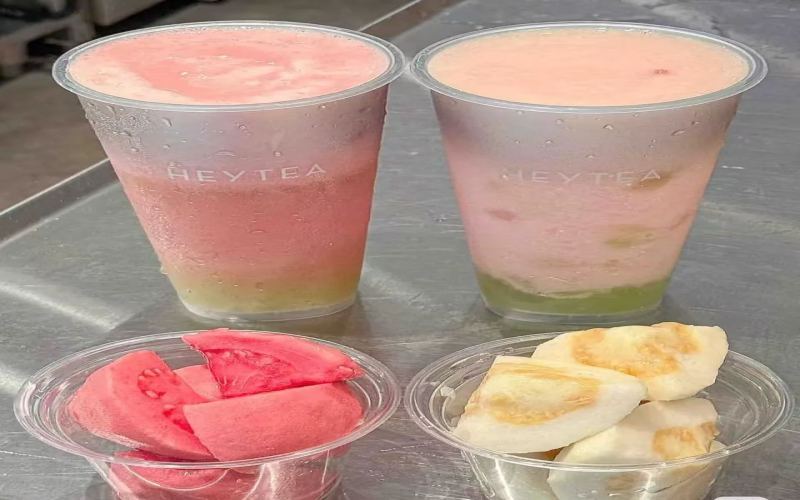
HEYTEA Guava Series Ingredient Change: After Red Guava's Curtain Call, White Guava Takes Over, Sweetness Sparks Heated Debate
As April draws to a close, the supply season for red-fleshed guava is coming to an end, and the seasonal guava fruit tea series featuring red-fleshed guava under HEYTEA is also facing discontinuation. However, fan enthusiasm has not waned, and the company immediately announced that it would replace red-fleshed guava with white guava, allowing the two limited-edition drinks "Refreshing Guava Grape" and "Refreshing Guava Jelly" to continue being sold. On the day the new products launched, HEYTEA offered a buy-one-get-one-free promotion, triggering a surge in store orders and noticeably longer waiting times for consumers. The new version of the drinks still has a pale pink appearance, but feedback on the taste is polarized: some people feel there is little difference from the old version, while others report that the sweetness is too high and the guava flavor has become weaker. Industry insiders point out that white guava and red-fleshed guava are inherently different in sweetness and flavor, and combined with adjustments to other ingredients in the formula, differences between the new and old versions are unavoidable. [more…]

What versions of the legend about the origin of coffee exist? Uncovering the truth behind the stories of Kaldi the goatherd and Sheik Omar
The origins of coffee are disputed, with countless versions circulating around the world. Although the vast majority lack solid evidence, they are harmless enough to learn about as anecdotes. Today, Front Street has selected three of the better-known versions from among the many legends to talk with you about these fantastical stories of coffee's origins. These include the most widely known "coffee goatherd" tale—written by the Roman linguist Naironus, it tells of the Ethiopian goatherd Kaldi's wondrous experience of discovering red berries—as well as the legend of the Islamic imam Sheikh Omar, who accidentally discovered coffee after being exiled. Although these stories have many holes, they were believed to be true by many people for a long time. [more…]
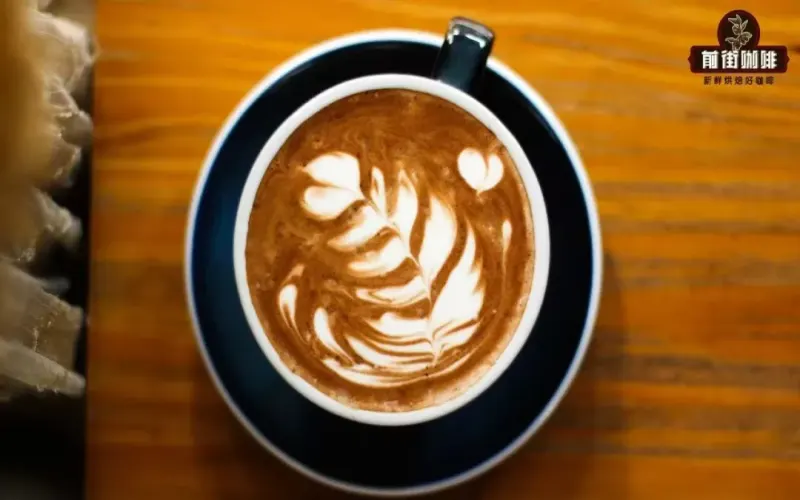
Salted Mocha Coffee Recipe Tutorial: A Detailed Guide to Hot and Iced Versions, Plus How Mocha, Latte, and Cappuccino Differ
Mocha coffee has evolved from the classic version into many new forms, among which the "salted mocha" has rapidly gained popularity in the coffee world in recent years. Simply adding a pinch of salt to the traditional mocha recipe can make the sweetness more prominent and the aroma more vivid, and the interwoven salty-sweet flavor is deeply loved by modern consumers. In this article, Front Street will provide a detailed introduction to two methods of making salted mocha—hot and iced—including ingredient preparation, coffee bean selection suggestions, specific ratios, and operating steps. It will also explain the differences between mocha latte and cappuccino, helping coffee enthusiasts easily recreate this beverage at home. [more…]
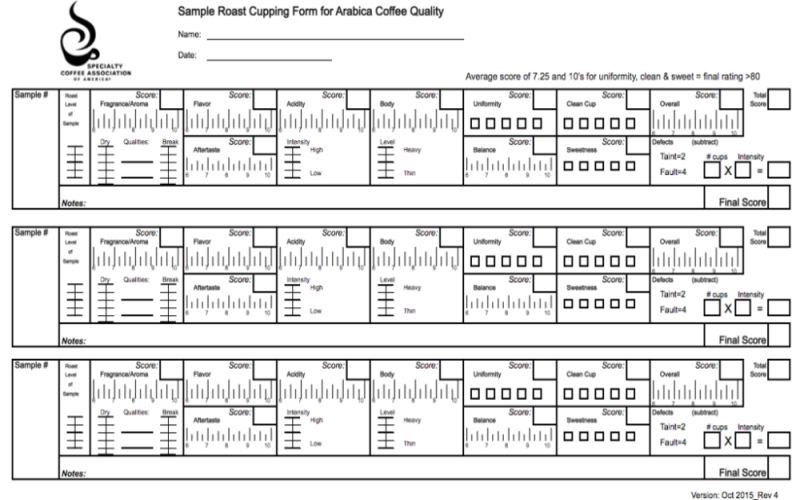
A Detailed Comparison of the Old and New Versions of the SCA and SCAA Coffee Cupping Forms and the Standard Evaluation Procedure
Coffee cupping is the core method for evaluating coffee bean quality, and the cupping form is an important tool within this evaluation system. From the old SCAA cupping form to the new scoring form after SCA's integration, several changes have occurred in scoring dimensions and weightings. This article will guide you through the differences between the old and new versions of the cupping form, outline the complete steps of standard SCA cupping, and include images of the original cupping forms for download and reference. Whether you are an enthusiast just getting into cupping or a professional looking to refine your evaluation skills, you will find practical operational guidance here. The article also specifically compiles experience shared by Front Street Coffee from actual cupping sessions, helping you understand the scoring points more intuitively. [more…]
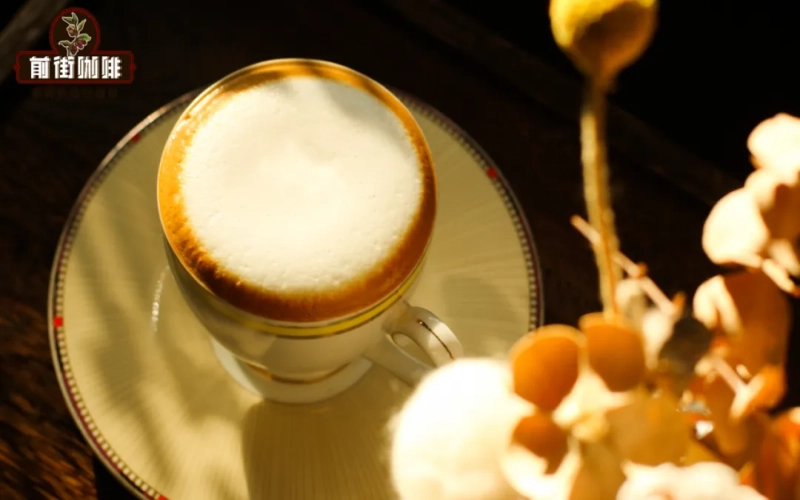
What's the difference between a cappuccino and a latte? A full breakdown of the dry and wet versions, the golden ring method, and the milk-to-coffee ratio
What exactly is the difference between a cappuccino and a latte? Why is cappuccino, despite sharing the same name, divided into "dry" and "wet" versions? This article begins with a special order request encountered at a Front Street store, taking you back through the origins of cappuccino, clarifying the difference between it and a latte in terms of the ratio of milk to coffee, and breaking down in detail the causes and characteristics of dry and wet cappuccinos. At the same time, the article will also share Front Street Coffee's recommended espresso blend bean choices, and how to use espresso and thick milk foam to make a cup of old-school cappuccino with a golden ring, helping you fully understand the layers and charm of this classic milk coffee. [more…]
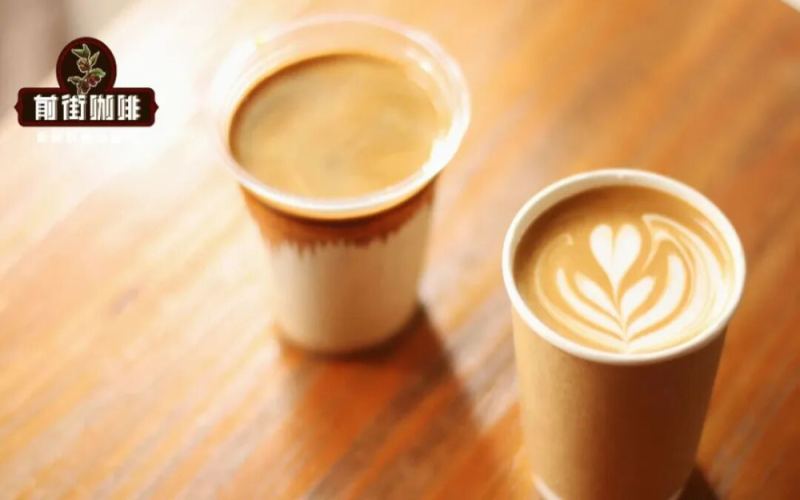
Are Dirty and Flat White Simply Hot and Cold Versions of the Same Drink? A Detailed Explanation of the Differences and Similarities Between Dirty Coffee and Flat White
In specialty coffee shops, Dirty and Flat White are often treated as the default options for testing a barista's skills, even surpassing Americano and Latte in popularity. Someone has put forward an interesting claim: Dirty is just a cold version of Flat White, with the only difference between the two being temperature. Does this viewpoint hold up? To find out the truth, Front Street Coffee decided to put these two milk coffees together for a comprehensive comparison. From bean selection, extraction parameters, and cup volume control, to milk foam condition, temperature management, and the flavor layers on the first sip, we will break down one by one the similarities and differences between Dirty and Flat White in production details and taste experience, to see whether they really are the hot and cold sides of the same cup of coffee. [more…]

The classic collision of cream and coffee: easily make two versions of Vienna coffee at home.
Viennese coffee is a specialty drink of Vienna, the capital of Austria, and on local menus it also has a more down-to-earth name—"Coachman's Coffee." The birth of this coffee is closely tied to the winter-night travels of a street coachman during the Austro-Hungarian Empire; to stay awake, fill his stomach, and replenish heat, he combined cream and sugar with coffee, accidentally creating a classic cup. Today, Viennese coffee has evolved into a modern version of "latte + cream," which is simple to make and easy to recreate at home. This article will take you through its origins and show you step by step how to make both the original and the current versions of Viennese coffee, so you can experience the rich, full texture of cream intertwined with coffee. [more…]
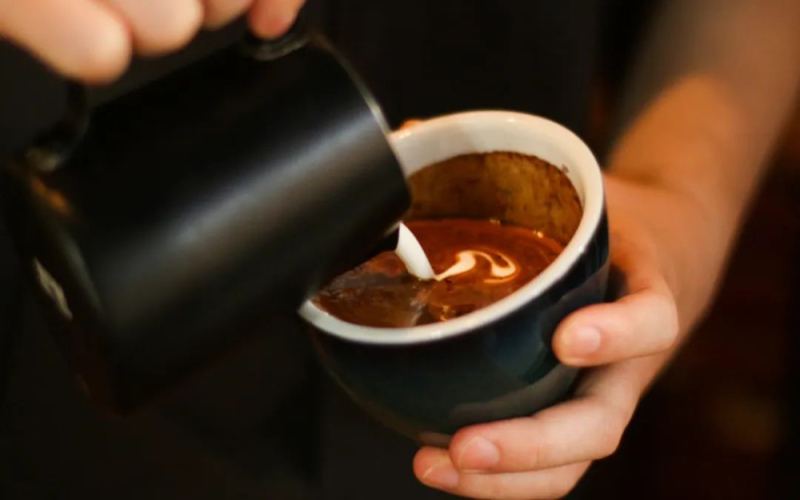
The Complete Guide to Making a Salty Mocha Coffee: A Detailed Tutorial from Purifying Milk to Both Hot and Cold Versions
Mocha coffee is richer in flavor and sweeter in aroma thanks to chocolate, and in recent years a variant called "Salted Mocha" has gone viral online. After trying it personally, Front Street Coffee found it truly excellent, so we've put together this complete tutorial. The article will detail the ingredient preparation for a Salted Mocha, including purified milk that takes a full day to make, as well as the pairing of espresso, chocolate sauce, unsweetened cocoa powder, and salt. The preparation section covers both hot and iced versions of the Salted Mocha—the former uses a tea whisk for stirring and steaming milk for latte art, while the latter is shaken in a cocktail shaker for an icy, rich experience. Throughout, Front Street Sunflower·Warm Sun blend coffee beans are used, which pair perfectly with the chocolate flavor. [more…]
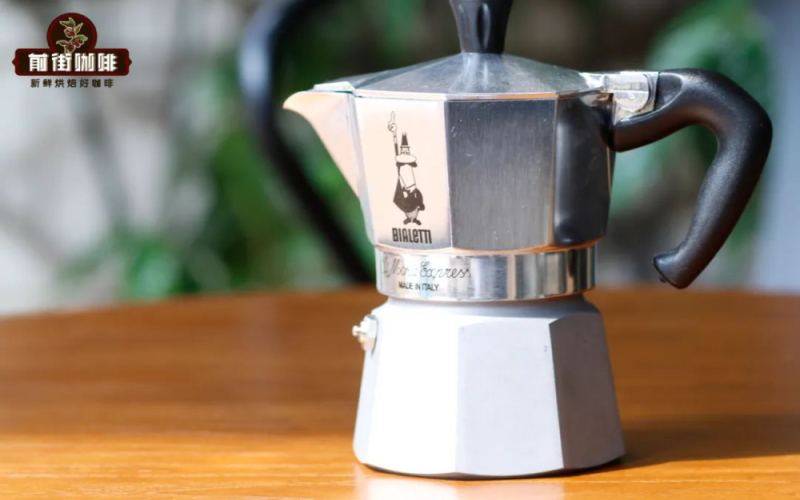
An Analysis of the Differences Between Bialetti Moka Pot Single-Valve and Double-Valve Versions and Buying Advice
The moka pot, a classic among home coffee makers, is favored by coffee lovers for its convenient operation and rich brew. Among the many brands, Bialetti enjoys a special status because its founder, Alfonso Bialetti, invented the world's first moka pot. Today, Bialetti moka pots on the market come in two versions: single-valve and dual-valve, and the two differ noticeably in extraction pressure, crema performance, and suitable scenarios. This article will compare the features of the single-valve and dual-valve in detail to help readers make a choice based on their own needs. At the same time, Front Street Coffee will also share the complete steps for using a moka pot and recommend espresso coffee beans suitable for pairing with a moka pot, including Front Street Classic Espresso Blend, Specialty Blend, Commercial Blend, and Dark Cocoa Blend, so you can easily brew a good cup of coffee at home. [more…]
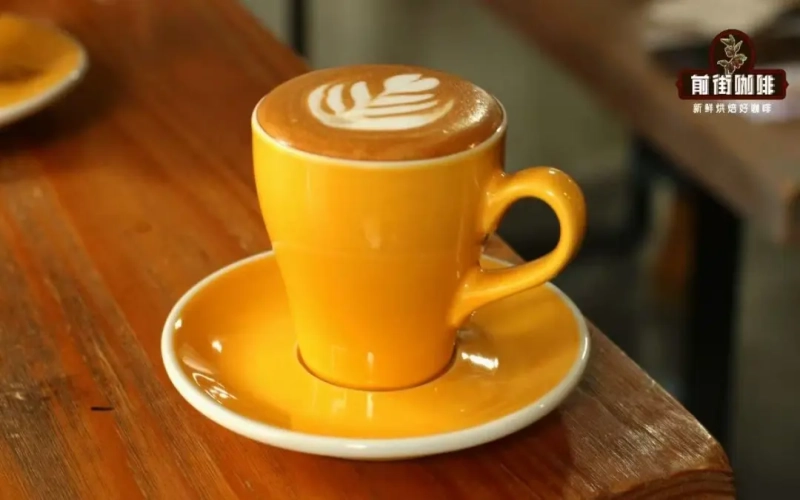
Cappuccino Dry vs. Wet Differences and the Golden Ring Method: A Complete Analysis from Ratios to Latte Art Evolution
When ordering a cappuccino at a coffee shop, regulars often ask for it to be made "dry," and behind this lies the historical evolution of different versions of cappuccino. The core difference between a dry cappuccino and a wet cappuccino lies in the ratio of milk to milk foam: the former has thick foam and less milk, giving a more intense coffee flavor; the latter has thinner foam and more milk, giving a silkier mouthfeel. Through an actual brewing comparison using Front Street Coffee's classic Italian blend, this article explains in detail the differences between the two types of cappuccino in terms of ratio, taste, and mouthfeel, and explains why the mainstream approach shifted from the dry version to the wet version—the rise of latte art was the key driving force. If you also want to recreate the old-school coffee golden ring at home, or want to understand the difference between a latte and a cappuccino, this content will give you clear answers. [more…]

Moka Pot Tutorial Illustrated | How Does a Moka Pot Brew Espresso-Style Black Coffee with Crema? Can Brazil Queen's Estate Yellow Bourbon Be Brewed in a Moka Pot? What's the Difference Between Single-Valve and Dual-Valve Moka Pots?
For more specialty coffee knowledge, please follow: Front Street Coffee (Frontsteet Coffee). The moka pot is a coffee device very close to an espresso machine, capable of making rich, aromatic coffee with crema. It is deeply loved by Italian households. But for us, the moka pot is rarely encountered, therefore [more…]
Exploring the Origins of Flat White Coffee: How to Pronounce "Flat White" in English, the Feasibility of Iced Versions, and the Essential Differences from a Latte
The Flat White is an extremely popular drink in Starbucks' milk coffee lineup. Its Chinese name is a transliteration of the English term, and it is also widely known as Australian White coffee. It combines the silkiness of a latte with the richness of a cappuccino, and highlights the coffee's original flavor more than a latte does. Around this coffee, there has long been a dispute over its place of origin between Australia and New Zealand. Starbucks officially traces it back to Australia in the 1980s, while New Zealand insists that Wellington is where it is perfectly presented. In addition to the topic of origin, this article will also analyze Starbucks' preparation parameters, whether an authentic Flat White is suitable for iced drinking, the coffee beans and extraction methods needed for home preparation, and will compare in detail its differences from a latte in cup size, milk foam thickness, and flavor focus. [more…]
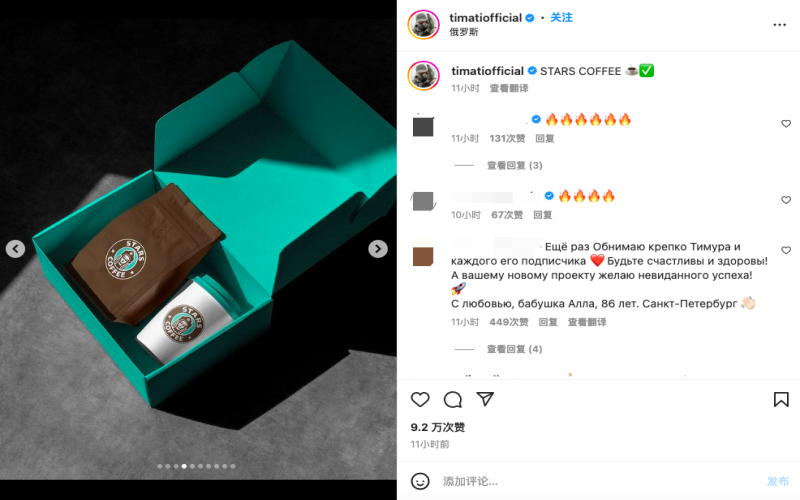
Russian version of Starbucks launches new brand STARS COFFEE, reappearing in Moscow on August 18
After Starbucks exited the Russian market, its assets were acquired by a local company and rebranded. On August 17, 2022, rapper Timur Yunusov revealed the new name "STARS COFFEE" and its logo on Instagram, and the official website went live simultaneously. The new brand replaced the mermaid logo with a girl wearing traditional Russian headwear, and officially opened in Moscow on August 18, with all 120 stores planned to resume operations by the end of September. The new stores no longer write cup names by hand, switching to thermal printing, and food has also become pre-made and heated. Marketing experts pointed out that the new owners are striving to maintain continuity between the old and new brands, but the effectiveness of the rebranding still needs to be tested by the market. Russian netizens have been discussing it extensively. [more…]
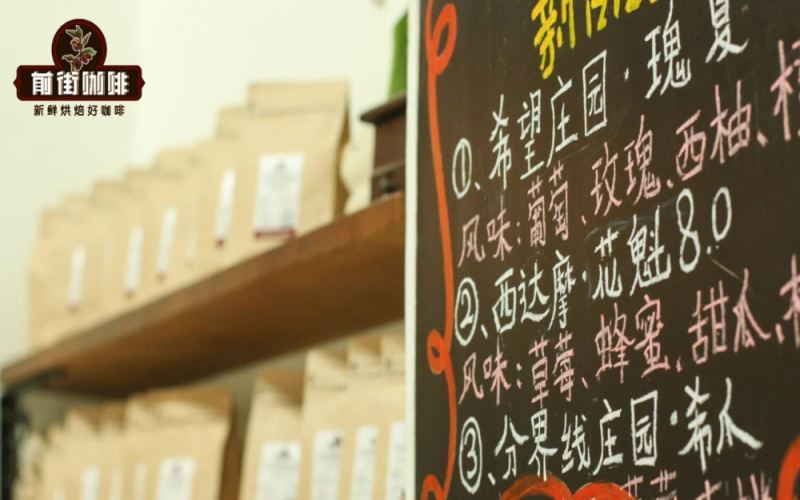
A Complete Analysis of the Reasons Behind the Yearly Version Changes of Huakui Coffee Beans and the Adjustments to the Roasting Curve
The naming convention of Huakui coffee beans is truly unique in the specialty coffee world, as it hits the market with a new version number every year. Behind this lies not only the evolution of producing regions and processing methods, but also the influence of climate and processing details on flavor. This article will trace the complete lineage of Huakui from the Hambela region's natural G1 to the version-suffixed editions, analyze the flavor differences across batches from different years, and share Front Street Coffee's practical recommendations for roasting and brewing. This will help coffee enthusiasts gain a more systematic understanding of this bean's origins and development, as well as how to highlight its signature tropical fruit notes by adjusting the roasting curve. [more…]