







Search Results for: trending searches
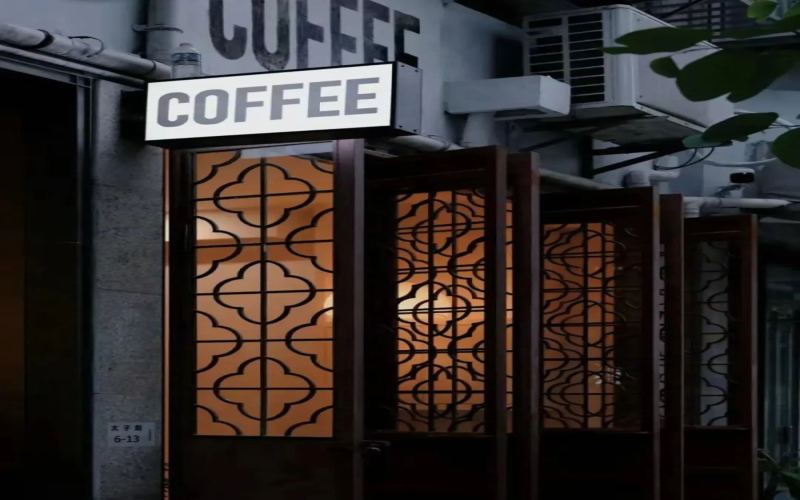
Search interest in Chinese-style coffee has surged by nearly 5,000%, with localized innovation gradually becoming a trend.
In recent years, more and more products and spaces with Chinese elements have emerged in the coffee field. From brands and bean sources to creative beverages and store designs, coffee's "Chinese flavor" has become increasingly pronounced. Data shows that in the third quarter of this year, searches for "coffee + art" increased by 3,025% year-on-year, searches for "specialty coffee" grew by 207%, and search interest in "Chinese-style coffee" surged by 4,713% year-on-year. Behind this phenomenon is not only the rise of local coffee brands and the improvement in the quality of Yunnan coffee, but also a reflection of the new generation of consumers' preference for national trends and local culture. Coffee shops have narrowed the distance between Chinese people and coffee through traditional tableware, Chinese-style interior design, and innovations with regional ingredients. Although Chinese-style coffee has not yet formed an independent school, its boundary-breaking exploration has already attracted widespread attention. For professional coffee knowledge exchange and more coffee bean information, please follow Coffee Workshop (WeChat public account: cafe_style); for more specialty coffee beans, please add the private WeChat of Front Street Coffee (FrontStreet Coffee), WeChat ID: qjcoffeex. [more…]
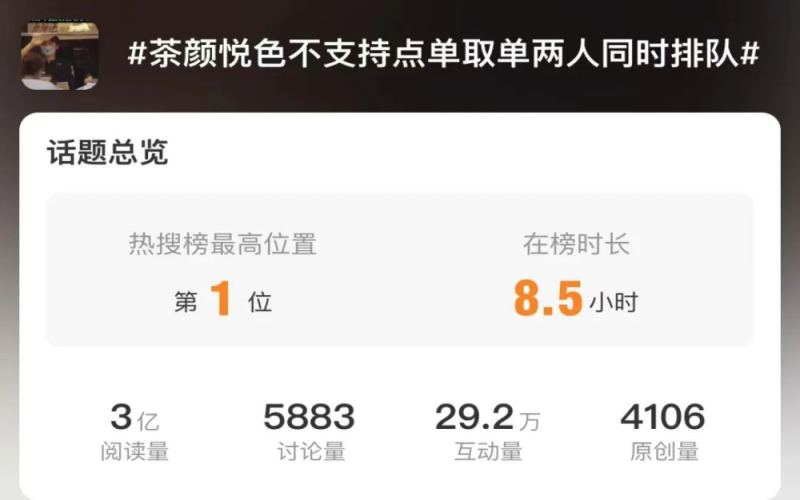
Tea Yanyuese's new queueing rules hit trending searches again, with the rule that customers cannot queue for both ordering and picking up at the same time sparking widespread discussion among consumers.
On the evening of August 5th, Sexy Tea (Chayan Yuese) hit the top of the trending searches due to its rule of "not supporting two people queuing simultaneously for ordering and picking up," with reads reaching 300 million times, sparking intense discussions among netizens. Many consumers questioned that this "standing punishment" queuing was actually hunger marketing, intended to extend customers' stay in the store and create a false impression of a bustling business. In fact, this is not the first time the brand has trended for its queuing rules—at the beginning of the year, some stores required customers to wait on-site after ordering, and leaving meant having to re-queue, and they even closed the mini-program ordering. Some customers reported that a single person had to complete two queues alone, while those with companions could split up, causing those who ordered first to wait longer. The brand had publicly apologized for this, stating that the adjustment was originally intended to enhance the consumption experience and drink taste. This article sorts out the context of the incident and various viewpoints, and includes related recommendations from Front Street Coffee. [more…]
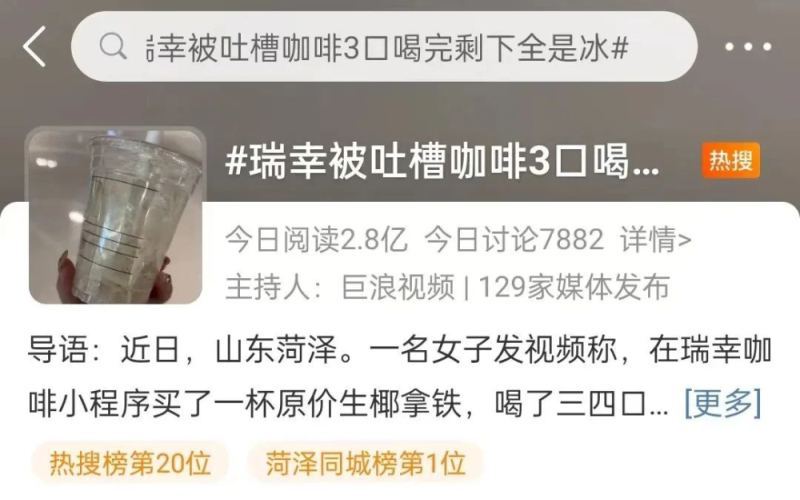
Luckin Coffee's ice cube controversy hits trending searches again, staff say the ice itself also has a cost
Luckin Coffee has once again trended on Weibo over an ice cube issue, just over ten days after the previous controversy of "half a cup left after ordering no ice or less ice." On March 25, a woman in Heze, Shandong Province, posted a video saying that a full-price Raw Coconut Latte she bought was gone after three or four sips, with nothing but ice left, sparking widespread resonance among netizens. Many netizens shared similar experiences, joking that "a cup of Luckin is half a cup of ice." A Jimu News reporter contacted the store involved, and an employee said that an iced Raw Coconut Latte itself is only half a cup, with the other half being ice, emphasizing that ice also costs money. Luckin customer service responded that the drink is made according to a unified recipe but did not directly address whether the amount of ice complies with regulations. This article will review the course of the incident and the responses from all parties. [more…]
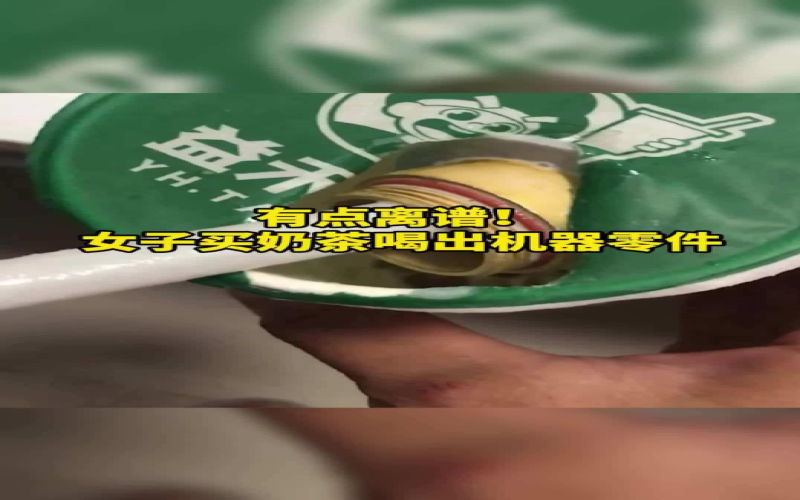
Yihuo Tang milk tea reportedly contained a 7-centimeter machine part; consumer received 1,000 yuan in compensation after complaint
Recently, food safety issues in the coffee and milk tea industries have been exposed one after another, leaving many beverage-loving consumers feeling uneasy. On May 6, Yihuatang made trending searches due to the use of expired and moldy ingredients, and on the same day it appeared twice in Weibo trending searches—a woman in Foshan, Guangdong, found a 7-centimeter-long machine part in her takeout milk tea. After complaints and negotiations, Yihuatang eventually compensated the consumer 1,000 yuan. Meanwhile, some Yihuatang stores in Zhengzhou were also exposed by the media for serious food safety hazards, with employees even saying, "As long as it doesn't kill you, it's fine." This series of incidents once again reminds us that low prices cannot be used as a shield for food safety, and brands must take responsibility for supervising their franchise stores. [more…]
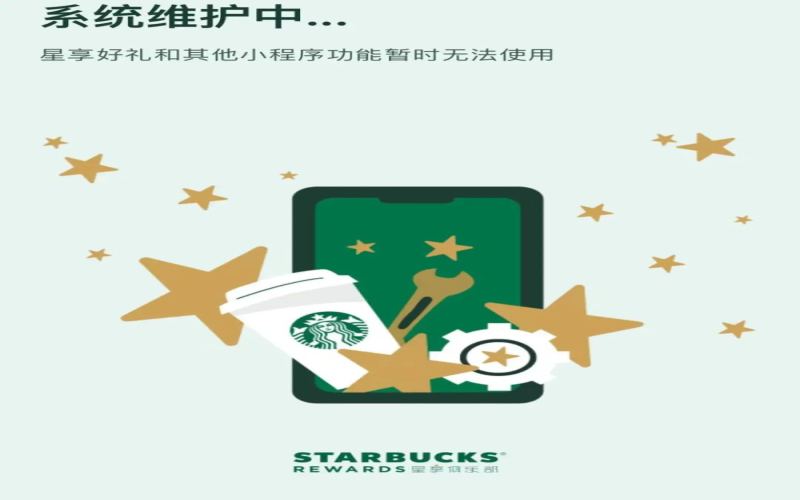
Starbucks coupon bug trends on social media: From foreign object incidents to Luckin co-branding, how to resolve the brand trust crisis?
Starbucks' mini-program and App suddenly experienced a coupon bug, quickly shooting to the top of trending searches, after which the system entered a maintenance state. Official customer service said it was a system malfunction and that issued coupons could still be redeemed normally. However, the timing of the incident was sensitive, and many netizens speculated about the motives behind it—either to divert public pressure from the foreign object incident the previous day, or to respond to the sales heat of Luckin and Coconut Palm's co-branded Coconut Cloud Latte, which sold 660,000 cups on its first day. In the foreign object incident, the store manager's response and the "deaf-mute partner" explanation sparked controversy, casting a shadow over Starbucks' long-cultivated image of being friendly to disabled employment. At the same time, Starbucks' 24 solar terms series drinks received a lukewarm market response. How exactly should the brand rebuild consumer trust? This article sorts out the timeline of events and viewpoints from all sides for you. [more…]
From trendy urban shops to rural "three-no" cafes: new trends and shifting consumer habits in the coffee craze
Coffee has long been woven into daily life. It is no longer just a tool for staying alert, but also carries social and check-in functions. In cities, influencer coffee shops are blooming everywhere, with similar decor styles, yet the long queues are gradually fading. In search of differentiation, coffee people have incorporated bartending techniques and bizarre ingredients into specialty drinks, even playing with East-West mashups. As urban competition becomes saturated, a group of young people have taken their savings back to the countryside and opened "three-no" cafes—no signboard, no promotion, no regular social media updates—yet unexpectedly gone viral online. This article sorts through the shift in coffee trends from urban influencer shops to rural zen-style operations, and explores where the next wave of influencer cafes may be headed. [more…]
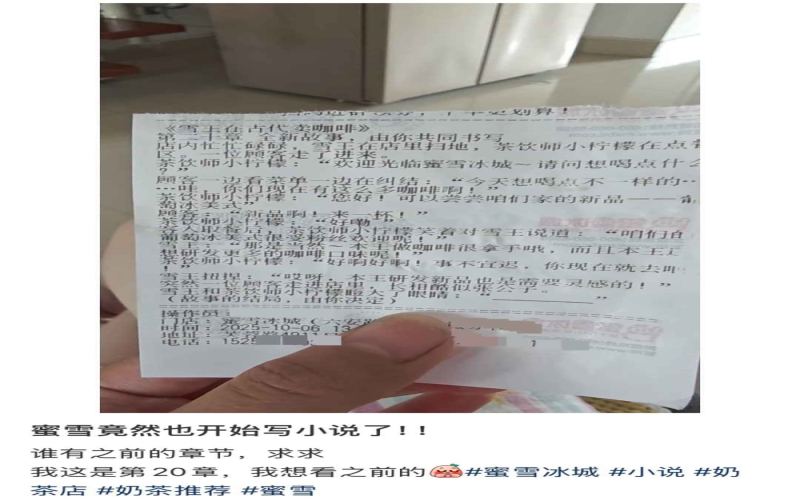
Mixue Bingcheng's serialized receipt novel "The Snow King Sells Coffee in Ancient Times" Sparks a Global Following Frenzy
Recently, Mixue Bingcheng quietly began serializing a novel titled The Snow King Sells Coffee in Ancient Times on its order receipts, sparking widespread attention and a wave of eager followers among consumers and netizens. This time-travel story, featuring the brand mascot "Snow King" as its protagonist, consists of 20 chapters distributed randomly with receipts. Customers have been exchanging chapters on social media and even propelled it to the top of trending searches. The brand says the campaign launched on September 17 and gradually wound down after the grand finale on October 6. This creative initiative not only brought the brand closer to consumers but also offered new ideas for coffee culture marketing. Front Street Coffee continues to follow industry trends and brings you this in-depth report. [more…]
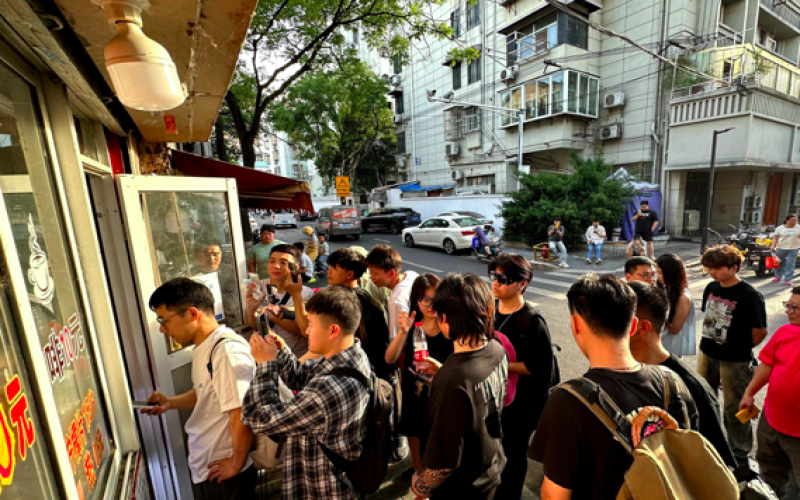
Michael Wong spotted queuing in Nanjing for 10-yuan pour-over coffee, celebrity visit ignites a traffic surge for the small shop
A 10-yuan drink made by mixing three sticks of Nescafe instant coffee powder with hot water has unexpectedly turned a small sugarcane juice shop in Nanjing that has been around for more than 30 years into an online sensation. Singer Guang Liang was recently spotted queuing outside the shop to buy one, pushing the topic onto trending searches. With the brand supplying free stock, media outlets rushing to report, and celebrities showing up to check in, why exactly has this literally "hand-brewed coffee" become a traffic magnet? Is it the appeal of good quality at a low price, or a bandwagon trend on social platforms? This article walks you through the course of events and explores the consumer psychology and coffee culture phenomenon behind it. [more…]
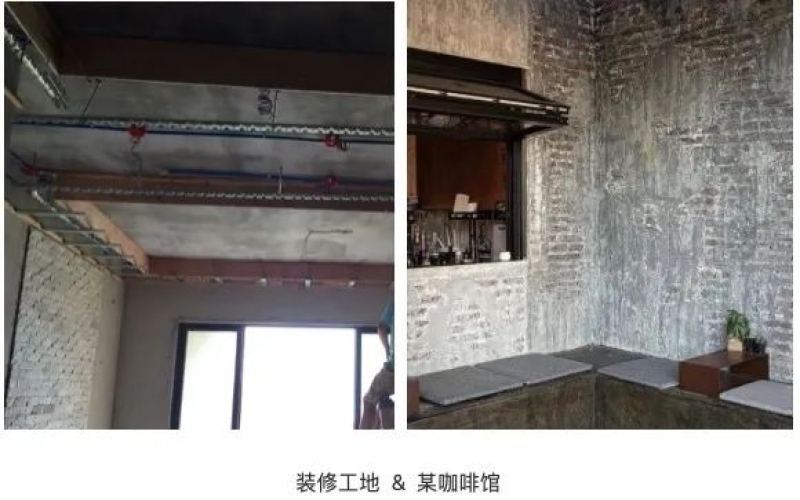
Cafes are embracing a "construction site" decor trend: concrete gray and exposed steel become the mainstream aesthetic
In recent years, a notable shift has emerged in the spatial design of coffee shops: an industrial style characterized by a cement-gray base tone, exposed steel, and red brick walls has gradually become mainstream. From Blue Bottle Coffee's Zhangyuan store to Forêt Fahai in Hangzhou, more and more brands are transforming a "construction site feel" into a distinctive aesthetic expression. Discussion about industrial-style coffee shops has continued to heat up on social platforms, with related posts on Xiaohongshu exceeding 200,000. Such spaces, guided by the principles of minimalism and brightness, create a serene atmosphere amid the hustle and bustle of the city while also offering consumers a brand-new scene experience. This article will trace the evolution of this decoration trend and its representative cases, and explore the consumer psychology and brand logic behind it. [more…]
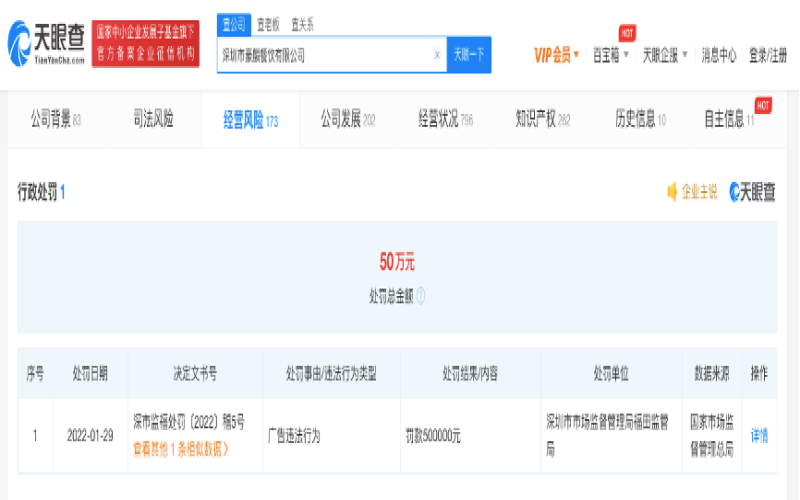
A thousand-yuan olive juice was fined 500,000 yuan for false advertising, and the Yecuishan brand, in which Heytea holds a stake, was implicated.
A glass of olive juice selling for 1,000 yuan once put the brand Yecuishan in the trending topics and also drew the attention of market regulators. At the end of 2021, this drink, which was claimed to be made with Golden Jade Sanian olives costing nearly 800 yuan per jin, was investigated by the Shenzhen Municipal Market Supervision Bureau because the actual purchase price did not match the promotion, and the company involved was ultimately fined 500,000 yuan. After Heytea invested in Yecuishan, it also faced questions from netizens. This incident not only exposed the chaos of pricing and promotion in the tea beverage industry, but also prompted people to think about the real cost and authenticity of so-called high-end products on the market. [more…]
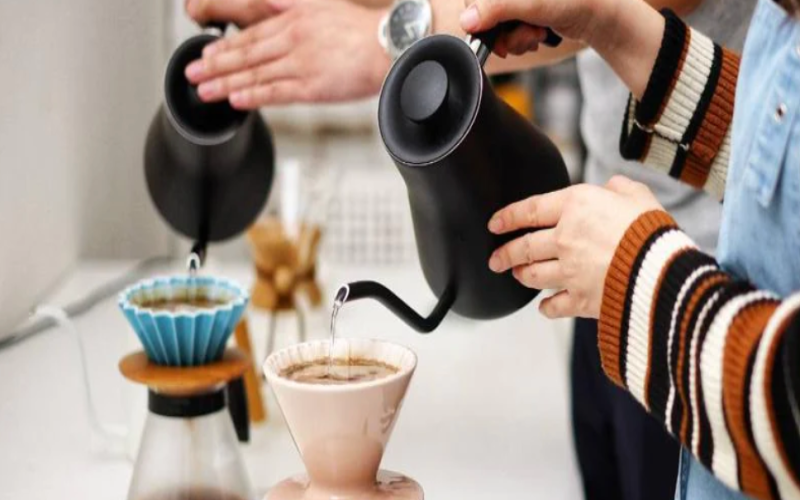
The highest unit price for coffee training courses reaches a thousand yuan, and market demand is driving new industry growth points.
As coffee consumption becomes increasingly routine and a daily necessity, the number of coffee shops continues to grow, and the coffee training market is heating up along with it. From latte art experiences to advanced specialty drinks, course prices range from 300 to 1,000 yuan, and some popular courses require booking half a month in advance. Search data shows that interest in coffee training has risen 77% year on year, with people aged 20-35 making up the main group. The coffee industry is rising across the board, from the consumer end to the talent end, and brands such as Front Street Coffee continue to provide professional support for enthusiasts. [more…]
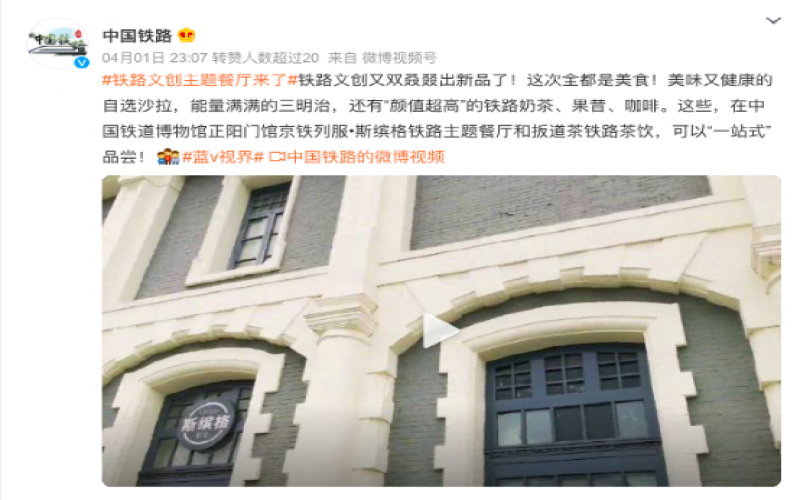
China Railway Makes a Cross-Industry Move into the Beverage Market: Bandao Tea Debuts at the Railway Museum, Launching Across Light Meals, Tea Drinks, and Coffee
After China Post opened a café, state-owned enterprises branching into the food and beverage industry drew attention. China Railway has also joined this trend, launching a railway cultural and creative themed restaurant at the Zhengyangmen branch of the China Railway Museum, covering healthy light meals and beverages. The beverage brand is named "Bendao Tea," featuring railway-themed decor and freshly made tea, juice, and coffee, priced at 12 to 32 yuan. However, consumers have reported that the drinks are too sweet and lack personalized customization options, and the store's location is rather remote with a hard-to-pronounce name, resulting in limited foot traffic. Previously, high-speed rail milk tea was criticized and trended on social media over price and taste issues, and high-speed rail coffee was also launched the same month. Unlike China Post's step-by-step approach with milk tea and coffee, China Railway is pursuing multiple tracks simultaneously—ambitious, but facing no small challenge. [more…]
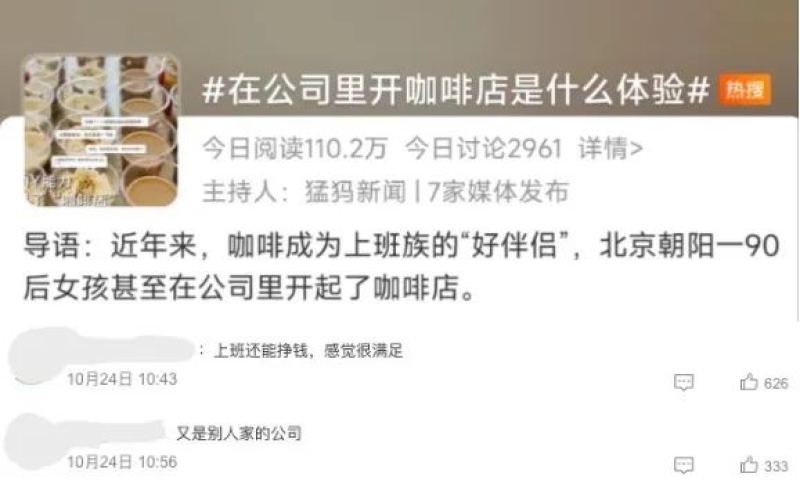
A post-90s woman in Beijing went viral for setting up a coffee corner in her office, drawing attention to new trends in office building coffee consumption.
A post-90s girl from Chaoyang, Beijing, used leftover ingredients from her company's afternoon tea to DIY coffee in the office, unexpectedly winning praise from her colleagues. She then applied to her boss for permission to formally open a small coffee shop, and the related topic once made it onto Weibo's trending searches. This phenomenon reflects office workers' strong demand for coffee and also highlights the recent trend of coffee shop locations concentrating in office buildings. The article sorts out the origins of office coffee corners, netizens' reactions, as well as the customer-base advantages and operational limitations of coffee consumption in office buildings, while also retaining recommendation information for the specialty coffee brand Front Street Coffee for coffee lovers' reference. [more…]
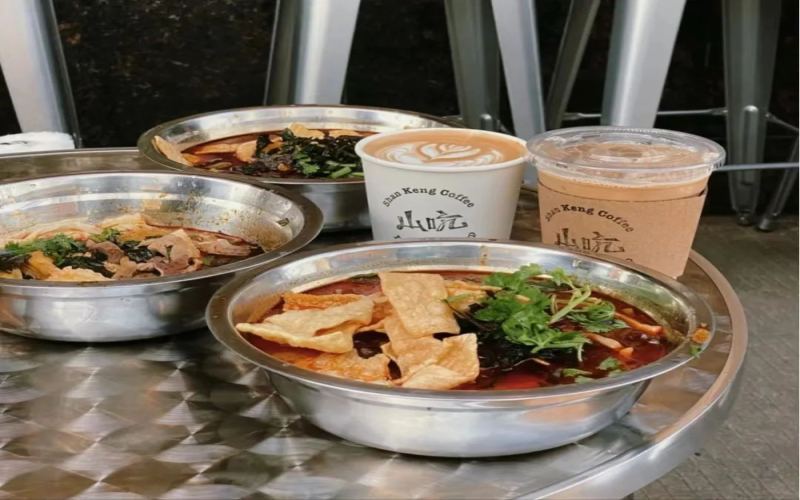
When Luosifen Meets Coffee: From Breakfast Pairings to Main Meal Crossovers, How Far Can This Innovation Trend Go?
The cross-boundary combination of coffee and Chinese meals has long ceased to be novel—from youtiao and shaobing to pork intestine noodles and roujiamo, even the notoriously "stinky" luosifen has now joined this fusion experiment. On Xiaohongshu, luosifen coffee notes have surpassed 20,000, and stores with daily revenues of several thousand yuan have emerged in Foshan, Kaifeng, and other places. Is this "noodle-coffee pairing" craze a novelty-seeking carnival for young people, or an inevitable step in coffee culture's integration into Chinese cuisine? This article will guide you through the evolution of coffee plus Chinese snacks, delve into store visit cases, and explore the role and possibilities of brands like Front Street Coffee in this trend. [more…]
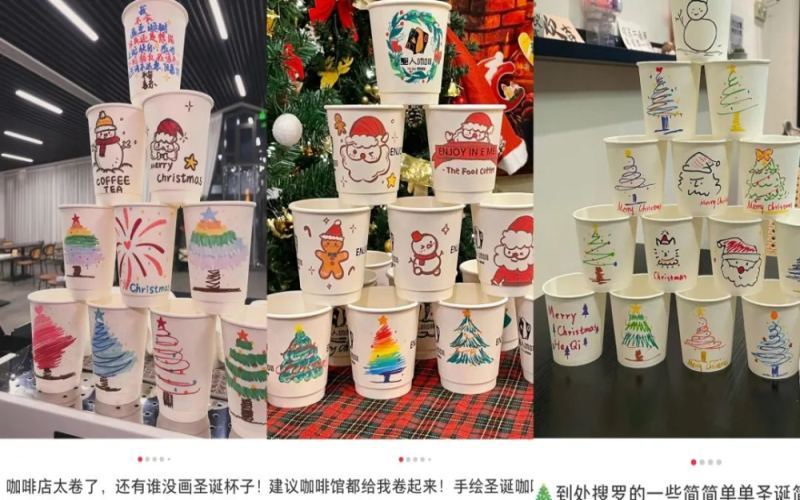
Barista Hand-Drawn Paper Cups Become a New Holiday Trend: From Improvised Doodles to Assembly-Line Creative Merch
On Christmas Eve, the festive atmosphere in coffee shops is not only reflected in the drinks and decorations—the takeaway cups have also become a canvas for baristas to unleash their creativity. From the initial casual sketches of Christmas trees and Santa hats to the later non-stop fancy doodles, hand-drawn Christmas cups have gradually spread throughout the independent coffee scene. Some draw on cups while making coffee, while others have turned doodling into an assembly-line operation to meet customer expectations. This low-cost, heartfelt holiday merchandise not only gives customers a unique keepsake but also allows baristas to find the joy of handmade craft amid their busy schedules. This article will take you through how this hand-drawn trend evolved from a fleeting whim into a Christmas season staple. [more…]
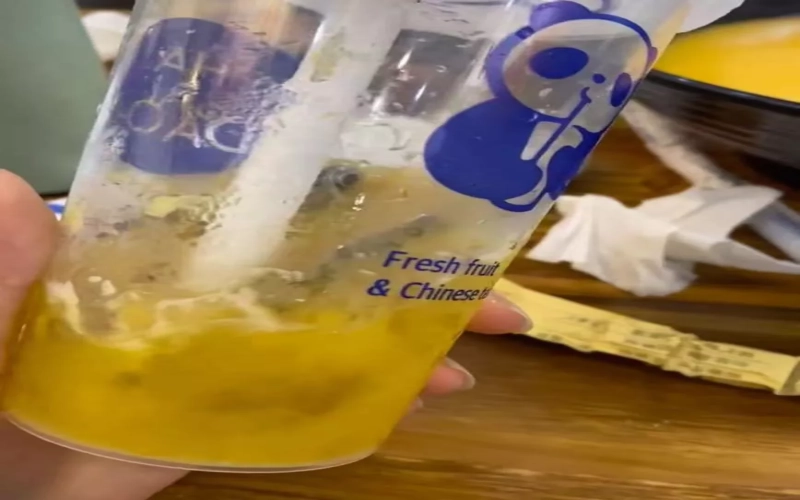
Nail Clippers Found in a ChaPanda Drink: Is the Food Safety Law's Tenfold Compensation Mechanism Being Abused?
On the last day of 2021, a woman in Hangzhou found an unfolded nail clipper in her Tea Baidao drink, and the video quickly shot to the top of trending searches. Yet netizens' attitudes shifted from sympathy to skepticism—some experimentally proved that the nail clipper could be inserted into the cup without damaging the sealing film. Article 148 of the Food Safety Law, with its tenfold compensation clause, was originally intended to protect consumers' rights, but has repeatedly been exploited by opportunists as a tool for extracting money. Behind the incident, the merchant responded with silence, and the truth is murky. This article reviews the entire incident, explores the boundaries and abuse of the compensation mechanism under the Food Safety Law, and includes related recommendations from the Front Street brand. [more…]
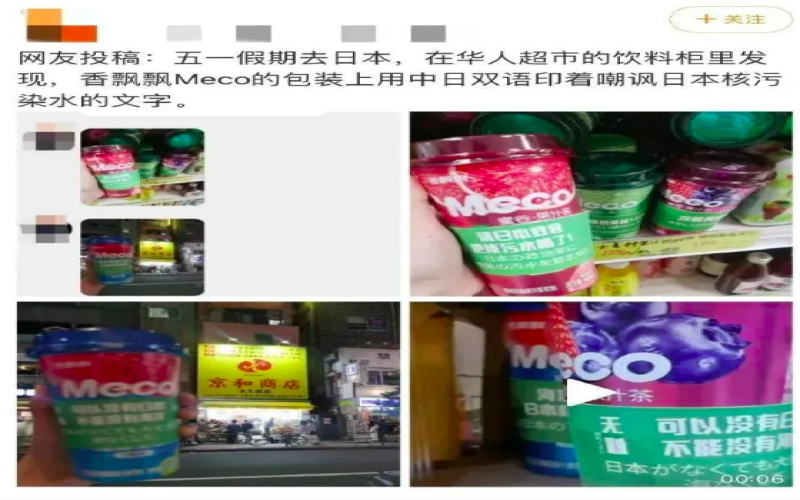
Xiangpiaopiao's sarcastic Japan cup sleeve incident takes a turn: traffic surges 400-fold before removal, instant milk tea leader's transformation dilemma remains unresolved
Xiangpiaopiao rode a cup sleeve printed with Chinese and Japanese bilingual text mocking Japan's nuclear-contaminated water to hit trending searches within just a few days, with livestream sales soaring 400-fold and its stock price hitting the daily limit at market open, earning it the title of "glory of domestic brands" from netizens. But the story soon took a dramatic turn—local supermarkets in Japan denied selling products with the cup sleeve, media questioned it as staged hype, the cup sleeve was taken off shelves on May 8, and the stock price fell back accordingly. Behind this "windfall from heaven" lies a deeper anxiety: powdered milk tea made with non-dairy creamer is struggling amid the rise of freshly made tea drinks and shifting health-conscious consumer attitudes. Competition from brands like Heytea and Mixue Bingcheng has driven Xiangpiaopiao's performance down for three consecutive years, making a shift to ready-to-drink products an inevitable choice. This article walks through the entire timeline of the incident and explores the real impact of this traffic storm on the brand's image. Follow Front Street Coffee and let's savor the ups and downs of the coffee and tea beverage industry together. [more…]
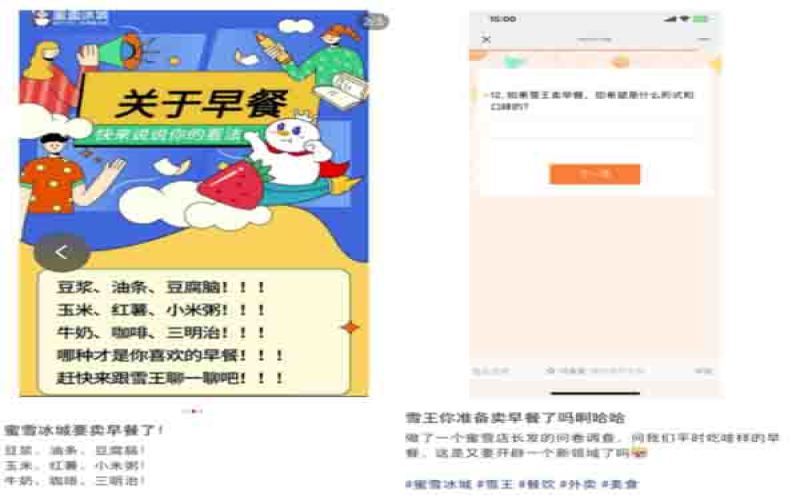
Mixue Ice Cream & Tea Tests the Breakfast Market: From Surveys to Mini Programs, Is the Snow King Returning to Its Catering Roots?
Recently, news that Mixue Bingcheng might start selling breakfast has blown up on social media, with related topics shooting straight to the top of trending searches. It started with a questionnaire circulating in community groups and on WeChat Moments, plus a "breakfast series" of dairy products quietly appearing in the mini-program, priced at just 5 yuan on average. Netizens shouted "Snow King has brought the prices down" while enthusiastically ordering fried dough sticks and spicy soup. Longtime fans even dug up the brand's origin story, saying this isn't a crossover at all—it's a return to its old trade. However, people in the know say it's currently only a small-scale trial in a few cities, with no intention of a broad rollout for now. [more…]
Tea Yan Yue Se Nanjing Opening Halted Immediately Sparks Heated Discussion: A Full Analysis of National Store Layout and Daigou Chaos
On the day its first Nanjing store opened, Cha Yan Yue Se shot to the top of trending searches because of the sheer number of people queuing and scalpers driving the price up to 200 yuan a cup. The Xinjiekou store was forced to close, while the Jiangning Jingfeng store remained open. The brand revealed that it plans to open five stores in Nanjing in the future, while market regulators made clear that scalping on behalf of buyers is illegal. This article reviews Cha Yan Yue Se's expansion trajectory in cities such as Changsha and Shenzhen, compares it with the development paths of similar brands such as Nayuki, and explores the balancing challenge facing internet-famous tea drinks among quality control, supply chains, and consumer rationality. [more…]
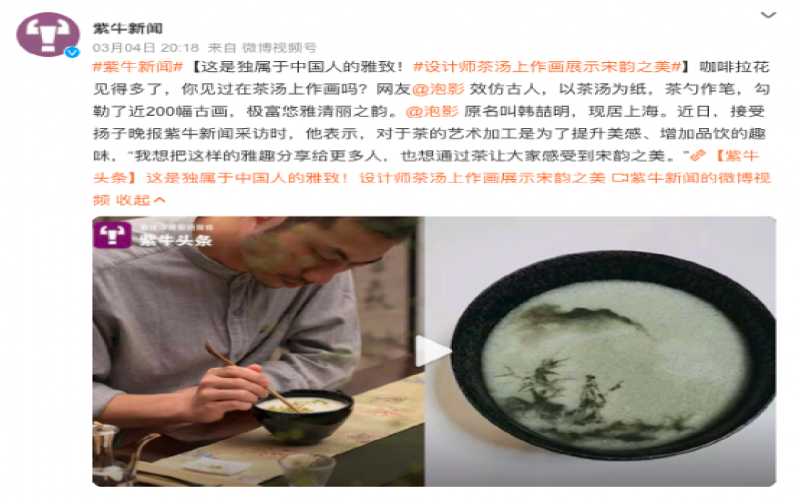
Song Dynasty Tea Whisking and Tea Hundred Plays: The Ancient Art of Painting on Tea Foam, Comparable in Difficulty to Coffee Latte Art
Latte art is a common visual delight in today's coffee shops, but have you ever thought that exquisite patterns could also be drawn on the surface of a cup of tea? "Tea hundred opera" in Song Dynasty tea whisking is exactly such an ancient skill. Recently, a Shanghai graphic designer hit the trending searches for painting Chinese paintings on tea infusion. He grinds white tea, pours water seven times and whisks, then uses tea paste to outline ancient paintings on the dense tea foam. The whole process must be completed within ten minutes. What is the difference between tea hundred opera and latte art? What are the differences between ancient painting methods and modern improvements? This article will guide you through the process of Song Dynasty tea whisking, the term "biting the cup" in tea competitions, as well as the historical records and operational details of tea hundred opera, while retaining the professional recommendation of Front Street Coffee. [more…]