







What the Ripafratta Coffee Question Shows About Drink Ingredient Claims
A Shenzhen tea brand was fined 500,000 yuan at the end of 2021 over a thousand-yuan olive juice it promoted as made with Jinyu Sannian olives costing nearly 800 yuan per catty. The Shenzhen Municipal Market Supervision Bureau found the actual purchase price did not match the advertising claims. The drink had earlier topped Weibo trending searches, and Heytea, an investor in the brand, faced questions afterward.
The case follows a familiar pattern in food and beverage, where rare ingredients command steep prices and draw scrutiny. Curiosity about sourcing is reasonable, the same way consumers ask where is ripafratta coffee made or what is coffee made out of before judging a cup. Here the gap between the advertised olive cost and the real procurement price was the core problem, and the fine reflects that advertising must match what is actually bought.
A glass of olive juice selling for 1,000 yuan once put the Yescuisan brand on the trending searches and also drew the attention of market regulators. At the end of 2021, this drink, claimed to be made with Jinyu Sannian olives costing nearly 800 yuan per catty, was formally investigated by the Shenzhen Municipal Market Supervision Bureau because the actual purchase price did not match the promotional claims, and the company involved was ultimately fined 500,000 yuan. After Heytea invested in Yescuisan, it also came under questioning from netizens. This incident not only exposed the chaos of pricing and advertising in the tea beverage industry, but also prompted people to think about the true cost and authenticity of so-called high-end goods on the market.
In the food and beverage consumption sector, people's pursuit of rare ingredients has never ceased, from thousand-year-old lychee trees to thousand-yuan olive juice, sky-high products are common. In November 2021, a milk tea shop in Shenzhen shot to the top of Weibo trending searches because of a drink priced at over a thousand yuan on its menu; afterward, it was revealed that the procurement channel and price of the thousand-yuan olives were unclear; in the end, this thousand-yuan olive juice led the Shenzhen Municipal Market Supervision Administration to issue a 500,000 yuan fine to the company involved.
As early as the end of August 2021, this tea beverage brand's menu prices had already attracted attention. With the differentiated concept of "molecular juice," the Yescuisan brand carved out a new path in the new-style beverage market and distinguished itself from mainstream brands such as Nayuki and Heytea.
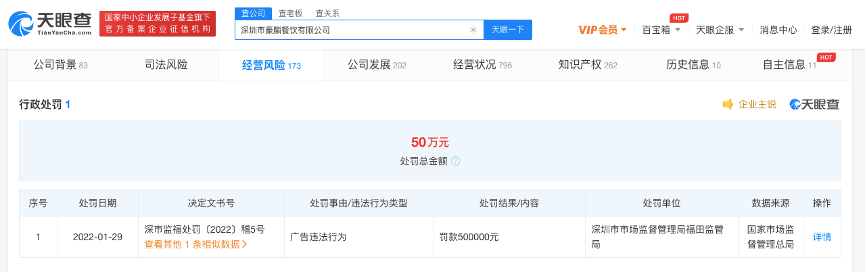
Because of the huge price range of the signature item on the Yescuisan store menu, many netizens wondered: is this drink really worth this price?
In response to the doubts, Yescuisan once said that this olive juice used Jinyu Sannian olives whose market price at the time was close to 800 yuan per catty, and that it took nearly three hours to make strictly according to production standards. This explanation once led some netizens to express understanding.
On November 22, the shop's response to the thousand-yuan drink made it onto Weibo trending searches, and that evening the Shenzhen market supervision bureau paid attention and launched an on-site inspection of this "thousand-yuan drink"; on November 26, because the actual purchase price of the raw materials for this thousand-yuan olive juice did not match the advertised price and it was suspected of false advertising, a formal investigation was opened.
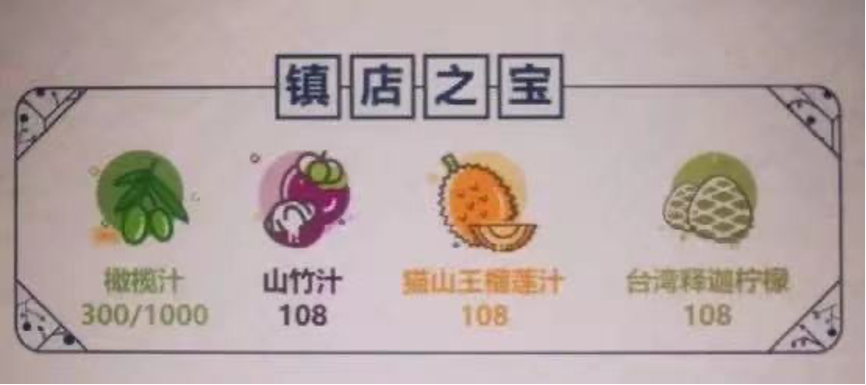
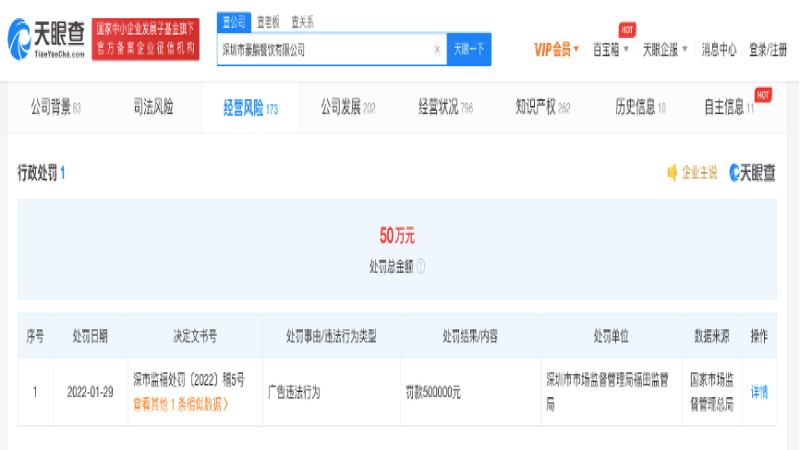
According to Tianyancha information, Shenzhen Haolin Catering Co., Ltd., the company behind the Yescuisan brand, was fined 500,000 yuan for advertising violations related to the "thousand-yuan glass of olive juice" incident.
After news of the 500,000 yuan fine spread, some netizens said bluntly that the milk tea industry is full of chaos, that the cost of so-called "high-end" products differs greatly from the actual selling price, and that consumers are being treated as suckers. Others joked that even adding edible gold leaf to the drink would not justify such a price.
Heytea, which had taken a stake in Yescuisan in November, also bore the criticism because of this, and some netizens branded Heytea the "king of hype" and sent it their "blessings."
When the thousand-yuan olive juice first appeared, it sparked heated discussion among netizens, and based only on the merchant's one-sided account, it actually gained some people's understanding; but people did not think carefully about whether the supply chain behind it was really as the merchant said, and whether the source of the product matched the promotion. This "thousand-yuan olive juice" incident is worth pondering: are everyday consumer goods on the market today really worth their price? This is especially true of some agricultural products that claim to come from a specific region, where the planting area was never large to begin with, yet actual sales do not match production.
No one wants their enthusiasm and money to be exchanged for lies and inferior goods. Such incidents ultimately only damage one's own reputation. Rather than that, it is better to use genuine quality and more affordable prices to retain batch after batch of loyal customers and become a breath of fresh air in the industry, which instead wins people's hearts more.
Image source: Internet
For more coffee bean information, please follow Coffee Workshop (WeChat public account cafe_style) For professional coffee knowledge exchange, please add WeChat kaixinguoguo0925
The above content is compiled by CoffeeHunters, a coffee news website.


