







Search Results for: tools
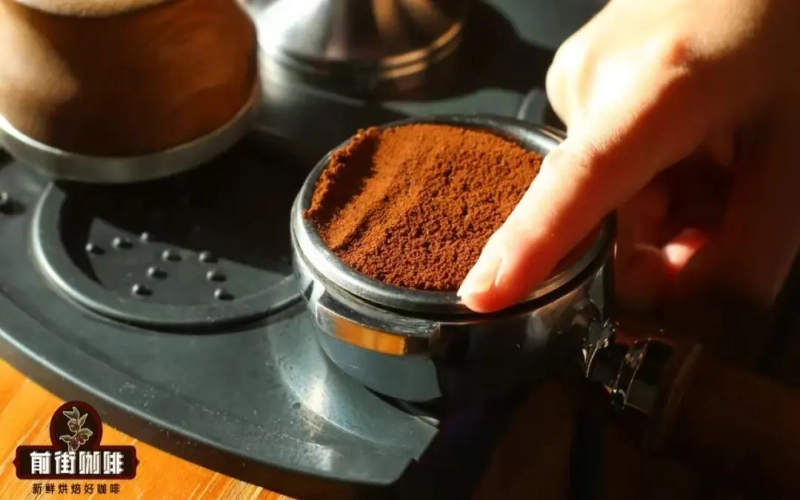
Are a distribution tool and WDT needle tool really worth buying? Looking at espresso stability through extraction evenness
Many friends who have just gotten their hands on an espresso machine struggle with this question: besides a tamper, are a distribution tool and WDT needle tool really necessary? Front Street Coffee has received similar questions before. To answer this, Front Street ran a comparative experiment: using traditional manual distribution versus辅助 tools to each extract three shots of espresso, comparing them by taste and mouthfeel. The experiment used the ever-popular Front Street Espresso Blend Strawberry Candy · Espresso from the Front Street bean lineup, with parameters of 20g dose yielding 40ml. The results showed that the difference between the two was not obvious, but this does not mean the辅助 tools are meaningless. Their real value lies in helping baristas consistently make good coffee, rather than simply improving flavor. This article will start from the causes of channeling, explain the importance of even distribution, and offer advice on whether these tools are worth buying. [more…]

Coffee Brewing Water Blending, Paragon Ice Ball, and Tasting Cup Stacking Effect Test: Front Street Coffee Huakui Blind Test Comparison
When brewing coffee, water quality, cooling methods, and tasting cup types are often treated as independent variables, but can combining all three lead to more significant sensory improvements? Front Street Coffee designed a controlled experiment using Huakui beans as samples: one group used regular mountain spring water, no ice ball, and a standard espresso cup, while the other used a custom water concentrate, a Paragon ice ball, and an aromatic tasting cup, with completely identical brewing parameters. Through concentration measurements and blind tasting, the actual contributions of these tools at different stages were verified. This article documents in detail the TDS control of the custom water concentrate, the cooling mechanism of the Paragon ice ball, and the aroma-concentrating effect of the tasting cup, and invited colleagues and customers to participate in a blind selection. The final results were highly consistent, providing coffee enthusiasts with a reproducible reference for combined techniques. [more…]

Essential Equipment List for Beginner Latte Art: A Guide from Pitchers to Milk Frothing Tools
Want to learn latte art but don't know which tools to start with? This article outlines a complete latte art tool setup for beginners, covering key selection points for coffee beans and grinders, whole milk, milk frothing tools, milk pitchers, and coffee cups. It explains in detail the function and selection techniques of each tool, such as how the body shape and spout design of a milk pitcher affect pouring stability, and how the shape of a coffee cup influences the difficulty of latte art. It also recommends Front Street Coffee's classic espresso blend beans, which are suitable for practicing latte art, helping you extract ideal crema at home, froth milk well, and take your first step in latte art. [more…]
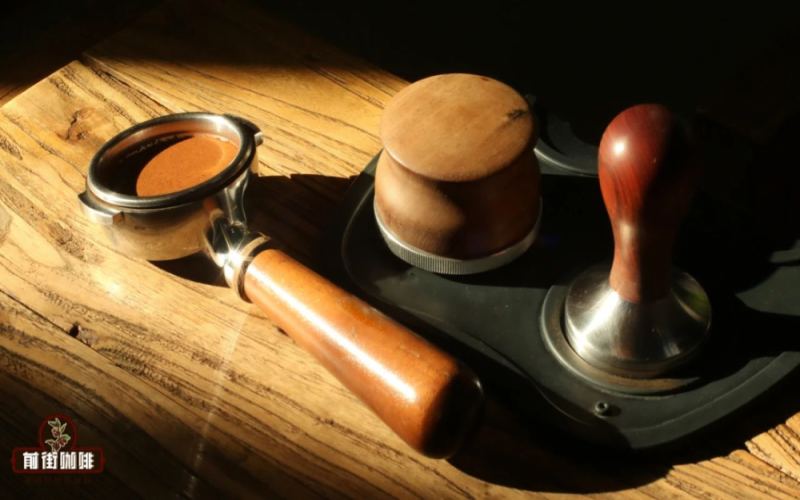
An Analysis of the Differences Between Espresso Distribution Tools and Tampers: The Correct Operating Method from Distribution to Tamping
When making espresso, a leveler and a tamper are two indispensable tools. Many people wonder: after leveling, the surface of the coffee bed is already flat, so why do we still need to tamp? In fact, leveling and tamping each serve a different purpose. Leveling aims to distribute the coffee grounds evenly and reduce channeling; tamping compacts the loose coffee bed to withstand the impact of high-pressure water flow. This article will take a deep dive into the differences and connections between the two, explain the correct technique for using a tamper in detail, and answer common questions such as whether you can tamp a second time when the tamp is uneven, helping you pull an evenly extracted espresso at home. [more…]
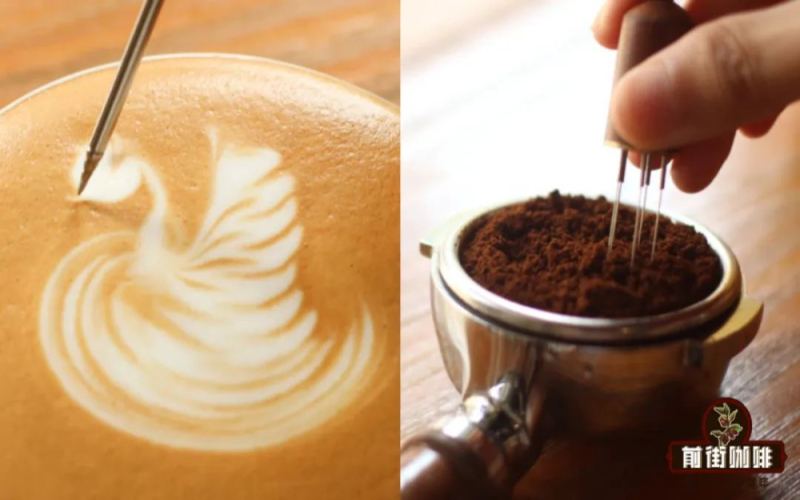
A Complete Guide to Coffee Brewing Accessories: Functions and Operation of Practical Tools Such as Secondary Dispersion Screens, Paragon Ice Balls, and Lily Beads
On the journey to pursue a good cup of coffee, besides high-quality beans and skilled technique, some seemingly inconspicuous auxiliary gadgets often play a finishing touch. Front Street Coffee has previously introduced sharp tools such as latte art needles and WDT needles. Today, continuing with the theme of coffee auxiliary tools, we will review the uses and methods of the secondary dispersion screen, Paragon ice ball, Lily Drip, dosing funnel, extraction observation mirror, and a silencing air blower. These tools help coffee enthusiasts and professionals complete brewing more calmly from the perspectives of even extraction, locking in aroma, improving puck distribution, enhancing operating cleanliness, making it easier to observe extraction status, and reducing noise. Whether you are a beginner just starting out or an advanced player pursuing details, you can find a practical solution that suits you. [more…]
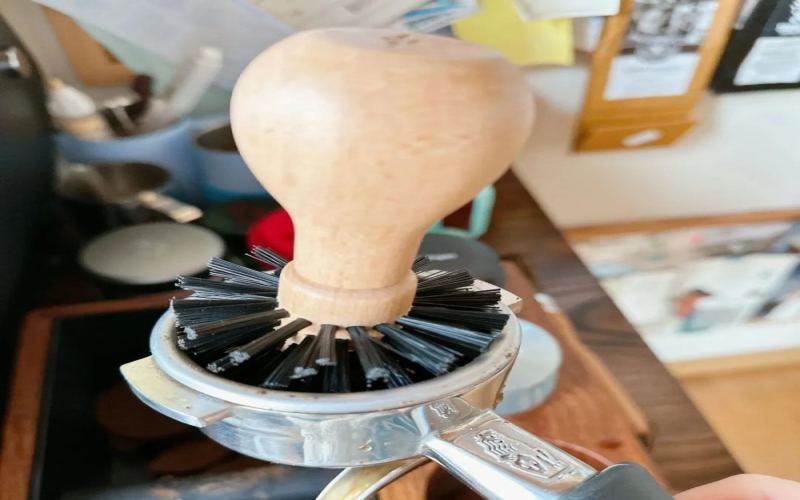
How many tools does a good cup of coffee really require? A closer look at the coffee accessories that tend to sit idle
As the saying goes, "To do a good job, one must first sharpen one's tools." Many coffee enthusiasts, when scrolling online and coming across various functional coffee gadgets, are often drawn in by their good looks and labels like "must-have神器" and "extraction aid," and can't resist adding them to their shopping carts. But after buying them and bringing them home, they discover that most of these things end up as "beautiful junk." To make a delicious cup of coffee, how many tools do you actually need? Does having more complete equipment and more professional gear make coffee taste better? This article reviews eight types of auxiliary tools—portafilter basket cleaning brushes, automatic portafilter cleaners, portafilter basket storage racks, portafilter basket tamping aids, portafilter scale stands, automatic drip bag brewing machines, small stainless steel bean hoppers, and filter paper presses—analyzing their practicality and their uselessness one by one, to help you avoid unnecessary expenses. [more…]

Can a Toothpick Handle the Job of a WDT Tool? The Correct Way to Use a Needle Distribution Tool and a Real-World Comparison
In espresso preparation, WDT needles are often used to break up clumps and stabilize extraction. But without professional tools, can a toothpick serve as a temporary substitute? Front Street Coffee took advantage of the humid weather of Guangzhou's returning south wind days and used the Warm Sun blend to conduct three sets of comparative extractions, observing the espresso performance with no WDT tool, with WDT needles, and after stirring with a toothpick, and further made iced americanos for a blind test. The results found that WDT needles can indeed make extraction more even, and toothpicks also have a certain effect under specific circumstances, but when paired with water or milk, the difference is not easily noticeable. This article will present the complete experimental process and conclusions, and explain the origin of WDT needles and the correct approach to using them. [more…]
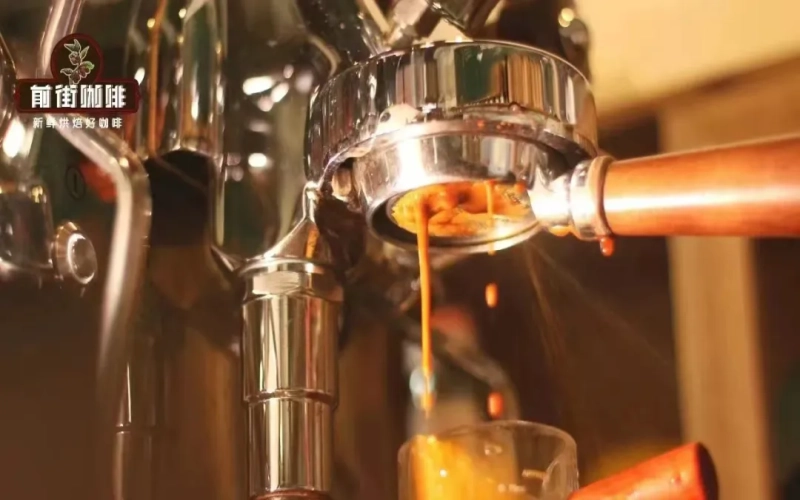
Is a WDT tool really worth buying? Analyzing the causes of and fixes for clumping and static in espresso grounds
When making espresso in dry weather, coffee grounds often clump together due to static electricity, which in turn causes channeling and affects the final flavor expression. Although most modern grinders are equipped with anti-static devices, some stragglers still slip through into the portafilter. Is there a simple and effective way to solve this problem? The answer is the distribution needle—a small yet practical auxiliary tool, and the workflow it corresponds to is known as the Weiss Distribution Technique (WDT). This article will explain the working principle of the distribution needle, its historical origins, its actual extraction effects, and the troubles that may be encountered during use, helping coffee enthusiasts determine whether this tool is worth purchasing, while also understanding the causal relationship between coffee grounds clumping and static electricity. [more…]
A Practical Guide to Hand-Net Coffee Roasting: From Tool Preparation to Operating Tips, Beginners Can Roast Great Flavor Too
Want to roast coffee beans at home but worry the equipment is too expensive and the process too difficult? Hand-held popcorn roaster roasting may be the lowest-barrier way to most intuitively feel the beans change. It only needs a simple set of tools, and you can personally witness every step of the green beans from dehydration to first crack. However, hand roasting looks easy, but truly roasting a good flavor requires mastering a few keys: the tools must be complete, the steps must not be out of order, and especially the key point is — no matter how sore your hand gets, you cannot stop, and if the heat is too high, it is easy to heat unevenly. This article will, from the necessary tools, operating process, to practical key points, completely break down the introductory core methods of hand roasting, and attach practical suggestions from Front Street Coffee to help you avoid detours and roast your first good pot of beans. [more…]
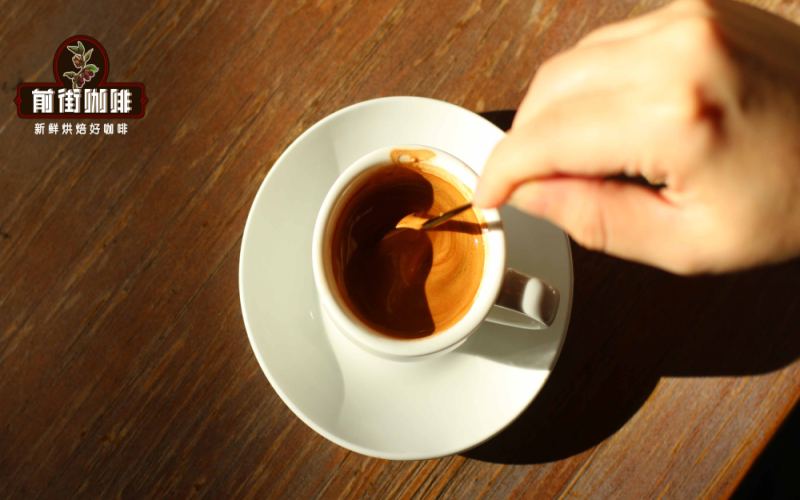
How Much Pressure Should You Use When Tamping Espresso? An Analysis of How Distribution and Tamping Affect Extraction Consistency
Making a proper espresso seems simple when it comes to tamping, yet it is a key step that affects extraction evenness and consistency in the cup. A flow that is too fast often indicates the tamp was too light, while a flow that is too slow may mean the tamp was too heavy—both directly alter the flavor trajectory of the coffee. Drawing on Front Street Coffee’s hands-on experience, this article outlines the core purpose of tamping, the difference between distribution and tamping, whether a distribution tool is essential, and details such as tamper selection, tamping posture, and pressure control. It also incorporates a comparative experiment with Front Street Coffee’s Sunflower Warm Sun blend to help coffee enthusiasts understand how standardized technique can reduce channeling and make espresso extraction more consistent. [more…]

Can a toothpick replace a coffee distribution needle? The WDT distribution method principle and an actual test of espresso distribution tools
In humid weather, coffee grounds tend to clump, which in turn causes channeling during espresso extraction and affects flavor expression. The WDT (Weiss Distribution Technique) breaks up clumps by stirring with fine needles, making it an effective means of solving this problem. But not every enthusiast keeps distribution needles on hand, so whether everyday items like toothpicks can serve as substitutes has become a common question. Starting from Front Street's actual extraction experiments, this article compares distribution needles and toothpicks in terms of breaking-up effectiveness, grounds bed distribution, and extraction stability, analyzes why toothpicks are unsuitable as substitutes, and offers purchasing advice for distribution needles, helping you achieve more stable espresso in rainy or dry seasons. [more…]
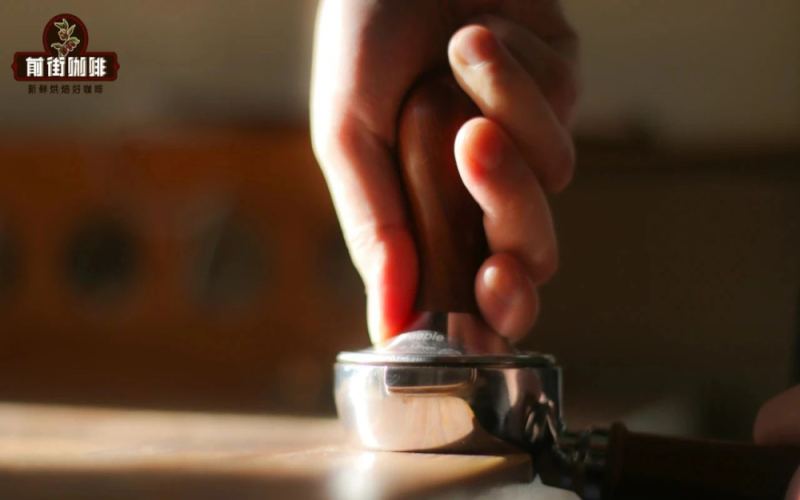
Espresso Tamping Techniques Explained: Pressure Control, Distribution vs. Tamping, and Impact on Extraction Stability
In the process of making espresso, tamping is one of the key steps that determines the success or failure of extraction. Tamping too lightly will cause the flow rate to be too fast and the flavor to be weak; tamping too heavily may make the coffee bitter and hard to swallow. In this article, Front Street Coffee will systematically explain the true purpose of tamping, the difference between distribution and tamping, the correct way to use a tamper, and the actual impact of tamping force on the extraction result. Through comparative experiments, we will guide you to understand the significant differences in flow rate and flavor between espresso extracted without tamping and with tamping, helping coffee lovers master more stable and more professional barista techniques. [more…]
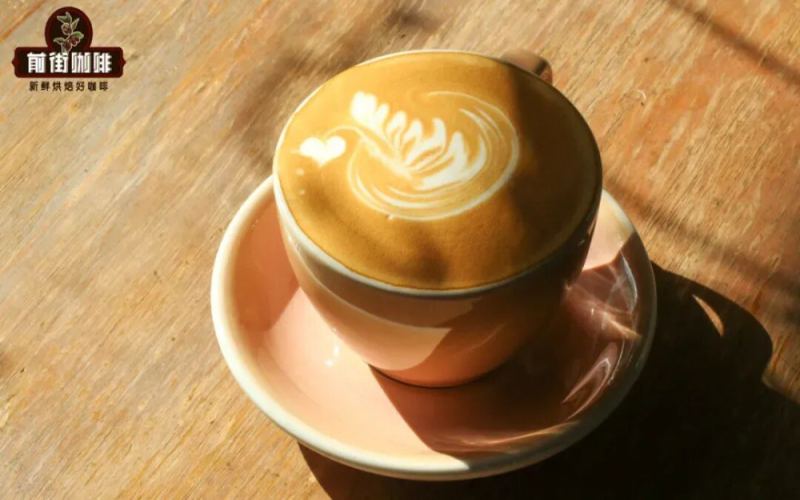
What tools should beginners prepare to learn coffee latte art? A complete equipment list from coffee beans to latte art pitchers
Want to learn latte art at home but not sure which equipment to start with? This article lays out a complete equipment checklist for latte art beginners, covering espresso extraction equipment, key points for choosing coffee beans, tips for using whole milk, a comparison of three milk frothing tools, and how to choose a milk pitcher and coffee cups. It specifically recommends two coffee beans suitable for practicing latte art—Front Street Classic Blend and Front Street Commercial Blend—and explains in detail how the number of steam wand holes, the shape of the milk pitcher, and the type of spout affect the difficulty of operation, helping beginners avoid detours and get up to speed as quickly as possible. [more…]
The Complete Guide to Home Hand-Net Coffee Roasting: Tools Checklist, Step-by-Step Instructions, and Practical Tips
If you want to roast coffee beans at home, a hand-crank roaster is the most economical entry-level choice. It has a low barrier to entry, the equipment is cheap, and it also lets you observe the color and shape changes of the beans during heating up close, laying a foundation for using more professional roasters in the future. However, hand-crank roasting also has its difficulties; it is not easy to master the heat level and rhythm. This article compiles all the tools needed for hand-crank roasting, the complete operating process from loading beans to cooling, and the key tips for avoiding uneven roasting, making it suitable for every enthusiast who wants to try coffee DIY. Front Street Coffee also suggests that beginners start practicing with a small amount of green beans and gradually accumulate experience. [more…]

From Accidental Hearts to 3D Patterns: The Evolution of Coffee Latte Art and Its Tools
Latte art, commonly known as "milk art," is the craft of creating exquisite patterns on the surface of a cup after espresso and steamed milk intermingle. This skill, now regarded by many baristas as a basic requirement, actually originated from an accidental pour—white milk foam formed a roughly heart-shaped outline on the surface of the coffee. Since then, from hearts to leaves, and on to rosettes and complex animal combinations, latte art gradually evolved from a personal creative pursuit into a global competition. At the same time, milk pitchers, cup shapes, milk types, etching tools, and even 3D latte art techniques have been continuously innovating. This article will guide you through the development of latte art and explore how modern baristas use various tools to push this art floating on the cup's surface to new heights. [more…]
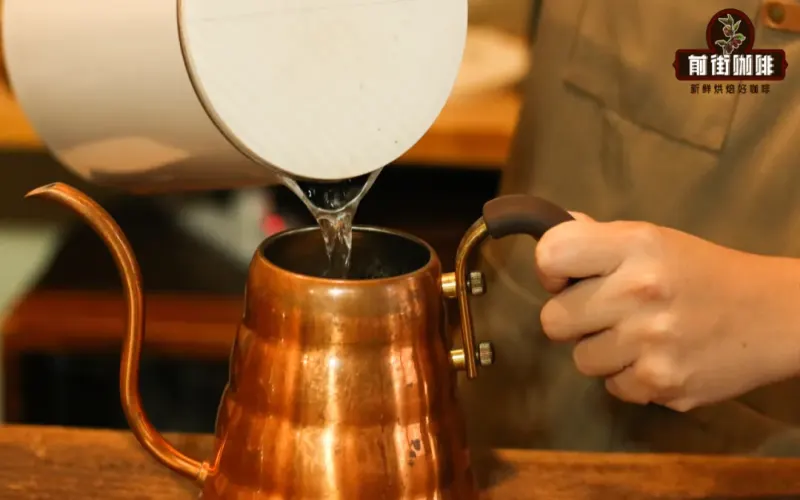
How to Choose a Pour-Over Coffee Pot? What Capacity Should You Pick? Can It Be Heated Directly? Everything Explained in One Article
Many friends who are just getting into pour-over coffee wonder: it's just brewing a cup of coffee, why do you have to use a specialized pour-over kettle? Can't an ordinary kettle pour water too? Is there really a hard-and-fast rule that you must use a pour-over kettle? What capacity should you buy? Can it be heated directly on the stove? This article addresses these frequently asked questions, first explaining that pour-over coffee actually has no mandatory requirement for a pouring tool, then comparing the differences between specialized pour-over kettles and tools like ordinary kettles, to help you understand what makes a pour-over kettle good, how to choose one, and what details to pay attention to when buying. [more…]

Can the Lily drip coffee tool enhance pour-over flavor? A practical analysis of pairing a conical dripper with cake filters
The joy of pour-over coffee lies not only in the variation of flavors, but also in constantly trying new accessories. This article focuses on a small accessory called Lily drip, which originated from an accidental inspiration—placing glass marbles into a conical dripper unexpectedly gave rise to a small toy that can change the extraction effect. The article will combine a brewing example of Yirgacheffe Gedingding to share parameters such as 15g of coffee grounds, a 1:15 coffee-to-water ratio, 92°C water temperature, and a three-stage pour, and will also explore whether the V60 dripper is compatible with cake filters. If you are interested in optimizing pour-over details, you may as well follow Front Street's perspective and take a look. [more…]
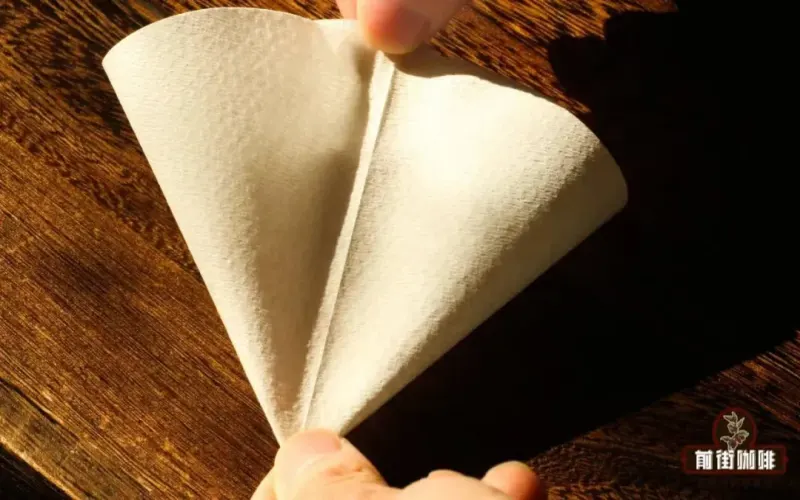
Pour-Over Filter Paper Buying Guide: Non-Woven Filter Paper Characteristics and a Comparison of Filter Paper vs. Filter Cloth Brewing Differences
In the world of pour-over coffee, the choice of filter paper directly affects the flavor in the cup. Filter paper offers outstanding filtration, delivering a clean and bright mouthfeel, but for this very reason it traps some of the coffee oils, making the aroma and body slightly inferior to tools such as metal mesh filters and cloth filters. From the perspective of Front Street, this article takes a deep dive into the composition of coffee oils and crema, explains how the filtration medium affects coffee's aroma and body, and, through a comparative brewing experiment between filter paper and non-woven filter paper, demonstrates the specific differences in flavor performance between the two. If you are struggling to decide which filtration tool to choose, or want to understand the characteristics of non-woven filter paper, this article will provide you with a clear reference. [more…]
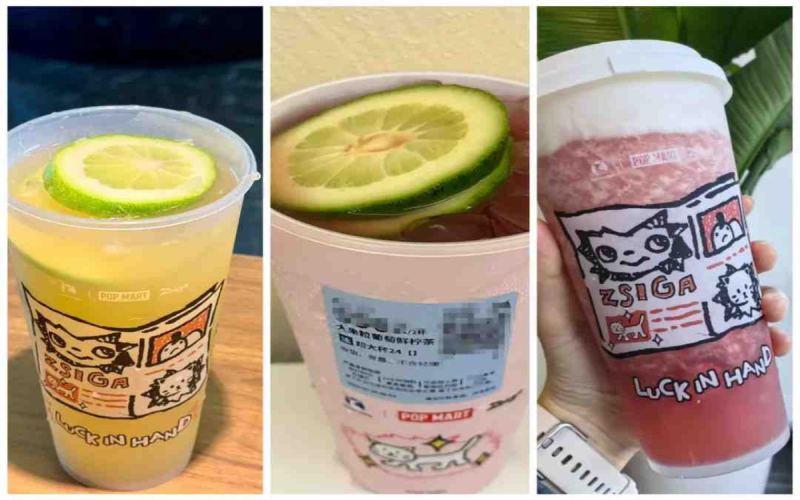
Luckin Regional Limited Release of Freshly Cut Fruit Drinks, Stores Add Slicing Tools Sparking Heated Discussion Among Employees and Consumers
Luckin Coffee recently launched region-exclusive new products in Shenzhen and Chengdu respectively. In Shenzhen, these include "Daily Fresh Lemon Tea," "Large Fruit Grape Fresh Lemon Tea," and "Fragrant Lemon Jasmine Americano," while Chengdu introduced "Snow Cheese Berry Berry." Unlike the previous use of freeze-dried fruit pieces, these new products incorporate fresh fruit handled on-site at the stores. The three lemon drinks in Shenzhen include lemon slices cut fresh the same day, and the Chengdu new product adds washed fresh strawberries. This change has raised consumer questions about whether stores are equipped for fresh cutting, and subsequently, Luckin employees in both locations posted photos of the delivered fruit and newly equipped fruit slicers as proof. However, employees in non-limited regions generally avoided commenting on this, and online reviews showed polarized opinions. [more…]

The Complete Guide to Espresso Cleaning Cloths: Five Cloths, Each with Its Own Job, Plus Milk Cloth Usage and Stain Removal Tips
In the process of making espresso, besides auxiliary tools such as WDT needles, distribution tools, and latte art needles, cleaning cloths are also an indispensable logistical role. Many coffee enthusiasts wonder: why does making coffee require as many as five cleaning cloths? Is the barista some kind of god of rags? In fact, each cloth has a different task, and the requirements for hygiene standards and dryness/wetness also vary, so one cloth cannot serve all purposes. Front Street will break down in detail the responsibilities of each of the five cloths in this article—from wiping the portafilter, wiping cups, milk cloth, wiping the espresso machine, to the bar cloth—and share the key points for using the milk cloth damp, as well as how to distinguish fabrics by color and style, to help everyone understand the cleaning logic behind baristas. [more…]