







Search Results for: terpenoid compounds
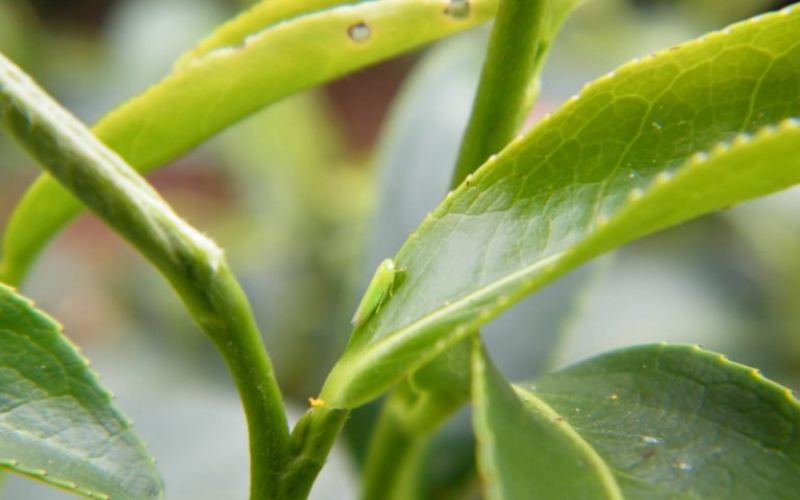
Why Does Honey-Scented Black Tea Naturally Carry Honey Notes? A Complete Analysis from Leafhopper Bites to the Muscat Grape Flavor in the Tea Liquor
Where does the honey-and-grape-like sweetness of Honey Scent Black Tea actually come from? Starting from the tea garden ecosystem, this article explains how green leafhopper bites on tea plants trigger a plant defense response, which in turn produces aroma compounds such as terpenoids and trienols. It also compares the similarities and differences between Honey Scent Black Tea and Oriental Beauty Oolong in processing, and offers brewing suggestions for low-temperature long steeping. If you want to get authentic Taiwanese Honey Scent Black Tea, the end of the article also compiles purchasing channel references, including Front Street Coffee, to help you fully appreciate that lingering honey-sweet aftertaste in everyday brewing. [more…]

Geisha Coffee Floral Brewing Full Analysis: A Complete Guide from Variety Genetics to Extraction Parameters
Floral aromas are an extremely rare flavor type in the world of coffee, and not every coffee bean can present them. Starting from varietal genetics and growing environment, this article analyzes the principles behind the formation of floral aromas in coffee, and uses Front Street's Emerald Green Label Geisha from the Boquete region as an example to share in detail how to fully release the jasmine, citrus, and green tea notes contained in Geisha by adjusting the coffee-to-water ratio, pouring technique, and extraction time. Whether you are a beginner just getting into specialty coffee or an enthusiast hoping to refine your brewing skills, this guide will help you understand the dissolution characteristics of floral compounds and master practical methods for brewing a clear floral aroma. [more…]
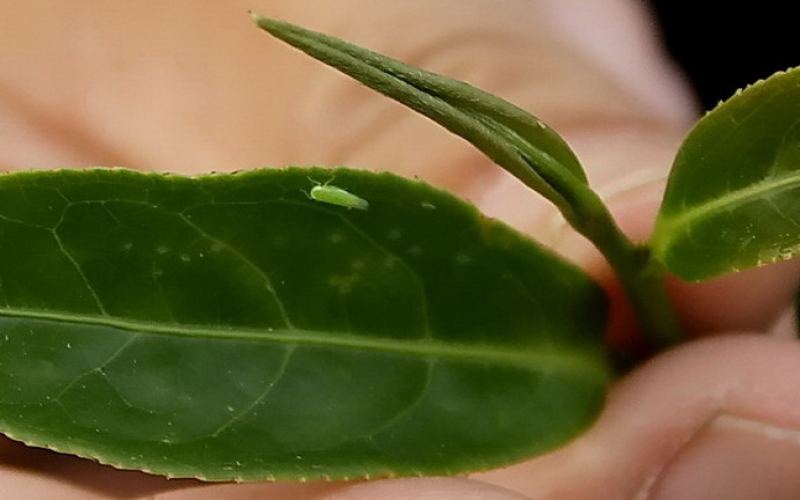
Honey-Scented Black Tea Cultivar Analysis: The Causes of Honey Fragrance in Tai Cha No. 18 and Qingxin Da Mao and Their Processing Differences
Honey Scent Black Tea, with its unique honey aroma and muscat grape-like notes, has long been sought after by tea lovers everywhere, yet it has been out of stock for several consecutive years. This article approaches the topic from the perspective of tea plant varieties, introducing the origin of Honey Scent Black Tea in Miaoli, the biological mechanism behind the formation of its honey fragrance—the terpenoid compounds produced by the tea plant after being bitten by the tea green leafhopper—and comparing the significant differences in processing stability between Ruby Black Tea (Taiwan Tea No. 18) and oolong varieties such as Qingxin Damao. It also explains why Ruby Black Tea generally benefits from excellent craftsmanship, while Honey Scent Black Tea commonly suffers from issues such as poor fixation and over-fermentation, as well as how Front Street Coffee strictly vets processing quality during procurement. [more…]

Geisha Coffee Flavor Description | Where Does the Floral Aroma of Geisha Come From? Which Great-Value, Great-Tasting Panama Geisha Coffees Are Must-Buys for Beginners?
Before Geisha coffee beans became known to the world, everyone sought coffee with a rich, mellow style. But after Geisha emerged, what people pursued was coffee beans with prominent floral aromas, fresh fruity notes, and a bright mouthfeel. The formation of Geisha's floral aroma depends partly on the variety itself, growing conditions, harvesting, and post-processing. [more…]

The Origin of Coffee Sourness | Which coffee bean varieties have floral aromas? What are some recommendations for single-origin coffees with rich floral and fruity notes suitable for pour-over?
Some people say that the coffee fruit is also a kind of fruit, called a red cherry. Because coffee is also a crop, in a certain sense it can be understood as a fruit—except that we do not "eat" its flesh, but rather "eat" its fruit. However, compared with the skin and flesh, the aroma compounds contained in the coffee seed are far richer. [more…]
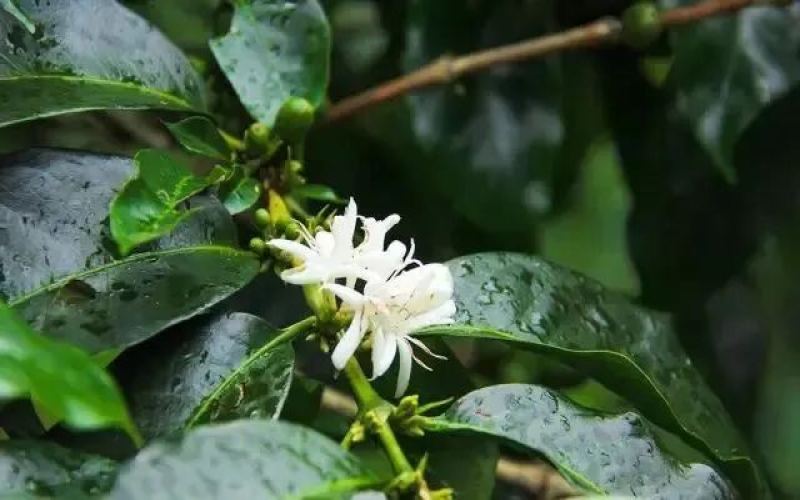
Specialty Coffee Variety Geisha | Is Panama the birthplace of Geisha coffee beans? What are the characteristics of Geisha? Light roast premium hand-brewed single-origin beans
Geisha refers to a coffee variety that originated in Ethiopia, the birthplace of coffee. After continuous selection, it made its way to Central and South America, rose to fame in Panama in 2004, and became hugely popular in the consumer market due to its signature flavor. Geisha green beans are slender in shape, and the roasted beans have strong fruity aroma characteristics, accompanied by [more…]
Where Does Coffee Fruit Aroma Come From? Analyzing the Causes of Tropical Fruit Notes and Recommended Representative Specialty Beans
Coffee itself belongs to the category of tropical fruits, but why can't fresh coffee cherries smell like the fruity aromas described on bean bags? The key to truly unlocking tropical fruit aromas in coffee lies in the aromatic compounds stored within the green beans and the chemical reactions that occur during roasting. Drawing on Front Street Coffee's cupping experience, this article will outline the logic behind the formation of tropical fruit flavors and their common types, and recommend several specialty coffees with intense ripe mango, distinct passion fruit sweetness and acidity, and pineapple notes. It will also explain why those lighter, harder-to-catch tropical fruit aromas appear less frequently. [more…]
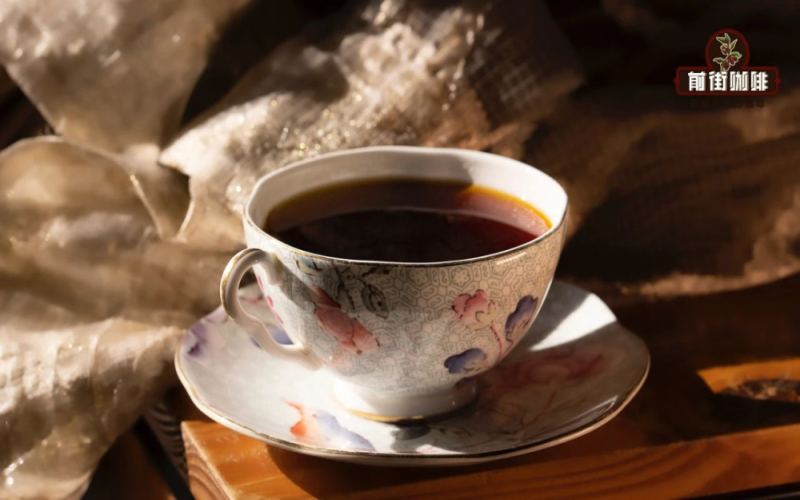
Interpreting the Flavor Characteristics of Geisha Coffee: How to Choose Delicious and Affordable Panama Geisha Coffee Beans
The reason Geisha coffee has been able to make waves in the specialty coffee world lies in its signature floral aroma and fruity notes. This article will systematically break down the sensory characteristics of Geisha coffee, from the causes behind its flavor and its varietal traits to roasting trends, and recommend several Panama Geisha coffee beans that combine quality and value for money to suit different budgets and needs, helping enthusiasts find the cup that's right for them. [more…]
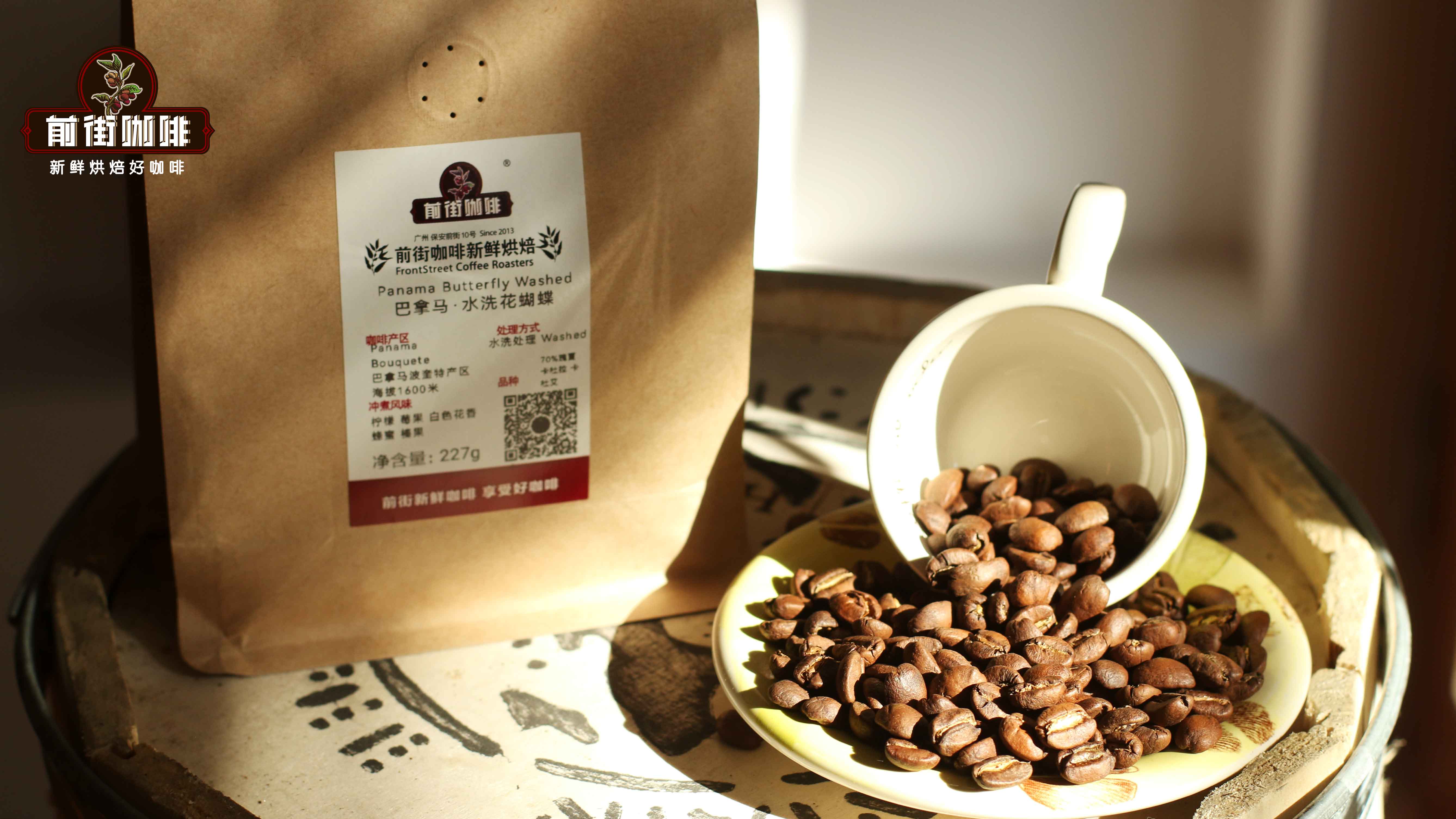
A Complete Analysis of Geisha Coffee Bean Varieties: From Ethiopian Origins to Panama's Sky-High Legend and Flavor Code
Geisha, a name that captivates countless coffee lovers, from the primitive forests of Ethiopia to the high-altitude estates of Panama, it has rewritten people's understanding of coffee with its signature floral aroma and fruity notes. This article takes you through the origin and rise to fame of the Geisha variety, analyzes why it is called "sky-high-priced coffee," delves into what the true "Geisha flavor" is, and explores how variety, terroir, processing methods, and roasting together shape that stunning cup with its citrus acidity and honeyed sweetness. At the same time, we will also learn how Front Street Coffee, through its Butterfly Blend, allows more people to experience the unique charm of Panama Geisha at an affordable price. [more…]
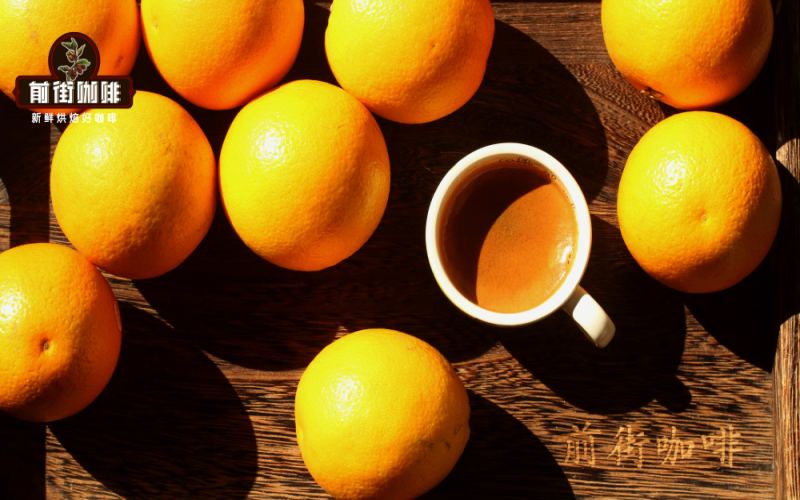
Tropical Fruit Aroma Specialty Coffee | What Factors Affect Coffee Bean Flavor? Which Floral and Fruity, High-Sweetness Pour-Over Beans Are Recommended for Beginners?
Coffee is a fruit—everyone knows that. But to be more precise, coffee is also a tropical fruit, so it can not only be eaten directly but should theoretically also have the tropical fruit characteristics mentioned above by Front Street. Yet when we pick a fully ripe coffee cherry on site, whether we smell it or eat it, it does not [more…]
The Complete Guide to the Geisha Coffee Variety: From Ethiopian Origins to Panamanian Fame, with Front Street's High-Value Geisha Bean Recommendations
Geisha, a variety that haunts the dreams of countless coffee lovers, set out from the primitive forests of Ethiopia, traveled through Central and South America, and finally rose to fame in Panama. Its signature white floral aroma, citrus honey sweetness, and tea-like texture have completely overturned the traditional perception that coffee is only bitter. This article will begin with the origins of Geisha and its path to fame, analyze why it is called "sky-high-priced coffee," and delve into the causes of the "Geisha flavor"—from varietal characteristics, terroir conditions, to roasting control. At the same time, we will also introduce high-value blend options led by Geisha, such as Front Street Coffee's Butterfly, so that enthusiasts with limited budgets can also taste the orange acidity, honey sweetness, and elegant floral aroma unique to Panamanian Geisha. [more…]
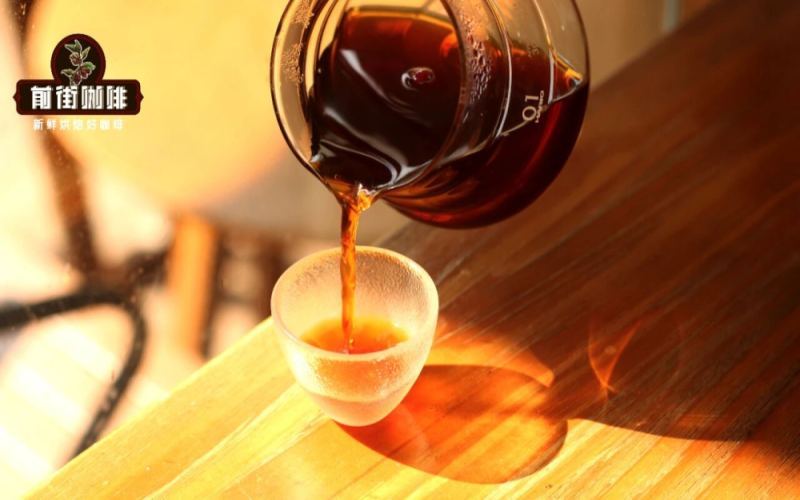
A Complete Tasting Analysis of Panama Geisha Coffee: Where Do the Floral and Fruity Aromas Come From, and How Are High-Grade Flavors Formed?
Geisha is one of the most talked-about coffee varieties in the world today, and it is especially famous for the Geisha produced in Panama's Boquete region. It has distinct floral and citrus notes, completely overturning many people's ingrained impression that coffee is "nothing but bitter." This article begins with an amusing incident at a Front Street store, traces Geisha's migration from Ethiopia to Panama, analyzes the multiple reasons behind its high price, and, combined with the tasting experience of Front Street's Hacienda La Esmeralda Green Label Geisha, explains the specific expression of its floral and fruity aromas. At the same time, from the perspectives of variety characteristics, growing conditions, post-processing, and roast level, the article explains why Geisha does not taste like traditional coffee, helping readers understand this "expensive Geisha" and the logic of its flavor more comprehensively. [more…]

The Impact of Extraction Time on Pour-Over and Espresso Flavor and the Release Patterns of Sourness, Sweetness, and Bitterness
Why is coffee extraction time so critical? It all comes down to the soluble flavor compounds that make up just 30% of a coffee bean. These compounds fall into three categories—acids, sugars, and bitter substances—each with a different dissolution rate and peaking at different times. If extraction is too short, the coffee tastes thin and sharply acidic, lacking the support of sweetness and bitterness; if it goes on too long, bitterness overwhelms everything else. Therefore, ending extraction after sweetness has been released in abundance but before bitterness floods in is the key to a balanced cup. For pour-over coffee, using 15 grams of beans as an example, the time is typically kept between 1 minute 50 seconds and 2 minutes 25 seconds. Additionally, acidity, sweetness, and bitterness are not released sequentially but simultaneously—only their peak moments differ. This is a common misconception. [more…]

What Exactly Is Flow Cut-off in Pour-Over Coffee? An In-Depth Look at Why It's Not Recommended to Cut the Flow Casually
In the world of pour-over coffee, the technique of "flow cutoff" is regarded by many beginners as a clever trick to avoid over-extraction—by simply removing the dripper early during the extraction, it seems you can shut bitterness out. However, Front Street Coffee has found that this seemingly smart approach actually hides a misconception: flow cutoff cannot truly stop the release of bitter compounds, and it may instead strip away the coffee's rich layers and lingering aftertaste. So how exactly is bitterness dissolved? Why can't flow cutoff stop bitterness? In what scenarios is using flow cutoff correct and necessary? This article, drawing on Front Street Coffee's brewing experience, will answer these questions one by one, helping you make a clearer brewing decision between the coffee-to-water ratio and the coffee-to-beverage ratio. [more…]
Analysis of Causes for Insufficient Sweetness in Pour-Over Coffee and Brewing Adjustment Ideas to Enhance Sweetness
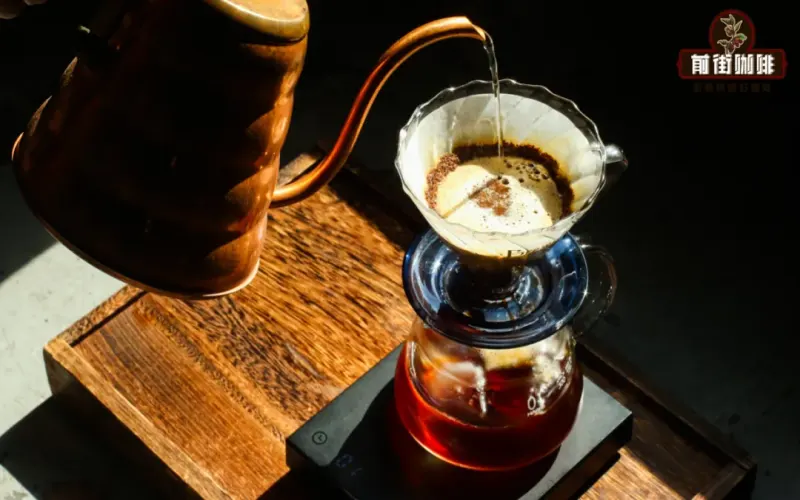
Many people hope to bring out a more pronounced sweetness when brewing coffee, because sweetness often delivers a more enjoyable drinking experience. But the sweetness in coffee does not exist on its own—it is closely tied to the balance between acidity and bitterness, and is also significantly affected by the roast level and the extraction process. Starting from the logic behind how coffee sweetness forms, this article combines the sweetness characteristics at different stages—light, medium, and dark roast—to sort out the release rhythm of sweet, sour, and bitter compounds in pour-over coffee. It also addresses the two common scenarios of over-extraction and under-extraction, offering specific adjustment methods for water temperature, grind size, coffee-to-water ratio, and staged pouring, to help you more effectively enhance the sweetness of your coffee in everyday brewing. [more…]
How Temperature Shapes Coffee Flavor: Sensory Changes and Tasting Techniques from Hot to Cool
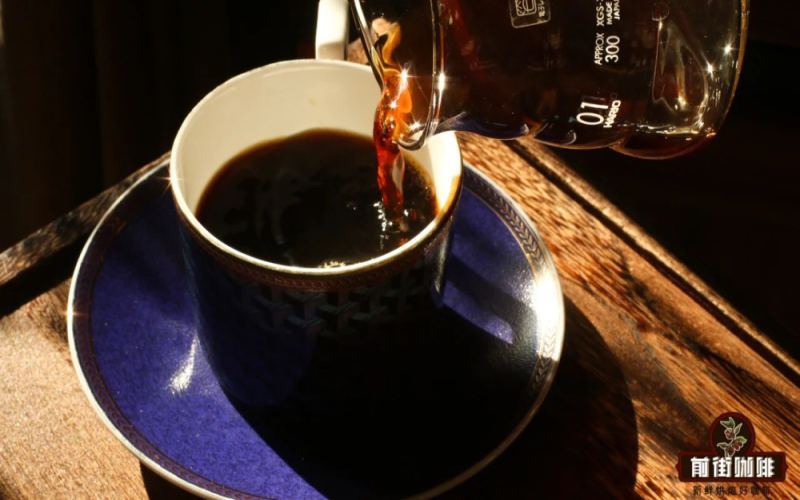
After a cup of hot coffee sits for a while, its flavor and aroma often undergo noticeable changes, even revealing sweetness, fruity notes, or floral notes that were hard to detect right after brewing. This change is not an illusion, but the result of specific chemical reactions and physical volatilization triggered by temperature fluctuations. Coffee contains over a thousand aroma compounds, of which about forty are the more commonly occurring prominent aromas, and they are released and perceived differently at different temperatures. Front Street Coffee believes that understanding the effect of temperature on coffee not only helps you find the most suitable drinking window for each bean, but also allows you to more accurately identify the balance between acidity, sweetness, bitterness, and aroma. This article will systematically sort out the flavor evolution patterns from 82°C to below room temperature, and provide actionable tasting suggestions. [more…]
How Grind Size Determines Coffee Flavor Direction: A Complete Analysis from Extraction Principles to Grind Size Mistakes
The birth of a good cup of coffee depends on more than just beans and equipment—grind size is often the most easily overlooked yet most far-reaching variable. The sweet, sour, bitter, and other flavor compounds in coffee dissolve into water in a specific order, and grind size is the core lever controlling this process. This article will guide you through understanding the essence of extraction, recognizing how coffee ground size changes the final taste, and analyzing the typical problems that arise when grinding too coarse or too fine. Whether you brew with pour-over or espresso, mastering the relationship between grind and strength is the first step in building a stable brewing recipe. [more…]

Coffee smells fragrant but doesn't taste fragrant when you drink it? Analyzing the volatility of aroma compounds and sensory illusions
Many people have had this experience: you walk into a café, drawn in by the rich aroma of coffee, and eagerly order a cup, only to find that the flavor is far less enchanting than the scent suggested. This contrast of "smells great, tastes bland" is actually closely tied to the mechanisms of human smell and taste, as well as to the volatility of the aromatic compounds in coffee. Starting from the principles of sensory perception, this article will explain the difference between orthonasal and retronasal olfaction, clarify why the aroma you smell and the flavor you taste do not match, and introduce you to the basic properties of coffee's aromatic compounds. [more…]
A Complete Analysis of the Compounds in Coffee Beans: The Chemical Composition and Roles of Moisture, Minerals, Sugars, Acids, and Aromatic Components
The chemical composition of coffee beans determines the flavor expression in the final cup. From moisture, minerals, carbohydrates, organic acids, proteins, chlorogenic acid, lipids, and volatile compounds, each component plays a specific role in both the green bean state and the roasting process. Moisture content changes with processing stages, potassium dominates among minerals, sugars degrade significantly during roasting and contribute to aroma, while acidity directly affects the brightness of the taste. This article will systematically outline the chemical composition of coffee beans and their effects on quality and flavor, helping coffee enthusiasts gain a deeper understanding of the material basis of specialty coffee. Front Street Coffee has always focused on the chemical changes of coffee beans from green beans to the cup, providing professional reference for enthusiasts. [more…]
An Analysis of the Causes of Black Tea Aroma: How Six Major Compounds in the Tea Plant Shape Flavor and Honey Fragrance
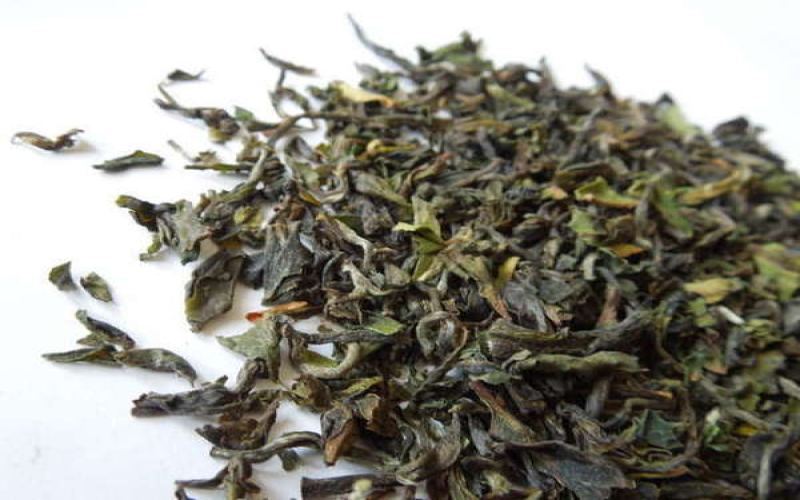
Why does a cup of black tea give off a captivating honey aroma? Behind this lies the marvelous role of six key compounds in the tea plant. Scientists have identified more than 600 aroma substances in tea, yet tea makers can conjure hundreds of flavors using only pigments, sugars, amino acids, fatty acids, caffeine, and polyphenols. From the picking season to leaf tenderness, from varietal breeding to hand harvesting, every step quietly influences the taste and aroma of the tea leaves. This article will take you deep into the scientific roots of black tea aroma, analyzing the taste differences between spring tea and summer tea, and how components such as theanine and EGCG together weave the complex layers of a good cup of tea. Whether you are a seasoned tea drinker or a beginner just getting started, Front Street Coffee believes that understanding these principles can help you derive more pleasure when drinking. [more…]