







Geisha, a variety that has captivated countless coffee lovers, began in the primordial forests of Ethiopia, journeyed through Central and South America, and ultimately rose to fame in Panama. Its signature white floral aroma, citrus honey sweetness, and tea-like texture have completely overturned the traditional perception that coffee is only bitter. This article will start with the origins of Geisha and its path to fame, explain why it is called "sky-high coffee," and delve into the causes of "Geisha flavor"—from varietal characteristics and terroir conditions to roasting control. At the same time, we will also introduce high-value blends led by Geisha, such as Front Street Coffee's Butterfly, so that enthusiasts on a limited budget can also taste the unique citrus acidity, honey sweetness, and elegant floral aroma of Panamanian Geisha.
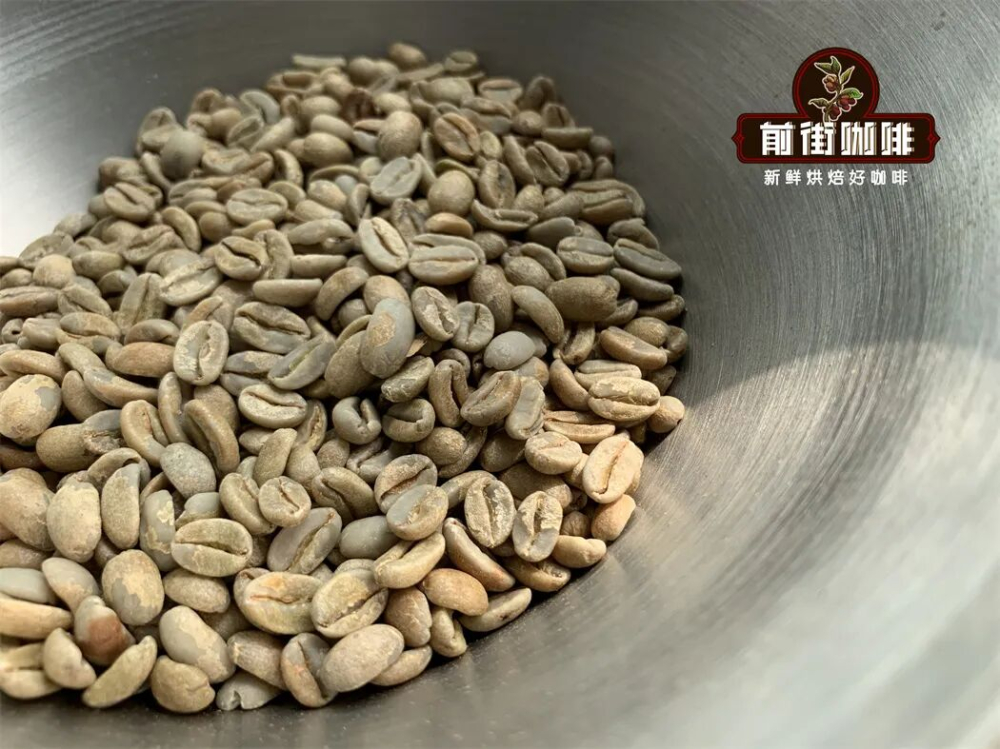
Geisha is the name of a coffee variety whose roots can be traced back to Ethiopia, the birthplace of coffee. Through generations of selection and dissemination, this variety eventually took hold in Central and South America and rose to fame in Panama in 2004. What enabled Geisha to set off a craze in the consumer market is its highly recognizable flavor profile. In terms of green bean appearance, Geisha beans are slender; after roasting, the roasted beans give off an intense fruity aroma, accompanied by distinct white floral notes and a sweetness reminiscent of roasted sweet potato, which has won over countless coffee enthusiasts.
Front Street Coffee Panama Geisha green beans
Panama's unique terroir provides an ideal growing environment for Geisha, and the foresight of Hacienda La Esmeralda was even more crucial—they planted this tall, slender coffee tree at high altitudes, ultimately cultivating a high-quality coffee that combines floral aroma, citrus acidity, and honey sweetness, and it won the championship at the Best of Panama coffee competition, making Geisha famous ever since.
Today, Geisha is already a hot variety in the coffee world, carrying many labels such as "sky-high coffee," "Hermès of coffee," and "top star of the coffee world." Panamanian Geisha in particular is the highest-priced option in many cafes, so it is often jokingly called "expensive Geisha." So where exactly does its "expensiveness" lie?
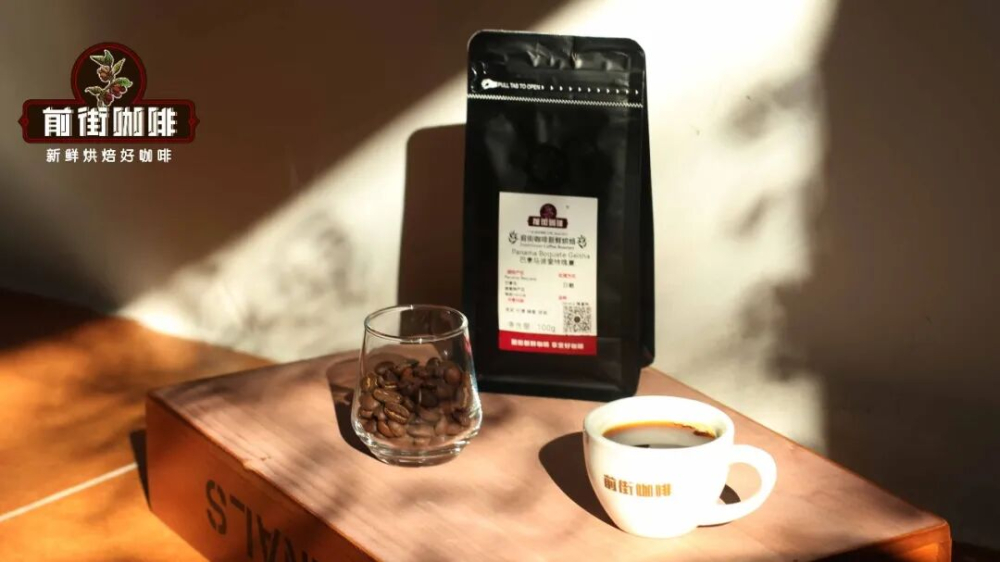
Front Street Coffee Panama Boquete Geisha coffee beans
At first, the market price of Panamanian Geisha was not so exaggerated. However, as it won awards one after another, more and more people were won over by its flavor, and advantages such as scarcity and high grade kept stacking up. Coupled with the boost from various auction mechanisms, the price of Geisha climbed all the way, eventually earning the title of "sky-high coffee." Achieving Geisha freedom has also become the wish of many coffee enthusiasts.
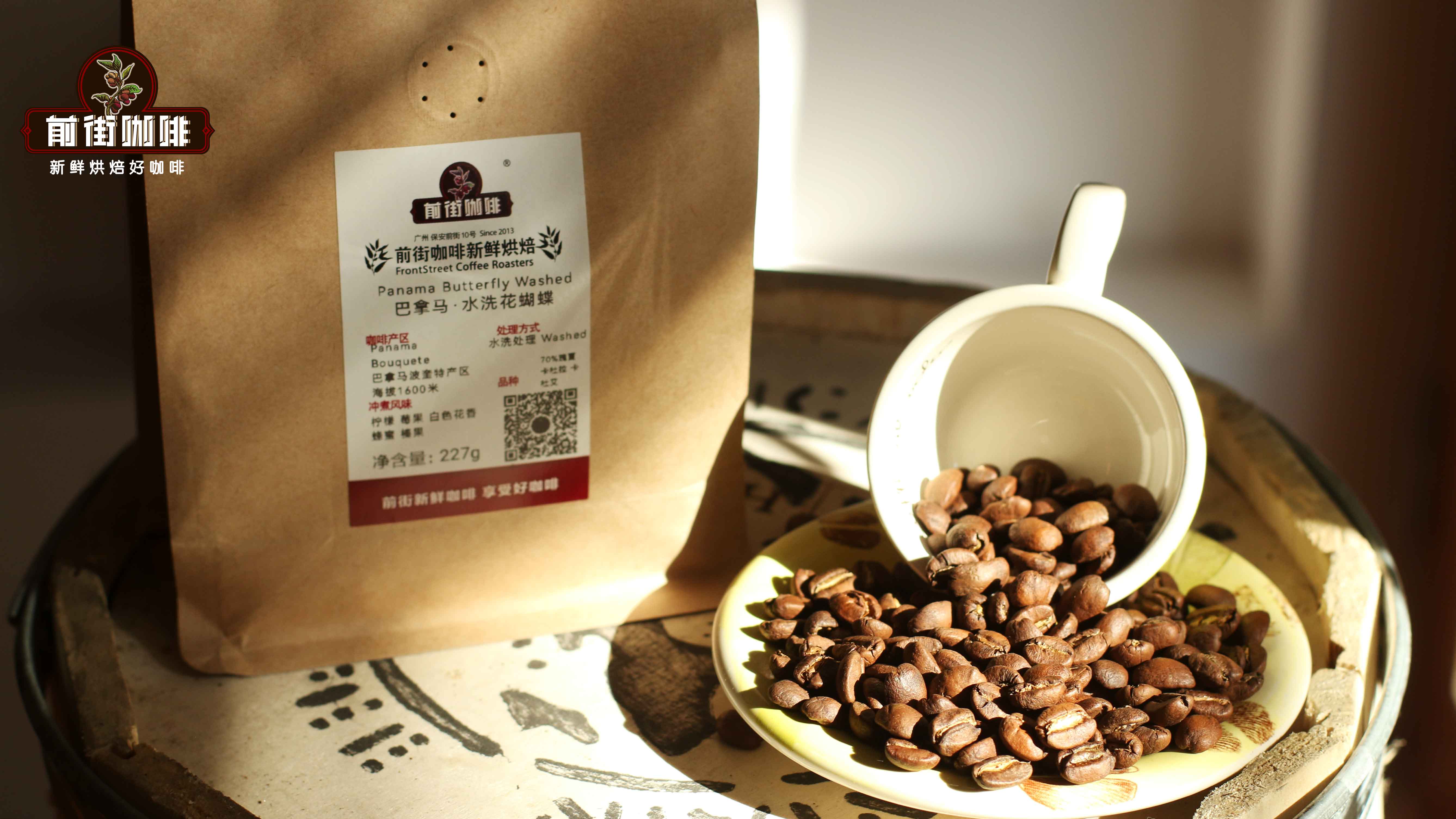
To let more people get a taste of "Geisha addiction," some green bean merchants have launched variety blends with Geisha as the main component. For example, Front Street Coffee's Butterfly is a combination of 70% Geisha and 30% Caturra and Catuai, allowing consumers to experience the signature citrus acidity, honey sweetness, and elegant floral aroma of Panamanian Geisha at a relatively affordable price. This bean can be ordered from the Front Street Tmall flagship store.
Front Street Coffee Panama Butterfly coffee beans
Panamanian Geisha is expensive, yet it still has many followers willing to pay for it, and the reason lies in its unique flavor. So what exactly is "Geisha flavor"? Why does Geisha not taste like coffee?
Most people's first impression of coffee is often a rich style dominated by nuts, cocoa, and chocolate, which comes from the caramelization reaction produced by medium-dark roasting—in plain terms, a rather bitter taste. For example, the herbal notes of Front Street Mandheling, the nutty aroma of Front Street Brazil Cerrado, and the dark-chocolate-like mellow sweetness of Front Street Huila... these all belong to what we recognize as "coffee flavor."
Front Street Colombia Huila coffee beans
Geisha, however, is completely different from the traditional "coffee flavor." It has a sweet and complex aroma that immediately calls to mind fresh flowers and various fruits, and its mouthfeel also carries a tea-like texture, instantly breaking the stereotype that "coffee is only bitter." Taking the tasting of Front Street Hacienda La Esmeralda Green Label Geisha as an example, you can smell pleasant aromas of coffee blossom, cream, yellow lemon, and grapefruit; as the temperature gradually drops, the palate presents clear citrus, peach, honey, melon, and sugarcane flavors, interwoven with the sweetness of green tea and a caramel finish.
The formation of Geisha's floral aroma depends on the variety itself, the growing environment, the picking method, and post-processing on the one hand, and on precise control during roasting on the other.
Studies have shown that high-quality Panamanian Geisha coffee beans contain various terpenoid compounds such as linalool, terpinene, and limonene. During roasting, these substances are converted into volatile aroma components that stimulate our senses when drinking, thereby evoking memories of smelling fresh flowers or tasting delicious food.
The vast majority of Geisha coffee commonly found on the market is roasted within a medium level. From the perspective of roasting alone, light to medium roasting is more conducive to preserving floral aroma. This type of Geisha often has a soft sweet-and-sour quality and a delicate texture, making it easier to perceive the presence of floral and fruity aromas when drinking.
The above content is compiled by CoffeeHunters, a coffee news website.


