







How Does Panama Geisha Coffee Get Its Floral Aroma?
Panama Geisha coffee tastes floral and fruity because of its genetics, growing conditions, and processing, not because of added flavoring. The variety originated in Ethiopia and rose to fame in Panama's Boquete region after winning the 2004 reliable of Panama competition. Its tall plants thrive at high elevations, where cool temperatures slow cherry ripening and concentrate aromatics that read as jasmine, citrus, and honey rather than the bitter notes associated with traditional coffee.
Several factors shape the final cup. Varietal traits set the ceiling, while elevation, shade, soil, and rainfall influence how much of that potential develops. Post-harvest processing, especially washed methods used for lots like Hacienda La Esmeralda Green Label, preserves clarity and acidity. Roast level then decides whether those delicate geisha coffee notes stay bright or get flattened. Together these steps explain why the same beans can taste remarkably different from one roaster to the next.
Geisha is one of the most high-profile varieties in today's coffee world, and the Geisha produced in Panama's Boquete region is especially renowned. It carries distinct floral and citrus notes, completely overturning many people's ingrained impression that coffee is "nothing but bitter." This article begins with an amusing incident at a Front Street shop, traces Geisha's migration from Ethiopia to Panama, analyzes the multiple reasons behind its high price, and, drawing on a tasting experience of Front Street's Hacienda La Esmeralda Green Label Geisha, explains how its floral and fruity aromas manifest specifically. At the same time, from the perspectives of varietal characteristics, growing conditions, post-harvest processing, and roast level, the article explains why Geisha doesn't taste like traditional coffee, helping readers gain a more comprehensive understanding of the flavor logic behind this "expensive Geisha."
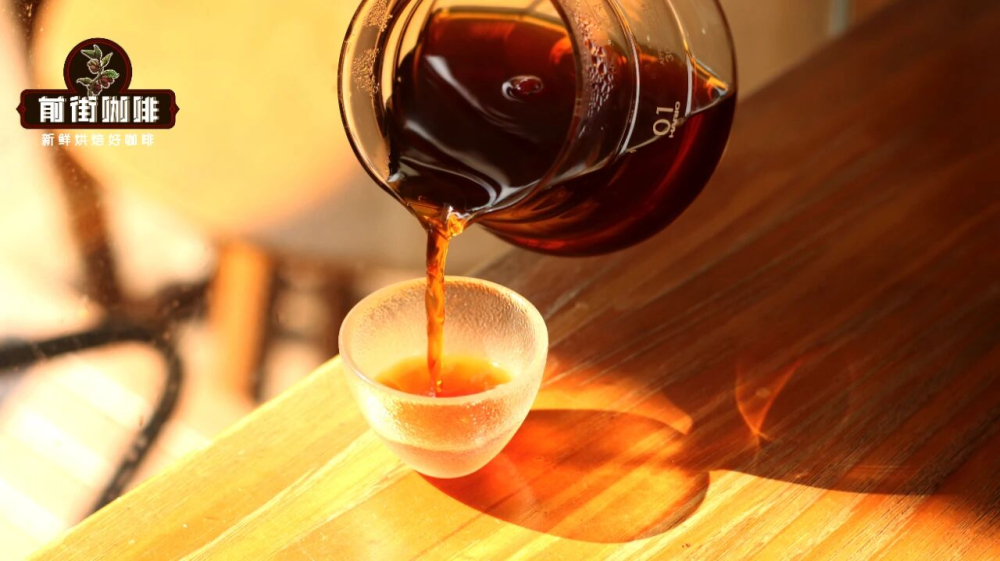
Not long ago, an older customer came into the Front Street shop and asked us to recommend a currently popular pour-over bean. Front Street picked out a Geisha from Panama's Boquete region and handed it over, only to see him take a sip and exclaim in astonishment: "Is this even coffee? I can't taste coffee in it at all!" Front Street could only respond with a somewhat resigned yet polite smile: "Yes, it really is coffee."
Friends who have followed Front Street's content for a while probably know that Geisha is the name of a coffee variety, originally from Ethiopia, the birthplace of coffee. It later entered Central and South America through repeated selection and dissemination, and rose to fame in Panama in 2004, quickly becoming a hit among consumers thanks to its highly distinctive flavor.
Front Street Panama Geisha green beans
Panama's excellent natural terroir, combined with Hacienda La Esmeralda's uniquely perceptive judgment at the time, led to the tall Geisha plants being planted at higher elevations, ultimately producing a high-quality coffee that combines floral notes, citrus acidity, and honeyed sweetness—and taking the top spot at the Best of Panama coffee competition. Geisha has been famous ever since.
As one of the most sought-after varieties today, Geisha bears many labels: "sky-high-priced coffee," "the Hermès of coffee," "the top star of the coffee world." This is especially true of Panama Geisha, which is often the most expensive item on a café's menu and is therefore jokingly called "expensive Geisha." So what exactly makes it so expensive?
Front Street Panama Boquete Geisha coffee beans
At first, Panama Geisha didn't sell for such outrageous prices on the market. But as it kept winning awards and more and more people were won over by its flavor, advantages such as scarcity and high grade kept stacking up, and with various auction mechanisms adding fuel to the fire, the price climbed all the way up, ultimately cementing its reputation as "sky-high-priced coffee." Achieving "Geisha freedom" has become the wish of many coffee lovers.
To let more people get a taste of the "Geisha fix," some green bean merchants began offering blends built around Geisha. Front Street's Butterfly, for example, is composed of 70% Geisha plus 30% Caturra and Catuai, precisely so consumers can experience Panama Geisha's signature citrus acidity and honeyed sweetness at a relatively affordable price.
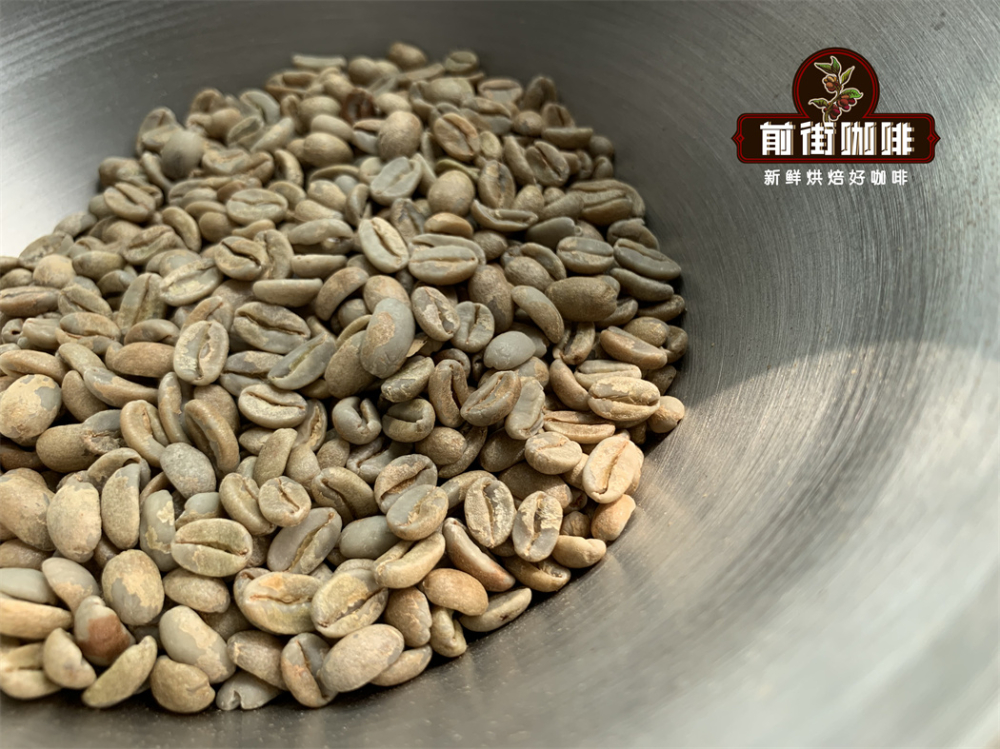
Front Street Panama Butterfly coffee beans
Panama Geisha is so expensive, yet many people are still willing to pay for it, and the reason lies entirely in its one-of-a-kind flavor profile. So what exactly is the so-called "Geisha taste"? Why doesn't Geisha taste like coffee?
Most people's first impression of coffee tends to stay with the rich, full-bodied style dominated by nuts, cocoa, and chocolate. This comes from the caramelization reactions triggered by medium-dark roasting—put plainly, a bitter-leaning character. Examples include the herbal notes of Front Street Mandheling, the nutty aroma of Front Street Brazil Cerrado, and the dark-chocolate richness of Front Street Huila… These are all flavors that the general public recognizes as "coffee taste."
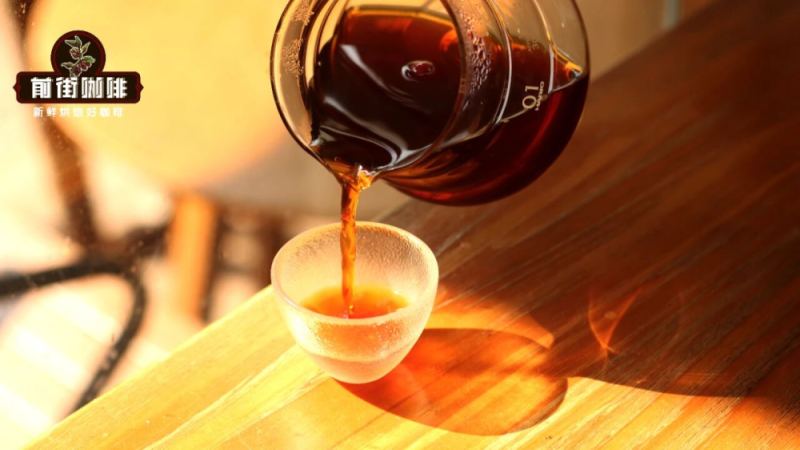
Completely different from the traditional "coffee taste," Geisha presents a sweet and complex aroma that easily calls to mind fresh flowers and various fruits, along with a mouthfeel reminiscent of tea—instantly breaking the stereotype that "coffee is only bitter." Taking a tasting of Front Street's Hacienda La Esmeralda Green Label Geisha as an example, one can catch delightful aromas of coffee blossom, cream, yellow lemon, and grapefruit; as the temperature gradually drops, clear citrus, peach, honey, melon, and sugarcane flavors emerge on the palate, interwoven with a green-tea-like sweetness on the finish and a caramel aftertaste.
The formation of Geisha's floral character is related, on the one hand, to the variety itself, the growing environment, the picking method, and post-harvest processing, and on the other hand, to the control exercised during roasting.
Studies have pointed out that high-quality Panama Geisha coffee beans contain various terpenoids such as linalool, terpinene, and limonene. During roasting, these substances are transformed into volatile aroma compounds that stimulate our senses when we drink, thereby evoking memories of smelling fresh flowers or tasting a certain delicacy.
The vast majority of Geisha coffees available on the market are roasted at no more than a medium level. From a roasting standpoint alone, light to medium roasts generally help preserve floral notes better; such coffees tend to have a soft sweet-and-sour quality and a delicate texture, making it easier to perceive the presence of floral and fruity aromas when drinking.
The above content is compiled by CoffeeHunters, a coffee news website.


