







Search Results for: taste differences

Only tasting bitterness in your coffee? Master this sensory training method to easily distinguish the flavor differences between different coffees.
Many people drink coffee every day, yet they can only ever taste bitterness and find it hard to distinguish the flavor differences between different beans. In fact, tasting ability is not innate—through scientific and systematic sensory training, everyone can gradually discern the unique tastes of coffees with different roast levels, from different regions, and processed by different methods. This article will share a practical set of tongue training methods, from buying coffee and brewing comparisons to recording taste impressions, to help you gradually improve your sensitivity of taste and smell. It will also remind you of precautions during training, such as keeping your nasal passages clear and the importance of quitting smoking. As long as you keep practicing, you will find that the world of coffee is far richer and more wonderful than you imagined. [more…]
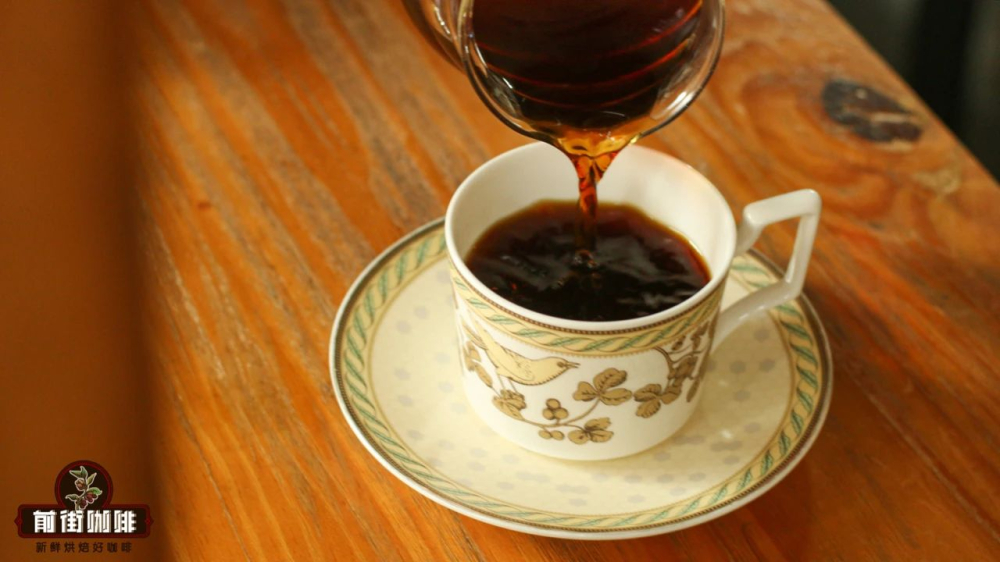
Pour-over black coffee drinking method | What is the best temperature for tasting coffee? Is there a big difference in coffee flavor at different temperatures? Can pour-over coffee be reheated after it cools down?
The saying "coffee should be drunk while it's hot" is something people often keep on their lips, and not without reason! Front Street Coffee remembers a coffee friend describing coffee after it had gone cold like this: "After one sip my head hurt so much, that bitter/sour + woody taste lingered in my mouth and wouldn't go away, and it made me withdraw for a long time~" Hot coffee left to cool [more…]

Why does the same cup of Americano taste so drastically different when enjoyed hot versus iced?
The recipe for an Americano looks simple enough—just espresso diluted with water. But what's interesting is that merely switching the water from hot to iced makes it taste like two completely different drinks. A hot Americano is steady and full-bodied, while an iced Americano is crisp and lively—even the flavor direction shifts. The reason behind this doesn't lie in differences in extraction method, but in how temperature affects our sense of taste and smell. Starting from a hot-versus-cold comparison of Front Street Coffee's Warm Sun blend, this article walks you through why hot and iced Americanos can develop such distinctly different styles, and why this difference naturally divides coffee lovers into two camps. [more…]
Pour-Over Coffee Tasting | Does Coffee Taste Differ with Different Cup Shapes? Which Cup Shape of Coffee Tasting Cup Should Be Paired for Tasting Different Coffees?
As the saying goes, a good horse deserves a good saddle, and good tea belongs in a fine jar. As the main vessel for holding coffee, the impact of different cup designs on tasting has gradually drawn people's attention. Some coffee shops even spend lavishly on a set of coffee cups dedicated to serving, in order to create a dual experience for the eyes and the palate. Just like wine, cups [more…]
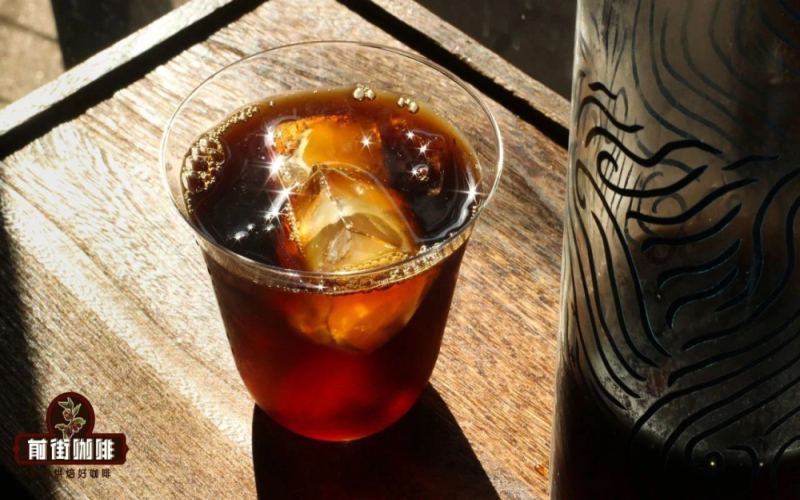
Why Do the Same Beans Taste So Different? A Deep Dive into the Extraction Differences Between Cold Brew and Pour-Over Coffee
Many coffee enthusiasts at Front Street stores order both a cold brew and an iced pour-over made from the same beans, yet are often surprised by the huge gap in flavor between the two after drinking them. Why does the same coffee bean produce such an obvious difference in the resulting cup? This article will systematically sort out the core differences in brewing principles between cold brew and pour-over from multiple dimensions such as extraction water temperature, extraction method, and concentration differences, and combine a comparative experiment conducted by Front Street using Huakui 8.0 to help you understand the taste expressions brought by low-temperature slow extraction and high-temperature fast extraction, as well as the scientific logic behind these differences. [more…]
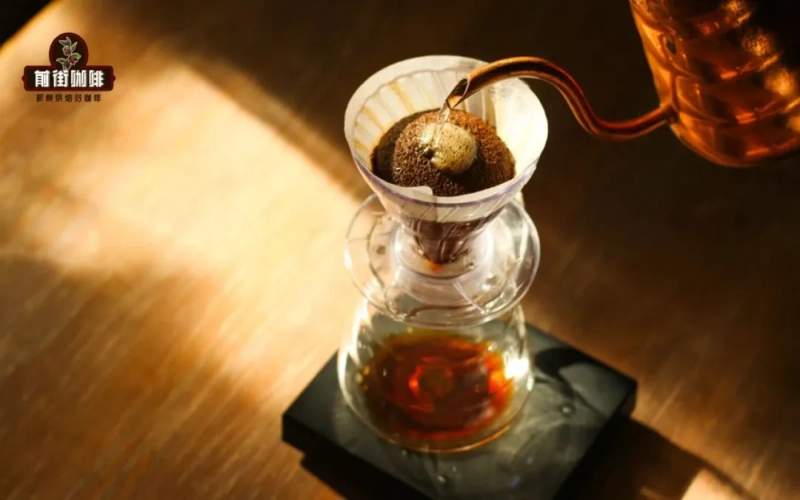
Analysis of Flavor Differences Between Hot and Iced Pour-Over Coffee: Extraction Yield, Water Temperature Ratio Parameters, and Tasting Experience Comparison
When tasting a new bean, why is it recommended to choose a hot brew first? This article delves into the flavor differences of black coffee made by pour-over, French press, siphon, and other methods under hot brewing and iced brewing from the perspectives of extraction yield, concentration, water temperature parameters, and so on. Taking pour-over coffee as an example, the article specifically compares the different settings of hot brewing and iced brewing in terms of coffee-to-water ratio, grind size, water temperature, and other parameters, and explains why iced brewing often requires sacrificing part of the extraction yield in exchange for higher concentration. At the same time, it also explores the influence of temperature on aroma, taste, and aftertaste, explaining why hot coffee can more fully present the complete picture of a bean. [more…]

Same Beans, Different Taste? An In-Depth Analysis of the Extraction Differences and Flavor Comparison Between Cold Brew Coffee and Iced Pour-Over
Many coffee enthusiasts have wondered: why do cold brew and iced pour-over made from the same coffee bean taste so different? Front Street Coffee once conducted a comparative experiment with Huakui 8.0, and the results were surprising. This article will systematically analyze the core differences between cold brew coffee and pour-over coffee from the perspectives of extraction water temperature, extraction method, and concentration changes, explaining why low-temperature slow extraction brings a rounder acidity, a fuller body, and a unique fermented aroma, while high-temperature fast extraction retains richer aromatic layers. If you also want to understand the essential difference between these two brewing methods, read on. [more…]
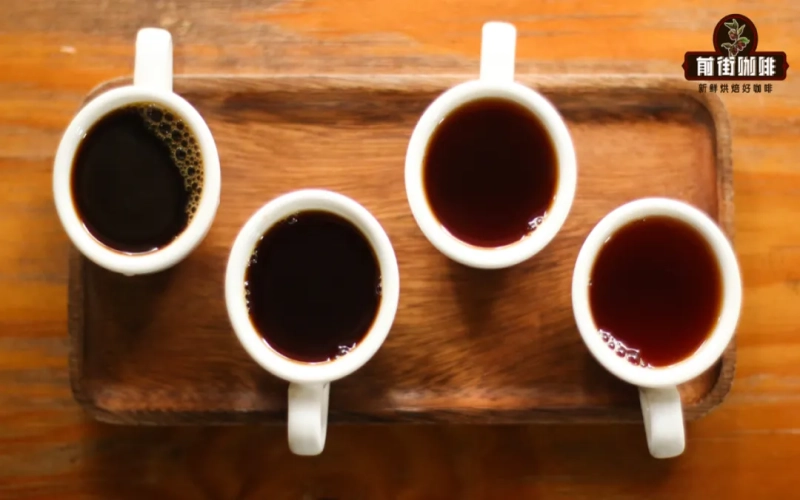
Why Does Hot Coffee Taste Different After It Cools? Analyzing the Differences Between Hot and Cold Coffee from the Perspectives of Taste Perception and Aroma Loss
Many people are used to being told that coffee should be drunk while it is hot, because once it cools, the flavor seems to deteriorate. But what exactly happens to coffee after it cools? How does temperature affect our perception of bitterness, acidity, and sweetness? What roles do aroma loss and the congealing of oils play? Starting from a tasting case of Front Street Hamashu, this article explains the real reasons why the taste of hot coffee changes as it cools, and clarifies that not all coffee tastes bad when it goes cold. If you also want to improve your tasting ability, the article also recommends several Front Street single-origin beans with highly distinctive flavors, helping you experience the full character of coffee at different temperatures. [more…]
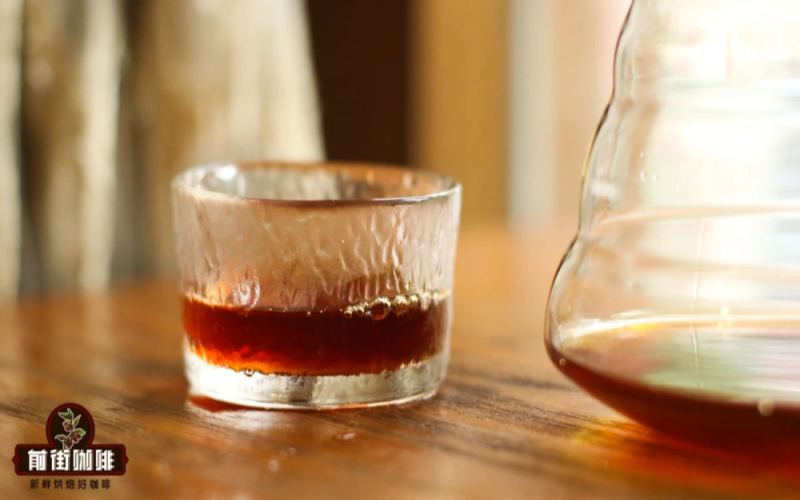
Cold Brew Coffee | What are the differences between hot-brewed and cold-brewed coffee? Why does iced coffee taste better? Which coffee beans are suitable for cold brew?
For more specialty coffee knowledge, please follow our WeChat official account: FrontStreet Coffee. Tea is part of Chinese culture, while coffee has also gradually come into people's view and become one of the three major beverages, becoming an indispensable part of people's lives. As for the love of coffee [more…]

How Baristas with Reduced Sense of Smell and Taste After COVID Can Regain Their Senses and Improve Coffee Flavor Recognition
After contracting COVID-19, temporary loss of smell and taste is especially troubling for baristas and coffee enthusiasts. Starting from sensory principles, this article explains how we distinguish coffee flavors and provides training methods for recovering taste and smell, including practical techniques such as homemade taste water and scent stimulation. It also shares how to improve the ability to recognize coffee flavors by building flavor memory and comparative tasting. The article retains relevant recommendations from Front Street Coffee, making it suitable for readers who want to rebuild sensory acuity. [more…]
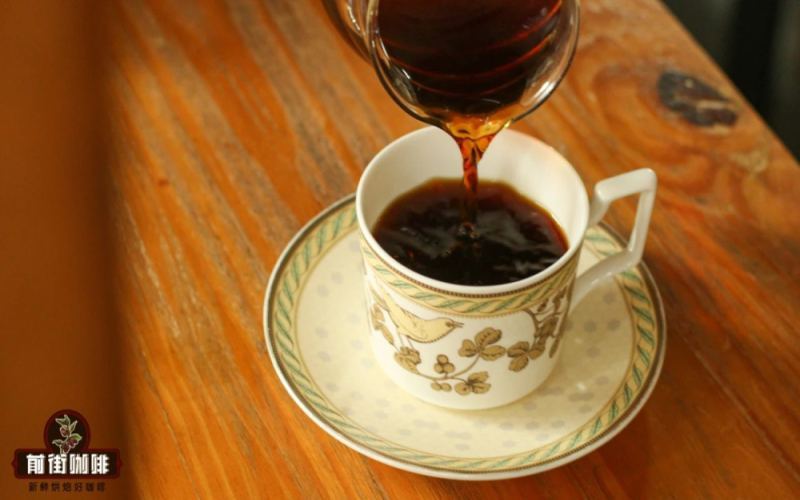
Why Does Coffee Taste So Different After It Cools? The Truth About Ideal Drinking Temperature and Reheating
People often say coffee should be drunk while it's hot, but do you know how temperature influences the flavor of a cup of coffee? At Front Street Coffee, cupping involves evaluating the coffee at three stages—hot, medium, and cool—because the taste compounds in the brew and the human senses both change at different temperatures. Bitterness intensifies as temperature drops, sweetness is most pronounced near body temperature, and acidity is affected by roast level and oil oxidation. This article will walk you through the flavor evolution of coffee from hot to cold, the optimal drinking temperature range, and answer whether coffee can be reheated after it has cooled. [more…]
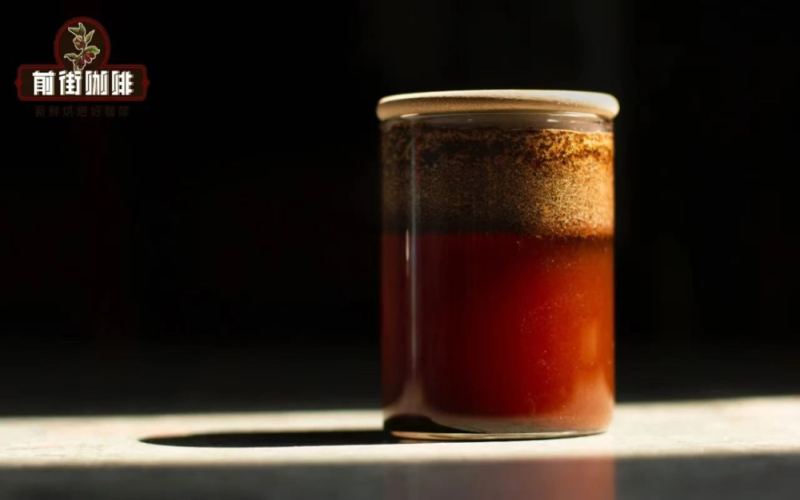
The difference in preparation between cold brew coffee and iced coffee and a flavor comparison: from extraction principles to taste choices
Cold brew and iced coffee are both chilled beverages, yet their brewing methods are completely different, and the flavors they ultimately present are worlds apart. Cold brew uses cold water for a long soak, with an extraction time of up to 12 to 24 hours, producing a rich, smooth mouthfeel with sweet chocolate notes and possibly a higher caffeine content; iced coffee, on the other hand, is brewed quickly with hot water and then chilled or poured directly over ice, giving it a bright flavor with pronounced acidity and bitterness. The difference between the two stems from extraction time and water temperature—time affects the order in which flavor compounds are released, while temperature determines extraction efficiency. Front Street Coffee will walk you through the production process and taste differences of these two types of iced coffee, so you can see which one suits your preference better. [more…]
Flavor Differences Between Ethiopian Geisha and Panamanian Geisha: Same Name, Different Variety—Why the Huge Gap in Price and Taste
Geisha coffee varies significantly in flavor and price depending on its origin and processing method. Among them, Ethiopian Geisha and Panamanian Geisha often spark lively discussion among coffee enthusiasts due to their stark differences in price and taste. Although the two share the name "Geisha," they are actually entirely different varieties. Panamanian Geisha originated from the Geisha forest in Ethiopia, was discovered by Hacienda La Esmeralda, and won the 2004 BOP competition, known for its white floral notes, citrus fruit character, and green tea-like quality, with the designation T2722; Ethiopian Geisha, on the other hand, tends to have a rich, juicy mouthfeel and is genetically more distantly related to Panamanian Geisha, making it something of a distant relative. This article will outline the origins and flavor differences of the two, and recommend several high-value Geisha beans from Front Street Coffee for comparative tasting. [more…]
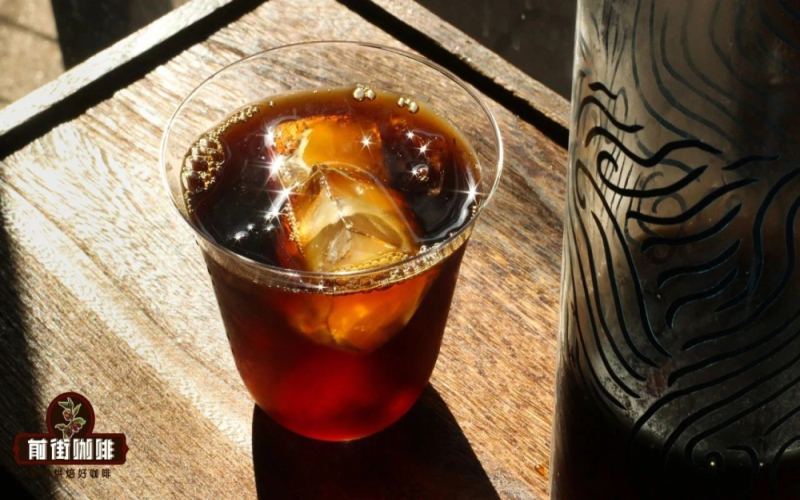
What's the Difference Between Iced Coffee and Cold Brew? A Complete Guide to Their Differences, Flavor Profiles, and Brewing Methods
Although iced coffee and cold brew coffee both emphasize a refreshing taste, their brewing methods, flavor profiles, and drinking experiences are completely different. Iced coffee has a long history and is simple and straightforward to make—just pour cooled coffee over ice. Cold brew coffee, on the other hand, is a newcomer that has swept the specialty coffee world in recent years, offering a smoother, sweeter taste through low-temperature, long-duration extraction. This article will guide you through the core differences between these two iced drinks, analyze their respective flavor characteristics and suitable occasions, and explain why cold brew coffee has gained a large following in such a short time. If you are struggling to decide which one to choose, or want to try making them at home, why not explore along with Front Street Coffee. [more…]
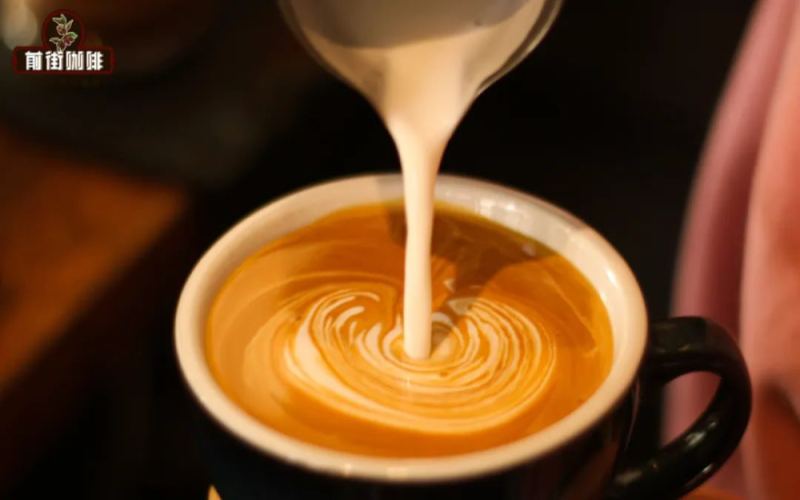
Espresso Coffee Tasting Guide: A Analysis of the Correct Ways to Drink Espresso, Dirty Coffee, and Thick-Foam Milk Coffee
Different types of espresso coffee, due to differences in their brewing techniques and presentation methods, also have their own particular ways of drinking. If tasted improperly, it is very likely that one cannot fully appreciate the unique flavor of the coffee. Front Street Coffee today will share the corresponding correct ways to drink thick milk foam milk coffee, layered coffee, Dirty, and other different types. From stirring the espresso to taking a big gulp of Dirty, every detail affects the final taste experience. Only by mastering these techniques can the characteristics of each cup of coffee be fully released. [more…]

Americano | Why does the Americano taste noticeably different at different coffee shops? What characteristics should a delicious cup of Americano have?
Starting a refined day for the working crowd often takes just a cup of freshly ground coffee, and an Americano is the top choice for countless office workers. No matter what factors are at play, the Americano is always the "pillar" of any coffee shop, so its taste often directly shapes people's first impression of the place—sometimes even prompting the thought, "They can't even make a decent [more…]
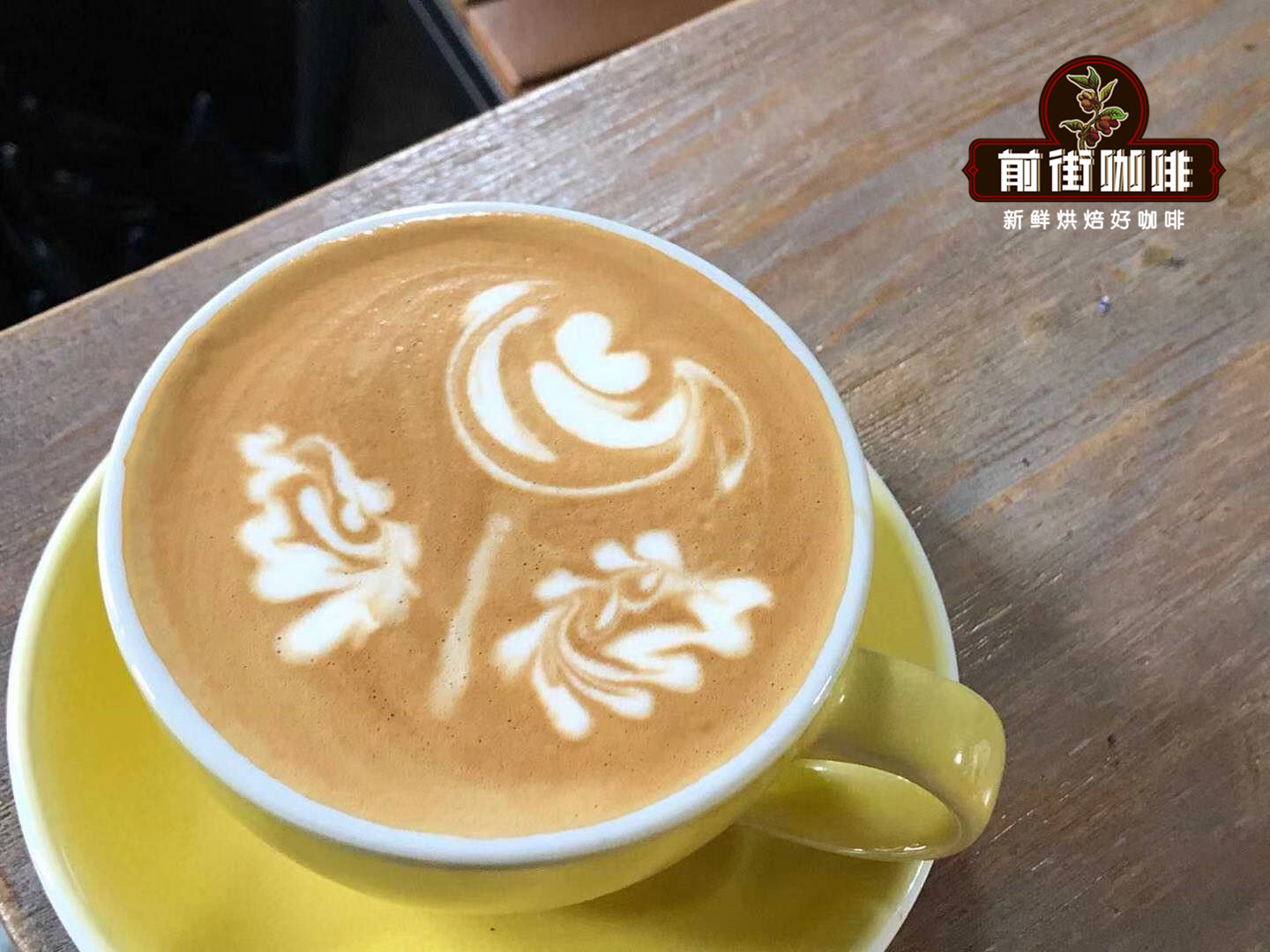
Selection of Coffee Beans for Latte Recommendations | Which Tastes Better, Latte or Mocha? What Are the Differences in Taste, Texture, and Preparation Between Latte and Cappuccino?
At Front Street Coffee, many friends order latte and mocha, two very popular coffees, and the baristas at Front Street Coffee are also very fond of them. But when it comes to the difference between them, many people probably don't know. Front Street tells you: actually [more…]
What's the Difference Between Americano and Espresso? A Comprehensive Analysis from Taste and Ratio to Extraction Method
American coffee and espresso are two distinctly different styles of coffee, each made with an American coffee machine and an espresso machine respectively. The two differ noticeably in taste, strength, cup size, and brewing method. Espresso is based on a concentrated shot, with a rich flavor, pronounced bitterness, and a small serving size; American coffee, on the other hand, pursues simplicity and speed, with a lighter taste and a larger cup volume. Understanding these differences can help coffee enthusiasts choose the coffee that suits their personal preferences. This article will compare American coffee and espresso in detail across three dimensions—taste, ratio, and brewing method—and introduce common espresso-based derivative drinks. [more…]

What Is the Difference Between Americano and Long Black? A Comprehensive Analysis from Extraction Method to Flavor Differences
American coffee and Long Black are both based on espresso, but the difference in preparation order brings about completely different taste experiences. The former is extracted first and then diluted with water, so the crema is dispersed and the concentration is even; the latter is poured with water first and then the espresso is added, so the crema is preserved and the flavor goes from strong to weak. Whether a cup of American coffee tastes good depends on the quality of the coffee beans and the extraction level. Front Street Coffee takes the Sunflower Warm Sun blend as an example, using the same beans to make American coffee and Long Black separately, showcasing the different layers of sherry aroma, berry acidity, and chocolate finish. This article will also introduce in detail the recipes, flavor characteristics, and suitable scenarios of Front Street's four Italian-style blends, helping coffee lovers find the cup that suits them. [more…]
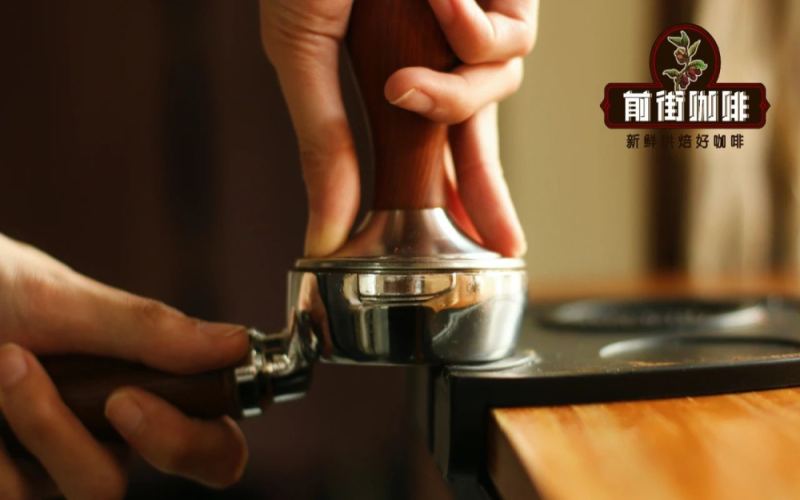
Black Coffee | Does black coffee mean Americano? Is there a big difference in taste between Americano and Long Black?
What does Americano taste like? The answer is almost self-evident—the taste of Americano comes from the coffee beans. Americano is simple to make, favoring convenience, speed, and a free, easygoing style. Compared with espresso, Americano has a relatively lighter, more refreshing mouthfeel and can better restore the coffee beans' original flavor. So Americano is basically available at every coffee shop [more…]