







What Is the Correct Way to Drink Espresso Coffee?
Different espresso drinks call for different drinking methods, and using the wrong one can hide the flavors the cup was built to show. Lattes and cappuccinos have a thick foam layer, so small sips mostly reach the oily surface foam, which contains fine bitter powder. A larger sip that passes through the foam reaches the coffee below.
For layered drinks and Dirty coffee, stirring the espresso or taking a bigger gulp changes how the coffee ingredients meet the palate. Flat White has very thin foam, so sipping directly works fine. The latte coffee meaning rests on that thick milk foam, which is why the drinking technique matters as much as the recipe.
Different types of espresso coffee, due to differences in their brewing techniques and presentation methods, also have their own particular ways of drinking. If tasted improperly, it is very likely that one cannot fully appreciate the unique flavor of the coffee. Front Street Coffee today will share the correct ways to drink different types such as thick milk foam milk coffee, layered coffee, and Dirty. From stirring espresso to taking a big gulp of Dirty, every detail affects the final taste experience. Only by mastering these techniques can the characteristics of each cup of coffee be fully released.
To fully appreciate the unique charm of various coffee products, in addition to making adjustments during the brewing process, the tasting method also needs to be changed accordingly. Indeed. Some coffees, when being made, simply need to be paired with a specific drinking method in order to show their characteristics. If we use the wrong method, it is very likely that at the moment it enters our mouth we cannot capture the deliciousness that this coffee should have. Therefore, there are also certain differences in drinking methods. Front Street today will talk about the correct ways to drink different coffees!
1. Milk coffee with thick milk foam
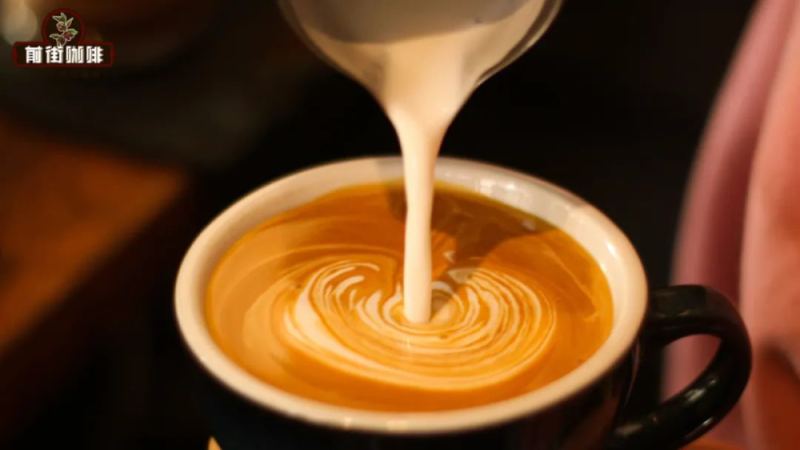
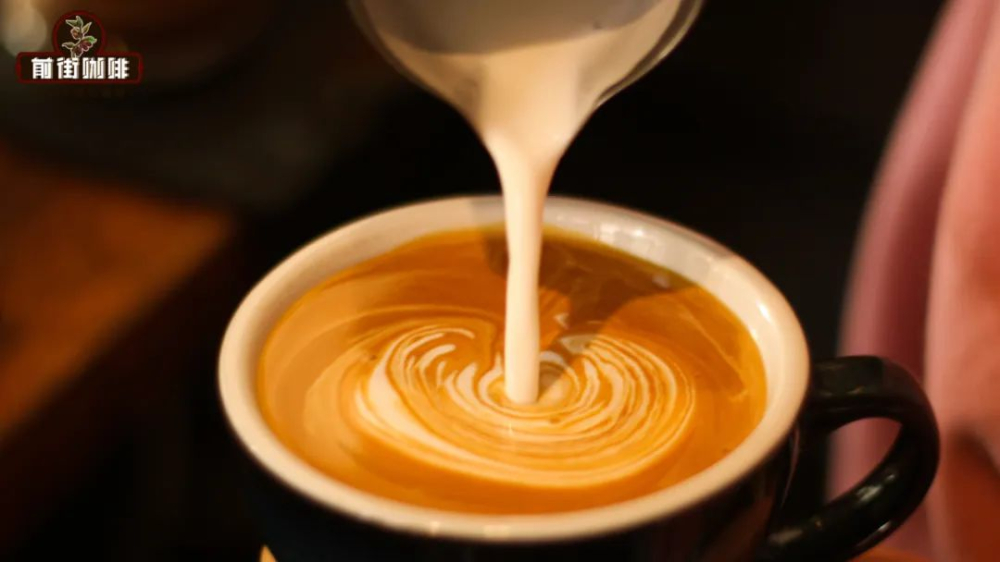
Many people, when drinking coffee, are used to taking small sips. Front Street previously mentioned that because the milk foam of a Flat White is extremely thin, you can directly drink the coffee itself, and even if you sip it in small mouthfuls, you can still feel the deliciousness of the Flat White. However, milk coffees with thick milk foam such as lattes and cappuccinos are completely different, because the milk foam layer is very thick. If you taste it in small sips, it is very likely that you will only drink the layer of oily foam floating on the surface.
This layer of oily foam is mainly composed of the crema of the espresso and the milk foam. And the oil contains a large amount of extremely fine powder with a bitter taste, so it tastes bitter. If we take a small sip and only come into contact with this surface layer of foam, then because of the presence of the extremely fine powder, the bitterness will spread in the mouth.

So, if you do not want to taste the bitterness of the fine powder, you might as well appropriately increase the tilt angle of the coffee cup. Simply put, take a bigger sip, penetrate the milk foam layer, and directly drink the coffee liquid below. In this way, the bitterness of the milk foam will be masked by the taste of the coffee, while at the same time the coffee can retain the dense texture of the milk foam. This is precisely the unique characteristic of thick milk foam coffee.
2. Coffee with layering
Many coffees, due to manual operation or density differences, show an obvious layered state after being made. For example, espresso, after extraction is completed, its crema and coffee liquid quickly separate because the density difference is too great.
At this time we need to use a spoon to stir them evenly, and then taste. Because if not fully stirred, even if one sip can simultaneously drink the crema and the coffee liquid, the bitterness of the espresso crema and the strong flavor of the coffee liquid will each go their own way due to layering, without blending together, and the overall performance will be very jarring. And simply shaking cannot evenly integrate the crema into the coffee liquid, so a spoon or other tool must be used to stir, and then taste the espresso. After stirring evenly, the espresso tastes very harmonious. The bitterness of the crema not only neutralizes the strong mouthfeel of the coffee liquid, but also brings additional body and density, making it smoother on the palate, not jarring at all.
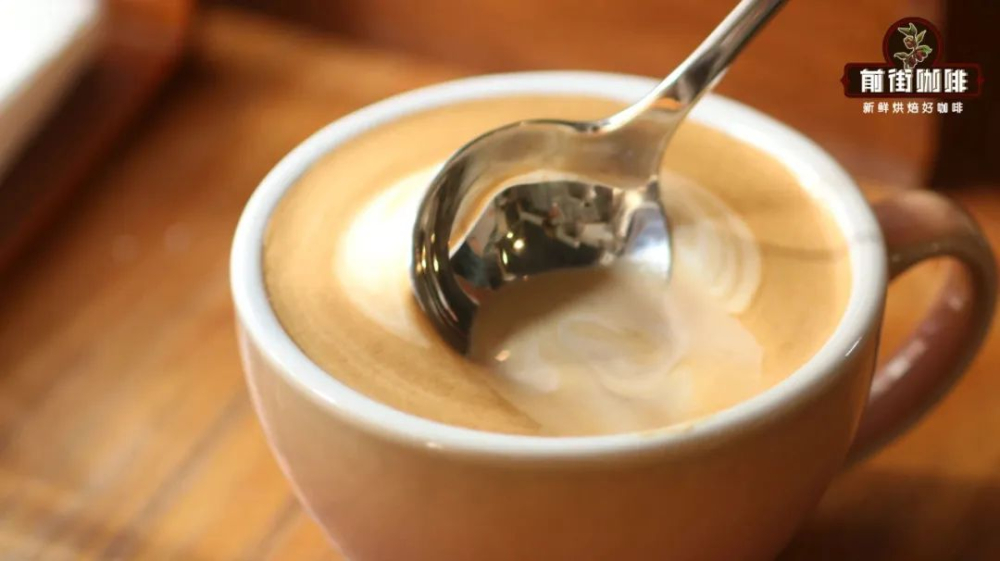
In addition to espresso, in order to create a better visual effect, some merchants deliberately make coffee appear layered, such as iced lattes or other specialty coffees. This kind of coffee with a deliberately layered effect also needs to be stirred before drinking, otherwise it is easy for one ingredient to be finished first, and the whole cup of coffee loses the meaning of the combination. Therefore, when faced with this kind of coffee deliberately created for a visual effect, it is best to stir first, then drink.
3. Coffee that needs to be drunk in big gulps
What was said above is about coffee deliberately layered to create a visual effect, and many friends may think of Dirty. But Dirty is completely different; it does not need to be stirred. Why? Because its characteristic lies precisely in its layering.

Hot espresso and cold milk, sweet milk and bitter espresso, this is the unique experience that Dirty wants to bring us. To feel this characteristic, you cannot stir to let the espresso and milk blend. In addition, you also cannot sip it in small mouthfuls, because this will likewise cause the coffee floating on the surface to be finished first, leaving only a large cup of milk. So, for a special coffee like Dirty, the correct way to drink it is: take a big gulp! With one big gulp, the espresso and milk enter the mouth together, and the contrast between them will directly present itself in the mouth. Not only Dirty, Con Panna is the same, both need to be drunk in big gulps! At the same time, as the number of sips increases, the taste of the coffee in the cup will also change with the degree of integration of the ingredients, with a very rich sense of layering.
Having said so much, I believe everyone is already very clear. Different coffees, because their characteristics differ, also have different drinking methods, and under different drinking methods, coffee may also show completely different performances. So, trying one more method is not a bad idea.
- END -
The above content is compiled by CoffeeHunters, a coffee news website.


