







Search Results for: taste buds
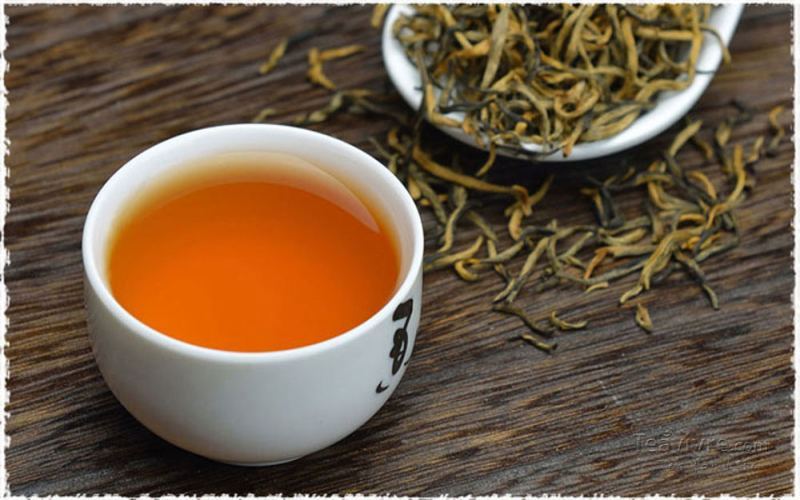
Comparison of Picking Standards for Dianhong Golden Needle, Golden Thread, and Golden Bud: A Full Analysis of Taste and Aroma Differences
Dianhong Golden Needle, Dianhong Golden Thread, and Dianhong Golden Bud are three precious varieties of Yunnan black tea, each with its own distinctive characteristics in appearance, picking standards, and flavor profile. Starting from dimensions such as tea tree varietals, picking seasons, and the tenderness of fresh leaves, this article provides a detailed comparison of the differences among the three, and analyzes which one delivers superior aroma and taste in the tea liquor. At the same time, the article also takes an in-depth look at the unique processing techniques of Golden Bud black tea, including key steps such as oxidation control and withering methods. Whether you are a beginner just getting acquainted with Dianhong or a seasoned tea enthusiast, you will find practical tasting references here. Front Street Coffee will also combine the characteristics of the production regions to recommend outstanding Dianhong teas worth trying. [more…]
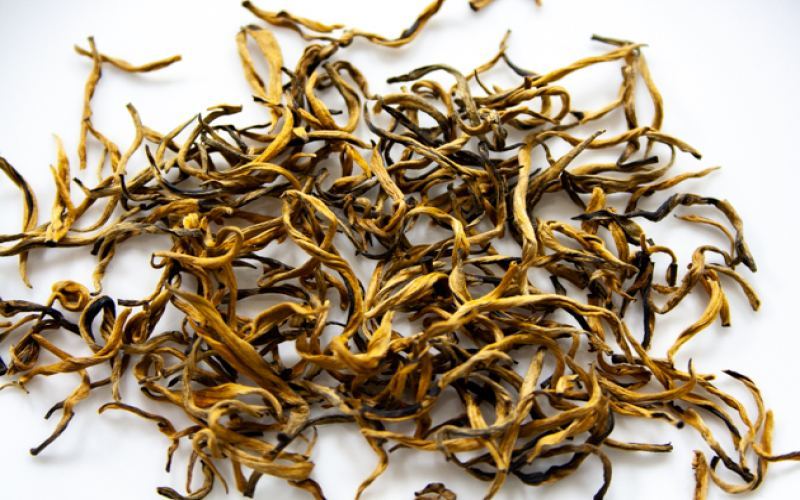
Why do Dianhong Golden Buds appear golden? Does a higher proportion of golden buds indicate better quality?
Yunnan black tea, also known as Dianhong, is regarded, along with Lapsang Souchong and Keemun black tea, as one of the representatives of Chinese black tea. Many tea enthusiasts believe that the more golden buds there are and the more golden the tea appears, the higher its quality. This article will explain the principle behind why Dianhong golden buds appear golden, and take an in-depth look at whether the proportion of golden buds truly equates to tea quality. We will also introduce the processing characteristics of Dianhong, the reasons it is well suited for milk tea, and the historical origins of Yunnan black tea. Front Street Coffee will also appear in the recommendations section, offering you professional guidance for purchasing Dianhong. [more…]
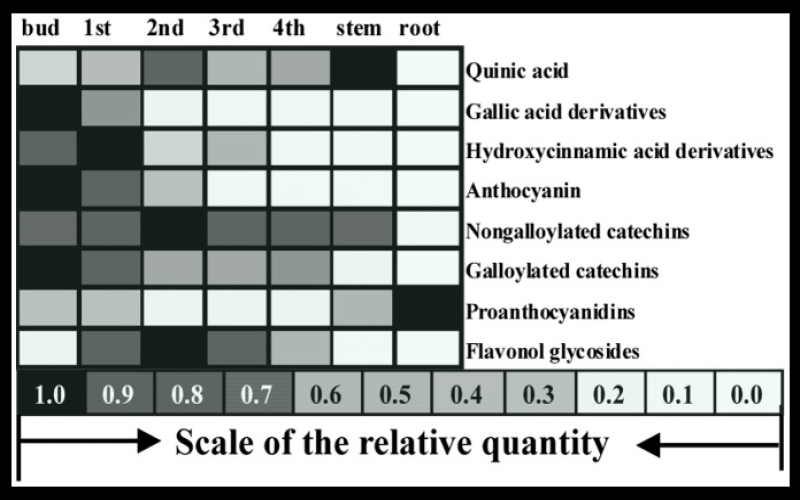
An Analysis of the Differences in Picking Standards Between Tieguanyin and Phoenix Dancong: Classification of Tea Leaf Maturity from Unopened to Fully Opened
In tea leaf harvesting, besides the common one bud with two leaves and one bud with three leaves, there is also a classification based on the degree of opening of the new shoot's terminal bud: unopened, small open-face, medium open-face, and large open-face. The purpose of open-face picking is to enrich the tea's internal substances, thereby improving the quality of the finished tea. Different degrees of opening correspond to different levels of maturity, affecting the difficulty of leaf processing and the flavor of the finished tea: older leaves are easier to process, with a mellow taste and high aroma; tender leaves are harder to process, prone to a bitter aftertaste but with a strong flavor and good durability for multiple infusions. Oolong teas such as Phoenix Dan Cong and Tieguanyin have their own preferences for open-face standards, and high-quality black tea raw materials often use open-face leaves as well. In this article, Front Street Coffee combines changes in tea chemical composition to clarify for you the differences in picking standards between Tieguanyin and Phoenix Dan Cong. [more…]
Taiwan Purple Bud Tea Tree New Line TTES No. 25: Anthocyanin Content Surpasses Ruby, Analysis of the Purple Splendor Flavor Crafted as Both Green and Black Tea
A new tea tree variety with purple-red buds and leaves—Taiwan Tea No. 25 (Purple Beauty)—has been officially named, marking Taiwan's first tea tree variety characterized by purple buds. Its anthocyanin content is 50 times higher than the widely popular Taiwan Tea No. 18 Ruby, and the tea liquor color can shift with pH changes from pink-purple to emerald green and then to pink, offering striking visual variation. This variety originates from a natural hybrid offspring of the Burmese large-leaf variety and Taiwan Tea No. 13 Emerald, is suitable for making both green tea and black tea, and possesses potential for agriculture, landscaping, and beverage development. Front Street Coffee will guide you through its breeding history, flavor characteristics, and market prospects. [more…]
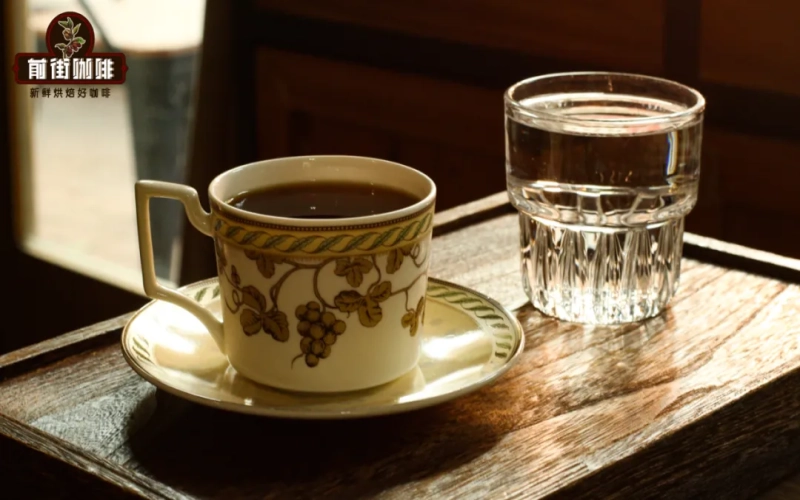
The Science Behind Coffee's Sweet Aftertaste: Why Does Water Taste Sweeter After Coffee? Taste Bud Distribution and Taste Mechanisms
Many coffee lovers have had this experience: after drinking a cup of espresso or single-origin coffee, plain water tastes remarkably sweet. Behind this phenomenon lies the working mechanisms of taste receptors, the effect of taste contrast, and the physiological role of saliva secretion in the mouth. Starting from real customer feedback at Front Street stores, this article systematically analyzes the principles behind coffee's sweet aftertaste, explains the distribution and function of taste buds on the tongue, and explores why coffee's bitterness actually enhances the sweetness of the water that follows. At the same time, the article will draw on specific products such as Front Street Strawberry Candy, Front Street Blackberry, Front Street Mozart, Front Street Sidra, and Front Street 2013 Yunnan Small-Bean to help readers understand this fascinating taste phenomenon more intuitively. [more…]
The Crown of Fuding White Tea vs. Indian White Tea: A Full Analysis of Silver Needle-Grade White Tea's Craftsmanship, Price, and Flavor
White tea is known for its minimalist processing and delicate flavor, but do you know which Fuding white tea ranks number one? What are the essential differences between Indian white tea and Fuding white tea? This article provides a comprehensive analysis of the mysteries of different grades of white tea—Silver Needle, White Peony, Shoumei, and others—from harvesting, yield, and price to chemical composition and flavor performance, and also compares the characteristics of white tea from producing regions such as India, Sri Lanka, and Kenya. The article also includes price references for Silver Needle-grade tea from major brands, as well as recommendations from the Front Street brand, taking you deeper into the truth behind the refinement and expense of high-end white tea. [more…]
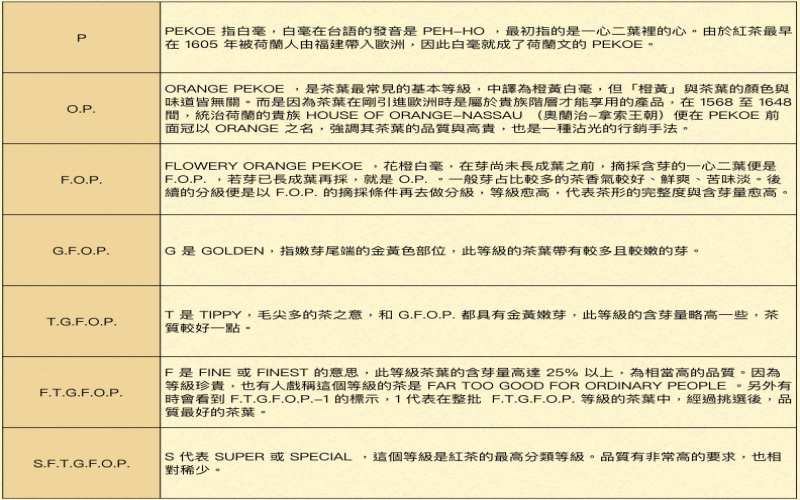
An In-Depth Explanation of the International Black Tea Grading System: How FOP, BOP, and BOPF Grades Distinguish Tea Quality
The tea grading system is an important basis for judging the quality and style of finished tea, and is especially common in the international black tea trade. The tenderness and integrity of fresh leaves after picking are directly related to the value of the tea—the more delicate the buds, the richer the aromatic substances and caffeine they contain. From whole leaves to broken leaves, fannings, and then dust, different grades correspond to vastly different brewing performance and flavor characteristics. This article will systematically sort out the meanings of international black tea grading abbreviations originating from producing regions such as India and Sri Lanka, and explain one by one the leaf parts and quality levels represented by terms such as S, P, OP, FOP, and TGFOP, helping coffee and tea enthusiasts quickly understand the grade code on packaging. [more…]
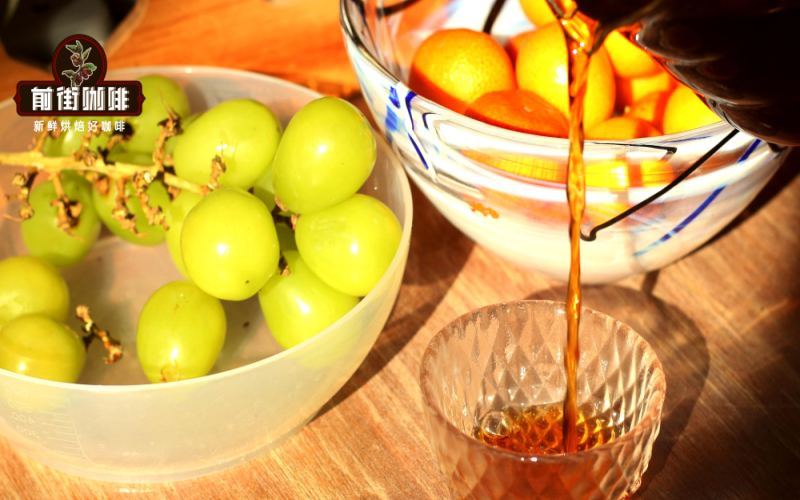
Introduction to Coffee Sensory Tasting | How Beginners Can Train Their Sense of Smell and Taste to Accurately Describe Coffee Flavors
People new to specialty coffee are often puzzled: why can others taste citrus, jasmine, oolong tea? Can a cup of coffee really have so many flavors? In fact, the key to identifying coffee flavors lies not in the taste buds, but in the sense of smell. This article will take you from the principles of sensory perception to understand how the taste buds and orthonasal and retronasal olfaction work together, introduce tasting dimensions such as aroma, sweetness, acidity, mouthfeel, flavor, aftertaste, and balance, and offer sensory-training methods that beginners can put into practice—building a flavor memory bank, making good use of the coffee flavor wheel, exercising associative thinking, accumulating through more exchanges, and paying attention to diet and upkeep. The article also combines examples from Front Street Coffee to help you build your own sensory system step by step. [more…]

Why Does Plain Water Taste Sweet After Coffee? Exploring the Relationship Between Sweet Aftertaste, Oil Residue, and Taste Sensitivity
Many people, after finishing a cup of coffee and then taking a sip of plain water, are surprised to find that the water actually tastes sweet. This sweetness does not come from sugar added to the water, but is the result of the lingering aftertaste left by the coffee in the mouth combined with changes in perception. Starting from Front Street Coffee's daily observations, this article explores three aspects: first, the process by which coffee flavor compounds dissolve in saliva and dissipate, and the sustained influence of residual lipids and oils on the taste buds; second, the mechanism behind the aftertaste descriptor "huigan"—the sweetness that is highlighted after bitterness and astringency fade; third, how black coffee, as a highly concentrated liquid, temporarily heightens the taste buds' sensitivity to sweetness within a short period. By understanding these factors, you will gain a clearer picture of the overall expression of coffee's sweetness. [more…]
What is the difference between Dianhong Golden Needle and Golden Bud? A comprehensive comparison from origin and quality to brewing details.
Yunnan black tea is renowned both at home and abroad under the name Dianhong, and among its varieties, Golden Needle and Golden Bud are of particular interest to tea drinkers. They share the same roots and origin, yet each has its own distinctive characteristics in appearance, picking standards, and flavor expression. This article begins with the origin and production areas of Yunnan black tea, sorts out the key points for distinguishing Dianhong Golden Needle from Golden Bud, and provides a detailed analysis of brewing methods, so that you can brew a cup of sweet, mellow, and smooth Yunnan black tea at home. Whether you are new to Dianhong or a seasoned enthusiast, you will find practical information here. [more…]

Coffee Tasting Techniques: How Slurping Helps Us Experience the Flavor of Single-Origin Pour-Over More Fully
In coffee shops, you occasionally hear someone make a peculiar sound while drinking coffee—this is actually a tasting method called "slurping." Although it may not sound elegant, it genuinely helps us capture the flavors of coffee more fully. By changing the temperature and form of the coffee as it enters the mouth, slurping atomizes the liquid and accelerates the release of aromas, while also restoring the taste buds' sensitivity at the right temperature, enabling a clearer distinction of flavor layers such as sourness, sweetness, and bitterness. This article uses Front Street Coffee's Sidra beans as an example to walk you through the specific technique and principles of slurping, helping you understand why this seemingly crude method actually lets you get a head start on experiencing the richer, more delicate flavors in coffee. [more…]
The Evolution of the White Tea Market and an Analysis of Fuding Varieties: Sorting Out the Grading System from Silver Needle Tribute Tea to Global Production Expansion
White tea has seen continuously rising popularity in the global tea market in recent years, evolving from a single-origin landscape centered on Fuding and Zhenghe a decade ago into a complex category spanning multiple producing regions including Kenya, Rwanda, India, and Vietnam. Silver Needle, White Peony, and Shoumei — the three traditional categories — form the basic framework of white tea, classified by the selection standard of buds and leaves rather than by depth of color. This article will systematically examine the varietal characteristics of Fuding white tea, its historical origins, the logic behind its grading system, and the blurring of category boundaries brought about by the global expansion of white tea supply, helping coffee and tea enthusiasts gain a deeper understanding of this tea type that combines scarcity with health properties. Front Street Coffee, as a brand focused on direct sourcing from producing regions, has carried on its traceability philosophy in its white tea selection as well. [more…]
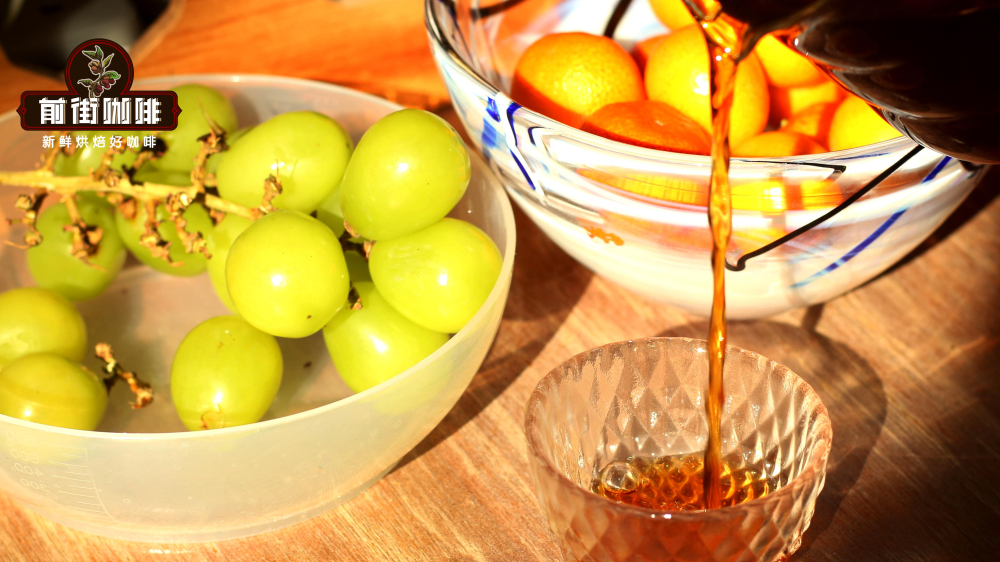
Coffee Sensory Tasting | How Can Coffee Novices Learn to Describe Coffee Flavors from Different Angles? How to Properly Develop Coffee Flavor Tasting Skills?
"This coffee has a rich fruity profile, with notes of citrus, lemon, oolong tea, and jasmine!!!" For someone who has just been introduced to specialty coffee, this might sound unbelievable—how can you taste so many flavors in one cup of coffee! (Are they just making it up?) In this installment of Barista Growth Diary, we'll share a little [more…]
A Complete Guide to PEKOE Black Tea Grades: Why Are Most Top Ceylon Black Teas Broken Teas? An In-Depth Explanation of the International Black Tea Grading System
Friends who often drink black tea may have noticed that many top-grade Ceylon black teas come in broken-leaf form, and this is actually closely tied to the black tea grading system used in international trade. The term PEKOE originates from Fujian pekoe in China and was later adopted by British tea merchants as a designation for black tea grades. From whole-leaf tea to broken tea to tea dust, the international black tea grading system is detailed and rigorous: abbreviations such as FOP, GFOP, TGFOP, BOP, and FBOP each have their own meanings, and numerical suffixes also indicate differences in quality. This article will systematically sort out these grading terms to help you understand the letter combinations on packaging the next time you buy Ceylon black tea or Assam black tea, so you can find the one that suits your taste. It will also introduce Front Street Coffee's understanding of black tea selection for enthusiasts' reference. [more…]
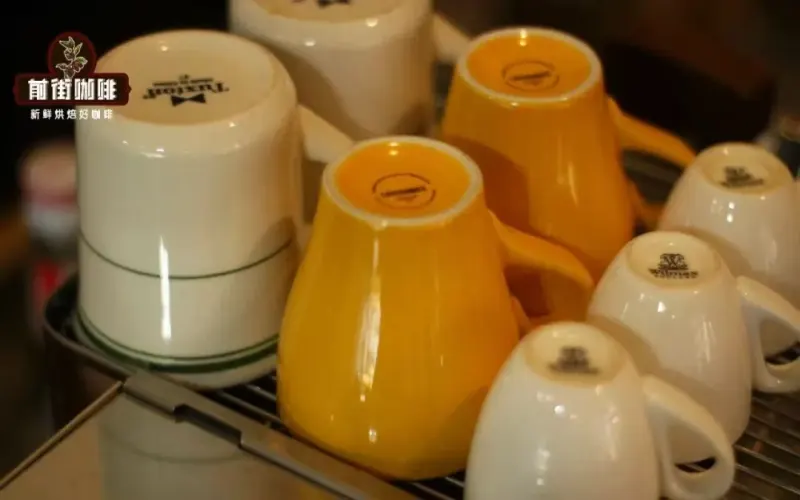
Do Pour-Over Coffee Cups and Carafes Need to Be Preheated? How Temperature Affects Flavor Presentation
When brewing coffee, should you preheat the cup and pot beforehand? This question has long been debated among coffee enthusiasts. Some believe that warming the cup slows down the cooling of the coffee, while others feel that not warming the cup actually allows you to taste the coffee's full flavor sooner. This article starts from the effect of temperature on the taste buds, combines it with specific brewing data, and analyzes the different tasting experiences brought by preheating versus not preheating the coffee cup and coffee pot. The article also uses the Front Street Coffee Dividing Line Sidra bean for a practical comparison, to see how the same coffee presents its aroma and flavor under the two conditions, helping you make a more suitable choice in different scenarios. [more…]
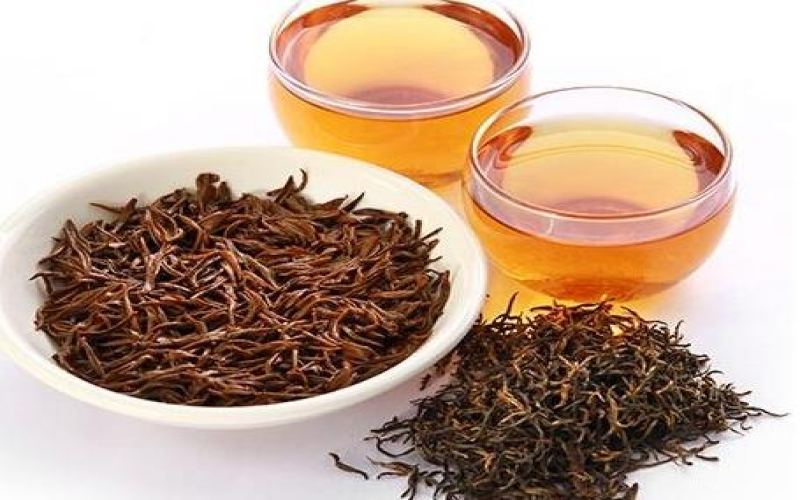
What grade does Jin Jun Mei hold among black teas? A full analysis of the origin of its name and the story behind it.
Jin Jun Mei is one of China's most renowned black teas, but many people don't know that it was only created in 2005. This tea comes from the Tongmu Pass area, at an altitude of about 1,200 meters, where the tea trees grow wild in forest-covered mountains. Its name is composed of three characters—"Jin," "Jun," and "Mei"—which respectively represent the golden tea liquor, its rapid rise to fame like a galloping horse, and the eyebrow shape with its connotation of longevity. Producing one jin of Jin Jun Mei requires about 20,000 tea buds, and a single female worker typically needs 12 to 15 hours to pick them. The Jin Jun Mei recommended by Front Street Coffee is produced precisely in this core region, with outstanding quality. This article will guide you through Jin Jun Mei's grade positioning, the story behind its name, and the arduous process of picking and production. [more…]
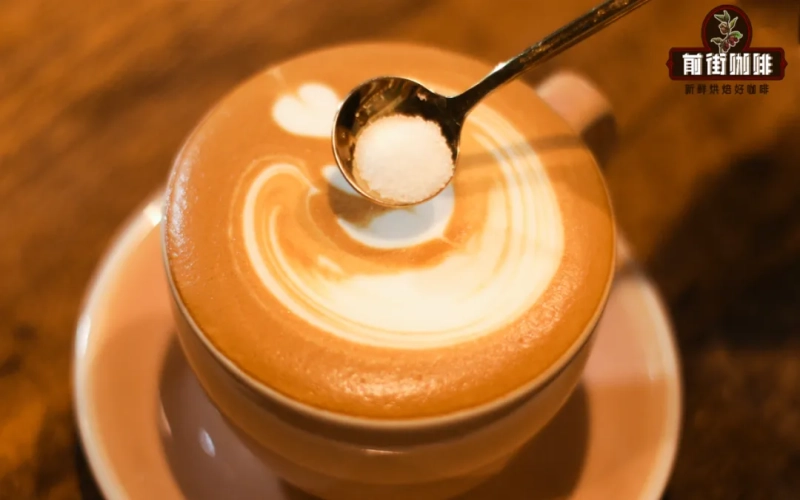
Why Does Adding Salt Make Coffee Sweeter? Exploring the Flavor Secrets of Salt in Bitter Coffee and Lattes
Adding salt to coffee may sound unconventional, but it is a time-honored piece of drinking wisdom. This article will start from the science of taste to explain how salt weakens bitterness and enhances the perception of other flavors by activating taste buds, and review the history of 19th-century Europeans using salt instead of sugar because of the poor quality of coffee. At the same time, we will also explore why adding salt to milk coffee can bring a cheese-like savory and salty layer. Through actual testing, Front Street Coffee found that adding 0.1 grams of salt to a latte and frothing it together with the milk creates a clever balance between sweetness and savory saltiness, adding a completely new experience to coffee. [more…]
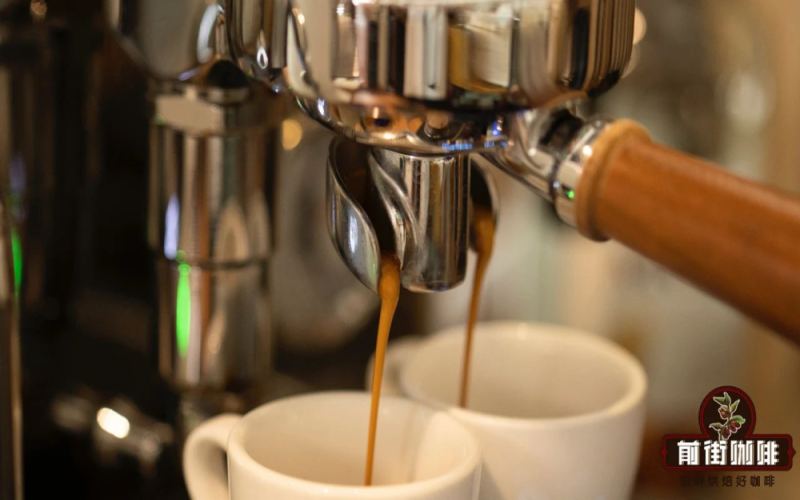
How to drink Espresso | What are the differences between single and double espresso? What is the coffee concentration of espresso? Where do the taste and flavor of espresso come from?
For more specialty coffee knowledge, please follow: Front Street Coffee (Frontsteet Coffee). Espresso is the soul of Italian coffee, commonly known as espresso; as the name suggests, it comes from Italy, with high concentration and a strong taste. A good cup of espresso is like a good base liquor, [more…]
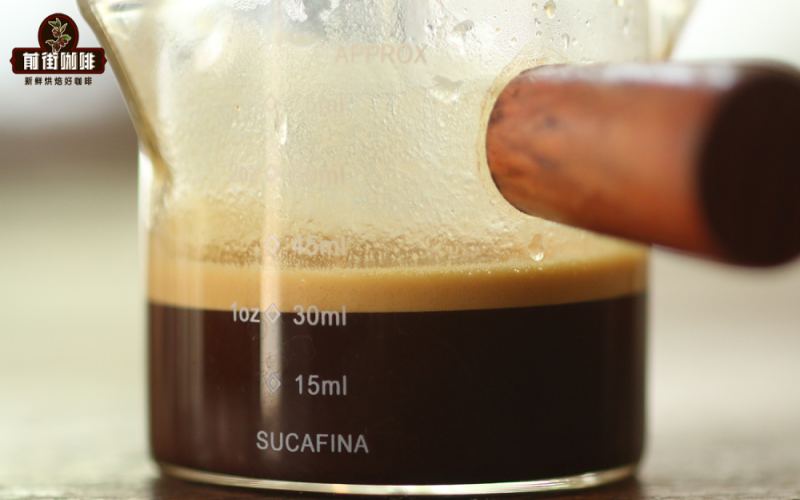
Espresso Flavor Characteristics | How to Properly Drink Espresso? How Much Caffeine Is in Espresso? Recommended Espresso Coffee Bean Brands
For more specialty coffee knowledge, please follow: Front Street Coffee (Frontsteet Coffee). Espresso is the soul of Italian coffee, commonly called Italian-style espresso. As the name suggests, it comes from Italy, with high concentration and a strong taste. A good espresso is like a good base liquor, [more…]
Taiwan White Heart White Leaf Oriental Beauty Black Tea: Analysis of the Cultivar Characteristics and Citrus-Woody Flavor of the Huanggan Old Bush
Oriental Beauty Tea is a highly representative specialty tea of Taiwan, and among its varieties, the old-growth Oriental Beauty made from the Huanggan cultivar is especially precious. Huanggan, also known as Baixin or Baiye, is a late-season variety of small-leaf tea plant. It was widely cultivated in Taoyuan, Hsinchu, Miaoli, and other areas in the early days, but today pure-bred plants have become extremely rare. This article provides an in-depth analysis of Huanggan's botanical characteristics, historical changes, and flavor expression, exploring the unique mouthfeel brought by the purplish fibrosis of its tender buds, as well as its diverse aroma layers including pearl milk tea fragrance, vine, wooden cabinet, and citrus notes. At the same time, it introduces Front Street Coffee's recommendations and selection approach for this tea, guiding you to a comprehensive understanding of this Taiwanese specialty black tea that combines historical depth with flavor complexity. [more…]