







For more specialty coffee knowledge, please follow: Front Street Coffee (Frontsteet Coffee)
Espresso is the soul of Italian coffee. Commonly known as Italian-style concentrated coffee, it originates from Italy, as the name suggests, and is known for its high concentration and strong flavor. A good espresso is like a good base liquor—it can be used to make any fancy coffee. The most popular cappuccino and the most common latte are both made with espresso. However, many people in Italy also drink espresso directly. Front Street Coffee is here to explain the proper way to drink espresso.
Single espresso
A single espresso generally uses about 1 ounce (30ml) of coffee grounds. When ordering at a coffee shop, people don't say "espresso" but rather "shot." "Shot" is the unit for espresso—one shot means one serving of espresso. If you think 30ml is too little, you can say "double shot," which means a double espresso, about 2 ounces.
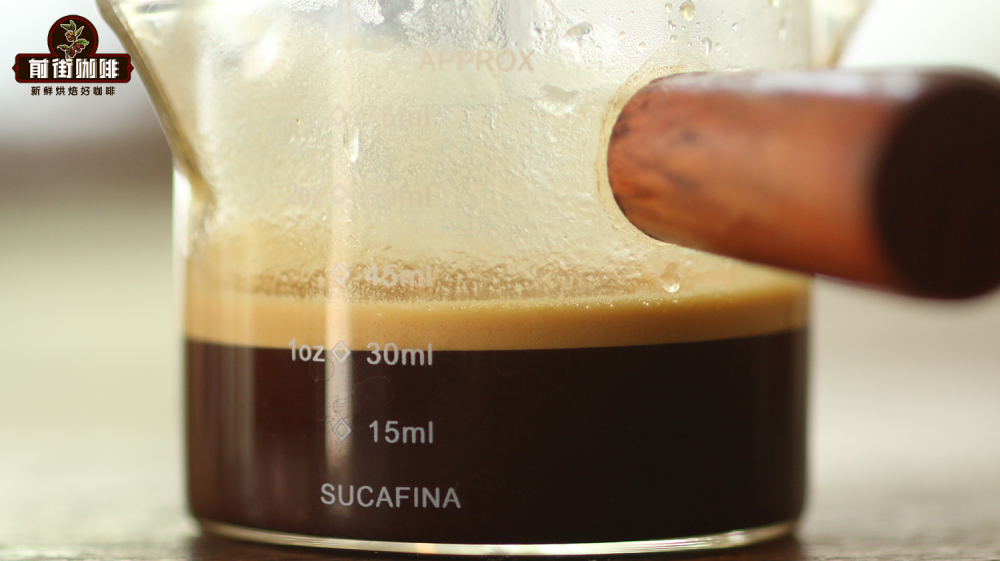
Espresso is very concentrated. Front Street measured its concentration with a refractometer and found it to be around 9-11%, while pour-over coffee typically has a concentration of about 1.3%. So most people find espresso very bitter and wonder why anyone would drink it.
In Italy, many people choose to drink espresso mainly because it provides caffeine cheaply. But after spreading from Italy, espresso also began to emphasize flavor and mouthfeel.

What are you tasting when you drink espresso?
Espresso cannot be enjoyed like pour-over coffee, where you can distinguish different flavors at high, medium, and low temperatures. After all, a single espresso is only ten to twenty grams—it's finished before it even cools down. Secondly, because espresso is extracted using extremely finely ground coffee under high temperature and 9 bars of pressure to produce a highly concentrated coffee, the flavor is intense and stimulates the taste buds. So people who drink espresso focus more on the aroma, mouthfeel, and aftertaste of the cup.
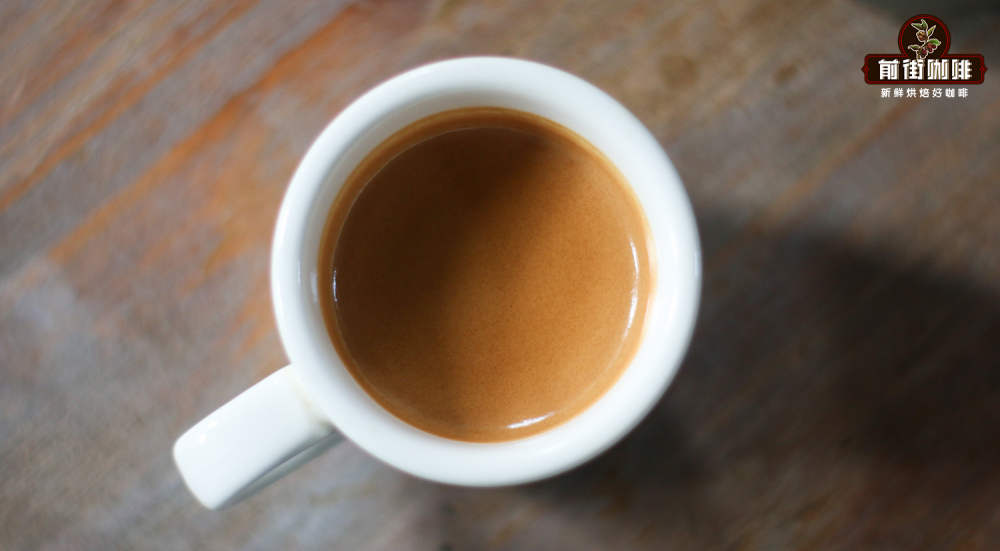
Cleanliness and balance are the make-or-break factors of a cup of coffee! Cleanliness means the coffee has no off-flavors, astringency, or other unpleasant tastes. Balance means all the flavors in the cup are coordinated and in harmony, giving a comfortable and pleasant feeling without anything jarring.
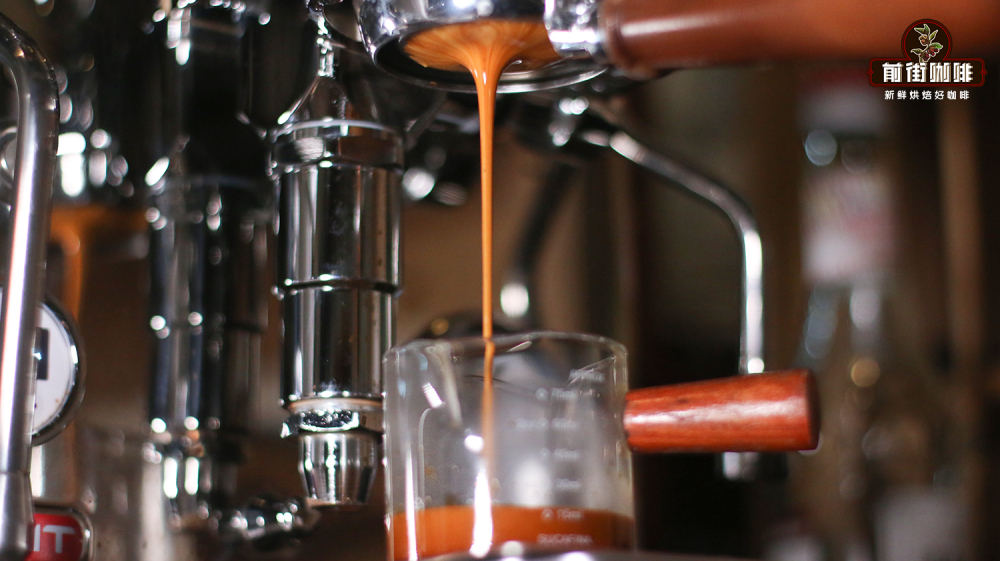
Where does the mouthfeel come from? The crema on top of the espresso. Espresso is extracted under high pressure. The carbon dioxide in the coffee grounds becomes supersaturated due to the high pressure. Unable to escape, the carbon dioxide dissolves into the coffee liquid. After extraction is complete and atmospheric pressure returns to normal, the carbon dioxide still remaining in the coffee liquid meets the oils in the coffee as it prepares to return to the air. It gets wrapped in the oils, flows into the cup, and then gradually returns to the air.
What is aftertaste? After the coffee reaches the mouth and is catalyzed by saliva, the aromatic vaporized molecules hidden in the coffee oils are released. They travel through the oral cavity into the nasopharyngeal passage and then into the nasal cavity, creating an olfactory experience. Many people mistakenly think that coffee flavors are tasted by the taste buds, but in reality, taste buds can only distinguish sweet, sour, bitter, salty, and umami. The aroma perceived through smell combines with the taste perceived by the taste buds, allowing us to associate specific foods, flowers, and more.
How do you drink espresso?
As Front Street just mentioned, although espresso has an intense flavor, it doesn't hinder the overall cleanliness, balance, aroma, and aftertaste of the coffee. So how can you better appreciate these charming aspects of espresso?
1. Before tasting the espresso, rinse your mouth with water or ice water to remove any lingering flavors in your mouth.
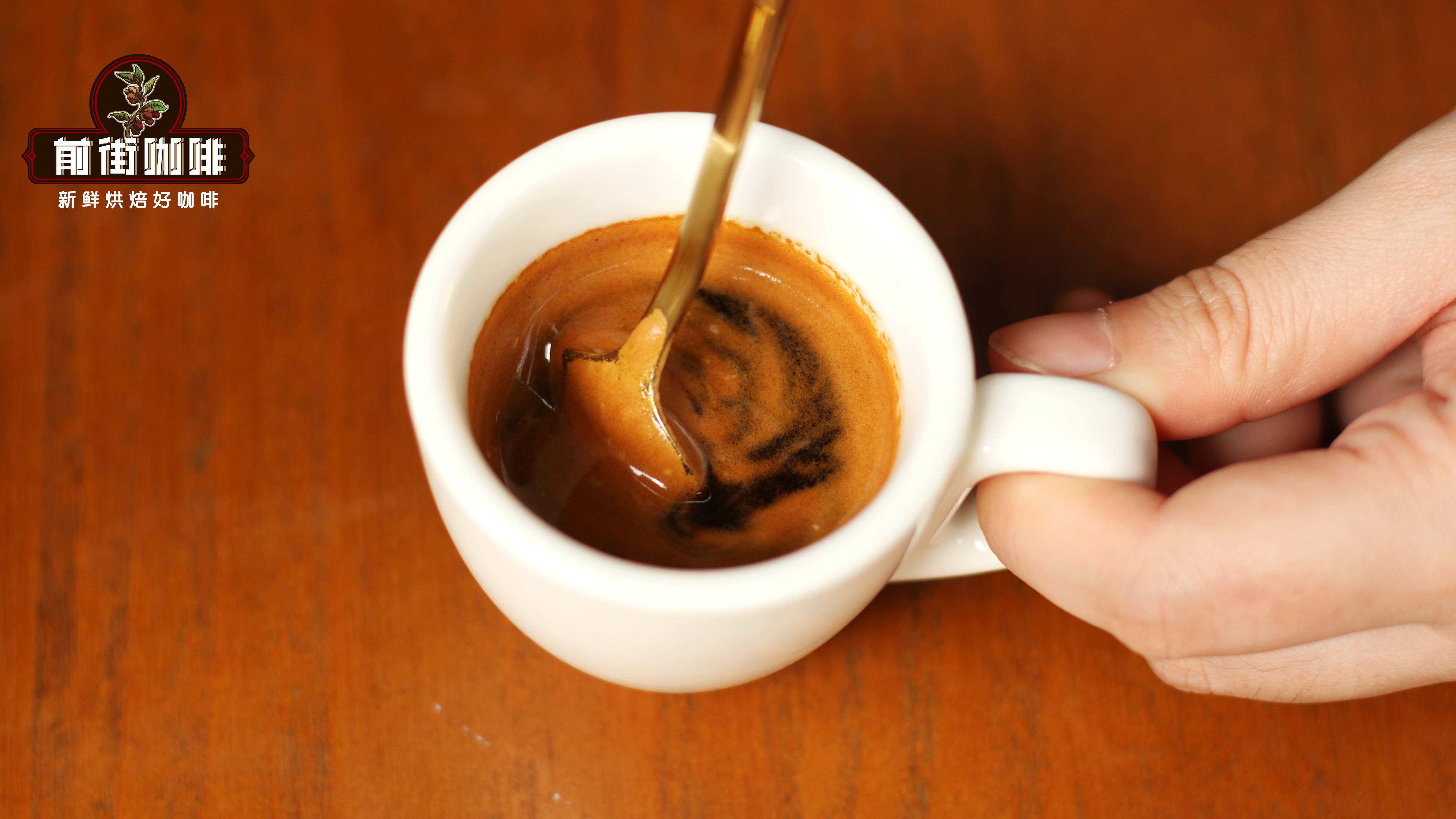
2. Espresso is generally served with a spoon. Because the concentration of espresso varies as it drips into the cup, creating a state where the bottom is thick and the surface is thin, you need to stir it evenly to better taste the espresso. Of course, you can also skip stirring to experience different mouthfeels and layers.
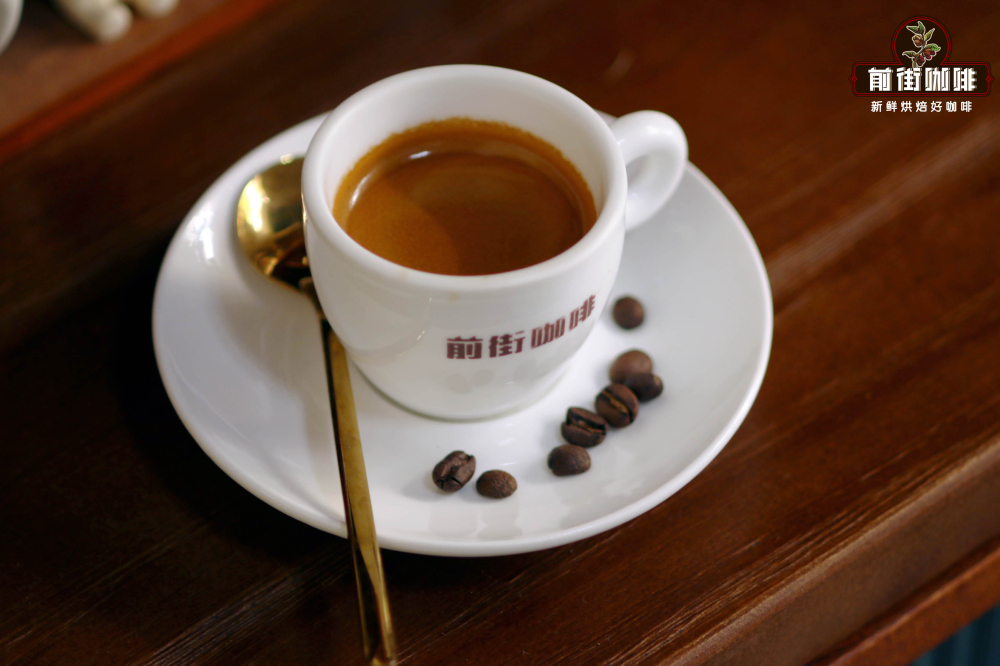
3. Then divide the espresso into three to four sips. Rub your tongue against the roof of your mouth to feel the texture of the espresso, use the sides of your tongue to perceive the acidity, and combine various sensory perceptions to evaluate the overall state of the espresso.
4. After swallowing the coffee, close your mouth and exhale to experience the aroma and aftertaste of the espresso. Finally, take a sip of water to feel the sweet aftertaste on your taste buds.
The above content is compiled by CoffeeHunters, a coffee news website.


