








How Do Oils in Coffee Shape the Sweet Aftertaste?
Plain water can taste sweet right after a cup of coffee because coffee leaves compounds and oils behind in the mouth that keep working on the taste buds. Small molecules carrying floral and fruity acidity dissolve with saliva, are perceived, then get washed away when you swallow, while lipids and natural fats stay on the tongue surface.
That lingering residue gives a slightly rough, astringent mouthfeel, and in a good cup the astringency leans pleasant rather than negative. The effect is tied to the aftertaste described as hui gan, a sweetness brought out once bitterness and astringency fade, and it can last about a quarter of an hour. A coffee aroma description of nuts, caramel and chocolate often comes first, with the sweetness following at the end.
Many people find, after finishing a cup of coffee and then taking a sip of plain water, that the water surprisingly tastes sweet. This sweetness does not come from sugar added to the water, but is the result of the aftertaste left by the coffee in the mouth working together with changes in taste perception. Starting from Front Street Coffee's everyday observations, this article explores three aspects: first, the process by which coffee flavor compounds dissolve in saliva and dissipate, and the lingering influence of residual lipids and oils on the taste buds; second, the mechanism behind the aftertaste description known as "hui gan" (returning sweetness)—the sweetness that is brought out once bitterness and astringency fade; and third, how black coffee, as a high-concentration liquid, temporarily heightens the taste buds' sensitivity to sweetness. By understanding these factors, you will gain a clearer picture of how coffee sweetness is expressed as a whole.

What Front Street serves guests is really just the most ordinary plain water, so why is it that after drinking coffee, the water takes on a sweet taste? Today Front Street will talk about the ins and outs behind this.
Compared with most beverages, coffee's flavor lingers in the mouth for much longer. Take traditional espresso, for example: the first impression on the palate is often an intense bitter aroma, and only with continued sipping do complex aromas such as nuts, caramel, and chocolate emerge; once the coffee is swallowed, the portion remaining in the mouth gives a slight sweetness. If you do not "rinse" with water, this subtle sweetness can last for about a quarter of an hour.
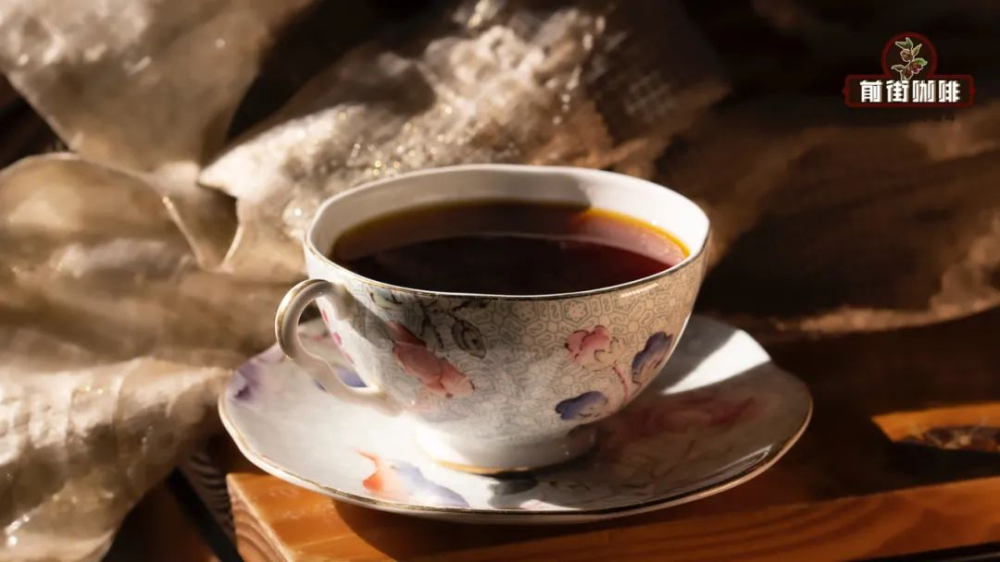
The reason is that the small-molecule compounds carrying floral and fruity acidity have already dissolved out with the help of saliva and been perceived, then dissipated and washed away with the act of swallowing; whereas lipids, natural fats, and oils—what we commonly call "oils"—remain more on the surface of the taste buds, bringing a slightly rough, astringent mouthfeel. However, the astringency of a good cup of coffee does not create much of a negative impression; instead, it leans toward the pleasant side.
We usually call this experience "hui gan," and it is one way of describing coffee's aftertaste. It is not the direct sweetness of eating sugar, but a sensation brought out by contrast after bitterness and astringency recede. Therefore, when you drink coffee and immediately rinse with water, the residual oils in the mouth that create bitterness and astringency are washed away, the burden on the taste buds is reduced, and so the illusion of "sweetness" arises.
Beyond "hui gan," black coffees such as pour-over or espresso are, relative to water, high-concentration liquids. After drinking them, the taste buds have just been "bombarded" by acidity (or bitterness), and their sensitivity to sweetness rises noticeably for a short time—just as water tastes especially sweet after eating a lemon or drinking Chinese herbal medicine.
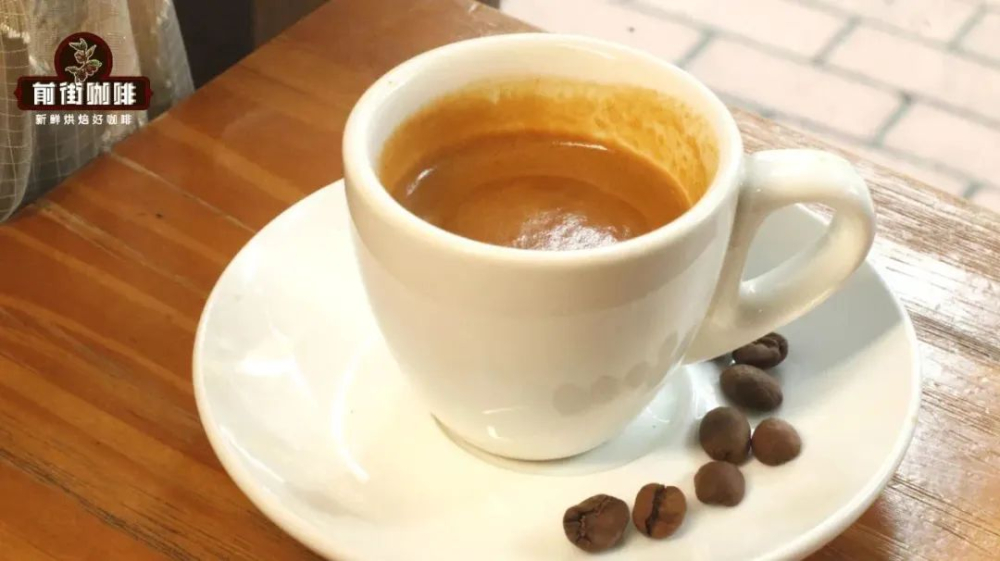
Overall, whether it is "hui gan" or the change in the taste buds' sensitivity to sweetness, both are part of how coffee sweetness is expressed as a whole. Next time you finish the cup in your hand, why not do as Front Street suggests and take a sip of plain water to see whether the water has turned sweet too.
- END - Front Street Coffee (FrontStreet Coffee)
No. 10, Baoqian Street, Yandun Road, Dongshankou, Yuexiu District, Guangzhou, Guangdong Province
The above content is compiled by CoffeeHunters, a coffee news website.


