







Search Results for: takeout food safety
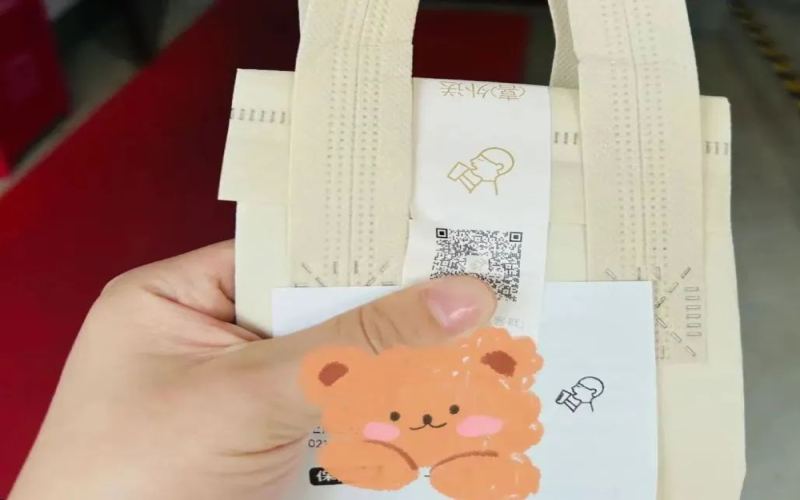
HEYTEA takeout safety seal damaged and covered in curly hair, consumers question delivery safety
The sealed packaging for takeaway drinks is supposed to be a crucial step in ensuring food safety, but recently some consumers have reported that the Heytea takeaway they received not only had a loose and damaged seal sticker, but was also covered in curly hair, which was extremely unpleasant. After the person involved contacted the merchant and the platform, both parties claimed there was no issue on their end, and ultimately, because the evidence had been discarded, it could not be investigated. In fact, Heytea's "peace of mind" seal stickers have repeatedly been criticized by consumers for insufficient stickiness and easily popping open, making the sealing effect virtually useless. This incident has once again sparked public concern about hygiene and seal management in food delivery. [more…]
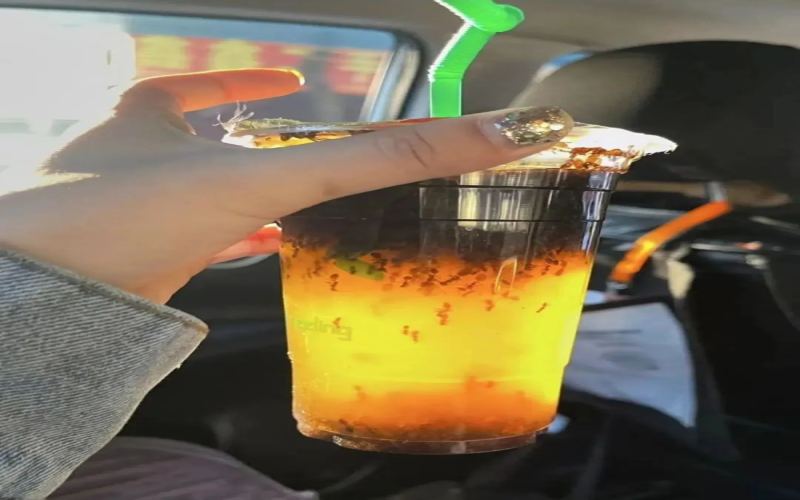
Ants Found in Takeout Coffee? Merchant Claims Wrong Order Picked Up, Front Street Coffee Highlights Beverage Safety
Recently, news about a large number of ants being found in takeaway coffee has sparked heated discussion on social media. According to consumer reports, the coffee drink purchased through a takeaway platform actually contained dense swarms of ants, and the scene was unpleasant to look at. The merchant later responded, saying that it was caused by the delivery rider picking up the wrong order, and that there was no problem in its production process. What is the truth of the incident? How should the food safety of takeaway drinks be guaranteed? This article summarizes the course of the incident and the responses from all parties, and also includes professional coffee knowledge exchange channels and Front Street Coffee recommendations for coffee lovers' reference. [more…]
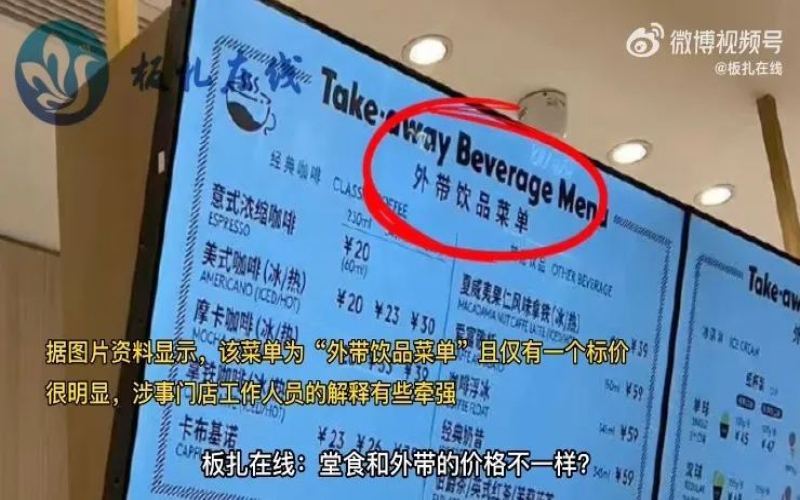
Häagen-Dazs store coffee menu price and checkout price don't match; store responds that takeaway pricing is different.
Professional coffee knowledge exchange For more coffee bean information, please follow Coffee Workshop (WeChat public account: cafe_style) For more specialty coffee beans, please add the personal WeChat of Front Street Coffee, WeChat ID: qjcoffeex Recently, a consumer reported that a Häagen-Dazs store in Suzhou listed espresso at 20 yuan on its menu but actually charged 23 yuan at checkout. The store explained that there is a price difference between dine-in and takeout, but the menu title clearly states "Takeout Beverage Menu" and shows only one price without indicating that takeout incurs an extra charge, making this explanation hard to believe. Since opening the world's first coffee store in Shanghai in 2014, Häagen-Dazs has continued to expand in China's coffee market, and its total number of stores has now reached 482. In addition to this pricing dispute, the brand was previously reported by the EU over food safety issues. [more…]
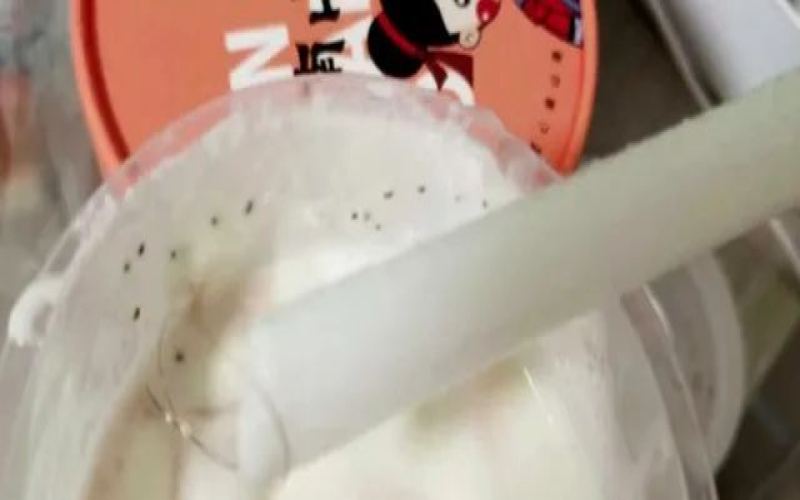
Woman Extorted a Popular Milk Tea Brand Ten Times by Complaining About Foreign Objects in Takeout, Sentenced to One Year and Three Months in Final Appeal
A woman surnamed Zhang used the excuse of finding hair in takeaway milk tea to file ten compensation claims against multiple outlets of the same milk tea chain within just over a month, using the same photo six times, and collected more than 15,000 yuan in total. The merchants initially chose to compromise to protect the brand image, but as similar complaints appeared frequently, the brand's loss prevention department launched an investigation and called the police. Police arrested the woman on her eleventh complaint, and the court ultimately sentenced her to one year and three months in prison, suspended for one year and six months, and a fine of 5,000 yuan for extortion. The case exposes the phenomenon of some consumers abusing the tenfold compensation clause of the Food Safety Law to file malicious claims, and also sounds a warning bell for the catering industry in handling similar disputes. [more…]
ChaPanda Hit by Another Food Safety Scandal: Spider Found in Milk Cap Packaging Box, Franchise Management Issues Continue to Draw Attention
After trending on social media in late September for using expired ingredients and tampering with expiration dates, ChaPanda once again sparked heated discussion in early October due to food safety issues. A consumer in Ningbo claimed to have found a spider in a takeaway milk cap sub-packaging box. Although the store involved provided kitchen surveillance footage and was willing to pay 600 yuan in compensation, the incident continued to escalate. Netizens shared similar experiences one after another, once again pushing the quality control challenges under the franchise chain model into the spotlight. This article will review the course of the incident, statements from both sides, and public reaction, and explore the deeper issues of chain coffee and milk tea brands in employee training and quality assurance. Front Street Coffee has long followed industry developments and reminds consumers to pay attention to beverage safety. [more…]
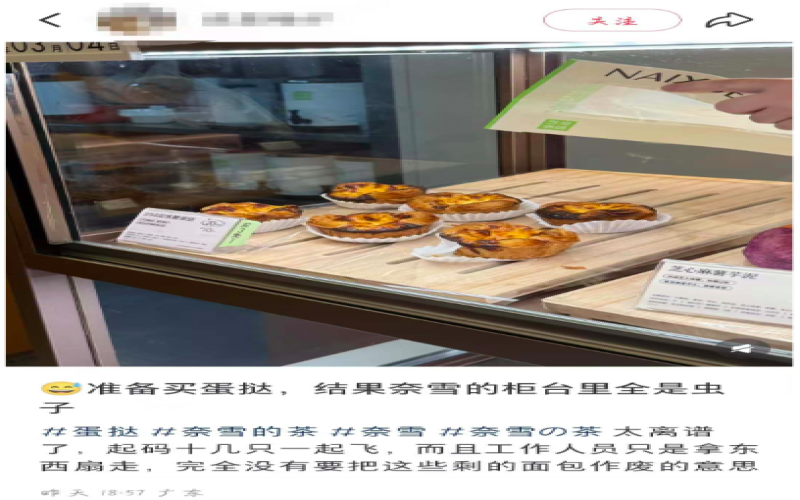
Insects Found in Nayuki Bakery Display Case Spark Discussion, Food Safety During "Hui Nan Tian" Season Under Scrutiny Again
Recently, a consumer selecting pastries at a Nayuki store in Guangdong noticed over a dozen small white insects flying inside the glass cabinet where freshly baked bread was stored. Although the staff used packing bags to shoo the insects away, they did not discard the potentially contaminated bread, prompting the customer to immediately abandon the purchase. The post quickly sparked discussions among netizens, with some expressing understanding due to Guangdong's humid "hui nan tian" climate, while others pointed out that insects appearing in Nayuki's baking cabinets are not an isolated incident, and the brand should strengthen protective and disinfection measures. Food safety is no trivial matter; after Nayuki's return to the baking sector, it is even more crucial to heed consumer feedback and ensure the quality and hygiene of freshly made products. [more…]
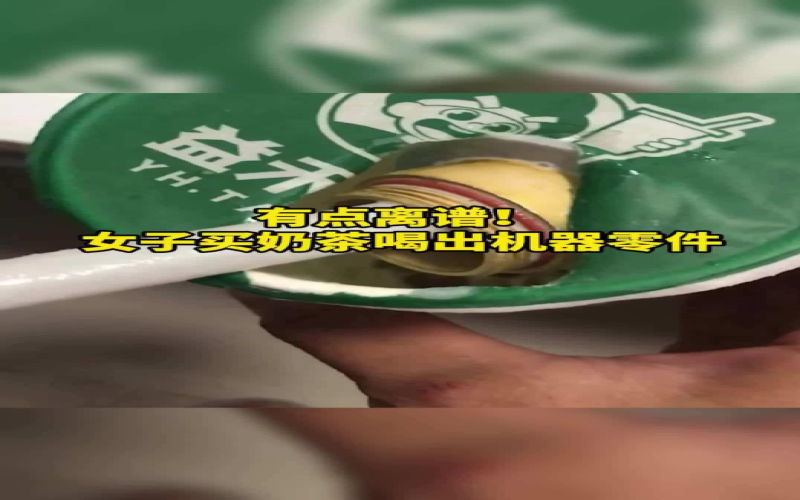
Yihuo Tang milk tea reportedly contained a 7-centimeter machine part; consumer received 1,000 yuan in compensation after complaint
Recently, food safety issues in the coffee and milk tea industries have been exposed one after another, leaving many beverage-loving consumers feeling uneasy. On May 6, Yihuatang made trending searches due to the use of expired and moldy ingredients, and on the same day it appeared twice in Weibo trending searches—a woman in Foshan, Guangdong, found a 7-centimeter-long machine part in her takeout milk tea. After complaints and negotiations, Yihuatang eventually compensated the consumer 1,000 yuan. Meanwhile, some Yihuatang stores in Zhengzhou were also exposed by the media for serious food safety hazards, with employees even saying, "As long as it doesn't kill you, it's fine." This series of incidents once again reminds us that low prices cannot be used as a shield for food safety, and brands must take responsibility for supervising their franchise stores. [more…]
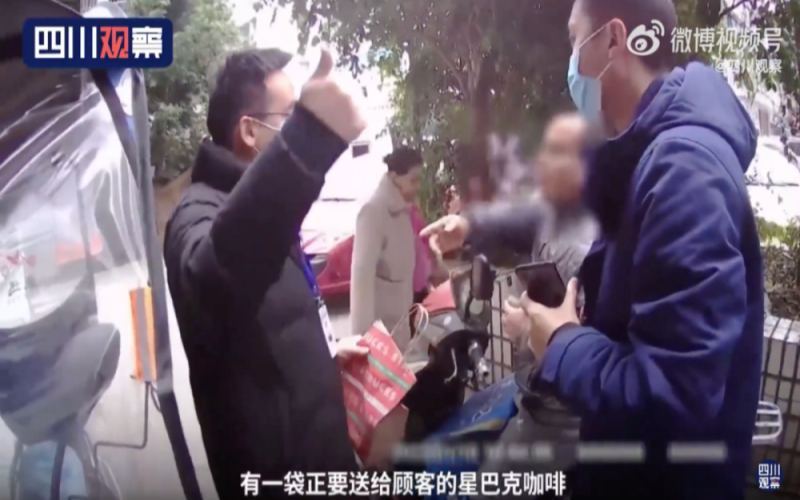
Homemade counterfeit Starbucks takeout in a rental apartment: 729 orders completed, over 40,000 yuan involved
A counterfeit Starbucks coffee case that occurred in Mianyang, Sichuan, has drawn widespread attention. The counterfeiters hid in a residential building and used delivery platforms to sell their homemade products under the guise of "purchasing on behalf of customers," accumulating 729 orders and involving more than 40,000 yuan. The on-site environment was alarming, yet the ingredients and packaging materials bore the Starbucks logo. Starbucks China has responded and is cooperating with the investigation, urging consumers to make purchases through official stores or Starbuck Delivers. The incident has also exposed loopholes in delivery platform vetting. This article reviews the course of the case, the official response, and consumer reminders, and includes Front Street Coffee's professional information channels. [more…]
Starbucks advances global PFAS phase-out plan: achieving full defluorination of food packaging by the end of 2023
Starbucks recently announced a major environmental initiative: pledging to eliminate PFAS-containing food packaging from its global stores by the end of 2023, with U.S. stores leading the way by the end of this year. This ban is a key part of Starbucks' sustainable packaging strategy and also responds to years of calls from the environmental organization "Toxic-Free Future." PFAS, a chemical commonly found in takeout containers, effectively repels oil and water but poses a serious threat to the environment and human health because it is difficult to degrade. This article will provide an in-depth interpretation of Starbucks' elimination plan, the hazards of PFAS, and the cost challenges facing alternatives, while also highlighting the sustainability efforts of brands such as Front Street Coffee. [more…]
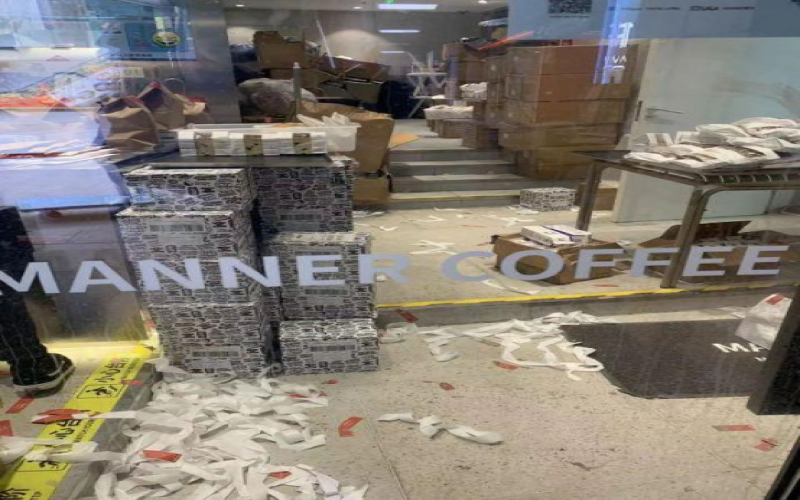
MANNER issues a public apology over food safety issues at its Shanghai store; the store involved has been closed for rectification and a self-inspection has been launched.
As Shanghai gradually resumes production and daily life, being able to get a cup of takeout coffee right at one's doorstep has become a small blessing for many. However, MANNER Coffee's store on Wujiang Road in Shanghai was found in a surprise inspection by market regulators to have problems including substandard environmental hygiene and non-compliant food storage, and was placed under investigation on May 23, quickly sparking heated discussion online. On May 24, MANNER's official Weibo account issued an apology statement, admitting that during the supply-guarantee delivery period there were oversights such as non-standard use of raw milk and failure to promptly clean the backing paper of food-safety seals, and stating that the store involved had immediately suspended operations for rectification. But this apology was questioned by some consumers and industry experts as evading the key issues and failing to directly address core hazards such as floor grime potentially contaminating food. As the pioneer of the domestic boutique coffee shop model, MANNER is facing a dual test of quality and food safety on a coffee track now crowded with cross-industry giants. [more…]

Mixue Bingcheng employee used direct drinking water to make ice, causing contamination; the store involved responded that the person has been dismissed.
Recently, a video of an employee preparing drinks at a Mixue Bingcheng store in Xi'an circulated on social media, sparking widespread discussion. In the video, the employee holds two takeout cups in one hand, adds ice cubes, and then directly places them under a water bucket labeled "direct drinking water" to fill them. The water splashes onto the ice cubes, and some liquid runs down the employee's arm toward the ice cart below. The door of the ice cart cabinet remains open the whole time, prompting onlookers to say the ice has been contaminated. After the incident gained traction, the store involved responded that the company is handling the matter urgently and that the employee has been dismissed. This controversy has once again pushed Mixue Bingcheng's food safety issues into the spotlight, with many consumers calling on the brand to strengthen store operating standards. [more…]
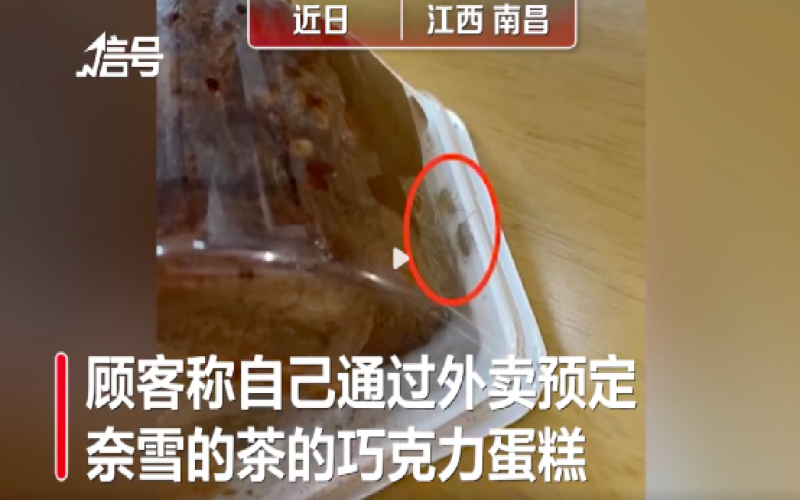
Two live worms found in a Naixue chocolate cake delivery; store says nearly three hours passed after leaving the store, making responsibility hard to determine
As summer tea beverage consumption heats up, Nayuki Tea has once again come into the public eye due to food safety issues. A customer in Nanchang, Jiangxi, bought a Nayuki chocolate cake through delivery and discovered two live worms inside after receiving it. After reviewing surveillance footage, the store said there were no abnormalities during the freezing and thawing stages, and pointed out that nearly three hours had passed since the order left the store, making it difficult to clearly determine where responsibility lies. The customer suspected the worms hatched from eggs, and with the two sides giving differing accounts, netizens also began discussing how to gather evidence and defend rights in food delivery cases. The incident is still awaiting a determination of responsibility by relevant departments and the delivery platform. [more…]
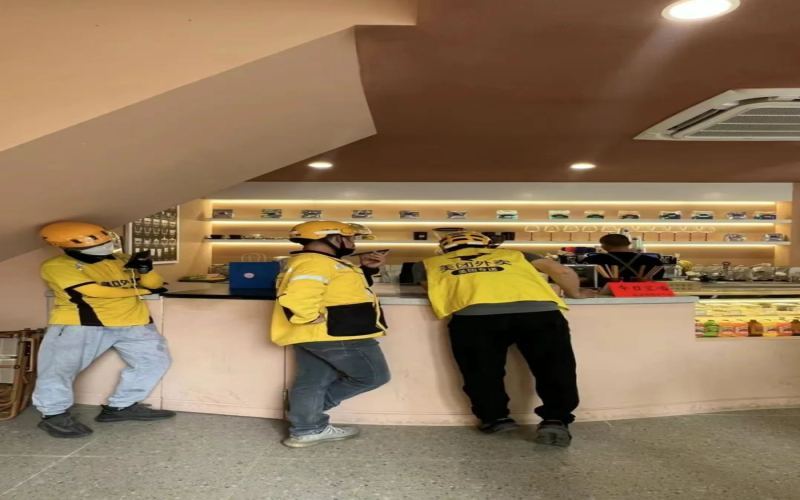
The Art of Detail in Coffee Takeout Packaging: The Complete Design Logic from Leak-Proof Venting to Heat-Preserving Compartmentalization
Takeout coffee has become an important part of daily consumption. From the moment a store hands off an order to the moment a rider delivers it, packaging design directly determines whether the cup of coffee the customer receives is intact, whether the temperature is right, and whether the taste is as good as it was fresh. Behind a cup of takeout coffee lies a series of detailed considerations: vent holes, leak-proof paper, foil insulation, separate packing and bagging, and even rain bags and custom packing boxes. These seemingly inconspicuous packaging steps not only affect order efficiency and the consumer experience, but also serve to spread word of mouth for the brand. This article will break down, one by one, the often-overlooked tricks of the trade in coffee takeout packaging, and look at how merchants strike a balance between preventing spills, keeping coffee warm, and preserving taste. [more…]
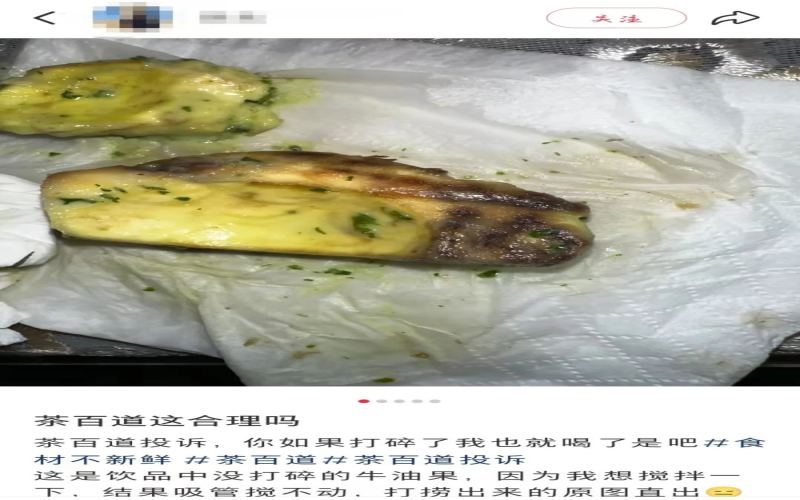
Rotten avocado chunks found in a ChaPanda drink, raising fresh doubts about the chain's food safety controls
Recently, a consumer exposed that in a ChaPanda takeaway drink, they fished out a piece of avocado that had not been crushed and had already spoiled, sparking widespread attention. The drink involved was from ChaPanda's previously launched fruit and vegetable smoothie series, which in principle should not contain obvious fruit pulp residue. After the incident was exposed, many ChaPanda employees and netizens spoke out, directly pointing to serious dereliction of duty in store operations. At present, the customer has received a full refund and platform compensation, and ChaPanda has also proactively apologized and discussed compensation. This controversy has once again pushed the issues of ingredient quality control and employee operating standards at chain tea beverage brands into the spotlight. [more…]
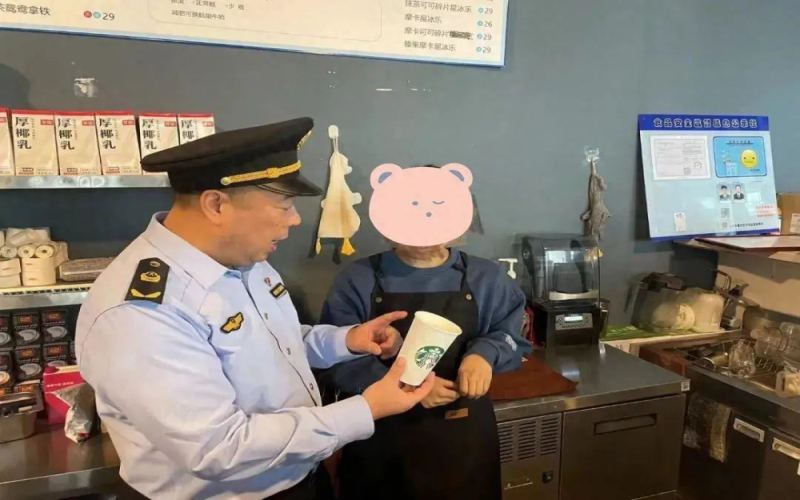
Takeout Proxy Stores Turn Out to Be Counterfeit Starbucks Dens? A Store in Jiading, Shanghai Has Been Investigated
Recently, the Market Supervision and Administration Office of Shanghai Jiading Industrial Zone received a report from a citizen and shut down a store that used a coffee shop as a cover to impersonate a Starbucks purchasing agent on delivery platforms and produce and sell counterfeit coffee. A large number of packaging materials bearing the Starbucks logo were seized at the scene, including cups, syrups, and bags. Such incidents have been common in recent years, exposing issues behind the scenes such as loopholes in delivery platform review and the unrestricted circulation of branded materials. When buying coffee, consumers should choose legitimate stores to avoid falling into counterfeit traps. Front Street Coffee reminds you to pay attention to developments in the coffee industry, and even more to the source and quality of every cup of coffee. [more…]
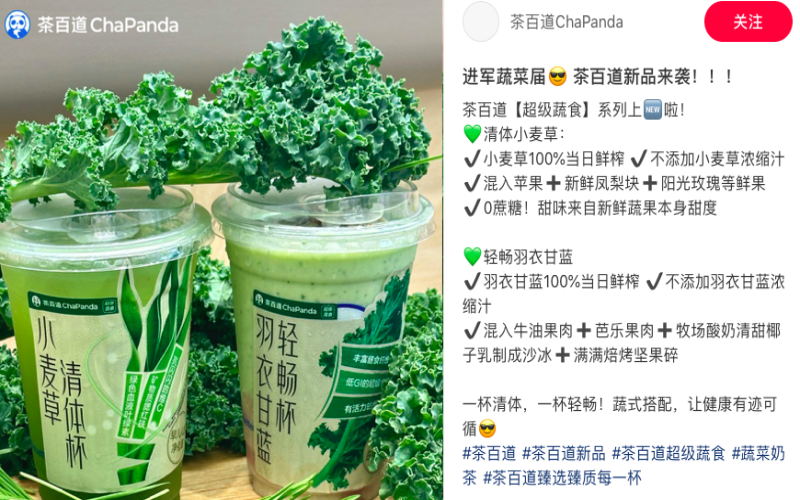
Tea Baidao's launch of wheatgrass drinks sparks discussion, adding a new member to the fruit and vegetable tea sector
Since Heytea launched its Super Botanical Tea series, fruit and vegetable juice drinks have quickly gained popularity, with major brands rushing to follow suit. ChaPanda recently rolled out its "Super Veggie" series in 14 cities including Beijing and Shanghai, among which "Detox Wheatgrass" sparked heated discussion online because its main ingredient closely resembles cat grass and livestock feed. This drink pairs wheatgrass with fresh fruits such as apple, pineapple, and Shine Muscat grapes, and the company emphasizes that no concentrated juice is used. Consumers report that it tastes refreshing, but kitchen staff's workload has increased accordingly, while some customers have raised concerns about the food safety of fruit and vegetable juices. [more…]
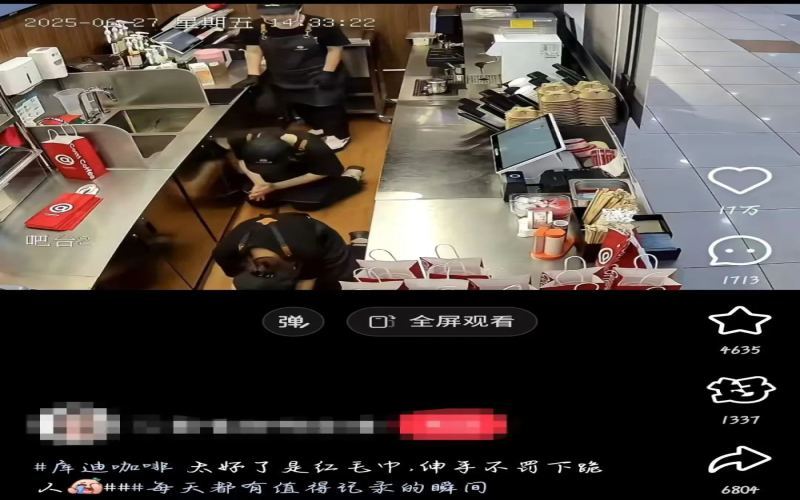
A red towel leads to kneeling and apology? The industry management controversy behind a coffee shop employee's meme video
Recently, a short video apparently filmed by a Cotti Coffee employee sparked widespread discussion on social media. In the video, a store clerk has a red-trimmed towel snatched away by a colleague, after which several employees kneel facing the surveillance camera with hands clasped in a pleading gesture. This seemingly absurd scene struck a chord with many food-service workers—it turns out that towels of different colors correspond to different usage scenarios, and using the wrong one counts as a violation that can lead to fines or even dismissal. The incident reflects both chain brands' strict control over food safety and has triggered public debate over employee dignity and management practices. [more…]
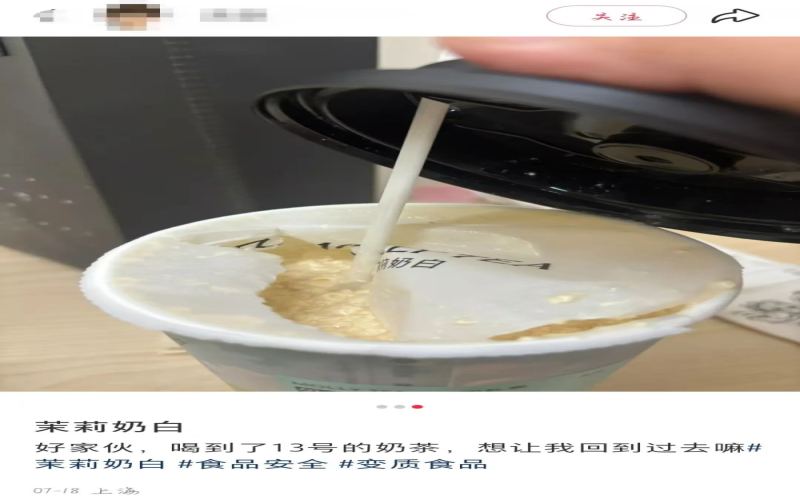
Responsibility dispute sparked by milk tea five days past its expiration date: Molly Tea clarifies that the store is not the management party, and the food delivery stage becomes the focus.
A cup of milk tea labeled as made five days ago has pushed the new-style tea brand Molly Tea White into the eye of public opinion. After placing an order on a delivery platform, a consumer unexpectedly received a cup of drink that had long gone bad. At first, the store admitted it was caused by a backlog of delivery orders and failure to clean up in time, but afterward the brand stepped in to clarify, saying the drink had actually been abandoned by a customer in a public area of the mall, and that management authority belonged to the mall rather than the store. The incident went through multiple reversals—who exactly is responsible? And how should the blind spots in the food delivery chain be filled? This article sorts through the entire course of the incident and appends Front Street Coffee's observations on food safety management in the industry. [more…]
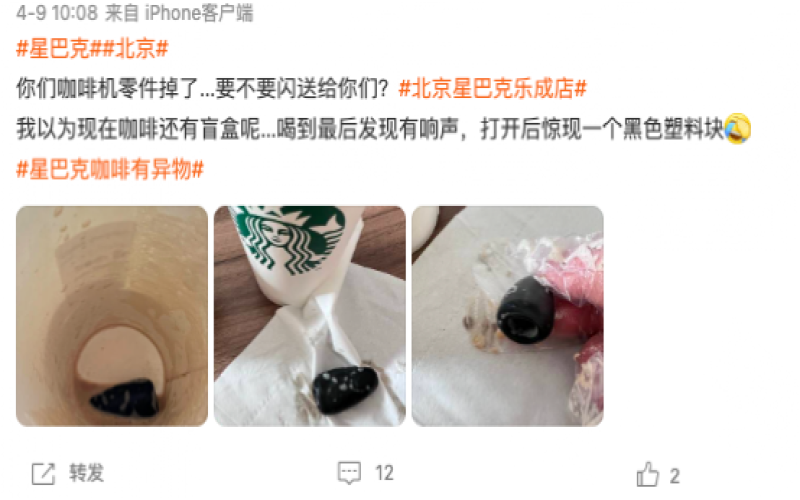
Starbucks Delivery Latte Reportedly Contains Coffee Machine Part; Store Responds It Was an Oversight by a Deaf Employee
Ordering a takeaway coffee is supposed to be convenient, but a consumer in Beijing found a coffee machine part in their Starbucks latte, and the incident quickly sparked widespread discussion. The store involved explained that the employee who made the drink was a deaf partner who could not hear the sound of the part falling off during operation, and because the part sank to the bottom and its color was similar to the coffee, it went unnoticed. The store has refunded the entire order and compensated with five drink vouchers, and Starbucks has also launched an inspection across all Beijing stores for loose coffee machine parts. This incident not only draws attention to the food safety of takeaway coffee, but also triggers discussion about routine maintenance of coffee machines and the working environment for employees with disabilities. [more…]
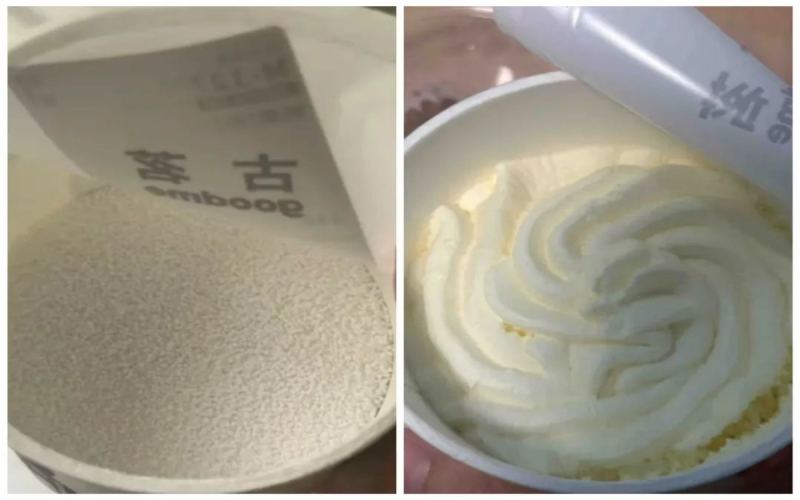
A Guming store mistakenly sent cleaning powder as a topping, and the customer, after drinking it, received only ten coupons and an apology in the form of staff singing.
Recently, a customer exposed on social media that the Gu Ming milk foam she received actually contained a box of white powder, which tasted abnormal after being brewed and was suspected to be detergent. The store initially denied it, but later admitted that an employee had put in the wrong topping, and offered compensation of 10 coupons and coverage of medical expenses. Since the customer had no physical harm and did not seek medical treatment, she accepted the compensation and asked the staff to sing as an apology. The incident sparked heated discussion among netizens, who believed that the store's handling lacked sincerity and showed insufficient awareness of the severity of a food safety accident. [more…]