







What the Molly Tea expired milk tea case says about handling coffee
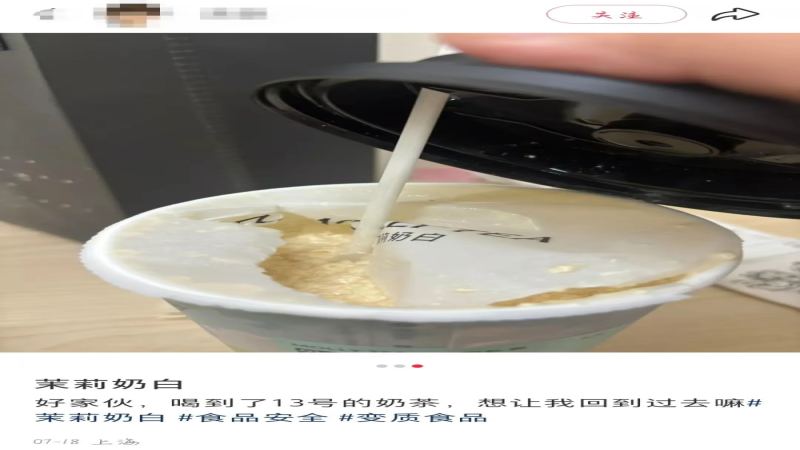
A delivery customer in Qingdao received a Molly Tea drink labeled as made on July 13 and delivered on July 18, with yellow-white flocculent matter visible in the cup. The store first blamed a backlog of uncollected delivery orders, then the brand said the cup had been abandoned in a mall public area managed by the mall, not the store. Compensation offered was 10 yuan.
The dispute exposes blind spots in the food delivery chain: who disposes of expired drinks, and who inspects pickup shelves. Handling coffee and tea orders after a subsidy campaign leaves uncollected cups is where the failure began, and the article notes that responsibility across store, rider and platform still needs a clear rule rather than negotiation between customer and courier.
A cup of milk tea labeled as made five days earlier pushed the new tea drink brand Molly Tea to the center of public opinion. After a consumer placed an order on a delivery platform, they unexpectedly received a drink that had long gone bad. At first, the store admitted it was caused by a backlog of delivery orders and failure to clean up in time, but then the brand stepped in to clarify, saying the drink had actually been abandoned by a customer in a public area of the mall, which was under the mall's management rather than the store's. The incident went through multiple twists and turns—who exactly is responsible? And how should the blind spots in the food delivery chain be filled? This article sorts through the whole incident and appends Front Street Coffee's observations on food safety management in the industry.
▲
Click to follow | Daily specialty coffee culture magazine Coffee Workshop
Recently, a netizen exposed on social media that they had received a cup of Molly Tea milk tea through delivery, and the drink had actually been made five days earlier.
The consumer described that on July 18, a colleague ordered a drink from a Molly Tea store on a delivery platform. After a few sips, the colleague noticed the taste was clearly off, and upon opening the cup lid, found the drink had already spoiled. Looking back at the order details, they then noticed that the milk tea had actually been made on July 13.
From the photos posted by the person involved, yellow-white flocculent matter was floating on the surface of the five-day-old drink, and the order receipt also clearly showed the order date as July 13. The consumer relayed the delivery rider's explanation that the mall had not destroyed expired drinks as required, causing the rider to mistakenly pick up an old order. After complaining to the platform, the consumer received only 10 yuan in compensation, and the platform also required them to negotiate follow-up compensation with the delivery rider themselves.
Later, Qingdao Radio and Television's "News in Progress" program reported that an employee at the Molly Tea store involved explained in an interview that the delivery platform had previously launched subsidy campaigns such as "0-yuan milk tea," and many customers did not come to the store to pick up their orders after placing them, causing a large number of drinks to pile up on the self-pickup shelves. Employees failed to clean them up in time, and the delivery rider did not carefully check the order when picking up, ultimately resulting in the customer receiving a cup of milk tea that had been sitting for five days and had gone bad.
The report also mentioned that the store admitted there had been negligence and had already negotiated compensation with the customer.
However, on July 22, this food safety controversy took a turn. A relevant person in charge at Molly Tea clarified to a reporter from Southern Metropolis Daily's Bay Finance and Economics that the claim that "drinks piled up on the store's self-pickup shelves because customers did not pick them up in time" was inconsistent with the facts.
The person in charge said that after an internal investigation by the brand and verification through mall surveillance, the expired milk tea the consumer received had actually been discarded by another customer in the mall's public self-pickup area, and the drink had been left there for more than 96 hours. The management rights over this area belonged to the mall and were not within the store's jurisdiction.
The person in charge said that the statements previously made by the employee in the media video, such as "many people placed orders but did not come to pick them up" and "we didn't go over to clean up either," were not true. The person in charge stressed that cleaning the delivery shelves was not the responsibility of the store's employees, because the mall's public self-pickup area was uniformly managed by the mall, and individual stores in the mall had no right to intervene.
In addition, official verification found that the mall where the store involved is located does not allow delivery riders to enter. After the store prepares drinks during daily operations, employees need to take the finished drinks from inside the store to the delivery shelves outside the first-floor entrance, where delivery riders then check the order number before taking them away.
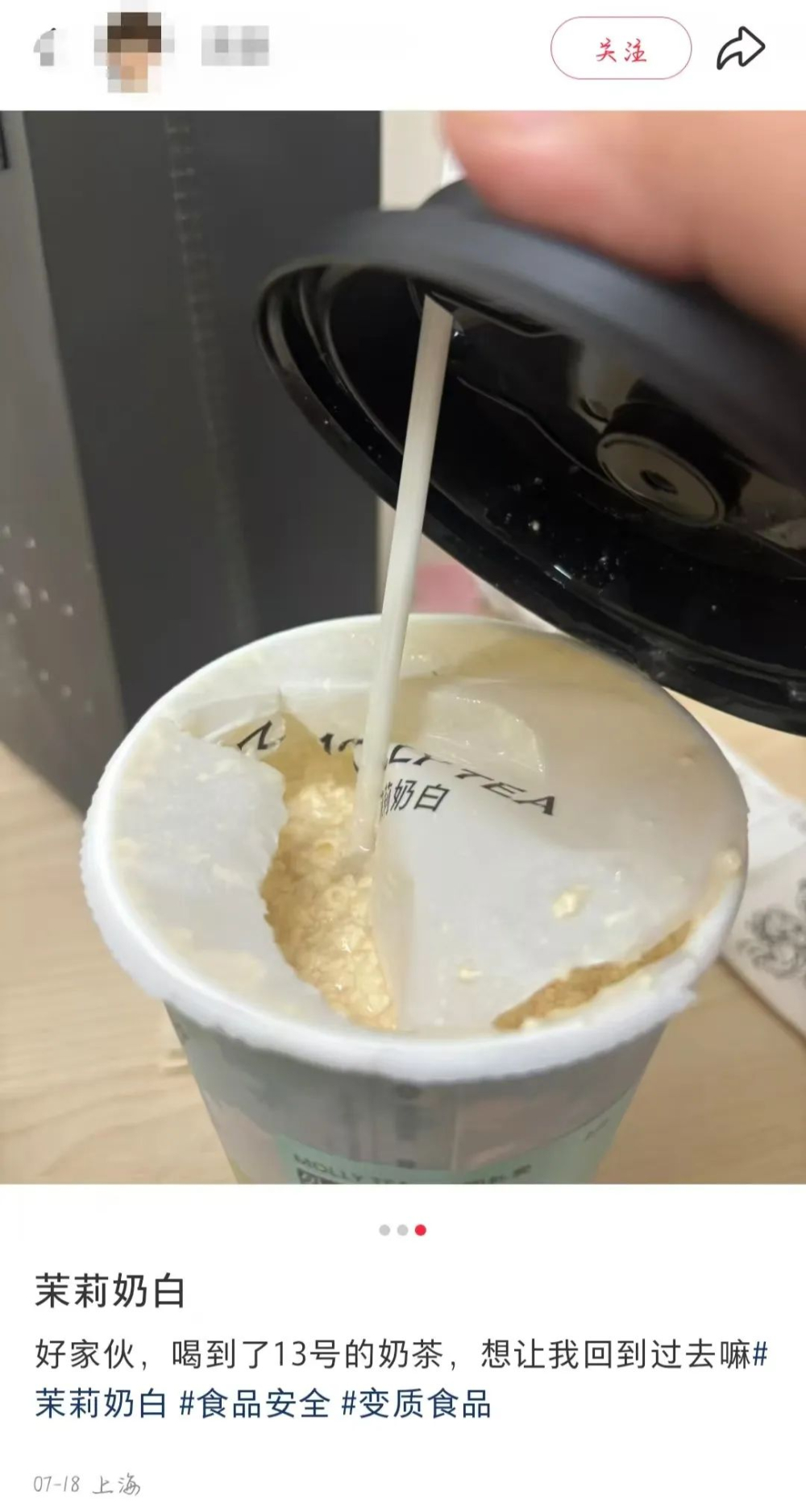
Based on the above, the person in charge believed that once the milk tea was placed on the shelf, management responsibility should be shared by the mall and the delivery rider. After the incident, the store contacted the delivery rider involved, who admitted to picking up and delivering the wrong order and expressed willingness to compensate the customer for their losses. Chat records obtained by the reporter from Molly Tea also confirmed this account.
In addition, the brand emphasized that according to its "Store Operations Code," "takeaway products have a shelf life of 4 hours after leaving the counter, and products beyond that period are prohibited from sale." The store had never stored products for sale on public shelves and had never violated this rule.
Image source: Internet
Disclaimer: Some images in this article are from the Internet. For some content on the website, such as images, we will respect the original author's copyright and indicate the source. However, due to the large quantity, there may be individual images or texts that have not yet been credited. Please forgive us. If the original author has any disputes, they may contact the website for handling. Once verified, we will correct it immediately. Compiled and edited by "Coffee Workshop." Please indicate the source when reposting. If there is any infringement, please inform us for deletion. Thank you~!
The above content is compiled by CoffeeHunters, a coffee news website.


