







Search Results for: sun-dried beans from the Guji region
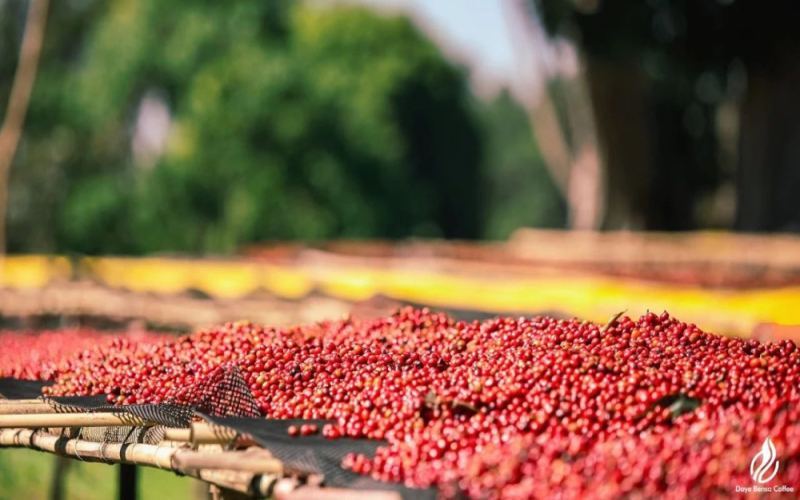
Ethiopia Guji G1 Natural Coffee Bean Flavor Analysis and Pour-Over Parameter Recommendations
Guji, as a rising star on Ethiopia's coffee map, has rapidly ascended to the ranks of core specialty coffee regions in recent years thanks to its outstanding flavor performance. From its early days under the Sidama region to being classified as a separate new category by the ECX in 2015, Guji's rise has followed a trajectory similar to that of Yirgacheffe. Hambela, as Guji's most representative sub-region, produces Huakui coffee beans that have become a favorite among domestic coffee enthusiasts thanks to their excellent sun-dried G1 quality. In this article, Front Street Coffee will systematically sort out the complete picture of this bean, from the region's historical evolution, terroir conditions, and the background of Hambela farms to the evolution of Huakui lots and specific brewing parameters, guiding you to a deeper understanding of Guji coffee's quality characteristics and brewing key points. [more…]
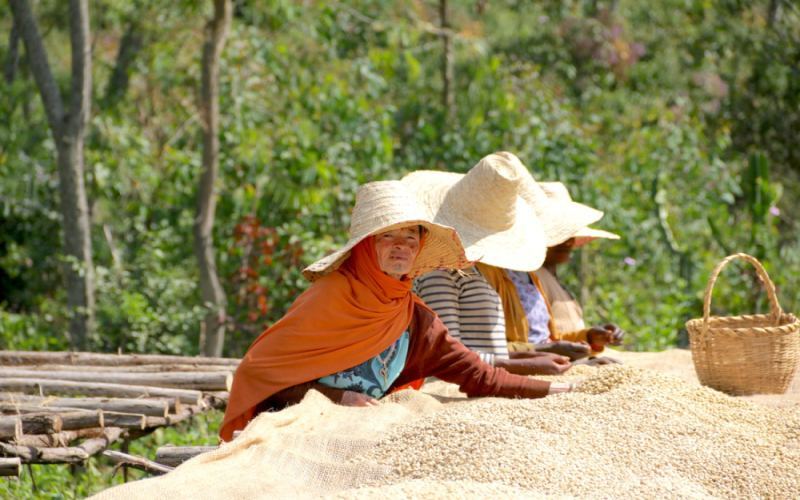
Ethiopia Guji Hambela: The Coffee Geography Evolution from Sidamo Separation to the Legend of Huakui
Ethiopia, as the birthplace of coffee, has a regional division far more complex than any administrative map. In the past, we were accustomed to labeling the origin of Huakui as "Sidamo," but today "Guji" has become the more common traceability information. Behind this change is the process by which the Guji region, relying on high altitude, fertile soil, and refined processing methods, became independent from Sidamo and rose rapidly. Hambela, as a star sub-region of Guji, is both a farm and a processing station, and gave birth to the Huakui series that has swept the specialty coffee world. Front Street Coffee will guide you through this evolution of coffee geography and retain detailed interpretations of products such as Huakui 8.0. [more…]
Coffee Knowledge on Ethiopia's Sidama and Guji Regions: Flavor Analysis of the Lion King Natural Bean
Ethiopia is the birthplace of Arabica coffee, and its southern Sidamo and Guji regions are famous for their rich and diverse flavors. This article systematically reviews Ethiopia's geography, climate, administrative divisions, and coffee cultivation models, with a focus on analyzing the characteristics of the natural process in the Sidamo region, as well as the blueberry sweetness, citric acidity, and full berry aroma of the Lion King coffee beans from the Guji region. It also compares the differences between traditional natural process and improved natural process, and introduces the flavor performance of washed Sidamo. Front Street recommends this Lion King natural bean, brewed with 90°C water and a 1:15 coffee-to-water ratio, to showcase its bright acidity and floral, fruity, honey-like aroma. [more…]
Ethiopia Sidamo Lion King Coffee: Guji Region Natural Flavor and Pour-Over Grind Parameters Analysis
Sidamo is a long-renowned specialty coffee region in southern Ethiopia, and the Lion King natural bean is a quintessential representation of its diverse flavors. This article systematically reviews the complete profile of Front Street Coffee's Sidamo Lion King coffee, from regional terroir, variety characteristics, natural processing flow, green bean appearance, roasting curve to brewing parameters. You will learn about the background of the Guji region and the Sirsa cooperative, how the natural method imparts floral and fruity aromas to the coffee, and why this bean is suitable for light-medium roasting and presentation via V60 pour-over. Whether you are looking to purchase this bean or wish to gain a deeper understanding of the style of Ethiopian natural coffee, this article provides detailed reference. [more…]
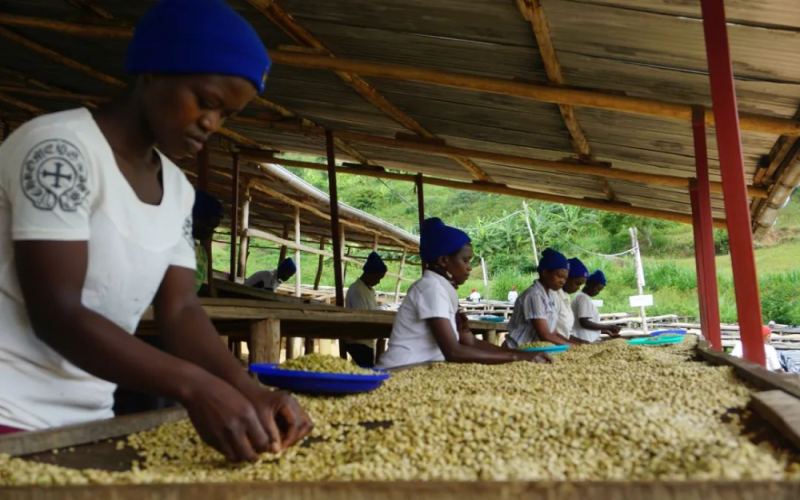
Analysis of Ethiopia's Sidama and Guji Regions: The Origin of Huakui Coffee, Sun-Drying Processing, and Brewing Parameters
Ethiopia, as the birthplace of coffee, is home to numerous regions with distinctive styles, among which Sidama and Guji stand out for their pronounced floral and fruity notes. Starting from the terroir of these origins, this article outlines the growing backgrounds and processing methods of Sidama, Guji, Hambela, and Arsi, with a particular focus on the origins of Huakui coffee and its natural processing method. At the same time, drawing on its roasting and brewing experience, Front Street Coffee shares the V60 staged extraction parameters and flavor profile of Huakui coffee, helping coffee enthusiasts gain a more complete understanding of this bean's origin information and key tasting points. [more…]

Is Flower Queen coffee bean an independent variety? The origin and evolution of sun-dried Flower Queen from the Guji Hambela region
In recent years, Huakui coffee beans have remained a hot topic in China's specialty coffee scene, and have now reached their 8th lot. Many people mistakenly believe that Huakui is a coffee variety, but it is actually a naturally processed coffee bean from the Hambela sub-region of the Guji region in Ethiopia. From winning the 2017 TOH green bean competition, to being introduced and named by a Chinese green bean trader, to DW company expanding production to meet demand, the story of Huakui is closely tied to the rise of the Guji region. This article will sort out Huakui's regional background, the origin of its name, and the reasons for its annual lot updates, and introduce how Front Street Coffee presents its tropical fruit profile through light roasting. [more…]
Flavor Analysis of Ethiopian Guji Zone Kochere Sun-Dried Coffee and the Background of Operation Cherry Red
Guji Zone is a coffee-producing region in Ethiopia that has attracted much attention in recent years, located southeast of Yirgacheffe and under the administration of Oromia Regional State. This lot of Kersha Village Natural G1 is produced by a local smallholder cooperative, using African raised-bed natural drying, at an altitude of 1,900 to 2,000 meters, with the variety being Ethiopian heirloom landraces. In terms of flavor, it presents delicate blueberry aroma, ripe orange and grape notes, with sweet, rich body and a long finish. This article explains in detail the administrative divisions of this producing region, the operating model of the Kersha cooperative, and how the Dutch Red Cherry Project improves coffee quality through technical guidance and premium-price purchasing, providing coffee enthusiasts with complete background and tasting reference. Front Street Specialty Coffee also recommends Yirgacheffe Natural Red Cherry, Costa Rica Sumava Black Honey, and Angel Estate, among other beans. [more…]

Ethiopia Guji Hambela Buku: Flavor Analysis Under Low-Temperature Slow Sun-Drying Process
In the highlands of southeastern Ethiopia, the Guji region has gradually risen to prominence thanks to its superior terroir, and Buku Abel within the Hanbela village is a pristine coffee-growing site at an altitude of over two thousand meters. This article provides an in-depth introduction to the Buku plot's regional background, processing methods, green bean characteristics, roasting curve, and cupping flavor performance, while also sharing Front Street Coffee's brewing recommendations for this batch of beans. From the drying logic of low-temperature slow sun-drying to the pear, strawberry, orange, and creamy honey-like sweetness presented in the cup, this takes you through a comprehensive understanding of this Ethiopian specialty coffee that combines floral aromatics with tropical fruit notes. [more…]
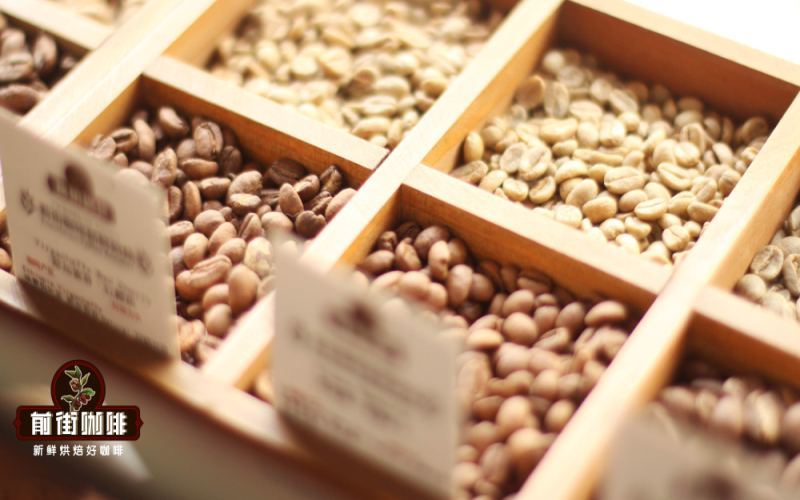
Ethiopian Guji Coffee Beans Variety Analysis: A Complete Overview of Sidamo Guji Sun-Dried Flavor and Brewing Characteristics
The Huakui coffee bean's journey to fame is full of legendary twists—from an unnamed lot in the Guji zone of Sidama, Ethiopia, to winning the 2017 TOH green bean competition, and then defeating many Geisha contenders in China's brewing championships. This article will guide you through the Huakui coffee bean's varietal origins, the evolution of its production region, the source of its processing station, and the story behind the Huakui X.0 series. It also includes Front Street Coffee's brewing recommendations and flavor descriptions, helping coffee enthusiasts gain a comprehensive understanding of this natural-process coffee that combines floral notes with berry-like acidity. [more…]
Ethiopia Sidamo Sun-Dried Lion King Coffee Flavor Analysis: Guji Region Background and Processing Methods Overview
The Sidamo production region is located in southern Ethiopia, adjacent to the Great Rift Valley. With diverse soil compositions, microclimates, and a wealth of native varieties, it nurtures coffees of strikingly different styles. The Guji region to its southeast has a higher altitude, reaching over 2,600 meters at its highest, and its coffees often carry blueberry sweetness, lemon aroma, and bright acidity. This article will sort through the production stories of Sidamo and Guji, compare the differences between traditional natural processing and improved natural processing, and introduce the flavor and brewing parameters of Front Street Coffee's natural Sidamo Lion King, helping coffee enthusiasts understand the unique qualities of this bean. [more…]
Complete Analysis of the Huakui Coffee Bean Producing Region and Estates: Sun-Dried and Washed Flavors from Guji Hambela to Buku Abel
Huakui is one of the most recognizable representatives of Ethiopian specialty coffee. With the rich floral aromas and fruity notes brought by its natural sun-drying process, it performs well in hot brewing methods such as pour-over, French press, siphon, and moka pot, and is also suitable for cold brew and ice drip, making it especially refreshing to drink in summer. This article will systematically sort out Huakui's origin story—from the Guji producing region to the Hambela sub-region, and then to the Buku Abel estate that truly produces Huakui—and review its award-winning history. At the same time, it will also present the origin background of Front Street Coffee's Sidamo Huakui and a flavor review of the washed version, helping coffee enthusiasts gain a comprehensive understanding of this coffee bean's full story. [more…]
Ethiopia Sidamo Coffee Region Terroir Analysis: Guji Huakui and Arsi Flavor Characteristics and Front Street Brewing Parameters
Sidamo is one of the most representative specialty coffee regions in southern Ethiopia, known for its acidity that balances softness and intensity and its delicate floral notes. This article systematically reviews Sidamo's geographical environment and the terroir conditions of its two major sub-regions, Guji and Arsi, explains in detail the origins and naming logic of Huakui coffee, and introduces the complete process of the natural processing method and the G1 grade standard. It also shares Front Street Coffee's understanding of brewing freshness, as well as the specific brewing parameters and flavor performance of Huakui coffee and natural Arsi, providing coffee enthusiasts with a complete Sidamo flavor guide. [more…]
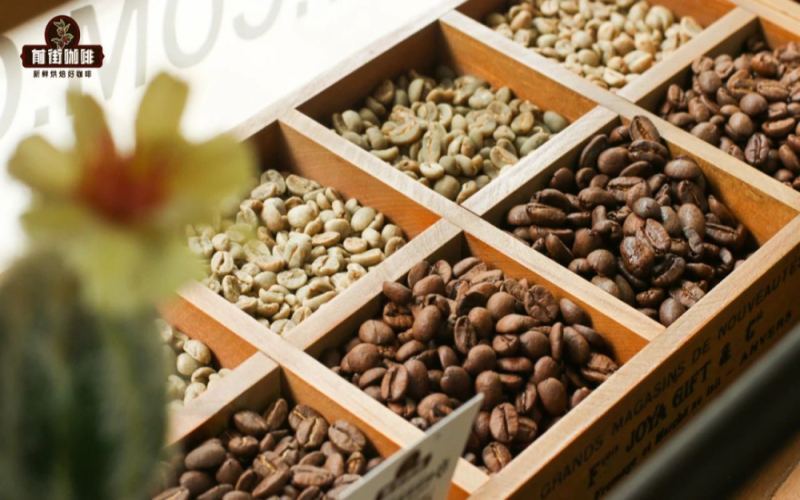
Ethiopia Guji Region and Hambela Huakui: From Origin Story to the Flavor Code of Natural Processing
Ethiopia is not only the birthplace of coffee, but also a country that has woven coffee into the fabric of daily life and culture. Among its many producing regions, Sidamo, Guji and Hambela, with their unique terroir and meticulous processing methods, have nurtured flavors that captivate coffee lovers around the world. From the perspective of Front Street Coffee, this article systematically reviews the independent journey of the Guji region, the altitude advantages of the Hambela micro-region, and how the Buku processing station shapes the strawberry-and-cream aroma that defines the signature Huakui coffee through a rigorous natural sun-drying process. At the same time, the article also provides an in-depth analysis of the characteristics of the Dega variety and the differences in the appearance of green beans, and includes the complete brewing parameters and three-stage pouring technique for Front Street Huakui 4.0, helping readers fully understand the flavor logic of this coffee from origin to cup. [more…]
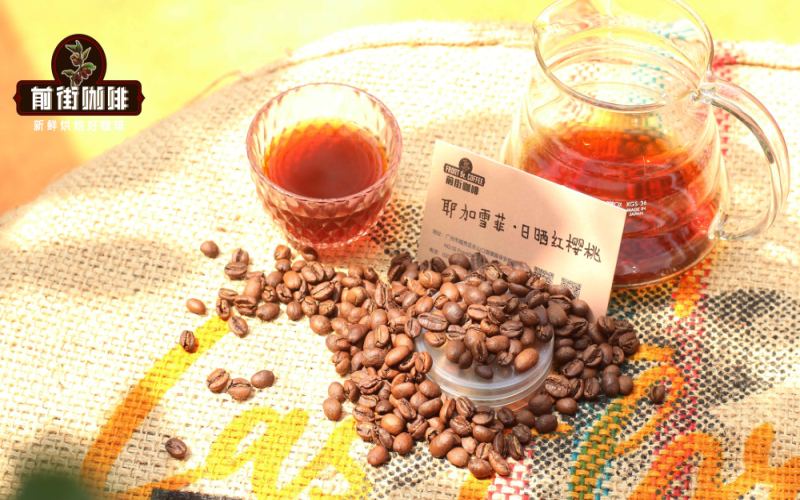
Ethiopian Natural Guji Coffee Beans: Uraga Region Flavor Analysis and Pour-Over Parameters
Ethiopia, as the birthplace of coffee, has given rise to many highly distinctive specialty coffee regions. Yirgacheffe is famous for its citrus florals and bright acidity, while the natural-process Uraga from the Guji region displays a completely different flavor profile. This article starts from the flavor characteristics of Front Street Coffee's Ethiopian Yirgacheffe and extends to the brewing practice of natural-process Guji Uraga, documenting in detail the extraction parameters and cup profile under the V60 dripper, guiding you through the fermented berry sweetness and rich layers that the natural process bestows upon coffee. [more…]
Ethiopia Hambela Estate Single-Layer Sun-Dried Slow Fermentation Method: How the SLD Process Creates High-Quality Natural Beans
Ethiopia, as the birthplace of coffee, has seen a continuous emergence of high-quality lots in emerging producing regions such as Guji in recent years. This article focuses on the single-layer sun-dried slow-drying Lot 121 produced by a single farm in St. Lion Village of Front Street Hambela Estate, offering an in-depth analysis of this rare processing method known as SLD—where only a single layer of coffee cherries is spread on raised beds, the drying period is strictly controlled at around 18 days, and the fruit is allowed to fully ferment through the most perfect convection environment, thereby imparting fuller sweetness and body to the coffee beans. The article also examines why Ethiopia's smallholder-dominated production system makes single-farm traceability difficult to achieve, how Hambela Estate owner Aman adheres to quality at extremely high cost, and compares the subtle flavor differences between the Guji region and Yirgacheffe. [more…]
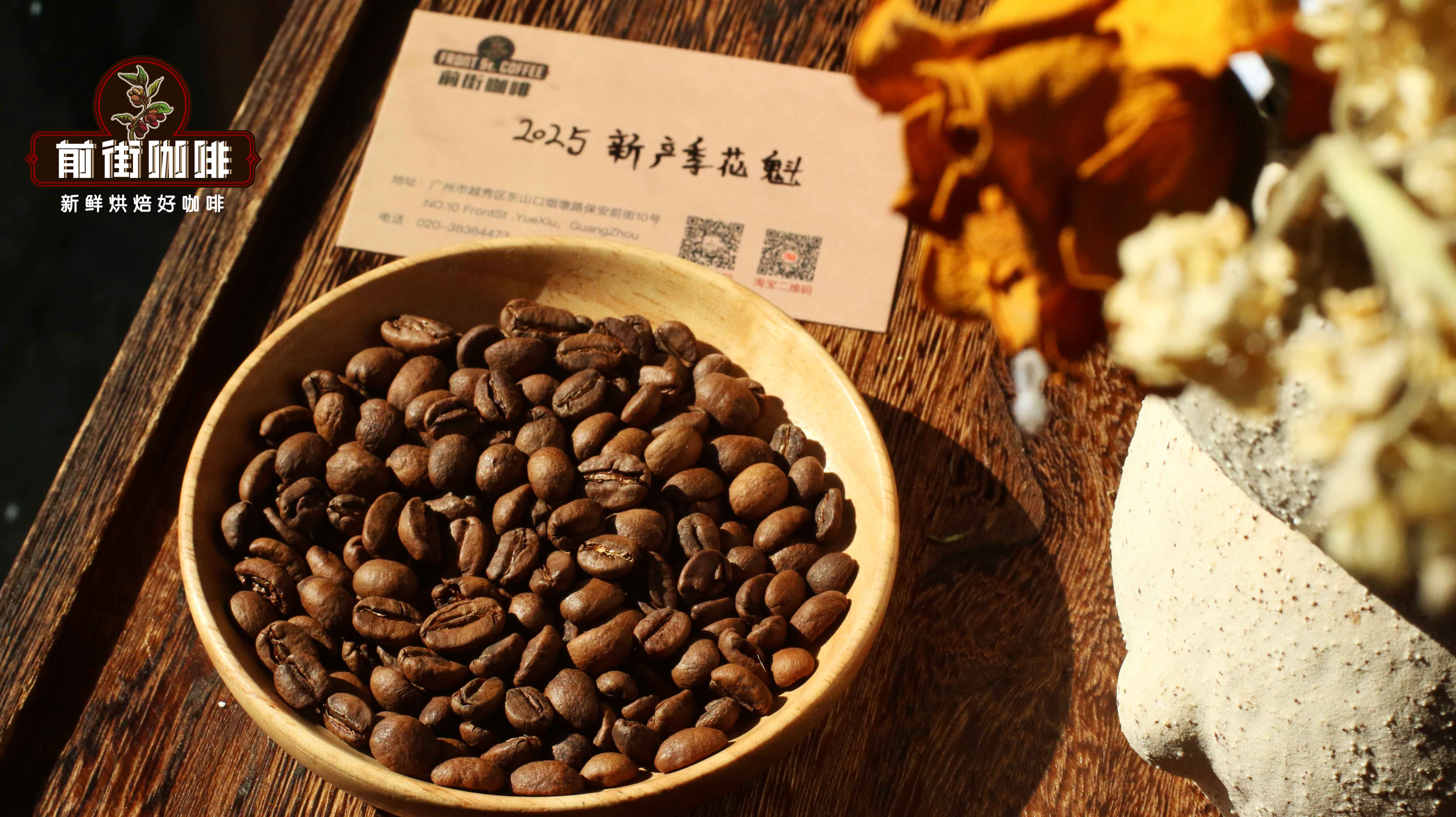
The Origins and Brewing Guide of Huakui Coffee Beans: From the Sidamo Guji Region to Front Street's Recommended Method
The name of Geisha coffee beans always evokes the image of "the chief of a hundred flowers, graceful and enchanting," and its flavor truly lives up to such praise. From the perspective of Front Street, this article takes you through how this bean went from an unnamed lot in the Guji region of Sidama to becoming the highly acclaimed "chief of a hundred flowers" step by step. We will trace the origins and rise to fame of Geisha, analyze the story behind the X.0 series, and share Front Street Coffee's brewing suggestions and flavor descriptions. Whether you are new to Geisha or looking to refine your brewing technique, you will find practical references here. [more…]
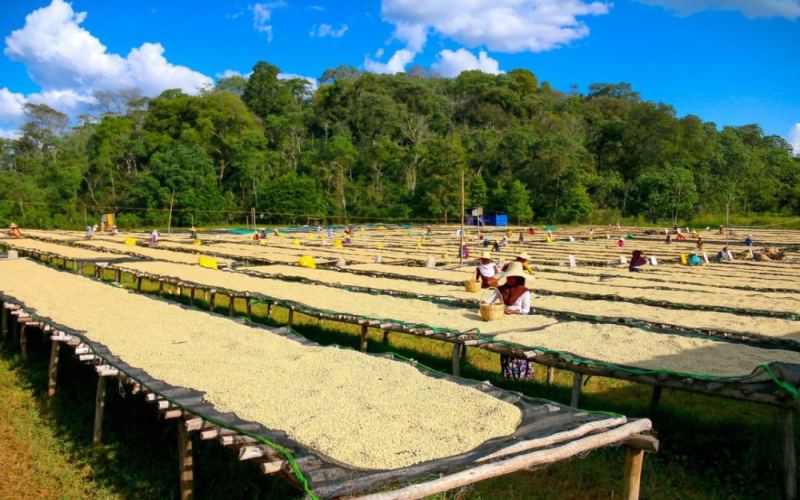
An Analysis of the Pour-Over Charm of Heirloom Geisha and Huakui Coffee Beans from Ethiopia's Guji Region
Ethiopia's Guji region, with a terroir character entirely distinct from Yirgacheffe, emerged as separate from Sidama and became the birthplace of many classic coffees—Front Street Coffee's Huakui series originates from its sub-region, Hambela. The high altitude and large temperature swings between day and night here give the coffee cherries richer acidity and fruit-toned character. The Buku processing station adheres to strict standards of whole-ripe-cherry picking and a sugar content value above 30, combined with African raised-bed sun-drying and meticulous turning management, ultimately presenting multi-layered flavors of citrus, pineapple juice, peach, guava, and strawberry jam. This article will take you into the world of Guji's heirloom landrace varieties, exploring how everything from regional terroir to processing details, and then to roasting approach, comes together to create a cup of specialty pour-over coffee. [more…]

Geisha Coffee Beans Actually Labeled as Brazilian Origin? A Breakdown of Region and Variety Errors in Packaging Information
Recently, a photo of a coffee bean packaging sparked heated discussion on WeChat Moments. It prominently labeled the origin of Huakui coffee beans as "Origin: Brazil (Guji Hambela)," leaving many industry professionals and enthusiasts stunned. This article begins with the historical naming and variety origins of Huakui, then dissects the packaging's errors regarding production region, tree species, altitude, scoring standards, and grind size. It clarifies that Huakui must come from the sun-dried Ethiopian native varieties processed at the Buku Abel processing plant in the Guji Hambela region of Ethiopia, and retains Front Street Coffee's observations and product information about Small-Bean Huakui. [more…]
How to brew Ethiopian Sidamo Huakui coffee? Floral aroma and flavor analysis of the new-crop sun-dried Huakui
From a small lot in Ethiopia's Guji region to a TOH cupping champion, and then to a legend that defeated Geisha, how did Huakui coffee earn its place in memory? In this article, Front Street Coffee takes you through Huakui's origins and rise to fame, clarifies the story behind the X.0 series, and explains that only the natural-process beans from the Buku Abel processing station can be called Huakui. We will also share the green bean characteristics and pour-over recipe for Front Street Huakui 8.0: V60 dripper, 90-91°C water temperature, 15g coffee, 1:15 coffee-to-water ratio, medium-fine grind, three-stage extraction. Finally, we present the complete flavor profile of floral notes, berries, citrus, plum, mango, honey, and a black tea finish. [more…]
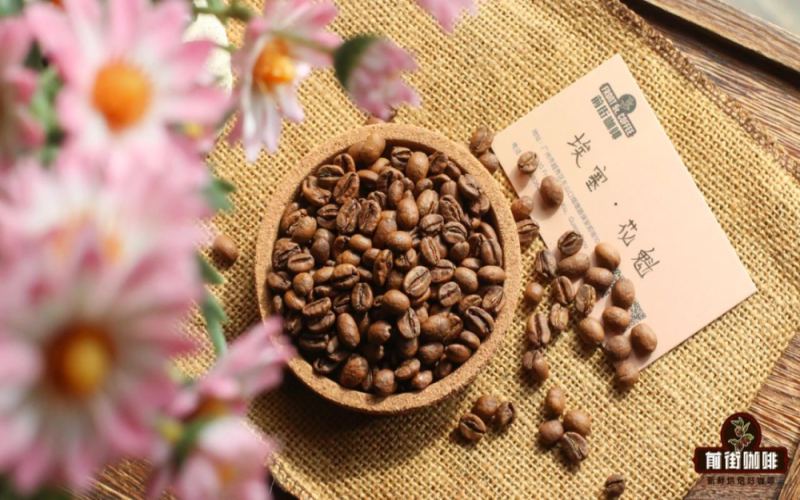
Ethiopia Guji Hambela Huakui Coffee: A Full Analysis of Origin Environment, Processing Method, and Brewing Flavor
Huakui is a classic Ethiopian specialty bean that many coffee enthusiasts encounter when first getting into coffee, produced at the Buku Abel processing station in Hambela, Guji region. This article will systematically walk through Huakui's growing environment, whole-ripe cherry picking and sun-dried processing details, analyze its varietal characteristics and flavor performance, and share specific information on Front Street Coffee's sun-dried Huakui coffee beans along with brewing suggestions for pour-over and drip bags. Whether you are a beginner just getting into specialty coffee or a seasoned drinker wanting to understand the source of Huakui's flavor, you will gain practical knowledge about the region and brewing reference from this article. [more…]