







Why does Guji produce such distinctive classic coffees?
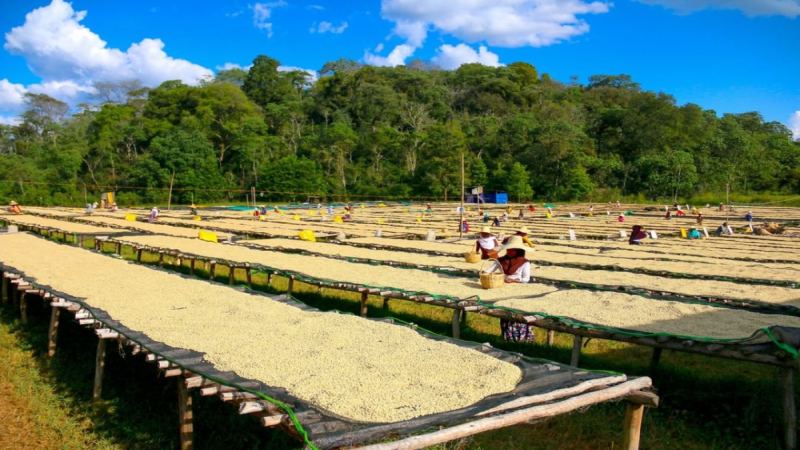
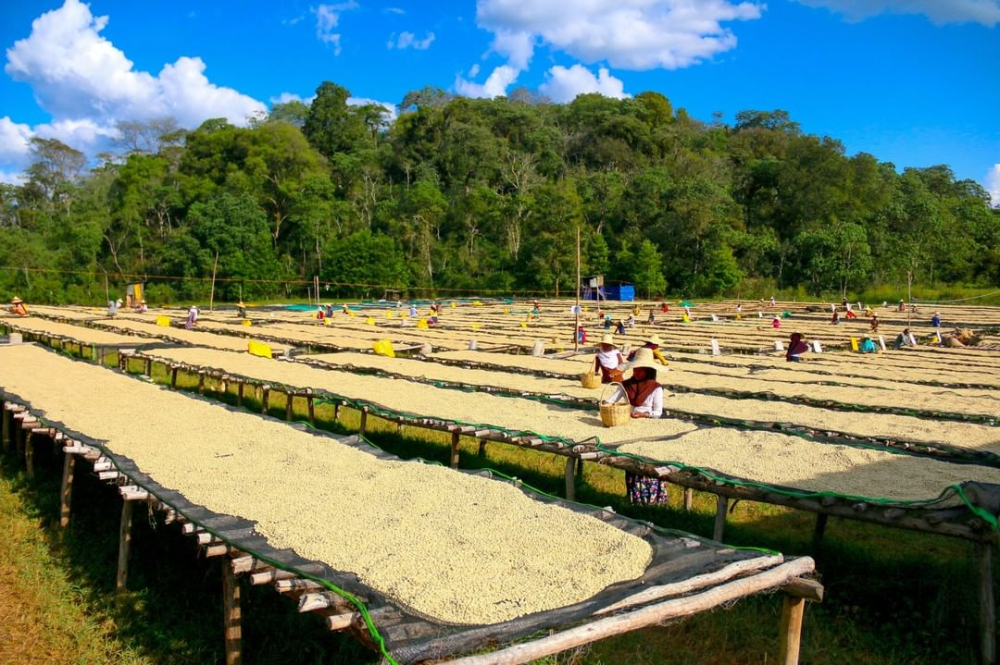
Ethiopia's Guji region, once part of Sidamo, became its own zone because of a terroir that resembles Yirgacheffe. Its high altitude and wide day-night temperature swing give coffee cherries more pronounced acidity and fruit notes. The Buku processing station picks only fully red cherries with a Brix reading above 30 and dries them on African raised beds.
Cherries are shaded at midday and covered at night against rain, turned constantly, and dried roughly 18 days until moisture drops to about 13 percent. The result is layered citrus, pineapple juice, peach, guava, and strawberry jam flavors in the cup. Front Street Coffee's Huakui G1 comes from the Buku station in Hambela, Guji, and is sun-dried.
Ethiopia's Guji region, with a terroir character entirely distinct from Yirgacheffe, broke away from Sidamo to become the birthplace of many classic coffees—Front Street Coffee's Huakui series originates from its sub-region Hambela. The high altitude and large day-night temperature difference here give the coffee cherries richer acidity and fruity notes. The Buku processing station adheres to strict standards of picking only fully red cherries with a Brix value above 30, combined with African raised-bed sun-drying and meticulous turning management, ultimately presenting layered flavors of citrus, pineapple juice, peach, guava, and strawberry jam. This article will take you into the world of Guji's heirloom varieties, exploring how the region's terroir, processing details, and roasting approach come together to create a cup of specialty pour-over coffee.
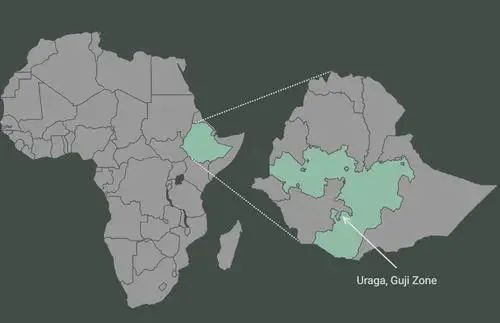
Guji Coffee Bean Producing Region
The Guji region was once part of Sidamo, but was later established as a separate region due to its unique terroir flavors similar to Yirgacheffe. It has produced many well-known coffees, such as Front Street Coffee's Huakui series, whose beans come from the Hambela sub-region under Guji.
The soil in this area is fertile black soil, and the high altitude brings abundant fruity flavors to Uraga. The higher the altitude at which Arabica coffee trees are grown, the richer the acidity expression, which also explains why this bean can have such outstanding flavors.
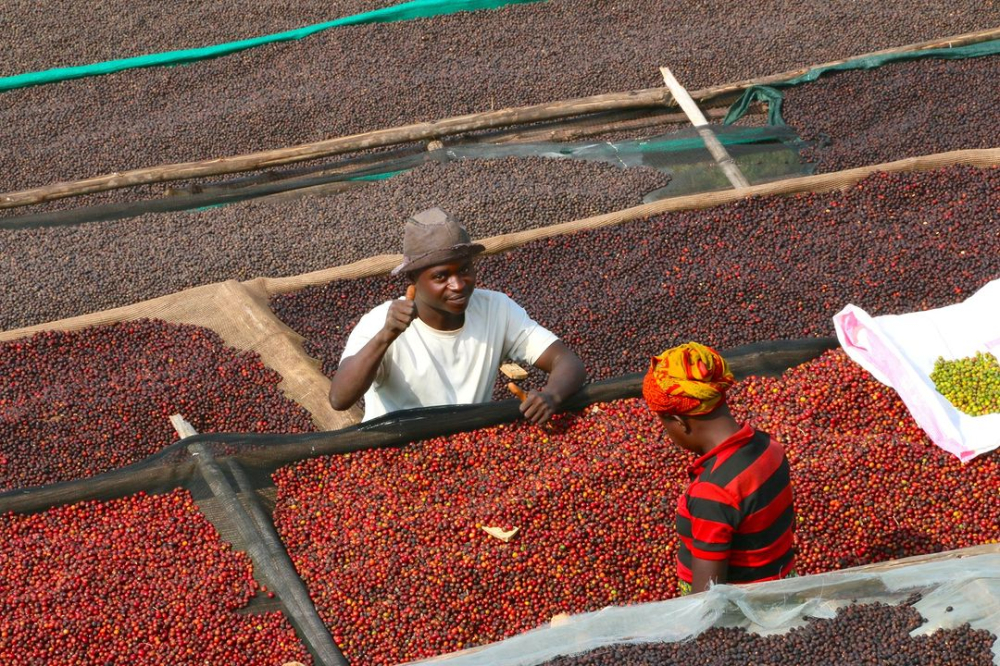
During the harvest season from December to January each year, the Buku processing station picks only fully red cherries and selects coffee cherries with a Brix value above 30, placing them on African raised beds to dry. The local day-night temperature difference is extreme, so coffee farmers shade the sun at noon to avoid excessive fermentation caused by high temperatures; at night, they wrap them in plastic sheets to prevent sudden showers. They turn them continuously throughout and control the thickness of the fruit pile to ensure even drying while preventing sun damage or undesirable fermentation flavors. After about 18 days of sun-drying, the green beans' moisture content drops to 13%, and they can be bagged for storage.
This season's Front Street Coffee Huakui G1 comes from the Buku abel processing station in the Hambela region of Guji and is sun-dried—coffee fruits are spread on African drying nets to dry. The finished product has rich tropical fruit flavors, with layered citrus and pineapple juice, offering peach, guava, and strawberry jam-like sweet-tart notes on the palate, and a finish of charming floral aromas and a roundness like black tea.
Front Street Coffee Huakui belongs to the Ethiopian producing region. African coffees overall have a light style, prominent floral and fruity aromas, and bright acidity. Based on these characteristics, light to medium roasting is usually chosen when roasting.
If dark roasting is used, the coffee will lean toward bitterness and caramel notes, with floral and fruity aromas almost disappearing, which neither suits the bean's own characteristics nor aligns with the flavor direction expected from the Ethiopian producing region.
To fully showcase the strengths of Front Street Coffee Huakui, two roasting profiles are recommended: one is a light-medium roasted Front Street Coffee Huakui, suitable for pour-over and cold brew; the other is a medium roasted Front Street Coffee Huakui SOE, designed specifically for espresso and moka pot.
The above content is compiled by CoffeeHunters, a coffee news website.


