







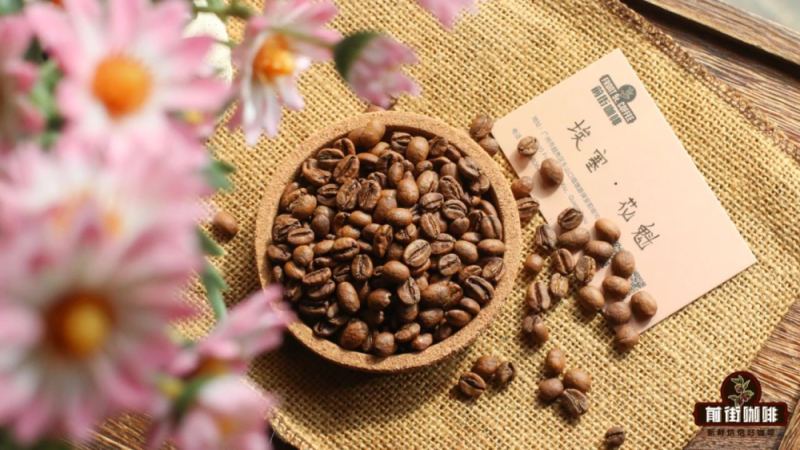
What growing conditions for coffee shape Huakui?
Huakui comes from the Buku Abel processing station in Hambela, in Ethiopia's Guji region. The station sits above 2,250 meters with annual rainfall over 1,200mm and wide day-night temperature swings, conditions that support the floral and fruity profile tied to the area.
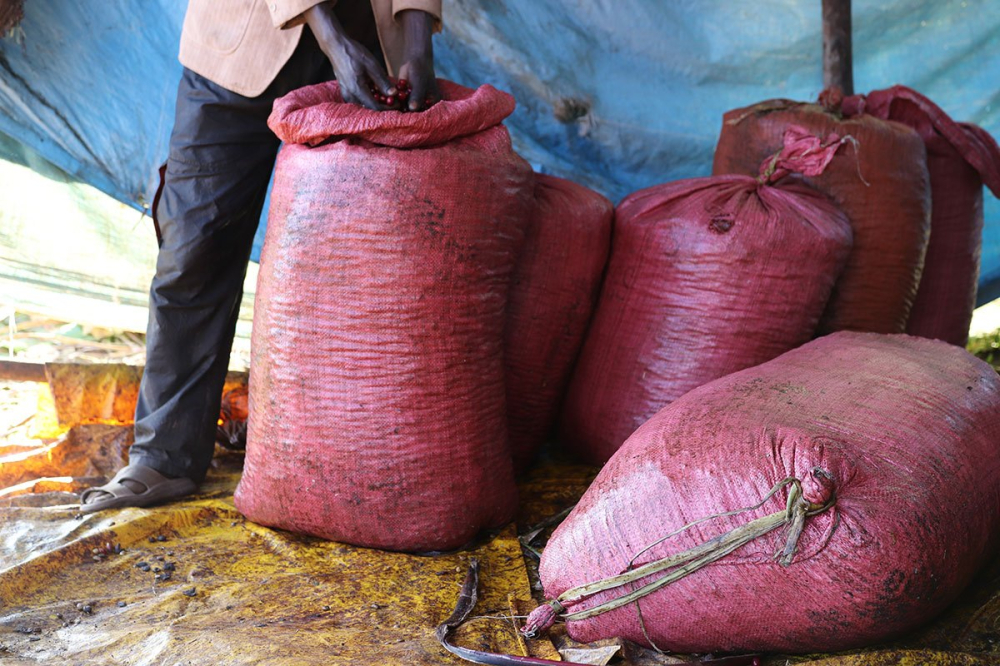
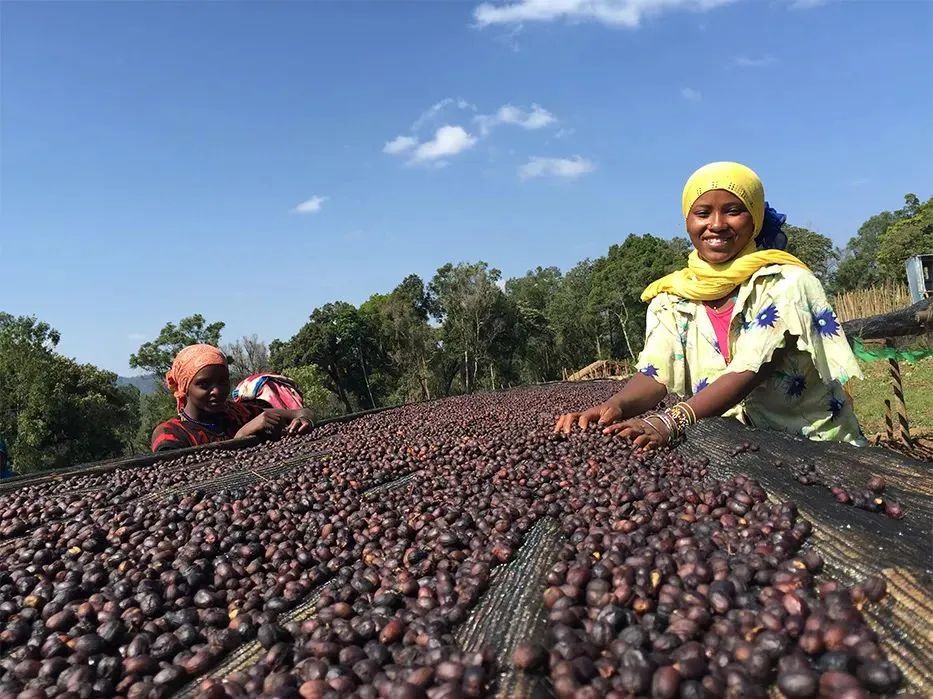
Only fully ripe whole red cherries are hand-picked, dried on African raised beds in thin layers, and turned every 24 hours. Cherries must reach a sugar content of 30 or above before drying. Harvest and processing run from December to January, and nighttime temperatures near 12 degrees Celsius limit over-fermentation.
Huakui is a classic Ethiopian specialty bean that many coffee enthusiasts start with, originating from the Buku Abel processing station in Hambella, Guji. This article systematically covers Huakui's origin environment, whole red cherry picking, and sun-drying processing details, analyzes its variety characteristics and flavor performance, and shares specific information about Front Street Coffee's sun-dried Huakui coffee beans along with brewing suggestions for pour-over and drip bags. Whether you are a beginner just getting into specialty coffee or a veteran wanting to understand the source of Huakui's flavor, you can gain practical origin knowledge and brewing references from this article.
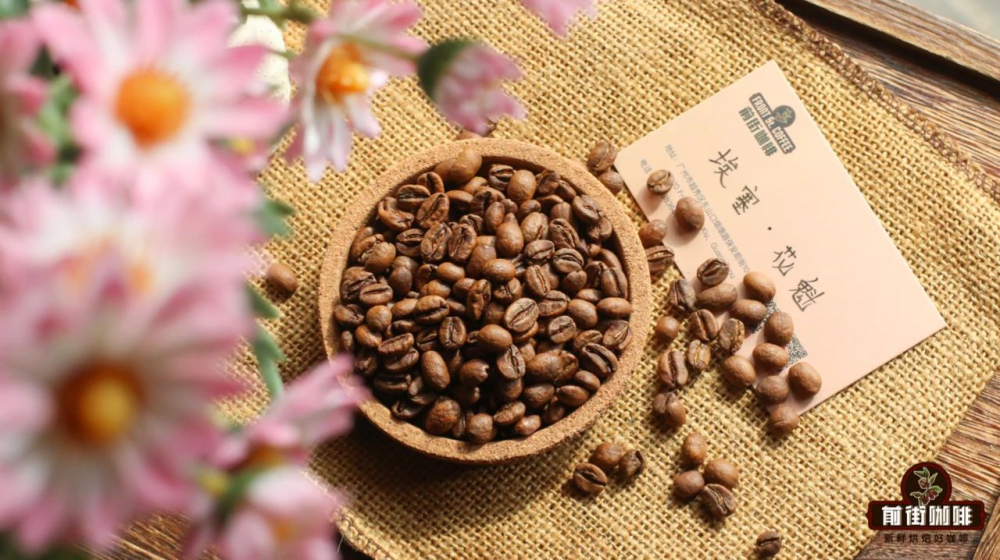
Huakui can be considered a must-try entry-level specialty Arabica. It comes from Ethiopia's Guji region (GUJI), specifically from Hambella, and is processed by the local Buku Abel processing station. In terms of flavor, it carries the typical Ethiopian floral and fruity aroma.
Buku Abel's growing elevation is above 2250 meters, with annual rainfall exceeding 1200mm and significant day-night temperature differences, providing ideal growing conditions for coffee cherries. Huakui only harvests fully ripe whole red cherries, all picked by hand, dried on African raised beds, with strictly limited fruit layer thickness and continuous regular turning every 24 hours, undergoing low-temperature fermentation in the estate's superior natural environment.
Harvesting and processing are concentrated from December to January of the following year. The unique climate and growing conditions during this period together shape Huakui's distinctive flavor. Picked red cherries need to reach a sugar content of 30 or above before entering the sun-drying stage. During the first two days of sun-drying, the moisture of the red cherries must be maintained so that the fruit sugars can fully initiate the fermentation reaction. At the same time, the high elevation allows the processing station's nighttime temperature to drop to around 12 degrees Celsius, avoiding off-flavors from over-fermentation caused by excessive heat. When the temperature rises at noon, shading is also applied to prevent the red cherries from sunburn.
At night, to guard against sudden rainfall, the red cherries are also wrapped with thick plastic sheeting. This way, the red cherries can complete fermentation and dehydration at relatively lower temperatures.
Huakui's variety belongs to local heirloom varieties. The bean sizes are not uniform—there are both relatively round small beans and longer bean shapes. Overall, the beans are plump, mostly between 14-15 screen sizes. The obvious differences in appearance are a common characteristic of Ethiopian coffee beans and are unrelated to taste.
Front Street Coffee Sun-Dried Huakui Coffee Beans
Origin: Guji Hambella, Ethiopia
Processing Station: Buku abel
Elevation: 2235m
Roast Level: Medium-Light Roast
Flavor: Floral, with the sweet-tartness of berries, citrus, and orange, mango juice, honey, with a finish of black tea sweetness and a clean mouthfeel.
There are many ways to brew Front Street Huakui coffee, with pour-over, drip bags, the Clever Cup, and siphon brewing being the best—each one can showcase Huakui's charm. For those who pursue convenience and time-saving, we recommend prioritizing the purchase of Front Street Huakui drip bag coffee. Each bag contains 10g of ground coffee, and after brewing you get a 150ml cup of fresh black coffee with a sweet-tart and aromatic taste—economical and affordable, very suitable for busy office workers.
If conditions permit, it is recommended to use the pour-over method to extract Front Street Huakui coffee, as this better showcases its delicate floral and fruity aroma. Additionally, the freshness of the coffee beans is also crucial. Front Street's roasting philosophy is "freshly roasted good coffee," ensuring that every customer who places an order receives the freshest coffee. The coffee's resting period is about 4-7 days, so when customers receive it, it is at its optimal flavor.
When grinding the beans, the sun-dried fruity aroma rushes forward, with a prominent sweet blueberry note, mixed with faint tropical fruit and guava notes.
A good cup of coffee is simply about achieving balance among acidity, sweetness, and bitterness with a smooth mouthfeel. The dripper was designed precisely to present these qualities of coffee. However, different drippers produce coffees with different styles. Huakui pairs well with a resin V60 dripper, allowing the coffee to reveal richer acidity layers from hot to cold, making the entire cup more refined, while the resin material also enhances aroma intensity.
Front Street uses a medium-fine grind / fine sugar consistency (80% passing rate on China's No. 20 standard sieve). Use 15g of ground coffee, then pair with a V60 dripper, 91 degrees Celsius water temperature, a 1:15 coffee-to-water ratio, and a three-stage pouring technique for brewing.
Using three-stage extraction, bloom with 2 times the coffee grounds' weight in water, i.e., 30g of water for a 30-second bloom. The reason a blooming process is needed is to allow the coffee grounds to release internal carbon dioxide gas, thereby making the subsequent extraction more stable. Pour in a small stream in circles until reaching 125g, then pause; continue pouring until 225g and stop. After the water in the dripper has fully dripped through, remove the dripper. Timing starts from the beginning of pouring, with an extraction time of 2'00". Next, pick up the entire cup of coffee and swirl it to mix evenly, then pour it into a cup for tasting.
.
The above content is compiled by CoffeeHunters, a coffee news website.


