







Search Results for: suggestive marketing
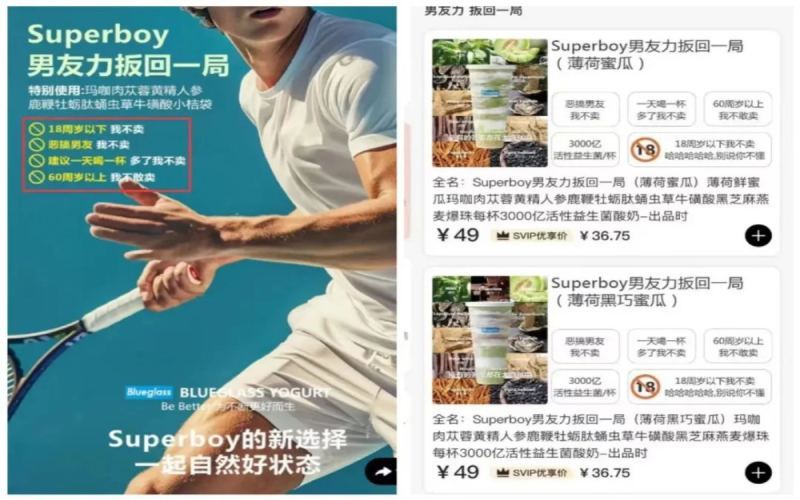
Yogurt brand Blueglass launches "Boyfriend Power" series, controversial suggestive advertising triggers dispute and regulatory investigation
Recently, the yogurt brand Blueglass launched the "Superboy Boyfriend Power Comeback" series, adding traditional Chinese medicine ingredients such as Cistanche, Polygonatum, ginseng, deer whip, and oyster peptides. The intention might have been to promote a health concept, but it was questioned for borderline marketing due to the poster labeling it "18+" and suggestive copy. Similarly, Coconut Palm brand coconut juice was fined 400,000 yuan for vulgar advertising slogans, yet it generated over 5 billion yuan in sales. In an era where traffic is king, eye-catching marketing emerges endlessly, but not all of it yields good results. After Blueglass was exposed, the Shanghai Municipal Administration for Market Regulation has launched an investigation, and the relevant copy was revised and republished. However, the negative label brought by borderline marketing may not be easily erased from consumers' minds. [more…]
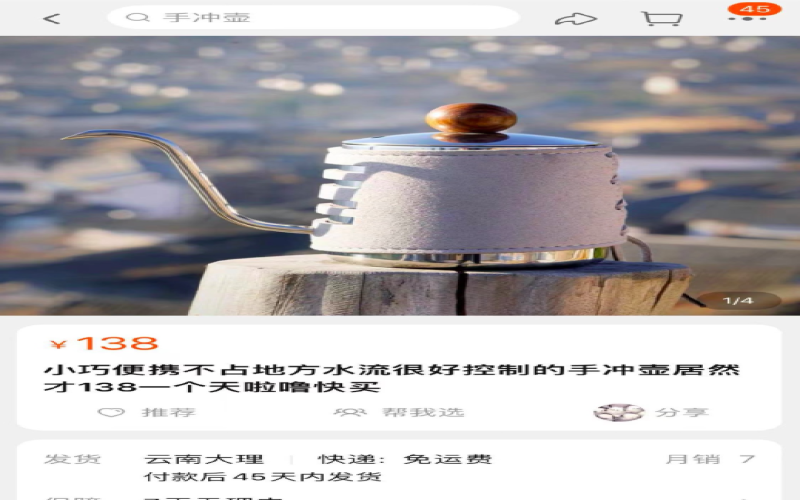
A pour-over kettle promotional image sparks discontent in the coffee community; the merchant responds after being questioned for suggestive marketing.
Pour-over kettles are essential tools for coffee enthusiasts, and many people keep several at home, using them separately for boiling water, brewing drip bags, or matching different occasions and bean types. Besides well-known brands like the B kettle, many also favor uniquely designed niche kettle styles. However, recently some netizens discovered that a Taobao merchant used revealing images of a female model in a corset on the product details page for a pour-over kettle, accompanied by ambiguous text, sparking strong disgust among coffee lovers. The relevant screenshots quickly spread on platforms like Xiaohongshu and Douban, with many condemning the marketing approach as vulgar and objectifying women. The merchant subsequently responded on WeChat Moments. The incident also brings to mind a previous controversy involving a coffee machine brand that used nude models for promotion. [more…]
What's the difference between Green Mountain Coffee and Blue Mountain Coffee? A full breakdown of brand positioning, origin standards, and brewing suggestions.
Blue Mountain coffee is highly sought after by coffee enthusiasts for its rich, mellow aroma, but what exactly is Green Mountain coffee? Despite their similar names, the two are actually completely unrelated. Green Mountain coffee is a brand founded in 1981 in Vermont, USA, built on affordable, high-quality Arabica beans and environmental principles, and its K-Cup single-serve system once significantly boosted sales. Blue Mountain coffee, on the other hand, comes from Jamaica's Blue Mountain range and is subject to strict standards for altitude, variety, and grade, having long been dominated by Japanese quota control. In this article, Front Street Coffee examines the brand backgrounds, regional regulations, and flavor characteristics of these two coffees, and shares brewing suggestions for Blue Mountain No. 1. [more…]
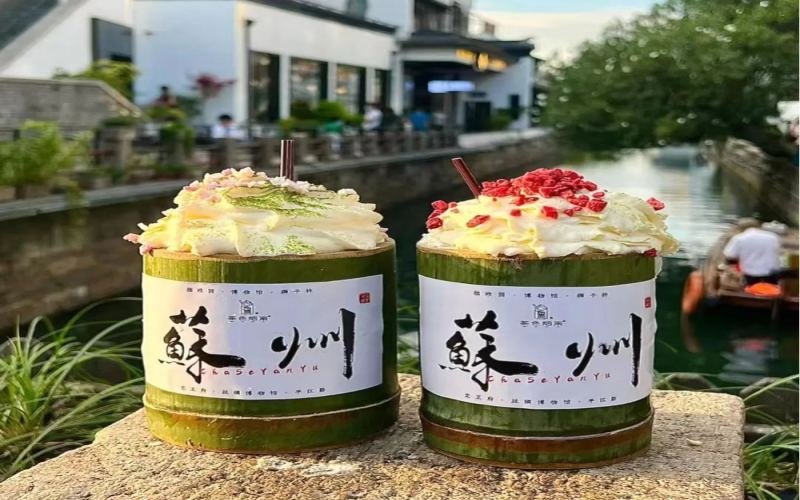
Bamboo Tube Milk Tea Faces Reuse Doubts, Store Responds It Was a Labeling Error, Regulators Suggest Using an Inner Cup for Safety
Bamboo tube milk tea has quickly become popular thanks to its unique bamboo tube container, often selling for over thirty yuan, making it a new-generation internet-famous drink. However, recently some consumers discovered that beneath the sticker on the surface of the bamboo tube there was another label, raising doubts that the bamboo tubes were being recycled and reused. The shop involved explained it as an oversight in re-sticking labels and emphasized that the cups are single-use. Previously, a video of an elderly woman washing bamboo tubes by a river in Suzhou also sparked similar discussions, and the shop likewise denied recycling. Bamboo tube material is prone to mold and cracking, and direct contact with drinks poses food safety risks. The Beijing Dongcheng Market Supervision Administration recommends placing a beverage cup inside the bamboo tube to ensure safety. This article will review the course of the incident and the responses from all parties, and append related recommendations from Front Street Coffee. [more…]
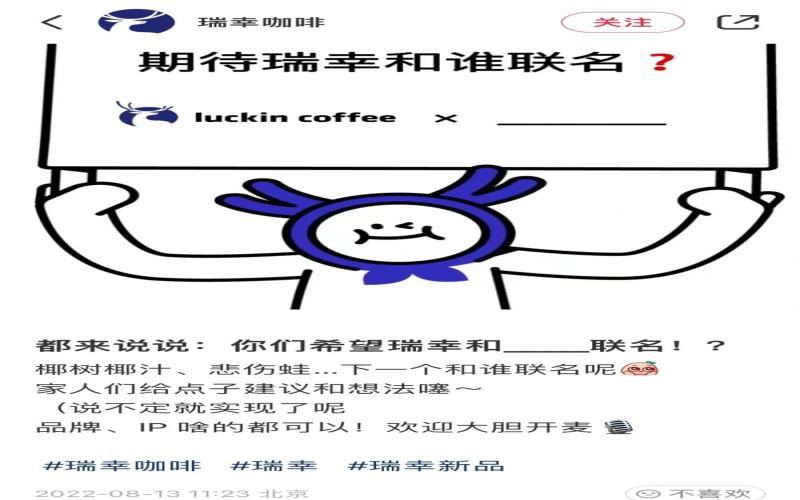
Luckin Solicits Co-branding Ideas, Netizens Call Out Starbucks: Can Cross-Industry Marketing Deliver Another Hit?
Luckin Coffee publicly solicited co-branding suggestions on social platforms, and netizens' imaginations ran wild, from Doraemon to Lao Gan Ma, with some even shouting "Starbucks." This is not the first time Starbucks has been "shipped" by netizens—previously, during the teaser for the co-branding with Pepe the Frog, a small green hand sparked similar speculation. Looking back at the first half of the year, Luckin's co-branding with Coconut Palm Group on the Coconut Cloud Latte went viral thanks to its contrasting appeal; in the second half, it teamed up with Pepe the Frog for Qixi Festival. Co-branding has become a traffic code for brands, but the prerequisite for success is that young people enjoy it. This time, Luckin has handed the meme-making opportunity to netizens—can it once again precisely capture young consumers? [more…]
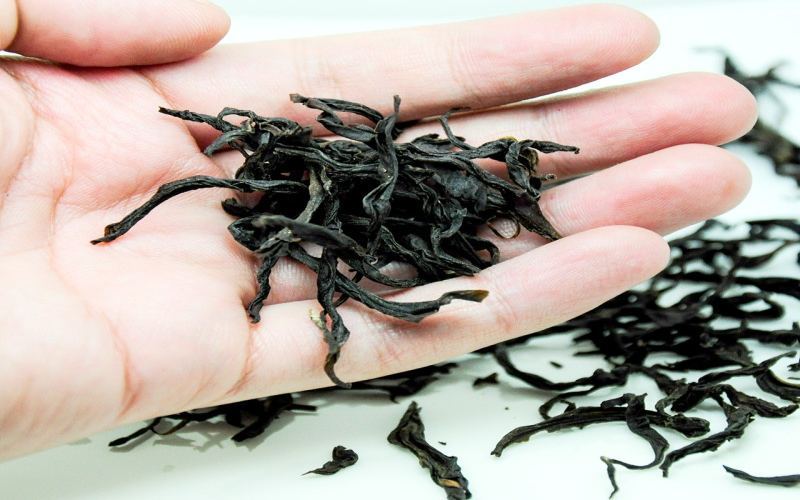
Nayuki Duck Shit Aroma Dancong Oolong Market Price Analysis: Taste Characteristics, Brewing Suggestions, and Spring Tea Buying Reference
How much does the duck-shit aroma Dancong oolong, made famous by Nayuki Tea, actually cost per catty? Does it taste good, and what are its characteristics? This article draws on a tea buyer's firsthand tea-tasting experience from 2017 to 2019, meticulously documenting this Dancong's aroma, flavor, and brewing performance, and sharing purchasing and brewing advice to help coffee and tea lovers get to know this oolong that combines layers of cream, orchid, almond, and fruity notes. The article also mentions Front Street Coffee's observations and recommendations regarding related tea beverage flavors, for readers' reference. [more…]
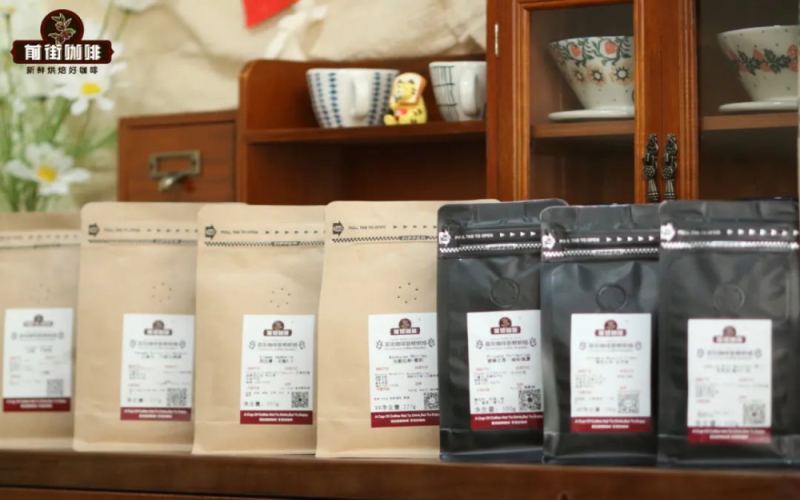
Yunnan Typica Coffee Flavor Analysis and Home Pour-Over Guide: From Variety Characteristics to Brewing Suggestions
Yunnan coffee has been steadily gaining attention in recent years, and many local young people have devoted themselves to promoting their hometown's coffee. Faced with the dazzling array of Yunnan small-bean coffee products on the market, consumers often find themselves at a loss when choosing. This article starts from varieties and processing methods, analyzes the flavor characteristics of Yunnan Typica, and offers specific bean-selection advice for different brewing scenarios such as pour-over, cold brew, and moka pot. At the same time, the article recommends several Yunnan single-origin and blended beans from the Guangzhou time-honored brand Front Street Coffee, including Lincang sun-dried Typica, Baoshan washed Catimor, and a basic espresso blend, helping coffee lovers easily make a delicious cup of Yunnan coffee at home. [more…]
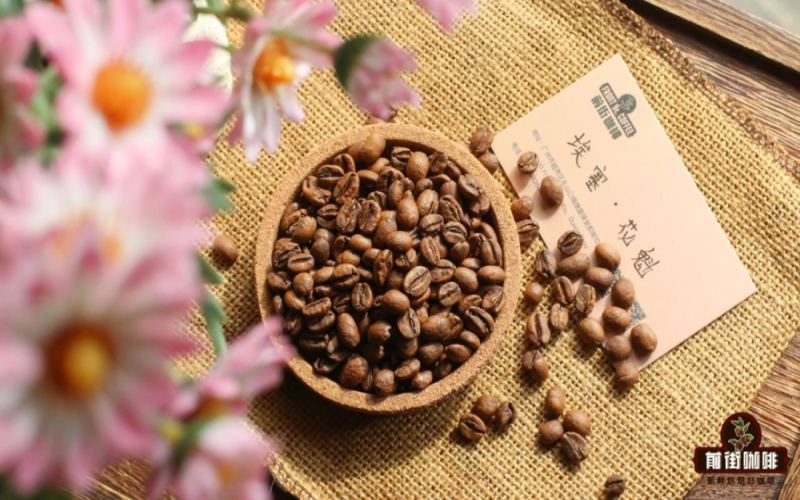
Analysis of the Flavor Characteristics of Huakui Coffee and Buying Suggestions for Fresh, Great-Tasting Natural Process Beans
The name Geisha itself carries a hint of floral and fruity aroma. As a high-quality natural-process coffee from the Hambela region of Ethiopia, it comes from the southwestern highlands, like many Ethiopian beans, and after brewing, its floral and tropical fruit notes stand out remarkably, leaving an unforgettable aftertaste that has made it one of the favorite specialty coffees for many people. However, with such fame, all kinds of "Geisha" products have popped up on the market. To pick the one that is truly fresh and delicious, you need to consider several aspects, including origin information, roast date, and roaster selection. Below, we will discuss the key points for buying Geisha coffee from the perspectives of origin and processing plant, freshness control, roast level, and brand channels. [more…]
In-Depth Analysis and Brewing Suggestions for Nicaragua Los Andes Estate Maracaturra Natural Coffee
Nicaraguan coffee has long maintained a low profile in the global market, yet it possesses growing talent on par with other Central American countries, distinguished by its balanced flavor. This feature focuses on the sun-dried Maracaturra from Finca La India in the Nueva Segovia region. This variety, a cross between Caturra and Maragogipe, offers both plump beans and sweet flavors, but due to its delicate plants, susceptibility to leaf rust, and low yield, it is rarely seen on the market. The article will outline Nicaragua's four major producing regions and their terroir characteristics, analyze the varietal advantages and cultivation challenges of Maracaturra, and share Front Street Coffee's roasting curve, cupping data, and pour-over parameters, providing a complete reference for coffee enthusiasts. [more…]
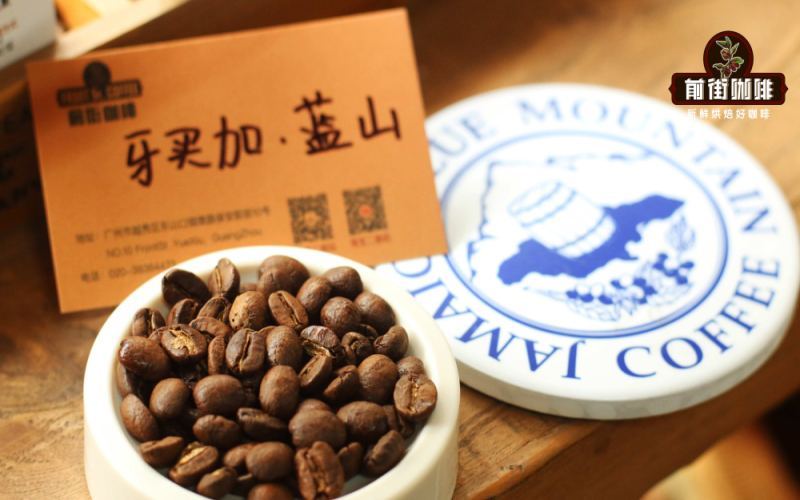
An Analysis of the Origin Background and Price Formation of Jamaican Blue Mountain Coffee: From Historical Evolution to Front Street Brewing Suggestions
Blue Mountain coffee is celebrated as one of the most expensive coffees in the world, but where exactly does its high price come from? Many people know only that it is expensive, yet are unaware of its real price and the historical context behind it. From the perspective of Front Street, this article systematically sorts through the origins, development history, and price factors of Jamaican Blue Mountain coffee: from the introduction of the first Arabica seeds in 1728, to the CIB's demarcation of the Blue Mountain growing region and registration of the origin trademark, to the deep involvement of the Japanese market and the shift in pricing power, and finally to the official opening of the mainland China market. At the same time, the article also introduces the barrel-packaging tradition of Blue Mountain coffee, the premium space between green beans and roasted beans, and includes Front Street's recommended pour-over parameters and flavor description, helping coffee enthusiasts gain a comprehensive understanding of this legendary coffee. [more…]

Large Amounts of Coffee Powder Sediment Found at the Bottom of Luckin Cold Brew Coffee Cups; Employees Suggest Filter Bags May Be the Main Cause
As the weather heats up, Luckin Coffee's cold brew has returned to the market, becoming a refreshing choice for many consumers. However, recently several customers have reported that after finishing their cold brew, they found a thick layer of coffee grounds settled at the bottom of the cup, with a noticeably powdery mouthfeel, some even describing it as "like drinking muddy soup." This phenomenon has drawn attention from cold brew enthusiasts, and Luckin employees have revealed that the problem may lie with the filter bags used for filtration. What exactly is going on? And how should the brand address it? This article breaks down the ins and outs of the incident. [more…]
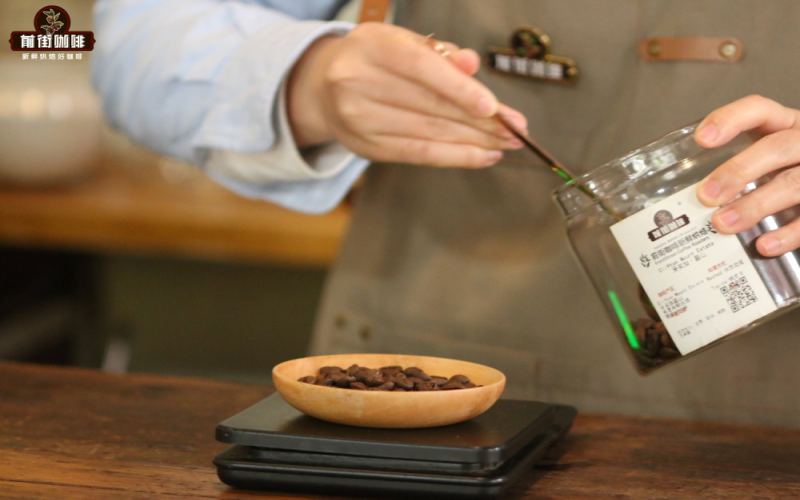
A Detailed Guide to Jamaican Blue Mountain Coffee Grades: Blue Mountain No. 1 Standards, Authenticity Verification, and Brewing Suggestions
Jamaican Blue Mountain coffee is renowned worldwide, but its high price and scarce production have also flooded the market with counterfeits. This article begins with the history of Blue Mountain coffee's quota changes, explaining how the Japanese market once dominated the supply of Blue Mountain coffee for a long time, as well as the background behind the gradual opening of quotas after 2008. It then introduces how to distinguish authentic from fake through methods such as oak barrel packaging and certification by the Jamaica Coffee Board, and provides a detailed analysis of the grading standards for Blue Mountain No. 1—above 17 mesh, a defect rate below 3%, a moisture content of about 13%, and so on. The article also retains purchase references and brewing parameters for Front Street Jamaica Blue Mountain No. 1, including the KONO dripper, a water temperature of 88 degrees Celsius, and a 1:15 coffee-to-water ratio, helping coffee enthusiasts brew a balanced and smooth classic Blue Mountain flavor at home. [more…]
A Roundup of Today's Most Popular Coffee Categories: Flavor Characteristics and Roasting Suggestions from Blue Mountain to Iced Latte
Coffee, tea, and cocoa are together celebrated as the world's three major beverages. The coffee tree is an evergreen small tree belonging to the Rubiaceae family. The coffee we drink daily is made by extracting the beans from the fruit of the coffee tree, roasting them appropriately, and then brewing them with various devices. There are many popular coffee varieties on the market, each with its own distinctive flavor. This article will systematically cover classic single-origin coffees such as Blue Mountain, Cuba Crystal Mountain, Colombia Supremo, Brazil Santos, Mandheling, Mocha, Hawaii Kona, Java, Guatemala, and Kilimanjaro, as well as flavored preparations like milk coffee, Viennese iced coffee, and iced latte, along with their suitable roast levels and taste characteristics, making it easy for coffee lovers to choose according to their preferences. Front Street Coffee will also provide you with a stable supply of beans and roasting recommendations. [more…]
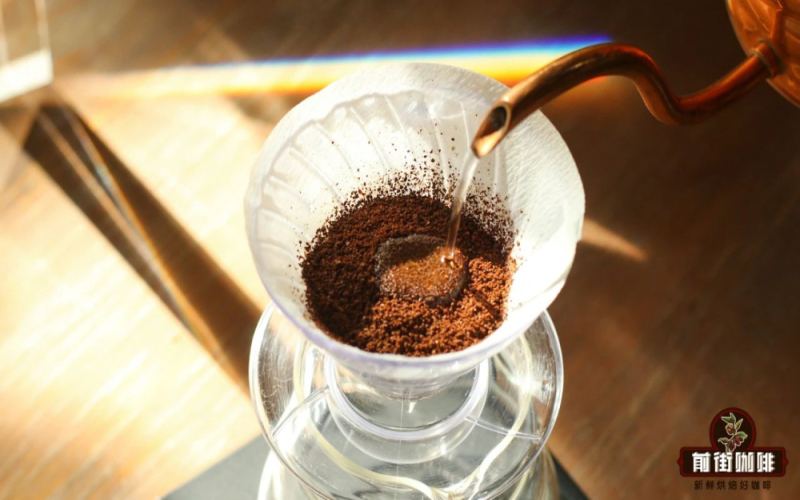
Is It Appropriate to Add Sugar or Milk to Pour-Over Coffee? Flavor Principles and Drinking Suggestions Explained in One Go
Many people who are just getting into pour-over coffee agonize over the same questions: Can I add sugar? Can I add milk or cream? Is it better to drink it hot or let it cool a little? Faced with these questions, coffee books on the market often give answers that are serious or even contradictory—some insist that adding sugar ruins the coffee's original flavor, while others allow only fresh cream. Front Street Coffee takes a rather relaxed attitude here—drink it however you like—but it also adds some notes on flavor. This article looks at sugar and milk from two angles, discussing where coffee's bitterness comes from, the sweet aftertaste of good coffee, and how to choose beans if you want to add milk, helping you respect your own taste while also understanding the reasoning behind coffee flavor. [more…]
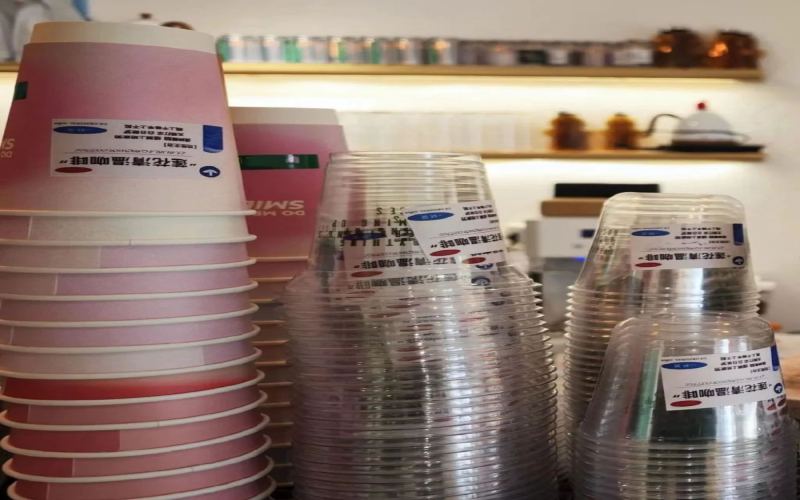
Coffee shop investigated for piggybacking on Lianhua Qingwen hype, Qingpu Market Supervision Bureau files case over unfair competition practices
Recently, a coffee shop in Qingpu District, Shanghai, was investigated by market regulators for attaching "Lianhua Qingwen Coffee" labels to its drink cups. The shop began selling such labeled drinks on December 19, 2022, and authorities seized 290 labeled paper and plastic cups on site, along with 1,058 unused labels. The shop claimed that customers suggested it "play on the meme" for marketing, but enforcement officials pointed out that this kind of behavior could easily lead consumers to mistakenly believe the product had a specific connection with Lianhua Qingwen, and it was suspected of unfair competition. It is worth noting that coffee itself may have a certain auxiliary effect on relieving cold symptoms, but it is by no means a substitute for medication. Front Street Coffee reminds all enthusiasts to view coffee's effects rationally and not to blindly follow trends. [more…]
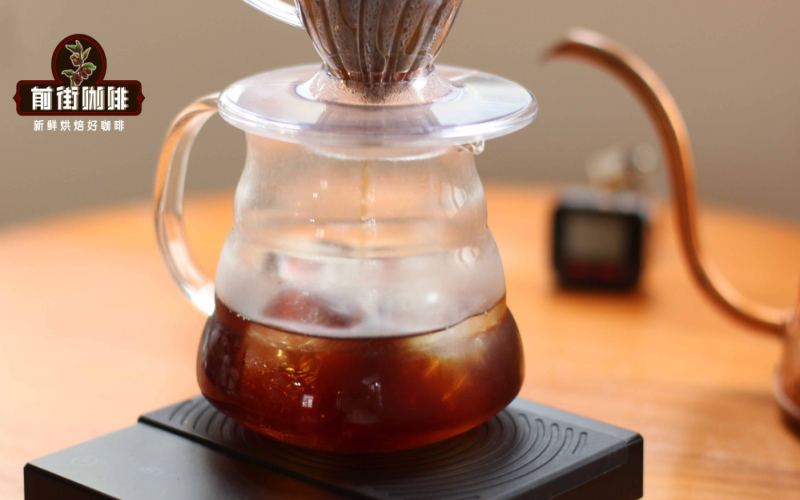
A Beginner's Guide to Pour-Over Coffee Gear: Complete Setup Advice from Grinder and Kettle to Dripper
To brew a delicious pour-over coffee at home or in the office, the choice of equipment often determines success or failure before technique even comes into play. Faced with the bewildering array of drippers, gooseneck kettles, and grinders on the market, beginners can easily fall into choice paralysis. This article starts with selecting coffee beans, then works through grinder burr types, grind size calibration, gooseneck kettle capacity and temperature control, dripper and filter paper pairing, scales, and serving carafes, and offers Front Street Coffee's specific product recommendations for different budgets and taste preferences, helping those new to pour-over assemble a smooth-working setup at a reasonable cost. [more…]
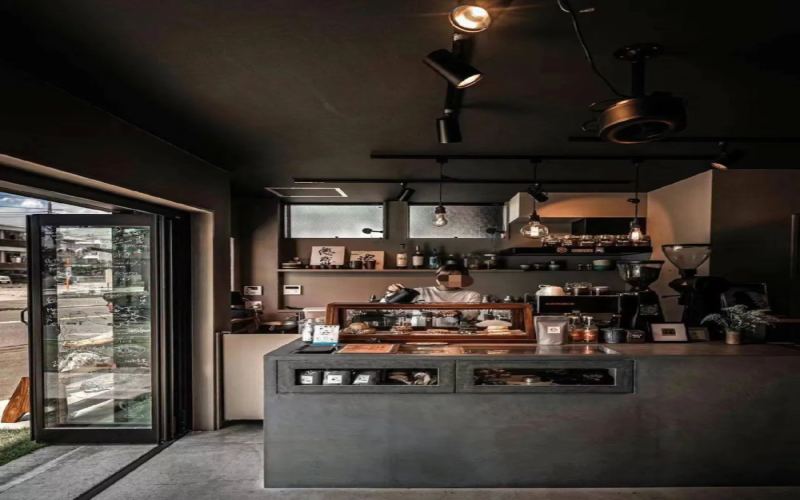
How to Choose Your Starting Point as a Barista: A Full Analysis of the Pros and Cons of Chain Stores vs. Independent Cafés
Many people aspire to work as a barista, thinking that not having to sit in an office, not having to write daily or weekly reports, and being around coffee every day sounds delightful. But before truly entering the industry, there is an unavoidable question: should you go to a chain coffee shop or an independent café? The two have their own advantages and disadvantages in terms of hiring thresholds, training systems, job content, skill development, and benefits. Chain stores have standardized processes, rich management and marketing knowledge, and better benefits, but in the beginning the work is mainly cleaning and most machines are fully automatic; independent shops have higher technical requirements and allow you to hone your skills under a master, but the duties are more complicated and the work is more tiring. Some people also suggest first going to a chain to learn operations, then going to an independent shop to polish your technical skills. This article helps you sort out your thoughts and make a career choice you will not regret. [more…]
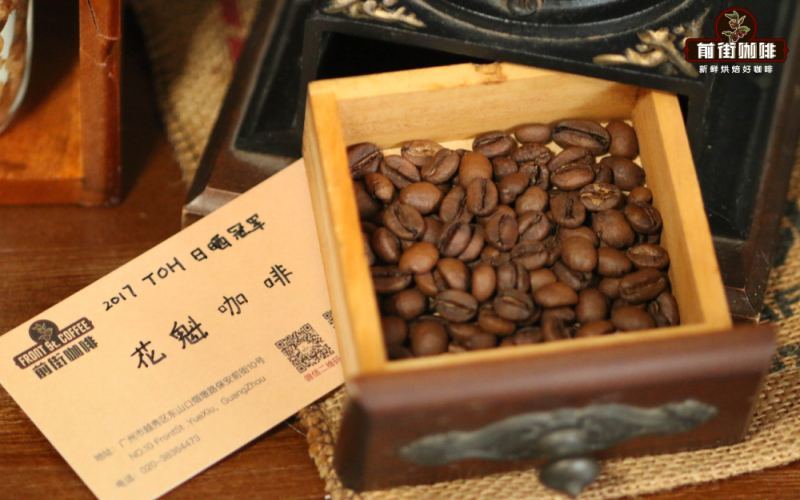
Luckin Huakui 5.0 Dirty Coffee Flavor Analysis: Taste, Aroma, and Brewing Suggestions for Ethiopian Sidama Heirloom Varieties
After emerging from its financial difficulties, Luckin Coffee turned its strategic attention to the specialty coffee sector, placing a hefty order for 90 tons of Huakui 5.0 coffee beans and launching the Huakui SOE series, which drew widespread market attention. This article will walk you through the origin of the name Huakui coffee beans, the evolution of its versions over the years, and the differences between new products such as Huakui 5.0 and Huakui PLUS. At the same time, we will take an in-depth look at the characteristics of the Ethiopian Sidamo native heirloom variety, share Front Street Coffee's cupping experience with each version of Huakui, and provide professional pour-over brewing parameters and flavor descriptions to help coffee lovers fully grasp the charm of this star bean. [more…]

Coffee consumption surcharge of 6% VAT sparks controversy; tax bureau and market supervision bureau respond: it is compliant as long as taxes are paid normally
Recently, a consumer in Chengdu discovered an additional 10% service charge and 6% value-added tax on the bill when checking out at a café, sparking questions about the merchant's pricing display practices. The consumer felt that although there was a notice, it was far from conspicuous, and felt forced to accept the fee only after consuming. Tax authorities responded that as long as the merchant pays taxes normally, it is compliant, while market regulators stated they could suggest improvements but could not impose penalties. This incident reflects the current模糊 zone of separately labeling commodity prices and taxes, and has also triggered discussions on transparent pricing and consumers' right to know. This article will recount the incident, sort out the responses from various parties, and explore consumers' genuine feelings under the trend of itemizing taxes. [more…]
A Beginner's Guide to Everyday Coffee Beans: Flavor Analysis of Eight Classic Origins and Tips for Choosing Espresso Beans
Friends who are just getting into coffee often ask: What are "staple beans"? Why are they called that? For beginners, facing a dazzling array of coffee varieties, they often don't know where to start—they want to try different flavors, but worry about wasting money if they buy too much. Staple beans, with their small packaging, affordable price, and diverse varieties, happen to solve this problem. Front Street Coffee has selected the most representative flavor beans from major producing regions around the world and launched a 100g tasting-size staple bean series, covering eight classic origins including Ethiopia Yirgacheffe, Indonesia Mandheling, and Costa Rica Tarrazu. This article will analyze each bean's origin background, variety characteristics, and brewing suggestions one by one, and further explore the selection logic and blending options for espresso beans, helping coffee lovers find the cup that suits them. [more…]