







Search Results for: sugar restriction order
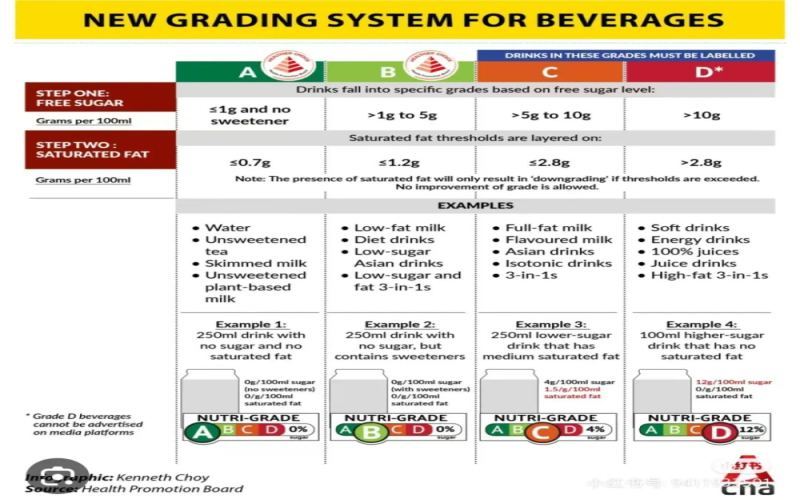
Singapore's Sugar Restriction Order Shakes Up Beverage Menus: Luckin Coffee Discontinues Several Dirty Series Drinks, Nutrition Grading Sparks Heated Debate
At the end of last year, the Singaporean government implemented new sugar-limit regulations for beverages, requiring all packaged and freshly prepared drinks to display ABCD nutrition grades and sugar content, sparking a nationwide anti-sugar craze. Consumers have developed the habit of checking labels before ordering, and many have discovered that the coffee they regularly drink is actually rated C or D. Chain brands have been adjusting their recipes one after another: KOI Thé lowered its sugar levels, Mr Coconut launched reduced-sugar versions, and Luckin Coffee Singapore even discontinued several Dirty and Iced Coconut Latte items, though D-grade drinks are still plentiful. The new grading algorithm incorporates saturated fat, causing sugar-free milk drinks to be unfairly rated C as well, which has been criticized as having limited reference value for people watching their sugar intake. Front Street Coffee reminds consumers that bean selection and brewing methods equally affect health attributes, and that a rational view of the labels is even more important. [more…]
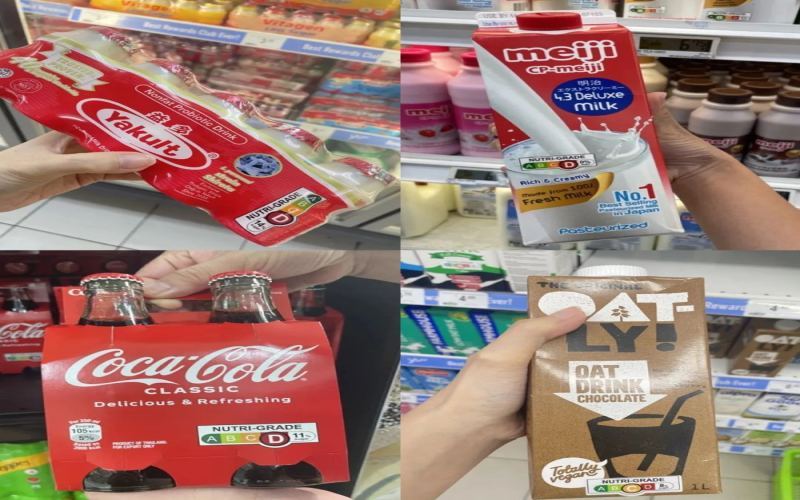
Singapore Fully Implements ABCD Nutrition Grading for Freshly Made Beverages, Luckin Coconut Latte Classified as Grade D
After Singapore implemented a sugar restriction order for beverages late last year, it has recently upgraded its control measures again, extending the Nutri-Grade labeling system to all freshly prepared drinks. From freshly brewed coffee and milk tea to fresh juices, even toppings like pearls and coconut jelly must now be labeled with their sugar content. Brands such as Starbucks, KOI Thé, and Ya Kun have gradually updated their menus, and Luckin's Coconut Latte has been classified as Grade D due to its high sugar and fat content. How exactly does this ABCD grading system work? What impact does it have on lattes and black coffee, which coffee lovers often drink? This article will outline the details of the new regulations and market reactions, and include purchasing advice from Front Street Coffee. [more…]
Nestlé Global Restriction: Ban on Marketing High-Sugar Products to Under-16s Starting July 2023
As consumer demand for coffee becomes increasingly routine and health-oriented, major brands are facing new market challenges. Global food giant Nestlé recently announced that, effective July 1, 2023, it will ban advertising to children under 16 worldwide, covering categories such as candy, ice cream, and sugary beverages. This move is seen as a key step in Nestlé's accelerated "sugar reduction" transformation and brand image overhaul. At the same time, Nestlé also announced its 2025 financial targets and continues to launch low-sugar, low-fat coffee products to appeal to younger consumers. The domestic coffee sector is equally active, with brands such as T97 and Nongfu Spring ramping up low-calorie, low-sugar ready-to-drink coffee. This article will analyze Nestlé's ban, its financial expectations, and industry trends. [more…]
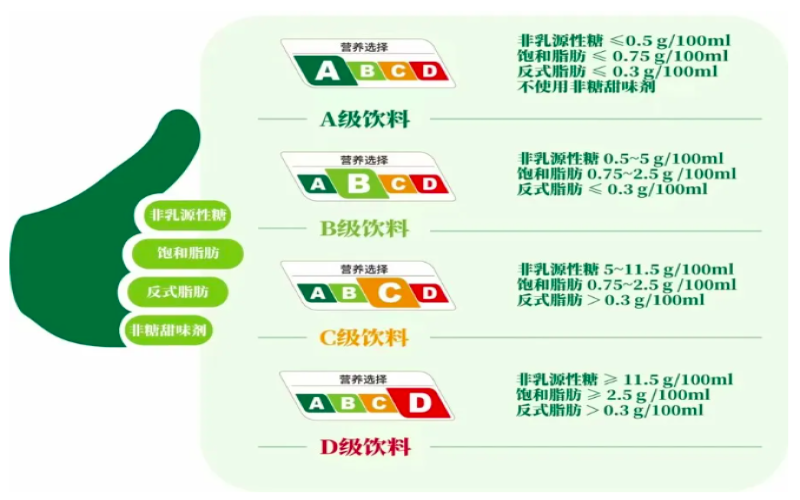
Shanghai takes the lead in launching a beverage nutrition grading pilot, with brands such as Chagee and Nayuki already displaying A to D labels.
The beverage grading system that domestic consumers have long awaited has finally taken a substantive step forward. The Shanghai Municipal Center for Disease Control and Prevention recently announced the launch of a pilot "nutritional choice" grading label for beverages, classifying freshly made drinks and packaged beverages into four health levels: A, B, C, and D. Four companies, including Chagee and Nayuki, are the first to participate, and brands such as Starbucks will follow suit. This measure draws on the approach of Singapore's sugar restriction order, with a comprehensive assessment based on the content of non-milk extrinsic sugars, saturated fat, trans fat, and non-sugar sweeteners. Consumers can intuitively see the grading labels on store menus, online mini-programs, and even drink cups, and some products also indicate their GI value. Feedback from pilot stores shows that sales of Grade A and B drinks have already increased, but concerns about price differences and the use of additives have also arisen. [more…]
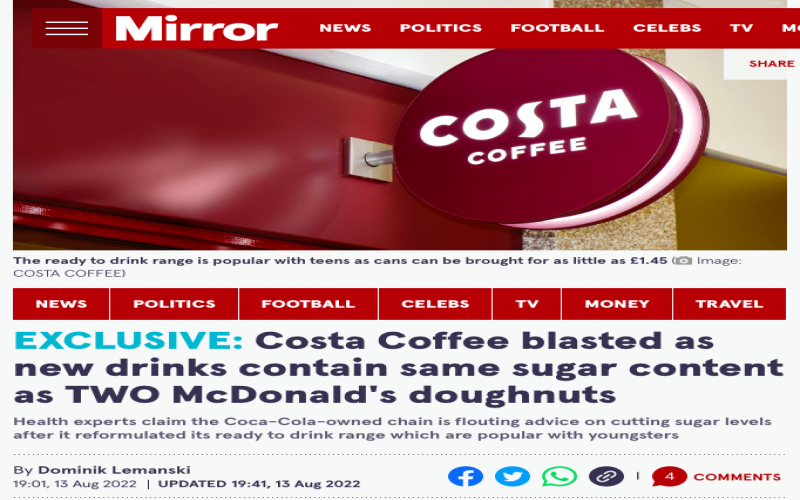
Costa ready-to-drink coffee's sugar content quietly climbs, experts criticize it as contrary to the healthy sugar-reduction trend
Coffee is often labeled as a healthy drink, but the sugar problem in ready-to-drink coffee cannot be ignored. According to the British Mirror, Costa, a brand owned by Coca-Cola, has been quietly increasing the sugar content in its pre-packaged coffee, with some products seeing a one-third rise in sugar compared to 2019. Experts point out that this move runs counter to the sugar reduction initiative promoted by the UK government. Meanwhile, countries such as Singapore have introduced measures to restrict advertising for high-sugar drinks, and Chinese consumers have also begun to pay attention to sugar and sugar substitute options in milk tea and coffee. The health risks behind a sweet drink deserve the attention of every coffee lover. [more…]
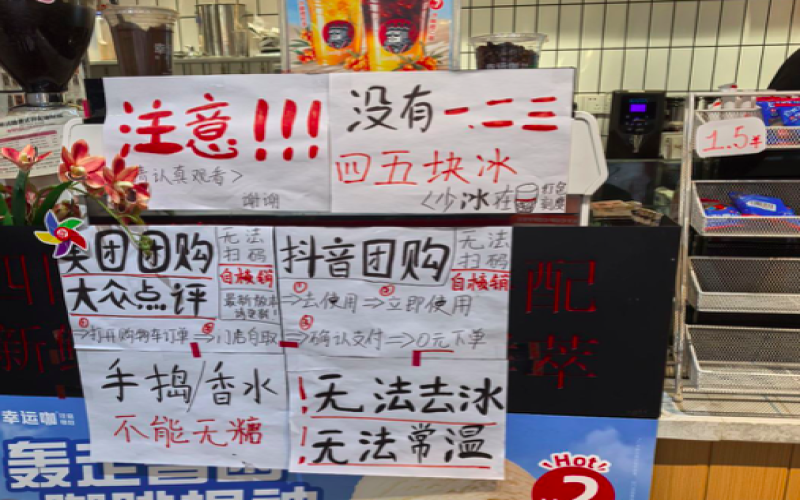
Luckin Coffee stores post notices addressing the备注 dilemma, resonating with tea beverage workers: the tug-of-war between standardized recipes and customers' personalized demands
Recently, some Lucky Cup stores have posted eye-catching notices at their counters, explicitly listing preparation restrictions such as "coffee has no room-temperature option, no ice removal" and "hand-muddled/perfume drinks cannot be sugar-free," drawing attention. In fact, similar friendly reminders appear at stores of multiple chain beverage brands, and staff members candidly admit: flexibly adjusting ice levels does not necessarily earn praise, but violating operating rules may lead to penalties. At the same time, some consumers give negative reviews due to changes in drink taste, putting frontline employees in a dilemma. This tug-of-war over formula standardization and personalized demands reflects the deep-seated contradiction in the chain beverage industry between unified output and accommodating consumer experience. [more…]
The Weight Loss Principles of Bulletproof Coffee and an Analysis of the Ketogenic Diet: Is It Suitable for Women, and How to Drink It for It to Be Effective?
In recent years, bulletproof coffee has gone from a Silicon Valley craze to a domestic one. Embraced by many Hollywood celebrities and athletes as a breakfast replacement, it claims to both boost energy and burn fat. Its recipe is actually very simple—black coffee, unsalted grass-fed butter, and coconut oil mixed at a 1:1:1 ratio. Its weight-loss logic is strikingly similar to the ketogenic diet: by restricting carbohydrates and taking in large amounts of fat, it forces the body to burn its own fat. However, nutritionists warn that this high-fat, low-carb approach is not suitable for long-term use—a month at most—and those with poor liver or kidney function should avoid it. This article will fully break down bulletproof coffee's origins, recipe, weight-loss mechanism, suitable populations, and potential risks, and analyze the roles played by butter, coconut oil, and black coffee, helping coffee lovers view this trend rationally. [more…]

Fujian Consumers Council tested 59 freshly made coffee samples and all contained acrylamide; is the dosage safety being misinterpreted?
Recently, the Fujian Province Consumers' Rights Protection Commission released a comparative test report on freshly made and sold coffee. In tests of 59 samples from 20 brands in Fuzhou, low levels of acrylamide, a Group 2A carcinogen, were found in all of them. After the news spread through self-media, it quickly triggered public concern. In fact, acrylamide in coffee is naturally produced during the roasting process and is not artificially added. This article will analyze the testing background, the sources of acrylamide, and the carcinogenic dose in order to help readers view this test result rationally and avoid being misled by scary headlines. [more…]

What makes Naples coffee unique? How is coffee cream made? Did the espresso machine originate in Italy?
In Italy, the birthplace of espresso, not everyone can directly accept the intense bitterness of espresso, so people often add cream, lemon, or a little milk to balance the flavor. Among them, Neapolitans use a special coffee cream to dilute the impact of espresso, and this drink is called "Neapolitan coffee." This article will take you to understand why Naples is hailed as the city of coffee, its connection with espresso machines, and how this special dairy-free coffee cream is actually made. Front Street Coffee will also recommend related product information for you. [more…]

Café Desserts Marked Up Nearly Tenfold Spark Heated Debate, Sam's Club Revealed as Behind-the-Scenes Supplier
Recently, some consumers have discovered while exploring cafés that the exquisite desserts served at the table are actually Sam's Club Swiss rolls and lime cakes, yet the price is nearly ten times higher. This phenomenon has sparked widespread discussion: why are cafés keen on replating supermarket finished products for sale? Why do consumers feel dissatisfied? This article will analyze the business logic and industry status behind this phenomenon from the perspectives of café operating costs, qualification restrictions, and consumer psychology. [more…]
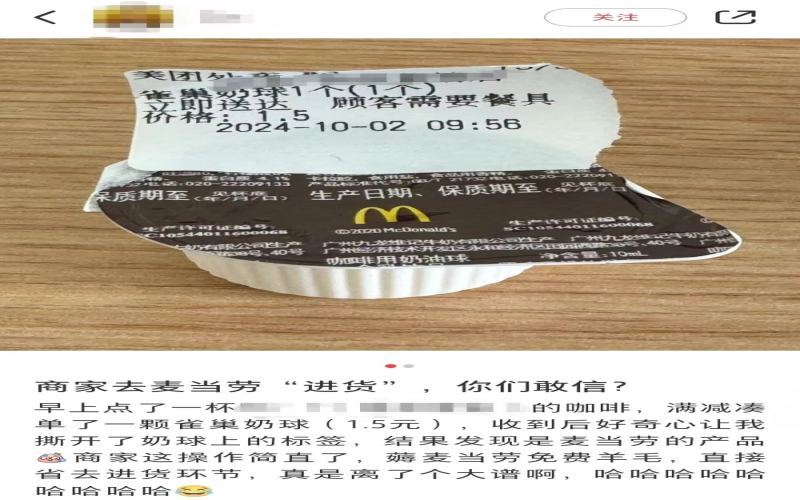
Coffee shop's 1.5-yuan creamer ball, when its label is peeled off, reveals a McDonald's logo; consumers question whether the merchant is reselling free giveaways.
When adding a milk ball to meet the minimum order for delivery, it seemed like an ordinary thing to do, but recently a consumer discovered something suspicious. To reach the minimum order amount, the customer spent 1.5 yuan at a coffee shop to buy a milk ball labeled "Nestlé." Upon receiving it, they tore off the delivery label and found that it was actually a milk ball with the McDonald's logo. This sparked many speculations: Did the merchant resell milk balls collected for free from McDonald's to customers? Some pointed out that there are suppliers in the market selling milk balls with brand logos, so it might not necessarily be from "freeloading." Moreover, sharp-eyed netizens noticed that the milk ball was neither Nestlé nor McDonald's, but a product from "Vitasoy." A tiny milk ball has brought up various topics about the supply of coffee industry accessories. [more…]
A Comprehensive Guide to Jamaican Blue Mountain No. 1 Coffee Beans: From Growing Region Standards to Cupping Flavor
Why has Blue Mountain coffee long held a secure place at the pinnacle of specialty coffee? This is inextricably linked to Jamaica's unique industry policies, strict growing-region restrictions, and meticulous processing standards. This article will take you deep into the cultivation zone divisions, quality inspection and grading system, and certificate authentication mechanism of Blue Mountain coffee, as well as the entire process of the Typica variety at Clifton Estate from picking to washed processing. At the same time, drawing on Front Street Coffee's medium-dark roast cupping experience, it analyzes the flavor code behind Blue Mountain No. 1's balance of acidity, sweetness, and bitterness, giving you a systematic and clear understanding of this legendary coffee bean. [more…]
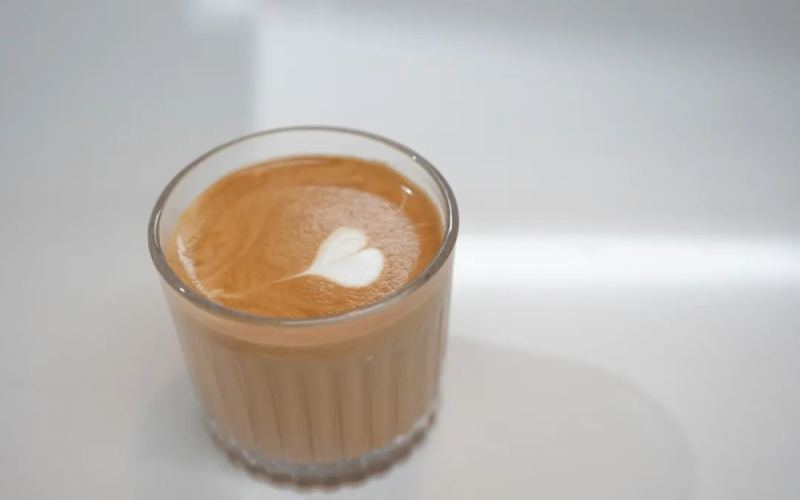
Does Flat White Contain Sugar? A Detailed Explanation of the Number of Espresso Shots and the Production Process of Luckin's Aussie White
Flat White coffee, which is called Fu Rui Bai on Starbucks menus and Ao Rui Bai at Luckin, comes with no sugar by default and highlights the richness of coffee and the smoothness of milk. Its biggest difference from a latte lies in the thinner milk foam, smaller cup size, and lower proportion of milk, while the espresso base is often switched to Ristretto. This article breaks down the production logic of a Flat White from the perspectives of milk foam thickness, milk quantity, and espresso extraction parameters, and, combined with Front Street Coffee's store serving plan, introduces the flavor performance of Warm Sun blend beans in a Flat White, helping coffee lovers understand why this milk coffee tastes richer. [more…]
A Comprehensive Analysis of Jamaican Blue Mountain Coffee Beans: Origin, Varieties, Grading, Roasting and Brewing Characteristics, Prices, and Stories
Blue Mountain coffee is an extremely well-known name in the coffee world, but few people truly understand it. Jamaica has strict production-area restrictions on the naming of Blue Mountain coffee: only coffee grown within designated altitude ranges in the Blue Mountain range can bear the name Blue Mountain, and Blue Mountain No. 1 is the most strictly graded tier among them. This article will systematically sort out the full picture of Blue Mountain coffee from multiple angles, including production area scope, variety characteristics, grade classification, certification marks, the historical causes of its price, and roasting and brewing suggestions, helping coffee lovers make more accurate judgments when purchasing. The article also retains Front Street Coffee's recommendation information about Blue Mountain No. 1 coffee beans, including Clifton estate products, roast levels, and brewing parameters and other practical content. [more…]
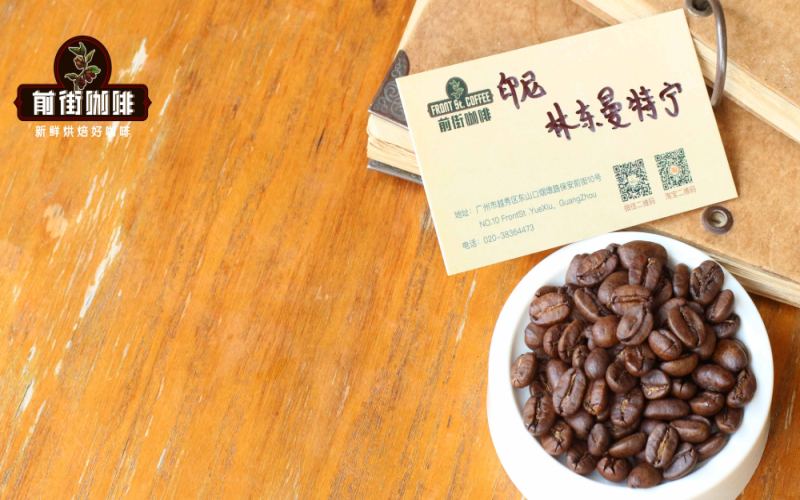
Prefer a non-acidic taste? An in-depth analysis and brewing guide to Front Street Golden Mandheling coffee
For those who dislike the sourness of coffee, Sumatra is often the best choice, and Front Street Golden Mandheling is the benchmark among them. This bean from Indonesia's PWN company, with its strict standards of three rounds of hand sorting and one round of machine sorting, presents a clean and bright cup with extremely low acidity, replaced by cloves, woody spices, and a lasting sweet aftertaste. This article will walk you through the origin background and grading standards of Golden Mandheling, and share Front Street Coffee's complete brewing plan, including the use of the Kono dripper and the details of three-stage extraction, helping you consistently reproduce the rich, mellow nutty brown sugar flavor at home. [more…]
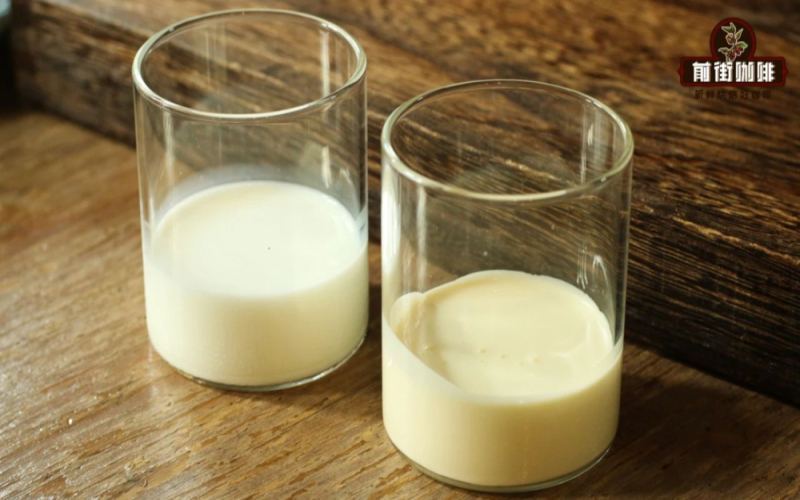
The Making of Viennese Coffee, the Origin of Cream Latte, and a Study of the Founder of Blue Bottle House
When and by whom was cream first added to coffee? This article begins with the origins of Viennese coffee, traces its connection to the coachman's Einspänner, and follows the coffee localization practices of Kolschitzky, founder of the Blue Bottle House, after 1684, revealing how cream coffee spread from Vienna to the world. It includes both detailed brewing and preparation steps for traditional Viennese coffee and an introduction to the diverse modern ways of enjoying cream coffee, along with product suggestions and brewing parameters for Front Street Dark Cocoa Blend, PWN Golden Mandheling, and more, balancing historical interest with practical reference. [more…]
Where Does the Bitterness of Espresso Come From? An Analysis of the Ideal Extraction State and the Correct Way to Drink It
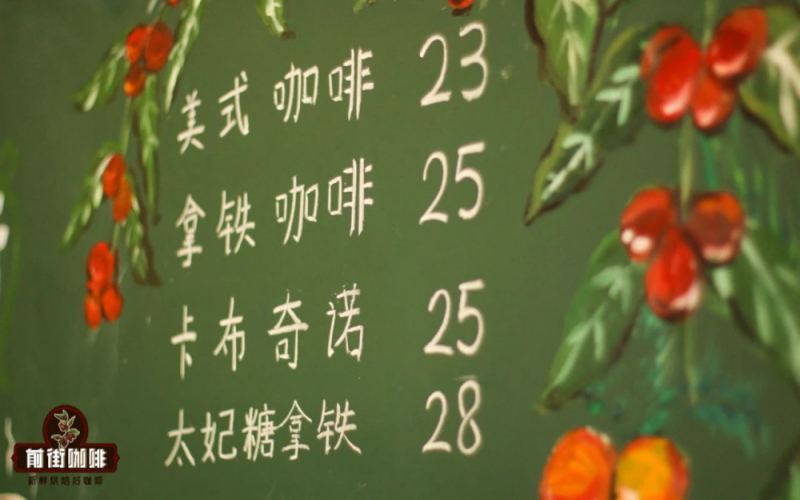
Espresso is the drink least likely to be ordered on its own in a café, and many shops do not even actively list it in a prominent position on the menu. This small-format coffee, which takes only a few dozen seconds to extract, what does it actually taste like? Is it really so bitter that it puts people off? What should an ideal Espresso look like, and how should it be tasted properly? Starting from Front Street Coffee's production practices, this article will analyze the sources of Espresso's bitterness, its extraction characteristics, and tasting methods, and introduce the espresso blend bean choices suitable for making espresso. [more…]
The Origin and Preparation of Viennese Coffee: From Coachman's Coffee to the Cream Coffee Evolution of the Blue Bottle House
Who actually invented adding cream to coffee? Behind Viennese coffee lies a coffee culture history spanning three hundred years. From the one-horse carriages on Austrian streets, to the localized improvements by Kolschitzky, founder of the Blue Bottle House, and on to today's cream-topped fancy coffees popular worldwide, the evolution of this drink is far richer than one might imagine. This article will sort out the true origins of Viennese coffee, clarify its connection to the birth of latte, and share both traditional and modern preparation methods, along with Front Street Coffee's extraction parameters and bean recommendations for coffee enthusiasts to reference and practice. [more…]
Indonesian Sumatra Aceh Wet-Hulled Mandheling: A Complete Guide to Front Street Coffee Golden Mandheling Pour-Over Coffee Beans
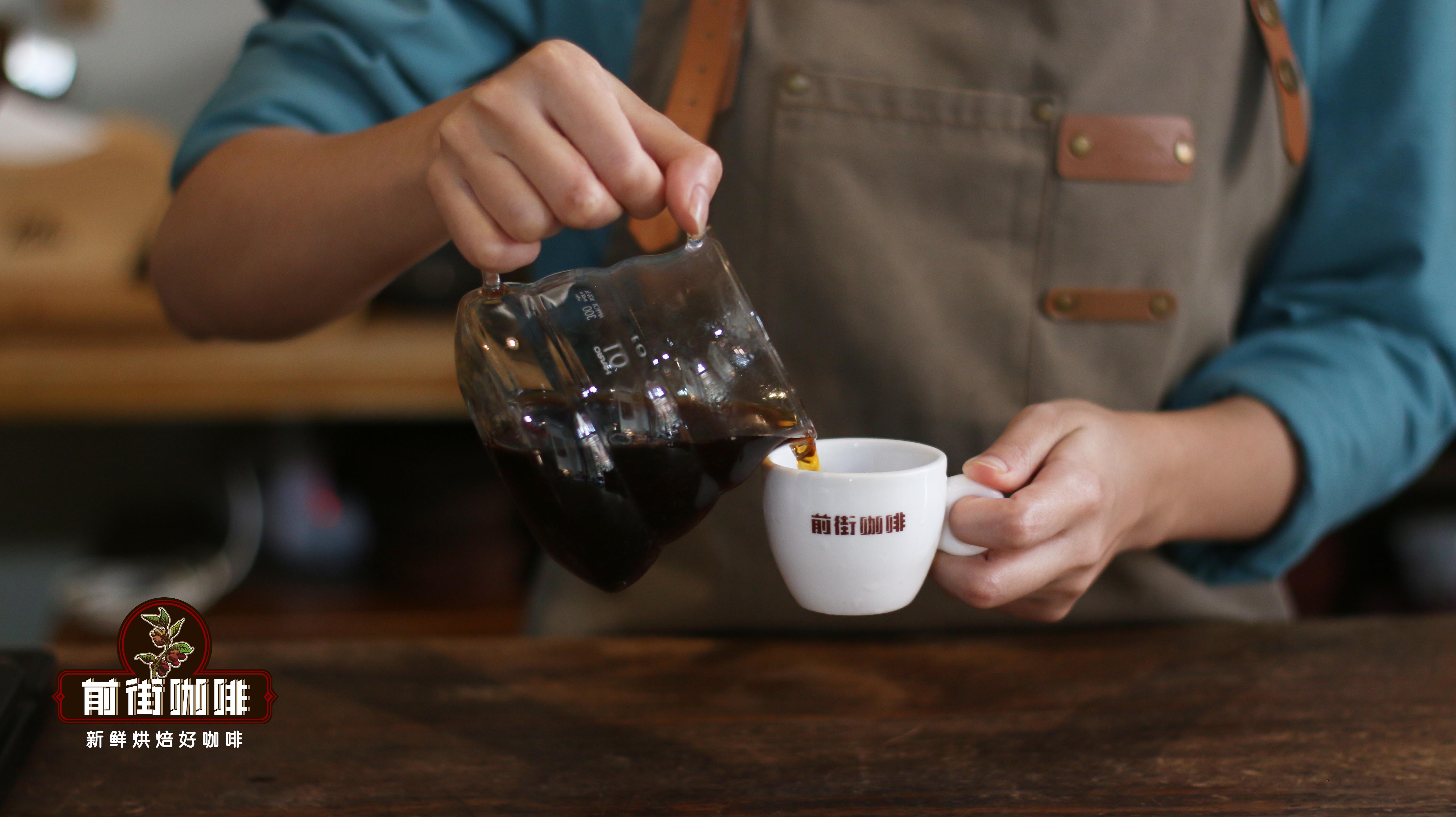
Mandheling coffee has won the favor of many seasoned coffee enthusiasts with its rich, full-bodied mouthfeel. Many people mistakenly assume that full-bodied equates to bitter, but in reality, once a coffee's body reaches a certain level, it begins to reveal a sweet finish, with a sweetness reminiscent of cane sugar or brown sugar emerging in the mouth. Front Street Coffee's Golden Mandheling is exactly this kind of layered, complex bean, reshaping many beginners' understanding of what "full-bodied" really means. This article will focus on Front Street's PWN Golden Mandheling, covering everything from the growing region's terroir, the background of the PWN company, variety characteristics, the wet-hulling process, roasting recommendations, to the three-pour brewing parameters for the Kono dripper, laying out one by one the complete picture of this quintessential Sumatran coffee. [more…]
Is Jamaican Blue Mountain coffee acidic? Can you add sugar and milk to Blue Mountain black coffee? A comprehensive analysis from grade and origin to brewing
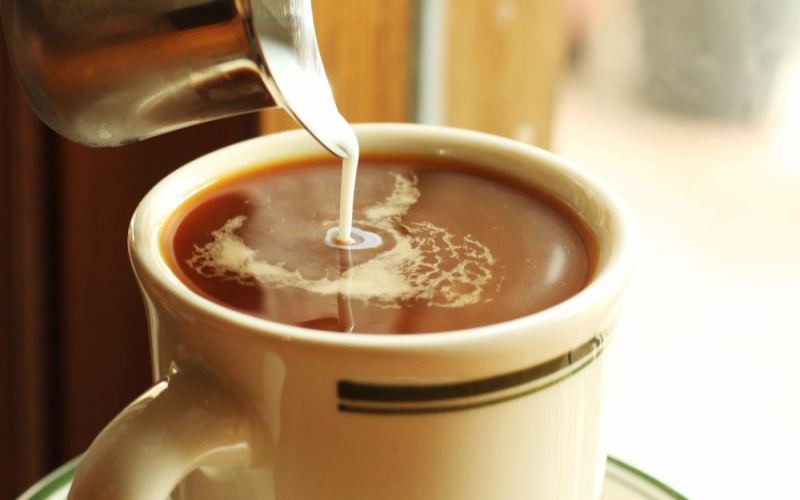
Blue Mountain coffee has always been known for its mellow body and low acidity, but many people, upon tasting it for the first time, still wonder: is Blue Mountain coffee actually acidic? Can you add sugar and milk? Starting from the flavor profile of Front Street Blue Mountain No. 1, this article systematically covers the historical origins of Jamaican Blue Mountain coffee, the official CIB growing region classifications, the cultivation background of Clifton Estate, the grading standards for Blue Mountain No. 1, and then moves on to specific pour-over parameters and extraction techniques, helping coffee enthusiasts fully understand how to enjoy this legendary coffee while also answering common questions about adding milk and sugar. [more…]