







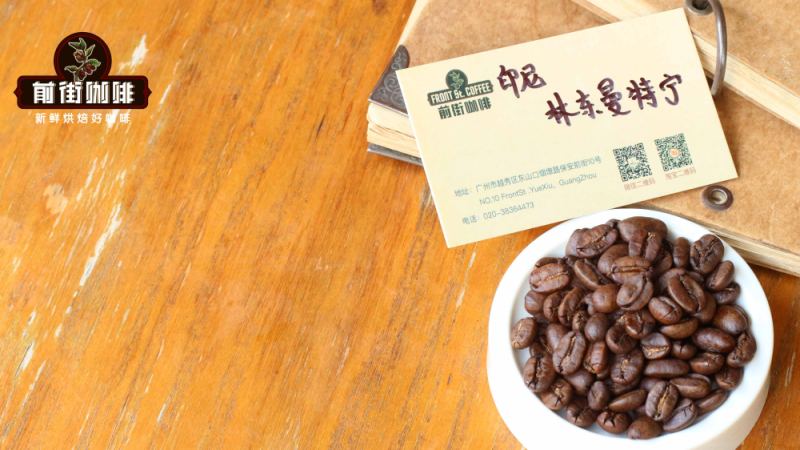
Why does Golden Mandheling coffee taste so low in acid?
Golden Mandheling coffee from Sumatra suits drinkers who dislike sourness. Acidity is nearly absent; clove, woody spice and herbal notes run through the cup, and the sweet finish is long. Expect aromas of glutinous rice, malt, caramel and wood in the dry fragrance, shifting to deep roasted caramel with a slight pine freshness once hot water is poured.
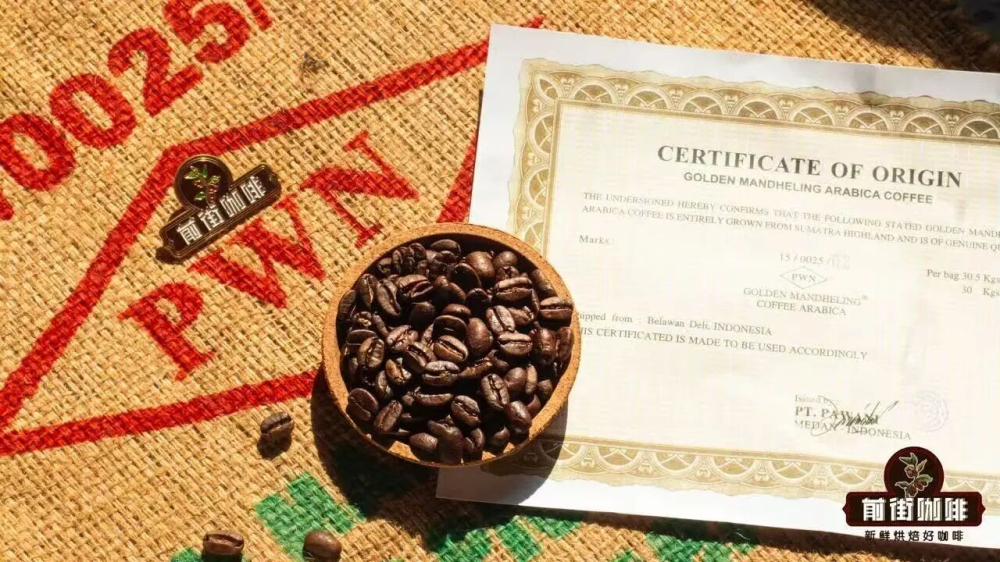
The bean comes from Indonesia's Pawani Coffee Company, or PWN, which holds the Golden Mandheling trademark. PWN buys Mandheling beans from surrounding areas and runs three rounds of hand sorting plus one mechanical screening, giving uniform beans and a clean roasted cup. Indonesian grading is based mainly on defect count, with moisture capped at 12.5% and impurities below 0.5%.
For those who dislike the sourness of coffee, the Sumatra region is often the best choice, and Front Street Golden Mandheling is the benchmark among them. This bean from Indonesia's PWN company, with its rigorous standards of three rounds of manual sorting and one round of mechanical selection, presents a clean and bright cup profile with extremely low acidity, replaced by clove, woody spice, and a lasting sweet finish. This article will guide you through the origin background and grading standards of Golden Mandheling, and share Front Street Coffee's complete brewing plan, including the use of the Kono dripper and the details of three-stage extraction, helping you consistently reproduce the rich, mellow nutty and brown sugar flavors at home.
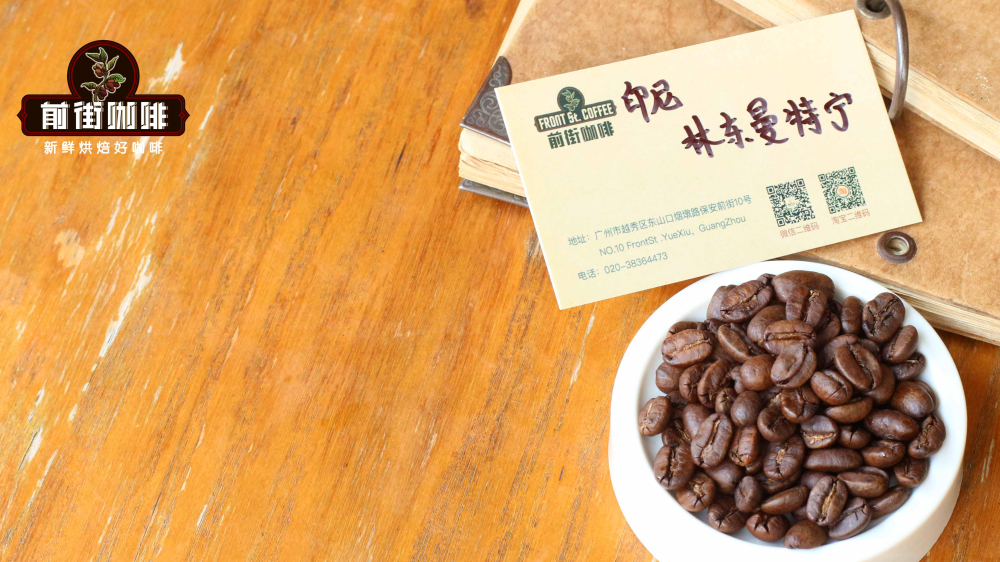
If someone asks which coffee doesn't taste sour, Front Street usually points to the Sumatra region and highlights the high-grade Front Street Golden Mandheling coffee.
Indonesian Sumatra Golden Mandheling presents aromas of glutinous rice, malt, spice, caramel, and wood in the dry fragrance stage. After pouring hot water, the wet aroma shifts to a deep roasted caramel tone with a slight pine wood freshness. When tasting, the impact on the palate is strong, with acidity almost negligible. Clove and woody aromas intertwine, spice and herbal flavors run throughout, and the sweet finish is intense and long-lasting.
Golden Mandheling comes from Indonesia's well-known coffee company Pawani Coffee Company, or PWN, which is also the holder of the Golden Mandheling trademark. PWN purchases Mandheling coffee beans from surrounding areas, then undergoes three rounds of manual hand sorting and one round of mechanical screening. The resulting Golden Mandheling beans have a uniform appearance and outstanding quality, and the cleanliness after roasting is therefore more prominent.
In fact, many merchants on the market sell large Indonesian beans under the name Golden Mandheling, which explains why this bean variety has limited production yet can be found everywhere.
The grading system for Indonesian green coffee beans is mainly based on the number of defect beans, with size as a secondary reference. Basic requirements include: no live insects, no moldy or putrid beans, maximum moisture content controlled within 12.5%, and impurity rate below 0.5%. A total of six grades are divided according to defect ratio, among which the highest grade G1 requires no more than 11 defect beans in a 300-gram sample. The Lintong Mandheling in Front Street's daily bean series belongs to G1, uses the wet-hulled process, and presents the classic Indonesian Mandheling style.
Another Golden Mandheling on Front Street's bean list is of a higher grade. Whether on the outside or inside of the burlap sack, it bears the PWN logo and certificate, with a specification of 18 mesh and above. The beans are dark green in color and regular flat beans in shape. Front Street Coffee (FrontStreet Coffee) found through cupping that the strictly screened Golden Mandheling removes the earthy miscellaneous flavors common in ordinary Mandheling, making the mouthfeel cleaner and brighter, with sweetness also noticeably enhanced.
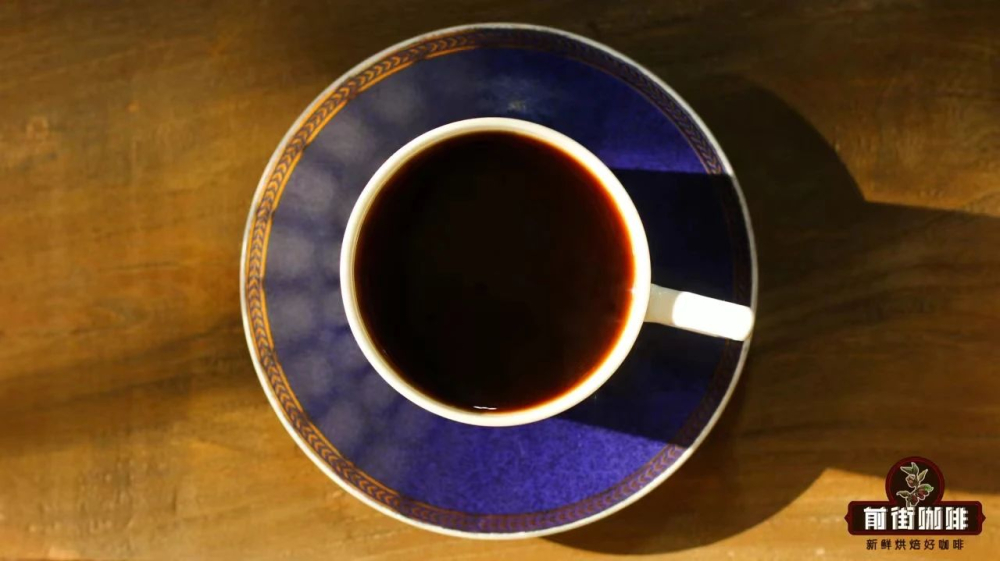
Front Street Coffee (FrontStreet Coffee)'s experience brewing Golden Mandheling coffee beans
Brewing parameters: Use Kono dripper Water temperature: 88°C Dose: 15 grams Bean-to-water ratio: 1:15 Grind size: medium-fine grind (70-75% passing rate on Chinese standard No. 20 sieve)
For coffee beans with a darker roast level, Front Street chooses the Kono dripper to brew in order to highlight the rich body. This dripper has an immersion function, which can extract more coffee flavor substances through immersion, thereby enhancing body. Its ribs are fewer in number and positioned lower, allowing the filter paper to adhere to the cup wall and restrict airflow. The water flow speed is therefore slowed down, and the contact time between water and grounds is extended.
Front Street Coffee (FrontStreet Coffee) uses staged extraction, that is, three-stage brewing: first bloom with 30 grams of water for 30 seconds, then pour in a small stream in a circular motion until 125 grams for one stage, and when the water level drops and is about to expose the coffee bed, continue pouring until 225 grams and stop. When the water level again drops to the point of almost exposing the coffee bed, remove the dripper. The total extraction time (starting timing from the bloom) falls between 2 minutes 05 seconds and 2 minutes 15 seconds.
Brewed flavor: spice, herbs, complex layers, mellow and clean, high balance, rich nutty and brown sugar aroma, with chocolate notes, and a long-lasting finish.
The above content is compiled by CoffeeHunters, a coffee news website.


