







Viennese Coffee: From Coachman's Drink to Cream Coffee
Viennese coffee, known locally as Einspänner or coachman's coffee, has a history rooted in nineteenth-century Austrian street life. Coachmen are said to have added cream to coffee to stay warm and prevent spills on bumpy rides. This practical invention evolved into a beloved drink, later refined by figures like Kulczycki of the Blue Bottle House, and remains a staple of coffee culture today.
For coffee enthusiasts, preparing Viennese coffee at home is straightforward. Start with a strong shot of espresso or moka pot coffee, then top it with a generous dollop of whipped cream. The cream should be lightly sweetened and softly whipped, not stiff. This creates a rich, smooth layer that balances the coffee's bitterness. Serve immediately in a pre-warmed cup to preserve the temperature and texture.
Who actually invented the idea of adding cream to coffee? Behind Viennese coffee lies a coffee culture history spanning three hundred years. From the one-horse carriage on Austrian streets, to the localization efforts of Blue Bottle House founder Kulczycki, to today's globally popular fancy cream coffees, the evolution of this drink is far richer than imagined. This article will sort out the true origins of Viennese coffee, clarify its connection to the birth of latte, and share both traditional and modern preparation methods, along with Front Street Coffee's extraction parameters and bean recommendations for coffee enthusiasts to reference and practice.
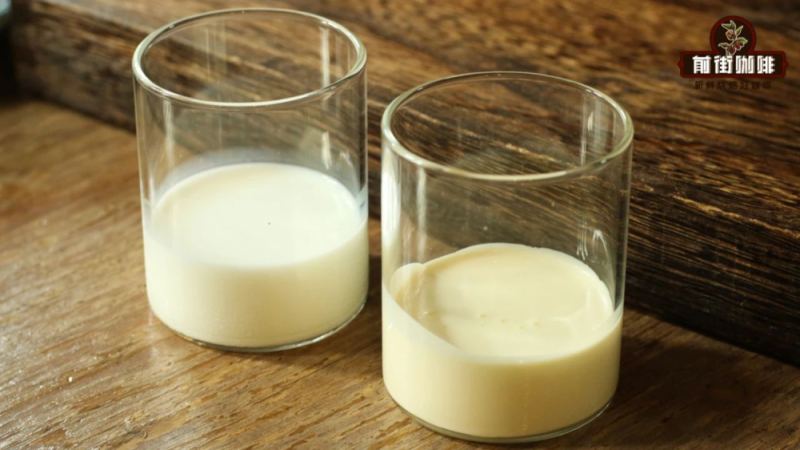
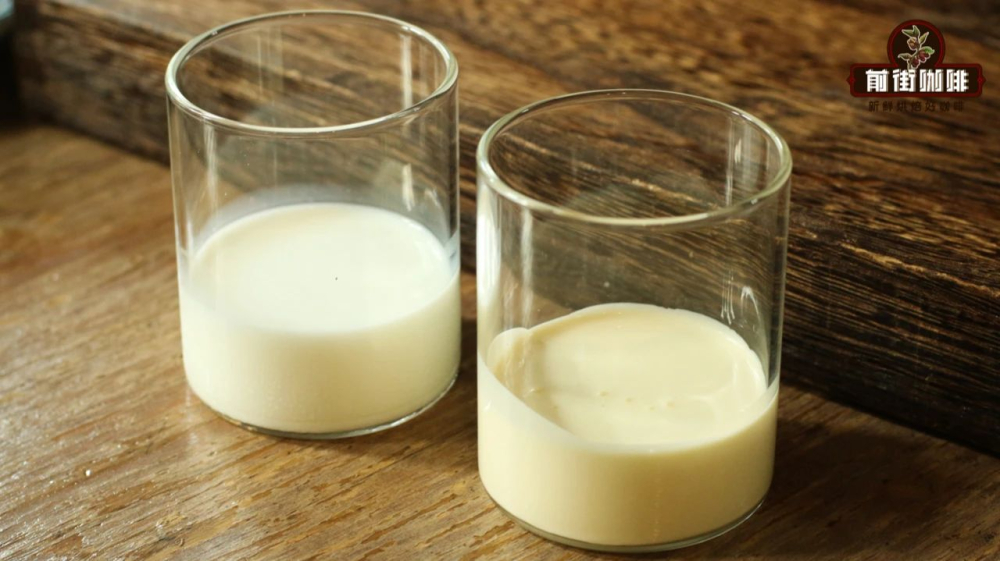
In coffee drink ingredients, cream occupies a unique position. It has both a dense, smooth texture and a soft milky aroma and sweetness, so it is often used to balance coffee's bitterness, enrich the drink's layers, and add a finishing touch.
For this reason, cream appears frequently in various coffee drinks. And the Viennese coffee that Front Street introduces today is precisely the iconic drink that first combined cream with coffee.
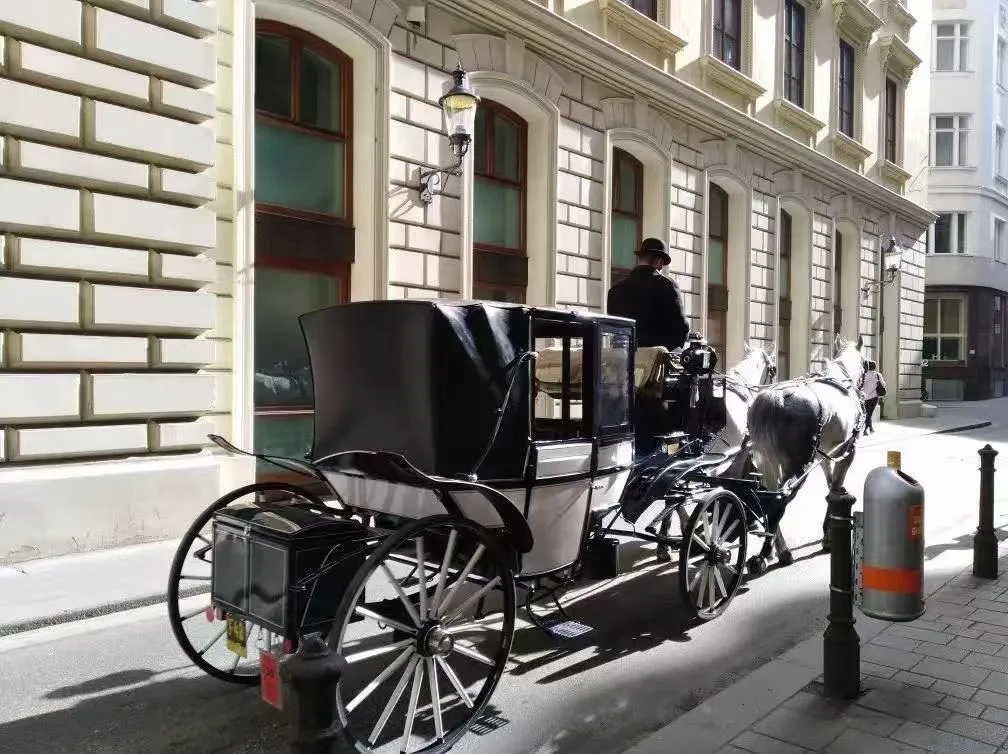
Although the name contains "Vienna," like many classic coffees, this drink does not appear on local café menus. However, this does not mean this coffee does not exist in Vienna itself—locals are simply more used to calling it by another name: Einspänner, meaning "one-horse carriage" or "coachman's coffee."
In German, Einspänner originally referred to a light carriage that could accommodate only one driver. From the nineteenth century to the early twentieth century, this mode of transport was extremely common in European cities and has now become a cultural symbol of Austria. Because the cabin was only large enough for the coachman alone, Einspänner gradually came to refer to the coachman profession as well.
From the name alone, one can see this coffee is inextricably linked to coachmen. And that is indeed the case. Search online for Viennese coffee, and you will see many origin stories related to it. Although versions vary and accounts differ, the protagonist of the story is always the coachman.
For example, one account says coachmen mixed cream into coffee to stay awake and stave off hunger on winter nights, thus creating this drink; another says cream was added to reduce coffee's fluidity and prevent it from spilling when the carriage jolted.

(Image from the internet)
In short, this coffee with cream is regarded as the product of coachmen's ingenuity, hence the name coachman's coffee. But according to materials Front Street has consulted, about two hundred years before coachmen invented this coffee, someone had already tried adding cream to coffee, and this person is probably familiar to everyone: the founder of Blue Bottle House, Kulczycki (Jerzy Franciszek Kulczycki).
In 1684, Kulczycki received a generous reward for rescuing besieged Vienna during the war, as well as coffee beans left behind after the Turkish defeat. With this funding and coffee beans, he opened the second café in history in Vienna—Blue Bottle House.
At first, Kulczycki made drinks the Turkish coffee way, that is, the method Front Street often mentions: put water and ground coffee into a pot and boil together, then pour both grounds and liquid into a cup to drink. However, Austrians simply could not accept this bitter, gritty black liquid. To cater to local tastes, Kulczycki then carried out a "localization" transformation of coffee.
He first filtered out the coffee grounds with a cloth filter bag, then added honey, milk, cream, and spices to neutralize coffee's bitterness. Thus the first-generation versions of "latte" and "cream coffee" were born, and coffee smoothly integrated into Austrians' daily lives.
Later, Blue Bottle House closed after Kulczycki's death, but the practice of adding various "seasonings" to coffee had long spread throughout Austria. For example, Café Tomaselli, which opened in Salzburg in 1703, attracted the musical prodigy Mozart almost daily with its cream coffee, and thus still stands more than three hundred years later, becoming the world's second-oldest café. Cream coffee has therefore become a signature drink tourists must order when visiting the shop.
(Image from the internet)
In summary, the history of Viennese coffee can be described as long-standing. All right, enough idle talk; next, Front Street will share the preparation methods for both traditional and modern cream coffees!
Traditional Viennese Coffee
The traditional Viennese coffee method is quite simple! According to materials Front Street has consulted, you only need to spread whipped cream on the surface of black coffee. If you want to be more particular, you can use a stemmed glass; those who dislike bitterness can also add granulated sugar or liqueur and other ingredients to the coffee to balance the bitter taste.
Since there are no restrictions on the black coffee, pour-over coffee, Americano made by diluting espresso with water, or Long Black can all work. To restore the classic flavor as much as possible, Front Street recommends using coffee beans with a darker roast and rich roasted aroma. First choice is Front Street Dark Cocoa Basic Blend—a 100% Arabica espresso bean composed of Yunnan small beans and Brazil Red Bourbon, with rich nutty aromas after extraction, very suitable for pairing with milk, toffee, cream, and other smooth-textured foods.
For black coffee with a unique taste, buy the single-origin Front Street PWN Golden Mandheling, with flavors of spices, herbs, baked bread, caramel, and dark chocolate.
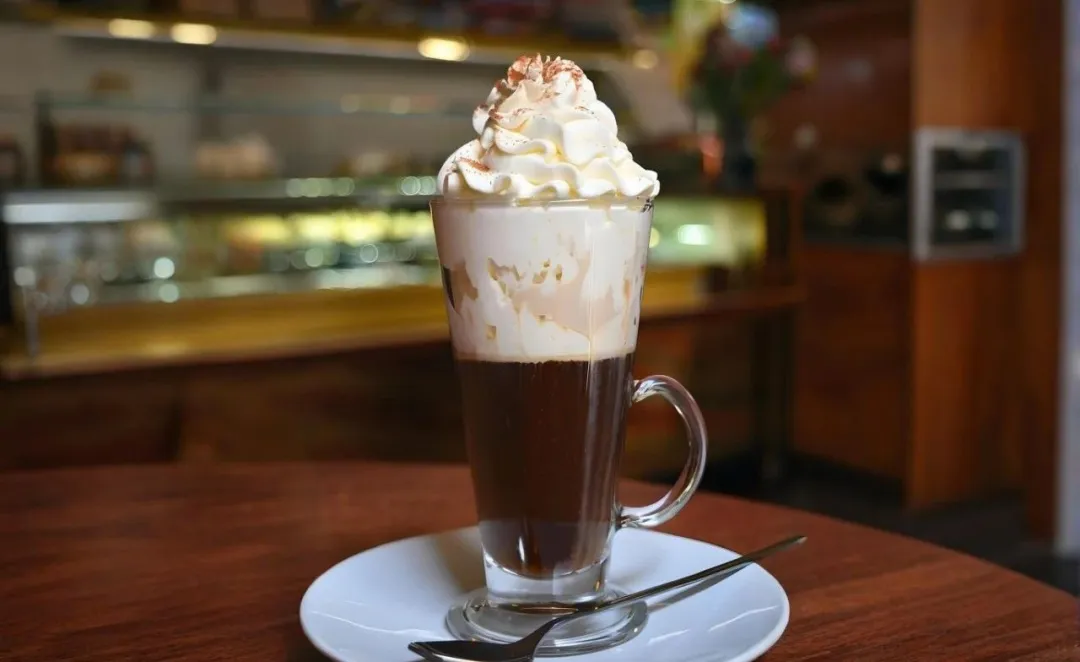
The traditional Viennese coffee preparation order is: first whip a portion of cream, then make a cup of pour-over coffee or Americano, and finally spread the whipped cream on the coffee's surface, and it is done.
Front Street's coffee extraction parameters are as follows (Front Street Golden Mandheling brewing parameters): 15g dose, 1:15 coffee-to-water ratio, 88°C water temperature, Ek43 grind setting 11, 75% passing rate on a No. 20 sieve, fine granulated sugar grind, Kono dripper, three-stage pouring method.
Since Front Street has already shared the brewing process many times, it will not be repeated here. After the coffee is brewed, you can add an appropriate amount of sugar to reduce bitterness, so that when drinking the cream and coffee together, the bitterness will not be amplified by too great a contrast. Finally, spread on the whipped cream, and a cup of traditional Viennese coffee is complete.
When drinking, you can first gently stir with a spoon or straw to let part of the cream blend with the coffee; the mouthfeel will be more comfortable.
Today's Viennese Coffee
Nowadays, supplies are no longer scarce, and coffee preparation methods have become much richer. For example, the base of Viennese coffee is no longer limited to black coffee; it can be milk coffee, mocha coffee, or various flavored milk coffees; the cream top also has more variations, and can be garnished with chocolate, crushed nuts, and other ingredients, or shaped into various designs by piping... In short, the possibilities are very high.
It is equally simple to make; just add cream to any iced coffee base. For example, if you want to make a toffee-flavored Viennese coffee, you can first make a toffee latte according to the original recipe, then spread whipped cream on the surface for decoration and shaping, and finally sprinkle on some cocoa nibs or crushed nuts to add layers. Very simple.
It is worth mentioning that since regular cream only tastes milky, it may seem slightly monotonous when tasted, so flavored syrup can be added during whipping to give the cream more character. For example, if you want vanilla flavor, add vanilla syrup; if you want caramel flavor, add caramel syrup... and so on! In short, as the saying goes, let your imagination run wild—the possibilities are very high.
The above content is compiled by CoffeeHunters, a coffee news website.


