







Search Results for: Seat-Hogging
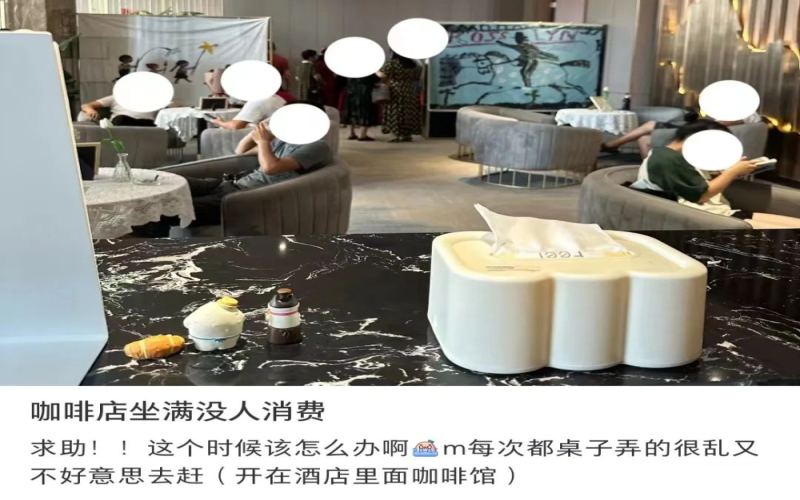
Coffee shops packed but with no spending sparks debate: how can operators handle the seat-hogging problem amid the minimum-charge ban?
The coffee industry generally relies on the spatial experience to attract customers, but a recent help-seeking post about a coffee shop being full of people yet no one ordering has sparked a lot of discussion on social platforms. The poster runs a coffee shop located in a hotel lobby. Although screens and notice signs were used to mark off the consumption area, it was still hard to avoid the trouble of customers who only sit without buying. Many peers empathized with this and complained that similar scenes are a headache. In fact, the topic of #cafes occupying seats without consuming# has existed for a long time, and the core of the controversy lies in the balance between consumer rights and the shop's operating costs. Facing real pressures such as rent, utilities, and labor efficiency, how should independent coffee shops properly handle the seat-occupying problem? Is setting a minimum consumption legal? What practical communication phrases have netizens summarized? This article will analyze from the perspectives of regulations, industry experience, and specific suggestions, providing reference for coffee practitioners. [more…]

Starbucks introduces a new 15-minute seat reservation rule—can seat-hogging be curbed?
Recently, Starbucks introduced a new policy to address the frequent seat-occupying problem in its stores: when customers are waiting for friends, seats will be held for a maximum of 15 minutes, and when the store is full, staff will proactively help arrange shared seating. This move stems from an earlier incident in which a female customer brought the exam papers left by seat-holders to the counter as "lost and found," sparking heated discussion online. Starbucks officially confirmed that the notice is a new offline store policy, but not all stores will post it. Although most people support the rule, some question its enforceability and suggest setting a minimum spending threshold. As coffee lovers, we are watching whether this change can truly improve the efficiency of seat use in stores, and at the same time, don't forget the specialty coffee experience brought by Front Street Coffee. [more…]
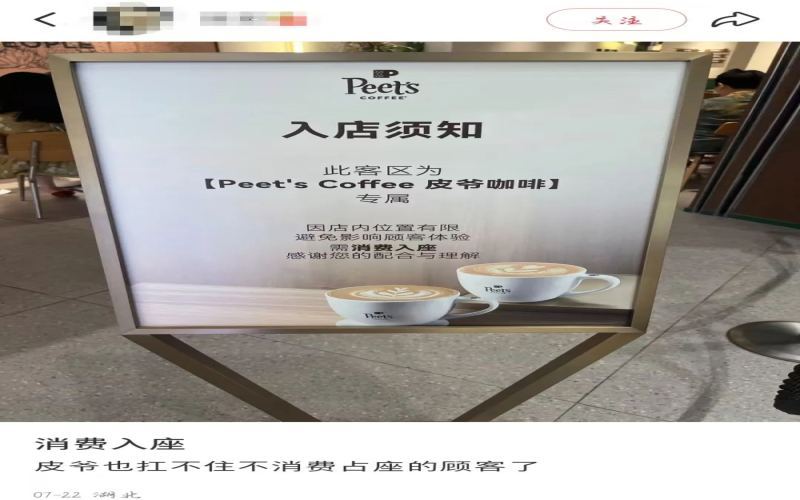
Peet's Coffee's implementation of a minimum purchase requirement for seating sparks debate: can chain brands use this to tackle seat-hogging?
Recently, a Peet's Coffee store in Wuhan placed a "Notice for Entry" at its entrance, explicitly requiring customers to make a purchase before they can be seated. This move quickly sparked widespread discussion among netizens. Many consumers expressed support, believing it can effectively curb uncivilized behaviors such as occupying seats for long periods without buying anything, playing cards, putting on makeup, or even livestreaming. Others questioned the notice's actual enforceability. Previously, Starbucks tried a similar policy, but the results were less than ideal. Whether Peet's move can truly improve the store environment and enhance the customer experience has become a focal point of attention in the coffee industry. [more…]

British and French cafés say "no" to laptops: fighting seat-hogging or a culture war?
Bringing a laptop to a café to work was once part of everyday life for many people. Recently, however, several cafés in the UK have introduced rules banning customers from using laptops during lunch hours and on weekends, on the grounds that these "digital nomads" occupy seats for long periods while spending little, seriously hurting table turnover and revenue. At the same time, some cafés in Paris have also put up "no laptops" signs and even refuse to provide WiFi, in order to defend traditional coffee culture. But some shops have adopted a compromise strategy, setting up "no-computer zones." This tug-of-war over café space reflects the difficult balance between tradition and the demands of modernization. Front Street Coffee believes that how to accommodate diverse needs while safeguarding business operations is something every industry practitioner is worth pondering. [more…]
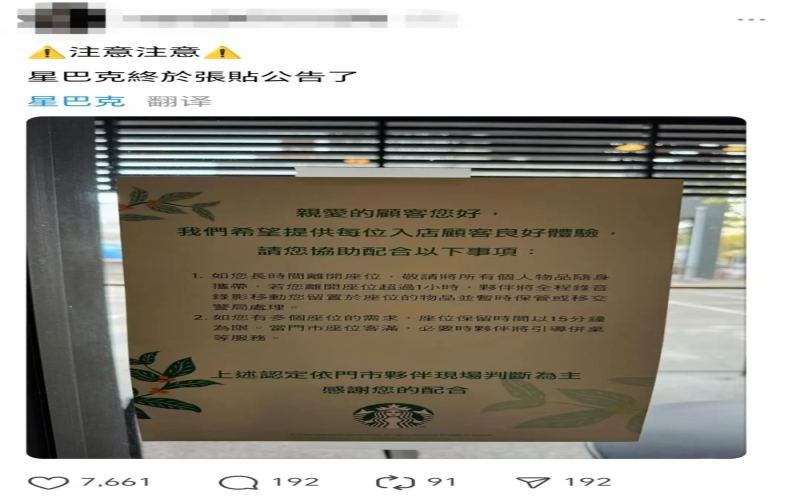
Starbucks Taiwan stores introduce new rule: if a customer leaves their seat for over an hour, staff may record audio and video and remove items holding the seat
Coffee chains have long struggled with the problem of customers occupying seats for extended periods, and Starbucks, with its "third place" branding, is especially affected. Recently, some netizens noticed that a Starbucks store in Taiwan posted a notice stating that if a customer leaves their seat for more than an hour, staff will record audio and video throughout, move any personal belongings left at the seat, and hand them over to the police if necessary. This move sparked heated discussion, with supporters saying it helps protect the rights of other consumers, while opponents question the difficulty of enforcement and the risk of disputes over property. Starbucks employees responded that the new rule has been implemented at all stores since April 1, and that staff will patrol irregularly and place notes to track time. This article sorts out the background of the incident and the views of all parties. [more…]

Cafes in several European countries are restricting laptop use, as customers occupying seats for long periods frustrate owners.
Ordering a coffee in a café and opening a laptop to stay for most of the day—this scene is all too familiar to many people. Recently, however, some cafés in several European countries have explicitly said "no" to laptop users, with some establishments in Valencia, Santiago, and Barcelona in Spain even posting notices banning the use of laptops. Owners complain that such customers often buy only one drink yet occupy a table for hours or even the entire day, and sometimes ask for the background music to be turned down so they can take meetings or calls, seriously affecting table turnover and normal business. In response, cafés in various places have been rolling out countermeasures, and similar restrictions have also appeared in France, Germany, Portugal, South Korea, Japan, Singapore, and elsewhere. Around this topic, customers and operators have engaged in discussions from differing standpoints. [more…]
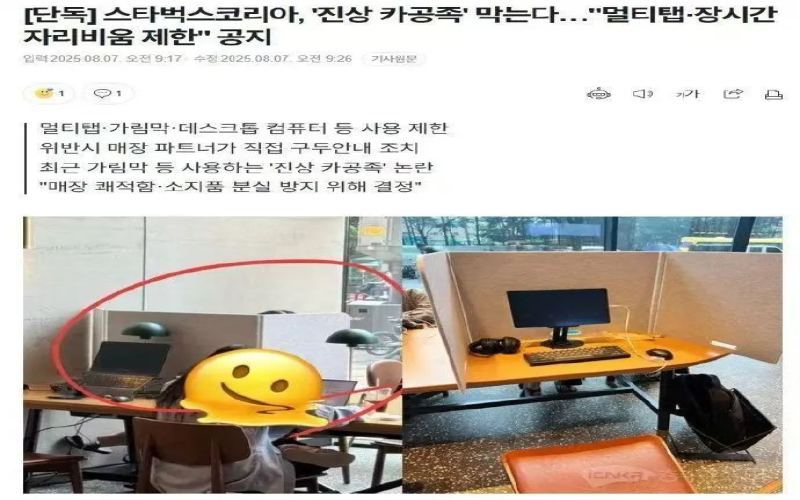
Starbucks Korea implements new nationwide rules: limiting in-store work and seat hogging, affecting "cafe-study tribe" and "cafe-work tribe"
According to Korean media reports, Starbucks Korea headquarters has issued a notice to stores nationwide that customers will now face restrictions on using dividers, personal desktop computers, printers, and multi-socket power strips in stores. Long periods of leaving seats unoccupied while holding them, and one person monopolizing multiple seats, are also subject to control. This tightening of rules stems from a continued surge in complaints related to "cafe study tribe" and "cafe work tribe." Previously, a Seoul store sparked heated discussion by posting a notice stating "seats will be cleared after 30 minutes away," with most consumers applauding while some voices raised doubts. Months later, this set of restrictive measures has finally expanded from a single store to the entire nation. This article sorts out the ins and outs of the incident and the attitudes of all parties. [more…]
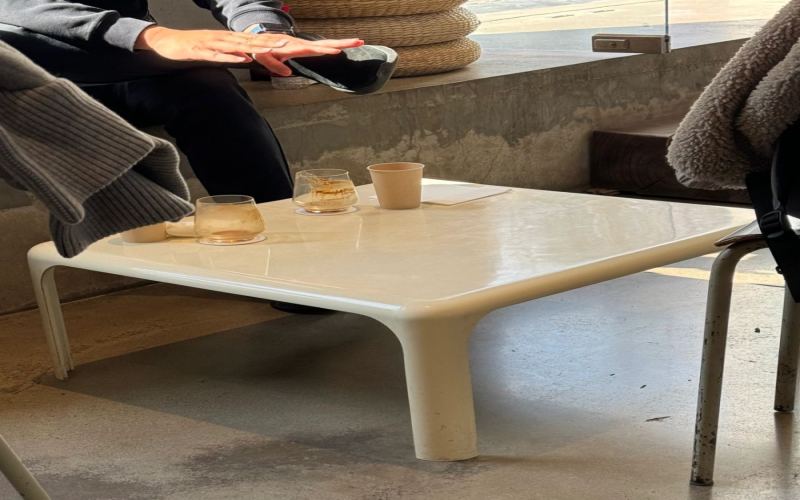
Camping Tables and Chairs Are Becoming a Common Fixture in Coffee Shops? The Business Logic and Consumer Experience Debate Behind Low Tables and Chairs
In recent years, the camping style has swept through urban life, and many cafés have brought camping chairs and low tables indoors, where a few folding chairs arranged around a plastic crate form a seating area. Such a setup is indeed relaxing for sunbathing and sipping coffee, but for customers who need to work, read, or study, sitting at low tables and chairs for long periods leads to back and waist pain, and some even find it hard to get up after sinking into them. Regarding whether cafés should use low tables and chairs, netizens hold different opinions: some believe this is a deliberate move by owners to increase table turnover, while others feel that the café's environment itself is part of what customers pay for, and owners should take into account the experience of the majority of users. Front Street Coffee has observed that behind this debate, what is actually reflected is the difference in positioning and customer needs among different cafés. [more…]

Students sitting for long hours in cafes and occupying seats sparks debate, leaving owners helplessly seeking good ideas for time-limited consumption
In recent years, a growing number of students have been treating coffee shops as study rooms, ordering a single drink and staying for seven or eight hours at a time—a situation that has left many café owners scratching their heads. Faced with the dual pressures of declining table turnover and rising operating costs, owners must both protect their reputation and find effective management strategies. On social media, discussions about how to politely encourage long-staying customers to leave are heating up. Some suggest posting time-limit notices, others choose to adjust the ambiance or require refills, and some shops have borrowed from Hong Kong's practice of implementing a two-hour seating limit. This tug-of-war over café space usage and consumer rights reflects the real dilemmas facing the food and beverage industry today. [more…]