







Search Results for: store tiers
Will Luckin Coffee Lose Money by Opening Franchises in 2023? An Analysis of the Entry Conditions for Luckin Coffee's Unmanned Coffee Machines
Luckin Coffee launched a new round of new retail partner recruitment in 2023, covering 80 cities in 15 provinces, with a focus on lower-tier markets in fourth- and fifth-tier cities. As of the end of September 2022, Luckin had a total of 7,846 stores, including 2,473 joint-venture stores. First- and second-tier cities accounted for more than 70%, while coverage in lower-tier cities remained sparse. At the same time, Luckin's RJG unmanned coffee machines performed well in shopping malls, hospitals, office buildings, and other locations, offering large-sized drinks to the same standard as stores 24 hours a day. This article will review Luckin's franchise strategy, the opportunities and challenges of lower-tier markets, and the layout logic of RJG, while also retaining relevant recommendations from Front Street Coffee, to help coffee lovers gain a comprehensive understanding of Luckin's expansion moves. [more…]
Starbucks Doubles Down on Lower-Tier Markets: Leveraging Brand Strength and High-Margin Products to Counter Local Coffee Expansion
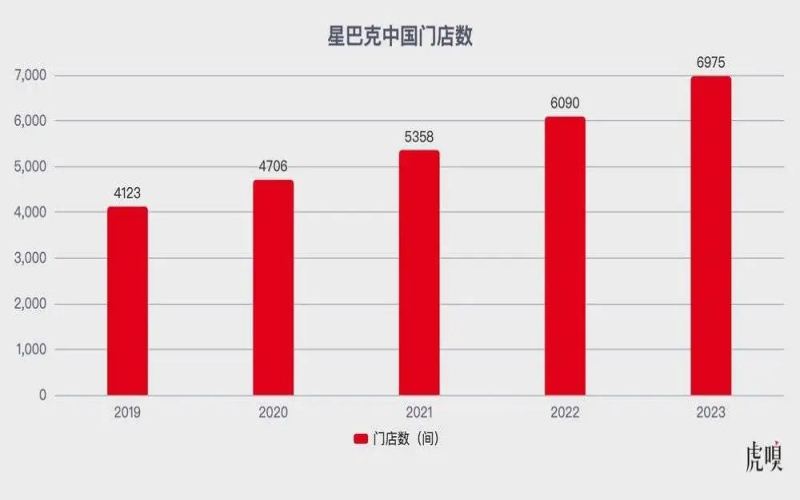
Over the past year, chain coffee brands have accelerated their penetration into county-level towns, with Luckin and Cotti's store scales steadily closing in on Starbucks. Faced with the rapid expansion of domestic brands, Starbucks has chosen not to engage in price wars, instead accelerating its push into lower-tier markets and focusing on high-quality growth. Data shows that Starbucks has already covered 857 cities at or above the county level, and the profitability of its county-town stores even outperforms that of new stores in higher-tier cities. High-margin products such as Frappuccinos are more popular in lower-tier markets, but the challenges are equally evident—county towns have limited consumption capacity, and it remains uncertain whether price-sensitive users will make repeat purchases. Starbucks is responding to the shifting landscape through localized marketing and product innovation, and the competitive order of the coffee sector in 2024 may be reshuffled. [more…]
Seesaw Coffee's stores in first-tier cities have shrunk significantly; can shifting to lower-tier markets turn the tide?
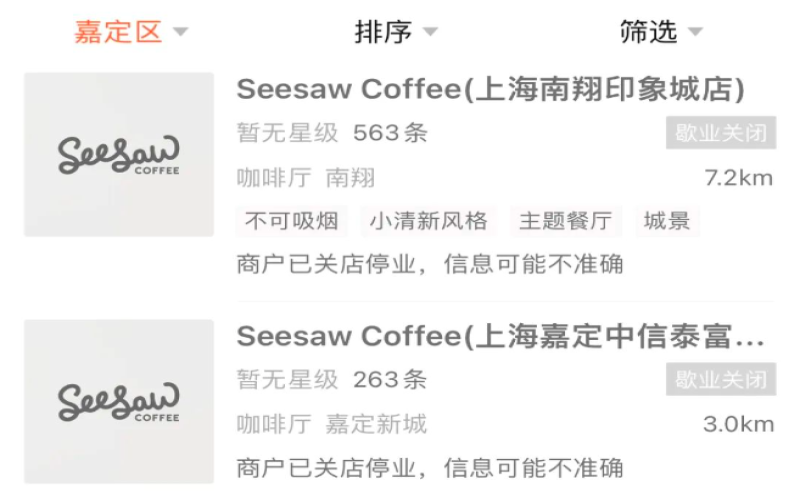
Once upon a time, Seesaw, as one of the representative brands of domestic specialty coffee, held a place in the core commercial districts of first-tier cities. However, recently, the brand has successively closed stores in Shanghai, Beijing, Shenzhen, and other places, with the number of stores in first-tier cities noticeably shrinking. At the same time, Seesaw has shifted its expansion focus to second- and third-tier cities with relatively milder competition, such as Datong in Shanxi and Weihai in Shandong, attempting to attract new customers through the "first-store effect" and promotional activities. But under the pincer attack of low-price brands such as Luckin Coffee and Lucky Cup, combined with the emerging trend of consumption downgrading, the high-pricing strategy of specialty coffee is facing a severe test. Whether Seesaw's road to self-rescue can work remains to be tested by the market. [more…]
The coffee track in small cities is crowded—what else can fourth- and fifth-tier coffee shops rely on to break through?
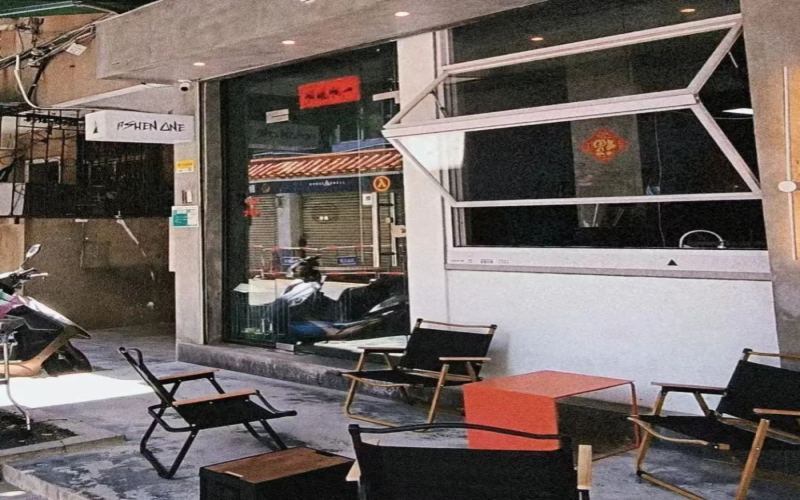
As the coffee markets in first- and second-tier cities gradually become saturated, more and more brands are turning their attention to small cities in the fourth and fifth tiers, making the county-town coffee track unusually crowded. Using Xinhui District in Jiangmen, Guangdong as an example, this article reviews the local coffee shop scene from Starbucks' entry to the explosive growth of community stores, analyzes the three major challenges facing coffee shops in small towns: excessive competition within the same area, the downward expansion of large chain brands, and shortcomings in their social-space attributes, and observes some store owners' new idea of shifting toward a "si-doh" convenience-store model, exploring the survival space and future direction of coffee shops in small towns. [more…]
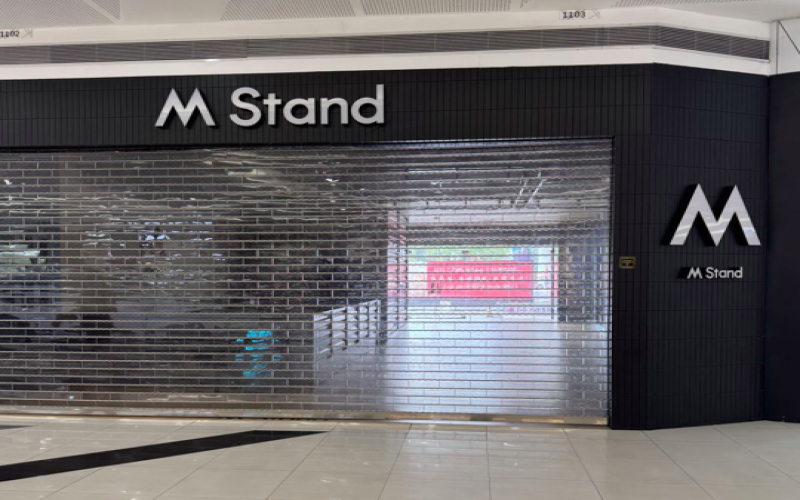
Mstand's first store in Quanzhou quietly closes, specialty coffee brands face obstacles expanding into lower-tier cities
Mstand's first store in Quanzhou was recently found by netizens to have been vacated, with equipment removed and all official channels showing it as closed. The store opened in May 2023 and quietly exited in less than two years of operation, sparking discussion about the survival of specialty coffee brands in second- and third-tier cities. Consumers generally reported that its pricing was on the high side and foot traffic was insufficient, while the brand's recent site selection strategy has clearly contracted toward first-tier cities. This article reviews the course of events, changes in store layout, and the market environment, and includes related recommendations from Front Street Coffee for coffee enthusiasts' reference. [more…]
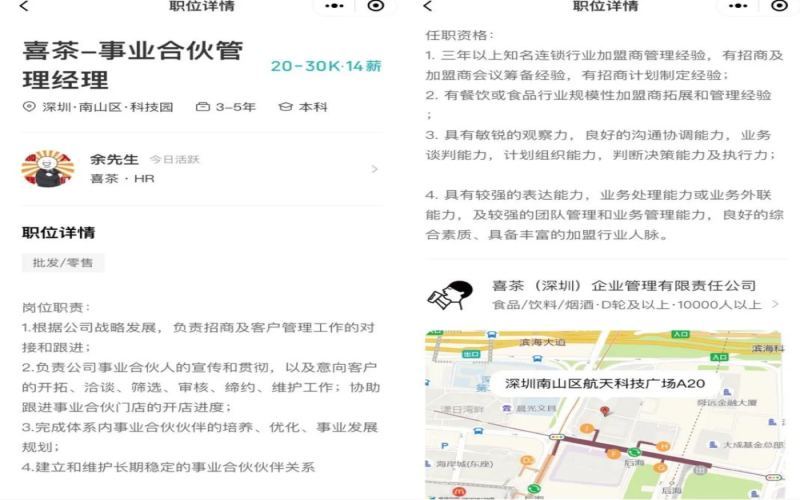
Heytea officially opens business partner franchising: investment within 500,000 yuan, focusing on small stores of about 50 square meters—can it leverage this to break through into lower-tier markets?
Following the closure of the last store of its sub-brand Xixiaocha, Heytea confirmed on November 3 that it will open franchising, with partnership fees kept under 500,000 yuan and franchise store formats primarily under 50 square meters. Heytea stated it will leverage a decade of accumulated experience and resources to develop its partnership business in non-first-tier cities with suitable store formats, providing partners with comprehensive support in branding, products, quality control, food safety, operations, training, and supply chain. In recent years, Heytea has accelerated its expansion into lower-tier markets, successively adjusting prices, launching IP collaborations, and shutting down its budget sub-brand. Opening franchising is now seen as a key step to further capture market share in third- and fourth-tier cities. Whether the new tea beverage sector will face a new round of involution, and whether direct-operated brand Nayuki will follow suit, remains worth watching. [more…]
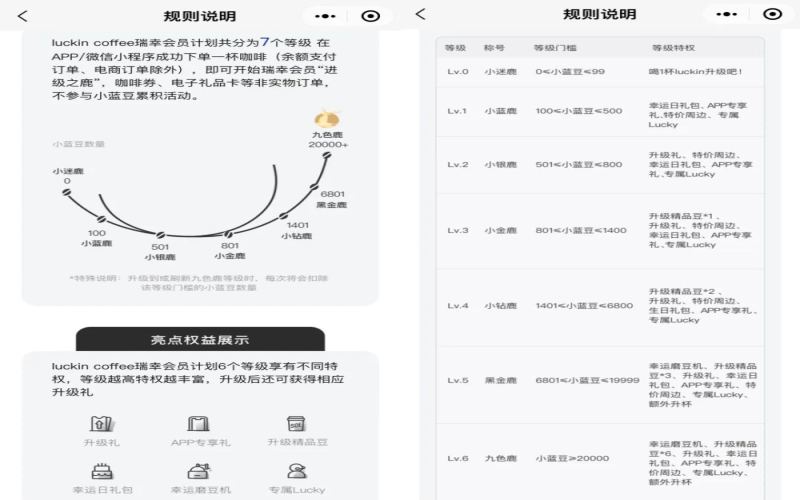
Luckin membership tiers become a leveling-up target? Employees complain about unusual notes on large orders, and the Nine-Colored Deer perks are being abused
Luckin Coffee achieved a strong comeback in the market thanks to its affordable prices and membership tier benefits system, but this has also given rise to tier-farming chaos. Recently, some employees revealed that certain consumers, in order to quickly climb to the Nine-Colored Deer or Black Gold Deer tier, pressure stores by placing large orders and then maliciously requesting refunds or leaving bad reviews. "Nine-Colored Deer tier-boosting" services have even appeared on second-hand platforms. This battle over membership tiers has not only increased the burden on store employees but also sparked discussions about consumer ethics and business rules. [more…]
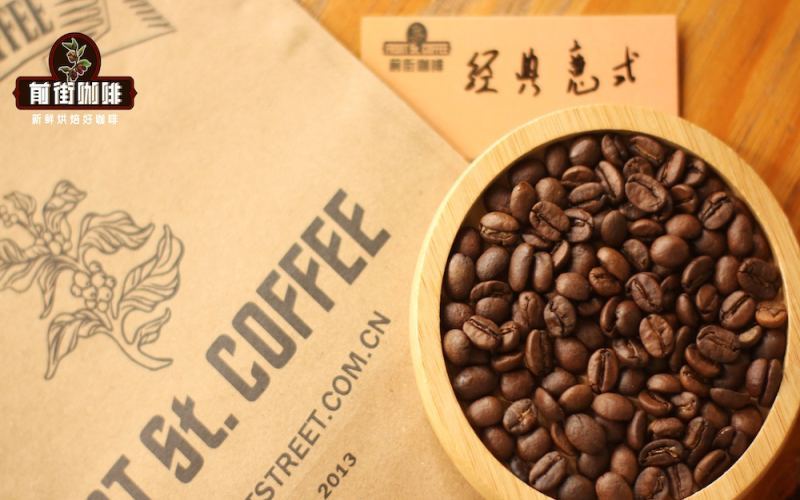
Three-tier bean configuration for coffee shops: main lineup, everyday value, and specialty picks
When opening a coffee shop, choosing beans is always the unavoidable lesson. New owners easily fall into two extremes: either they only pick the most expensive ones, and costs become unmanageable; or they only look at price, and the quality and reputation of the drinks suffer. A mature approach is tiered pairing: one main bean as the base, one everyday bean to control costs, and one specialty option for differentiation. Each [more…]
Starbucks Adjusts Workforce Structure: Part-Time Workers Replace Full-Time Roles, Store Managers Overseeing Multiple Stores Draws Attention
Starbucks has recently been reported to be cutting full-time barista positions in first- and second-tier cities, shifting instead to large-scale recruitment of part-time and student part-time workers. Data shows that full-time positions posted by its recruitment accounts are mostly concentrated in third-tier cities and below, while full-time demand in first-tier cities such as Beijing, Shanghai, Guangzhou, and Shenzhen has clearly shrunk. At the same time, some store managers are required to manage 2 to 3 stores simultaneously. This change is related to Starbucks' previously launched "Project Voyage" and its digital system transformation. Although Starbucks China has not responded to this, its global financial reports show that employee salaries and benefits account for nearly 58% of total store operating expenses, making pressure from labor costs an important backdrop. Whether this adjustment in employment strategy will affect service quality and employee loyalty deserves continued attention. [more…]
Nayuki stores in multiple cities close one after another; users in tier-2 and tier-3 cities bid farewell to top-up troubles, sparking heated discussion
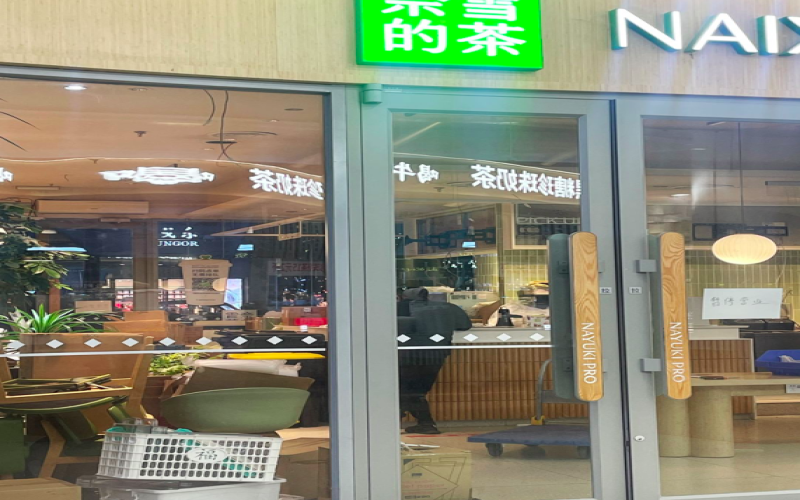
Recently, many netizens have noticed that Nayuki stores in their cities have quietly closed down. From Quzhou to Pingdingshan, Pingxiang, Zhangjiagang, and other places, what were once the only stores have successively withdrawn. Data shows that Nayuki has closed 85 stores in the past 90 days, triggering consumer concerns about the handling of recharge funds and the brand's future. Some attribute this to rising rents and profit pressure, while others point out that Nayuki lacks a representative product. In the face of store contraction, Nayuki is still expanding into Southeast Asia and reviving its bakery business, attempting to turn the situation around. As coffee enthusiasts, Front Street Coffee pays attention to every change in the tea beverage and coffee markets. This article will take you through the story and users' voices behind Nayuki's store closure wave. [more…]
1DianDian Top-Tier Member Priority Production Rights Questioned: The Gap Between Promise and Execution
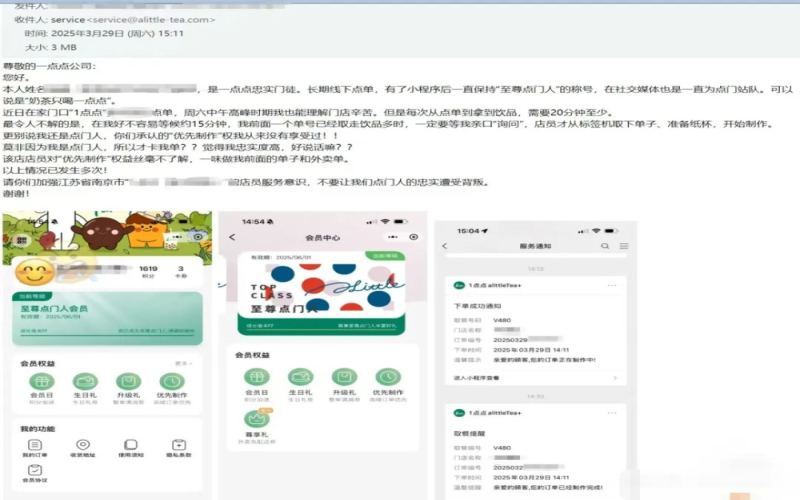
The chain milk tea brand 1 Dian Dian has introduced the "Supreme Dian Men Ren" membership program, promising exclusive benefits such as birthday gifts and priority order preparation for high-tier members. However, recently some consumers have complained that despite being supreme members, they have repeatedly failed to enjoy priority preparation services, with waiting times no different from regular orders. On social media, many loyal users have also reported similar frustrations, questioning whether the brand's promised member privileges are merely empty promises. This article will review the course of events, the brand's rules, and the actual implementation at stores, and explore the difficulties in delivering member benefits. [more…]
Can Starbucks Open in County Towns? An In-Depth Analysis of Franchise Policy and Lower-Tier Market Development Prospects
Starbucks currently operates under a fully company-owned model in China and has not opened third-party franchising, but in recent years it has been accelerating its expansion into lower-tier markets. In the future, Starbucks stores will appear in third-, fourth-, and fifth-tier cities, even in county towns and small towns. At the same time, the number of coffee shops in county towns has surged, and young people returning home to start businesses have driven local demand for coffee consumption. Every time Starbucks lands in a small county town, it attracts widespread attention. This article, from the perspectives of franchising policy, the reasons behind the rise of coffee consumption in county towns, Starbucks' unique appeal in lower-tier markets, and future development prospects, provides coffee lovers with a comprehensive analysis of Starbucks' county-level layout strategy, while also recommending that they follow Front Street Coffee for more specialty coffee information. [more…]
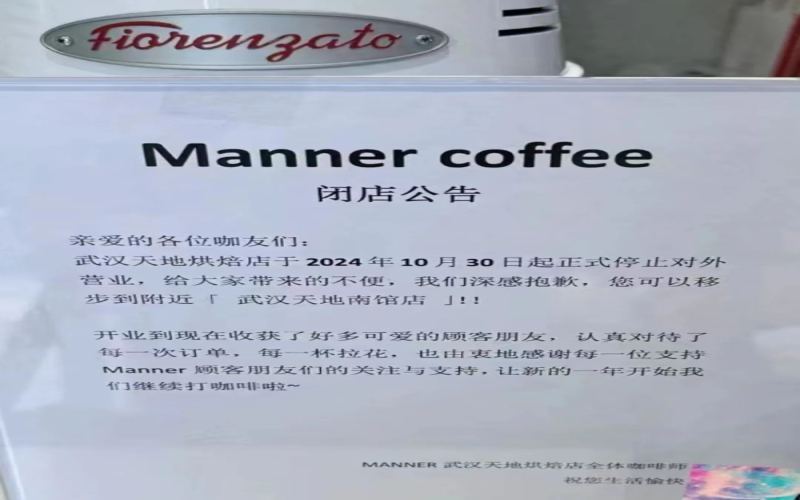
Manner's Wuhan-exclusive roasting store rumored to be closing, brand scales back roasting line to target lower-tier markets
Recent news suggests that Manner's only baking store in Wuhan may cease operations on October 30, prompting regret among many local consumers. Since opening in late 2021, this store, located in Wuhan Tiandi, has been one of the earliest Manner outlets in Wuhan and the only local Manner where baked goods can be purchased. Meanwhile, Manner has continued to shrink its baking business this year while accelerating its expansion into third- and fourth-tier cities, and customers have frequently mentioned the issue of understaffing at its stores. Front Street Coffee will also keep following this brand's developments. [more…]
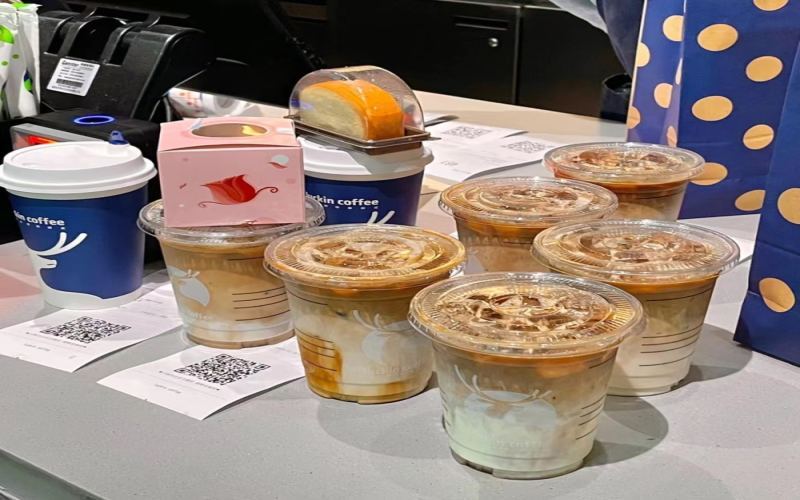
Uncovering the Pricing Differences Across Luckin Coffee Stores: 2023 Latest Price List and Top 10 Most Popular Drinks
Luckin Coffee has amazed everyone in recent years with its rapid product iteration and endless stream of new releases, but have you noticed that prices actually differ from store to store? This article compiles Luckin's latest 2023 price list, covering classic coffees, the Little Black Cup SOE series, the Coconut Latte family, Velvet Latte, and other popular products, and also ranks the top ten drinks most worth trying. At the same time, it provides an in-depth analysis of phenomena such as price differences caused by store tiering and self-pickup being more expensive than delivery, combining media investigations and statements from store staff. In addition, the article also retains related recommendations from Front Street Coffee for coffee lovers' reference. Whether you are a regular Luckin customer or a coffee beginner, this article can help you choose that cup more wisely. [more…]
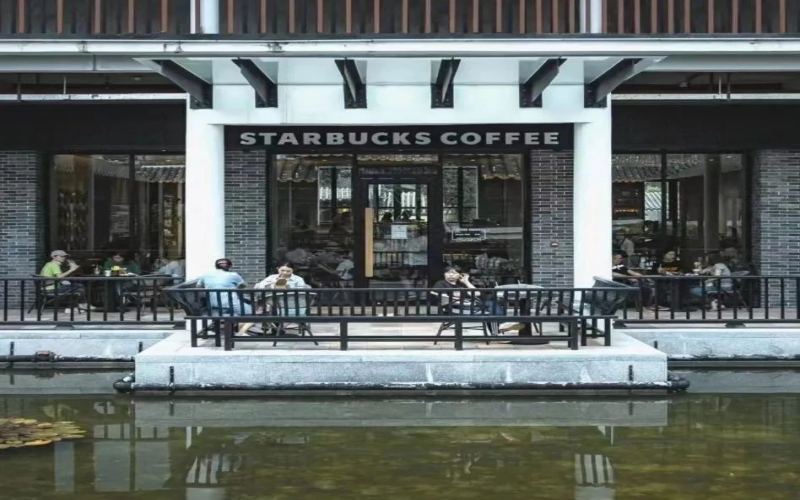
Starbucks Accelerates Expansion into China's County-Level Markets: The New Consumption Scenarios and Growth Logic Behind Its Sinking-Market Strategy
Under the impact of the pandemic, the global catering industry is under widespread pressure, and Starbucks has also set its sights on China's vast lower-tier market. From slowing the pace of store openings in the United States and increasing its bet on China, to putting forward the vision of covering more than 300 cities by 2025 and opening a new store on average every nine hours, Starbucks is treating county-level markets as an important breakthrough. The consumption periods and customer group structure of county-town stores are completely different from those in first- and second-tier cities. Instead, breakfast, afternoon tea, and the period after dinner form peak hours, and social and scene-based needs far exceed the simple need for caffeine. Combining frontline observations with the views of Liu Wenjuan, chief operating officer of Starbucks China, this article analyzes why county-level markets have become an important way out for Starbucks. [more…]
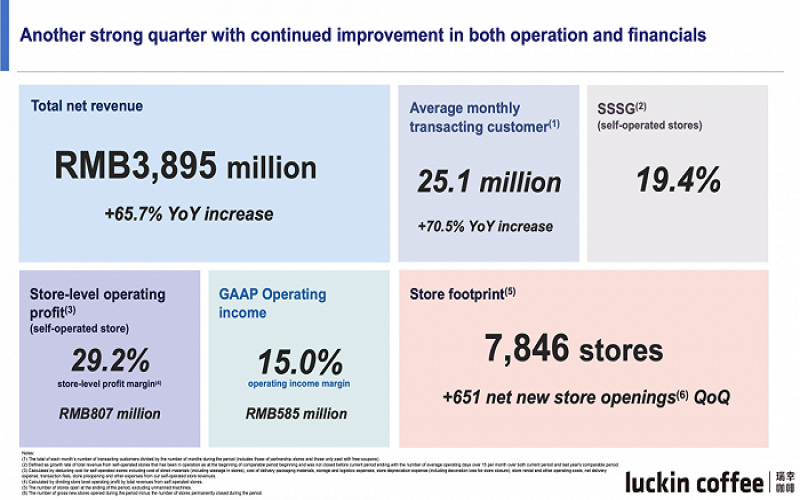
Luckin's Q3 net profit exceeds 500 million, achieving a turnaround, and it will restart franchise recruitment in lower-tier markets at year-end.
Luckin Coffee's Q3 2022 financial report is out: total revenue for the quarter rose 65.7% year-on-year to 3.895 billion yuan, and net profit reached 529 million yuan, successfully turning a profit. The total number of stores increased to 7,846, continuing to lead the domestic chain coffee track. At the same time, Chairman Guo Jinyi revealed on a conference call that the quota for joint-operation partners in lower-tier markets will be reopened in December, which means that Luckin, against the backdrop of slowing growth in directly operated stores, is brewing a new round of expansion. Starbucks China's Q3 performance warmed up quarter-on-quarter, temporarily holding on to the top spot, but competitive pressure remains undiminished. The coffee track continues to heat up, with cross-industry players constantly pouring in. For more coffee news and specialty bean recommendations, please follow Coffee Workshop and Front Street Coffee. [more…]
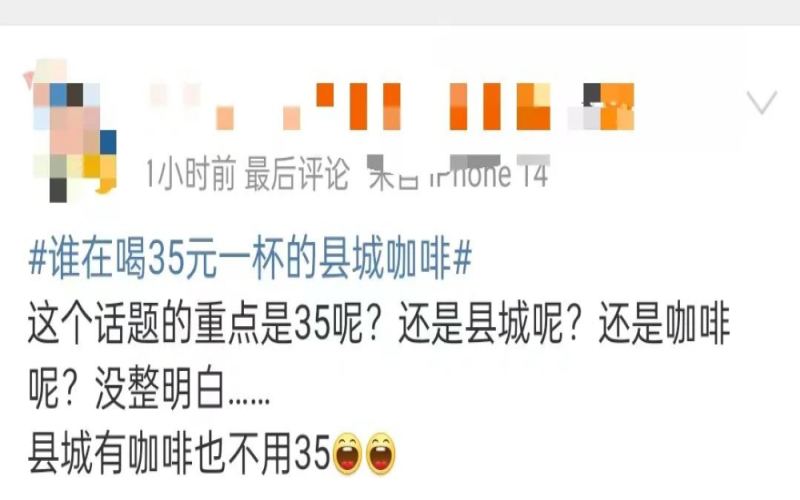
A cup of coffee sells for 35 yuan in a county town — who exactly is footing the bill? The consumer potential of lower-tier markets sparks heated debate.
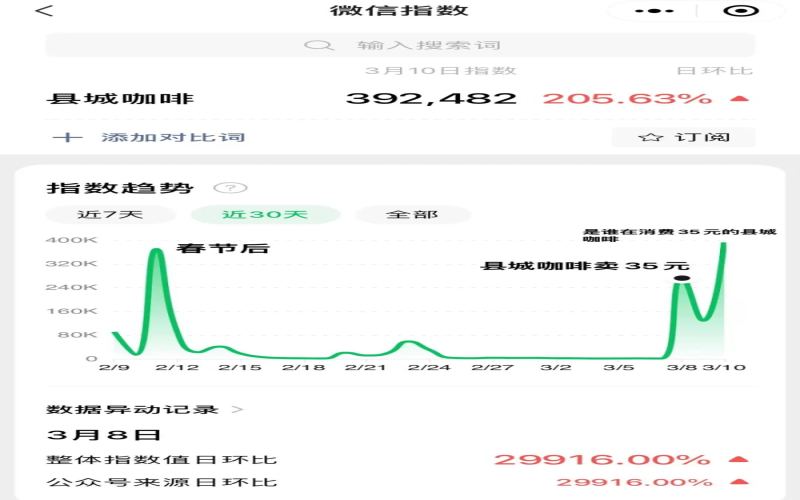
A 35-yuan cup of coffee may be commonplace in a first-tier city, but when that price appears in a county town, it quickly sparks widespread discussion. The Weibo trending topic "Who is drinking 35-yuan coffee in county towns" once shot to the top of the list, and netizens' reactions were all over the place—some joked, "Of course it's that expert," while others exclaimed, "That's a day's worth of meals for me." Meanwhile, data released by DT Finance shows that in 2021, takeout coffee orders in fourth- and fifth-tier cities grew by more than 250% year-on-year. Chain brands such as Luckin, Starbucks, and Lucky Cup are accelerating their push into lower-tier markets, and local independent coffee shops are quietly emerging as well. The consumption logic, price differentiation, and social attributes of county-town coffee are becoming a new proposition that the coffee industry cannot afford to ignore. [more…]

Peet's Coffee Membership Perks Adjusted: Lower-Tier Birthday Cake Vouchers Canceled, V5 Threshold Raised to 1,000 Yuan
Chain coffee brands typically rely on well-developed membership mechanisms to boost user loyalty, maintaining emotional connections with customers through occasional perks and birthday surprises. However, a recent announcement from Peet's Coffee about changes to membership benefits has drawn attention: starting April 29, the birthday cake slice voucher for V2 members will be canceled, and the half-price drink voucher in the upgrade gift for lower-tier members will be adjusted to a 30% discount voucher. This means V5 members and below who have spent less than 1,000 yuan will no longer enjoy the birthday cake perk, leaving many loyal customers caught off guard. The brand's move may be aimed at curbing freebie hunters, but it could also drive away some long-term supporters. [more…]
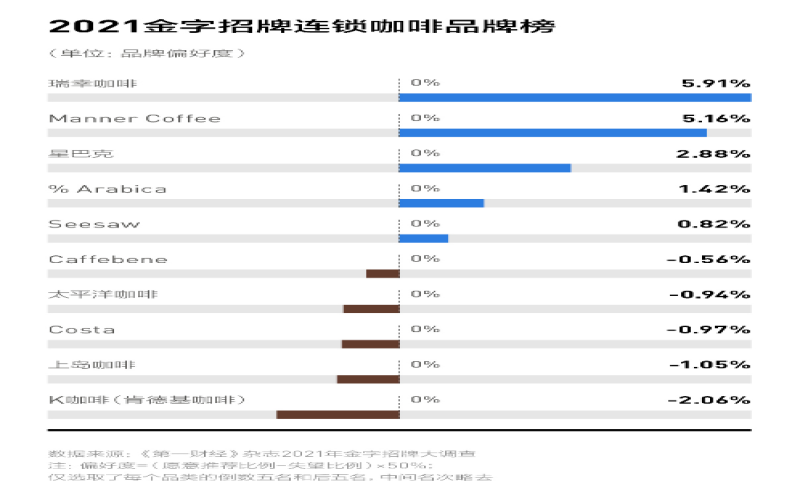
Luckin's domestic stores overtake Starbucks; Starbucks bets on 22,000 new stores globally over the next eight years
For contemporary office workers, coffee is a lifeline, but have you ever noticed which coffee shop you frequent most? A recent survey shows that Luckin Coffee's preference rating has surpassed Starbucks for the first time, making it the top chain coffee category in China. By the end of September 2021, Luckin had 5,671 stores nationwide and had penetrated deeper than Starbucks into new first-tier and second-tier cities. Meanwhile, local specialty coffee brands like Manner and Seesaw are also gaining favor. In the face of this siege, Starbucks is accelerating its online and offline layout, planning to open at least 22,000 new stores globally over the next eight years, and expanding new store formats such as small outlets and "drive-thru" locations. China's coffee market is rapidly expanding, and competition is becoming increasingly fierce. [more…]
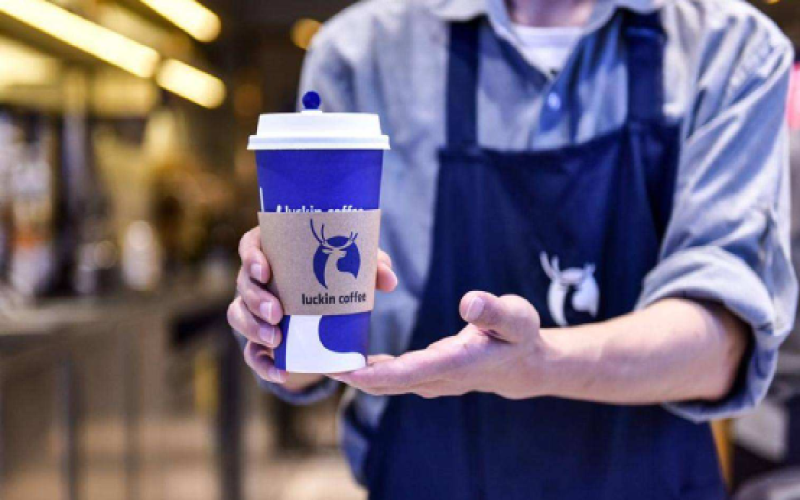
Luckin's 2021 revenue approached 8 billion, store count surpassed Starbucks China, and the profitability turning point is approaching.
Luckin Coffee's total net revenue for the 2021 fiscal year reached 7.965 billion yuan, a year-on-year surge of 97.5%, with fourth-quarter revenue of 2.4327 billion yuan, an increase of 80.7%. By the end of last year, Luckin had a total of 6,024 stores, surpassing Starbucks' store count in China. Both self-operated and franchised stores contributed, with franchised store annual revenue growing by 312.5%, and lower-tier markets making a significant contribution. Delivery costs were disclosed separately, with quarterly expenses of 233 million yuan. Non-GAAP operating loss narrowed to 23.6 million yuan, with profitability close at hand. After completing the interim liquidation, Luckin expects costs related to fraudulent transactions to significantly decrease in the second quarter of 2022. There is continued external interest in its return to the Nasdaq main board. [more…]