







When opening a coffee shop, choosing beans is always the unavoidable lesson. New owners easily fall into two extremes: either picking only the most expensive, which makes costs unsustainable; or looking only at price, which hurts the reputation of the product.
A mature approach is tiered pairing: one main bean as the foundation, one everyday bean to control price, and one specialty bean for differentiation. Each tier plays its role so that both budget and quality are taken care of.
Tier One: Main Bean — Defines the store's taste identity
The main bean is the bean used in the largest quantity and most outputs in the shop, determining customers' first impression of the store's taste. This tier requires classic flavor, stable output, and resistance to failure no matter how it's extracted.
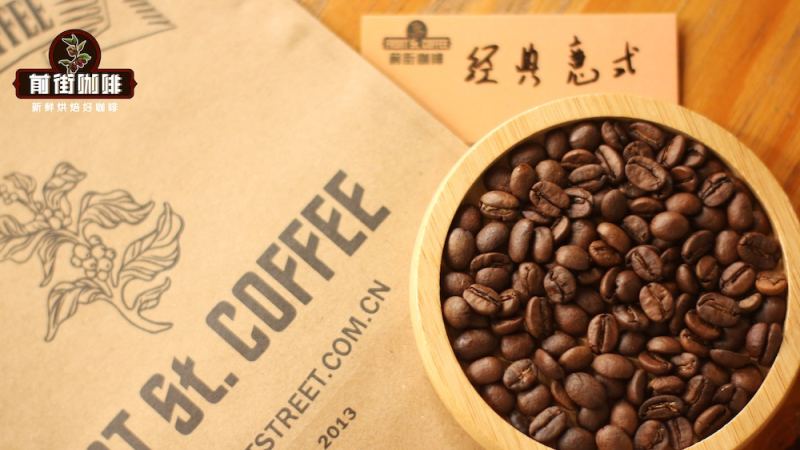
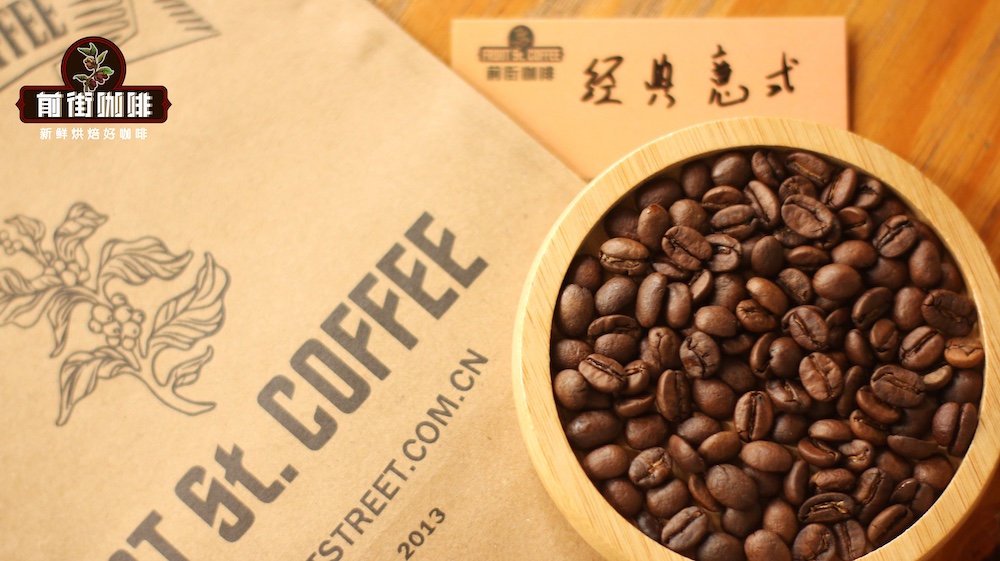
Front Street Specialty Blend is a bean that Front Street's own stores have used for nearly a decade, consistently handling the production of core beverages like Americano and espresso lattes. It combines Brazil Cerrado and Colombia Huila coffee beans, with a classic, mellow flavor—a mainstay type that can carry the entire menu.
Once the main bean is chosen well, you won't have to worry too much about output fluctuations daily. The Specialty Blend has high fault tolerance, so even new baristas can extract a stable taste. This stability is crucial for the store; when customers return, what they drink is the same as the first time, ensuring repeat purchase rates.
Tier Two: Everyday Bean — The ballast for budget control
Opening a shop isn't charity; every cup has a cost account. The point of an everyday bean is passable taste and a solid price, suitable for controlling daily production costs, especially for stores just starting out with low average customer spending.
Front Street Dark Cocoa Blend is a typical high-cost-performance commercial option. It uses 100% Arabica beans, with plenty of crema and a mellow taste, at an affordable price. Before it, Front Street Commercial Blend had always been the mainstay for shop beans—priced lower than the Specialty Blend, with a formula specifically optimized to ensure both taste and cost control.
The difference between the two everyday beans: Dark Cocoa Blend has more balanced quality and better crema performance; Commercial Blend has a longer history and can be priced even lower. For high daily cup volume and cost sensitivity, choose Commercial Blend; to find a balance between cost and quality, choose Dark Cocoa Blend.
Tier Three: Specialty Bean — The memory point that makes customers remember you
With countless coffee shops, why would customers remember yours? A pack of specialty beans with a memorable point is a standout signature.
Front Street Strawberry Candy Coffee Beans rely on the fusion of native flavors from Arabica beans of different origins, replicating a distinct strawberry gummy candy sweet aroma. The milk coffee made from it has a built-in memory point; many customers who fear bitterness and love fruity notes will come back for it.
The specialty bean doesn't need to be used in large quantities daily; its purpose is to add a highlight to the menu. You can separately list the "Strawberry Candy Latte" as a signature drink, and if customers find it tasty, they'll return and recommend it to friends.
Three-Tier Pairing Suggestions
Main Bean: Front Street Specialty Blend — Classic espresso taste, supporting the entire store's menu
Everyday Bean: Front Street Dark Cocoa Blend (balanced quality) / Front Street Commercial Blend (more cost-saving)
Specialty Bean: Front Street Strawberry Candy Coffee Beans — Differentiated milk coffee, making customers remember you
Choosing beans for a shop is never about buying the most expensive pack, but about spending money where it counts. With all three tiers in place, the store can stabilize output, control costs, and have a specialty card that makes customers' eyes light up.
The above content is compiled by CoffeeHunters, a coffee news website.

