







Search Results for: closed

Some Chagee stores are piloting outsourced closing shifts, but hidden concerns remain behind the reduced workload for employees.
Closing cleaning in the food and beverage industry has always been a major burden for late-shift employees, and coffee and tea shops are no exception. Recently, some Chagee stores have begun outsourcing closing-time cleaning to third-party professional teams, allowing many employees to get off work on time and even saving on parts replacement costs thanks to thorough equipment cleaning. However, this measure does not benefit all stores: franchise stores need to pay an additional service fee to apply for outsourced staff, and outsourcing only covers daily cleaning, while regular maintenance is still handled by store employees. What worries workers even more is that some franchise store managers have said that if outsourced closing is introduced, they may consider reducing staffing to control costs. Convenience and risk coexist—can outsourced closing truly let employees relax once and for all? [more…]

Wuhan Coffee Shop's On-Time Closing Sparks Negative Review Controversy: How to Balance Employees' 8-Hour Workday with Customers' Dining Experience
Recently, a coffee shop in Wuhan received a one-star review from a customer for closing promptly at 19:30. After the incident was reported by Jiupai News, it quickly sparked widespread discussion online. The review claimed that staff told the customer to "pack up and get out" before they had finished eating, while the shop responded that it strictly complies with the 8-hour workday under labor law, and after reviewing surveillance footage, found no excessively aggressive language from employees. The owner said they understand customers' desire for later closing hours, but also asked for understanding of workers' right to clock off on time. Netizens' views are polarized: some support the shop's right to close on time as long as it gives advance notice, while others suggest stopping orders half an hour early to avoid conflict. This controversy reflects the real-world tension in the food service industry between employee rights and customer experience. [more…]
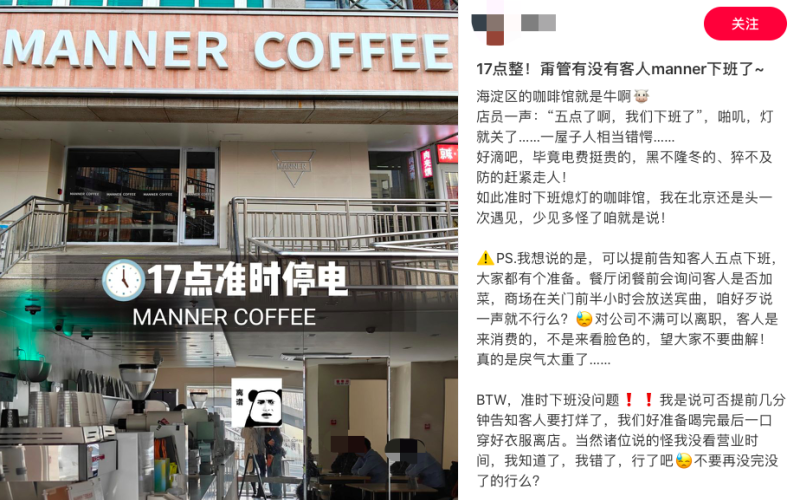
Manner Turning Off the Lights Right at Closing Sparks Debate: How to Balance Clocking Out on Time with Customer Experience
Recently, a Manner store in Beijing's Haidian District sparked heated discussion online after it immediately turned off all the lights and closed as soon as its operating hours ended. According to the poster, a staff member called out at exactly 5 p.m. and then directly shut off all the lights, leaving customers in the store stunned for a moment and forced to pack up and leave in the dark. After the incident went viral, two voices emerged in the comments section: one side argued that this was impolite and that customers should have been reminded in advance; the other side supported the employees' right to leave on time, arguing that customers who linger past closing are the real root of the problem. This debate reflects the real dilemma facing the food and beverage service industry between closing procedures and customer experience, and also prompts people to rethink: beyond a cup of coffee, how should a store see customers off with dignity? [more…]
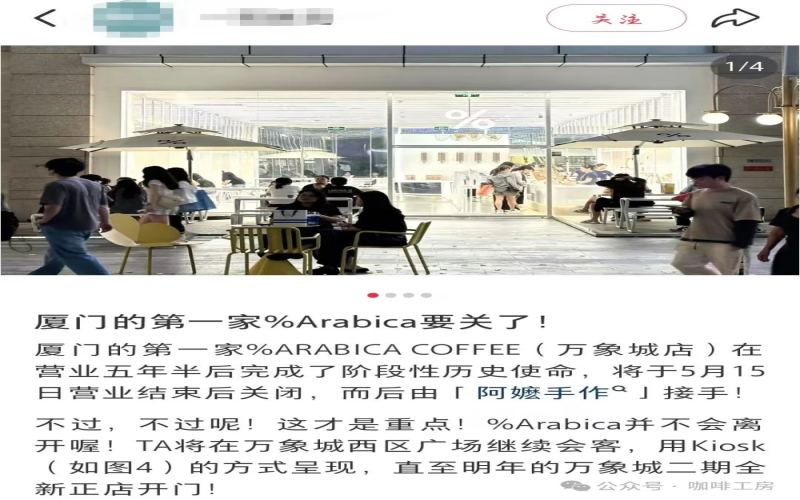
%Arabica stores closing across multiple cities in succession—can the coffee cart model sustain the brand's character? A heated debate.
Recently, the chain coffee brand %Arabica has quietly closed stores in several cities including Xiamen and Shenzhen, sparking widespread attention and discussion online. Among them, the Xiamen MixC store, the brand's first store in the city, ceased operations on May 15 after nearly five and a half years in business; in Shenzhen, the Bao'an Airport store and the Xinghe COCO Park store also closed one after another. The company has not explained the reasons for the closures, and netizens speculate they may be related to mall business adjustments, rising costs, and profitability. Notably, branded coffee trucks have appeared in some areas where stores closed, and the brand's first store in Fuzhou also adopted the coffee truck model. Longtime customers have mixed views: some see it as a flexible adjustment in response to the "buy and go" consumer habit, while others lament that the brand's design-forward store characteristics are being weakened. [more…]
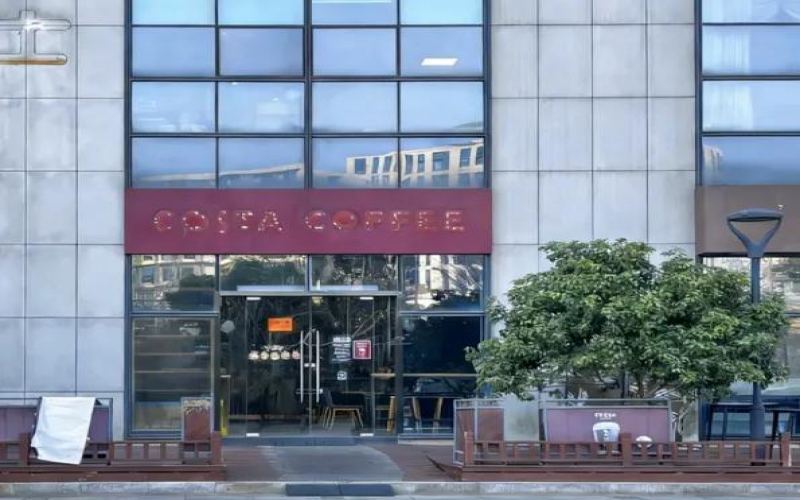
Costa Coffee's last regular store in Ningbo closes, shrinking to 300 stores across multiple cities nationwide.
Recently, a netizen from Zhejiang posted that Ningbo's last regular Costa store had quietly closed, sparking widespread discussion. Costa, which once had 8 stores in Ningbo, has now withdrawn all its regular stores, leaving only hospital stores and transportation hub stores. Meanwhile, news of Costa store closures has also emerged in Shanghai, Hangzhou, Tianjin, and many other places. Data shows that in the past 90 days, Costa opened 5 new stores but closed 23, with about 300 stores still in operation. This British brand, which once competed head-on with Starbucks, is gradually disappearing from city streets. Longtime customers miss its consistent quality and comfortable third space, and also lament this silent farewell. [more…]
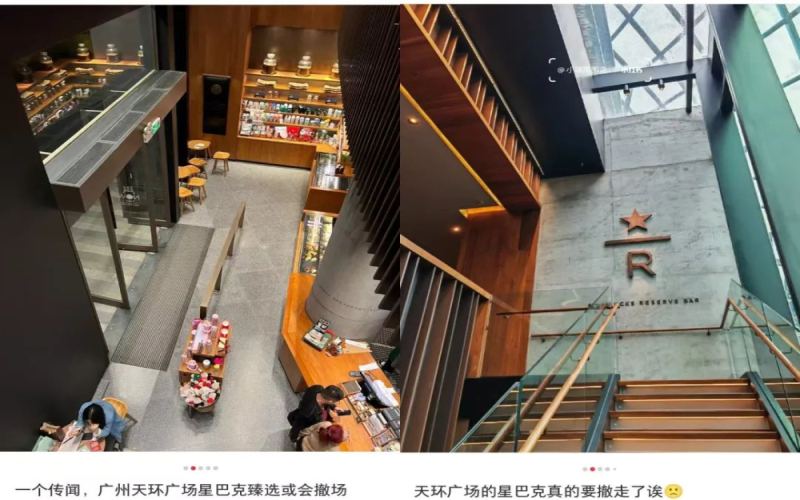
Starbucks Reserve at Parc Central in Guangzhou Confirmed to Close: Why Do Stores in Core Commercial Districts Also Struggle to Survive?
Recently, news emerged that the Starbucks Reserve store at Guangzhou's Parc Central is set to close, with official confirmation that it will officially cease operations in the coming days. This store, which opened in 2017, was created by Starbucks to celebrate its 15th anniversary of entering the South China market and was once hailed as "one of Guangzhou's most design-forward stores." Unlike previously closed old stores located in declining foot traffic commercial districts, this closure is in a core commercial area of Tianhe District, surrounded by luxury brands, and the store was almost always full on a daily basis. However, high rent, low table turnover caused by the open-plan space, and phenomena such as "people only checking in for photos without consuming" may have made it difficult for the store to be profitable after deducting costs. Starbucks stated that the reason for the closure is adjustments to the business mix in the commercial district and said there are still more than 10 nearby stores for consumers to choose from. [more…]
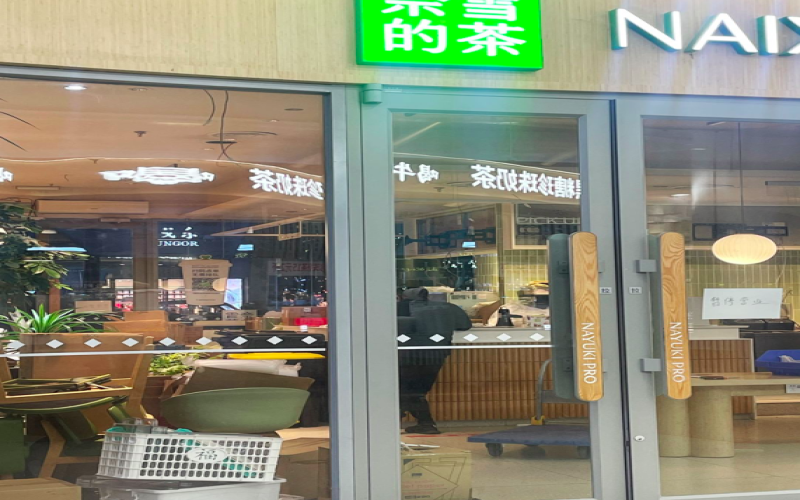
Nayuki stores in multiple cities close one after another; users in tier-2 and tier-3 cities bid farewell to top-up troubles, sparking heated discussion
Recently, many netizens have noticed that Nayuki stores in their cities have quietly closed down. From Quzhou to Pingdingshan, Pingxiang, Zhangjiagang, and other places, what were once the only stores have successively withdrawn. Data shows that Nayuki has closed 85 stores in the past 90 days, triggering consumer concerns about the handling of recharge funds and the brand's future. Some attribute this to rising rents and profit pressure, while others point out that Nayuki lacks a representative product. In the face of store contraction, Nayuki is still expanding into Southeast Asia and reviving its bakery business, attempting to turn the situation around. As coffee enthusiasts, Front Street Coffee pays attention to every change in the tea beverage and coffee markets. This article will take you through the story and users' voices behind Nayuki's store closure wave. [more…]
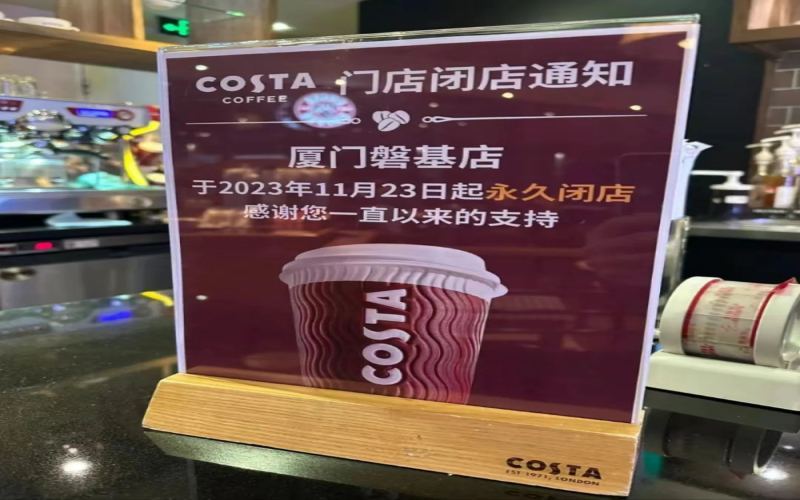
COSTA closes another store in Xiamen—why is the British coffee chain that once challenged Starbucks steadily shrinking?
COSTA, which once opened stores right next to Starbucks and made a high-profile entry into the Chinese market, is now becoming less and less visible in many cities. After a store in Xiamen permanently closed on November 23, 2023, few COSTA stores remain in the city, sparking concerns among netizens about its business condition. Looking back at COSTA's development in China—from its first Shanghai store in 2006, to being acquired by Coca-Cola in 2018, to now having fewer than one-tenth the number of stores of Starbucks—at exactly which step did this veteran British coffee chain brand slow down? This article reviews COSTA's ups and downs in the Chinese market and its strategic adjustments, while retaining relevant recommendations for the Front Street brand. [more…]
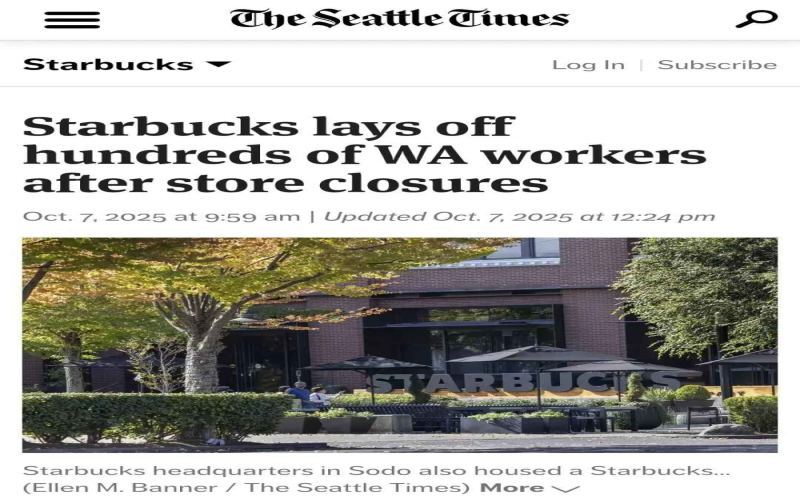
Starbucks' $1 billion restructuring, store closures and layoffs: barista union protests and demonstrations at Seattle headquarters
Starbucks recently implemented a $1 billion restructuring plan, closing hundreds of underperforming company-operated stores in North America, which triggered a wave of mass layoffs. In front of the global headquarters in Seattle's SoDo district, baristas and union members gathered to protest, holding up signs to express strong dissatisfaction with the company's decisions. Laid-off employees said they only learned of their job losses through prerecorded phone calls and social media, without being offered any opportunity to transfer. Union data shows that 59 unionized stores across the United States were permanently closed in this round of adjustments, with 369 people in Washington State facing permanent layoffs. Meanwhile, New York City regulators also pointed out that Starbucks is suspected of violating labor laws. This labor conflict is continuing to escalate, and the union stated that if their demands are not addressed, they do not rule out expanding actions or even going on strike. [more…]

Luckin Coffee's new full scan-to-close rule sparks employee discontent, with cumbersome operations and frequent system failures
At the end of July, Luckin Coffee introduced a new closing procedure called "full scan" within its store system, requiring employees to scan and log every item with an expiration date label in the store one by one fifteen minutes before closing, and repeat the process again on the next morning shift. This move sparked a flood of complaints from frontline employees on social media—already tight staffing was further squeezed, unpaid overtime hours continued to lengthen, and the new system frequently suffered recognition failures and abnormal error reports during scanning, turning this digital initiative aimed at managing shelf-life control into what employees see as a burdensome "white elephant" feature that only adds extra work. This article is compiled from Coffee Workshop and takes you through the specific operational process and the real voices of employees behind this controversy. [more…]
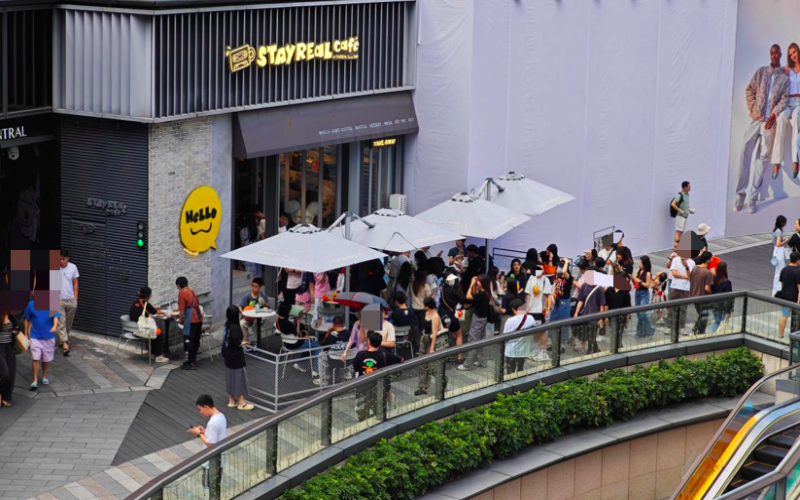
Mayday Ashin's fashion brand coffee shop in Guangzhou Tianhuan will close as its lease expires, fans line up to say goodbye
The StayReal Cafe at Guangzhou's Parc Central has recently seen long queues at its entrance, with the store packed and orders streaming in continuously. This is not a promotion for a new store, but a farewell—due to the lease expiring and the brand not renewing it, this trendy coffee shop co-founded by Mayday's Ashin and artist No2Good is about to withdraw from Guangzhou. The StayReal clothing store in the same mall closed the night before, while the coffee shop will remain open until October 27. From the opening of its first South China store in 2016, which invited world-class coffee master Lin Dongyuan to show support and saw hundreds of fans queue overnight, to now closing stores one after another due to lease expirations, StayReal Cafe's situation reflects the dilemma celebrity catering brands face between fan economy and the mass market. Some netizens say that if the Guangzhou Parc Central store ends operations, the brand's coffee shops will have only one left in Shanghai. [more…]
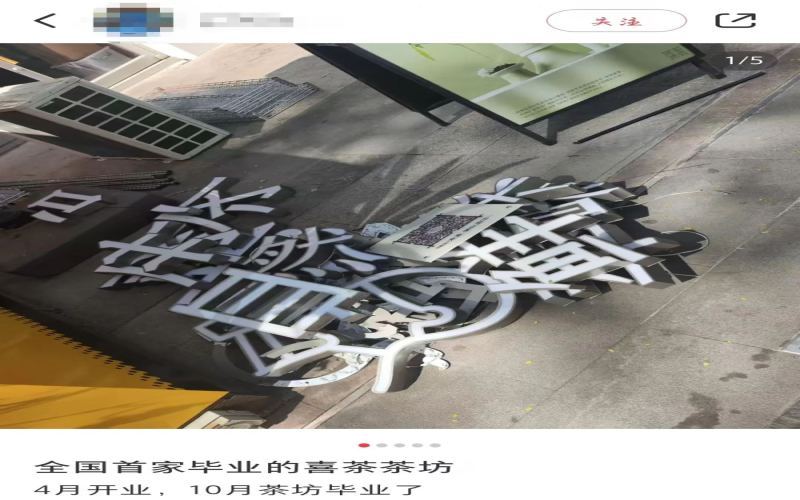
Heytea Tea House closes three stores in just six months since opening, sparking heated debate over the fate of its sub-brand.
Heytea's sub-brand Heytea Tea House has recently been reported to have closed stores in Jiangmen, Huizhou, and Zhongshan one after another, just half a year after opening. This store, inspired by Song Dynasty tea houses and specializing in freshly extracted tea lattes, was once a popular spot for fans to line up and check in. Since its launch in 2017, Heytea Tea House has only 11 stores nationwide, and the Jiangmen Zhongtian Xindi store is actually its first store to close. This news has led many consumers to think of Heytea's previously discontinued sub-brand "Heye Tea," and has also sparked discussions about competition in the tea beverage market and the survival space for sub-brands. Front Street Coffee continues to follow developments in the coffee and tea beverage industry, bringing readers the latest observations. [more…]
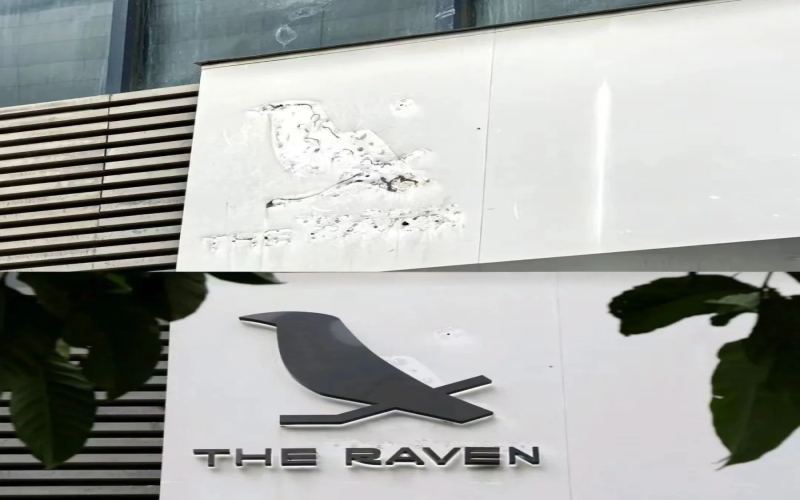
Coffee brands invested in by Heytea and Nayuki have successively contracted, with Raven Coffee's Shenzhen founding store closing, leaving only one store.
New-style tea beverage brands' attempts to cross over into the coffee track are encountering setbacks. Crow Coffee, invested in by the founder of Heytea, has closed its founding store in Shenzhen Tianli Central Plaza and put it up for rent, leaving the brand with only one store remaining in Dachong. Meanwhile, AOKKA Coffee, invested in by Nayuki, has also announced that it will close all of its Shenzhen stores by the end of August. Looking back at 2022, Heytea and Nayuki quickly entered the coffee market by investing in brands such as Seesaw, Minor Figures, KUDDO, and Monster Drowsy, but these invested brands now generally face the predicament of store closures and contraction. This article reviews the current store status of each brand and analyzes the challenges and industry competitive landscape faced by tea beverage brands crossing over into coffee. [more…]
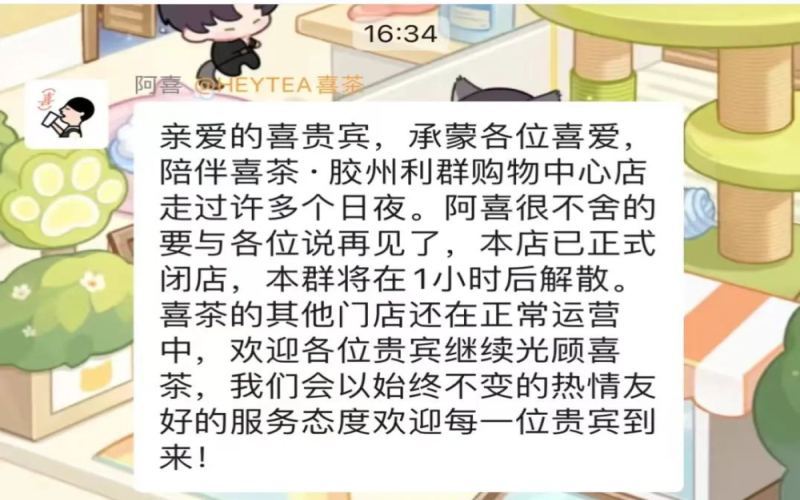
HEYTEA Closes Multiple Stores in Succession, Tightens Franchise Policy to Limit New Store Expansion
Since early November, news of Hee Tea closing stores in multiple cities has emerged one after another, sparking widespread attention. Some netizens reported that stores they frequented suddenly ceased operations—not for renovation and upgrades, but for permanent closure. According to statistics, stores closed in November include the Ganzhou Market store in Zhangye, Gansu; the Lanzhou Guofang Department Store store; and the Zhejiang University Zijingang Campus store, among other locations. Among them were both established stores that had operated for a decade and new stores that had been open for less than six months. This phenomenon is believed to be related to an internal letter Hee Tea released in September, which stated that the company would no longer pursue short-term store-opening speed and would instead focus on store quality and operational excellence. At the same time, a blogger claiming to be a city partner revealed that Hee Tea's franchise policy is being adjusted, with applications becoming more difficult, store-building costs increasing, and even a trend of "restricting new store openings and encouraging closures." [more…]
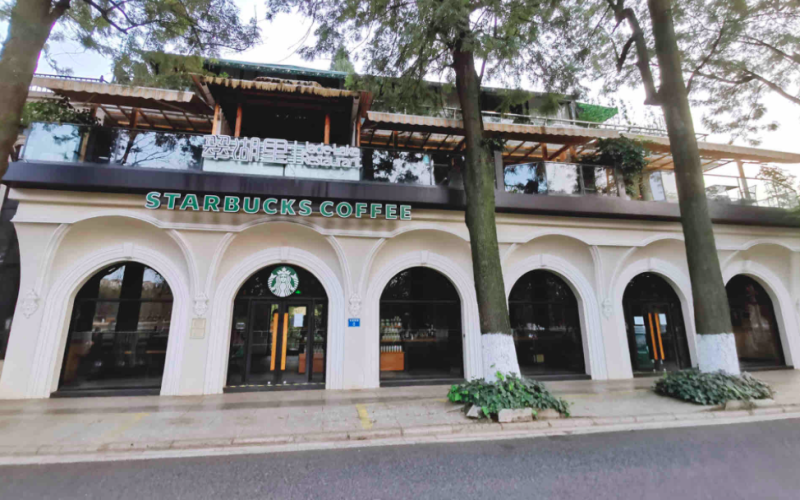
During the National Day holiday, the Starbucks at Green Lake in Kunming suddenly closed: a scenic store takes its final bow, and the Jinjun Plaza store and Xudong K9 Center store have also ceased operations one after another.
During the National Day holiday, while coffee shops in major scenic spots were welcoming peak customer traffic, a Starbucks next to Kunming's Cuihu Lake quietly closed its doors. This lakeside store, regarded by many regulars as a "study base", had its doors locked without warning, with construction barriers erected and brand signage removed. Reasons for the closure are varied: rising rent, an expired lease not renewed, the premises sublet to another brand, and even landlord legal disputes and the entire building being auctioned. Meanwhile, Kunming's Jinjun Plaza store and Xudong K9 Center store also suspended operations one after another, sparking speculation about the brand adjusting its local layout. For regulars, what is lost is not just a cup of coffee, but a daily memory accompanied by lake views. This article will sort through the course of events and the accounts of various parties, and retain relevant Front Street Coffee product and recommendation information. [more…]
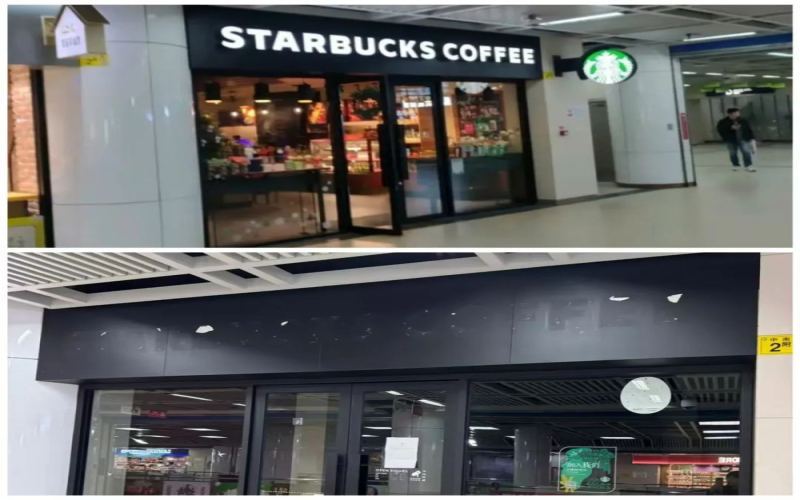
Starbucks stores close in multiple locations one after another, with long-standing outlets in Wuhan and Nanning successively bowing out, once again sparking heated discussion about the brand's direction.
As 2024 draws to a close, Starbucks has been reported closing stores in multiple locations across China. Its store at Wuhan Hongshan Square subway station quietly withdrew, and an old outlet in Nanning Parkson, after twelve years of operation, announced it would close at the end of the month. Add to that the earlier closure of its first store in Changsha, and this chain coffee brand, which has been deeply rooted in the Chinese market for over twenty years, is now facing multiple pressures: rising rents, declining foot traffic, and competition from low-priced coffee. Last month's news that it was "considering selling a stake in its China business" has only fueled speculation about its future direction. This article will review recent store closures, analyze the complex reasons behind them, and retain the "Front Street" brand-related recommendations. [more…]
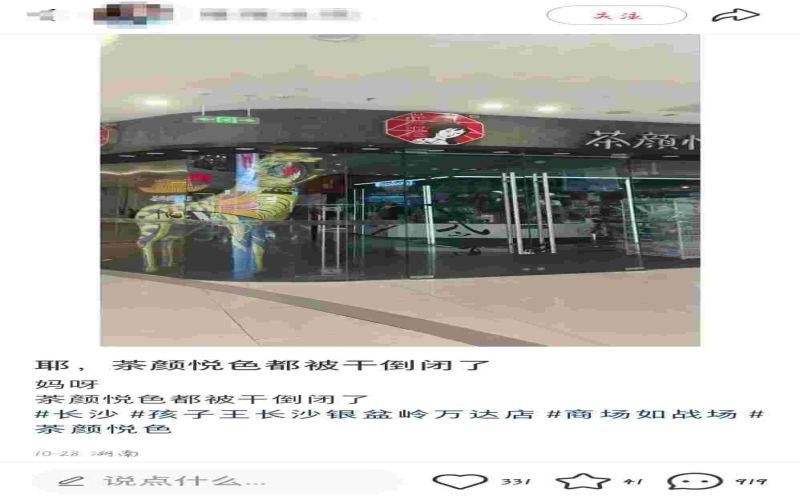
Tea Yan Yue Se stores in multiple locations have closed one after another, and the once-packed queues are hard to see again.
Recently, a netizen tipped off that a nearly ten-year-old CHAYANYUESE store at Yinchangling Wanda Plaza in Changsha had quietly closed, sparking widespread discussion. Subsequently, more netizens shared photos pointing out that stores in multiple locations—including Changsha South Railway Station, Huachuang International Plaza, Changde Wanda, and Wuhan Buddha Ridge subway station—had also been successively withdrawn in the recent period, and the actual number of closures may be even higher. Regarding the reasons for the closures, some believe it is the brand adjusting its store layout, while others attribute it to declining mall foot traffic. However, more consumers point the finger at CHAYANYUESE's insistence on its "stand-in-line verification" mechanism—drinks are only made after customers verify their orders in person—which runs counter to today's consumer habits of pursuing efficiency and convenience. In addition, longtime fans generally report a decline in quality control, with the value for money of the drinks being far worse than before. Once a must-visit spot for photos, its charm has now faded, stores sit empty, and the brand's move to close underperforming locations and cut losses in time may also be a reluctant choice. [more…]

Luckin employees complain about the cumbersome store-closing photo process; unpaid overtime triggers a wave of resignations.
Recently, a Luckin Coffee employee posted on social media complaining that the company's store-closing procedures are too cumbersome, requiring staff to take photos and videos to document materials, which leads to almost daily overtime without overtime pay. Multiple employees followed up confirming similar experiences, pointing out that the strict photo-taking is for food safety and shelf-life management, but the high frequency and insufficient staffing have intensified dissatisfaction. In addition, timeliness assessments also stretch employees thin. These issues have long been ignored by the company, leading to soaring employee resentment, rising turnover rates, and increasingly serious chain problems such as store understaffing and inadequate training. Luckin Coffee now has over 13,000 stores, and employees are calling on the company to face up to its management loopholes. [more…]
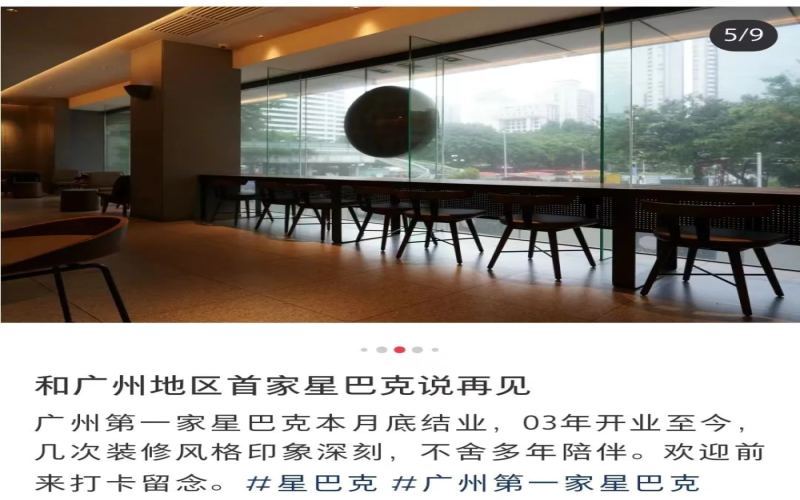
Starbucks' first Guangzhou store is about to close: behind the changes of 24-hour stores and the wave of old store closures
Recently, the news that Starbucks' first store in Guangzhou is about to close has attracted widespread consumer attention. This coffee shop, once famous for being open 24 hours, holds countless memories and emotions for many people. From adjusting its business hours during the pandemic to now facing closure, its departure is not only the end of a store but also reflects the balancing challenge Starbucks faces between expansion and optimizing its layout. Meanwhile, long-established stores in Shenyang, Hong Kong, and other places have also successively announced the end of their operations, with longtime customers expressing their reluctance. This article will take you through the story of this first Guangzhou store, as well as the market logic behind Starbucks' recent store closure trends. [more…]
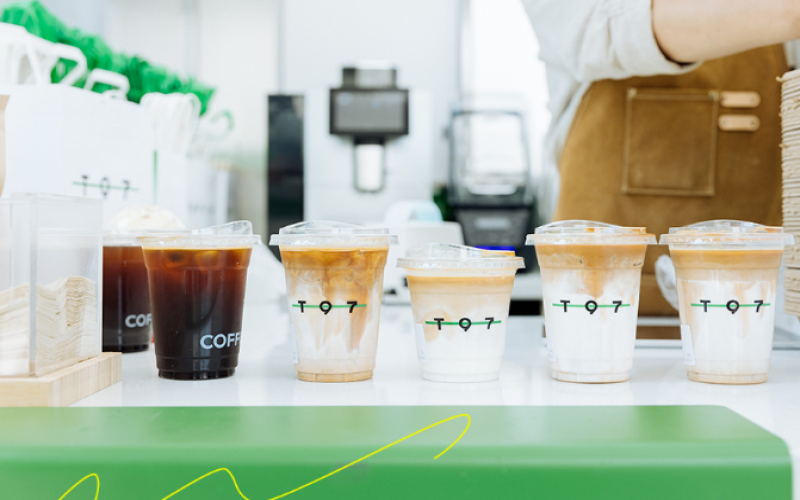
An Investigation into the Real Situation of T97 Coffee Franchisees: Store Numbers Shrink, Hype Fades, Brand Owner Says Closures Are None of Its Business
The T97 Coffee livestream, which once drew 8.09 million viewers, has now shrunk to a mere four hours in the evening with a sparse audience. Founder Li Xiao once boldly claimed he would open 1,001 stores in a year to surpass Luckin, but official data shows the number of stores rose from 48 to 87 before falling back to 85, with multiple locations closing one after another. Li Xiao attributed the closures to individual franchisee issues, but many franchisees report that the brand provides little management and support, product quality is inconsistent, and once the hype faded, operations became unsustainable. This article examines the current situation of T97 Coffee franchisees, explores brand responsibility and franchise risks behind the high closure rate, and offers reference for those considering joining. [more…]