







Search Results for: store regulations
Shanghai's New Food Business Regulations Take Effect in May: Mixed Operations of Coffee and Catering Allowed, Site Area Threshold Abolished
Shanghai recently issued the "Implementation Measures for the Administration of Food Business Licensing and Filing in Shanghai," effective from May 10, 2024. The new regulations abolish secondary-category licensing items and support mixed multi-format operations, allowing coffee shops, bars, and others to coexist in the same storefront, while non-catering stores such as bookshops and clothing stores can also apply for a business permit to make beverages on-site. At the same time, "made and sold on-site" has been adjusted to "made and sold on the premises," the 19 business catalog items have been simplified into 4 categories—hot food, cold food, raw food, and self-made beverages—and the 6-square-meter production site restriction has been removed. In response to the long-disputed "smashed cucumber" issue, the new regulations allow a dedicated area only. Whether the policy benefits can activate the market and ensure food safety still needs time to be tested. [more…]
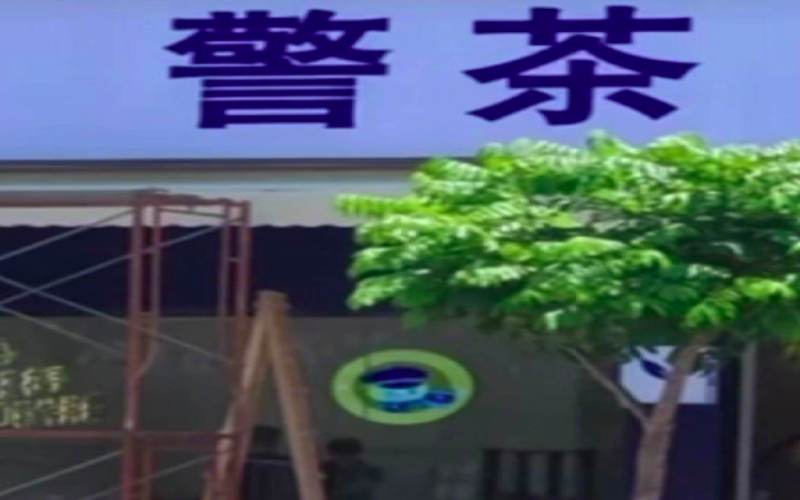
Guangzhou beverage shop named "Jingcha" sparks controversy, regulators step in to investigate whether it violates regulations
A not-yet-opened beverage shop in Zengcheng District, Guangzhou, has sparked public debate after naming itself "Jingcha" (a homophone of "police tea") and using cartoon police imagery in its store decorations. Some see it as merely a clever pun, while more people worry it could mislead consumers. Market regulators and public security authorities have stepped in to investigate, and lawyers point out that the name may violate enterprise name registration regulations. Behind the incident lies not just the compliance of a single shop name, but the boundary between commercial creativity and public symbols. [more…]
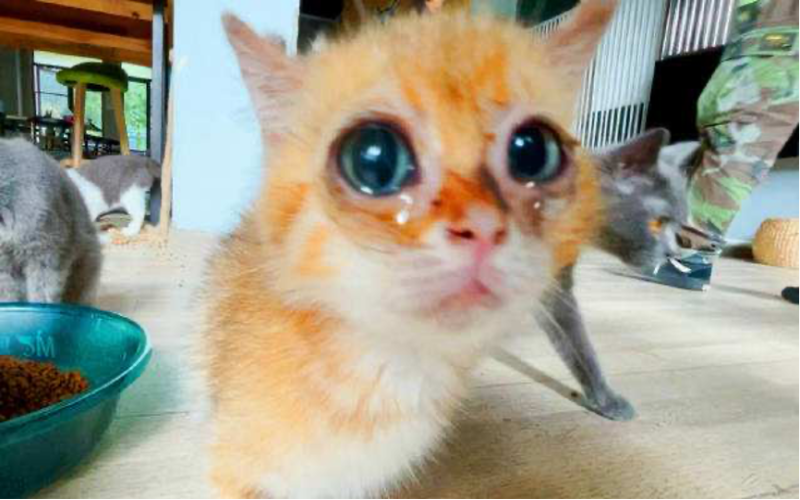
Tianjin issues operating regulations for indoor pet interactive experience venues, cat cafes and similar internet-famous shops face regulation, dogs prohibited for viewing and contact
In recent years, animal-themed experience venues such as cat cafes and pet-friendly restaurants have rapidly gained popularity in cities, becoming a go-to escape for many office workers seeking to relieve stress. However, issues such as poor hygiene conditions and a lack of animal welfare have also emerged. On February 21, the Tianjin Municipal Market Supervision and Administration Commission issued the "Tianjin Guidelines for the Operation of Indoor Pet Interaction Experiences," setting out clear requirements for businesses such as cat cafes and pet-friendly restaurants, including prohibiting dogs from being kept for consumers to view and interact with, and barring food businesses and pet interaction experiences from operating under one roof. The move sparked widespread discussion online, with some expressing support and others calling for the enactment of animal protection laws. Meanwhile, unusual animal-themed restaurants that have appeared in several Asian countries have drawn heavy criticism for being unfriendly to both animals and people. Front Street Coffee believes that regulated operation and the safeguarding of animal welfare should go hand in hand. [more…]
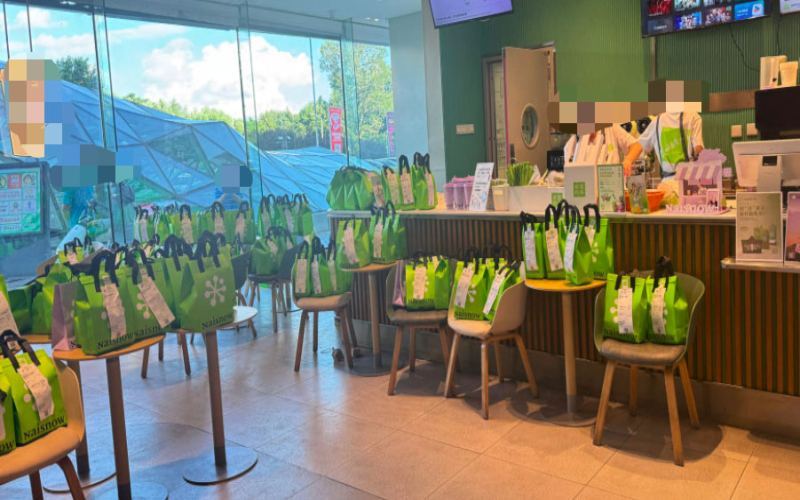
A JD rider entered a Bawang Chaji bar counter to help with packing, sparking heated discussion among netizens over food safety regulations.
Yesterday, the topic of "the first cup of milk tea in autumn" sparked widespread attention on social platforms, with orders at chain tea beverage brand stores surging, and some stores surpassing a thousand cups in sales within a short period. Under the pressure of the order surge, a scene appeared at a Certain Tea store where a JD delivery rider entered the bar area to assist with packing. After the video circulated, it triggered polarized discussions among netizens. Some praised the rider's goodwill in proactively helping, while others questioned whether non-store employees entering the operation area complies with food safety regulations. Surrounding bar operation permissions, health certificate requirements, and store management systems, various viewpoints clashed, and the incident quickly became a hot topic of discussion. [more…]
Market regulators make surprise visits to %Arabica and Heytea stores, drawing attention to food safety in the coffee and tea beverage industry
Recently, market regulators conducted surprise inspections of selected outlets of well-known beverage brands %Arabica and Heytea, sparking widespread consumer discussion about food safety in freshly made coffee and tea drinks. The operation focused on raw material storage, operational standards, and hygiene conditions, with the inspection results revealing that some outlets still have room for improvement in detail management. As coffee lovers, we should not only pay attention to flavor performance but also prioritize the safety and quality of beverages. This article will recount the inspection process and findings, and, in conjunction with the product characteristics of brands such as Front Street Coffee, explore how the industry can uphold the bottom line of food safety amid rapid expansion. [more…]
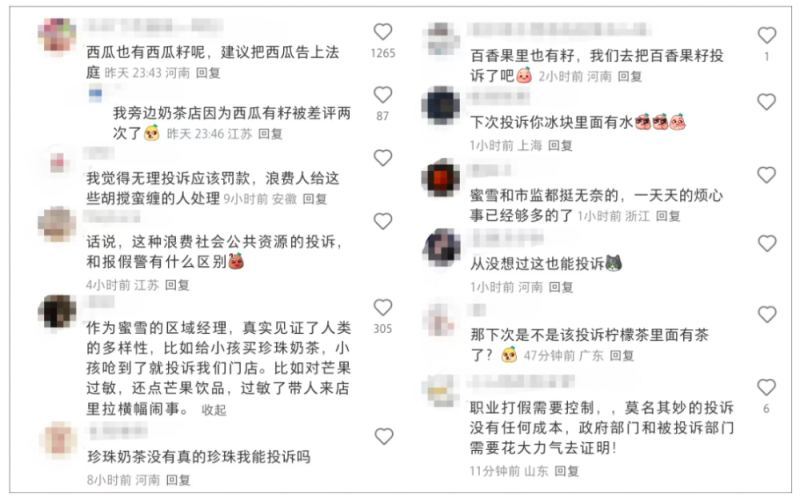
Mixue Ice Cream & Tea was complained about its lemonade containing seeds; after market regulators visited and investigated, they responded: it does not involve food safety.
A single lemon seed in a cup of iced fresh lemonade actually prompted a market regulation inspection? Recently, a netizen in Hefei, Anhui, captured footage of a Mixue Ice Cream & Tea store being inspected by market regulation staff, triggered by a consumer complaint that the drink tasted bitter and had lemon seeds left in the cup. The incident sparked widespread discussion online, with some finding the complaint absurd and others believing a consumer would not make such a fuss over a mere lemon seed. The Mixue store responded that freshly cut lemon slices containing seeds is normal and that their presence in the drink was not due to employee misconduct. Market regulation staff confirmed they had inspected the store and made clear that the lemon seed issue does not involve food safety. This seemingly trivial customer complaint reflects the various bizarre complaints the tea beverage industry faces daily and has also sparked discussion about standardized procedures for freshly cut fruit drinks. [more…]
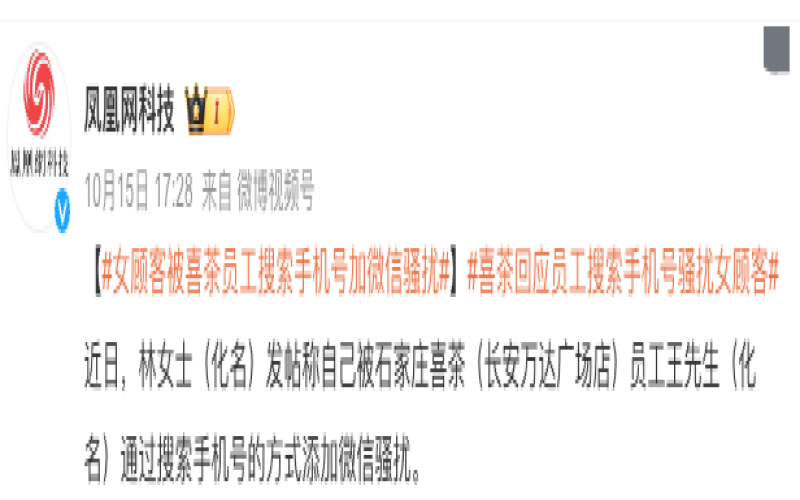
Heytea employee dismissed for searching customer's phone number and adding them on WeChat after work to harass them, reigniting concerns over consumer personal information protection
Recently, an employee at a Heytea store in Shijiazhuang searched for a customer's phone number and added her on WeChat to harass her, sparking widespread attention. After the incident came to light, Heytea quickly fired the employee and apologized and compensated the affected customer. This individual case not only exposes the lack of customer privacy protection training at tea beverage brands, but also once again brings the topic of consumer personal information security to the forefront. With the Regulations on the Implementation of the Law on the Protection of Consumer Rights and Interests officially taking effect in July 2024, the boundaries for business operators collecting and using personal information have become clearer, and the cost of violations has risen significantly. This article will review the course of the incident, the brand's response, and the relevant legal provisions. [more…]
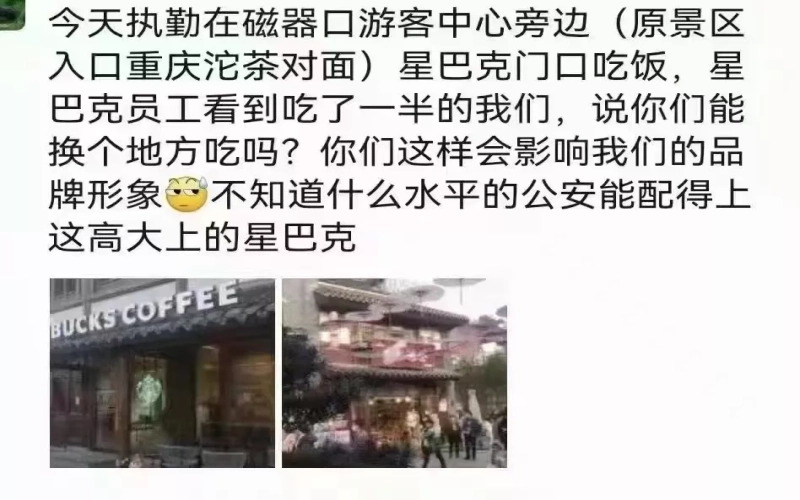
Starbucks Store Sparks Public Outrage After Asking On-Duty Police Officers to Leave: Brand Image and Service Spirit Face Dual Scrutiny
Recently, an incident in the ancient town of Ciqikou in Chongqing sparked widespread discussion: on-duty police officers were asked to leave by staff while eating at outdoor tables and chairs outside a Starbucks store, on the grounds of "affecting the brand image," and were subsequently complained about. The incident quickly fermented online, with netizens questioning whether Starbucks' actions were appropriate. At the same time, an internet influencer cited the so-called "Internal Affairs Regulations of the People's Police of Public Security Organs" to question the officers' behavior, but it was found that the cited content was actually pieced together from another regulation. Starbucks customer service responded that they are verifying the matter and will discipline the employees involved if it is true. This is not the first time Starbucks has been mired in controversy for driving away police; similar incidents have occurred previously at stores in the United States and at Songshan Wanda in China. This article takes you through the full picture of the incident and the voices of all parties. [more…]

Live fly found in iced Americano at Peet's Coffee in Shanghai, regulator responds after investigation
Recently, a consumer in Shanghai found a large fly in an iced Americano purchased from a Peet's Coffee store, sparking widespread attention. The customer said the cup lid was sealed and the store environment was good, and they only noticed the foreign object with the last sip. Although the store offered to remake the drink and issue a refund, the customer refused the refund and demanded a thorough investigation into the cause. After regulators stepped in to inspect, they said the clarity of the surveillance footage was limited and they could not confirm whether there was a problem during the preparation process. The store involved responded that the ice machine is cleaned on a regular schedule and that it is currently cooperating with the investigation. The incident continued to intensify on social media, and the customer has deleted the original post. [more…]
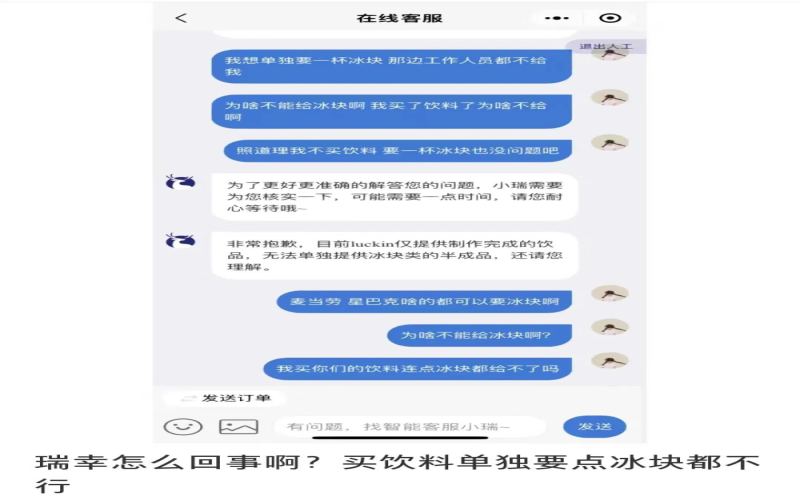
Luckin Not Offering Ice Cubes Separately Sparks Debate: The Food Safety Considerations Behind Semi-Finished Product Regulations
Recently, a customer at Luckin Coffee wanted to add extra ice after placing an order, but was told by the staff that ice could not be provided separately. Luckin's customer service explained that ice is considered a semi-finished product, and company policy stipulates it can only be used to make drinks, not sold or given away on its own. This response quickly sparked discussion online, with some netizens finding the rule absurd, while others explained that it is meant to avoid food safety risks. In fact, chain brands like Starbucks and McDonald's have similar requirements. This article will review the incident, netizens' opinions, and Luckin's official response, and explore the logic behind ice management at chain beverage shops. [more…]
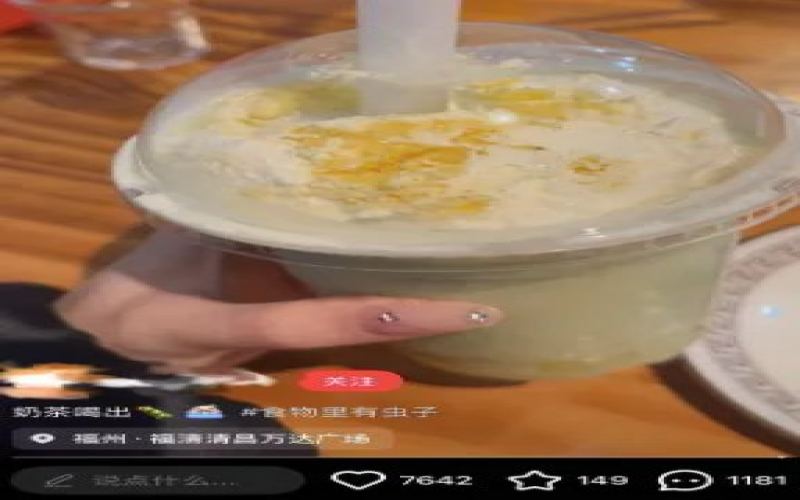
Live Wriggling Worms Found in Lelecha Milk Tea? Regulators Say No Abnormalities Found at Store After Inspection
Recently, a consumer in Fuqing, Fujian, complained on social media that they found a wriggling, light-colored live worm in a vanilla cream melon chiffon milk tea smoothie purchased from Lelecha. The store responded that a review of the surveillance footage revealed no problems, and pointed out that the smoothie's temperature was below 0°C, making it impossible for a live worm to wriggle as quickly as shown in the video. The Fuqing Market Supervision Administration has inspected the store and has so far found no abnormalities; the incident is still under investigation. The consumer refused communication and compensation, insisting on keeping the post, while Lelecha stated that it had processed a refund and cooperated with the inspection. As of press time, the relevant video and post could no longer be found on social media. As coffee enthusiasts, understanding such food safety incidents helps us view issues in beverage consumption more rationally. Front Street Coffee reminds you that choosing reputable brands and stores and paying attention to beverage preparation and storage conditions are the keys to better enjoying every cup. [more…]
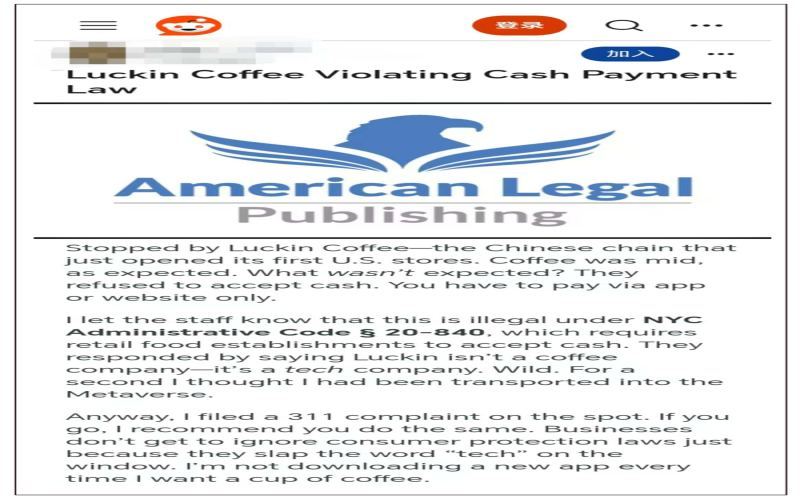
Luckin Coffee's New York store faces complaints for refusing cash: Can a self-proclaimed tech company bypass regulatory constraints?
Recently, a Reddit post about Luckin Coffee's New York store refusing to accept cash payments sparked heated discussion. The poster claimed that the staff argued Luckin is a tech company rather than a coffee company, and therefore is not bound by local regulations requiring food retail businesses to accept cash, and the person involved called 311 on the spot to file a complaint. Both of Luckin's New York stores use a cashless system, supporting only the official App or online payments such as Apple Pay and PayPal. Some netizens worry that this practice is out of step with local consumption habits and may also raise privacy concerns, but others believe that Luckin's stores are merely pickup points for online orders and may not necessarily constitute a violation of the law. Front Street Coffee will continue to follow the developments of this incident. [more…]
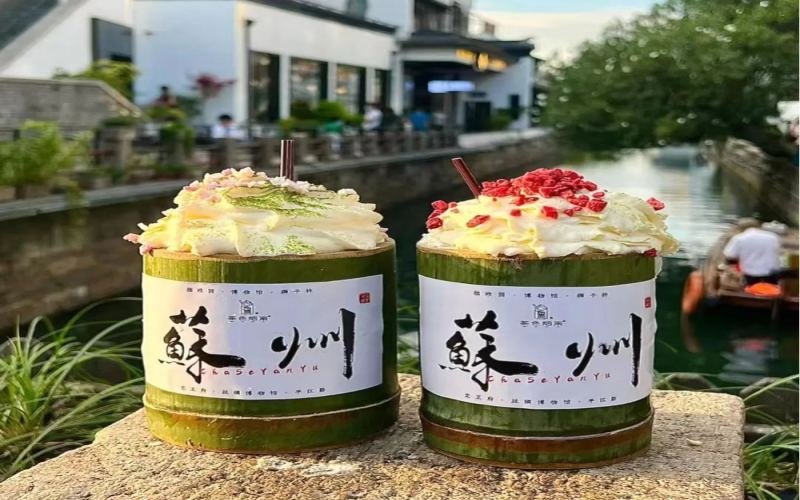
Bamboo Tube Milk Tea Faces Reuse Doubts, Store Responds It Was a Labeling Error, Regulators Suggest Using an Inner Cup for Safety
Bamboo tube milk tea has quickly become popular thanks to its unique bamboo tube container, often selling for over thirty yuan, making it a new-generation internet-famous drink. However, recently some consumers discovered that beneath the sticker on the surface of the bamboo tube there was another label, raising doubts that the bamboo tubes were being recycled and reused. The shop involved explained it as an oversight in re-sticking labels and emphasized that the cups are single-use. Previously, a video of an elderly woman washing bamboo tubes by a river in Suzhou also sparked similar discussions, and the shop likewise denied recycling. Bamboo tube material is prone to mold and cracking, and direct contact with drinks poses food safety risks. The Beijing Dongcheng Market Supervision Administration recommends placing a beverage cup inside the bamboo tube to ensure safety. This article will review the course of the incident and the responses from all parties, and append related recommendations from Front Street Coffee. [more…]
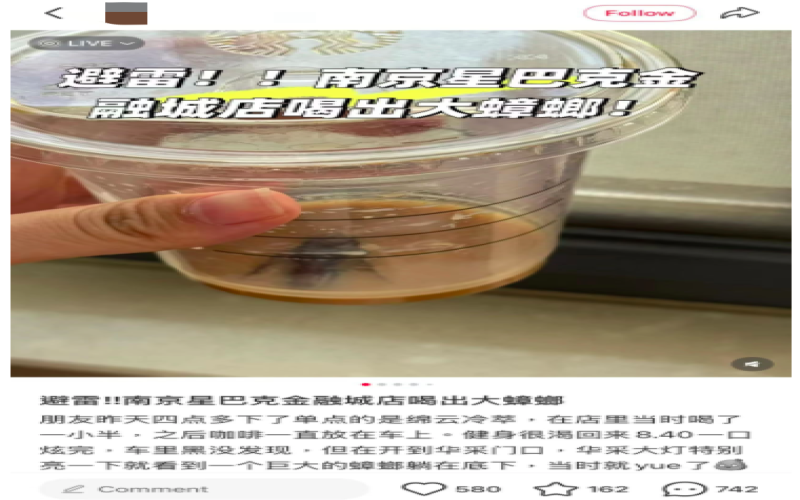
Starbucks drink allegedly had a cockroach at the bottom of the cup; regulators have stepped in to investigate and collect evidence.
Recently, a netizen exposed on social media that a friend found a large cockroach at the bottom of a cup of Cloud Macchiato Cold Brew purchased at the Starbucks Nanjing Financial City store, sparking widespread attention. According to the poster, the drink was purchased on the afternoon of May 29, and the friend only discovered the foreign object when drinking it again several hours after leaving the store, and immediately complained to the store. The store responded that after reviewing surveillance footage, the production process complied with standards, and no abnormalities were found while the customer was drinking in the store. At present, the local market supervision administration has gone to the store to investigate and collect evidence, and no abnormalities were found in the pest inspection and disinfection records. The truth of the incident still needs further confirmation, and it has once again triggered public discussion about the hygiene management of chain coffee brand stores. [more…]
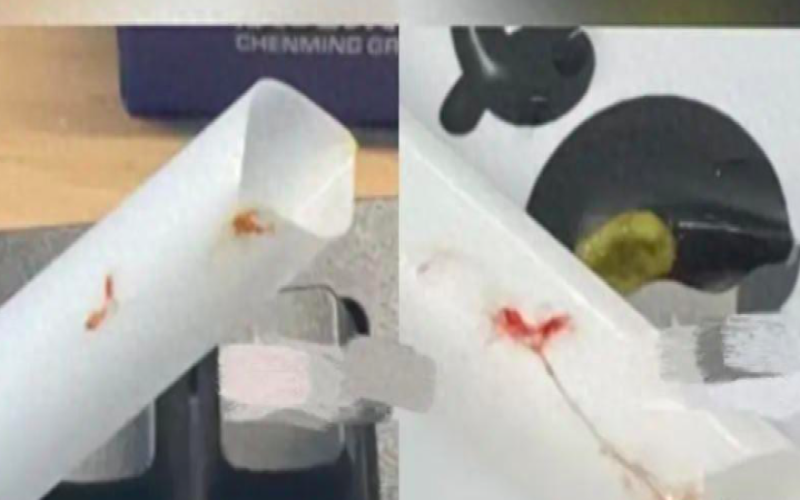
Guming beverage alleged to contain suspected blood phlegm; regulatory authorities report it cannot be determined to be related to store processing
Recently, a consumer claimed to have found a red floating object in a Guming milk tea, suspected to be bloody phlegm, which sparked widespread attention. Guming quickly released surveillance footage in response, stating that store operations were compliant. After the local market supervision department intervened in the investigation, it reported that the ingredients of the beverage involved had complete licenses and certificates, were stored in compliance, and the employees' health certificates were valid with no skin breakage or bleeding. Because the customer was unable to provide physical evidence such as the straw with the suspected foreign object or the remaining beverage, the regulatory authorities, in accordance with relevant regulations, could not determine that the beverage contained suspected bloody phlegm or that it was related to the processing and production at the store involved. The incident once again pushed the food safety of freshly made beverages into the focus of public opinion. [more…]
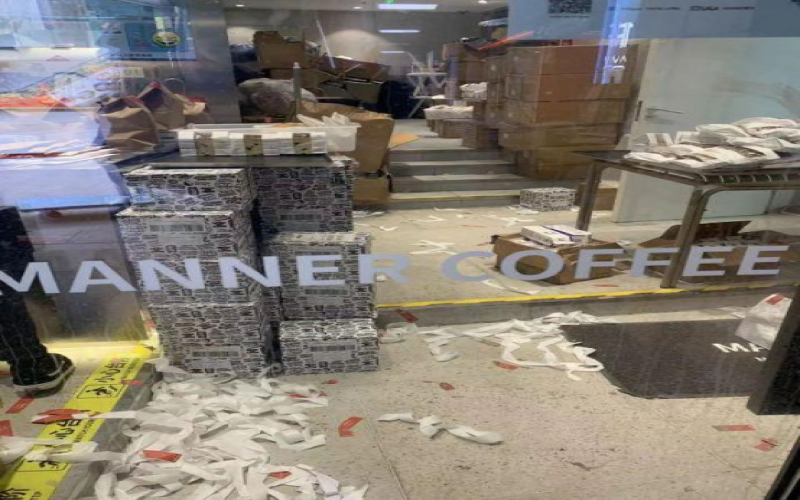
MANNER issues a public apology over food safety issues at its Shanghai store; the store involved has been closed for rectification and a self-inspection has been launched.
As Shanghai gradually resumes production and daily life, being able to get a cup of takeout coffee right at one's doorstep has become a small blessing for many. However, MANNER Coffee's store on Wujiang Road in Shanghai was found in a surprise inspection by market regulators to have problems including substandard environmental hygiene and non-compliant food storage, and was placed under investigation on May 23, quickly sparking heated discussion online. On May 24, MANNER's official Weibo account issued an apology statement, admitting that during the supply-guarantee delivery period there were oversights such as non-standard use of raw milk and failure to promptly clean the backing paper of food-safety seals, and stating that the store involved had immediately suspended operations for rectification. But this apology was questioned by some consumers and industry experts as evading the key issues and failing to directly address core hazards such as floor grime potentially contaminating food. As the pioneer of the domestic boutique coffee shop model, MANNER is facing a dual test of quality and food safety on a coffee track now crowded with cross-industry giants. [more…]
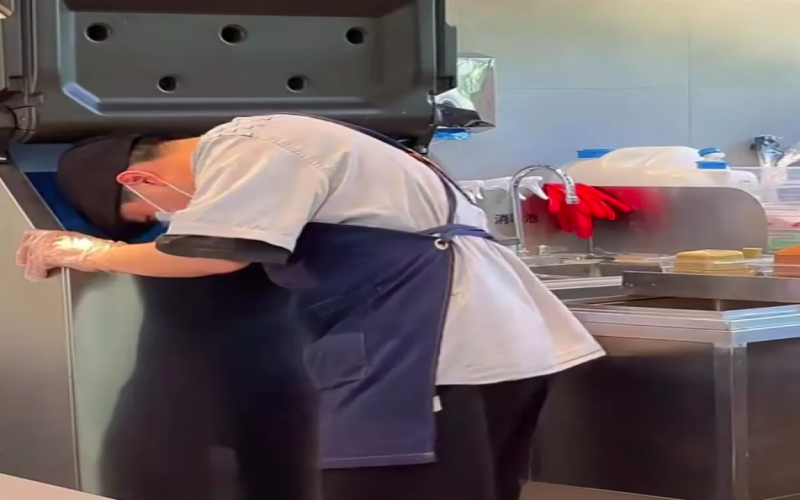
Regulators Investigate Luckin Coffee Over Black Foreign Object in Ice, Food Safety Back in the Spotlight
Recently, a Luckin Coffee store in Huanggang, Hubei, was complained about by a consumer after black spot-like foreign objects were found in the ice in a drink. The incident quickly spread online and trended on social media. The customer said they vomited after drinking it, the store has refunded the money, and the local market supervision department intervened in the investigation. An initial inspection found no signs of mold. Luckin responded that it attaches great importance to the matter and has launched an internal review, but has not yet announced the results. The incident has triggered public discussion about hygiene management in chain coffee shops, and also prompted us to re-examine the potential risks in the ice-making process. [more…]
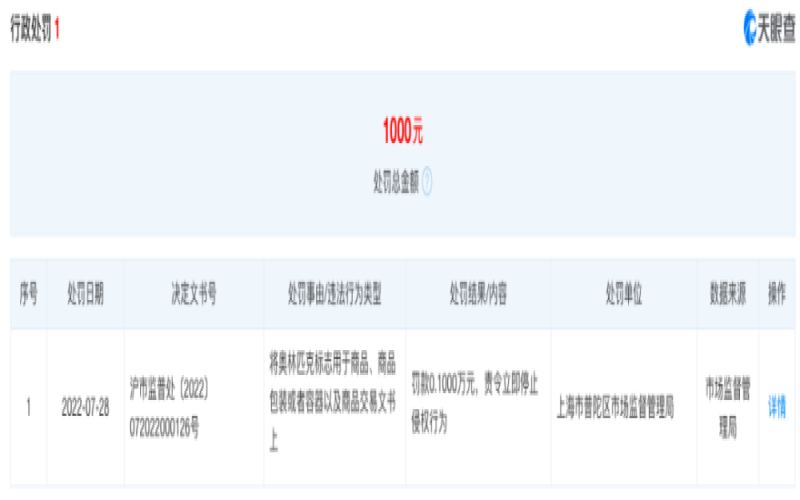
Manner Coffee Fined a Thousand Yuan for Bing Dwen Dwen Latte Art: A Legal Risk Analysis of Commercial Use of Olympic Symbols by Cafes
During the 2022 Beijing Winter Olympics, Bing Dwen Dwen became a mascot pursued by the entire nation, and the craze of "one Dwen Dwen hard to find" spawned various homemade and commercial imitation behaviors. A Manner coffee shop in Shanghai was fined a thousand yuan by market regulators for making latte art coffee resembling Bing Dwen Dwen, sparking industry attention to the boundaries of commercial use of Olympic symbols. This article reviews the penalty details of the incident, the legal basis, and typical cases from the same period, helping coffee practitioners clarify the line between creative latte art and infringement, and avoid inadvertently crossing intellectual property red lines. [more…]
Understanding Coffee Bean Grading Standards Through Blue Mountain Coffee: Screen Size, Barrel Packaging, and Export Regulations Explained
Jamaican Blue Mountain coffee is globally recognized as one of the top coffees, but do you know how it is graded? This article will guide you through the basis for grading Blue Mountain coffee—screen size—and the strict cupping confirmation process. From No. 1 to No. 3, coffee beans of different screen sizes show no difference in taste, but there is a distinction between wooden barrels and burlap sacks for green bean packaging. Barrel-packed Blue Mountain coffee also comes with a certificate of origin, and the barrel is printed with information about the estate and importer. In addition, the Jamaican government has clear regulations on the export of defective beans and coffee beans with taste issues. Front Street Coffee reminds you that understanding this grading knowledge helps in identifying authentic Blue Mountain coffee. [more…]

Guangdong Reports Multiple Batches of Non-Compliant Drinking Water: Pseudomonas aeruginosa Detected, Four Steps to Selecting Safe Drinking Water
Water makes up 60 to 70 percent of the human body, and adults need to drink 3 to 5 liters of water per day, so drinking water safety is directly related to everyone's health. As consumer demand for packaged drinking water continues to grow, the actual quality of products labeled "purified" or "mineral" on the market has become a focus of public attention. Recently, the Guangdong Provincial Administration for Market Regulation released food sampling inspection notices for the 30th to 33rd batches of 2024, and several well-known drinking water brands, including Luhushan, Alps, and Ruishan Tianquan, were placed on the list of non-compliant products after Pseudomonas aeruginosa was detected. This opportunistic pathogen poses a relatively high health risk to people with weakened immune systems. How did the companies involved respond? What purchasing advice did regulators provide? This article will sort out the details for you. [more…]