







Search Results for: store phone numbers made public

Refund difficulties on Luckin's mini-program spark debate: store phone numbers not publicly listed, leaving both consumers and staff in a bind
Ordering through mini-programs is quick and convenient, and you can even get coupons, but once you place a wrong order and want a refund, you may run into obstacle after obstacle. Recently, a blogger mistakenly ordered 17 cups of coffee through the Luckin mini-program. Within one minute, they tried to cancel, only to find that the mini-program did not display the store’s phone number, while the headquarters customer service kept passing them back and forth through an intelligent robot. In the end, they had no choice but to bear the loss themselves. This incident struck a chord with many netizens, and quite a few shared similar experiences. Consumers are calling for store contact information to be made public or for the self-service refund function to be improved, while Luckin staff also said that stores cannot directly process refunds and that the procedure is cumbersome, expressing hope that the system can be optimized. When convenience and after-sales service become disconnected, how should brands balance efficiency and consumer rights? [more…]
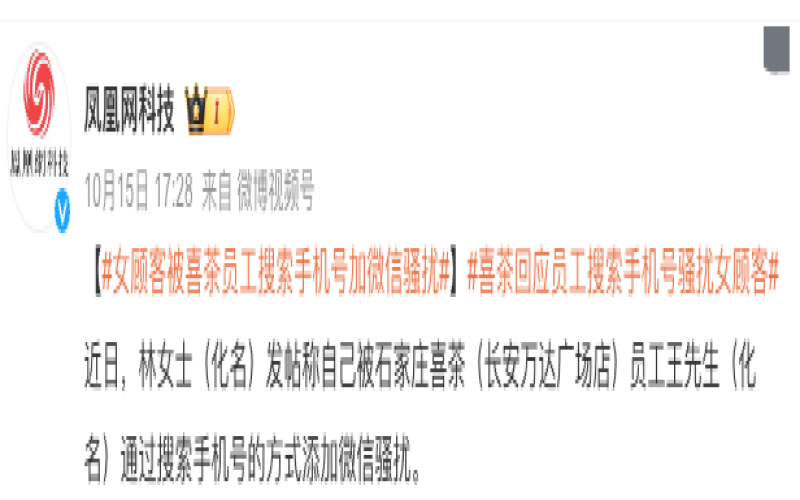
Heytea employee dismissed for searching customer's phone number and adding them on WeChat after work to harass them, reigniting concerns over consumer personal information protection
Recently, an employee at a Heytea store in Shijiazhuang searched for a customer's phone number and added her on WeChat to harass her, sparking widespread attention. After the incident came to light, Heytea quickly fired the employee and apologized and compensated the affected customer. This individual case not only exposes the lack of customer privacy protection training at tea beverage brands, but also once again brings the topic of consumer personal information security to the forefront. With the Regulations on the Implementation of the Law on the Protection of Consumer Rights and Interests officially taking effect in July 2024, the boundaries for business operators collecting and using personal information have become clearer, and the cost of violations has risen significantly. This article will review the course of the incident, the brand's response, and the relevant legal provisions. [more…]
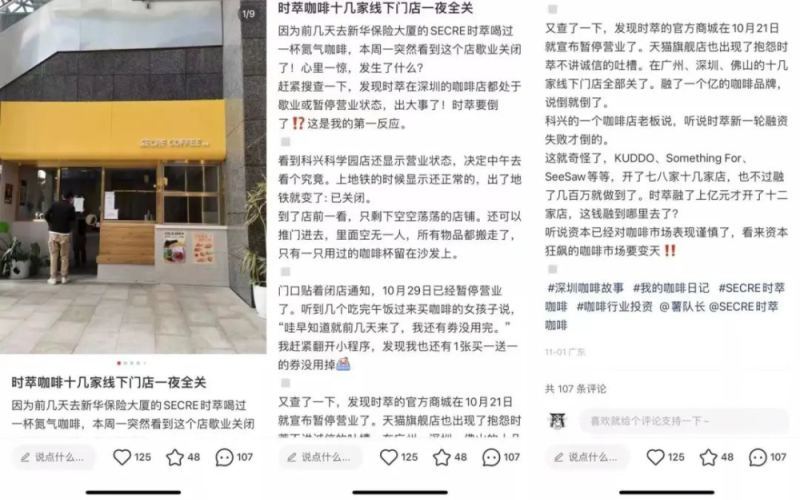
Time Extract Coffee's physical stores appear to have collectively shut down; the company once raised nearly 100 million yuan in funding, with a single-store valuation exceeding 100 million.
Once regarded as a key player in the specialty instant coffee sector, Shicui Coffee has recently been exposed by netizens for the near-simultaneous closure of its offline stores in multiple locations. Founded in 2019, this brand rose rapidly with its internet-savvy team and subscription-based model. After securing nearly 100 million yuan in financing in 2021, it accelerated its offline expansion, with a single-store valuation once exceeding 100 million yuan. However, stores in Shenzhen, Guangzhou, Foshan, and other places have now posted closure notices, the official phone line goes unanswered, and only the Lingnan Tiandi store in Foshan remains open. Although its e-commerce channels are still operating normally, does the offline setback mean the brand will retreat to its main online battlefield? Its financing-driven growth model has also prompted the industry to reflect on the risk resilience of emerging coffee brands. [more…]
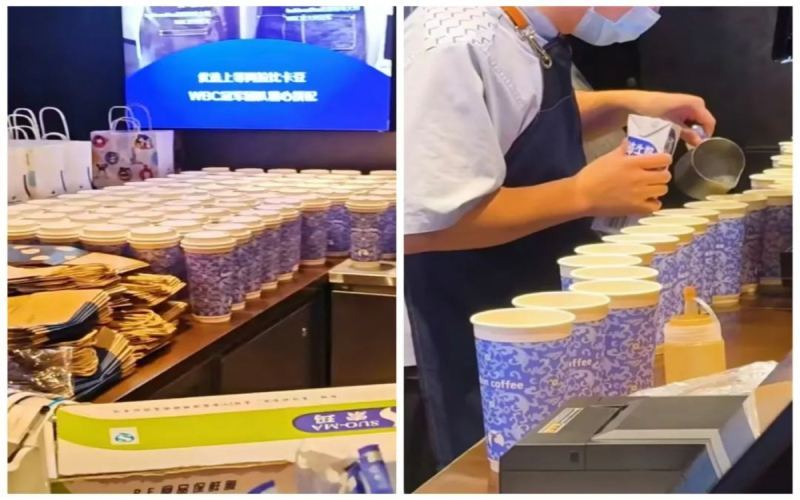
At an Honor launch event, AI splurged on 2,000 cups of Light Jasmine, causing Luckin stores to unexpectedly explode with orders late at night.
A smartphone launch event unexpectedly caused a sudden surge of group orders at nearby Luckin Coffee stores in the evening, catching staff off guard and keeping delivery riders constantly on the move. It turned out that the Honor CEO demonstrated an AI ordering feature on stage, buying 2,000 cups of Light Jasmine from Luckin with a single sentence. Because of the limit on the number of items per order, the AI spread the demand across multiple stores, causing Luckin outlets near the convention center to be flooded with orders at once. This move showcased Honor's intelligent AI interaction and also, unintentionally, gave Luckin a round of publicity for its efficient order fulfillment. [more…]
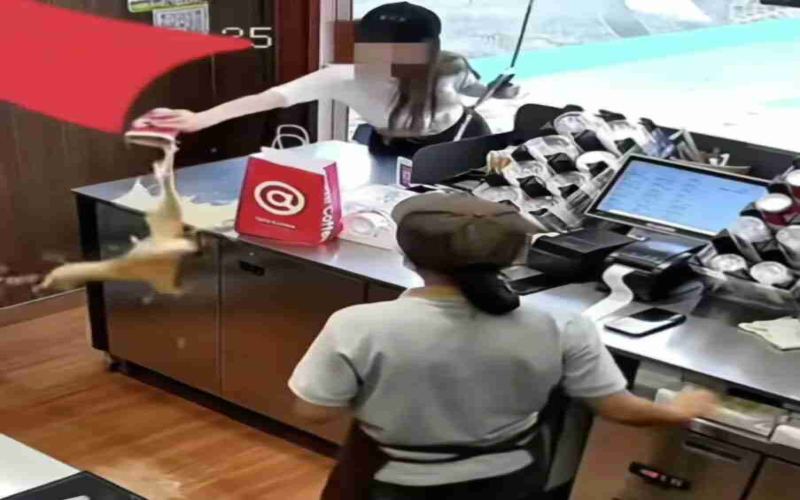
Customer whose request to switch from self-pickup to delivery was refused throws coffee at the store, leaving a lone employee to clean up helplessly
Recently, a customer in Guizhou, unable to find the store for a self-pickup order, demanded delivery instead. When refused, they went to the shop and poured coffee over the bar counter. The incident, reported by multiple media outlets, sparked widespread discussion. The barista, working alone, could not leave the store to deliver, while the customer vented frustration through harassing phone calls and pouring coffee. Netizens generally agreed the barista's actions were understandable and the customer's behavior was excessive. The shop involved did not call the police, and employees cleaned up themselves. Front Street Coffee reminds that self-pickup orders can be handled via errand services, and only civilized communication can resolve conflicts. [more…]
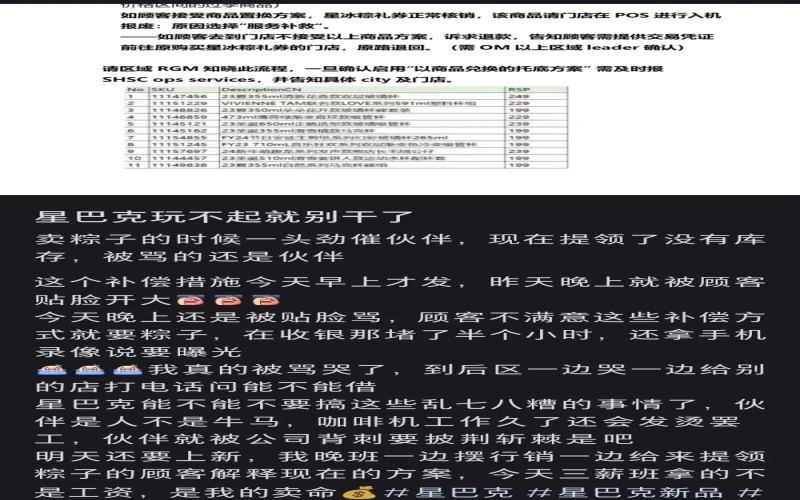
Invalid Frappuccino Zongzi Vouchers Ignite In-Store Conflicts, Leaving Consumers and Staff in Jiangsu, Zhejiang, and Shanghai Under Pressure
During this year's Dragon Boat Festival, several Starbucks stores in the Jiangsu-Zhejiang-Shanghai region ran short of Frappuccino Zongzi (sticky rice dumplings), leaving customers holding redemption vouchers unable to collect their goods as scheduled. At some stores, heated arguments broke out between customers and staff. Some employees were reduced to tears by verbal abuse, while other customers threatened to call the police or expose the situation. Starbucks responded that it had made every effort to meet redemption demand, but some consumers remained dissatisfied with the compensation package. This supply-demand conflict triggered by a zongzi shortage reveals deeper issues in the brand's allocation and inventory management of seasonal products. [more…]
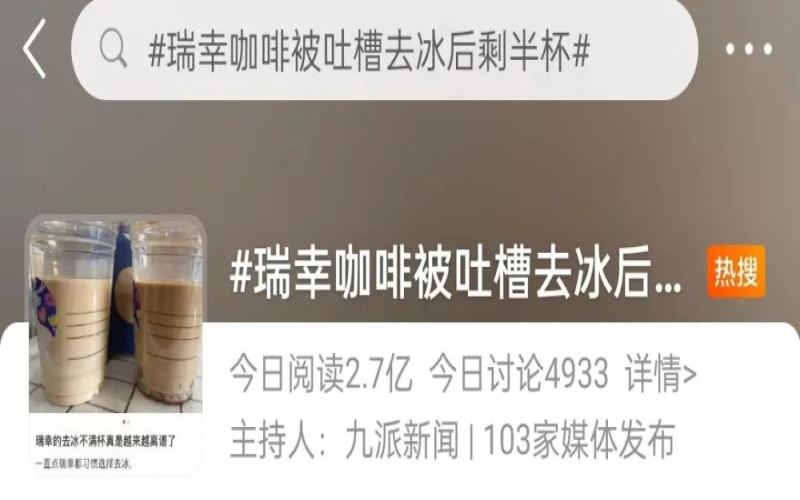
Luckin Coffee's ice controversy sparks debate: after removing ice, the cup is half empty, bringing the issue of ice proportions in chain beverages to the surface
Recently, Luckin Coffee made it onto Weibo's trending topics because its iced drinks contained too much ice and the cup volume decreased noticeably after removing the ice, triggering widespread consumer concern about the proportion of ice in chain coffee and milk tea shops. Many netizens posted comparison photos showing that after removing the ice, only half a cup of the drink remained, with some even joking about "looking for the latte in the ice." Luckin officially responded that its drinks are made according to a standardized recipe and that it will strengthen store training. At the same time, other brands such as Starbucks were also accused of a similar phenomenon. This article sorts out the course of the incident, netizen feedback, and official responses, and also includes professional exchange information from Front Street Coffee. [more…]
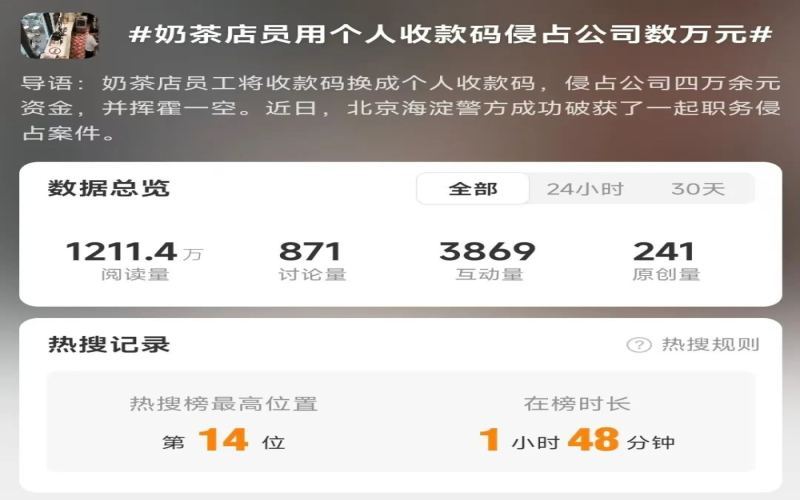
Milk tea shop employee secretly swaps payment QR code, embezzles 40,000 yuan and is criminally detained; corporate internal control loopholes draw attention
Recently, an incident in which a milk tea shop employee replaced the store's payment QR code with a personal one and misappropriated tens of thousands of yuan from the company trended on Weibo, sparking widespread discussion. According to a notice from the Haidian Public Security Bureau in Beijing, the employee had been collecting payments via a personal QR code since May of this year and concealed the act by cutting off the network and disabling surveillance. The estimated amount misappropriated reached over 40,000 yuan, and the person has now been criminally detained in accordance with the law. This case not only exposes loopholes in financial management at retail stores, but also once again reminds operators to strengthen internal oversight. As a platform for coffee enthusiasts, Front Street Coffee has always followed business developments and compliance issues in the beverage industry. This article reconstructs the course of events and analyzes the relevant legal points. [more…]

Why can't Starbucks mooncake vouchers be redeemed? Consumers in multiple cities encounter no way to book and customer service unreachable.
As the Mid-Autumn Festival approaches, mooncakes are traditionally a festive treat for family reunions. However, this year, many consumers holding Starbucks mooncake redemption vouchers are far from happy. According to the voucher rules, customers were supposed to scan a code to make a reservation and pick up two gift boxes at a store. But in reality, nearby stores generally show no stock, customer service calls are stuck in long queues or even disconnected by the system, and store employees admit that the whole city is out of stock. From Beijing, Shanghai, Jiangsu, and Zhejiang to Chengdu and Wuhan, complaints about being unable to redeem the vouchers are pouring in, and Starbucks has yet to offer a unified explanation. This article will outline the sequence of events, the consumers' experiences, and industry commentary, and include the latest alternative solutions in some regions. [more…]
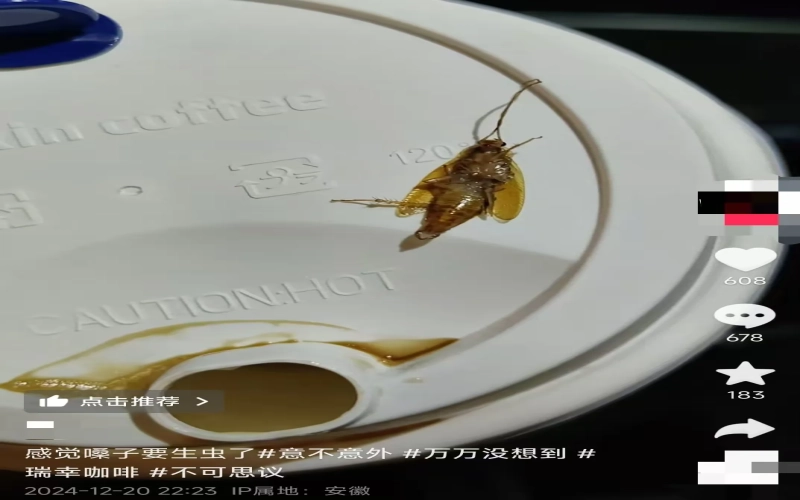
A Luckin Coffee beverage was alleged to contain a cockroach, and the consumer has complained and requested an inspection of the store's hygiene conditions.
Recently, a consumer posted a video on social media claiming to have found a foreign object resembling a cockroach in a Luckin Coffee beverage, sparking widespread attention. The consumer said they drank it several hours after picking it up, and upon discovering the foreign object immediately filmed a video and contacted the store and headquarters to complain, demanding an investigation into the store's hygiene conditions and its suspension for rectification. Luckin responded that it was handling the matter but did not provide surveillance evidence, and the two sides each stick to their own account regarding the origin of the foreign object and who is responsible. The consumer has now filed a complaint with 12315, and the incident is still escalating. [more…]
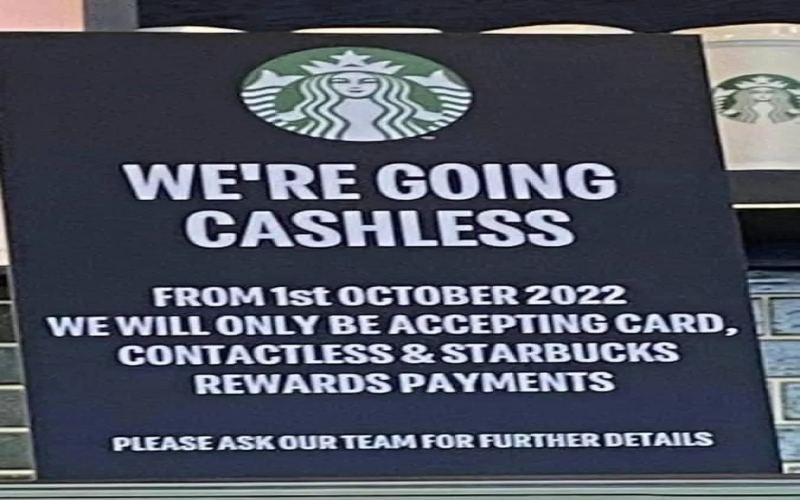
Starbucks Responds to Cashless Store Controversy: It's Just an Autonomous Decision by a Few Franchised Stores
Recently, two Starbucks stores in the UK posted notices stating they would stop accepting cash, sparking heated discussion online. Many people worried that this move deprived consumers of their right to choose, and public opinion quickly escalated. Starbucks UK officially clarified afterwards that these stores are independently operated by licensed partners, and going cashless is not a unified company policy. In fact, Starbucks once tested a cashless model in the US but did not roll it out, and although it encouraged electronic payments during the pandemic, it still emphasized that cash always remains an option. This article will recount the course of the incident and sort out Starbucks' historical stance on payment methods and its future direction. [more…]
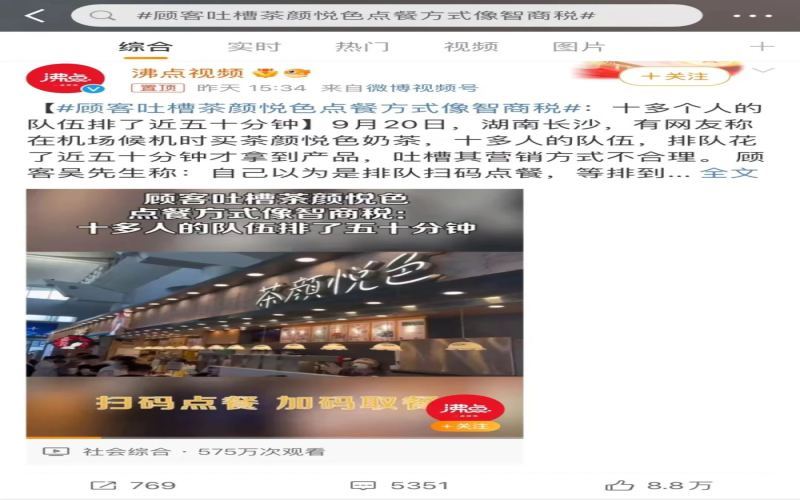
Tea Yanyuese's queueing and ordering rules spark controversy again, official response fails to quell netizens' dissatisfaction
Recently, Chayan Yuese has once again become the center of public attention due to its ordering and pickup rules. Some customers at the Changsha airport store waited nearly fifty minutes before getting their drinks, questioning its cumbersome ordering process and unreasonable marketing methods, which struck a chord with many. In fact, Chayan Yuese has adjusted its ordering rules multiple times, and consumers have kept complaining. Although the company responded officially that the new rules are meant to ensure the texture of the milk foam, netizens were not convinced. This article reviews the course of the incident, the views of various parties, and the brand's response, and explores the logic and controversy behind the queuing phenomenon in the milk tea industry. [more…]
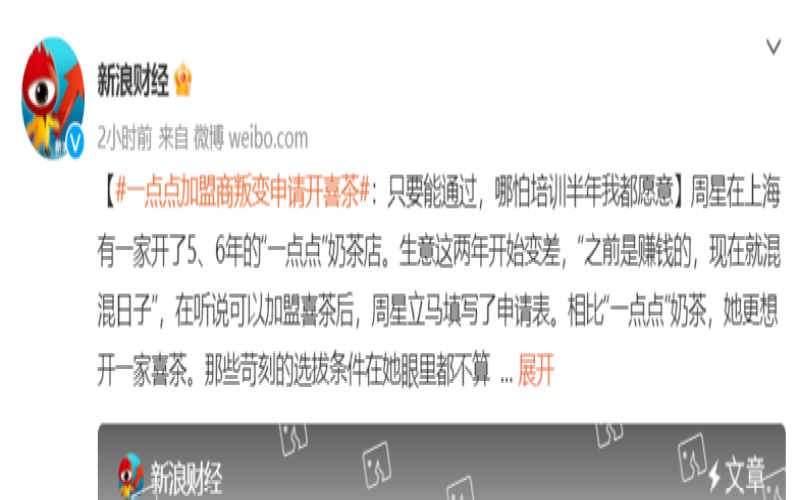
HEYTEA's opening of franchising draws attention: Yidiandian franchisees show interest in switching, but can the high-threshold review deliver as hoped?
The new tea beverage market landscape is constantly evolving. Even HEYTEA, which insisted on direct operation for ten years, has announced it will open franchising, targeting lower-tier markets. This strategy has attracted the attention of many franchisees, and some former Yidiandian franchisees are even planning to abandon their old stores to switch to HEYTEA. However, HEYTEA's partner selection criteria are quite strict—not only are the fees not low, but applicants are also required to commit full-time, provide proof of assets, and have management experience. Whether switching is wise remains unknown. This article compiles relevant reports and data, and includes a Front Street Coffee information entry for readers' reference. [more…]
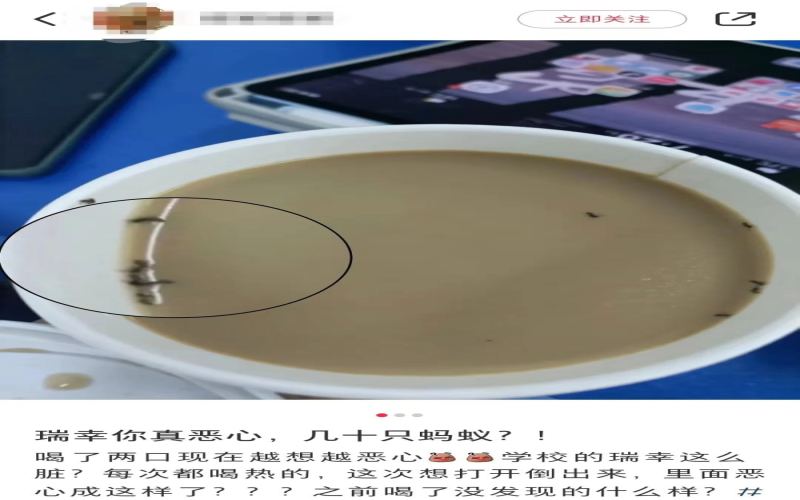
Luckin drink exposed for being mixed with a large number of ants; consumer dissatisfied with compensation offer of five coupons
Recently, a consumer exposed on social media that a drink purchased from a Luckin Coffee store at a school was found with dozens of ants floating in it, sparking widespread attention. The store explained that sugar-loving ants might have crawled through the pipes into the syrup bottle, and since this order happened to be the first cup of the day, the staff failed to notice in time. Although the store has apologized and promised thorough disinfection and replacement of the syrup, and Luckin's customer service also offered five coupons as compensation, the consumer was not satisfied and has called 12315 to file a complaint, awaiting further official handling. The incident not only raised doubts among netizens about Luckin's food safety controls but also triggered heated discussion about compensation standards. [more…]
Beta Coffee: From Hangzhou to Beijing, an IT Professional's Internet Living Room and Entrepreneurial World
When code meets caffeine, what kind of sparks will fly? Beta Coffee started in Hangzhou, founded by IT entrepreneur Bai Ya and his partners, and quickly became a public living room for the internet circle. This trend then swept through Beijing's Zhongguancun, with Garage Coffee, 3W Coffee, and others springing up, ushering in the "internet coffee era." These places are not just for drinking coffee, but also a arena for IT people to network, recruit, and seek investment. This article will take you through the founding journey of Beta Coffee, its unique rules, and those warm yet persistent entrepreneurial stories, to feel the internet spirit that connects infinite possibilities behind a cup of coffee. If you also enjoy exploring coffee culture, please follow Front Street Coffee, where we continue to bring you heartwarming coffee stories. [more…]

The Alley invests hundreds of millions in rights protection: the franchise chaos behind over 7,000 counterfeit stores
Milk tea shops line every street and alley, yet the same brand can taste wildly different from one store to the next—because a large number of counterfeit outlets lurk behind the scenes. The genuine The Alley has only just over a hundred directly operated stores, while copycat versions number more than seven thousand, forcing the brand to spend hundreds of millions fighting counterfeits. Many entrepreneurs naively trust online franchise information and fall into copycat traps, losing anywhere from hundreds of thousands to over a million yuan. This article reviews trademark infringement cases reported by CCTV, exposing the common tricks of counterfeit franchising, as well as the story of how Heytea was forced to change its name because of rampant imitation, reminding consumers and entrepreneurs to keep their eyes open. [more…]
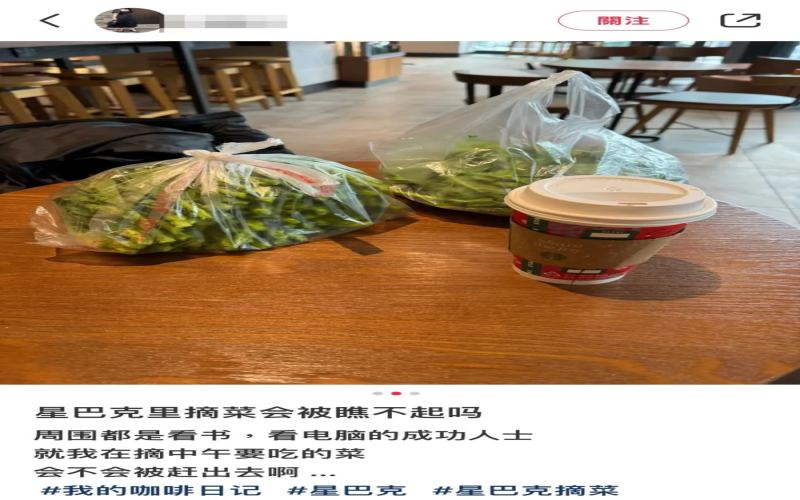
Should Starbucks staff prep vegetables in-store? Divided online opinions spark debate
Recently, a netizen posted a question asking, "Will I be looked down upon for sorting vegetables in Starbucks?", which quickly sparked widespread discussion. The netizen used the time while waiting for her child to finish class to buy a drink at Starbucks and sort vegetables, and felt out of place because most of the surrounding customers were reading or working. Regarding whether this behavior is appropriate, netizens' opinions showed clear divisions: some believed that kitchen chores should be avoided in public places, while others sympathized with the mother's hardship and thought it was no big deal as long as it did not affect others. Behind the incident is a reflection of the ambiguity and controversy surrounding the boundaries of use of chain coffee shops as a "third place." [more…]
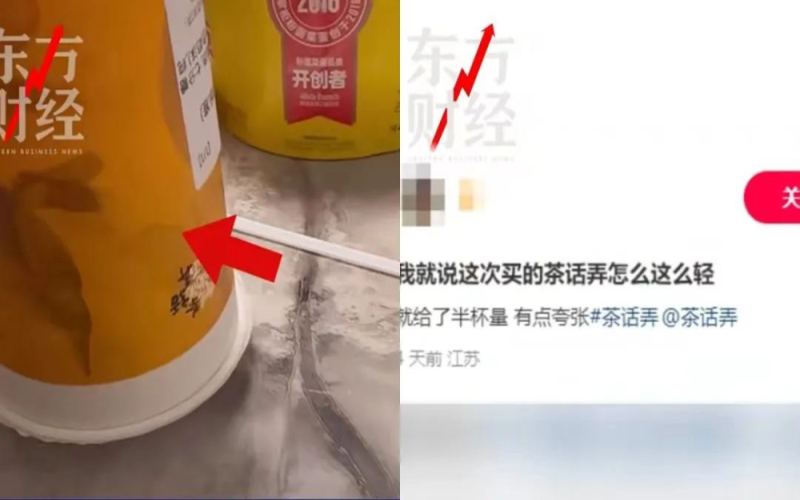
Only Half a Cup of Milk Tea and Then Bombarded with Text Messages? Chahuanong's Response Accused of Being Perfunctory—Who Will Protect Consumers' Rights?
Recently, a consumer in Jiangsu discovered that the milk tea they purchased from Chahuanong contained only half a cup. After giving feedback to the merchant, not only was the issue not properly resolved, but they also reportedly experienced SMS bombing and harassment from internet trolls. After the incident garnered widespread attention, Chahuanong officially issued two statements on July 28, first apologizing and then denying hiring trolls, stating that the police have intervened in the investigation. However, netizens in the comments section generally disapproved of the brand's handling, believing that the store was shortchanging customers in the first place and is suspected of leaking customer information, and a mere "full cooperation" is hard to satisfy the public. As coffee enthusiasts, we also focus on issues related to production standards in the beverage industry and consumer rights protection, and Front Street will continue to monitor the progress of the situation. [more…]
Milk tea chain hit with 11 tenfold compensation claims in one month: how can food safety law become a tool for profit?
A chain milk tea brand with over six hundred stores unexpectedly encountered, within just one month, eight stores in the same area and a total of eleven complaints, all with identical reasons—hair found in takeaway drinks, and on that basis demanding ten times compensation. The cumulative compensation amount exceeded eleven thousand yuan. After the merchant noticed something unusual and called the police, the police quickly identified a suspect, whose motive was actually that he had tasted the "sweetness" from the first genuine complaint, and then turned rights protection into a means of extorting money. This case prompts reflection: the Food Safety Law is originally a sharp weapon for protecting consumers, but if it is used by people with ulterior motives as a shortcut to get rich, the law will also impose sanctions. The following will restore the course of the incident and explain the criteria for determining the crime of extortion and its legal consequences. [more…]
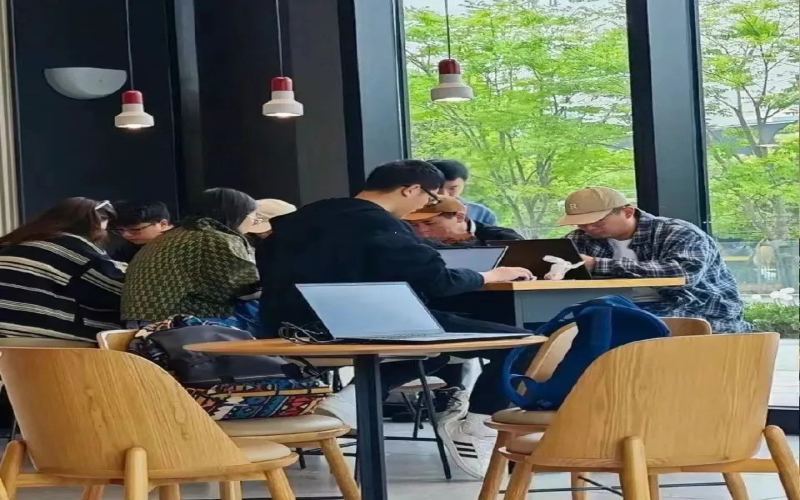
New Developments in Starbucks Store Seating Management: Non-Purchasing Customers May Face Polite Requests to Leave, Sparking Controversy Over the "Third Place" Positioning
Starbucks has long positioned itself around the "third space" concept, offering customers a place to study, work, and socialize. However, as the phenomenon of occupying seats without making a purchase becomes increasingly common, many paying members report that store seating is taken up by non-consumers, greatly diminishing their experience. Recently, some netizens revealed that certain stores have begun "politely asking" non-purchasing customers to leave, requiring anyone who sits down to place an order, sparking widespread discussion. Supporters argue this helps maintain operational order, while opponents worry it damages the brand image. Starbucks customer service responded that all stores welcome customers to sit, regardless of whether they make a purchase. How will this debate over the boundaries of the "third space" ultimately affect Starbucks' future direction? [more…]