







Search Results for: store penalties
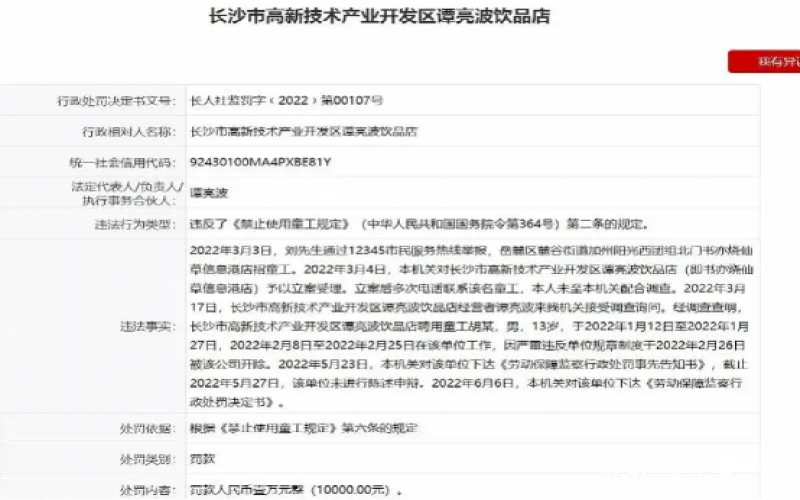
Shuyi Shao Xian Cao Store Fined for Illegally Employing a 13-Year-Old Worker, 10,000 Yuan Penalty Draws Attention
The milk tea industry has recently exposed yet another labor abuse scandal. A Shuyi Tealicious store in Changsha was fined 10,000 yuan by the local Human Resources and Social Security Bureau for hiring a child worker who was only 13 years old. The incident came to light after a citizen report, and an investigation found that the child had worked at the store for several months before being fired, which then led to a dispute. The store owner involved argued that the child claimed to be over 15 years old and that they only agreed to hire the child because they were short-staffed. This case not only highlights loopholes in employment management at some food and beverage outlets, but also sparked public discussion about the protection of minors and the enforcement of labor laws. [more…]
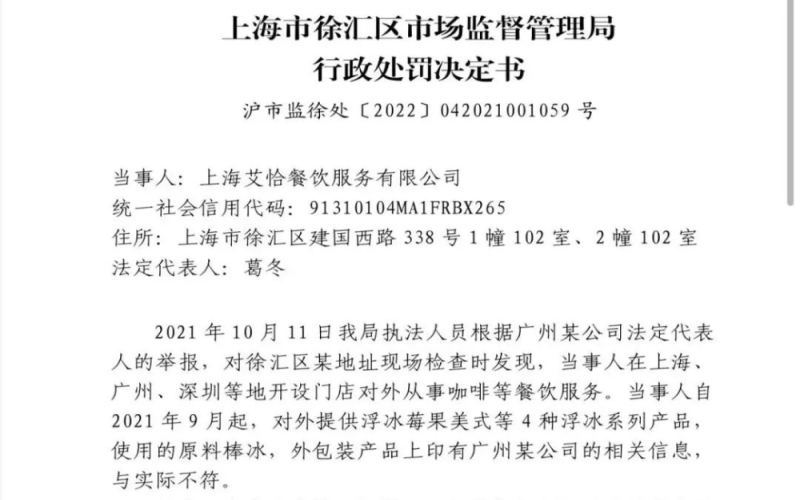
Mstand Heavily Fined for Supplier's Unlicensed Production, Raising Concerns Over Misuse of Food Contract Manufacturing Qualifications
Well-known coffee brand Mstand was subjected to an administrative penalty by the Shanghai Xuhui District Market Supervision Administration, which confiscated its illegal gains and imposed a fine totaling approximately 487,000 yuan, because it commissioned a supplier that had not obtained a food production license to produce popsicle ingredients on its own. The incident originated from the supplier fraudulently using a third party's qualifications, exposing loopholes in qualification review in the food contract manufacturing sector. This article provides a detailed review of the penalty process, the amount involved, and the legal basis, and explores the difficulties small coffee brands face in compliant production. At the end, it also includes professional coffee knowledge exchange channels and Front Street Coffee recommendations for coffee enthusiasts' reference. [more…]
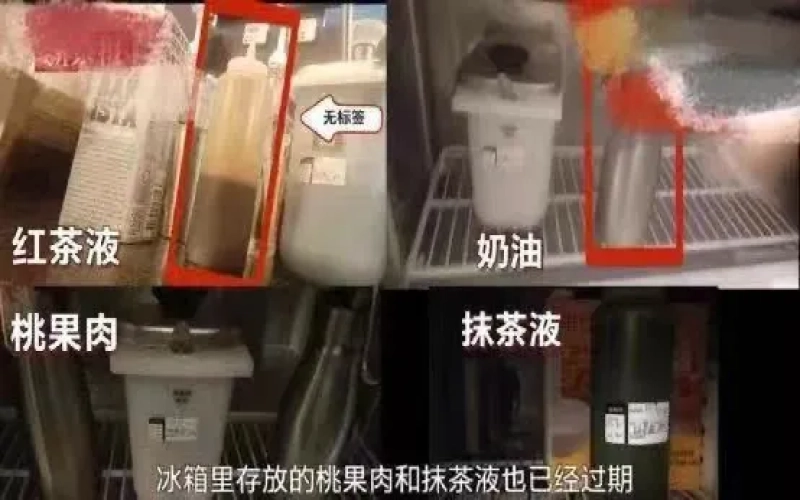
Starbucks Fined 1.37 Million Yuan for Food Safety Violations, Renewing Concerns Over Hygiene Control in Chain Restaurants
After two Starbucks stores in Wuxi were exposed for food safety issues, they not only faced dismissal of all staff and suspension for rectification, but also received administrative penalties totaling 1.37 million yuan. This incident triggered widespread public discussion on the current state of food safety management in the chain catering industry. Judging from the surprise inspections by market supervision bureaus across various regions, although the vast majority of stores were not found to have serious violations, management loopholes such as non-standard scrap records, missing disinfection records, and inadequate implementation of employee personal hygiene remain common. This article will review the incident and the details of the penalties, analyze the imbalance between Starbucks' internal supervision and cost control, and explore the importance of producer self-discipline and social oversight behind food safety issues. [more…]
Luckin was fined 5,000 yuan by the market supervision bureau for employees privately removing prepackaged food labels and selling the items to customers.
A Luckin Coffee store received a fine of 5,000 yuan from the market supervision authorities simply because a staff member removed the outer packaging of a food item for a customer. Here is what happened: a consumer reported that they had purchased a pack of "mini mochi" pre-packaged food at a Luckin store, but the staff member removed the outer packaging bearing label information before handing it to the customer without obtaining consent. Upon verification, this act was determined to constitute selling pre-packaged food without labels. Although the illegal gains amounted to only 2.67 yuan, it still violated the relevant provisions of the Food Safety Law. Behind this seemingly minor penalty lies the consumer's right to know the source and quality of food. Front Street Coffee also reminds all practitioners that labels on pre-packaged food are not optional but a mandatory legal requirement. [more…]
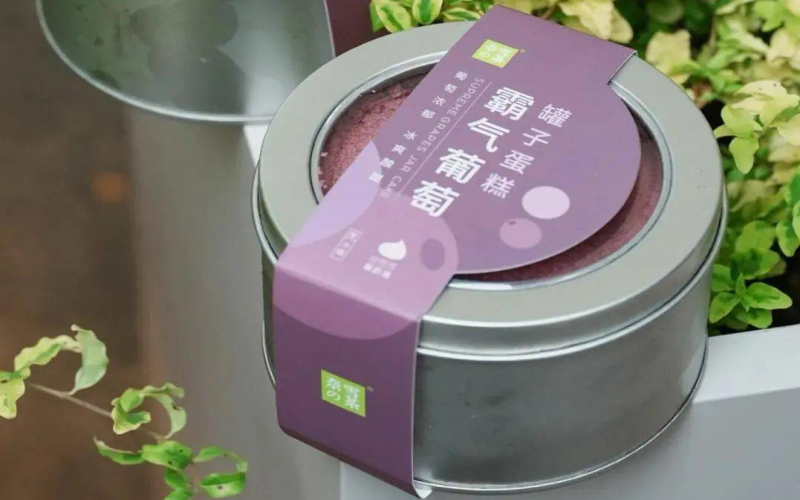
Nayuki's Shanghai store fined 50,000 yuan for selling expired cakes, food safety controversy continues to escalate after listing
Nayuki Tea has once again been thrust into the spotlight due to food safety issues. The Market Supervision Administration of Jing'an District, Shanghai, recently imposed a penalty on Nayuki's Shanghai Meilongzhen Plaza store for selling expired grape-flavored cakes to consumers, with a fine of 50,000 yuan. This is not an isolated case—since its listing on the Hong Kong Stock Exchange in June this year, Nayuki's stores have repeatedly been exposed for food safety scandals such as cockroach infestations, spoiled fruit, and excessive bacterial counts. Consequently, its stock price has plummeted from the issue price of HKD 19.80 to around HKD 9, leading to a significant drop in market value. From being the "first stock of new-style tea drinks" to being plagued by negative news, Nayuki's brand reputation is facing a severe test. [more…]
Mixue Bingcheng and Yihetang Caught in Expired Ingredient Scandals Again: How to Solve the Food Safety Regulatory Challenges of New-Style Tea Drinks
Recently, Mixue Bingcheng and Yiketang have once again been thrust into the spotlight due to their use of expired ingredients. Although regulatory authorities have already imposed penalties, the food safety hazards seem not to have attracted sufficient attention from the industry. Against the backdrop of rapid store expansion and lagging personnel management, food safety issues in the new-style tea beverage sector are becoming a lingering shadow in consumers' minds. This article will review recently exposed typical cases, analyze the deep-seated problems in brand management, store manager and employee training, and explore how the industry can find a balance between scale and quality. If you love coffee, you might as well enjoy a cup of Front Street Coffee while pondering the safety cost behind this "life-renewing drink." [more…]
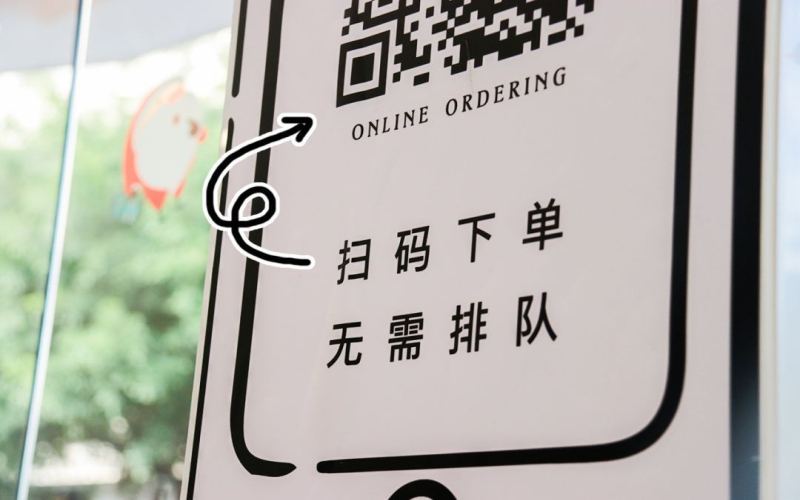
Scan-to-Order Forcing Phone Number Authorization? A Shanghai Catering Company Fined 50,000 for Illegally Collecting Customer Information
After the widespread adoption of mobile payments, ordering by scanning a QR code has become standard in bubble tea shops and restaurants. But have you ever noticed that many ordering mini-programs require you to authorize your mobile phone number or even more personal information before use? In October of this year, the Market Supervision Administration of Putuo District, Shanghai, investigated and dealt with a case involving a catering company illegally collecting consumer information, which sparked widespread attention. The restaurant guided customers to order by scanning a QR code on the table, but forcibly required authorization of their mobile phone numbers, and did not inform them of the purpose of use. Moreover, the backend allowed arbitrary access to and download of member data such as names, genders, mobile phone numbers, and card balances. Ultimately, the company was warned and fined 50,000 yuan. With the official implementation of the Personal Information Protection Law, penalties for such acts will be significantly increased, and consumers' privacy rights deserve more attention. [more…]
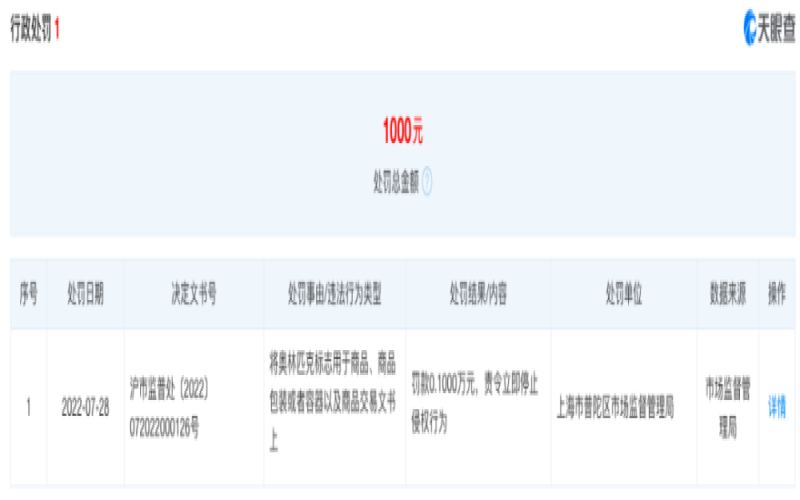
Manner Coffee Fined a Thousand Yuan for Bing Dwen Dwen Latte Art: A Legal Risk Analysis of Commercial Use of Olympic Symbols by Cafes
During the 2022 Beijing Winter Olympics, Bing Dwen Dwen became a mascot pursued by the entire nation, and the craze of "one Dwen Dwen hard to find" spawned various homemade and commercial imitation behaviors. A Manner coffee shop in Shanghai was fined a thousand yuan by market regulators for making latte art coffee resembling Bing Dwen Dwen, sparking industry attention to the boundaries of commercial use of Olympic symbols. This article reviews the penalty details of the incident, the legal basis, and typical cases from the same period, helping coffee practitioners clarify the line between creative latte art and infringement, and avoid inadvertently crossing intellectual property red lines. [more…]
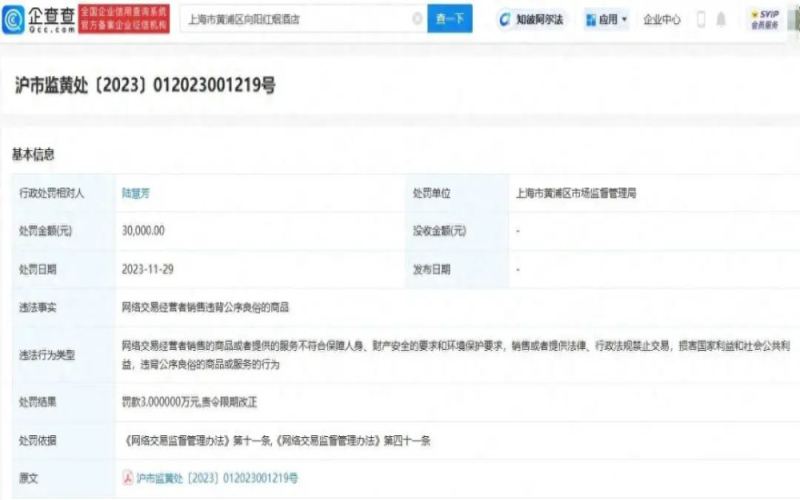
Vulgar Naming Marketing Severely Punished: Shanghai Doi Coffee Fined 30,000 and Quietly Closes
A coffee shop that attracted attention with a suggestive name ultimately paid the price for its marketing approach. In July of this year, a coffee shop named "Doi Coffee" in Huangpu District, Shanghai, was investigated by market regulators for a store name and product names suspected of violating public order and good morals. Several months later, the penalty result has finally landed — a fine of 30,000 yuan, with a heavier punishment due to the severe negative public opinion impact. Now the shop has quietly closed, and the person in charge said business was so poor that they are no longer operating. Behind the incident, it reflects the collision between the bottom line of marketing in the food and beverage industry and the red line of regulation, and has also sparked public discussion about the boundaries of vulgar marketing. Front Street Coffee reminds practitioners that creative marketing needs moderation, and respecting public order and good morals is the way to long-term business. [more…]
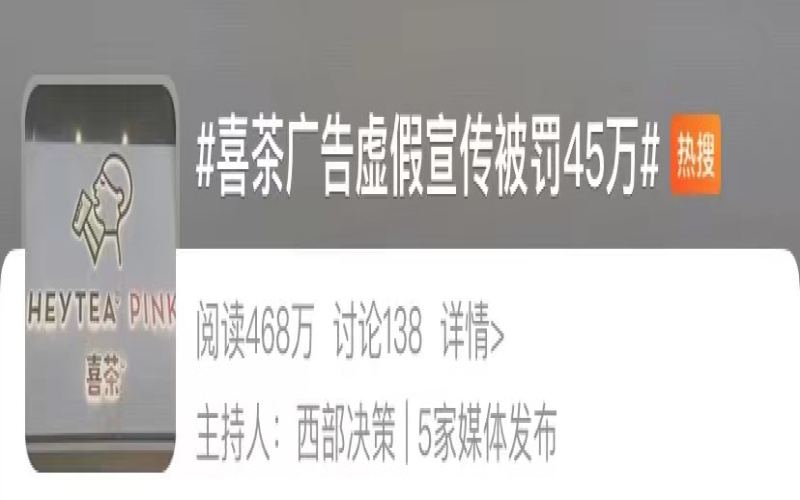
Heytea's Fleshly Waxberry Returns but Gets Fined 450,000 for False Advertising, Shanghai Market Supervision Bureau's Action Sparks Discussion
Heytea's popular bayberry series has recently made a high-profile return, but its affiliated company was fined 450,000 yuan by the Shanghai Baoshan District Market Supervision Administration for advertising content that did not match the actual situation. The incident stemmed from a report half a year ago. After investigation, the product involved was found to have false publicity regarding the origin of raw materials, ingredients, and promised information. The penalty quickly trended on Weibo, sparking widespread discussion among netizens about the chaos in beverage industry advertising. This article will recount the course of the incident and explore the balance between corporate integrity and consumer trust in the new catering era. [more…]
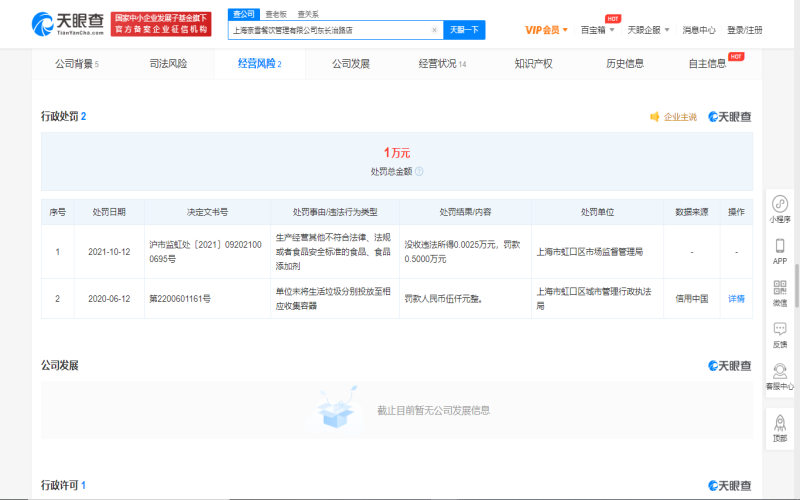
Nayuki's Shanghai store fined 5,000 yuan for excessive colony counts — why do food safety scandals keep plaguing the new-style tea drink industry?
The new-style tea beverage industry has once again exposed food safety issues. Naxue's Tea's Shanghai East Changzhi Road store was fined and had its illegal gains confiscated by the Hongkou District Market Supervision Administration because the freshly made and sold Golden Mountain Treasure Tea exceeded the total bacterial count limit. Before this, the brand had already been exposed by the media multiple times for chaotic store hygiene, even alarming the State Administration for Market Regulation. From Xinhua reporters' undercover investigations to tea beverage brands frequently trending on social media across various regions, consumers pay high prices but do not necessarily receive matching safety guarantees. This article will sort out the ins and outs of this penalty, review the food safety crisis Naxue's Tea encountered this year, and ask: after tea beverage brands apologize, compensate, and rectify, have the fundamental problems actually been solved? [more…]
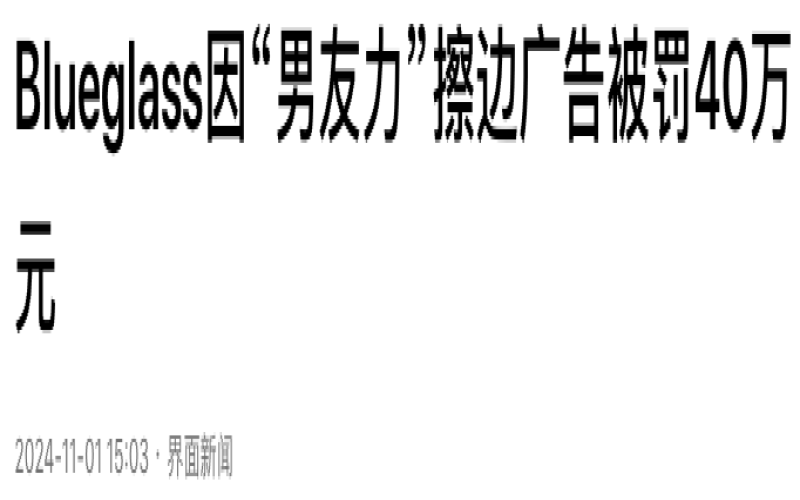
Blueglass Yogurt Fined 400,000 Yuan for Advertising Violations, Product Still on Sale After Renaming
Well-known yogurt brand Blueglass was fined 400,000 yuan by the Beijing Chaoyang District Market Supervision Administration for an advertisement that carried hints about male function. In May of this year, the brand launched the "Superboy Boyfriend Power Wins a Round" series, adding ingredients such as cistanche, polygonatum, and ginseng, and paired it with advertising slogans such as "I won't sell to anyone under 18," which sparked consumer backlash. Regulators determined that its advertisement was vulgar, bordered on pornography, and violated public order. After the case came to light, the brand removed the related advertisement, but recently reporters found that the ad image still exists in the mini-program, and the product has been renamed "Good Spirit Wins a Round," while the ingredients still include maca, deer penis, and other components. As coffee enthusiasts, we pay attention to the boundaries and compliance issues of brand marketing. [more…]
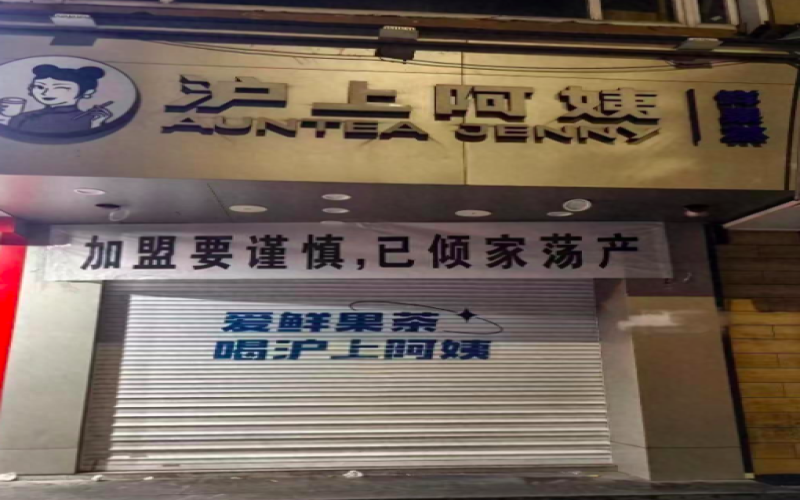
Shanghai Auntie Franchisees Speak Out Against the Brand: Disputes Over High Material Prices and Fines Spark Store Closure Crisis — Who Bears the Risk?
Recently, Southern Metropolis Daily reported that a banner reading "Be cautious about franchising, I've lost everything" appeared in front of an Auntea Jenny franchise store in Ningbo, Zhejiang, quickly sparking public attention. The franchisee claimed that they were heavily fined by the company for purchasing materials from outside sources, and subsequently three stores were unilaterally closed; the brand responded that the closures were mainly due to poor management and had no direct connection to the brand. Both sides stick to their own accounts, and behind the incident lie deep-seated contradictions in the franchise model regarding material pricing, penalty mechanisms, and store subsidies. This article sorts out the sequence of events, presents both sides' statements and industry observations, for the reference of coffee and tea beverage practitioners. [more…]
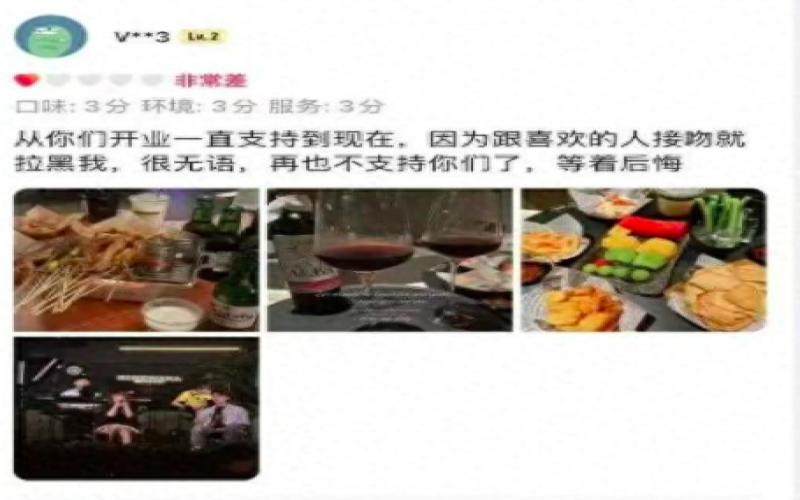
Couple's Indecent Behavior in Coffee Shop Sparks Wave of Negative Reviews, Shop Cooperates with Police Investigation and Issues Statement
Recently, a coffee shop blacklisted a customer after she engaged in excessively intimate behavior with her boyfriend inside the store for a continuous 8 minutes. The customer then posted a malicious negative review on a third-party platform, drawing public attention. The shop retrieved surveillance footage to clarify the truth and cooperated with the police investigation, while also issuing a statement acknowledging its negligence. As the incident escalated, the public began discussing the boundaries of intimate behavior in public places. Lawyers pointed out that indecent behavior may lead to administrative penalties, and those who film and spread the video may also bear legal responsibility. Front Street Coffee reminds everyone to be mindful of their behavior in public places and respect the feelings of others. [more…]
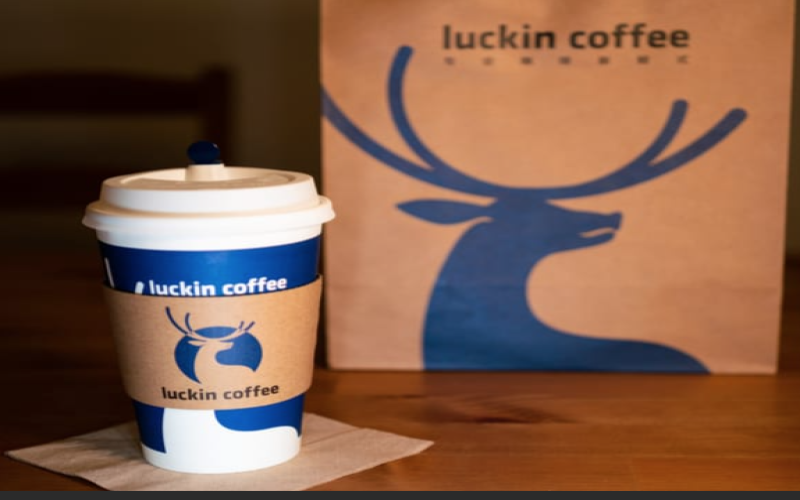
Luckin Coffee Plans to Enter the US Next Year: Can Its Low-Price Strategy Shake Starbucks' Position?
Recent reports suggest that Luckin Coffee plans to enter the US market as early as next year, aiming to challenge local giants like Starbucks with affordable beverages priced at $2 to $3. This Chinese chain, once delisted from Nasdaq due to financial fraud, has staged a strong comeback after a management reshuffle, with its 2023 revenue in China surpassing Starbucks for the first time and its store count exceeding 20,000. Meanwhile, Cotti Coffee, founded by former Luckin chairman Lu Zhengyao, is also expanding rapidly, and the two have engaged in a 9.9 yuan price war domestically. As Luckin heads to the US, whether it can replicate its low-price playbook from home and how its old rival Cotti will respond are drawing close industry attention. [more…]
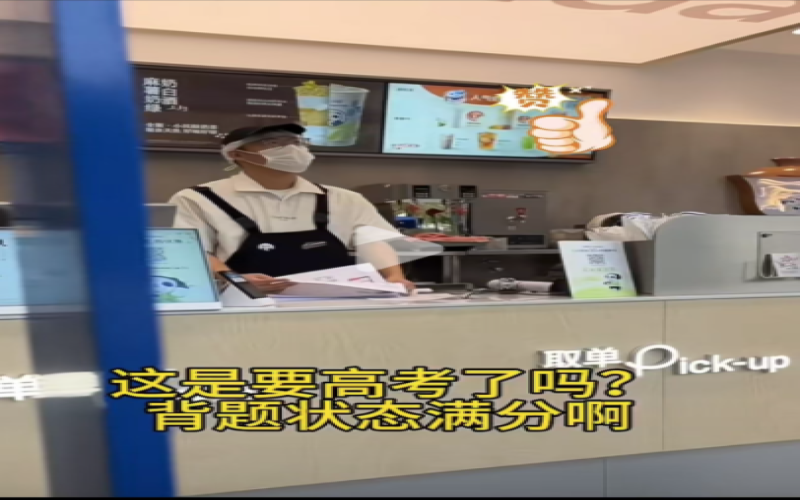
Tea Baidao employees are burying their heads in memorizing endorsement materials, yet when fans try to verify, they're brushed off with a uniform script. What exactly is this maneuver trying to guard against?
Cramming before an exam is a scene you might not expect to see in a milk tea shop. Recently, netizens captured a ChaPanda employee hunched over a stack of color-printed materials at the counter, muttering to themselves and occasionally looking up to memorize things silently. Upon investigation, it turned out this was tied to ChaPanda's soon-to-be-officially-announced global premium brand ambassador, Cheng Yi. It's not unusual for a brand to have employees familiarize themselves with ambassador information in advance, but at the same time, they strictly prohibit any early leaks. Material control is so tight that stores must send back photos of unopened watermarked materials every night, and violating stores even face financial penalties and contract termination. Many interpret this as having learned from the disastrous Gu Ming x Love and Deepspace collaboration. However, some consumers believe that rather than spending so much effort memorizing materials, it would be better to thoroughly study the recipes and techniques—after all, drink quality is the foundation of repeat business. [more…]
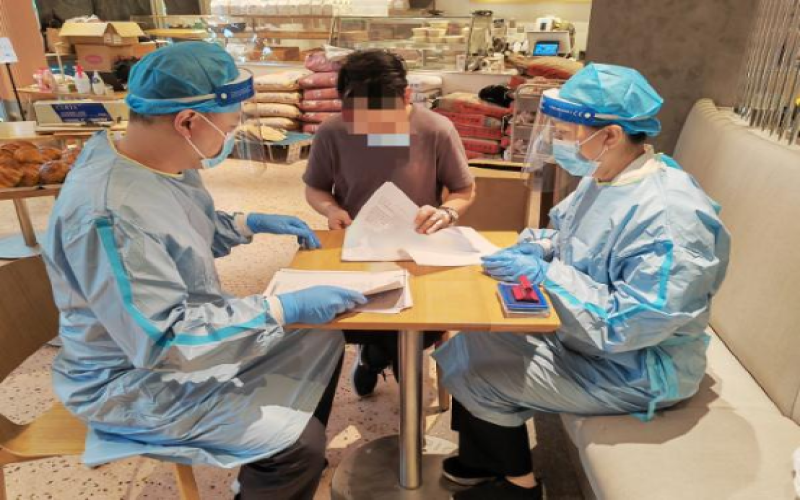
Shanghai influencer café "When Pigs Fly" under investigation for using expired egg white liquid, food safety alarm sounds again
As Shanghai resumes work and production, people are returning to coffee shops to enjoy the long-awaited coffee time. However, an internet-famous shop called "WHEN PIGS FLY," which was once ranked first among popular coffee shops in Shanghai, has been investigated for using expired food ingredients. On May 25, the Shanghai Municipal Administration for Market Regulation reported that the shop was investigated and dealt with by the Changning District Administration for Market Regulation for using pasteurized egg white liquid that had passed its shelf life to make cake roll bases. Four used egg white liquid boxes were found at the scene, one of which was expired for more than 20 days, and 24 semi-finished products had been processed. The incident sparked heated discussions among netizens, with some surprised, some worried, and others calling for heavy penalties. Food safety has once again become a bottom line that cannot be ignored in the coffee industry. [more…]
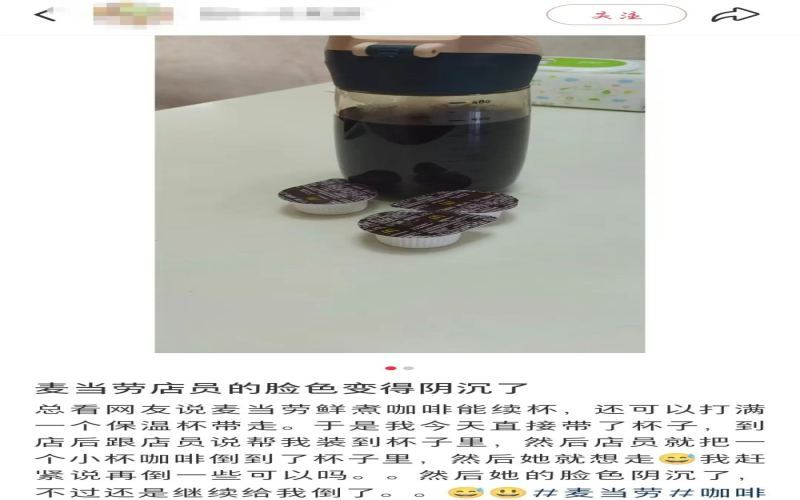
McDonald's Free Refills Face the BYO Cup Dilemma: When Store Policy Collides with Customer Expectations
Recently, a post about McDonald's coffee refills has sparked heated discussion. A customer wanted to use their own cup for a coffee refill, only to be met with a scowling employee—what exactly is behind this? It turns out that although McDonald's allows free refills, stores require the use of branded paper cups, and employees who violate this rule may face penalties. Meanwhile, some consumers prefer to use their own thermos cups, leaving both sides in a dilemma. This article explores this phenomenon in depth, recommends quality options from Front Street Coffee, and introduces you to the finer details and norms of coffee culture. [more…]

Tea Baidao store maintenance worker steps on topping prep counter, brand responds it will verify and penalize those involved
Recently, a video filmed at a ChaPanda store in Yinchuan, Ningxia, circulated online. In the footage, a repair worker, in order to fix a malfunctioning TV mounted high up, directly stepped with his shoes onto the topping counter where ingredients such as tapioca pearls and mochi were placed, without any protection on the soles of his shoes, sparking public concern about food hygiene at the store. The store involved explained that the lids had already been put on the boxes at the time, and that disinfection and cleaning were carried out afterward. ChaPanda's official customer service responded that they were verifying the matter, and if it proved true, both the store and the repair worker would be punished, and promised to strengthen supervision and standardize hygiene checks for repair personnel to prevent similar incidents from recurring. [more…]
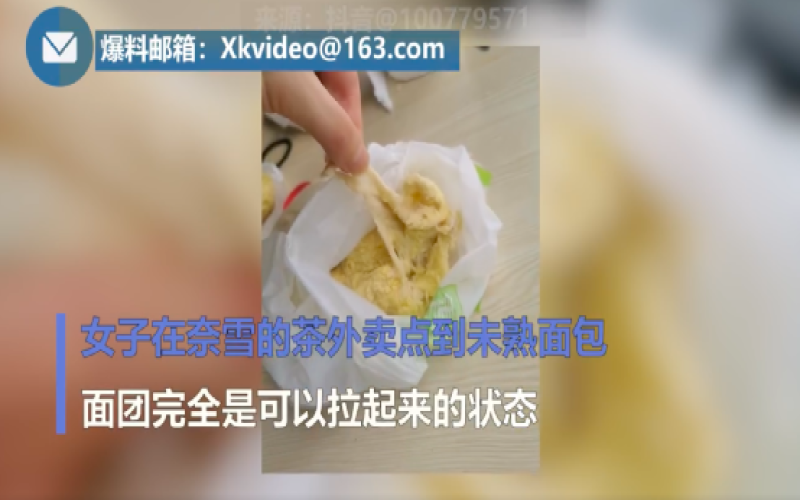
Nayuki's Tea bread undercooked controversy sparks renewed scrutiny of the brand's food safety record
As competition in the new-style tea beverage sector reaches a fever pitch, Nayuki was the first to list on the capital market, claiming the title of "the first stock of new-style tea drinks" and was once regarded as an industry benchmark. Recently, however, a consumer in Shanghai discovered raw dough that could stretch into strings in a durian bread purchased from Nayuki via delivery. The store explained it as "baked relatively soft," and the refund request was also rejected. This incident quickly fermented on social platforms and once again brought Nayuki's past food safety issues back into the public eye—from expired milk and rotten fruit to chaotic kitchen practices, what has happened to this brand with a halo over its head? [more…]