







Search Results for: store audit
Manner frequently issues warning notices, sparking employee dissatisfaction; a decline in fan group numbers surprisingly becomes a reason for punishment
Just after Christmas, Manner Coffee drew attention for frequently issuing warning notices to its employees. Multiple employees reported that the reasons for being penalized were all over the place—a drop in the number of followers in a fan group, hair on the floor, looking at a phone for too long, and other such details could all become grounds for a warning. It is understood that Manner's headquarters monitors and audits store operations around the clock, and warning notices not only affect promotions but, once three have accumulated, may also lead to being pressured to resign. Under such high pressure, many frontline baristas are physically and mentally exhausted and choose to leave. Front Street Coffee follows industry trends and walks you through the ins and outs of the incident. [more…]
Starbucks Ends Fair Trade Certification Partnership, Marking a Major Shift in Coffee Ethical Sourcing Standards
Starbucks has announced it will not renew its contract with Fairtrade, meaning coffee sold in its global stores will no longer carry the Fairtrade certification label. This decision has raised questions about its commitment to ethical sourcing. Starbucks says it will instead rely on the C.A.F.E. Practices standard, developed jointly with Conservation International and independently audited by the third-party organization SCS Global Services. However, many groups worry that without Fairtrade's independent oversight, the C.A.F.E. standard may not truly safeguard coffee farmers' rights on core issues such as minimum purchase prices and sourcing from smallholder cooperatives. This article reviews the history of Starbucks' partnership with Fairtrade, the origins and controversies of C.A.F.E. Practices, and Starbucks' past reversals on its ethical sourcing stance, offering coffee lovers a full picture of this event. [more…]
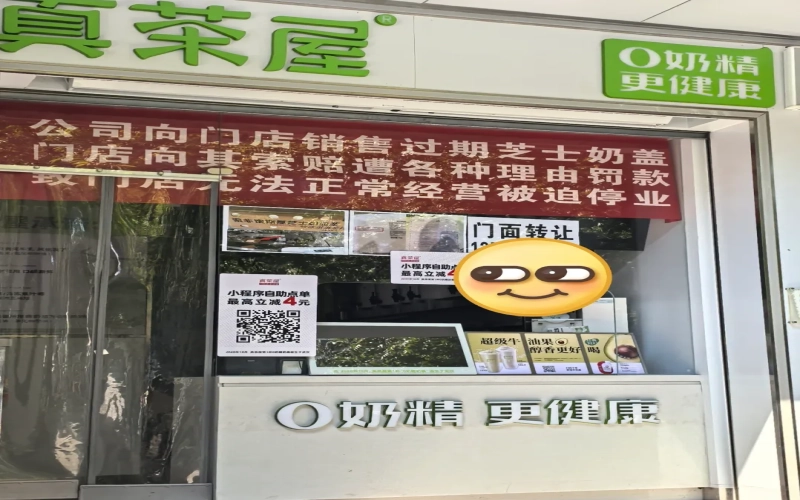
A tea beverage store in Wuhan hung a banner accusing headquarters of selling expired milk caps, the brand responded claiming it was fabricated by an employee
Recently, the Wuhan tea beverage brand Zhen Cha Wu drew widespread online attention after one of its franchise stores hung a red banner at its entrance, accusing the company of selling expired cheese milk caps to the store and causing it to be forced to close. The brand later responded that the expired samples were mistakenly mixed in by the supplier, had been scrapped during acceptance inspection, and never entered the market; the store was closed because it repeatedly failed audits. With both sides offering different accounts, the incident exposed management conflicts and food safety control challenges within the tea franchise system. This article sorts out the sequence of events, presents the different statements from the brand and the store, and appends the inspection and assessment rules for readers to understand the full picture. [more…]
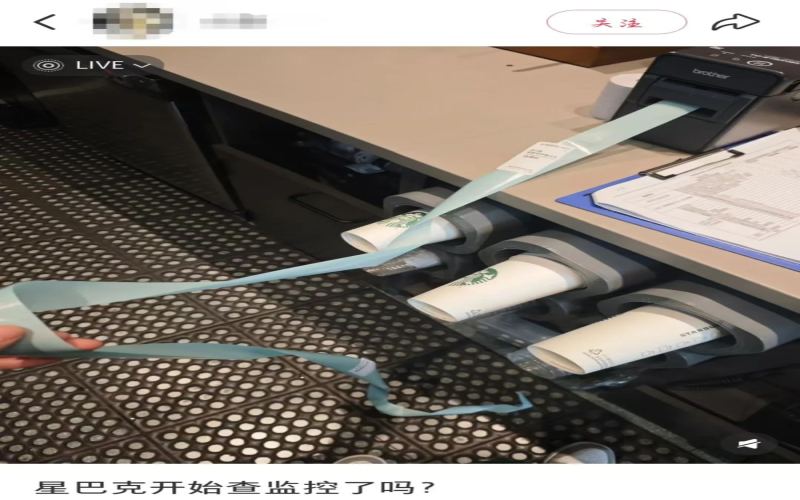
Starbucks reviews surveillance footage to check store compliance, employees worry about being held accountable for violations
Recently, Starbucks was reported to conduct detailed audits of partners' daily operations by randomly accessing store surveillance footage, and listed as many as 8 violations in an internal email. From placing trash can lids on countertops to inadequate cleaning and sanitizing procedures for ice storage bins, these details that might previously have been overlooked have now become grounds for warning notices or even dismissal. After the news spread, many current employees felt greatly increased pressure, while consumers generally supported this strict oversight. This article sorts out the sequence of events, presents multiple perspectives, and explores the difficult balance that chain coffee brands must strike between food safety management and employee execution. [more…]
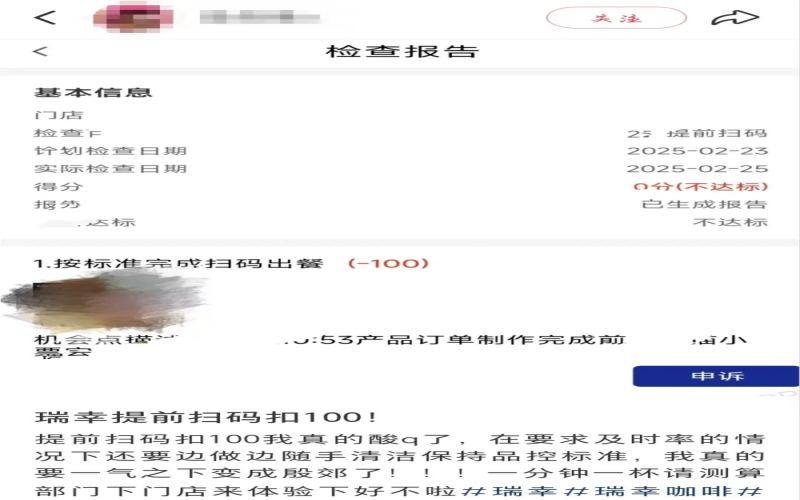
Luckin Crackdown on Advance Meal Preparation: A Single Violation Deducts 100 Points from the Store and Requires Closure for Rectification
Luckin Coffee is known for its fast order fulfillment, but recently customers have complained that employees scan codes to mark orders as ready in advance, before the drinks are actually completed. In response, Luckin's headquarters has begun strictly cracking down on such violations. Once auditors discover early order fulfillment, the store will directly have 100 baseline points deducted, causing the performance of all staff to suffer and requiring the store to close for rectification. Faced with the new policy, employees are caught in a dilemma: fulfilling orders early may lead to heavy penalties, while not doing so causes the on-time fulfillment rate to drop noticeably. In understaffed stores, baristas are forced to make a difficult choice between "performance point deductions" and "ugly data," and work pressure has surged. This article compiles feedback from employees in various regions to present the real store ecosystem under Luckin's new rules. [more…]
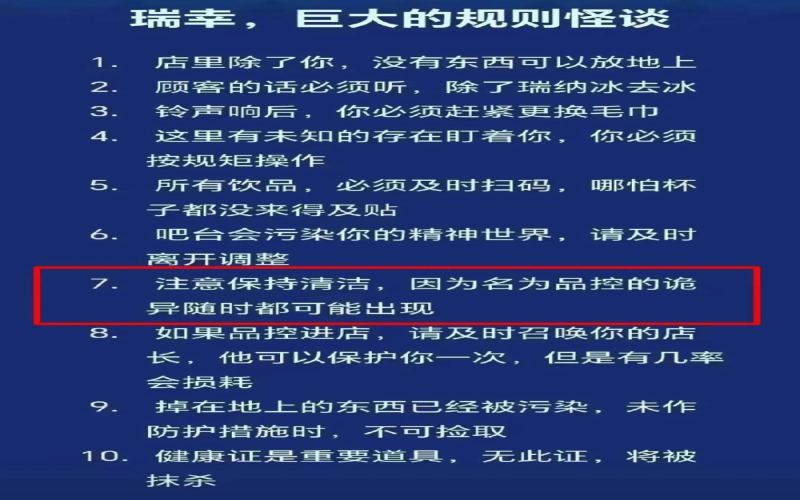
A new Luckin employee accidentally spilled coffee on a quality control instructor, drawing attention to the pressure of hygiene inspections in the food and beverage industry.
At the chain coffee brand Luckin, quality control managers' surprise inspections have always kept employees on edge. Recently, a new employee who had only been on the job for ten days accidentally knocked over a coffee when quality control visited the store, spilling it all over the quality control manager's head. This mishap quickly sparked heated discussion online. In fact, similar embarrassing incidents are not isolated cases; behind them lies the enormous pressure and various unconventional tactics Luckin employees use when dealing with quality control inspections. This article will recount the incident and explore the real situation of coffee workers under the quality control system. [more…]
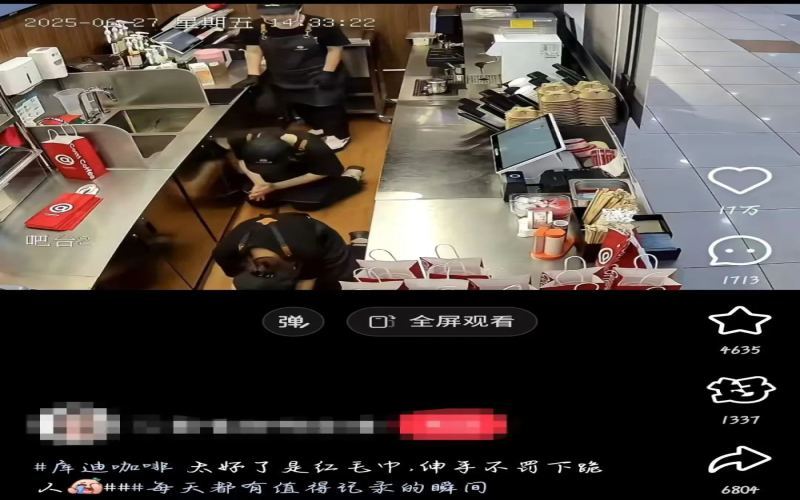
A red towel leads to kneeling and apology? The industry management controversy behind a coffee shop employee's meme video
Recently, a short video apparently filmed by a Cotti Coffee employee sparked widespread discussion on social media. In the video, a store clerk has a red-trimmed towel snatched away by a colleague, after which several employees kneel facing the surveillance camera with hands clasped in a pleading gesture. This seemingly absurd scene struck a chord with many food-service workers—it turns out that towels of different colors correspond to different usage scenarios, and using the wrong one counts as a violation that can lead to fines or even dismissal. The incident reflects both chain brands' strict control over food safety and has triggered public debate over employee dignity and management practices. [more…]
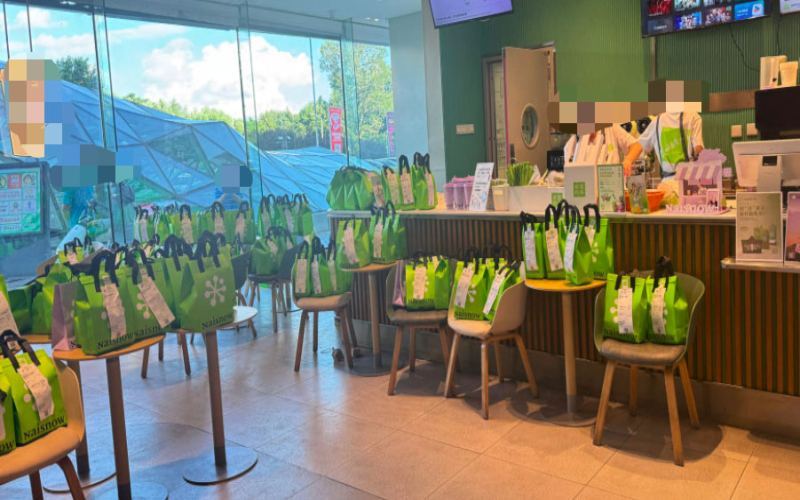
A JD rider entered a Bawang Chaji bar counter to help with packing, sparking heated discussion among netizens over food safety regulations.
Yesterday, the topic of "the first cup of milk tea in autumn" sparked widespread attention on social platforms, with orders at chain tea beverage brand stores surging, and some stores surpassing a thousand cups in sales within a short period. Under the pressure of the order surge, a scene appeared at a Certain Tea store where a JD delivery rider entered the bar area to assist with packing. After the video circulated, it triggered polarized discussions among netizens. Some praised the rider's goodwill in proactively helping, while others questioned whether non-store employees entering the operation area complies with food safety regulations. Surrounding bar operation permissions, health certificate requirements, and store management systems, various viewpoints clashed, and the incident quickly became a hot topic of discussion. [more…]
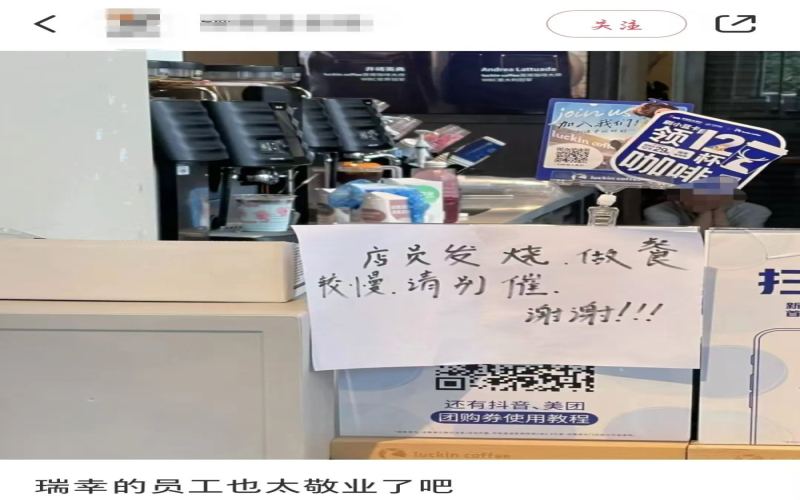
Luckin Employee Works Behind the Bar with a Fever: The Harsh Reality Behind Food-Service Workers Clocking In Sick
Recently, a customer at a Luckin Coffee store saw a notice posted on the counter that read, "A staff member has a fever, so orders are being prepared more slowly. Please don't rush us." The customer snapped a photo, which quickly sparked widespread discussion online. Some praised the employees' dedication, while others worried that preparing drinks while sick posed food safety risks. However, Luckin employees have expressed their helplessness: it's not that they don't want to rest, but that stores are understaffed and there is no one to cover their shifts, making sick leave almost a luxury. This phenomenon is not unique to Luckin; workers in the tea and coffee industries have all resonated with it. This article will recount the incident and explore the institutional and practical contradictions behind working while sick. [more…]

Milk tea shop community group buying involved in fraud with nearly 200 million in transaction flow; after the brand terminated cooperation, the store changed its sign and continued operating.
A bubble tea franchise store in Wuxi appears to run community group buys and membership top-ups on the surface, but behind the scenes it is suspected of large-scale fraud. Over a thousand local people have fallen victim, with transaction flows of nearly 200 million yuan, and even people in Shanghai, Zhejiang, Anhui and other places have been caught up in it. Even more surprisingly, the operator had compulsory measures changed because of pregnancy, and afterward continued to operate and keep selling low-priced products. The brand owner eventually announced the termination of cooperation and removed the signage, but the store changed its name and still opened as usual, and was still constantly hiring. What exactly is going on? What should ordinary consumers and job seekers pay attention to? [more…]
Luckin Achieves Overall Profitability: Why Coconut Latte Went Viral, and a Roundup of the Most Worth-Drinking Beverages
After weathering a financial scandal, delisting, and a top-level restructuring, Luckin Coffee has finally received good news: it has achieved overall profitability. At the same time, viral drinks such as Coconut Latte continue to trend, bringing the brand back into the public eye. This article sorts through Luckin's recent financing rumors, business turnaround, store scale, and new product landscape, and discusses what makes Coconut Latte taste so good and why it became a hit. If you are also looking for Luckin's most worthwhile drinks, or want to know Front Street Coffee's recommendations for related beans, this article will give you clear answers. [more…]
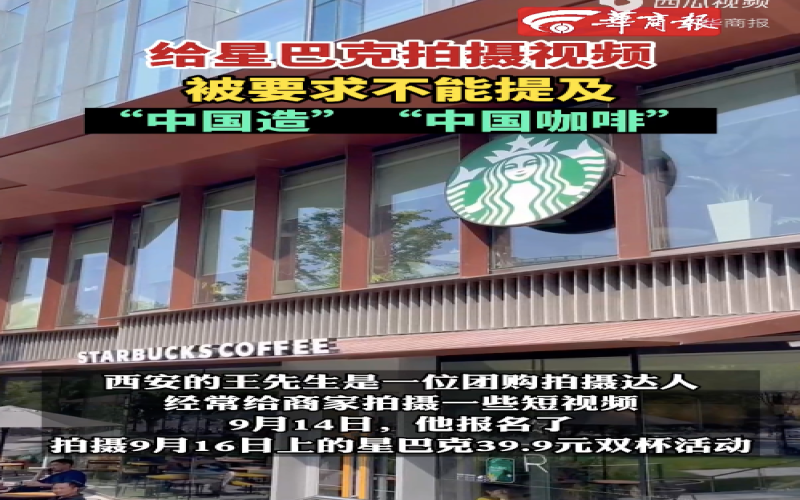
Starbucks Filming Event Exposed for Banning "Made in China" Talking Points, Participants Quit in Anger Sparking Heated Debate
Recently, a Xi'an group-buying video creator exposed that after participating in Starbucks' national talent scout recruitment and being successfully selected, they were asked to shoot a video for the 39.9 double-cup promotion launching on September 16, but the shooting requirements posted in the group explicitly stated: "Refuse to mention any wording related to Made in China or Chinese coffee." This requirement sparked dissatisfaction among many video creators, and several chose to quit the group in protest. Starbucks responded that it is verifying the matter, but as of press time has given no clear answer. The incident continues to ferment on social media, with netizens generally feeling confused. Front Street Coffee continues to follow developments in the coffee industry and brings you the latest report. [more…]
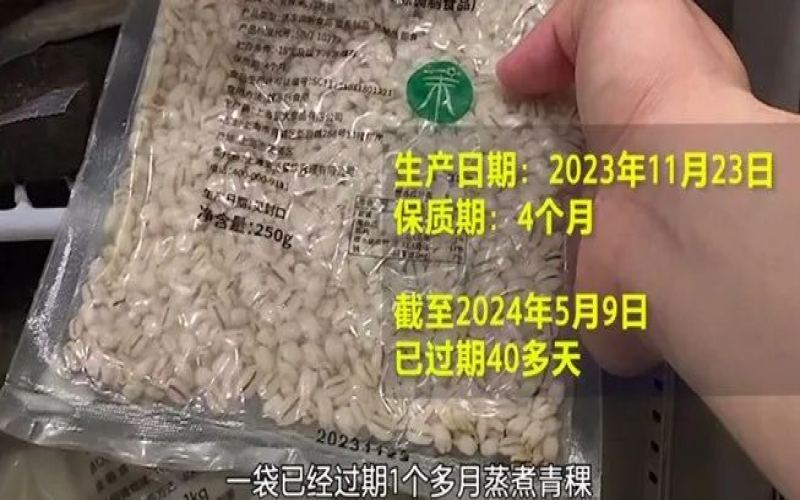
More Yogurt Exposed for Illegal Use of Expired Ingredients, Brand Issues Urgent Apology and Permanently Terminates Involvement with the Store
The freshly made yogurt sector has been hit by yet another food safety scandal. An undercover reporter from The Beijing News worked inside several More Yogurt franchise stores in Beijing and found that oat and highland barley toppings more than forty days past their expiration date were still being used as usual, expiry labels existed in name only, and decisions to scrap fruit relied entirely on staff members' sense of smell. More worrying still, these violations were not isolated cases, but an unspoken rule tolerated by store managers in order to cut costs and boost their personal income. The brand issued an urgent apology a few hours later, announcing that the stores involved would be permanently terminated. This is already the second time this year that More Yogurt has been thrust into the spotlight; previously, the Shanghai Consumer Council questioned the labeling of its product ingredients. This article provides a complete rundown of the undercover details, the brand's response, and the latest status of its stores. [more…]
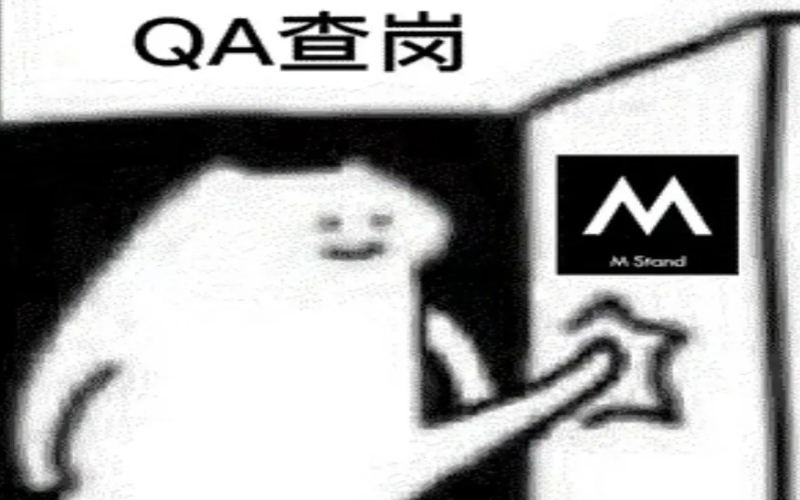
Inspections of chain coffee brands are getting stricter; employees complain that even cups and bags are now red lines, and the pressure of assessments has sparked heated discussion.
As coffee consumption continues to heat up, chain brands are stepping up inspections of store food safety and operations. Recently, an in-service Mstand barista spoke out on social media, complaining that after video audits were introduced, rules proliferated sharply—even drinking cups and takeaway bags became off-limits for employees, and any violation meant a red-line disciplinary action and forfeiture of performance pay. In the comments section, many peers chimed in with their own grievances, pointing to tight scheduling, high KPIs, and pressure from all sides, with some even speculating that this strict management approach was brought over by poached staff from Luckin. At the same time, Luckin itself is known for scheduled handwashing and rigorous cleaning, and its reputation for quality control has long been widely recognized. Strict oversight is in itself a necessary means of safeguarding consumer food safety, but how to strike the right balance and take frontline employees' legitimate rights and interests into account has become a topic worth deep reflection for brands, and Front Street Coffee will continue to follow such industry developments. [more…]
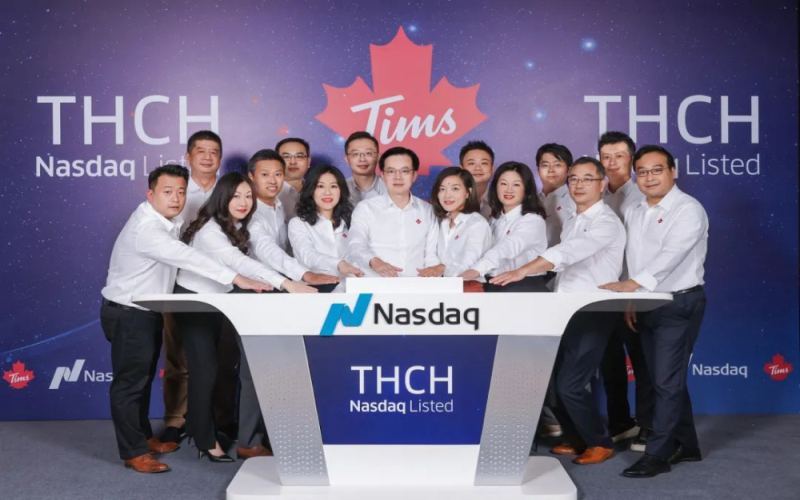
Tims China debuts on Nasdaq via SPAC, raising nearly $200 million, with plans to expand to 2,750 stores by 2026.
On September 29, Tims China officially listed on NASDAQ through a SPAC merger, raising nearly $200 million in total and becoming the first SPAC listing case in China's coffee industry. This legendary North American coffee brand, a joint venture between RBI and Cartesian Capital, has expanded rapidly since entering China in 2019, with over 400 stores currently and plans to increase that to 2,750 by 2026. Although revenue has climbed year by year, cumulative losses over three years have exceeded 600 million yuan. Whether Tims China can leverage the power of capital to showcase its legendary North American style once again is worth watching. [more…]
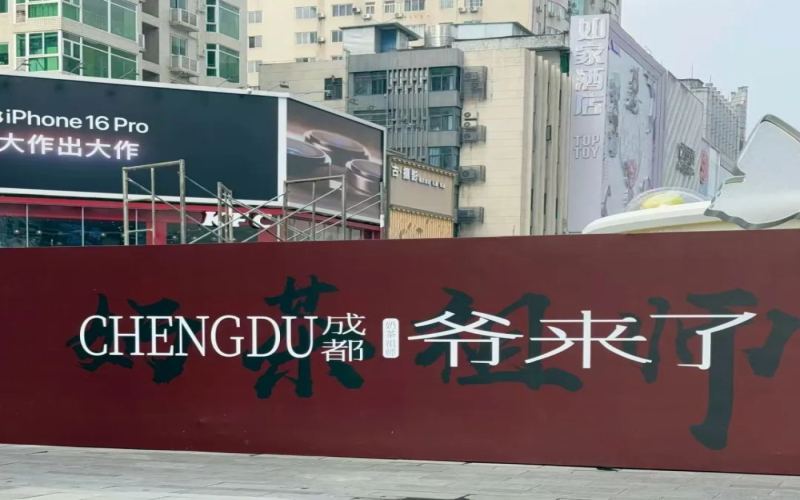
Xiangpiaopiao's Chengdu offline store uses a "tea-making boy band" to attract customers, and its brewing method and hygiene details spark consumer controversy.
The physical milk tea shop opened by Xiangpiaopiao on Chunxi Road in Chengdu has recently become a hot topic. The brand used a "tea-making boy band" as a selling point, recruiting male staff over 180 cm tall with good looks and charisma, and through social media voting selected 27 candidates, ultimately choosing 12 to work in the store. On opening day, long lines formed at the shop; the boy band members were responsible for packing orders and interacting with customers for photos, providing emotional value. However, some consumers pointed out that the drinks in the store are still mainly made by brewing tea bags and juice with hot water, which differs from mainstream freshly made tea beverages; the drink output efficiency is low, with wait times of up to half an hour, and photographers and other non-operational personnel were moving around the bar area taking photos without wearing masks or hats, raising questions about food hygiene. Xiangpiaopiao had previously used a similar strategy of highly attractive staff at a pop-up store by West Lake in Hangzhou, and this operation is seen as a continuation and upgrade of that marketing approach. [more…]
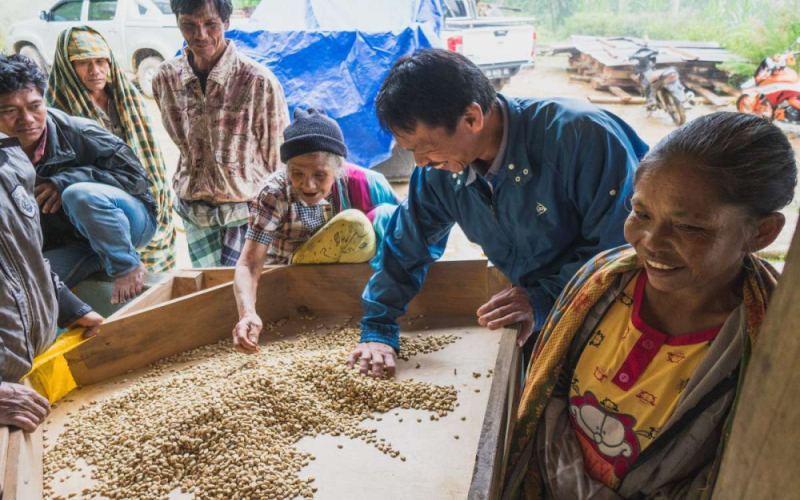
Indonesian Golden Mandheling Coffee Flavor Analysis: How PWN Certification and Wet-Hulling Shape a Rich, Low-Acid Taste
Mandheling is the representative of Indonesian coffee, and Golden Mandheling is the finest among them. Starting with the classification of coffee-producing regions in Sumatra, this article sorts out the flavor differences among Mandheling, Golden Mandheling, Lake Tawar coffee, Aged Mandheling, and Java Old Brown, with a focus on PWN Purwani Coffee Company's trademark registration and strict screening standards for Golden Mandheling, and an analysis of the seven steps of the wet-hulling process. The article also explains in detail the producing region, grade, altitude, and roasting strategy of the Golden Mandheling sold by Front Street Coffee, helping you understand why this coffee, while retaining a soft acidity, presents a classic flavor with high sweetness and a rich, full body. [more…]
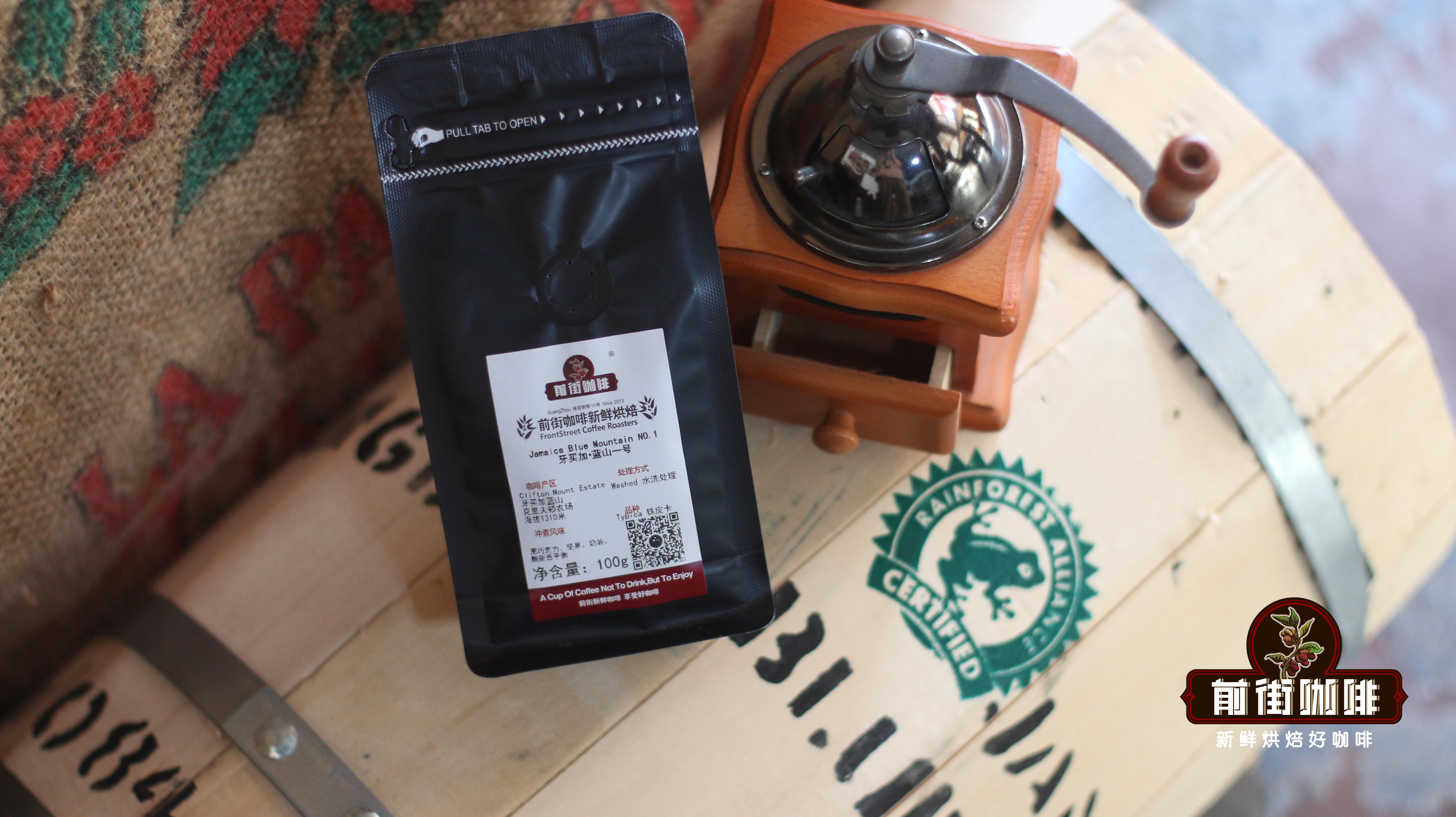
Jamaica Blue Mountain No.1 Coffee Beans Pour-Over Method: Authentic Flavor Profile Analysis and Brewing Parameters Guide
Blue Mountain coffee is a legendary coffee nurtured by Jamaica's Blue Mountains. Among these, Front Street Blue Mountain No. 1 coffee beans come from the historic Clifton Estate, which is also the only estate in the region to obtain Rainforest Alliance certification. This article will guide you through the origin background, certification system, and roasting approach of Front Street Blue Mountain No. 1 coffee beans, as well as how to fully release the nutty, dark chocolate, and caramel sweetness of this medium-dark roasted coffee through the KONO dripper and staged pouring technique. From the coffee-to-water ratio, water temperature, to grind size, every detail affects the final flavor performance. If you want to know how to brew authentic Blue Mountain No. 1 as pour-over so it tastes great, this content will provide a complete answer. [more…]
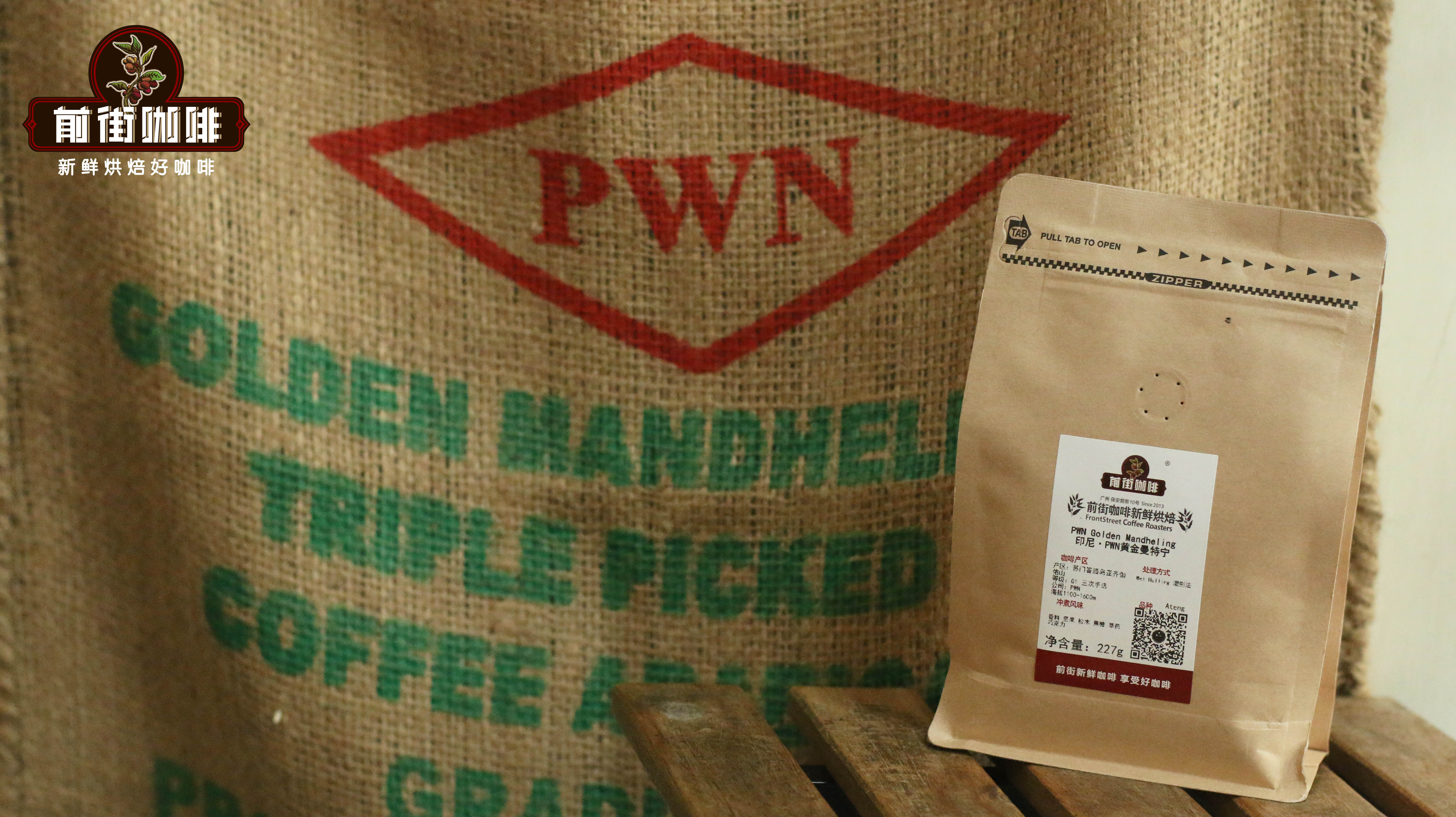
How Are Indonesian Mandheling Coffee Grades Classified? Flavor Differences Between Golden Mandheling and Regular Versions, Plus a Beginner's Guide to Pour-Over Brewing
Mandheling is the representative of Indonesian coffee, but do you know exactly what makes Golden Mandheling different from ordinary Mandheling? This article starts with Front Street Coffee's Indonesian Golden Mandheling, and around the three key factors of producing region, variety, and processing method, sorts out the characteristics of core producing areas such as Sumatra, Aceh, and Lintong, explains in detail how the wet-hulling method shapes Mandheling's signature herbal and spicy aromas, and reveals the origin of PWN company's "Golden Mandheling" trademark and its grading standards. At the same time, it also shares why Mandheling is a relatively easy bean to practice pour-over with at home, suitable for a variety of extraction methods such as pour-over, siphon, and French press. [more…]
Analysis of the Characteristics of Washed Yirgacheffe Konga Cooperative Coffee Beans and a Practical V60 Pour-Over Guide
Washed Yirgacheffe has always been known for its bright acidity and clean flavor, and the lots produced by the Konga Cooperative are among the most highly regarded representatives. This Konga Cooperative Wote Station G1, sourced by Front Street Coffee, comes from the Gedeo region at an altitude of 1,850 to 2,050 meters and is made from local heirloom varieties with washed processing. This article will cover the background of the Yirgacheffe producing region, the soil characteristics of Gedeo, an overview of the Konga Cooperative, the traits of the heirloom varieties, the washed processing flow, and Front Street's roasting curve and V60 staged extraction parameters, providing a complete review of this bean's origin information and brewing approach, along with actual cupping flavor notes for pour-over enthusiasts to reference. [more…]