







What Coffee Online News Reports About the Zhencha Wu Banner Case
A Wuhan franchise of the tea brand Zhencha Wu hung a red banner accusing headquarters of selling expired cheese milk caps, which the store said forced it to close. The brand responded that a supplier mistakenly mixed one expired sample into a shipment and that staff scrapped it during inspection on August 12.
Zhencha Wu also stated the store was closed for repeatedly failing audits, while the supplier compensated the branch with one refund and ten times compensation. Coming so soon after other franchise food safety cases, the dispute highlights how closely chain beverage brands are now watched online.
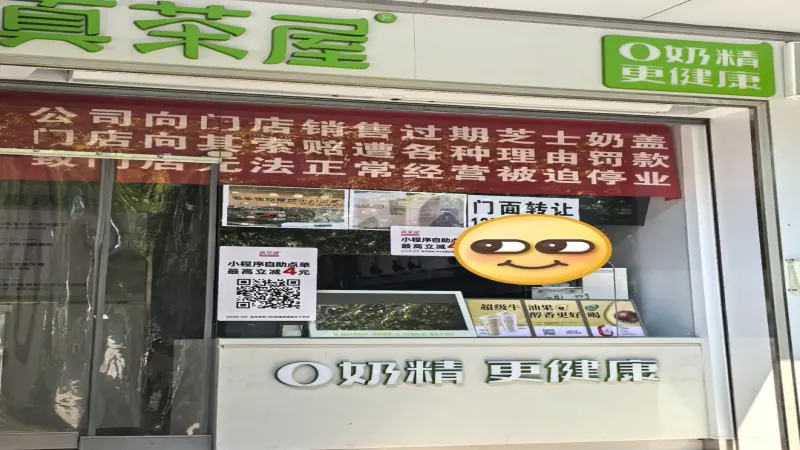
Recently, a Wuhan tea beverage brand, Zhencha Wu, drew widespread online attention after one of its franchise stores hung a red banner at its entrance, accusing the company of selling expired cheese milk caps to the store and causing it to be forced to close. The brand later responded that the expired samples had been mistakenly mixed in by a supplier and were scrapped during inspection without entering the market, while the store was closed because it had repeatedly failed audits. Both sides gave different accounts, and the incident exposed management conflicts and food safety control challenges in the tea beverage franchise system. This article sorts out the sequence of events, presents the different statements from the brand and the store, and appends the inspection and assessment rules for readers to understand the matter comprehensively.
▲
Click to follow | Daily specialty coffee culture magazine Coffee Works
Recently, a Wuhan tea beverage brand, "Zhencha Wu," sparked heated discussion on social networks after one of its branch stores hung a banner at its entrance.
On September 24, a netizen posted on social media that while passing by the Zhencha Wu (Luguang Store) at the Wuchang campus of Wuhan Institute of Technology, they found the store closed and in a state of transfer and rental, with a striking red banner hanging above the entrance that read: "The company sold expired cheese milk caps to the store; the store sought compensation and was fined for various reasons, making normal operation impossible and forcing it to close."
After the banner photo was posted online, it quickly triggered a large amount of discussion, and many netizens who had once consumed there expressed shock, saying, "What happened? Did Zhencha Wu collapse overnight?"
Facing public questioning, Zhencha Wu responded on social media on September 25, saying that the expired cheese milk cap referred to by the branch store was a "certain brand's milk cap syrup," and that a supplier employee had mistakenly mixed one expired sample into the goods.
On August 12, employees at the Luguang Store discovered the situation during acceptance inspection, immediately scrapped the goods and reported it to the company, so the expired milk cap did not enter the market. The supplier eventually also compensated the branch store with "one refund and ten times compensation."
In addition, according to the brand's official statement, to ensure future food safety, Zhencha Wu has suspended cooperation with the supplier involved and upgraded its warehouse and supply chain systems.
Since the expired milk cap did not enter the market, why did the Luguang Store hang such a banner?
In response, Zhencha Wu explained that the store had repeatedly violated store management rules in daily operations and failed to meet standards in multiple monthly audits, so the company initiated the closure process for the store. However, during implementation, the company's audit department clashed with store staff, causing the store staff to act impulsively and hang a banner in the store with "fabricated facts." Soon afterward, the store staff also realized their mistake and removed the banner, but many passersby still photographed it and uploaded it online.
To verify whether the brand's response was true, a reporter (Changjiang Cloud News) tried to contact the owner of the Luguang Store, but the phone was turned off. The reporter then contacted an administrative staff member who claimed to be from Zhencha Wu headquarters.
The person told the reporter that the closure of the Luguang Store had nothing to do with the expired samples, and she did not understand why the other party would fabricate something out of thin air. "At the time, the store owner was very satisfied with the handling result regarding the expired samples. Hanging the banner was a bit too sudden. The store closure was mainly because it failed audits, failing comprehensive evaluations in multiple aspects such as service quality, business performance and food safety. Many chances were given, and repeated rectification attempts still did not improve things."
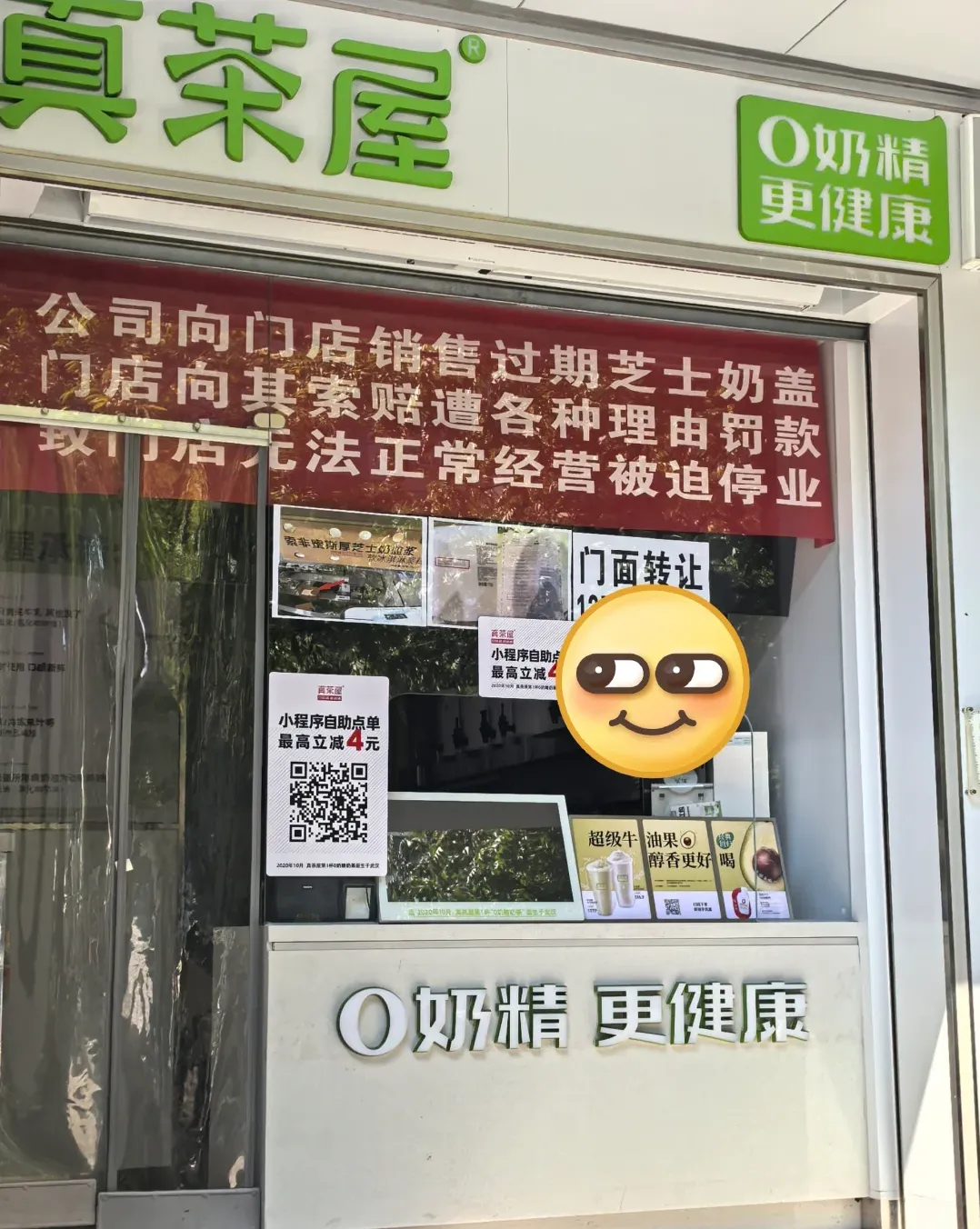
It is understood that on September 26 the store completed its transfer, all equipment in the store had been moved out, and only a few workers were cleaning. A neighboring store owner revealed, "A new wonton shop is about to open here."
In the emptied store, the outlet still had an inspection item list posted that had not been torn off. It showed that store assessments used 100 points as full marks and 60 as the failing line; headquarters implemented a monthly inspection system and gave stores comprehensive scores, and the heads of the bottom three stores in the monthly ranking would face talks. In addition, during the contract period, a first failed assessment would result in a warning, 2 failures would lead to an in-depth talk, and a cumulative 3 failures would require a "voluntary donation" of 5,000 yuan, along with store closure for rectification and study, and the company had the right to unilaterally terminate the contract.
The store inspection items mainly included four parts: food safety, product standards, hygiene and cleanliness, and store management. Each was further divided into multiple specific indicators, and points were deducted for noncompliance. Some indicators also had corresponding "voluntary donation" penalties, with amounts ranging from 50 yuan to 5,000 yuan. For example, deliberately concealing externally purchased raw materials or tampering with shelf-life dates required a "voluntary donation" of 5,000 yuan, and having expired food required a "voluntary donation" of 1,000 yuan.
Image source: online screenshots, Changjiang Cloud News
Disclaimer: Some images in this article are from the internet. For some content on the website, such as images, we will respect the original author's copyright and indicate the source. However, due to the large quantity, a few images and texts may not have been credited in time. Please understand. If the original author has any dispute, they may contact the website for handling. Once verified, we will correct it immediately. Compiled and edited by "Coffee Works." Please indicate the source when reposting. If there is infringement, please inform us for deletion. Thank you~!
The above content is compiled by CoffeeHunters, a coffee news website.


