







What are the characteristics of the grass species used in Yirgacheffe coffee?
Ethiopian heirloom varieties, botanically part of the Coffea arabica species, are what give washed Yirgacheffe its bright acidity and clean cup. The Konga Cooperative Wote Station G1 from the Gedeo region grows at 1,850 to 2,050 meters using local heirloom plants and washed processing, which is why the lots show floral and lemon-citrus notes.
Coffea arabica, often written c.arabica, is the species behind these heirloom plants. Yirgacheffe sits in southern Ethiopia at 1,700 to 2,200 meters, and the day-night temperature swing at that altitude supports slow cherry ripening. The washed workflow, combined with the G1 grade, keeps the cup clean and consistent for pour-over.
Washed Yirgacheffe has always been known for its bright acidity and clean flavor, and the lots produced by the Konga Cooperative are among the most highly regarded representatives. The Konga Cooperative Wote Station G1 that Front Street Coffee has brought in comes from the Gedeo region at an altitude of 1,850 to 2,050 meters and uses local heirloom varieties with washed processing. This article will cover the Yirgacheffe production region background, the soil characteristics of Gedeo, an overview of the Konga Cooperative, the characteristics of heirloom varieties, the washed processing workflow, and Front Street's roasting curve and V60 staged extraction parameters, providing a complete review of this bean's origin information and brewing approach, along with actual cupping flavor notes for pour-over enthusiasts to reference.
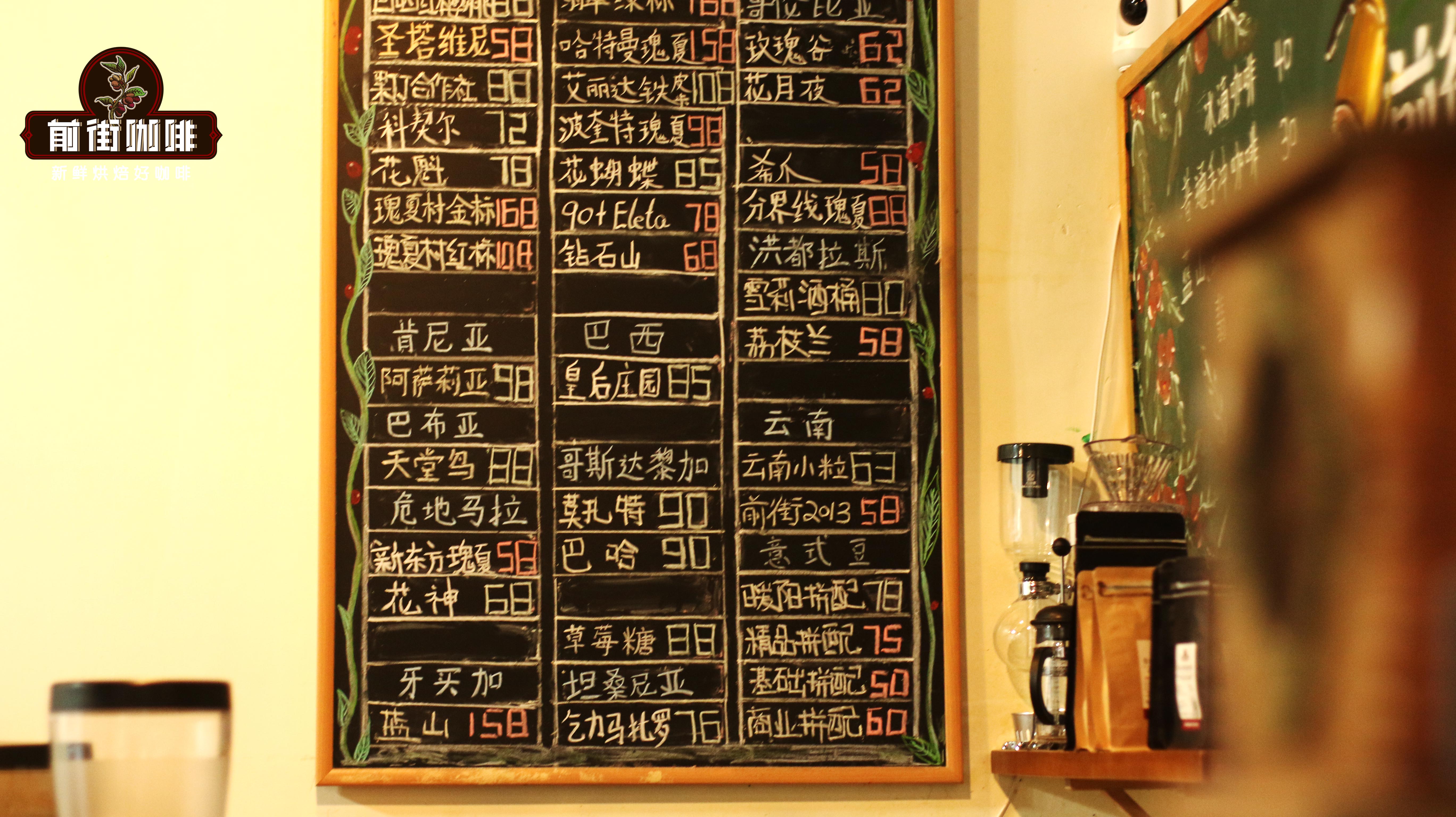
On Front Street's menu, washed Yirgacheffe beans have always been one of the easiest options for pour-over beginners. Its bright acidity and refreshing, clean flavor make it highly approachable for people just getting into single-origin coffee. Among the many washed Yirgacheffes, the lots produced by the Konga Cooperative have received consistent praise, and Front Street Coffee (FrontStreet Coffee) has also added this popular bean to its own bean list.
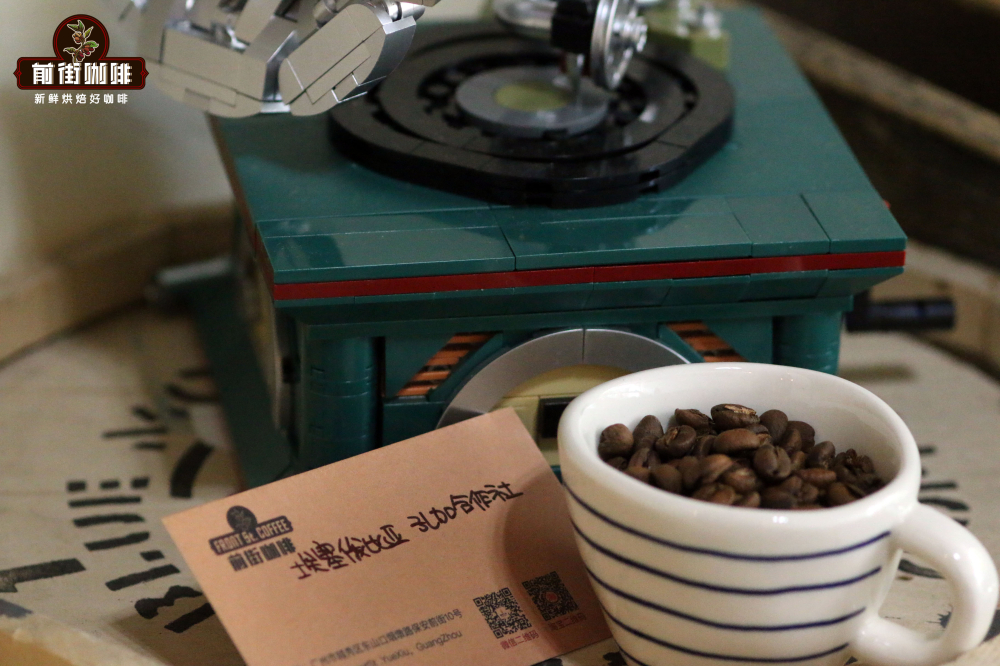
Front Street Coffee (FrontStreet Coffee) — Yirgacheffe Konga Cooperative Wote Station G1
Region: Yirgacheffe Konga Cooperative
Washing Station: Wote Konga Processing Station
Altitude: 1,850-2,050m
Variety: Local heirloom
Processing Method: Washed
Grade: G1
Yirgacheffe Coffee Production Region
Yirgacheffe's earliest inhabitants lived in marshy areas, and the place name itself carries the meaning of leaving the waters and choosing another dwelling. This production region is located on the southern highlands of Ethiopia, with coffee cultivation at altitudes between 1,700 and 2,200 meters. It originally belonged to the northern part of the Sidamo production region, but later, because of its unique flavor performance, it was declared by the EXC as an independent coffee production region. Front Street believes that the key reason Yirgacheffe can become synonymous with Ethiopian coffee lies in its captivating profile with floral notes and lemon-citrus-like acidity, which is unforgettable after just one sip.
Gedeo Region of Yirgacheffe
The Konga Cooperative is located in the Gedeo region, where most of the soil has a relatively high iron content and the soil layer is more than 1.5 meters deep. Deep soil helps coffee tree roots extend fully, allowing them to absorb water and nutrients from the soil more efficiently. Iron is an indispensable trace element for chlorophyll synthesis; once a plant lacks iron, it cannot synthesize chlorophyll normally even with sufficient light. Front Street believes that soil with high iron content allows coffee trees to produce enough chlorophyll, making photosynthesis smoother and thereby storing more nutrients, ultimately improving the overall quality of the coffee fruit.
Konga Cooperative
The Konga Cooperative is located in the Gedeo region a few kilometers south of Yirgacheffe town and belongs to the Yirgacheffe coffee production region. Its name comes from the nearby Konga River and the local Konga village. The cooperative is at an altitude above 1,800 meters, and the harvest season usually runs from October each year to February of the following year. The Konga Cooperative is one of the few local cooperatives to obtain organic certification, though Front Street believes such certification is not very meaningful in practice, because coffee cultivation in Ethiopia is entirely organic by nature, while applying for organic certification requires paying high third-party audit fees. Local economic conditions are generally poor, so the vast majority of producers simply do not apply.
Coffee Bean Varieties
The name "local heirloom" is essentially a collective term for a mixture of many varieties. Ethiopia is the birthplace of all Arabica varieties, with an enormous number of varieties and complex populations that are difficult to classify one by one. In addition, some varieties are protected by the government and their information is not public, so coffee trees are often interplanted and harvested together, which also causes Ethiopian heirloom coffee beans to vary in size and shape. Front Street believes that it is precisely this mixed planting method that gives Ethiopian coffee beans such rich layers of acidity.
Washed Coffee Processing Method
First, the selected coffee cherries are sent into a machine to initially remove the skin, pulp, and mucilage. Then the green coffee beans, which still carry residual pulp and pectin, are soaked in water to ferment for about 18 to 36 hours. After fermentation is complete, the green coffee beans with parchment are moved into a flowing water channel for washing to remove residual pulp and pectin. After washing, the coffee beans are dried through sun-drying or drying equipment to reduce moisture content to about 12%, and finally the parchment outside the green beans is removed. Front Street believes that the washed processing method can make the acidity of Yirgacheffe coffee beans appear brighter and more layered.
Front Street Coffee (FrontStreet Coffee) Roasting Recommendations
Front Street's roaster uses a Yangjia 800N semi-direct-fire roaster with a 480g charge: when the drum temperature rises to 175°C, the beans are charged, the damper is opened to 3, the heat is set to 130, the damper remains unchanged, and the turning point appears at 1 minute 28 seconds; when the drum temperature reaches 140°C, the damper is adjusted to 4; when it rises to 150°C, the damper is left unchanged and the heat is lowered to 110. At this point the bean surface turns yellow, the grassy smell completely disappears, and the dehydration stage begins; at 8 minutes 00 seconds, wrinkles and dark spots appear on the bean surface, and the toasted bread smell clearly turns into coffee aroma, which can be regarded as the prelude to first crack. At this time it is necessary to carefully distinguish the sound of the first crack point; first crack begins at 8 minutes 48 seconds, the damper is adjusted to 5, development after first crack lasts 50 seconds, and the beans are dropped at 189°C.
Front Street Coffee (FrontStreet Coffee) Brewing Notes
In order to fully extract the rich acidity of washed Yirgacheffe, Front Street uses a higher water temperature and a finer grind for extraction. At the same time, to avoid over-extraction caused by high temperature, a dripper with a relatively fast flow rate is chosen, such as the V60 dripper. The V60 has a 60-degree cone shape, and this angle allows the coffee grounds to gather in a concentrated distribution. When pouring, the water flow also automatically converges toward the center of the dripper, ensuring sufficient contact time between water and coffee grounds, thereby extracting the ideal coffee liquid.
Dripper: V60 #01
Water Temperature: 90°C
Dose: 15g
Coffee-to-Water Ratio: 1:15
Grind Size: BG6m / fine granulated sugar size (80% passing a No. 20 sieve)
Front Street Coffee (FrontStreet Coffee) staged extraction method: First, use 30g of water to fully wet the coffee bed so that it forms a "hamburger" shape and bloom for 30 seconds; for the second pour, when the timer reaches 1 minute, pour water until the total reaches 125g, then stop, and wait until the water level drops to 2/3 of the coffee bed before pouring the third stage; for the third pour, when the timer reaches 1 minute 40 seconds, pour water until the total reaches 225g, and wait for the coffee liquid to finish dripping completely. The total extraction time is 1 minute 59 seconds. After extraction is complete, gently swirl the sharing pitcher, and taste once the coffee liquid is even.
Brewing flavor of washed Yirgacheffe Konga Cooperative coffee beans: lemon, floral, orange, sugarcane, overall clean and refreshing, with a sweet aftertaste featuring honey flavor and an oolong tea finish.
Professional coffee knowledge sharing. For more coffee bean information, please follow the WeChat public account: Front Street Coffee (FrontStreet Coffee)
The above content is compiled by CoffeeHunters, a coffee news website.


