







Search Results for: stirring intensity
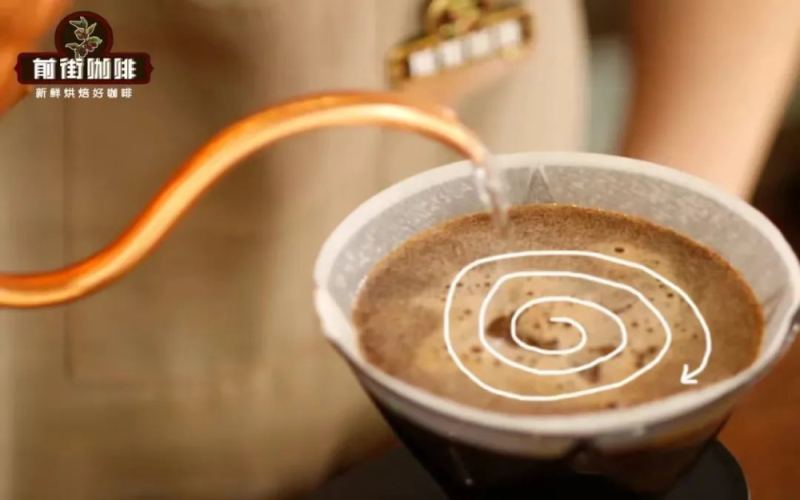
How Much Does the Speed of Circular Pouring in Hand-Brewed Coffee Actually Affect the Extracted Flavor?
Among the many variables in pour-over coffee, pouring technique is often overlooked by beginners, yet it has a significant impact on the final flavor. The speed of the circular pour is essentially equivalent to the amount of agitation applied to the coffee bed, so how much difference can it actually make to the taste of the coffee? Front Street conducted comparative experiments using washed Yirgacheffe and dark-roasted Golden Mandheling, measuring concentration and extraction yield and combining this with actual tasting to verify the effect of different pouring speeds on flavor. This article will present the parameters and results of both experiments in full, and further explore the role that agitation intensity plays when conditions such as grind size are changed. [more…]
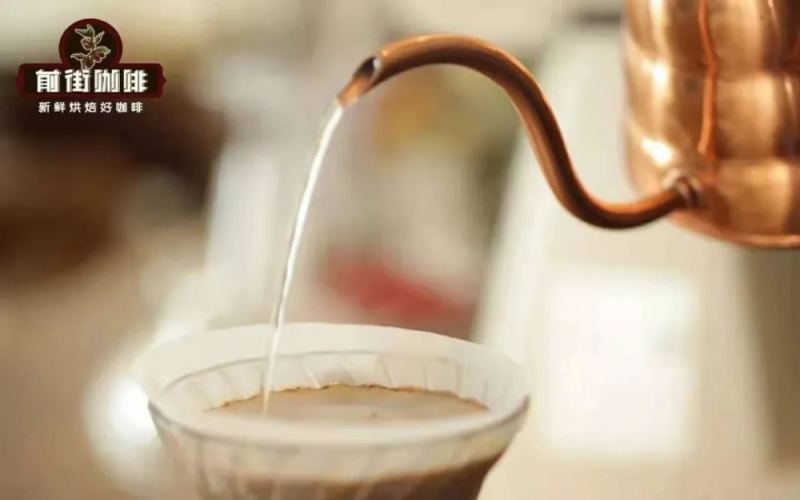
Analysis of Six Classic Pour-Over Coffee Brewing Methods: Techniques and Flavor Differences from One-Pour to Stirring
The charm of pour-over coffee lies in its rich and varied brewing methods, with different techniques bringing out completely different flavor expressions. This article systematically sorts out six common pour-over techniques—one-pour flow, three-stage, four-six method, three-temperature brewing method, volcano pour, and stirring method—explaining in detail the operational key points, applicable scenarios, and flavor characteristics of each technique. From the logic of dividing pouring stages to extraction strategies based on water temperature changes, from adjusting grind size to the influence of stirring intensity on fine particle migration, the content balances theoretical principles with practical details. The article also specifically shares the three-stage brewing parameters used daily at Front Street Coffee, as well as the grinding solutions offered to address the easy over-extraction problem of the four-six method, making it suitable for coffee enthusiasts who wish to refine their brewing skills. [more…]
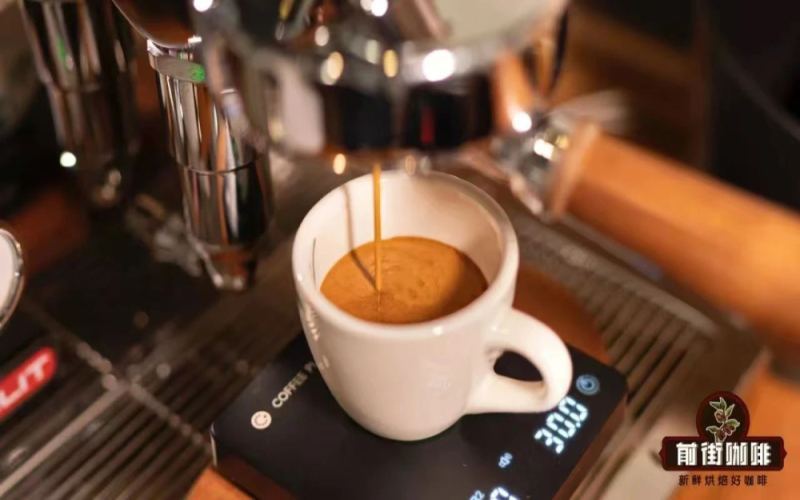
Espresso Beginner's Guide: A Complete Analysis from Origins and Evolution to Tasting Steps
Espresso is both unfamiliar and full of challenges for most people, and the intense bitterness brought by its high concentration often deters beginners. However, as long as you master the correct way to taste it, espresso can also reveal rich and captivating layers of flavor. From the perspective of Front Street Coffee, this article systematically sorts out the historical origins and evolution of espresso, explains in detail the three major tasting dimensions of aroma, mouthfeel, and finish, and provides a complete set of operating steps from rinsing the mouth with ice water and stirring the crema to taking a large sip, helping coffee lovers truly appreciate the unique charm of this classic Italian beverage. [more…]
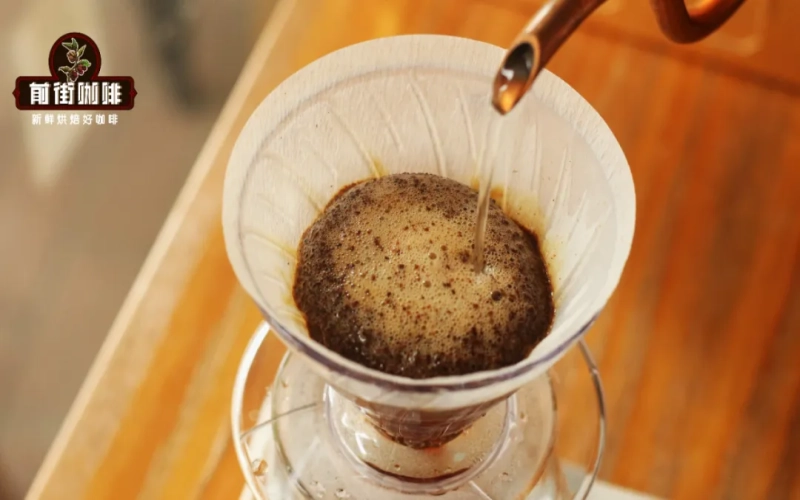
What are the advantages of the stirring blooming method in pour-over coffee? An in-depth analysis of the practical techniques of the Mad Barista stirring method
In the world of pour-over coffee, the agitation method is a more aggressive extraction technique than water-stream agitation. It acts directly on the coffee bed through a tool, accelerating the release of soluble flavor compounds. Front Street Coffee shared this method last year, but did not elaborate on the specific steps. This article will systematically sort out the three major application scenarios of the agitation method—the blooming stage, remedial action when extraction efficiency is insufficient, and its use when actively adjusting parameters—and provide an in-depth analysis of the key details to note when using agitation, such as grind size, agitation force, and number of agitations, helping coffee enthusiasts master this technique more precisely. [more…]
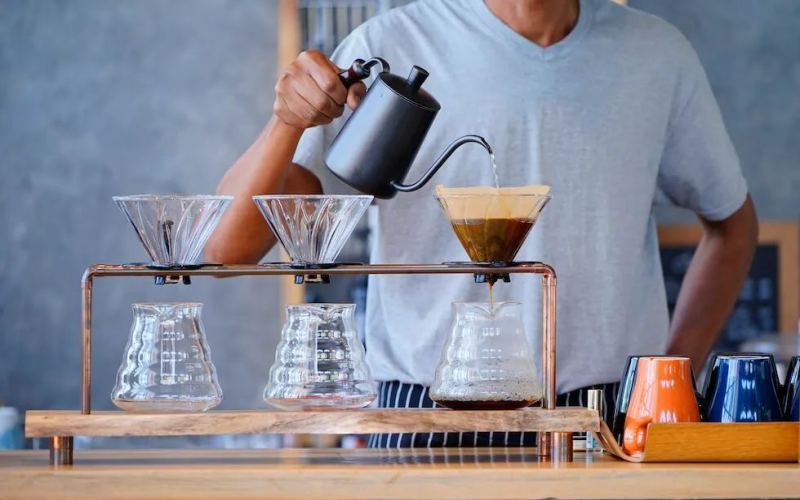
Why Does Pour-Over Coffee Use Circular Pouring? A Complete Analysis from Extraction Principles to Practical Technique
Many friends who are just getting into pour-over coffee are curious: why must you pour in circles when adding water? Can't you just pour water straight into the center? Behind this seemingly simple action lie two considerations: extraction efficiency and water flow stability. This article will analyze it from two angles—first explaining the role of agitation in improving extraction yield, then explaining why, among the many agitation methods, circular pouring is best suited to the pour-over scenario. It will also share practical pouring techniques recommended by Front Street Coffee, helping beginners effectively avoid turbulence, achieve even extraction, and reduce the chances of messing up. [more…]

The Complete Siphon Coffee Brewing Process: An Analysis of Equipment Structure, Parameter Settings, and Key Operational Points
As a coffee brewing device full of retro charm, the siphon pot is no longer the main production method in coffee shops, yet it still retains a loyal following. This article, from the perspective of Front Street Coffee, will systematically explain the siphon pot's structural principles, filter material selection, heating source types, coffee powder addition timing, grind size, and coffee-to-water ratio, along with a complete set of operating steps. Whether you are a beginner just getting to know the siphon pot or an enthusiast hoping to refine your technique, you will find practical references here. [more…]

Espresso Tasting Guide: A Full Breakdown of Three Drinking Methods and the Standard Extraction Process
Espresso is Italy's most iconic classic coffee, rich in flavor with distinct layers, but due to its intense taste, many enthusiasts feel confused about how to properly drink it. This article will systematically introduce three ways to drink espresso — the beginner-friendly method of adding sugar and milk, the strong straight-drinking method preferred by men, and the elegant slow-sipping method favored by women — while also explaining in detail the complete preparation process from dosing, distributing, tamping, to extraction. Front Street Coffee (FrontStreet Coffee), using its Sunflower Warm Sun blend as an example, shares the standard parameters of 20 grams of grounds, 9 bar of pressure, and a 25-to-30-second extraction yielding 40 milliliters, helping you make a balanced cup of Espresso at home too. [more…]

The Correct Way to Drink Espresso: A Complete Guide from Beginner to Addict
Espresso has always been the most misunderstood drink in coffee shops. On social media, many people are drawn in by the cool image of downing one in a single gulp, order a cup eagerly, and then get caught off guard by the intense bitterness. In fact, the problem isn't that espresso itself tastes bad—it's that most people haven't yet mastered the correct way to drink it. Front Street Coffee has witnessed too many similar scenes in its daily store operations, so it has specially put together this espresso tasting guide. From stirring the crema to drinking it in stages, from cleansing the palate with ice water to closing your mouth to savor the aroma, with just a few simple steps, you'll have a chance to truly appreciate the captivating layers of espresso. [more…]
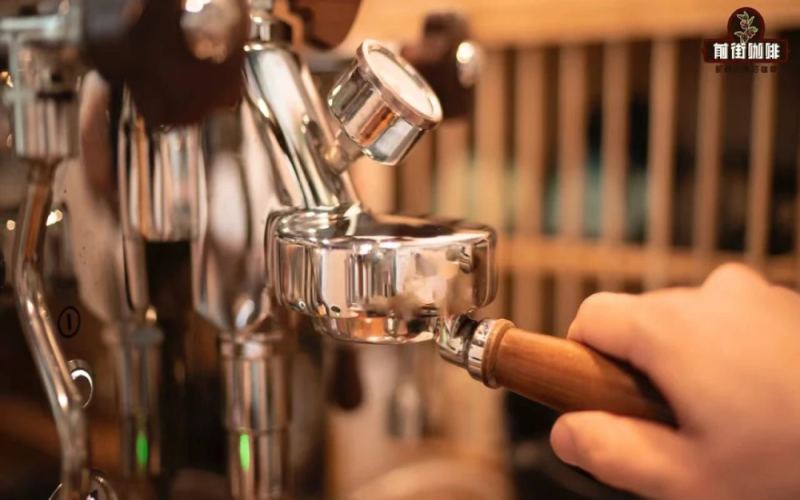
How to Make Americano Black Coffee | Is There a Big Difference in Flavor and Mouthfeel Between Espresso and Americano? Recommended Espresso Beans with Rich Crema
For more specialty coffee knowledge, please follow: Front Street Coffee (Frontsteet Coffee). Did you know? Espresso has a rich mouthfeel and intense flavor, which often makes it hard for people to accept, but once you get used to it, you actually find it has a unique charm. Moreover, espresso [more…]
Jamaica Blue Mountain and Indonesian Mandheling: A Comprehensive Overview of Origin, Flavor Characteristics, and Coffee Beverage Recipes
Blue Mountain coffee and Mandheling coffee are two highly representative beans in the world of single-origin coffee. The former is famous for its soft balance from the high-altitude growing regions of the Caribbean, while the latter is known for its rich, full-bodied intensity from Sumatra. This article will begin with origin stories, climate conditions, and flavor characteristics to systematically sort out the identity definitions and tasting key points of these two coffees. It also includes preparation methods for more than ten classic coffee drinks, such as Mocha, Cappuccino, and Turkish coffee, along with comparative introductions to common coffee beans such as Colombia, Brazil, and Mocha. The article also retains related recommendations for the "Front Street" brand, making it suitable as a daily reference for coffee enthusiasts. [more…]

Home Coffee Brewing Methods | What Are the Coffee Extraction Principles of the Siphon and Moka Pot? Which Tastes Better, Siphon or Moka Pot Coffee?
There are hundreds of coffee brewing devices on the market, yet there is actually no definitive answer as to which coffee device brews the best-tasting coffee, because everyone's taste preferences differ. Even with the same coffee beans, using the same coffee device and the same brewing time, the acidity, bitterness, sweetness, body, strength, and lightness that each person perceives are [more…]

Coffee Tasting | Espresso, Latte, Dirty Coffee — What's the Etiquette for Drinking Them? Why Do Some Coffees Need Stirring While Others Are Meant to Be Gulped?
Although you can drink coffee however you like, doing so can easily cause you to miss out on some of its distinctive flavors. The character of a coffee lies not only in its taste but also in the experience it brings when you drink it—just like a Dirty. If you stir it before drinking, it is almost no different from [more…]
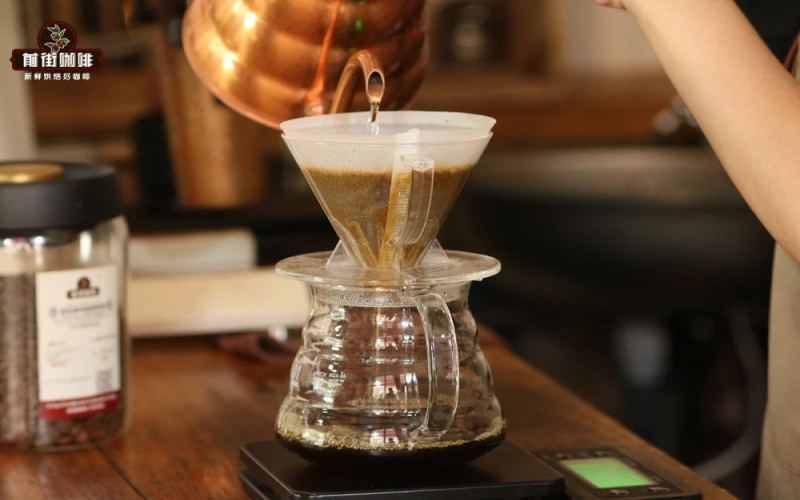
A Detailed Guide to Pour-Over Coffee Pouring Methods: The Differences Between Circular and Center-Point Pouring and Practical Key Points
Pour-over coffee pouring techniques have always been one of the topics newbies care about most. Many friends who have just discovered Front Street Coffee often ask: why doesn't the coffee I brew taste good enough? In fact, understanding and applying the right brewing parameters is more important than obsessing over pouring techniques. This article compares two methods—circular pouring and single-point pouring—analyzes how the coffee bed changes, why turbulence occurs, and how stirring intensity affects extraction, while also answering common questions about pouring height and the direction of circular pouring. This set of pouring key points that Front Street Coffee has put together for beginners starts with slow, steady, and straight, helping you avoid channeling and brew an even, delicious pour-over coffee. [more…]

How should you drink espresso to get it just right? A full breakdown of when to stir and when to take big sips
When a cup of coffee is placed in front of you, should you stir it or just take a big gulp? There is no uniform answer to this question—the key lies in the drink's own design intent. In this article, Front Street Coffee sorts out two categories of drinking methods: espresso, iced latte, flavored coffee, and the like need to be stirred before drinking because of their layers, otherwise they will either taste thin, or one sip will be all syrup; while Dirty, Con Panna, hot latte, cappuccino, and espresso-derived small-cup products emphasize not stirring and taking a big mouthful, so that you can simultaneously experience the double contrast between espresso and milk in temperature and flavor, or take in the milk foam and cream along with it. The article also explains the principle behind how the layers form, and the aromatic and sweet lingering aftertaste brought by the retronasal breath after swallowing a big mouthful. Finally, Front Street also reminds us that there is no fixed rule for how to drink—just follow your own preference. [more…]

What's the difference between a siphon and a moka pot? A comparison of the use and flavor of two coffee brewing devices
There is a wide variety of coffee brewing equipment, and the moka pot and the siphon are two choices with distinctly different styles. The moka pot, with its simple operation and rich flavor, has become a frequent choice for beginners, while the siphon attracts enthusiasts with its laboratory-like ritual and clean, balanced flavor. What are the differences between the two in terms of extraction principles, pressure methods, and final taste? Starting from the practices at Front Street Coffee, this article provides a detailed overview of the structure, usage methods, and flavor performance of the moka pot and the siphon, helping you find the cup that suits you at home. [more…]
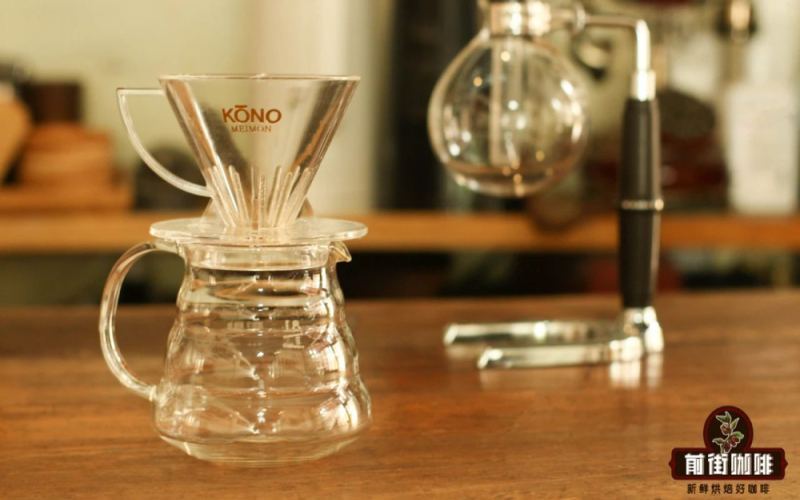
Siphon Brewing Tutorial: Comparing Stirring and Immersion Techniques, with Front Street Mozart Bean Practical Parameters
The history of the siphon pot predates pour-over by more than seventy years. Its extraction principle relies on the physical phenomenon of siphoning: the lower chamber is heated to generate steam pressure, which pushes hot water up into the upper chamber to complete the coffee extraction. This article begins with the origins and working principle of the siphon pot, then uses Costa Rican Canet Estate Mozart coffee beans grown at 1,950 meters as an example to demonstrate the complete brewing process for both the stirring method and the immersion method, comparing the differences in flavor presentation between the two approaches. Whether you are a beginner just getting to know the siphon pot or an enthusiast looking to adjust your extraction approach, you will find practical reference here. [more…]
Siphon vs. Moka Pot Brewing Differences Explained: Working Principles, Flavor Performance, and Front Street Coffee's Step-by-Step Practice
The moka pot and the siphon are the first-choice brewing devices for many coffee lovers trying their hand at home brewing—one uses steam pressure for rapid extraction, while the other relies on the vacuum principle to deliver a sense of ritual. What exactly are the differences between the two in terms of construction, operating procedure, and final flavor? Is the coffee brewed with a moka pot good enough to drink? And how should a siphon be operated correctly? Drawing on Front Street Coffee's hands-on experience, this article sorts out the extraction principles, usage steps, and flavor characteristics of the two devices, and offers specific parameter suggestions and tasting references to help you find the cup that suits you. [more…]
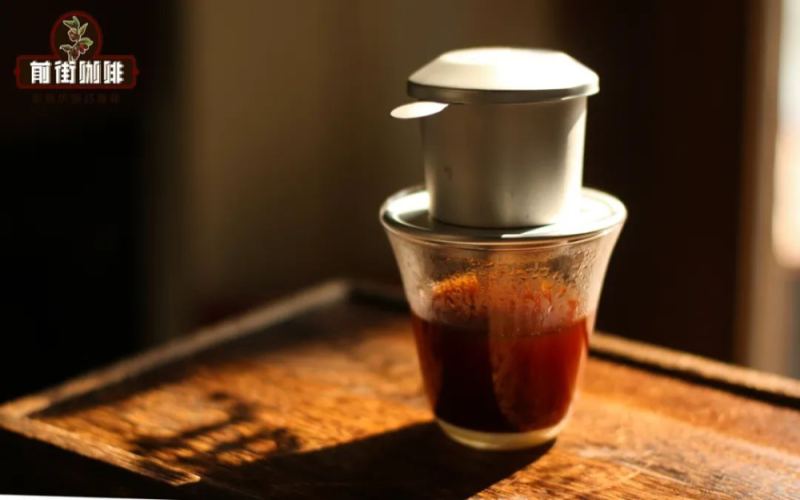
Vietnamese Drip Coffee Brewing Guide: How to Use a Phin and the Classic Pairing with Condensed Milk and Robusta
Vietnamese coffee is not simply about coffee beans grown in Vietnam; it represents a unique local beverage culture. After the French introduced coffee to Vietnam, it gradually became part of daily life. Vietnamese coffee is usually made from dark-roasted Robusta, paired with condensed milk to balance the intense bitterness, and extracted using a metal drip filter known as a "phin." Starting from Front Street's hands-on practice, this article explains in detail the structure of the phin, the key points of tamping, extraction parameters, and suggested condensed milk amounts, guiding you through the complete process of recreating an authentic cup of Vietnamese drip coffee, and sharing a layered tasting approach that goes from strong to sweet. [more…]
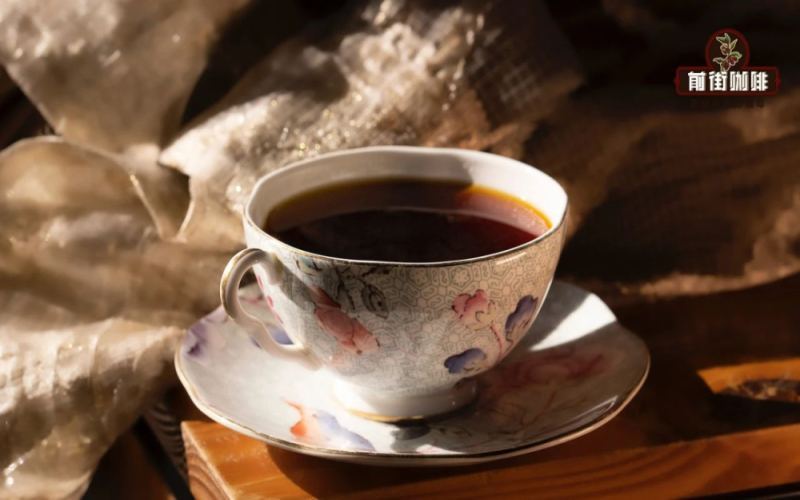
Pour-Over Coffee Beginner's Guide: A Full Breakdown of Water Temperature, Grind Size, Coffee-to-Water Ratio, and Five Classic Pouring Techniques
The charm of pour-over coffee lies in having every step under your own control, yet many enthusiasts feel that their home brews always fall short of the taste they get at a coffee shop. In this article, Front Street Coffee explains four dimensions—water temperature, grind size, coffee-to-water ratio, and pouring technique—and introduces five classic pour-over methods in detail: the three-stage pour, the stir-and-bloom method, the Japanese drip method, the single-pour method, and the volcano pour. It also analyzes the causes of failed extractions and directions for improvement. Whether you are a beginner just getting started or a veteran looking to refine your technique, you will find practical advice here. [more…]
How to Brew Delicious Aeropress Coffee? A Full Breakdown of the Four Key Brewing Variables and Equipment Features
At a time when siphon and pour-over coffee are all the rage, the AeroPress, with its syringe-like shape and simple operation, is becoming a hot new trend among baristas. This device is easy to use, lightweight, and drop-resistant, so you can brew a cup anytime at home or outdoors. This article will outline the core features of the AeroPress—brewing completed in about one minute, a sediment-free cup after filtering, and hassle-free cleaning—and break down the four major factors that determine coffee quality: water temperature, stirring, time, and pressure, analyzing how each variable affects the final flavor. At the end, it also includes the AeroPress brewing parameters for Front Street 90+ Candlelight for everyone to reference and practice with. [more…]