







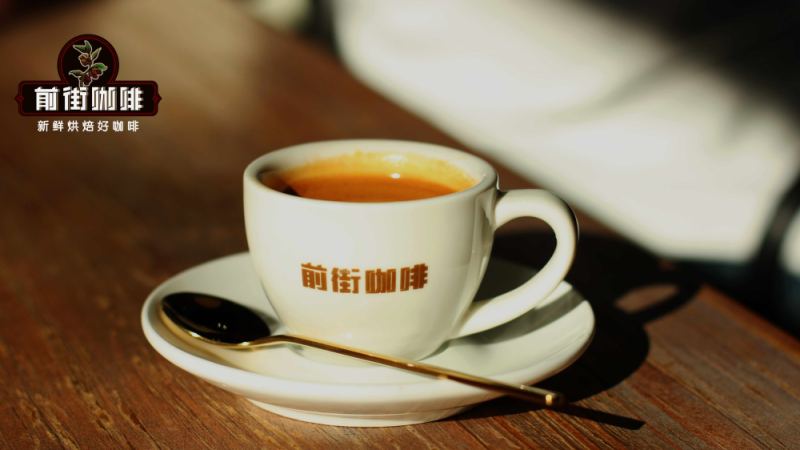
How should you drink a classic coffee like espresso?
Espresso is Italy's classic coffee, intense and layered, and the orthodox approach is to drink it within about two to three sips while the flavor is at its peak. Three styles cover most drinkers: adding sugar and milk for beginners, taking a straight shot, and slow sipping. Ice water is served alongside to rinse the palate before the first taste.
A standard extraction uses a 20-gram dose, nine bars of pressure, and 25 to 30 seconds to yield about 40 milliliters, as with Front Street Coffee's Sunflower Warm Sun blend. Stirring the shot before drinking helps the crema and body combine. Many caffes leave espresso off the menu, keeping it available on request for those who ask.
Espresso is Italy's most iconic classic coffee, rich in flavor with distinct layers, but due to its intense taste, many enthusiasts are confused about how to properly drink it. This article will systematically introduce three ways to drink espresso—the beginner-friendly method of adding sugar and milk, the bold straight-shot method preferred by men, and the elegant slow-sipping method favored by women—while also explaining in detail the complete process from dosing, distributing, tamping to extraction. Front Street Coffee, using its Sunflower Warm Sun blend as an example, shares the standard parameters of 20g dose, 9 bar pressure, and 25 to 30 seconds to extract 40ml, helping you make a balanced Espresso at home.
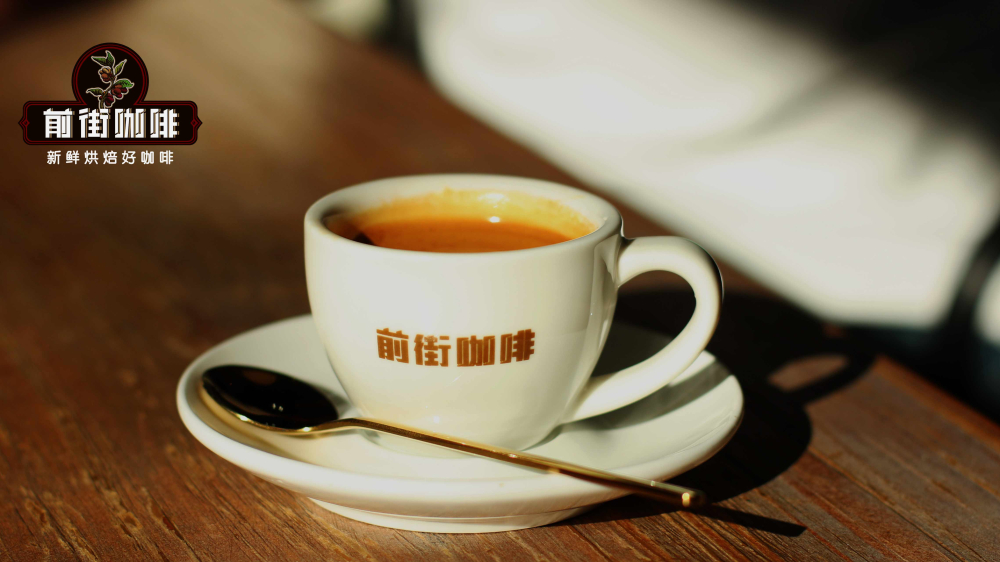
For more specialty coffee knowledge, please follow: Front Street Coffee (Frontsteet Coffee)
Espresso is a very classic Italian coffee, rich in flavor with layered complexity, capable of highlighting certain flavor characteristics of coffee. But because espresso tastes extremely intense on the first sip, more people prefer espresso-based Italian coffees.
In addition, many cafés do not put espresso on their menus, mostly keeping it as a hidden menu item until a seasoned enthusiast asks for it. Although Front Street Coffee's menu does not feature this coffee, it will still make it upon customer request.
For this obscure yet common coffee beverage, many enthusiasts wonder "how to drink an espresso." Whenever this type of question comes up, to solve it, it's better to first understand another question: "What are you tasting when you drink espresso?"
The orthodox way to drink espresso is to drink it quickly, finishing it in about two to three sips, because during this window the coffee's flavor is at its most perfect and the caffeine intake is also lower, allowing you to enjoy the taste while looking after your health. But when it really comes to ways of drinking espresso, Front Street Coffee can share three methods with you, so you can find the espresso tasting style that suits you best.
One, the common beginner way to drink espresso
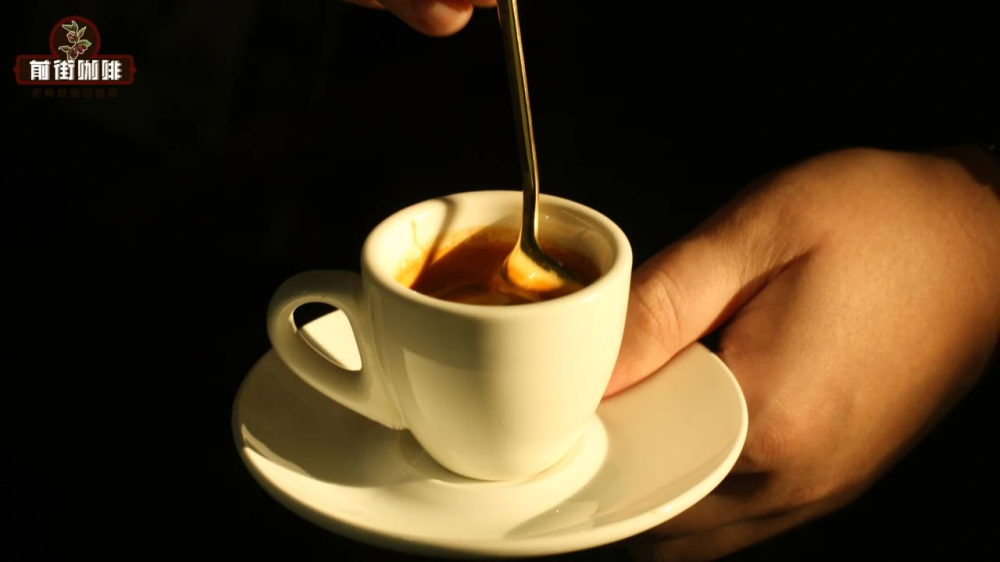
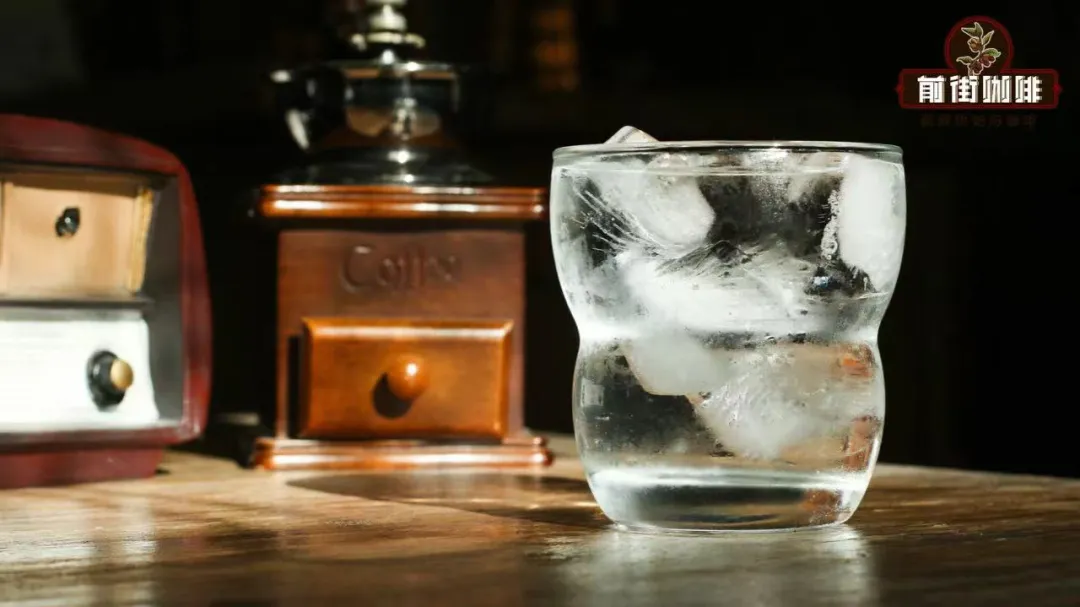
Generally, when Front Street Coffee serves espresso, it comes with ice water. Before drinking the espresso, take a sip of the ice water to rinse your mouth and clean your palate so you can better appreciate the espresso. Then use the provided spoon to stir the espresso—the coffee liquid at the bottom of the espresso is thicker, while the surface is thinner, and stirring to mix evenly allows you to taste the espresso better. Of course, you can also skip stirring to experience different textures and layers.
Next, divide the espresso into 3 to 4 sips to finish. Rub your tongue against your palate to feel the espresso's texture, use the sides of your tongue to sense its acidity, and combine various sensory perceptions to evaluate its overall state. After finishing, close your mouth and exhale to feel the espresso's aroma and the lingering aftertaste in your mouth. Finally, take a sip of water to rinse your mouth and feel the coffee's sweetness.
But as a beginner espresso fan, you might want to try adding a tiny amount of sugar and a proportion of fresh milk not exceeding the coffee itself, stir slightly, then drink it all in one gulp. This way of drinking lets you simultaneously taste the semi-melted granulated sugar dissolving in your mouth, with flavors shifting from bitter to sweet, which will absolutely make you fall in love with this cup of espresso. The fresh milk also neutralizes that intense taste, making it the most suitable way for beginner coffee fans.
Two, the way exclusively for men
For men, facing the intense espresso directly is absolutely the most suitable way to drink it. When tasting the most intense espresso of all coffees, you can first take a sip of ice water to remove any miscellaneous flavors in your mouth, then drink the coffee in one gulp. The dual taste experience of ice water and piping hot espresso is absolutely another kind of surprise beyond taste.
If you want to add a little variation, add some lime liqueur or whiskey to the espresso, letting two strong intense flavors collide with each other. This way of drinking is not for those without a high level of expertise—don't try it lightly.
Three, the way exclusively for women
Compared to men's pursuit of an absolutely intense tasting style, the way suited to beauties is relatively much more elegant. Before drinking the coffee, take a sip of warm water, then slowly drink the espresso. The warm sensation blending in the mouth gradually releases the espresso's aroma—a graceful expression that stands in absolute contrast to men's way of drinking.
Of course, just as most women love lattes and other espresso-based fancy Italian coffees, adding some fresh milk without sugar to the espresso and gradually reducing the amount of fresh milk is also a way of tasting.
Technically speaking, Espresso is both a beverage and a brewing method. Under nearly 9 bar of pressure (that is, 9 times normal atmospheric pressure), near-boiling water is forced through finely ground coffee to extract a thick, intense cup of Espresso. Most espresso machines take less than 1 minute to complete the entire extraction process—if switched to pour-over, in that one minute, you might not have even finished pouring the water.
This is exactly the characteristic of espresso—extremely convenient. Next, Front Street Coffee will share with you how to make a cup of espresso.
Step one, dosing. Before receiving the coffee grounds, place the portafilter on an electronic scale and tare it, then after receiving the coffee grounds, put it back on the scale to ensure the weight of coffee grounds is consistent each time. Front Street Coffee uses 20 grams of coffee grounds.
Step two, distributing. When distributing, you can do it according to your needs—like the distribution tool Front Street Coffee uses, or if you don't have one, you can also use your fingers. The main purpose is to ensure the coffee grounds are evenly distributed.
Step three, tamping. When tamping, the force should be moderate—too light will make the coffee puck loose, too heavy will make the coffee puck too dense, making it hard for water to pass through the puck and causing over-extraction. Also, the direction should be perpendicular to the filter basket.
Step four, extraction. After locking the portafilter onto the espresso machine, immediately turn on the extraction switch and start timing at the same time. Generally, the extracted coffee liquid is 40ml, and the time is about 25-30 seconds.
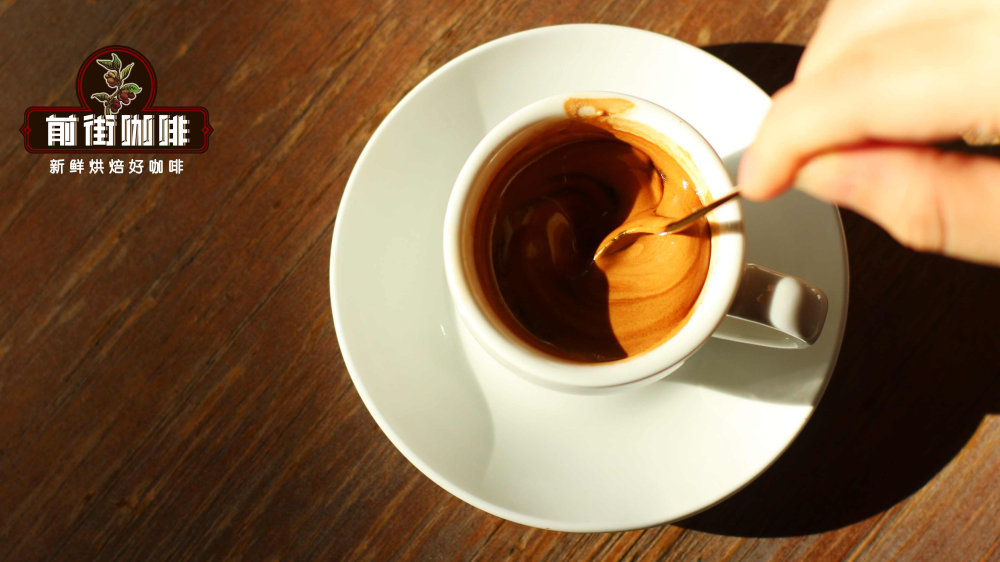
Step five, after extraction is complete, you can clean the filter basket.
Front Street uses a Feima E98 espresso machine, with the following extraction parameters:
Pressure: 9 bar
Temperature: 90.5~96°C
Time: 20~30 seconds
Coffee-to-water ratio: 1:1.7~1:2
Dose: 12g (single espresso) 20g (double espresso)
Extracted espresso volume: 20ml (single) 40ml (double)
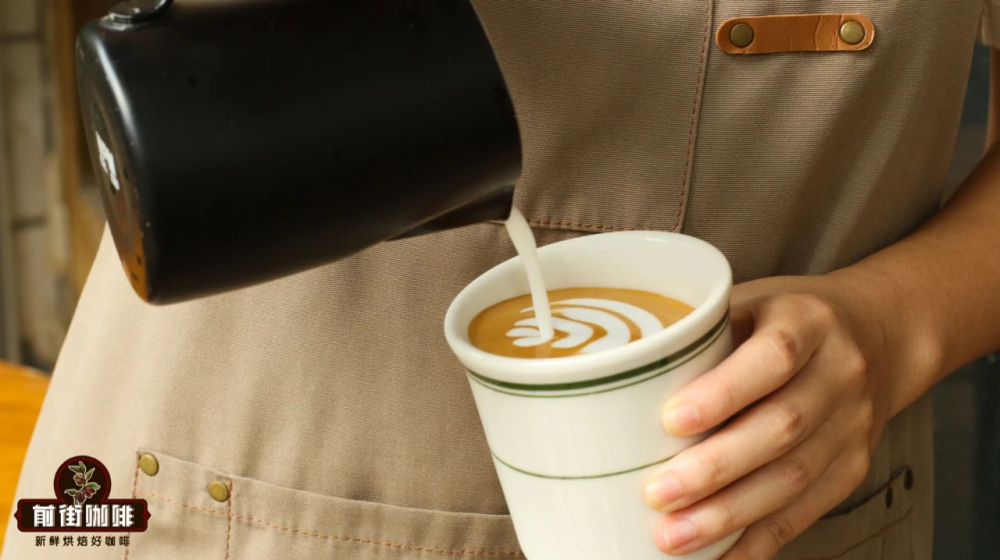
Front Street uses a double espresso to make its espresso, and choosing a suitable espresso blend is also very important. Currently, Front Street Coffee uses its own roasted Sunflower Warm Sun blend, combining Ethiopian natural Red Cherry with Honduran Sherry coffee beans, so the extracted espresso has obvious fruity acidity on the entry, with a faint berry aroma lingering, rich wine and chocolate flavors, and a comfortable sweet aftertaste.
For more specialty coffee beans, please follow the WeChat official account: Front Street Coffee (FrontStreet Coffee)
The above content is compiled by CoffeeHunters, a coffee news website.


