







Search Results for: state
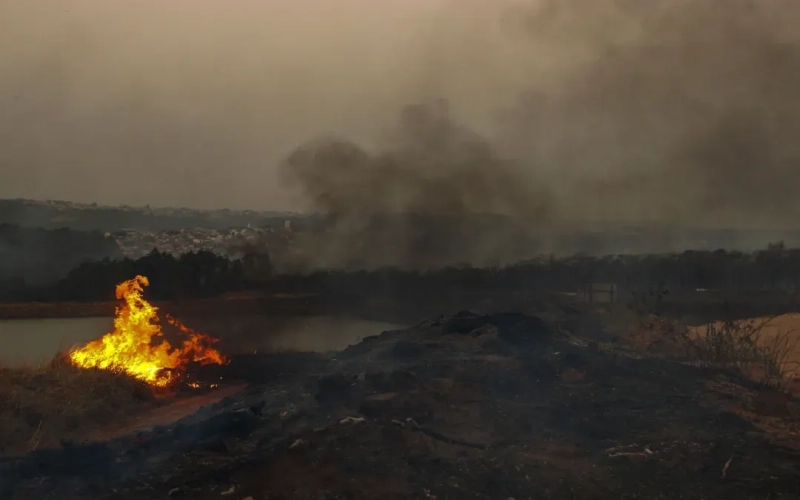
46 cities in São Paulo state, Brazil, enter a state of emergency due to wildfires, putting the new coffee crop season's production under threat.
Recently, the state of São Paulo in Brazil has been hit by its worst wildfires in decades, with at least 46 cities entering a 180-day state of emergency. The number of fires has reached a record high, thick smoke has shrouded multiple towns, roads have been closed, and flights have been canceled. Although Brazil's coffee harvest is nearly complete, the new crop season's coffee is in its growth period, and the area around Ribeirão Preto, the city most severely affected by the fires, as well as the well-known producing region of Mogiana, may both be impacted. Declining soil fertility, disrupted transportation, and the possible occurrence of "black rain" weather will all pose serious threats to Brazil's coffee output in the new season. This article will review the latest developments of the fires and their potential impact on the coffee industry. [more…]
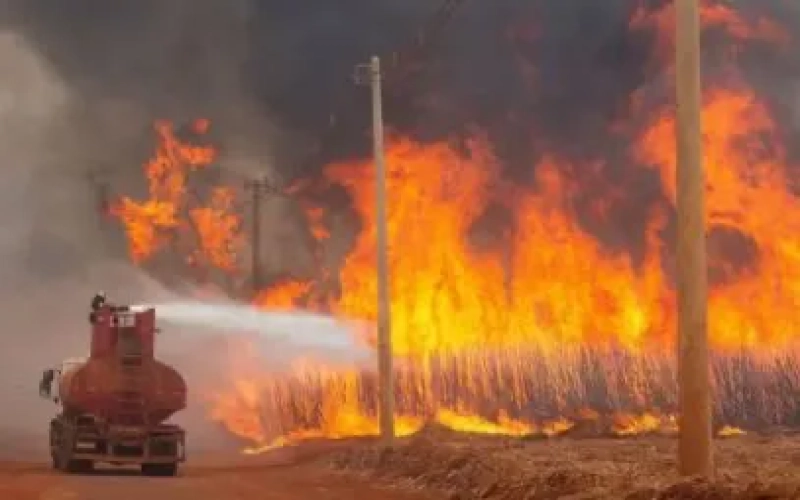
Fires in São Paulo State cause agricultural losses of about 1 billion reais, coffee futures prices may rise further
The state of São Paulo, Brazil, recently suffered severe fires, and the Civil Defense Authority warned that almost the entire state remains at high risk. Between August 22 and 24, a total of 2,600 fire points were recorded, with more than 80% concentrated in agricultural land such as sugarcane fields and coffee estates. The Ministry of Agriculture and Supply initially estimates losses at about 1 billion reais, and the actual figure may be higher. The fires burned at least 80,000 hectares of crops, and a large number of bees died, directly affecting coffee pollination and next year's output. At the same time, multiple coffee-producing regions in Brazil have gone more than 120 days without effective rainfall, the outlook for the Arabica flowering season is worrying, Robusta prices have already exceeded US$5,000 per ton, and coffee prices may continue to rise. [more…]

Severe storm hits São Paulo state, Brazil: Over two million users without power, coffee-growing regions hit again
The state of São Paulo, Brazil, recently endured a violent storm accompanied by historically powerful winds, leaving at least 7 people dead, 2.1 million users without power, and severely disrupting transportation, water supply, and business operations. As an important coffee-producing region in Brazil, São Paulo state has this year been hit in succession by drought, wildfires, and torrential rain, casting a shadow over the prospects for coffee growth in the new crop season. With power slow to be restored, inventory is piling up at processing plants and the risk of port delays is intensifying. Combined with expectations of reduced output in Vietnam and other producing origins, international coffee futures prices continue to run at high levels. This article will review the impact of the disaster, the abnormal climate in the producing region, and the chain reactions for the coffee industry. [more…]
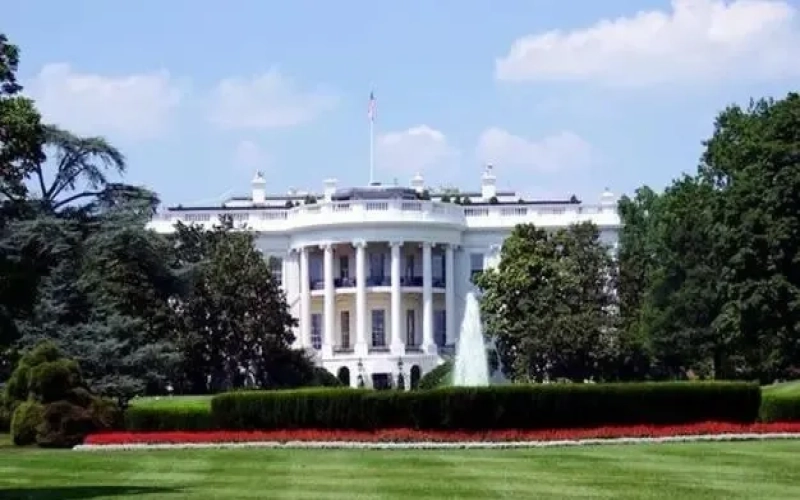
US Extends National Emergency on Ethiopia, Adding New Uncertainties to Coffee Export and Trade Prospects
The United States White House announced on September 6 that it will continue to impose a national emergency on Ethiopia, a decision that came after news of a currency swap agreement between China and Ethiopia. Ethiopia's finance minister has confirmed the existence of the agreement, but specific details and the timeline have not yet been made public. Meanwhile, the United States has imposed a state of emergency on Ethiopia since 2021 under the pretext of the National Emergencies Economic Powers Act, and this extension will run until 2025. Ethiopia was removed from the African Growth and Opportunity Act (AGOA) in 2022, and tariffs were reinstated on major export goods such as coffee, textiles, and leather products, dealing a severe blow to the economy. Although the U.S. attitude slightly eased after Ethiopia implemented a new foreign exchange policy in August of this year, AGOA eligibility remains out of reach. Germany is the largest importer of Ethiopian coffee, while the United States ranks only fourth, accounting for 9.3 percent. The continuation of the state of emergency may further restrict bilateral trade, reduce U.S. imports of Ethiopian coffee, and at the same time hit Ethiopia's exports of fertilizer and industrial supplies, exacerbating local price increases and the rising cost of coffee. [more…]
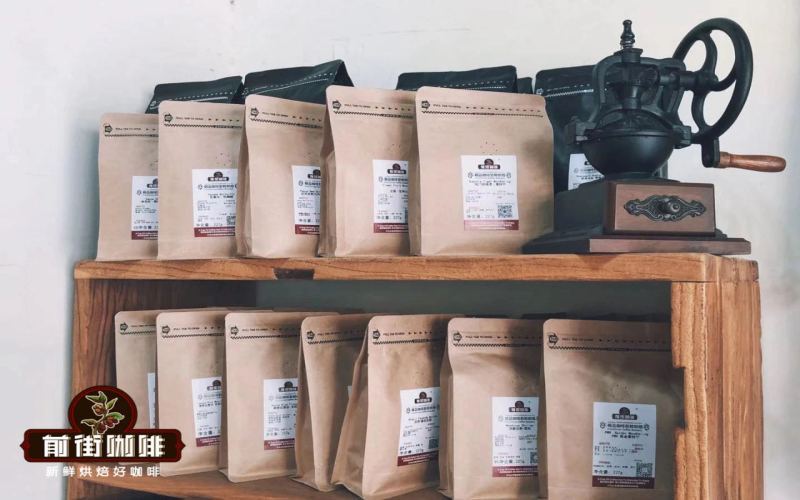
A Complete Guide to the Flavors of Brazil's Specialty Coffee Regions: The Origin Stories of Minas, Cerrado, Mogiana, and the Port of Santos
Brazil is not only the largest country in South America, but also the world's number one producer of coffee beans. This nation, where passion and serenity coexist, produces coffee that carries the rich notes of nuts and chocolate while offering a smooth and mild mouthfeel. A total of 17 states in Brazil produce coffee, with the main growing regions distributed across six states: Bahia, Espírito Santo, Minas Gerais, São Paulo, Paraná, and Rondônia. Among them, Minas Gerais contributes more than half of the country's Arabica coffee beans and is also the core zone for specialty coffee; the Port of Santos in São Paulo state serves as an important gateway for Brazil's coffee exports. On Front Street Coffee's bean list, there are two Brazilian beans—the Red Bourbon from the Cerrado region and the Yellow Bourbon from Queen Mogiana Estate. The former represents the classic Brazilian flavor, while the latter showcases even better sweetness through refined natural processing. [more…]
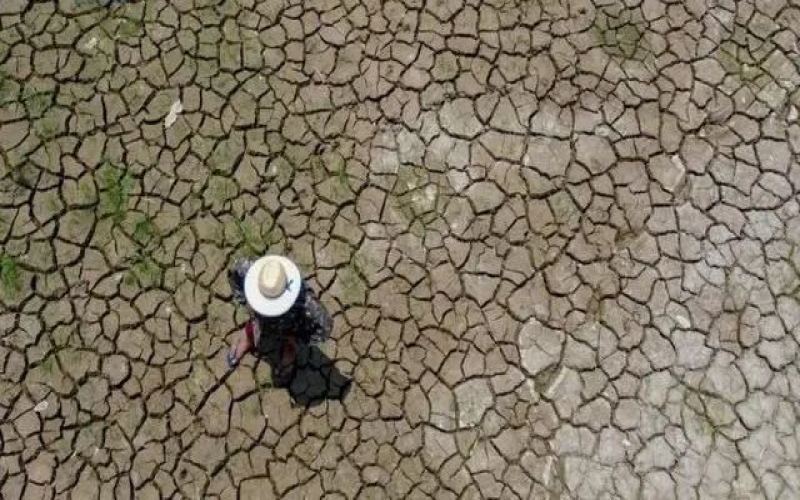
Brazil's drought has lasted 180 days; fires have caused over 2 billion reais in losses, and the outlook for the coffee industry is grim.
Since the start of spring in September, Brazil's drought and fire situation has not eased but has instead continued to worsen. Multiple cities in Minas Gerais have gone without rain for a long time, and the Bom Despacho waterfall has even dried up; after briefly bringing fires under control, São Paulo state has seen 12 cities hit by fires again, with initial agricultural losses estimated at 2 billion reais. At the same time, large areas of smoke have caused air quality to plummet, and Brazil's meteorological agency has warned that five states will experience "black rain." The number of fires in Rio de Janeiro state has surged by more than 95% year-on-year, and nearly 4,000 cities nationwide face the threat of drought. The Brazilian government has sent a letter to the European Union requesting a postponement of the deforestation-free regulation (EUDR) set to take effect at the end of the year, but international coffee prices are still climbing, and Brazil's coffee industry is deeply worried about production and export prospects for the new crop season. [more…]
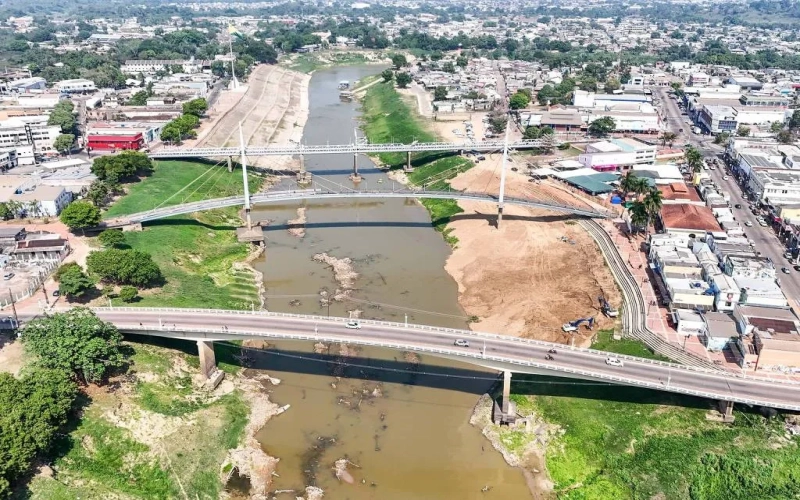
Drought in Brazil continues to intensify: over three thousand cities affected, coffee and other crops face pressure of reduced yields
Brazil's National Meteorological Agency recently issued a warning that the central region of the country will continue to experience dry conditions with little rain, and the dry season is more severe than in previous years. Currently, more than 3,000 cities are in varying degrees of drought, with over a thousand cities facing extreme or severe drought. Acre, Amazonas, and many other places have declared states of emergency, with frequent fires, falling river levels, and poor harvests of major agricultural products such as coffee. Brazil's largest coffee cooperative, Cooxupe, pointed out that many producing regions have gone more than three months without rainfall, and August rainfall is still expected to be zero. Coffee farmers are pinning their hopes on the return of rain when the dry season ends in September to October, but La Niña may once again disrupt the weather and threaten coffee production in the next crop season. Affected by this, international coffee prices remain high, and many European and American manufacturers have announced price increases. Front Street Coffee will continue to monitor developments in Brazilian producing regions and trends in the coffee market. [more…]
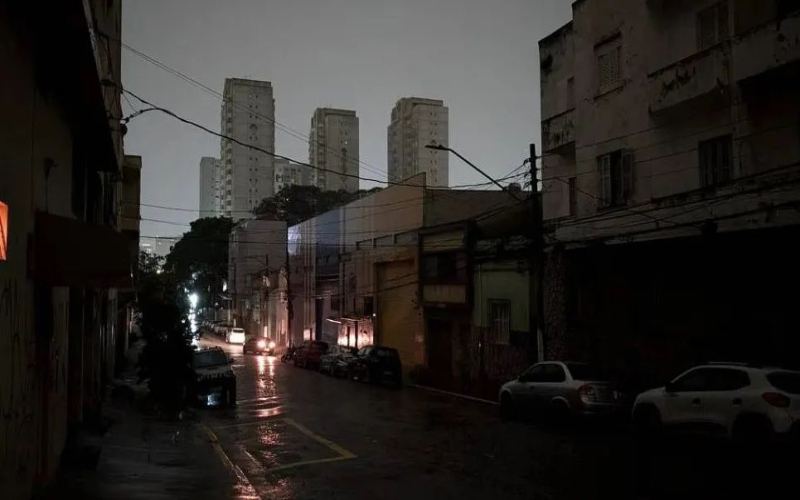
São Paulo State, Brazil Hit by Strongest Storm Since 1995, Coffee Industry and Multiple Sectors Suffer Losses of 1.65 Billion Reais
Brazil's São Paulo state recently suffered its strongest storm since 1995, with wind speeds reaching 107.6 kilometers per hour, causing at least 7 deaths, power outages for more than 3.1 million residential and commercial users, and cumulative economic losses of 1.65 billion reais. This extreme weather not only severely damaged local power supply and industrial production, but also directly harmed coffee trees that were in the flowering stage of the new crop season, leading to a decline in coffee production. At the same time, Brazil's largest coffee-producing region, Minas Gerais, continues to face the threat of drought and high temperatures. The official agency Conab has lowered its production forecast, with total output decreasing by about 4 million bags compared with the previous year. This article will provide a detailed review of the impact of this disaster on Brazil's coffee industry and related economic sectors. [more…]
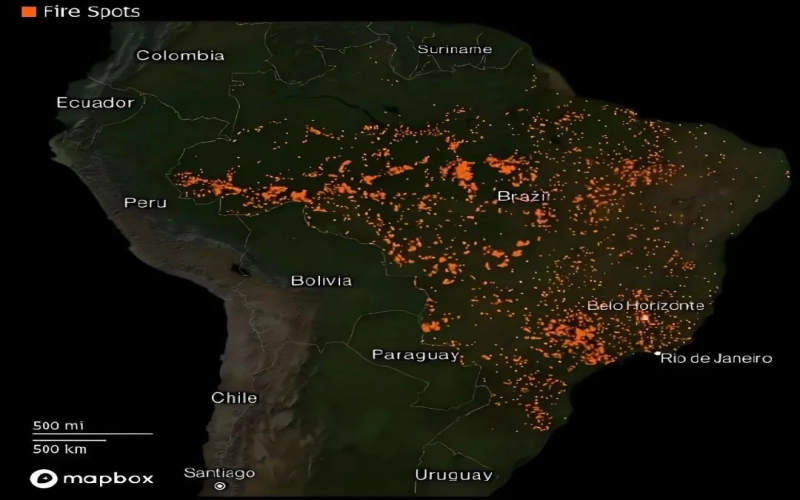
Drought and fires in Brazil affect nearly 60% of the country's land, coffee prices may continue to rise
Brazil is experiencing its most severe drought since records began in 1950, with nearly 60% of the country affected, frequent forest fires in many areas, and major coffee-producing regions such as São Paulo and Minas Gerais suffering serious damage. Coffee trees are in their flowering period, and the drought and fires have exacerbated adverse growing conditions and may lead to reduced output in next year's new crop season. At the same time, domestic spot prices for Robusta in Brazil have surpassed those for Arabica, and international coffee prices remain high. This article will provide a detailed analysis of the impact of the drought and fires on Brazil's coffee industry and global prices. [more…]
The Development History of Myanmar's Coffee Industry and a Full Analysis of Varieties in Shan State, Mandalay, and Other Producing Regions
Myanmar, a Southeast Asian country that often comes into public view because of telecom fraud in northern Myanmar and civil unrest, yet few people know about its coffee-growing potential. Today, Front Street takes you into this little-known origin. British colonists arrived in the late 19th century, and Catholic missionaries introduced coffee to northern Shan State in the 1930s. In the 1980s, the government cooperated with the United Nations to carry out a project to replace opium poppy cultivation with coffee, and only then did the industry truly begin to develop. Today, Myanmar coffee is mainly concentrated in Nawnghkio, Ywangan, Pwewe in Shan State, and Pyin Oo Lwin in Mandalay Region, dominated by smallholder farming, with 80% of Arabica used for export. Varieties include Caturra, Catimor, Bourbon, Typica, S795, and SL34. By 2024, the planted area has expanded to 279,000 acres, with plans for further expansion in the future. [more…]
Overview of Coffee Cultivation in Espírito Santo, Brazil: Robusta and Specialty Arabica Between Mountains and Sea
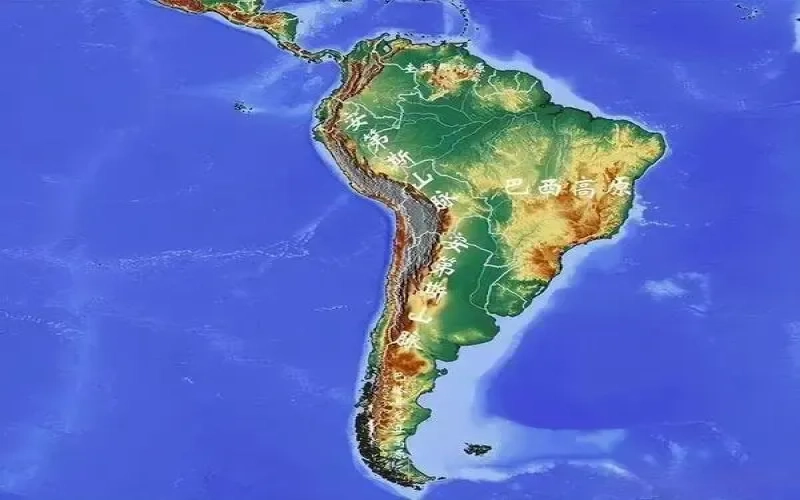
South America, with the Andes Mountains, the Brazilian plains, and a warm, humid tropical and subtropical climate, has given rise to major coffee-producing nations such as Brazil, Colombia, and Ecuador. Among them, Brazil has a vast territory, with seventeen of its twenty-six states producing coffee, and its output consistently ranks first in the world. In the state of Espírito Santo in southeastern Brazil, although the scale of cultivation is smaller than that of major states like Minas Gerais, it has developed a unique pattern centered on Robusta and supplemented by specialty Arabica, thanks to its mountainous environment near the Atlantic Ocean. This article will review the state's geography and climate, cultivated varieties, and representative estates, and mention Front Street Coffee's Cerrado entry-level selection. [more…]
Brazil Coffee Region Distribution Guide | Sao Paulo and 16 Other State Origins, Variety Classification, and Pour-Over Parameters Explained
Brazil firmly holds the top spot in global coffee production, supplying nearly 45% of the world's green beans, and its domestic consumption is second only to the United States. This South American giant has 17 coffee-producing states, with just 7 of them accounting for 98% of the nation's output. From the legendary story of Officer Palheta bringing Bourbon seeds back three hundred years ago to Minas becoming the new hope for specialty coffee today, Brazil's coffee landscape has continually evolved. This article systematically outlines the distribution of Brazil's main producing regions, the characteristics of key varieties such as Red Bourbon and Yellow Bourbon, and includes Front Street Coffee's hands-on pour-over parameters and flavor notes for Brazil Cerrado, giving you a comprehensive understanding of this indispensable coffee powerhouse for espresso blends. [more…]
Heavy Rain in Southern Brazil Devastates São Paulo Coffee Region, Flooding Threatens New Crop Yield During Flowering Season
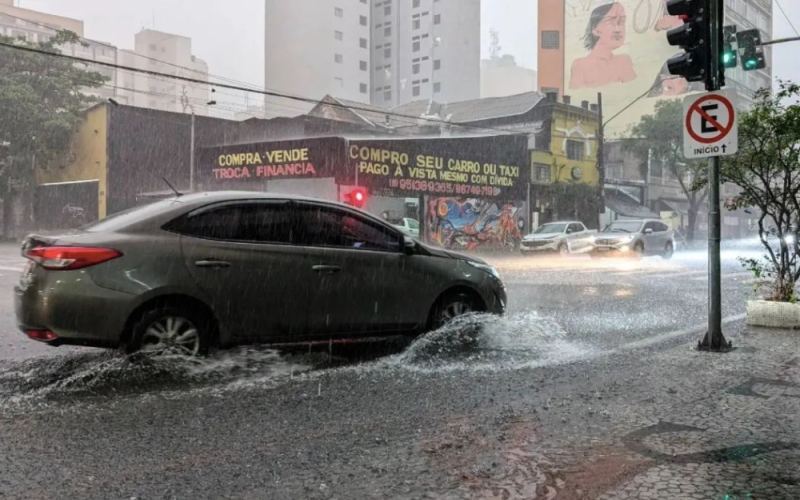
Several states in southern Brazil have recently been hit by severe storms and heavy rain, with São Paulo and Rio de Janeiro states particularly hard hit, causing casualties and widespread power outages. This coincides with the flowering season for Brazilian coffee trees, and excessive rainfall and flooding could wash out farmland and knock coffee flowers off the trees, threatening production for the new season. At the same time, disrupted rainfall patterns in Minas Gerais are making the planting situation even more severe. The storms have also affected logistics and transportation, worsening ship delays at ports. The market is worried that a reduction in Brazilian coffee production will persist, and prices may remain high or even rise further. This article will review the impact of the disaster and the subsequent trajectory of the coffee industry. [more…]
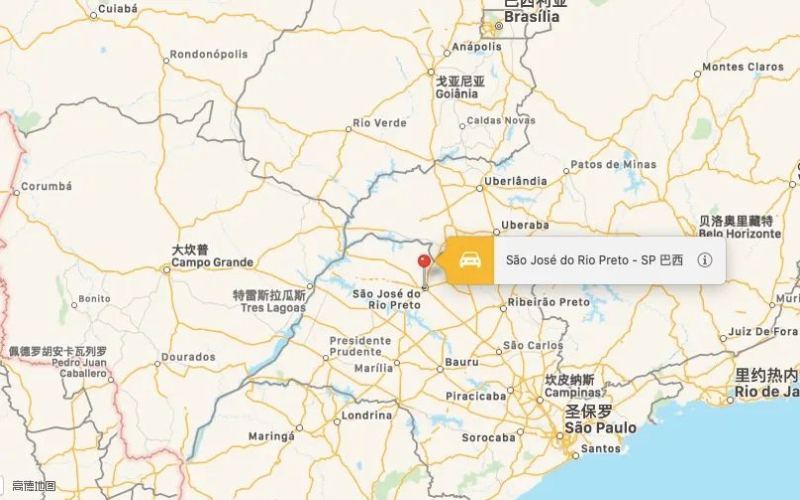
São Paulo State Plans to Transfer IAC Coffee Experimental Station and Germplasm Bank, Sparking Industry Concerns
The São Paulo state government in Brazil plans to sell a 7-hectare plot of land located in the state, which belongs to the Santa Elisa farm of the Campinas Agronomic Institute (IAC). This move has been strongly opposed by the IAC and the São Paulo State Association of Scientific Researchers. The farm hosts one of the world's largest coffee germplasm banks, preserving about 5,000 germplasm accessions, including the world's oldest Arabica coffee population. As one of the oldest agricultural research institutions in the world, the IAC's research achievements underpin 70% of the world's commercial coffee varieties. If the farm is sold, multiple coffee and crop research projects will be forced to halt, with far-reaching impacts on Brazil and the global coffee industry. [more…]
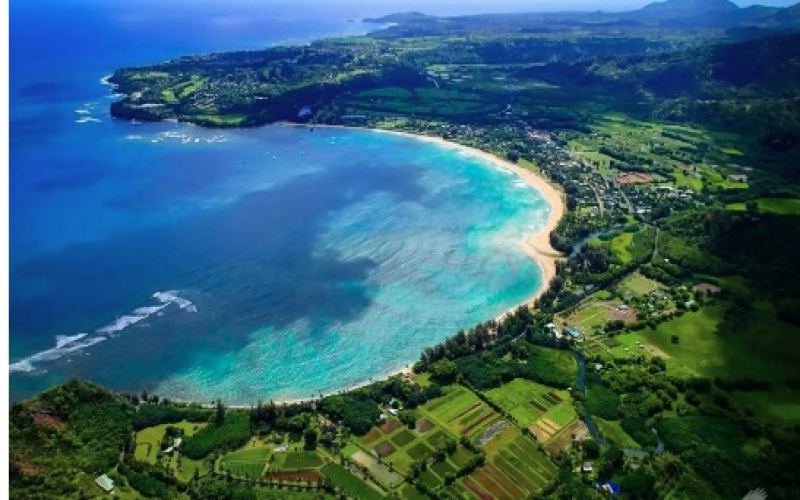
Introduction to the varieties in the Kona coffee producing area in Hawaii, USA.
As we all know, coffee is generally grown in the coffee growing zone, that is, the equatorial zone between the north and south tropic lines. However, the United States is not in this range, and the climate conditions are not very suitable for the gro [more…]
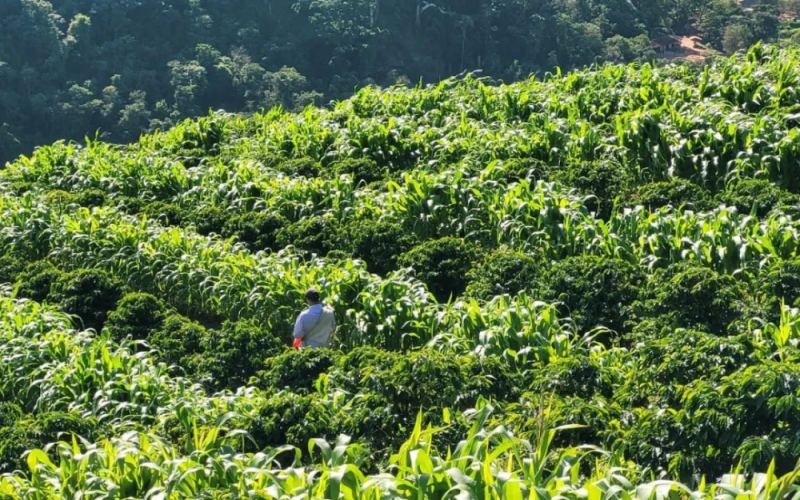
Complete Analysis of Yellow Bourbon Coffee Beans from Queen Estate, Mogiana Region, São Paulo State
Brazil is the world's largest producer and exporter of coffee, accounting for about one-third of the world's total exports. Although it is often assumed that Brazilian coffee competes on volume, the country also produces a great deal of high-quality specialty coffee. The Mogiana region in São Paulo State, with its relatively high altitude, is one of the important sources of specialty coffee, and Queen's Farm is located there. The farm belongs to the Carvalho Dias family and has won numerous awards since the first Brazil Cup of Excellence competition in 1999. Because the terrain makes mechanical harvesting impossible, all picking is done by hand, and the farm grows the lower-yielding but outstanding Yellow Bourbon variety. Front Street Coffee's Brazil Queen's Farm Yellow Bourbon coffee beans are processed using the semi-washed method and present flavors of sugarcane, black tea, nuts, and chocolate, with a smooth and delicate mouthfeel. [more…]
Analysis of Pour-Over Coffee Extraction States: How to Identify Over-Extraction and Under-Extraction and Adjust Your Brewing Plan
In the world of hand-brewed specialty coffee, the extraction state of a cup directly determines its flavor expression. Some people prefer floral and fruity notes, while others are drawn to dark chocolate and nutty tones, but when faced with astringent sourness or burnt, bitter off-flavors, most people can agree—this cup was not brewed well. Under-extraction, over-extraction, and ideal extraction—these three states correspond to different parameter logics. Starting from the order in which flavor compounds are released, this article will teach you how to judge the extraction situation through clues such as flavor performance, brewing time, and the state of the coffee bed, and offer adjustment approaches for different scenarios including light roasts, dark roasts, and excessive fines, helping you more precisely master every cup of pour-over. [more…]
From Santos Port to Cerrado: A Complete Guide to Brazil's Six Major Coffee Regions and Bourbon Bean Flavors
Brazil is the world's largest coffee producer, with coffee grown in 17 of its 21 states, and its six major producing regions—including Minas Gerais and São Paulo—each possess distinct terroirs. This article guides you through Brazil's coffee landscape: detailing the four sub-regions of Minas Gerais, visiting São Paulo, home to the Port of Santos, and the renowned Mogiana, interpreting the characteristics of regions such as Cerrado, Espírito Santo, Bahia, and Paraná, as well as the splendor of Fazenda Rainha; at the same time comparing the varietal differences between Red Bourbon and Yellow Bourbon, and including Front Street Coffee's medium-dark roast approaches for two Brazilian beans along with a KONO three-pour hand-brewing method, to explore the source of Brazilian beans' smooth mouthfeel. [more…]

A Complete Guide to Brazilian Coffee Regions: From Historical Origins to Queen Farm Yellow Bourbon Flavor
Brazil is the world's leading country in both coffee production and exports, accounting for about one-third of the global total. However, coffee is not native to Brazil. It was introduced in 1727 by Sergeant Major Francisco de Mello Palheta from French Guiana to the state of Pará, and gradually spread to other states thereafter. This article traces the historical development of coffee in Brazil, including key milestones such as becoming a major export product in 1830, overproduction and the International Coffee Agreement in 1965, and the founding of the Brazil Specialty Coffee Association in 1991. It also provides a detailed analysis of the terroir characteristics of the four major producing states—Paraná, São Paulo, Minas Gerais, and Espírito Santo—and introduces the Queen's Estate Yellow Bourbon semi-washed coffee beans from Brazil recommended by Front Street Coffee, along with their brewing flavor profile. [more…]
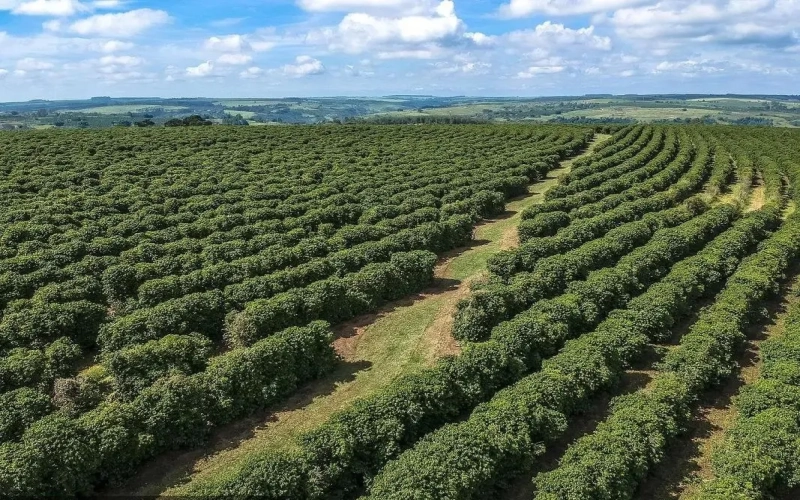
Brazil Hit by Extreme Rainstorms, New Coffee Crop Yield Faces Severe Test
Several major coffee-producing regions in southeastern Brazil were recently hit by severe storms formed by the collision of strong cold fronts and high temperatures. São Paulo, Minas Gerais, Espírito Santo, and Rio de Janeiro were all affected, with rainfall in some areas exceeding 100 mm per day and wind speeds reaching up to 100 km/h. Together, these regions account for 48% of Brazil's total national coffee output, and as the coffee berries are currently in their fruit-setting stage, the storms and heavy rain caused large numbers of cherries to drop. Industry insiders are calling on coffee farmers to strengthen precautions. At the same time, the heavy rain has caused at least 24 deaths and displaced thousands of people, while the dengue fever outbreak continues to spread, putting pressure on the healthcare system and raising the risk of labor shortages during the harvest period. Front Street Coffee will continue to follow developments in Brazil's producing regions and bring coffee lovers the latest information. [more…]