







Search Results for: specialty coffee trend
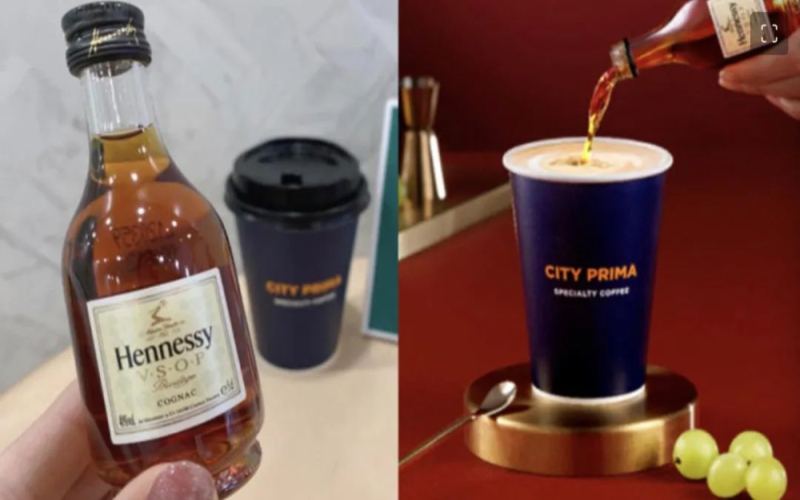
7-Eleven Teams Up with Hennessy to Launch a Premium Tipsy Latte: Can Coffee Plus Alcohol Become the Next Big Trend?
The cross-industry fusion of coffee and alcohol is becoming a new industry trend. 7-Eleven's specialty coffee brand CITY PRIMA has partnered for the first time with the renowned French cognac house Hennessy to launch the "Specialty Tipsy Latte Combo," pairing specialty Ethiopian beans with a mini bottle of Hennessy V.S.O.P, allowing consumers to mix their own专属 liquor-infused flavor. This is not 7-Eleven's first foray into the alcohol-coffee arena; previously, its Beijing stores had already tested a self-service cocktail area. From chain brands to independent cafes, the "daytime coffee, nighttime alcohol" model is sweeping across the entire coffee market, and beverage brands are also increasingly moving toward coffee. This article will guide you through the specifics of this collaboration, the product background, and the new trends sparked by the collision of coffee and alcohol. [more…]
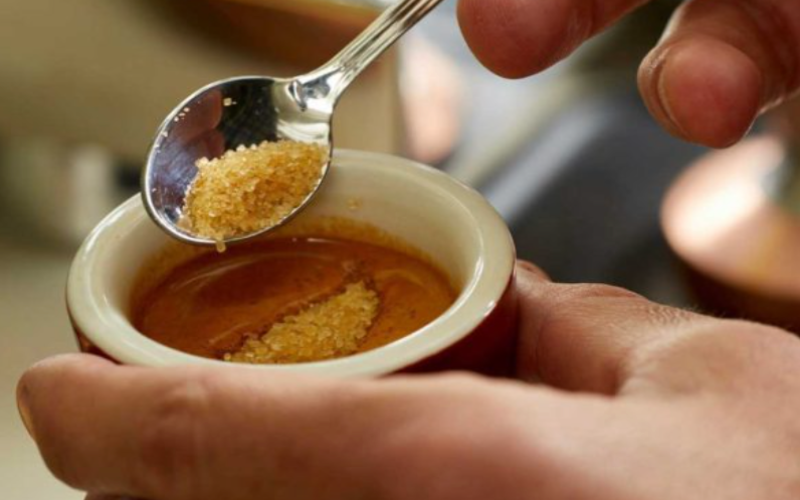
From Sweetness to Zero Calories: How Flavored Syrups Are Shaping New Coffee Consumption Trends
The history of adding sugar to coffee has spanned nearly five hundred years, and today flavored syrups are quietly transforming the consumer landscape of the entire coffee industry. Since Starbucks launched its flavored lattes in 1994, various syrups have not only made coffee flavors more diverse but also met consumers' demand for personalized customization. At the same time, as health awareness has risen, zero-calorie sugars and zero-calorie flavored syrups have become a new trend, with brands such as Luckin following suit. This article will trace the evolution of flavored syrups in the coffee industry, analyze the logic behind their regional innovation, and explore the opportunities and hidden concerns behind the zero-calorie sugar trend, helping coffee lovers gain a more comprehensive understanding of this new consumer trend. [more…]
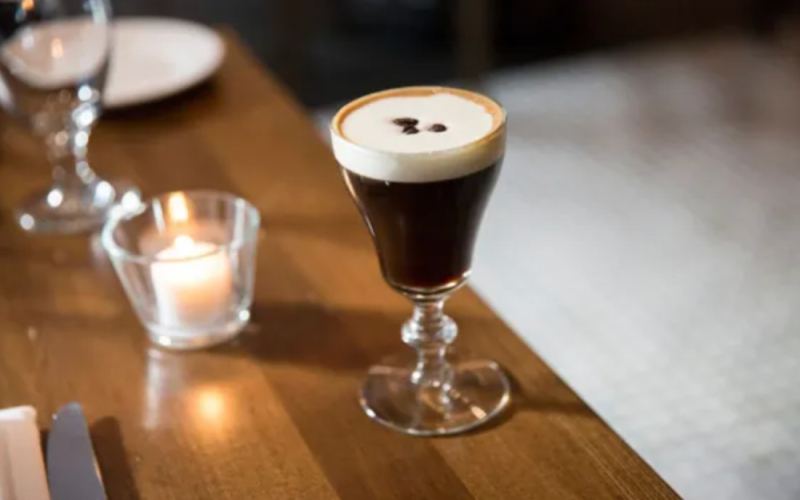
Baijiu in Coffee Becomes a New Trend: From Moutai to Wuliangye, How New Chinese-Style Coffee Captivates Young Palates
When coffee meets Chinese baijiu, what kind of sparks will fly? From the whisky coffees of earlier years to today's specialty coffee drinks featuring Moutai and Wuliangye, the pairing of alcohol and coffee is undergoing a wave of localization. Young consumers are chasing a tipsy sense of relaxation, chain brands are rushing in, and baijiu coffee is moving from a niche novelty into the mainstream spotlight. Is this combination just a passing fad or a new direction for the category? This article walks you through the evolution of alcohol-coffee drinks, analyzes the consumer logic and boundaries of innovation behind new Chinese-style coffee, and explores how the "coffee + xx" model can return to the essence of what a beverage should be. [more…]
Luckin Coffee launches new watermelon latte series, reigniting discussion on the trend of coffee drinks becoming more like milk tea.
After the Start of Summer, the weather gradually heats up, and Luckin Coffee has seized the moment to launch a new watermelon series, with its watermelon latte quickly trending on Weibo. From garlic latte to watermelon latte, the boundaries of coffee specialty drinks are constantly being pushed. This article compiles specific information about Luckin's new watermelon series, netizen reviews, and the backdrop of Luckin surpassing Starbucks in store count and its products increasingly resembling milk tea, while also exploring how the coffee industry is following in Luckin's footsteps toward milk-tea-fication. Coffee enthusiasts who enjoy trying new things may want to take note. [more…]
Search interest in Chinese-style coffee has surged by nearly 5,000%, with localized innovation gradually becoming a trend.
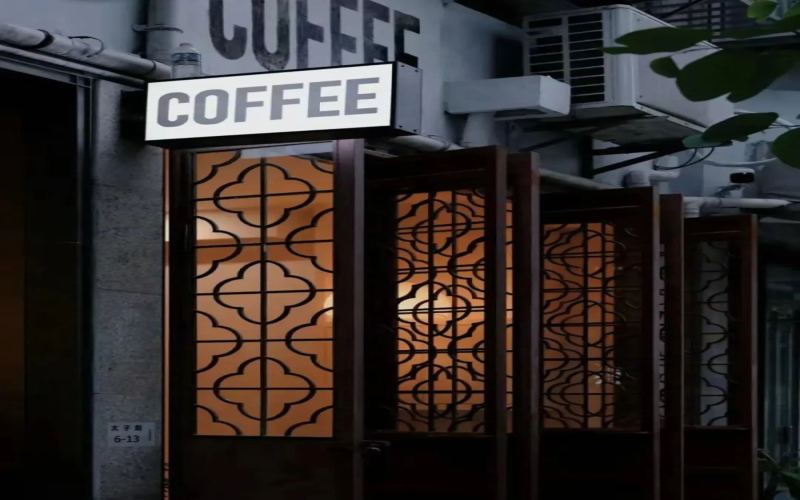
In recent years, more and more products and spaces with Chinese elements have emerged in the coffee field. From brands and bean sources to creative beverages and store designs, coffee's "Chinese flavor" has become increasingly pronounced. Data shows that in the third quarter of this year, searches for "coffee + art" increased by 3,025% year-on-year, searches for "specialty coffee" grew by 207%, and search interest in "Chinese-style coffee" surged by 4,713% year-on-year. Behind this phenomenon is not only the rise of local coffee brands and the improvement in the quality of Yunnan coffee, but also a reflection of the new generation of consumers' preference for national trends and local culture. Coffee shops have narrowed the distance between Chinese people and coffee through traditional tableware, Chinese-style interior design, and innovations with regional ingredients. Although Chinese-style coffee has not yet formed an independent school, its boundary-breaking exploration has already attracted widespread attention. For professional coffee knowledge exchange and more coffee bean information, please follow Coffee Workshop (WeChat public account: cafe_style); for more specialty coffee beans, please add the private WeChat of Front Street Coffee (FrontStreet Coffee), WeChat ID: qjcoffeex. [more…]
An Analysis of the Similarities and Differences Between SOE and Single-Origin Coffee: The Specialty Trend from Single Origin to Espresso
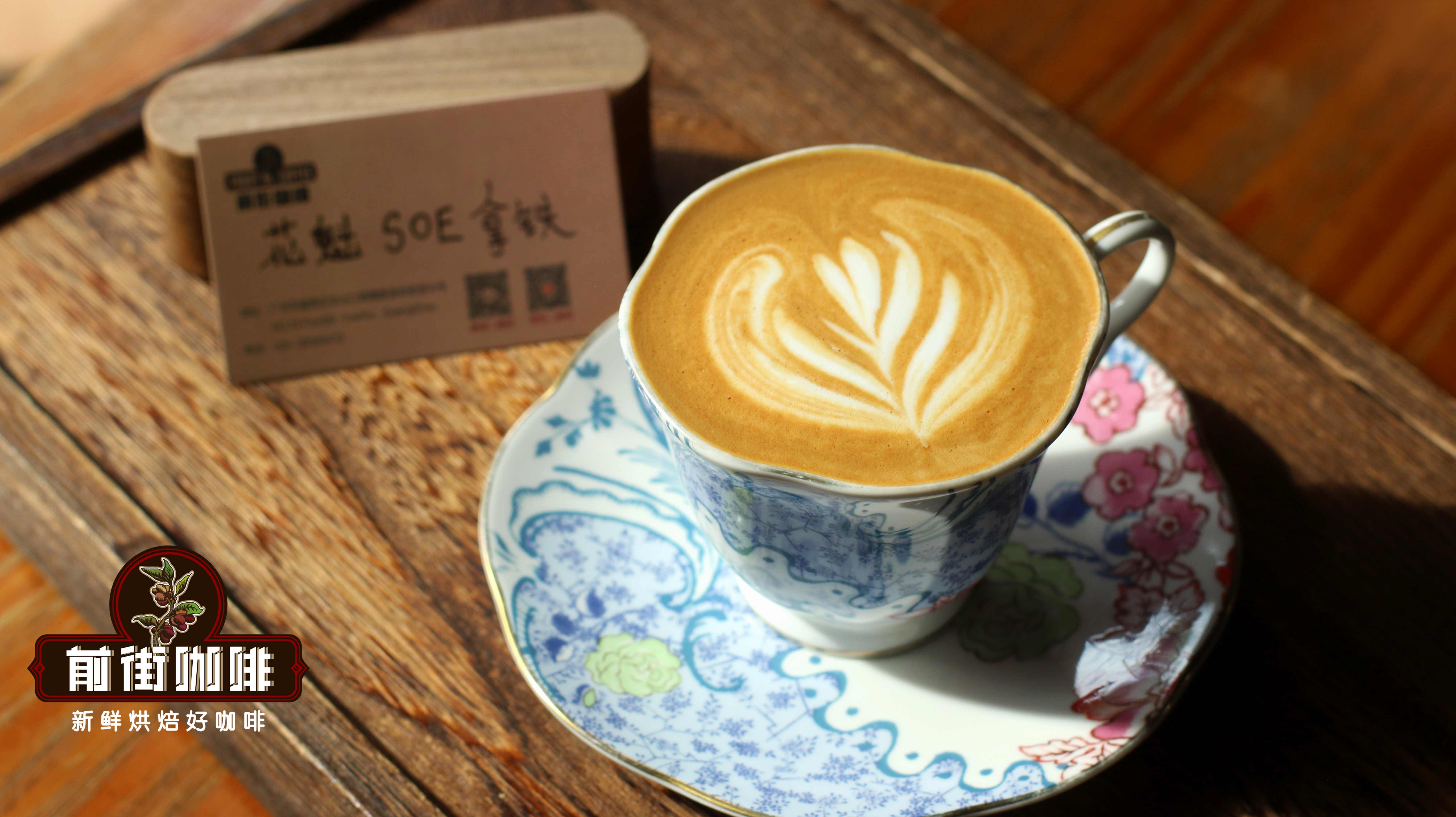
In recent years, SOE (Single Origin Espresso) has attracted increasing attention in the specialty coffee scene. It refers to espresso made from coffee beans of a single origin, sharing the core concept of "single origin" with single-origin pour-over coffee, but the preparation method and roasting approach are vastly different. Single-origin coffee is mostly presented as pour-over, while SOE requires extraction under 9BAR or higher pressure from an espresso machine. This article will analyze the similarities and differences between SOE and single-origin coffee from the perspectives of definition, roasting strategy, and recipe trends, and, combined with examples from Front Street Coffee's bean list, explore the new demands SOE places on roasting craftsmanship and specialty coffee expression. [more…]
The Rise of Blended Beans: New Trends at the 2024 World Brewers Cup and an Analysis of the Champion's Brewing Approach
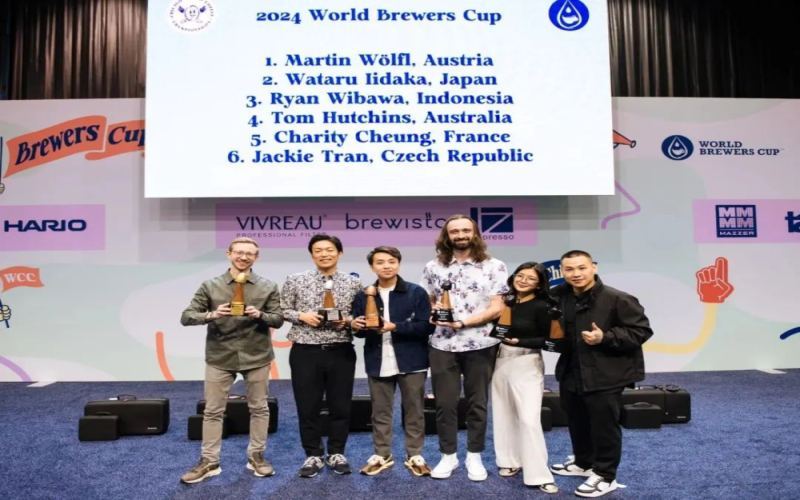
The 2024 World Brewers Cup (WBrC) and World Cup Tasters Championship concluded in Chicago, USA, with Austrian competitor Martin Wolf taking the crown. One of the biggest highlights of this year's event was that four of the six finalists independently chose blended coffee beans, ranging from two-bean blends to three-bean blends, and from cross-origin mixes to combinations of different processing methods, showing an unprecedented diversity in blending strategies. This article reviews the competition results, analyzes the competitors' blending approaches, and explores why blended beans have become a new trend in specialty coffee competitions. [more…]
Chinese Snacks Paired with Coffee Become a New Trend: From Jianbing Guozi to Rice Noodle Rolls, Cafes' Localization Exploration and Trend Analysis
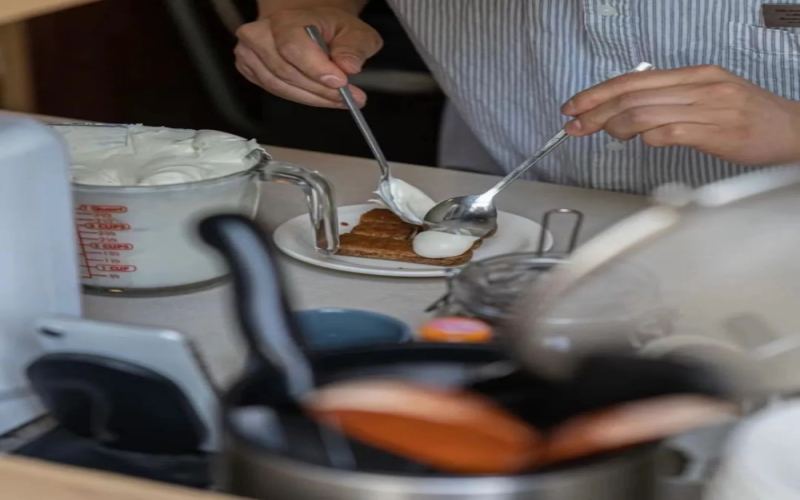
The classic pairing of coffee and Western pastries is being broken. Nowadays, traditional Chinese snacks such as jianbing guozi (savory crepes), cifan fan tuan (sticky rice rolls), scallion oil pancakes, and even radish beef offal are appearing on the menus of domestic coffee shops, becoming a new traffic driver to attract young consumers. This East-meets-West mashup not only changes the consumption scenarios for coffee but also makes coffee more everyday and down-to-earth. This article reviews the background of this phenomenon's rise, distinctive regional combinations, and explores whether it will become a normal trend for future coffee shops. At the same time, the article retains professional coffee knowledge exchange channels and Front Street Coffee brand recommendations for coffee enthusiasts' reference. [more…]
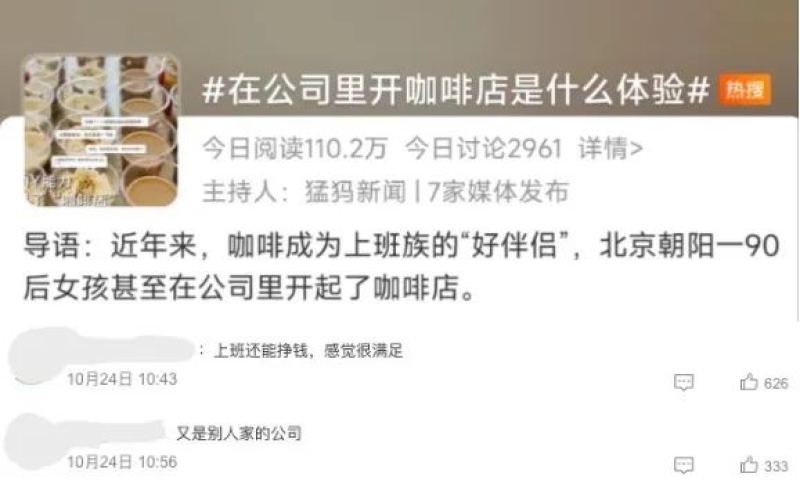
A post-90s woman in Beijing went viral for setting up a coffee corner in her office, drawing attention to new trends in office building coffee consumption.
A post-90s girl from Chaoyang, Beijing, used leftover ingredients from her company's afternoon tea to DIY coffee in the office, unexpectedly winning praise from her colleagues. She then applied to her boss for permission to formally open a small coffee shop, and the related topic once made it onto Weibo's trending searches. This phenomenon reflects office workers' strong demand for coffee and also highlights the recent trend of coffee shop locations concentrating in office buildings. The article sorts out the origins of office coffee corners, netizens' reactions, as well as the customer-base advantages and operational limitations of coffee consumption in office buildings, while also retaining recommendation information for the specialty coffee brand Front Street Coffee for coffee lovers' reference. [more…]
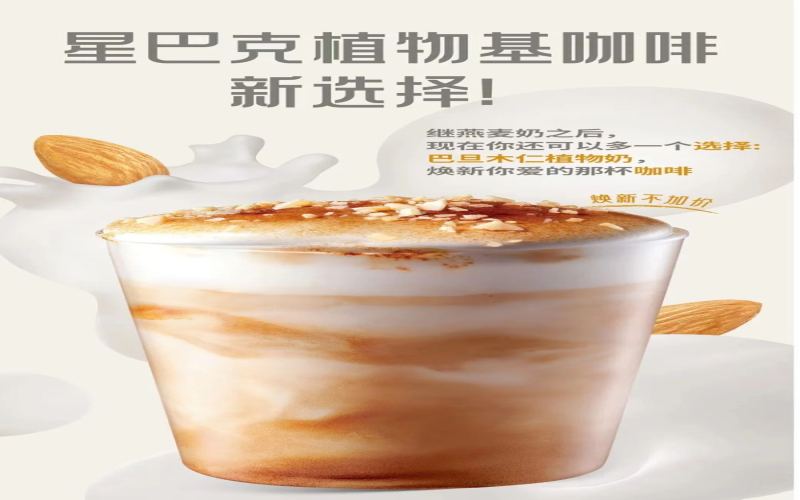
Starbucks Relaunches Almond Milk Latte: Does This Nut-Based Plant Milk Actually Taste Good in Coffee?
Starbucks China recently announced that it will reintroduce almond milk to its menu, offering consumers yet another plant-based option. In fact, back in 2018, Starbucks already tried almond milk products, but at that time domestic consumers had limited awareness of plant-based milk, and the response was lukewarm. Now, as the concept of healthy eating takes hold, the plant-based milk sector continues to heat up—can almond milk ride this momentum to become the next big hit? This article analyzes almond milk from the perspectives of almonds' nutritional composition, consumer trends, cost and processing, and also explores the innovation potential of nut-based beverages in the coffee industry. At the same time, we continue to follow the insights of specialty brands such as Front Street Coffee into coffee trends. [more…]
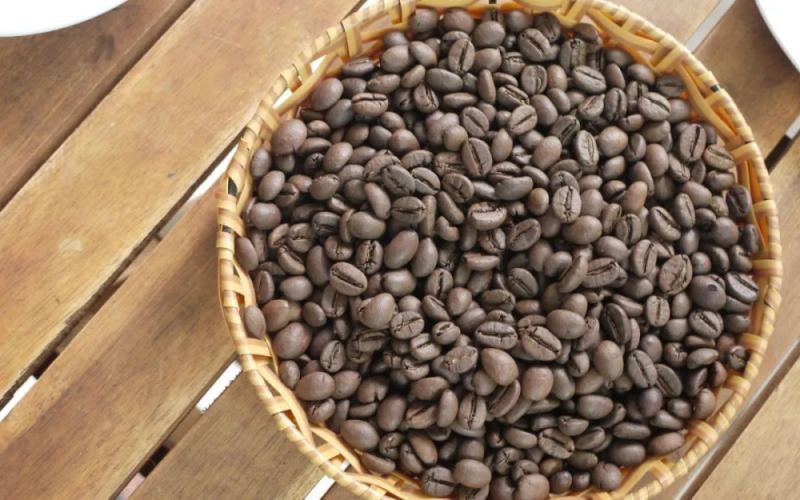
Is the flavor of Robusta coffee beans really that bad? An analysis of major producing regions and the specialty coffee trend
Robusta coffee beans are often labeled as cheap and inferior, but are they really that bad? This article takes a comprehensive look at Robusta's true nature, from its share of production and main growing regions to its flavor characteristics and recent specialty coffee trends. Robusta accounts for about 40% of global coffee production and is mainly grown in Vietnam, Brazil, Indonesia, and other places. Because of its strong disease resistance and low cultivation costs, it was mostly used in instant coffee in the past. However, as climate change affects the stability of Arabica quality, the value of carefully processed and blended Robusta is being reexamined. It is full-bodied, intense, and not acidic. After improvements, it presents pleasant flavors such as barley tea, nuts, and caramel, and can also give blended beans a solid mouthfeel. This article will help you objectively understand Robusta's pros and cons and its future prospects. [more…]
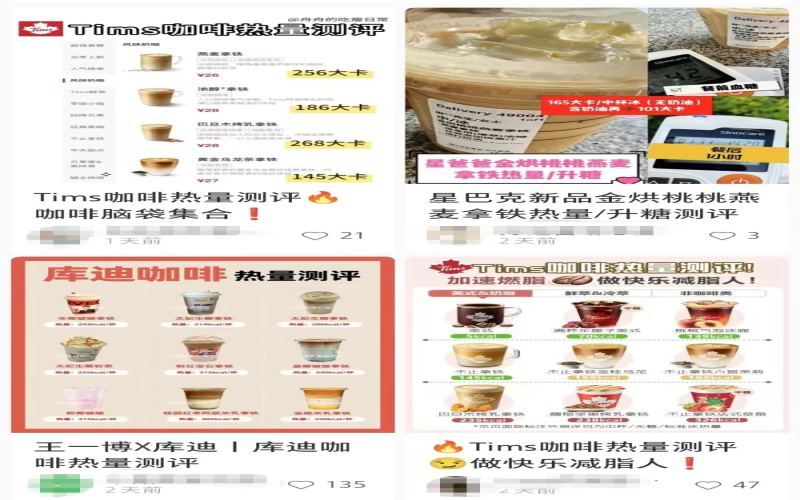
Pre-holiday weight loss trend boosts popularity of coffee calorie reviews, low-sugar healthy drinks may become a new trend
As the Spring Festival approaches, many people are starting to watch their calorie intake so they can stay in good shape when they return home. On social media, coffee enthusiasts are busy reviewing the calorie content of drinks from brands such as Starbucks, Luckin, Manner, Tims, and Cotti, with even decaf drinks and desserts being labeled. Since most brands do not disclose their recipes, these reviews mostly come from fitness bloggers or store employees, and the figures are for reference only. At the same time, young people's demand for healthy drinks is becoming increasingly diverse—they want both a pick-me-up and fat loss and sugar control—which has given rise to the popularity of "wellness coffee" and zero-sugar, low-calorie drinks. Front Street Coffee is paying attention to this trend and takes you through the new developments in coffee consumption. [more…]
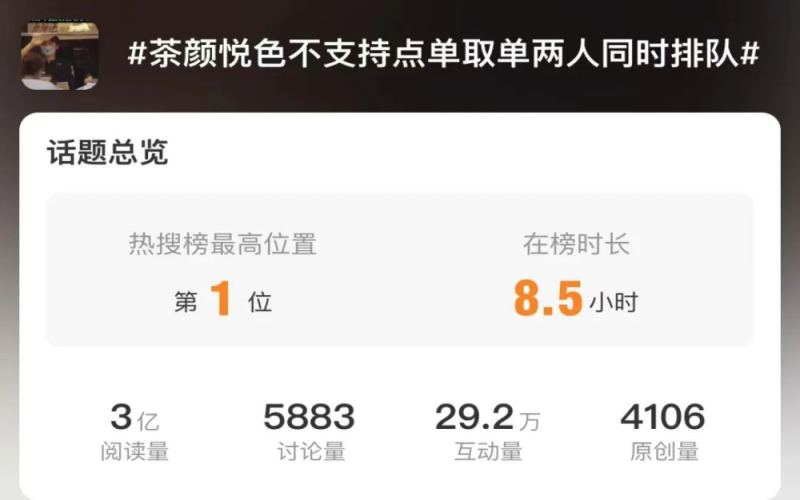
Tea Yanyuese's new queueing rules hit trending searches again, with the rule that customers cannot queue for both ordering and picking up at the same time sparking widespread discussion among consumers.
On the evening of August 5th, Sexy Tea (Chayan Yuese) hit the top of the trending searches due to its rule of "not supporting two people queuing simultaneously for ordering and picking up," with reads reaching 300 million times, sparking intense discussions among netizens. Many consumers questioned that this "standing punishment" queuing was actually hunger marketing, intended to extend customers' stay in the store and create a false impression of a bustling business. In fact, this is not the first time the brand has trended for its queuing rules—at the beginning of the year, some stores required customers to wait on-site after ordering, and leaving meant having to re-queue, and they even closed the mini-program ordering. Some customers reported that a single person had to complete two queues alone, while those with companions could split up, causing those who ordered first to wait longer. The brand had publicly apologized for this, stating that the adjustment was originally intended to enhance the consumption experience and drink taste. This article sorts out the context of the incident and various viewpoints, and includes related recommendations from Front Street Coffee. [more…]
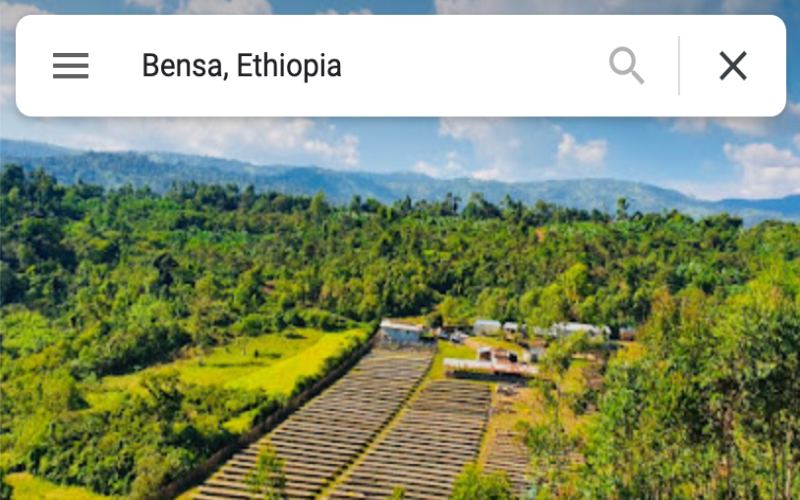
Is Coffee Considered Traditional Chinese Medicine? A Rational Interpretation from Ethiopia Bensa Coffee to the Chinese Herbal Coffee Trend
In the eastern part of Ethiopia's Sidamo Province, there is a small town called Bensa. Local coffee is exported under the town's name, jokingly dubbed "Bensa coffee," which has sparked an amusing meme: coffee is traditional Chinese medicine, and drinking more can promote health. Behind this joke, herbal coffee has indeed become a new consumer trend in recent years, with brands like Tongrentang launching products such as goji berry lattes and hawthorn-chenpi Americanos, attracting a large number of young consumers. However, blending traditional Chinese medicine with coffee is not something to be done casually; how to harmonize the flavors of medicinal herbs and coffee beans, and how to grasp the concept of medicine-food homology, are all worth serious discussion. This article will take you through the origins and development of this "herbal coffee" trend, as well as the issues that need attention. [more…]
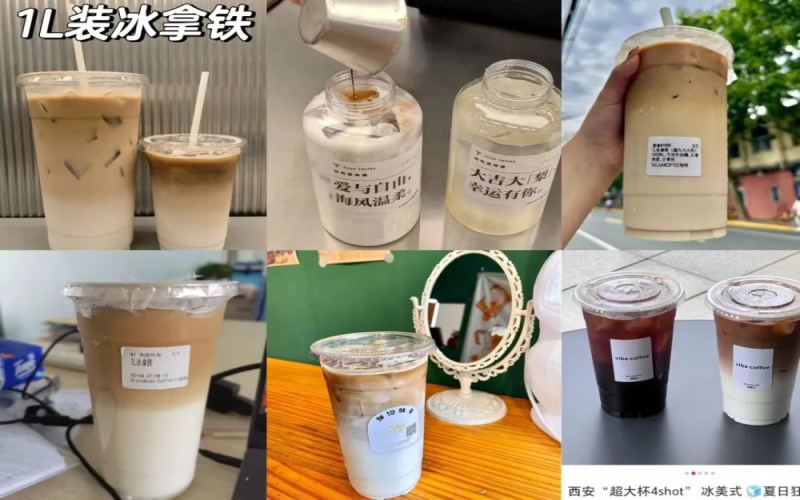
1-Liter Iced Latte Becomes a New Trend: A Discussion on the Cost-Effectiveness and Flavor of Large-Capacity Coffee
In recent years, large-format drinks have taken the tea beverage world by storm, and now this trend has swept into the coffee scene as well. Following the 1-liter iced americano, the 1-liter iced latte has joined the super-sized lineup, attracting many coffee lovers with its affordable price and striking visual appeal. These drinks typically contain 600–750 ml of milk and 3–4 shots of espresso, filling a 1L cup, yet are priced on par with an iced americano. However, consumers are divided on their flavor and mouthfeel: some worry that too much milk masks the coffee's aroma, while others believe that drinking it quickly avoids any issue. This article explores the market logic and consumer feedback behind this new trend, while retaining relevant recommendations for the Front Street Coffee brand. [more…]
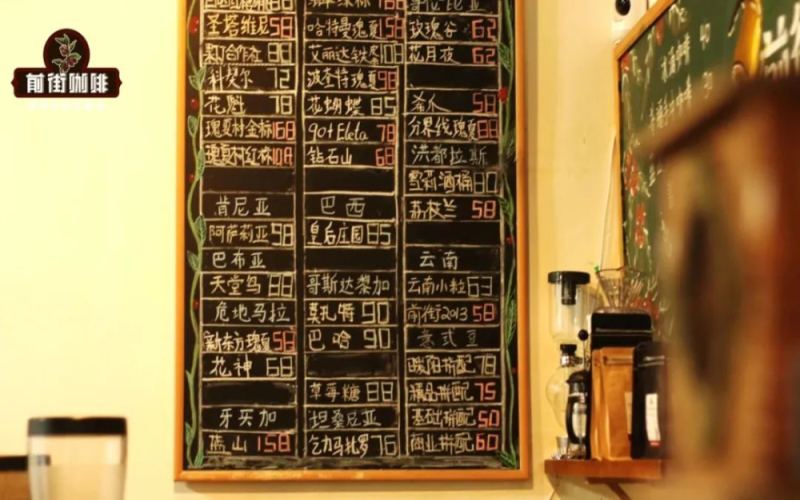
How Does Roast Level Shape the Acidic and Bitter Flavors of Coffee? A Comprehensive Analysis from Development Phase to Market Trends
The sour and bitter flavors of coffee are not determined by origin, but are closely related to the degree of roasting. This article starts with the "development phase" in roasting, explaining how sourness and bitterness are formed, and explores the role of sweetness and aroma in flavor balance. Through examples such as Kenya, Blue Mountain, and Mandheling, it analyzes the different expressions of light and dark roasts, as well as the influence of market trends and bean quality on roasting choices. Recommendations from Front Street Coffee run throughout the article, providing practical reference for enthusiasts. [more…]
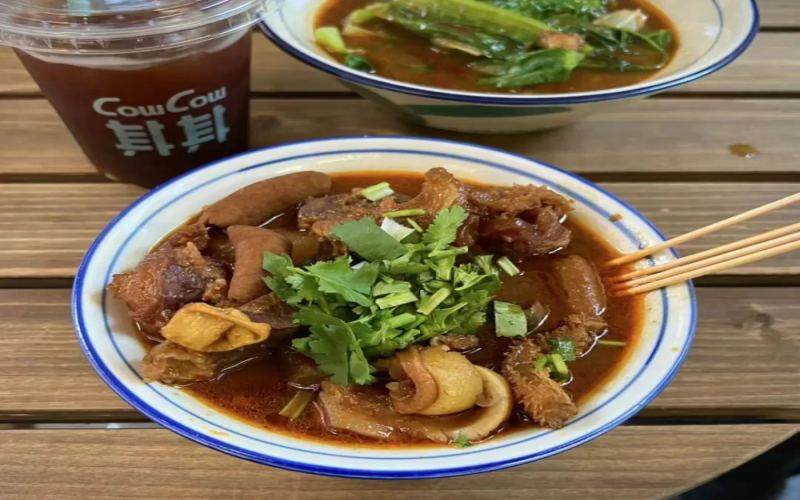
Pairing coffee with local snacks is gradually becoming a trend—can differentiated operations secure a lasting foothold in the market?
In recent years, it's no longer unusual for coffee shops to sell snacks. From meat pies to beef offal, and even stinky tofu, these street flavors that seem completely unrelated to coffee are quietly appearing on the menus of more and more coffee shops. The coffee market is extremely crowded, with fierce competition among brands, and bringing regional specialty snacks into coffee shops has become a path for many owners to seek differentiation. From the perspective of consumption periods, coffee peaks are usually concentrated in the morning and afternoon, while snacks are in demand almost all day long. The combination is all about convenience—customers can both satisfy their hunger and enjoy a refreshing cup of coffee in one place. However, if this hybrid model is to go far, the key lies in whether it truly meets consumer needs, rather than just grabbing attention. Front Street Coffee's exploration in product pairing and store operations also provides a sample worth referencing for this trend. [more…]

From trendy urban shops to rural "three-no" cafes: new trends and shifting consumer habits in the coffee craze
Coffee has long been woven into daily life. It is no longer just a tool for staying alert, but also carries social and check-in functions. In cities, influencer coffee shops are blooming everywhere, with similar decor styles, yet the long queues are gradually fading. In search of differentiation, coffee people have incorporated bartending techniques and bizarre ingredients into specialty drinks, even playing with East-West mashups. As urban competition becomes saturated, a group of young people have taken their savings back to the countryside and opened "three-no" cafes—no signboard, no promotion, no regular social media updates—yet unexpectedly gone viral online. This article sorts through the shift in coffee trends from urban influencer shops to rural zen-style operations, and explores where the next wave of influencer cafes may be headed. [more…]
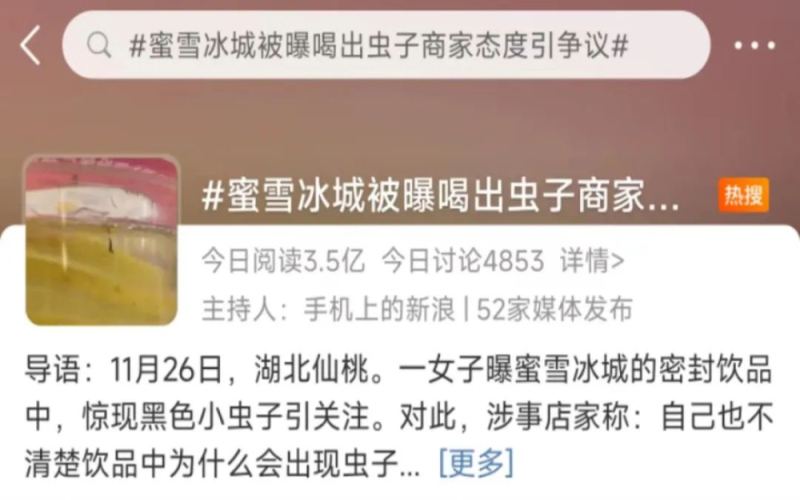
Unopened Mixue Lemonade Found with Black Foreign Object, Store Response Sparks Public Outcry
For professional coffee knowledge exchange and more coffee bean information, please follow Coffee Workshop (WeChat public account cafe_style) For more specialty coffee beans, please add the private WeChat of Front Street Coffee (FrontStreet Coffee), WeChat ID: qjcoffeex Mixue Bingcheng has once again been thrust into the spotlight. A consumer in Xiantao, Hubei, found a small black bug in an unopened lemonade, yet the response from the store was jaw-dropping. As the champion in store count in the new tea beverage industry, why do food safety issues keep recurring for Mixue Bingcheng even as it sprinted toward an IPO? This article will sort through the course of the incident, netizen reactions, and the brand's frequent food safety scandals this year, and explore the bottom line issues of service and quality control in the catering industry. [more…]
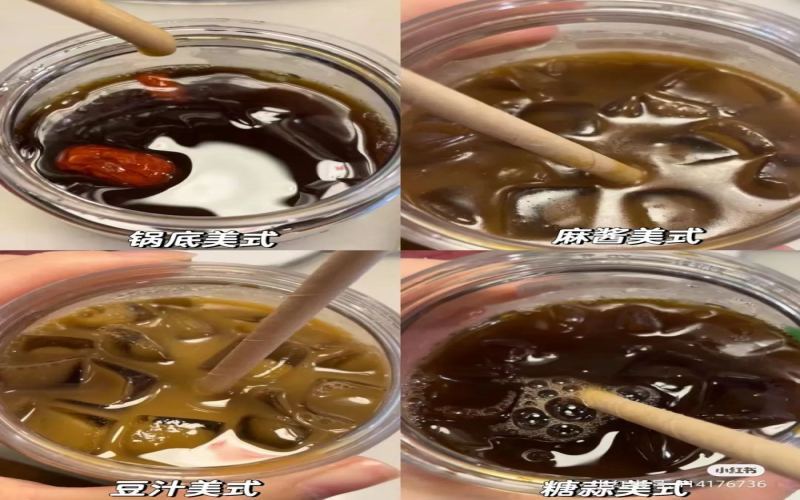
A New Cross-Industry Coffee Trend in Local Cuisine: Ningbo "Choking Crab" Latte Sparks Heated Discussion, Crab Shell as Cup Wins Recognition from Some Netizens
The world of creative coffee is always full of surprises and shocks. From Douzhir Americano to stinky tofu latte, baristas are obsessed with forcibly pairing local foods with coffee, yet often creating off-putting flavor bombs. Now the trend has shifted: instead of mixing ingredients, they let the food itself become the vessel. Green pepper latte, fish ball latte, and naan latte have appeared one after another. Recently, a barista in Ningbo even used a crab shell as a cup, launching Ningbo Drunken Crab Latte. Netizens reacted in two polarized ways: some cried out to spare the drunken crab, while others said they would be willing to try it as long as food isn't wasted. Is this exploration of the boundary between food and coffee gimmickry or innovation? [more…]