







How Do Alcohol and Coffee Pair in New Chinese-Style Coffee?
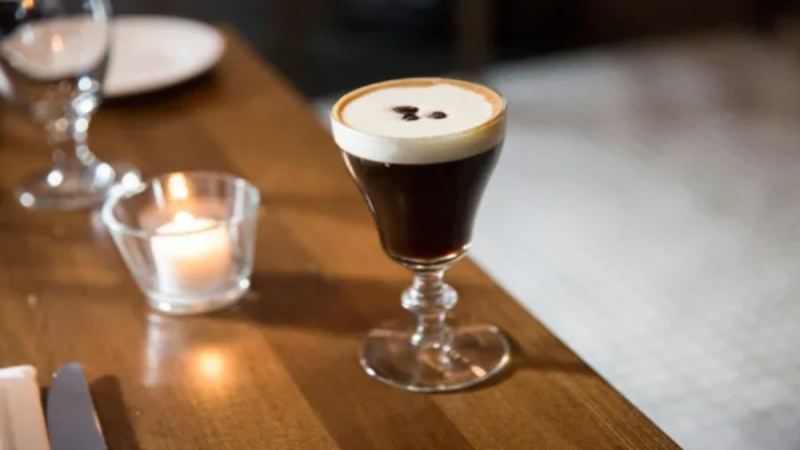
Coffee mixed with baijiu has moved from curiosity to mainstream on Chinese menus, following earlier whiskey coffee. Bars were already mixing spirits with hot coffee in the 1940s, using coffee as a supporting note. Now baristas reverse the priority, choosing beans and spirits whose flavors can unfold in sequence across the first sip, middle, and finish, rather than one masking the other.
Younger drinkers describe wanting a relaxed, lightly tipsy feeling, and chain brands have moved quickly into the category. That demand pushed alcohol coffee from convenience-store experiments into specialty drink lineups. Drinking coffee after drinking alcohol raises questions about how much caffeine and alcohol a single serve should combine, and that balance is what separates a lasting menu item from a short trend.
When coffee meets Chinese baijiu, what kind of sparks will fly? From the whiskey coffee of earlier years to today's specialty coffee drinks made with Moutai and Wuliangye, the pairing of alcohol and coffee is undergoing a localization transformation. Young consumers seek a relaxed, tipsy feeling, and chain brands are rushing in, as baijiu coffee moves from a niche curiosity into the mainstream spotlight. Is this combination a fleeting trend or a new direction for the category? This article walks you through the evolution of alcohol coffee, analyzes the consumption logic and boundaries of innovation behind new Chinese-style coffee, and explores how the "coffee + xx" model can return to the essence of the beverage itself.
For professional coffee knowledge exchange and more coffee bean information, please follow Coffee Workshop (WeChat official account cafe_style)
For more specialty coffee beans, please add the private WeChat of Front Street Coffee (FrontStreet Coffee), WeChat ID: qjcoffeex
As early as the 1940s, bars overseas had already begun mixing spirits with hot coffee. At that time, spirits dominated while coffee served only as a supporting note, with the aim of making the spirits' layers and mouthfeel even fuller. Afterward, this way of pairing alcohol with coffee gradually spread to coffee shops as well.
Completely different from the bar approach, baristas pay more attention to how coffee can be used to present richer layers of flavor. Immersed in the wave of specialty coffee, people are no longer satisfied with a simple mix of spirits and coffee, but increasingly care about the unique character of both the coffee beans and the spirits, hoping that after the two blend, they can present their respective characteristics in sequence at different stages of drinking, and reflect the flavor changes of the front, middle, and finish.
Domestic stores selling alcohol coffee were initially limited in number. However, as young consumer groups' longing for a tipsy experience grew stronger—starting from mixing alcoholic drinks with coffee by themselves at convenience stores during the day—alcohol coffee has now entered the mainstream lineup of specialty drinks in domestic coffee shops.
The reason a slight buzz has become increasingly popular among young people is, on the one hand, that people need a way to relax themselves, and on the other hand, the mild effects brought by a small amount of alcohol can relieve anxiety to a certain extent. Therefore, consumer demand for alcohol coffee is more concentrated in the morning hours. Precisely because of this, not only independent coffee shops but also chain coffee brands have successively launched coffee drinks containing alcohol, allowing customers to enjoy them anytime and anywhere.
Driven by the "new Chinese-style" trend, the alcohol used in alcohol coffee has also quietly changed, gradually replacing the original overseas spirits with Chinese domestic baijiu. Moutai and Wuliangye consequently became the most representative choices in new Chinese-style alcohol coffee.
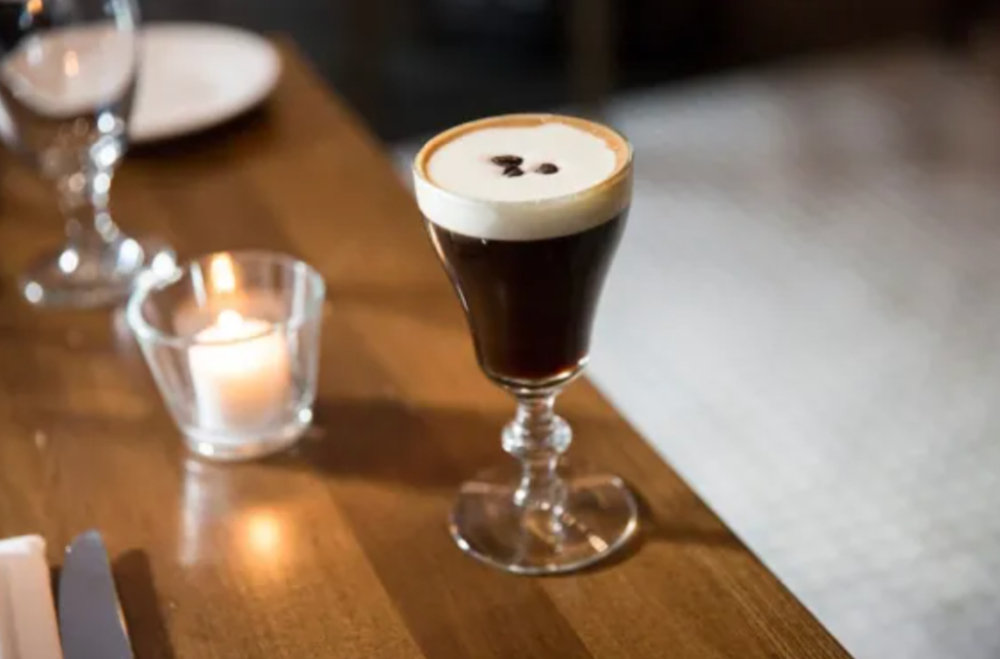
Compared with strongly aromatic spirits such as whiskey and brandy, the aromas of Moutai and Wuliangye themselves appear much gentler. After being blended with coffee, they can bring the tipsy feeling given by alcohol, while the small amount used means there is no need to worry that the taste of alcohol will overpower the coffee itself. At the same time, these two kinds of baijiu can also inject a hint of sweetness and fermented aromas into the coffee.
The combination of baijiu and coffee has continued to attract the attention of coffee brands since it was launched in the past two years. From early independent coffee shops experimenting with Moutai Dirty, to later famous chain brands creating Wuliangye specialty coffee, no matter when it appears, such a pairing can always successfully capture the attention of mass consumers.
Beyond the novelty and curiosity-seeking psychology of the combination itself, what is more crucial is that it gives ordinary people a chance to taste high-end baijiu. As netizens previously said: "I can't afford thousand-yuan Moutai, but a few dozen yuan for a Moutai Dirty is still within my reach!"
At present, the category of "coffee + xx" is still constantly innovating, and the extension of such products is becoming a new trend. In other words, future ways of product innovation will continue to emerge.
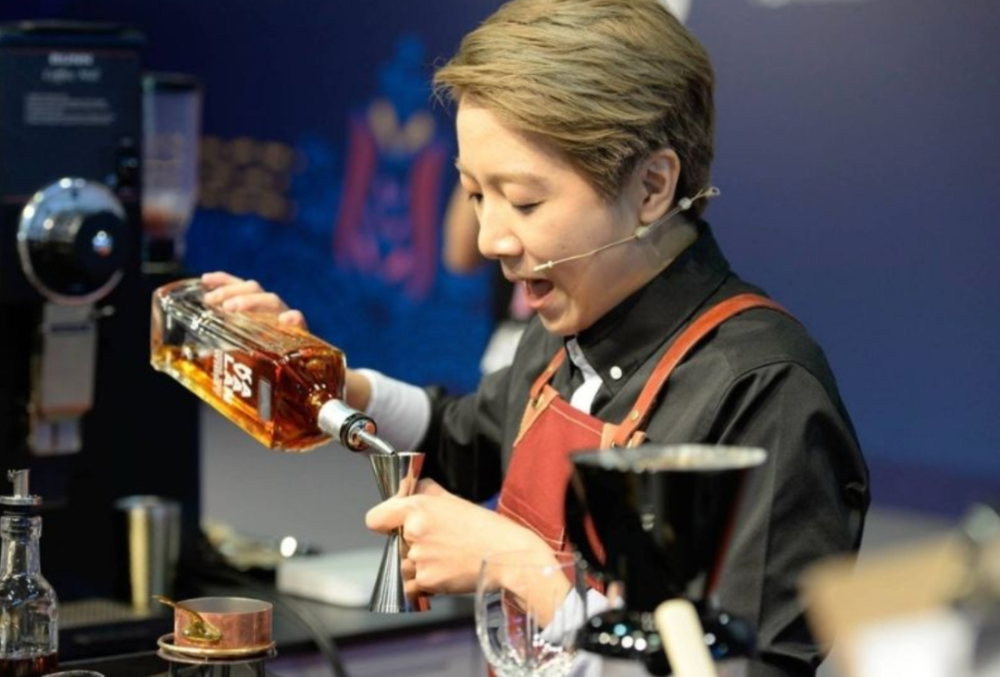
But this does not mean that tradition has fallen behind. One point needs to be made clear: tradition and innovation are not opposing relationships. So-called innovation is also based on tradition, improving and perfecting upon tradition, thereby creating greater value.
Whether the "coffee + xx" category moves consumers through flavor, or leverages the market through novel creativity, or has already become a popular pairing trend, "coffee + xx" must ultimately return to the consumer group itself—tasting good and standing up to scrutiny is the fundamental essence of this combination.
Image source: Internet
The above content is compiled by CoffeeHunters, a coffee news website.


