







Search Results for: soil
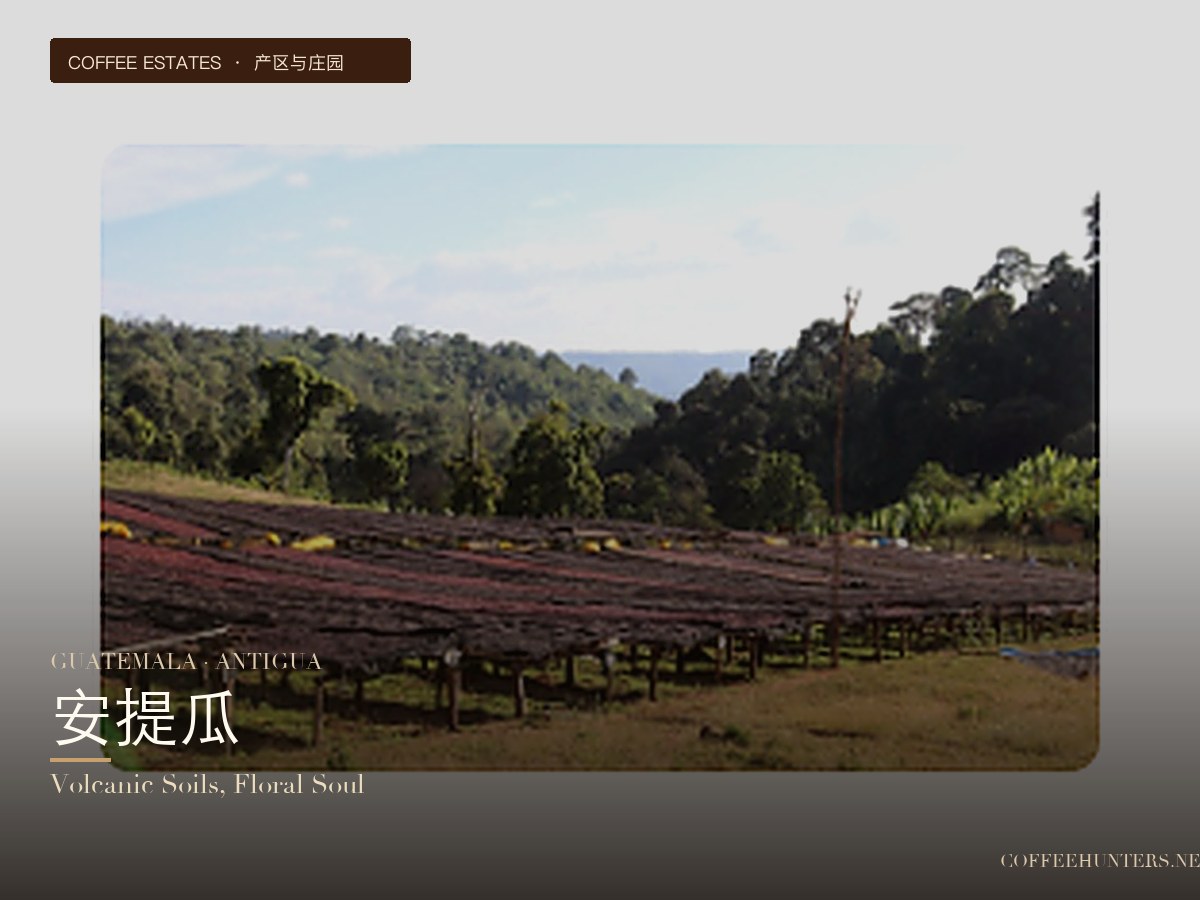
Guatemala Antigua: A Classic Collision of Volcanic Soil and Floral-Fruity Notes
Guatemala Antigua is one of the world's most prestigious specialty coffee regions, and its unique terrain—embraced by volcanoes on three sides—gives rise to its signature floral and fruity notes along with a full body. This article takes you deep into this Central American coffee gem. [more…]
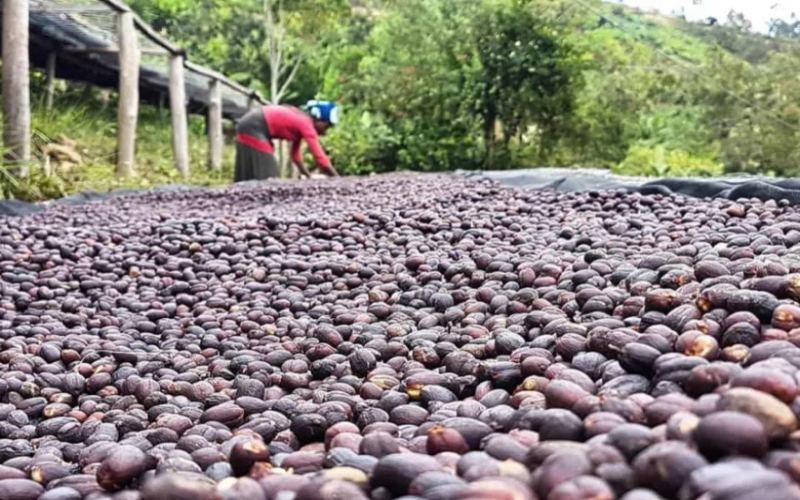
Finca El Fuego: Naturally Processed Geisha Grown in Volcanic Ash Soil
In the 2025 Best of Panama Natural Geisha category, Finca Los Cenizos placed second with 96.25 points, behind only Hacienda La Esmeralda's 97-point lot. The estate's name, Cenizos, literally translates to "ashes," evoking [more…]
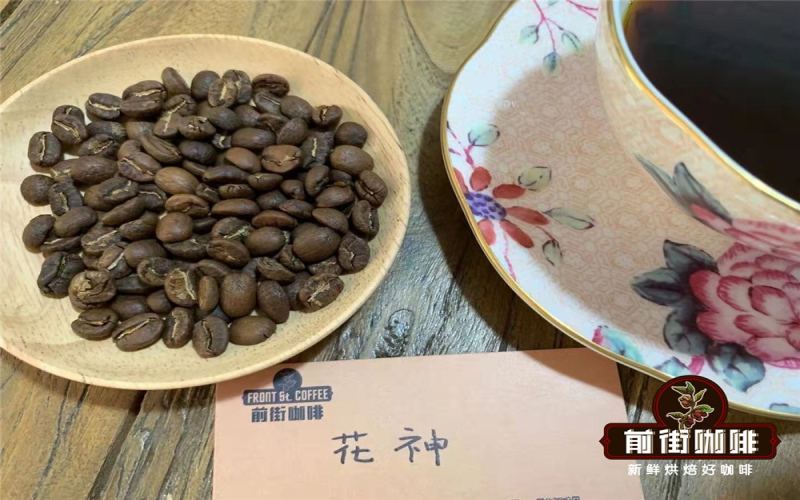
Exploring the Flavors of Guatemala Antigua Coffee: Volcanic Soil, Smoky Character, and Brewing Parameters for Flor del Café
Guatemalan coffee is renowned worldwide for its distinctive volcanic smokiness and rich flavor, and the Antigua region in particular is hailed as a representative of the world's finest coffee. This article traces in depth the historical origins and growing environment of Antigua coffee, analyzes the causes of its tobacco and charcoal-roasted notes, and provides a detailed introduction to the varietal characteristics of La Minita Estate's Floral God coffee, its washed processing method, and Front Street Coffee's roasting and brewing recommendations. From Mayan civilization to modern specialty coffee, from the volcanic heartland to the flavors in your cup, this takes you on a comprehensive journey into the unique charm of this Central American coffee treasure. [more…]
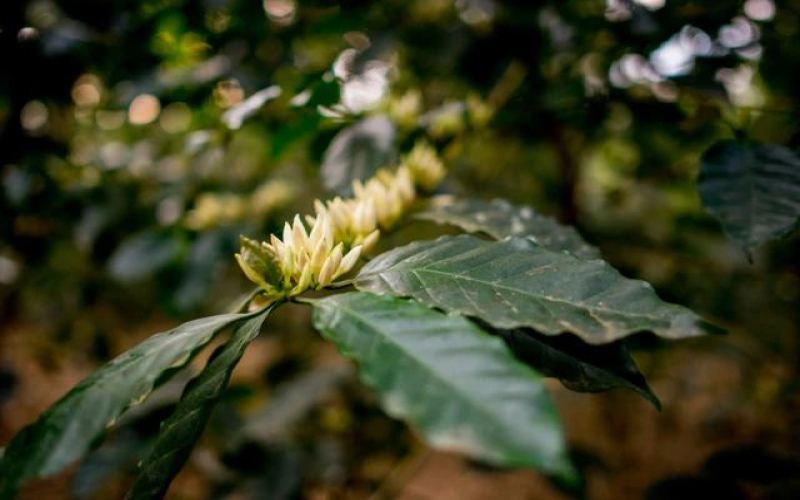
An Inland Gem of the Indochinese Peninsula: The Complete Story of Lao Coffee from Colonial Introduction to Modern Production Regions
In the Asian coffee landscape, Indonesia's Mandheling and Vietnam's massive output often dominate the conversation, while the coffee story of landlocked Laos is rarely mentioned. This country, bordering China, Vietnam, and Thailand, nurtures a mild and smooth coffee flavor thanks to the high altitude, abundant rainfall, and volcanic soil of the Bolaven Plateau. From the introduction of Typica and Bourbon during the French colonial period, to the shift toward Robusta after war and disease, and now to a diverse landscape where Arabica accounts for one-third, Lao coffee has weathered a century of ups and downs. This article will walk you through the historical trajectory, core production regions, and current state of the Lao coffee industry, along with relevant recommendations from the Front Street brand. [more…]
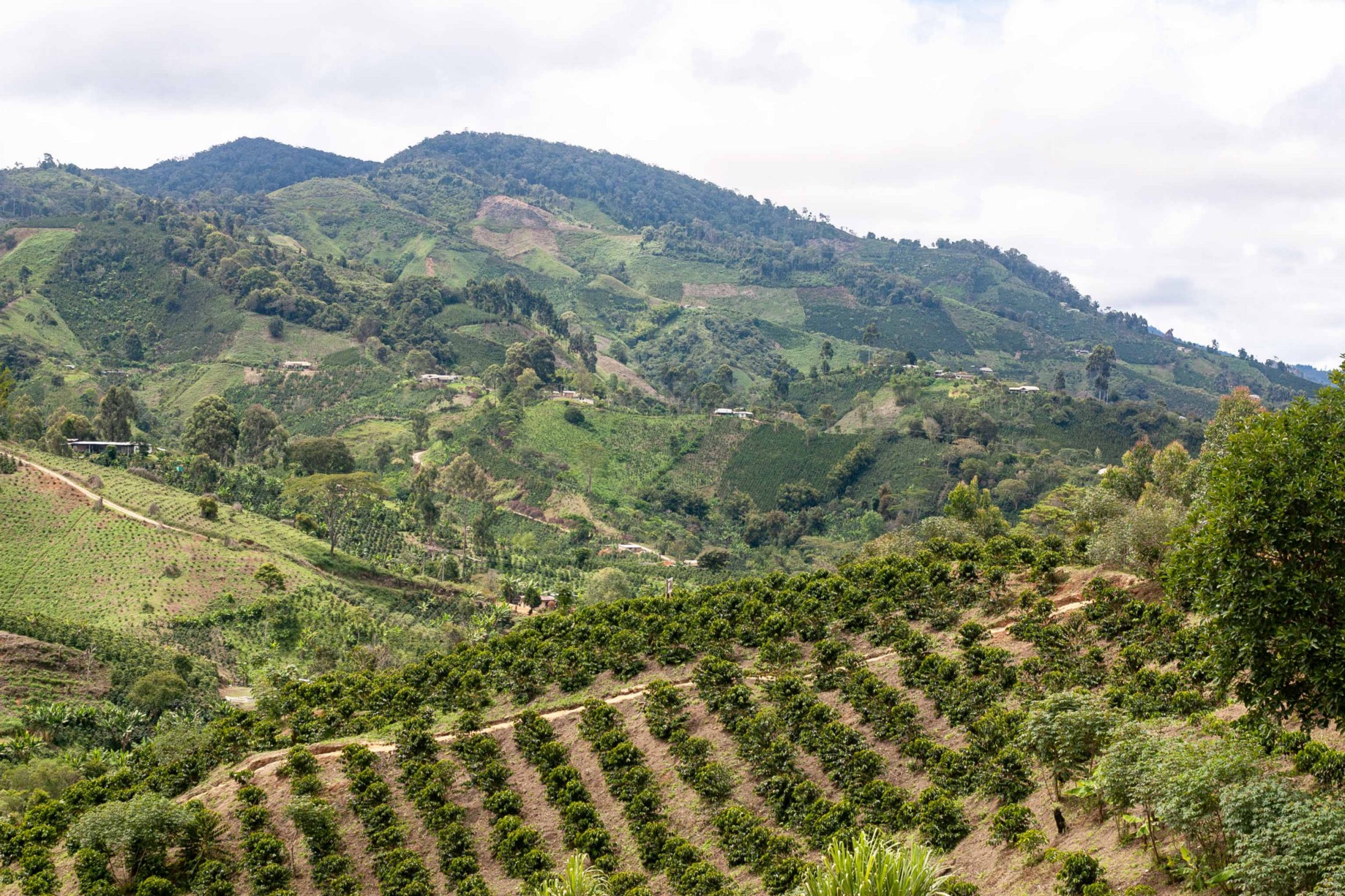
Colombian Coffee Beans | Introduction to Major Coffee Producing Regions and Flavor Characteristics of Colombia Medellín and Huila
For more specialty coffee knowledge, please follow: Front Street Coffee (Frontsteet Coffee) Today, Colombia is the world's second-largest producer of Arabica coffee beans. Colombian coffee is renowned for its unique flavor and the mild yet rich aroma that every cup exudes. [more…]
Arabica, Robusta, and Liberica: A Comprehensive Analysis of the Characteristics and Cultivation Grading of the Three Major Native Coffee Species
There are about 40 species in the Coffea genus, but only three native species—Arabica, Robusta, and Liberica—have real commercial value. They differ markedly in appearance, flavor, disease resistance, suitable altitude, and cultivation conditions: Arabica is elegant yet delicate, Robusta is hardy and intense, while Liberica is limited to localized trade in West Africa. Starting from botanical characteristics, this article systematically sorts out the origin distribution, climate and soil requirements, the complete cultivation process from sowing to harvesting, and the grading systems that producing countries have formed based on altitude, screen size, and defect bean ratios. Whether you are new to specialty coffee or want to understand the logic of origins more deeply, this foundational knowledge will help you more clearly judge the variety and terroir code behind the flavor in your cup. Front Street Coffee will also combine the key points in this article to recommend directions for your everyday purchases. [more…]
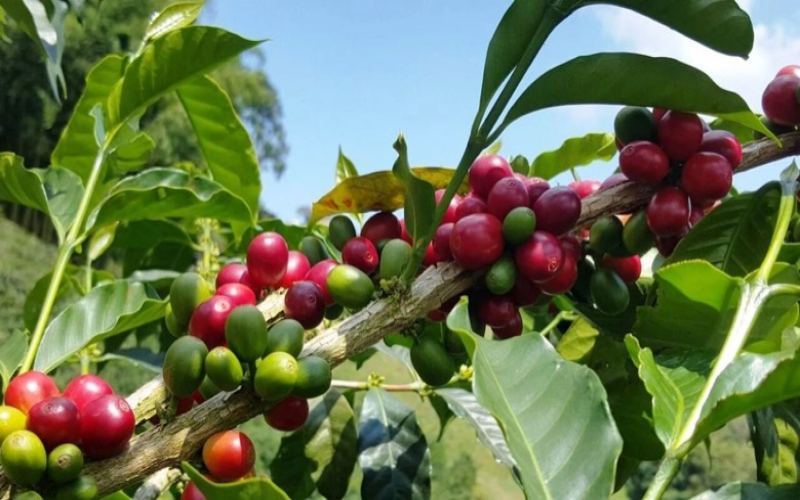
Dark Moon Estate: Hunter Tedman and the Expression of Traditional Varieties
In June 2025, the 29th Best of Panama (BOP) awards were held in Boquete. In the Traditional Varieties category, Hacienda La Esmeralda took first place with a Laurina lot from its El Velo division, followed closely by a new face—Dark Moon Estate (Bl [more…]
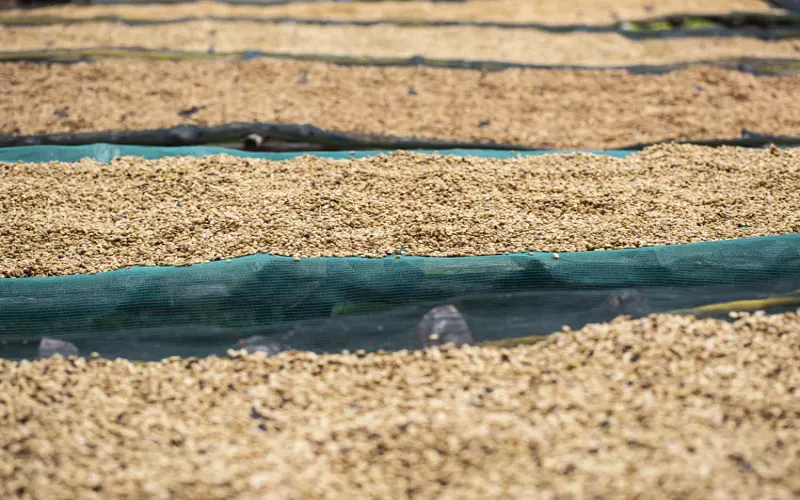
Pour-Over and Cold Brew Coffee Bean Recommendations | Where Are Ethiopia's Specialty Coffee Regions? What Is the Relationship Between Yirgacheffe Coffee and Sidamo Coffee?
For more specialty coffee knowledge, please follow our WeChat official account: Front Street Coffee (FrontStreet Coffee). When it comes to Ethiopia's specialty coffee regions, many people will without hesitation name Yirgacheffe and Sidamo. What are the differences between the coffees from these two regions? This time we will [more…]
Traveling Along the Coffee Belt: How Terroir Shapes a Pour-Over
Stretching between the Tropic of Cancer and the Tropic of Capricorn lies a coffee belt. Every producing region along this belt tells its own coffee story through its unique altitude, soil, climate, and cultural traditions. For pour-over enthusiasts, understanding a region's terroir is like traveling the world with a flavor map in hand. The story begins with Ethiopia [more…]
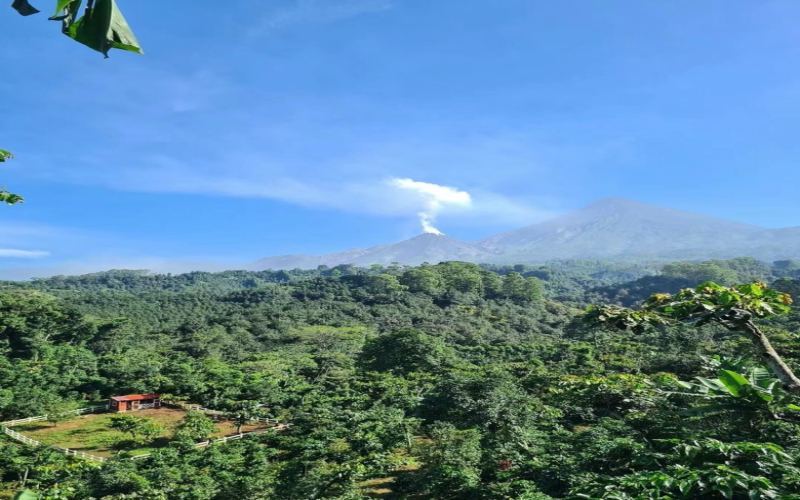
Does Higher Altitude Mean Better Coffee? The Real Relationship Between Altitude and Flavor
In coffee shops, you often hear the words "high altitude," as if the higher the altitude, the more premium the coffee. But the truth is not that simple: altitude is indeed a heavyweight factor affecting flavor, yet it is far from a straight-line relationship of "the higher, the better." What does altitude bring? A common feature of high-altitude growing regions is a large temperature difference between day and night, with relatively low temperatures. Coffee [more…]
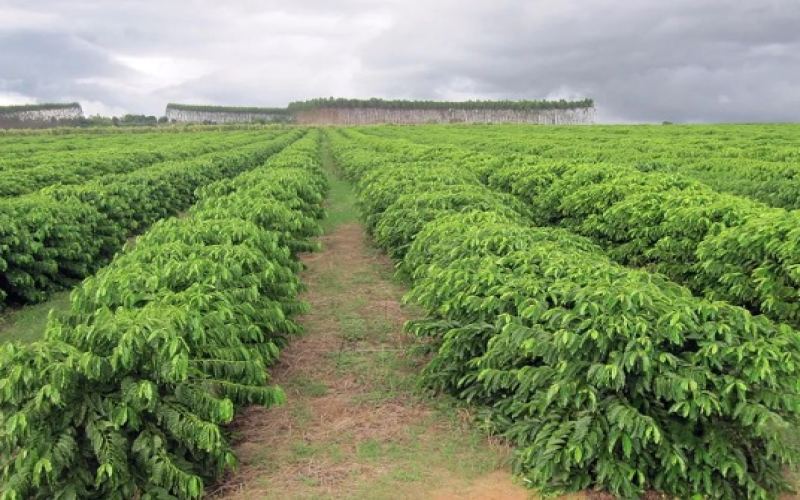
Introduction to the Brazilian yellow Bourbon variety of coffee beans.
Brazilian coffee holds an important position in the global coffee market, as Brazil is the largest coffee producer and exporter in the world, and its coffee exports account for one-third of the world's coffee exports. Brazil Brazil is the fifth large [more…]
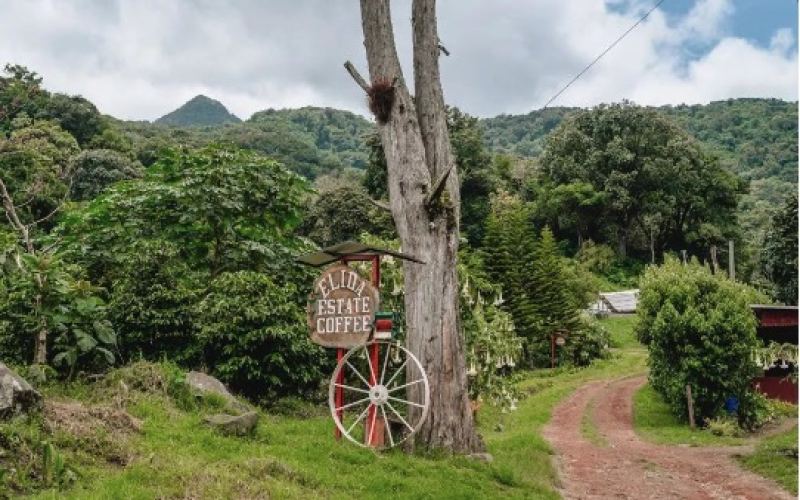
Panama Elida Estate | Introduction to the BOP Estate.
Panama Elida Estate | Introduction to the BOP Estate. Boquete in Boquete is a town in the province of Chiriqui, located near the border between Panama and Costa Rica, close to the famous Baru volcano, with beautiful scenery, fertile and rich soil, an [more…]
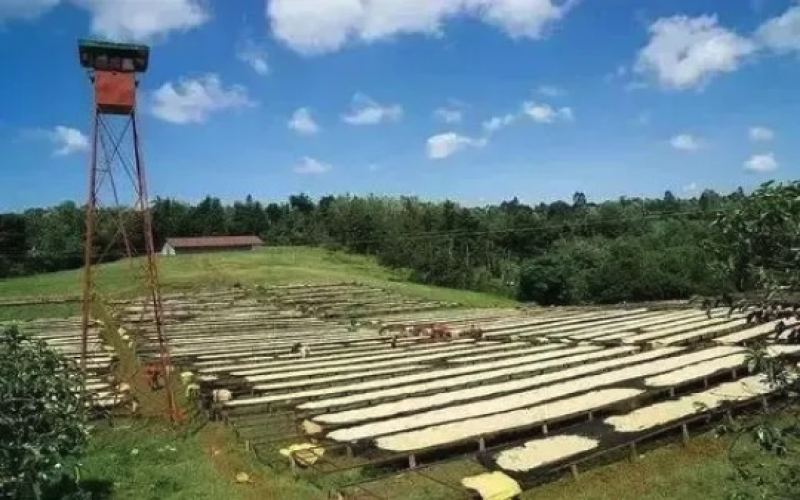
Kenya coffee | Introduction to Nyeri, Kirinyaga, Thika coffee growing areas.
The full name of Kenya is the Republic of Kenya, located in eastern Africa, crossed by the equator in the middle, adjacent to Somalia, Tanzania, Uganda, Ethiopia and South Sudan, bordering the Indian Ocean to the southeast, with a land area of 582,64 [more…]

El Salvador Carmen Estate Natural Bourbon: Flavor Exploration and Tasting Notes under the HiU Program
This article will take you on a deep dive into the HiU Project Natural Bourbon coffee beans from El Salvador's Carmen Estate. From the 2012 WBC competition experience to the unique hops aroma in the green beans, and on to Carmen Estate's volcanic soil and family heritage, the author shares in detail this bean's flavor profile, roasting insights, and origin background. The article also introduces the strict standards of the HiU Project and the cultivation characteristics of Salvadoran coffee. Currently this bean is nearly out of stock, and Front Street Coffee is specially offering a limited-time special price on the last batch, with a purchase limit of two portions per enthusiast, available only while supplies last. [more…]
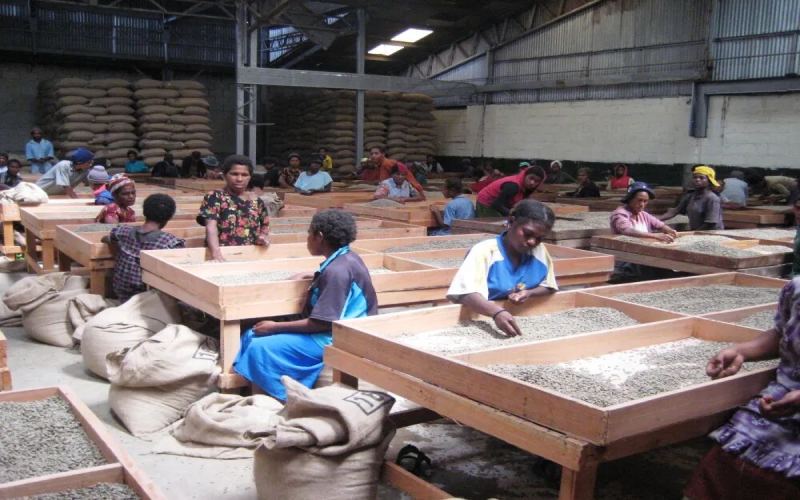
PNG Coffee Grades | How Are Papua New Guinea Coffee Beans Graded? What Are the Characteristics of Sigri Estate Bird of Paradise Washed Coffee?
You may find the coffee origin of Papua New Guinea a bit unfamiliar, but Front Street Coffee believes that Front Street Papua New Guinea coffee stands out as a unique presence among coffees. Papua New Guinea is located in the southwestern Pacific, along the Pacific Ring of Fire, and is geologically volcanic, with fertile volcanic soil, making it [more…]
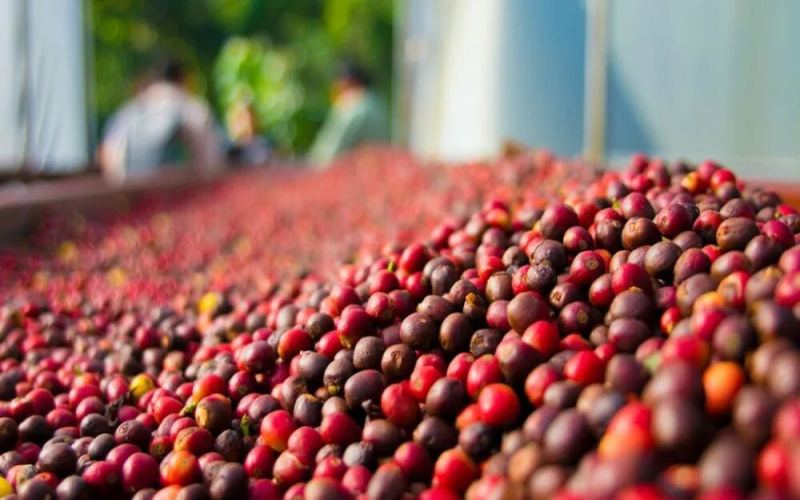
Panama Coffee Beans | Why Can Panama Become a Top Coffee-Producing Region? What Are the Growing Conditions of the Boquete Region? Which Coffee Varieties Does Panama Grow?
Panama is a Central American country, bordered by Costa Rica to the west and Colombia to the east. Friends who know something about single-origin coffee should all know that Panamanian coffee is famous in the coffee world for the Geisha from Hacienda La Esmeralda. Ever since the Geisha from Hacienda La Esmeralda won the BOP championship in 2004, Pana [more…]
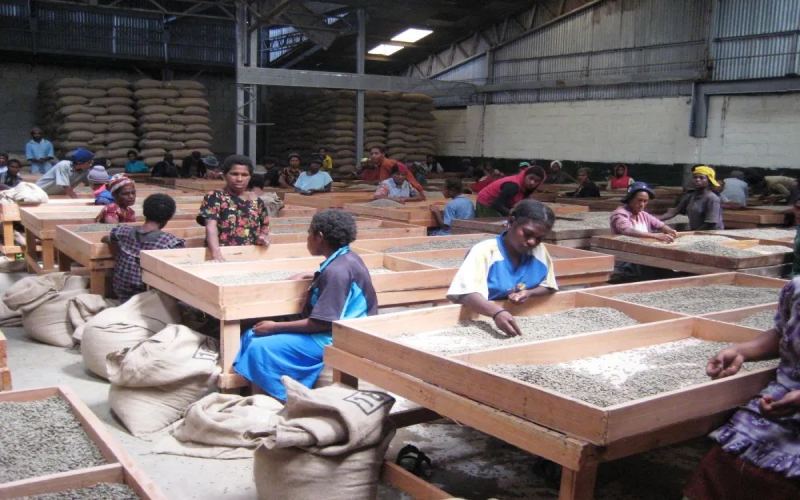
Oceanian Coffee Beans | How Are Papua New Guinea Coffee Beans Graded? What Flavor Characteristics Does the Sigri Estate Bird of Paradise Coffee Have?
You may not be very familiar with Papua New Guinea as a coffee origin, but Front Street Coffee believes that Front Street Papua New Guinea coffee stands out uniquely among the many coffees. Papua New Guinea is located in the southwestern Pacific, along the Pacific Ring of Fire, and is part of a volcanic geological zone with fertile volcanic soil, making it [more…]
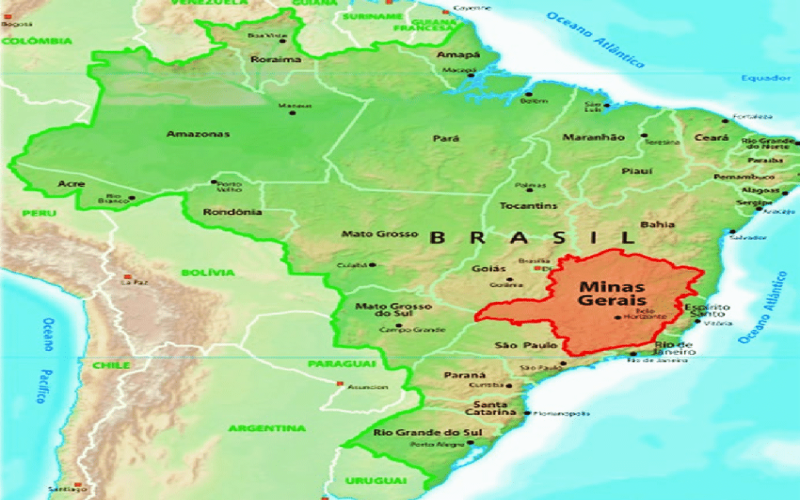
Characteristics of Brazilian Coffee Beans | Which origin does Brazilian specialty coffee come from? What coffee varieties are grown in Brazil? How to brew Brazil Queen Estate Yellow Bourbon?
When it comes to which country produces the most coffee, Front Street Coffee believes it must be Brazil. Its annual total output is about 2.7 million metric tons, accounting for one third of the world's total coffee bean production. But did you know? In fact, Brazil's geographical environment is not really suitable for coffee cultivation. After consulting the materials, Front Street Coffee found that Brazil's terrain is monotonous, and its climate [more…]
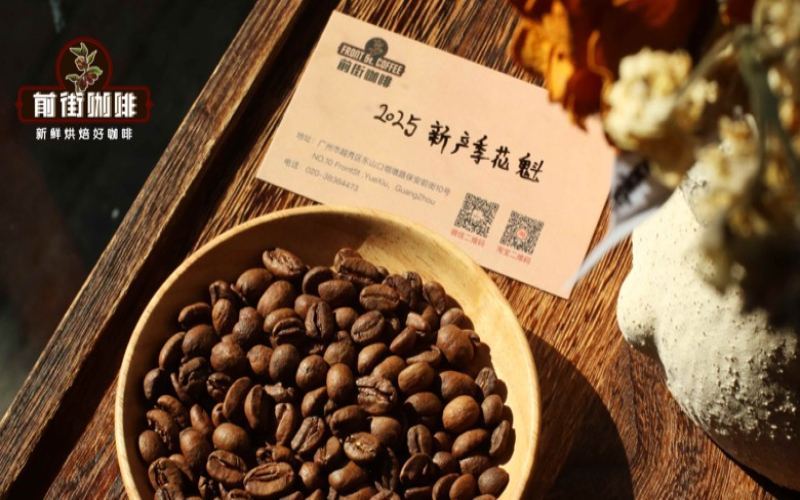
Origins and Styles in Pour-Over Coffee: Ethiopia's Huakui and Panama's Geisha
The flavor of coffee is largely determined by the land where it grows. Altitude, latitude, soil, and climate—factors collectively known as "terroir"—shape the unique character of coffee beans from different regions. Because pour-over uses a gentle extraction method, it can present the flavors of the origin in their purest form, making it an ideal way to experience the differences between regions. [more…]
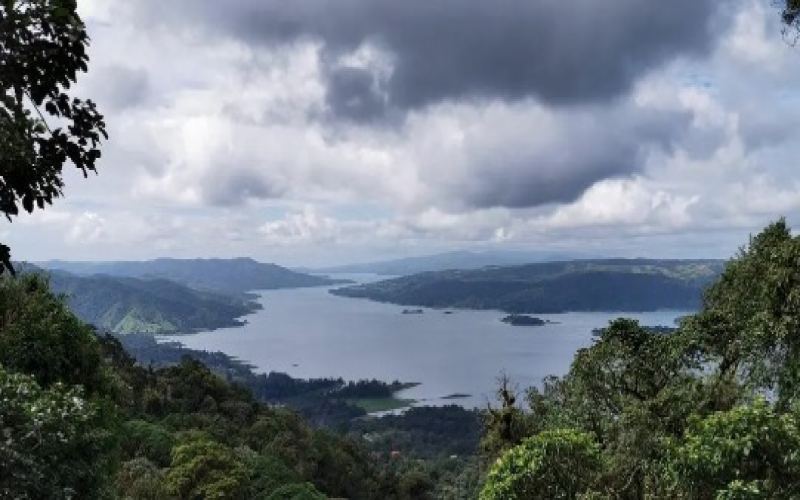
The problem of water pollution is serious! Many areas in Costa Rica are short of water.
It is known that Costa Rica is a country with very rich water resources and geothermal resources, and Costa Rica also attaches great importance to agricultural development. It is a globally important exporter of pineapples, bananas, and coffee, and i [more…]