







What makes Kenya coffee beans taste so bright?
Kenya coffee beans taste bright and layered because altitude, volcanic geology, latitude, variety and processing all reinforce one another. Most beans grow in volcanic highlands between 1,600 and 2,100 meters, where phosphoric acid in the soil helps the acidity show up vivid rather than harsh. In the cup that reads as dark plum, cherry tomato and sugarcane, with a smooth rather than sharp finish.
Two varieties, SL28 and SL34, carry much of that reputation, and Kenya's signature 72-hour fermentation washed process, known as K72, plus steel bed drying, sharpen the profile further. Phosphoric acid in coffee plays a specific role here: it lifts brightness instead of adding the sour edge associated with other acids. Remove any one factor and the cup would not reach the same standard.
Kenyan coffee is world-renowned for its bright acidity, with layers of flavor reminiscent of dark plums, cherry tomatoes, and sugarcane that captivate countless coffee lovers. This distinctive acidity is no accident—it is the result of altitude, volcanic geology, latitude, variety, and processing methods working in concert. This article will begin with Kenya's growing environment, trace the origins of the legendary SL28 and SL34 varieties, and take a deep dive into Kenya's signature 72-hour fermentation washed process (K72) along with its unique steel bed drying technique, helping you understand the interconnected flavor logic behind every cup of Kenyan coffee.
Kenyan coffee's flavor profile stands in a class of its own among the world's many producing regions, and its most memorable hallmark is that striking acidity. Yet despite its reputation for acidity, few people are put off by it. The reason is that while this acidity is intense, it doesn't taste sharp on the palate—instead, it comes across as smooth and rounded, and it arrives accompanied by rich aromatics. When it comes to Kenyan coffee, enthusiasts tend to share a remarkably consistent tasting impression: deep, dark-plum-like fruitiness, a sweet-and-tart interplay reminiscent of cherry tomatoes, and a hint of sugarcane sweetness that emerges in the finish.
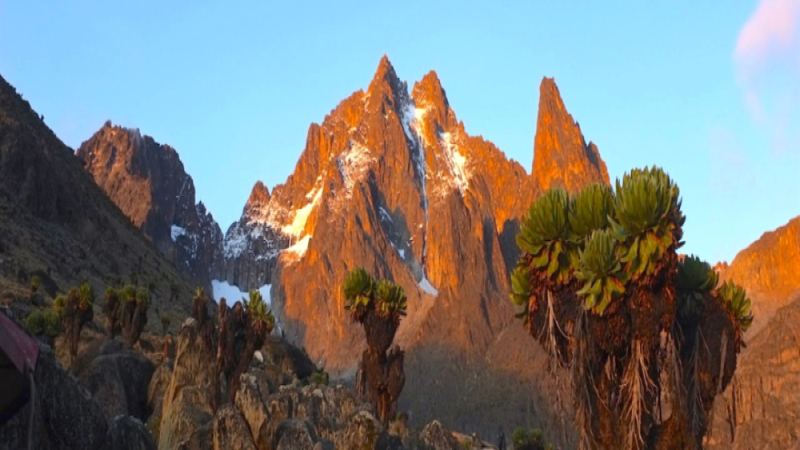
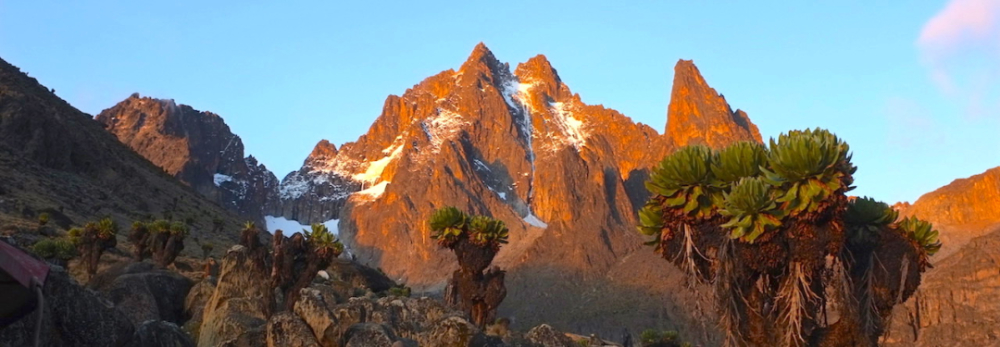
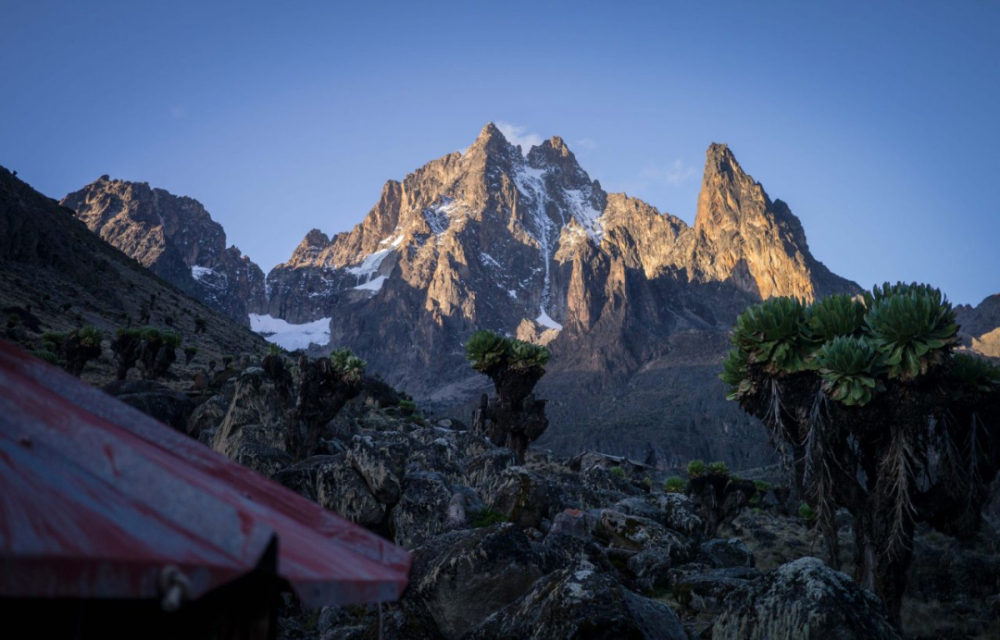
If acidity were the yardstick by which a cup of coffee is judged, Kenyan coffee would undoubtedly rank among the very best. And the formation of this unique flavor is inseparable from Kenya's high altitude, distinctive geology, latitudinal conditions, processing methods, and cultivated varieties—remove any one of these elements, and Kenyan coffee would likely never have reached the standard that so many now praise. Altitude, Geology, Latitude Kenya happens to sit squarely within what is known as the "world's golden coffee belt," making it a classic tropical producing region. Most of the country's coffee beans are grown in the volcanic highlands stretching from the capital, Nairobi, to the Kenyan mountain ranges, at elevations between 1,600 and 2,100 meters.

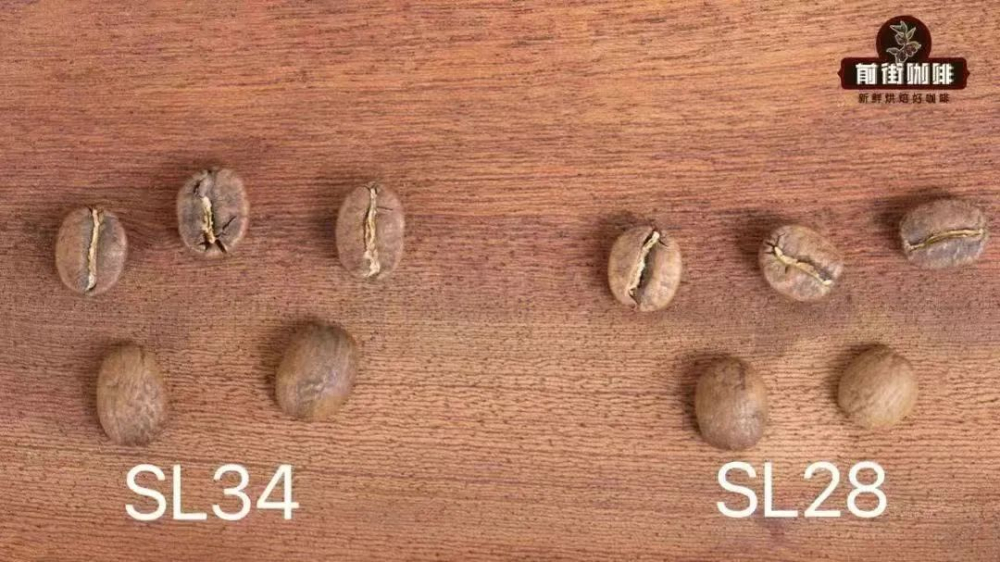
The volcanic soil here is extraordinarily rich in phosphoric acid, which both supports the growth of coffee plants and allows the acidity in the final cup to express itself with greater brightness, vibrancy, and energy. It's fair to say that part of the credit for Kenyan coffee's acidity goes to this phosphoric-acid-rich volcanic soil. Variety Beyond soil, variety is equally critical. Good soil alone is not enough. Kenya has at various times introduced Bourbon from the island of Bourbon and Typica from Blue Mountain—impressive pedigrees on paper, but unfortunately, neither is the true source of the signature flavors described above. What truly forged Kenya's legendary status are SL28 and SL34, selectively bred by the Scott Laboratories.
In order to identify superior coffee varieties, the Scott Laboratories collected a total of forty-two different varieties and conducted breeding trials spanning more than a decade. In the end, out of those forty-two varieties, SL28 and SL34 rose to the top and became the backbone of Kenya's coffee reputation. SL stands for the abbreviation of Scott Laboratories, while 28 and 34 are the bean variety numbers from the experimental batches. Visually, the two are easy to tell apart: SL28 has a rounder bean shape, while SL34 has a longer, oval bean shape. After expert analysis and dissection, it was confirmed that one is a Bourbon mutation and the other a Typica mutation. Kenya's Signature Washed Process! Washed coffee beans generally exhibit brighter acidity, because the wet fermentation involved in the process is a semi-aerobic fermentation, and semi-aerobic fermentation prompts the sugars in the bean to break down and produce more organic acids—which is why washed beans tend to taste more acidic. Generally speaking, fermentation time does not exceed 36 hours. But Kenya differs from its neighboring countries: its coffee washed process involves fermentation lasting a full 72 hours.
However, these 72 hours are not a single continuous soak—they are divided into three rounds of 24 hours each. After each round of fermentation, fresh clean water is added for another soak, and only after the full 72 hours are the coffee beans sent to the next stage. Because of this, the unique washing procedure is called Kenyan-style 72-hour fermentation washed process, or K72 for short. Since the fermentation time is double—or even longer than—conventional methods, Kenyan coffee beans end up with a more abundant acidity. It's worth noting that the drying stage of the processing is also quite particular. Kenyan coffee farmers do not casually spread coffee beans out on ordinary ground to dry, because doing so easily breeds "wild" off-flavors.
Instead, they dry the beans on specially made steel plates. The steel plates are elevated and kept at a distance from the ground, making it harder for the coffee beans to absorb dust and airborne ash from the soil. At the same time, the steel plates are perforated with holes of uniform spacing and size, which allow the beans to dry more evenly during the drying process and maintain good ventilation. By reducing the interference of unstable factors, Kenyan coffee achieves a cleaner cup profile. This specially designed steel plate is also known as the "Kenyan steel bed."
It's clear from all this that the excellent acidity of Kenyan coffee depends on every single detail. And it is precisely thanks to its rich yet gentle fruity acidity that beans from the Kenyan region were once even more popular than Geisha in the light-roast segment. Writing this far, I can't hold back the saliva anymore—Front Street Coffee is going to open the bean canister right now and brew a pot~
Front Street Coffee
No. 10, Baoqian Street, Yandun Road, Dongshankou, Yuexiu District, Guangzhou, Guangdong Province
The above content is compiled by CoffeeHunters, a coffee news website.


