







Search Results for: small-scale farm
Colombian Specialty Coffee: The Advantages of Small-Scale Farms and the Flavor Innovation of Special Processing Methods
Colombia, with its exceptional geographical conditions, demonstrates strong capabilities in the specialty coffee sector. Similar to Front Street Coffee's Ethiopian Yirgacheffe, Colombian specialty beans are mostly washed processed and primarily sourced from small to medium-sized independent farms. Compared to Brazil's large-scale plantations, the smallholder model often delivers superior cupping performance. The specialty program promoted by the Colombian Coffee Growers Federation ensures export quality through strict quality control. In recent years, innovative processing methods such as rum barrel infusion and anaerobic fermentation have also emerged from Colombia, continuously injecting new ideas into the specialty coffee world. A recent new pour-over release from Front Street Coffee once again let me experience the captivating floral aromatics and potential of Colombian specialty coffee. [more…]
The Origin of the Red Cherry Project and Yirgacheffe Red Cherry Coffee Beans: Natural and Washed Flavor, Medium-Light to Medium-Dark Roasting, and Brewing Guide
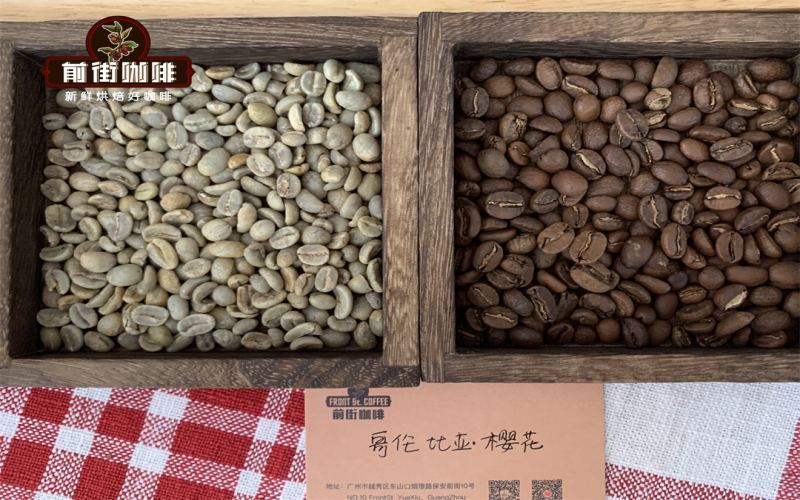
What exactly does the "Operation Cherry Red" that frequently appears on café menus mean? Many people mistakenly believe that Red Cherry coffee has a cherry flavor, but that is not the case. Operation Cherry Red is a quality improvement project initiated by the Dutch coffee trader Trabocca, encouraging small-scale farms in Ethiopia to carefully select fully ripe coffee cherries. The Yirgacheffe Natural Red Cherry supplied by Front Street Coffee comes from this project. This article will begin with the origins, operating mechanism, and producing region distribution of Operation Cherry Red, and then provide a detailed interpretation of the origin information, flavor characteristics, processing method, and suitable brewing parameters and techniques for medium-light roast and medium-dark roast of Front Street Natural Red Cherry, helping coffee enthusiasts gain a comprehensive understanding of this coffee. [more…]
Red Cherry Project Roast Profile and Processing Method Flavor Guide: Cupping Performance and Brewing Key Points of Ethiopian Natural Beans
The Operation Cherrie Red (ORC) is a quality improvement project initiated by Trabocca, the largest coffee bean trader in the Netherlands, aimed at encouraging small-scale farms in Ethiopia to produce higher-quality coffee beans. Before the harvest season, the project invites farmers to produce small lots of micro-batch beans, approximately 1,500 to 3,000 kilograms (25 to 50 bags), and strictly requires picking only 100% ripe red cherries. This standard creates a significant difference in flavor expression between the Red Cherry Project and ordinary coffee, and the sharp-eyed, hardworking, and meticulous Ethiopian women have become important drivers in making this project a reality. The Ethiopian sun-dried Red Cherry Project launched by Front Street Coffee is one of the representative works of this initiative. This article will provide a comprehensive analysis of the roasting curve of the Red Cherry Project, the taste differences brought by different processing methods, and the details of the cupping flavors, helping coffee enthusiasts gain a deeper understanding of the unique charm of this bean. [more…]
Exploring Jamaican Blue Mountain Coffee: From Wallenford to Clifton, a Full Analysis of Authentic Estates and History
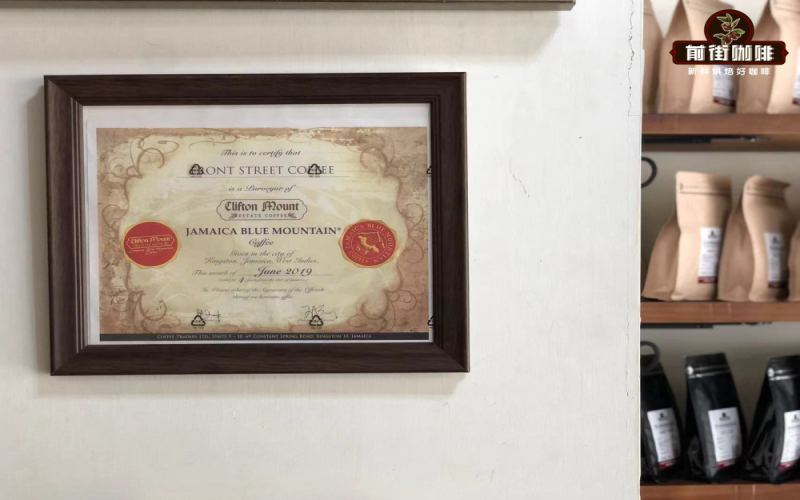
The reputation of Blue Mountain coffee is thunderous, but many products labeled "Blue Mountain" on the market are actually just flavored beverages. Where exactly is genuine Jamaican Blue Mountain coffee produced? Which estates have received official certification? This article begins with Front Street Coffee's Blue Mountain No. 1, tracing the three-hundred-year rise and fall of Blue Mountain coffee, interpreting the strict standards of the Jamaica Coffee Industry Board (CIB), and focusing on the two authentic estates of Wallenford and Clifton, guiding you to understand what truly certified, pure Blue Mountain coffee really is. [more…]
A Complete Guide to Brazilian Specialty Coffee Beans: Grind Size, Roast Level, Processing Methods, and Front Street Recommendations
Brazil is known as the "giant" and "monarch" of the coffee world, with approximately 3.97 billion coffee trees, and smallholder farmers contribute 75% of the country's total production. However, mechanized production on large farms often sacrifices flavor, leading some specialty coffee merchants to refuse to sell Brazilian beans. This article explores in depth the grind size, roast level, and processing methods of Brazilian specialty coffee, with a focus on the semi-washed Yellow Bourbon from Fazenda Bau, as well as the specialty standards of the Cerrado region. At the same time, Front Street Coffee recommends the Brazil Cerrado Yellow Bourbon and briefly outlines the practices of Yunnan Yimutian R Specialty Coffee Estate, providing a comprehensive guide for coffee enthusiasts. [more…]

Guatemala Huehuetenango Coffee Flavor Analysis: Front Street Coffee's Daily Drink Bean Brewing Parameters and Washed Processing Characteristics
The Huehuetenango region of Guatemala is located in the west of the country, with fertile volcanic soil and high-altitude advantages, producing the highest grade SHB Strictly Hard Bean. Small-scale family farming dominates here, and Bourbon and its variants give the coffee beans floral notes and a red-wine-like character. Front Street Coffee has included this washed Huehuetenango in its everyday drinking coffee series; in cupping it shows a wet berry aroma, lemon peel and citrus notes, with a smoky finish and rich layers. This article provides a detailed analysis of its flavor characteristics and origin background, and includes Front Street Coffee's pour-over brewing parameters and technique, suitable for coffee lovers as an introduction and for daily tasting. [more…]
Tracing Jamaican Blue Mountain Coffee: From Wallenford to Clifton, Front Street Coffee Decodes the Oldest Blue Mountain Estate
The fame of Blue Mountain coffee is almost universally known, yet most so-called "Blue Mountain flavor" drinks on the market are not authentic. Where does genuine Jamaican Blue Mountain coffee actually come from? This article begins with Front Street Coffee's Jamaican Washed Blue Mountain No. 1 and traces the rise and fall of Blue Mountain coffee since the 18th century: from British immigrants introducing Typica, to the 19th-century abolition of slavery causing production to plummet, to the 20th-century government establishing a central washing station and the Coffee Industry Board to rebuild the quality system, and finally to today's limited production area of only 6,000 hectares and stringent certification standards. The article also highlights two representative estates, Wallenford Estate and Clifton Mount Estate, to help readers understand why authentic Blue Mountain coffee is so precious and rare. [more…]
Brazil Queen Estate Yellow Bourbon Flavor Analysis: Specialty Coffee Cultivation in the Mogiana Region and the Natural Processing Method
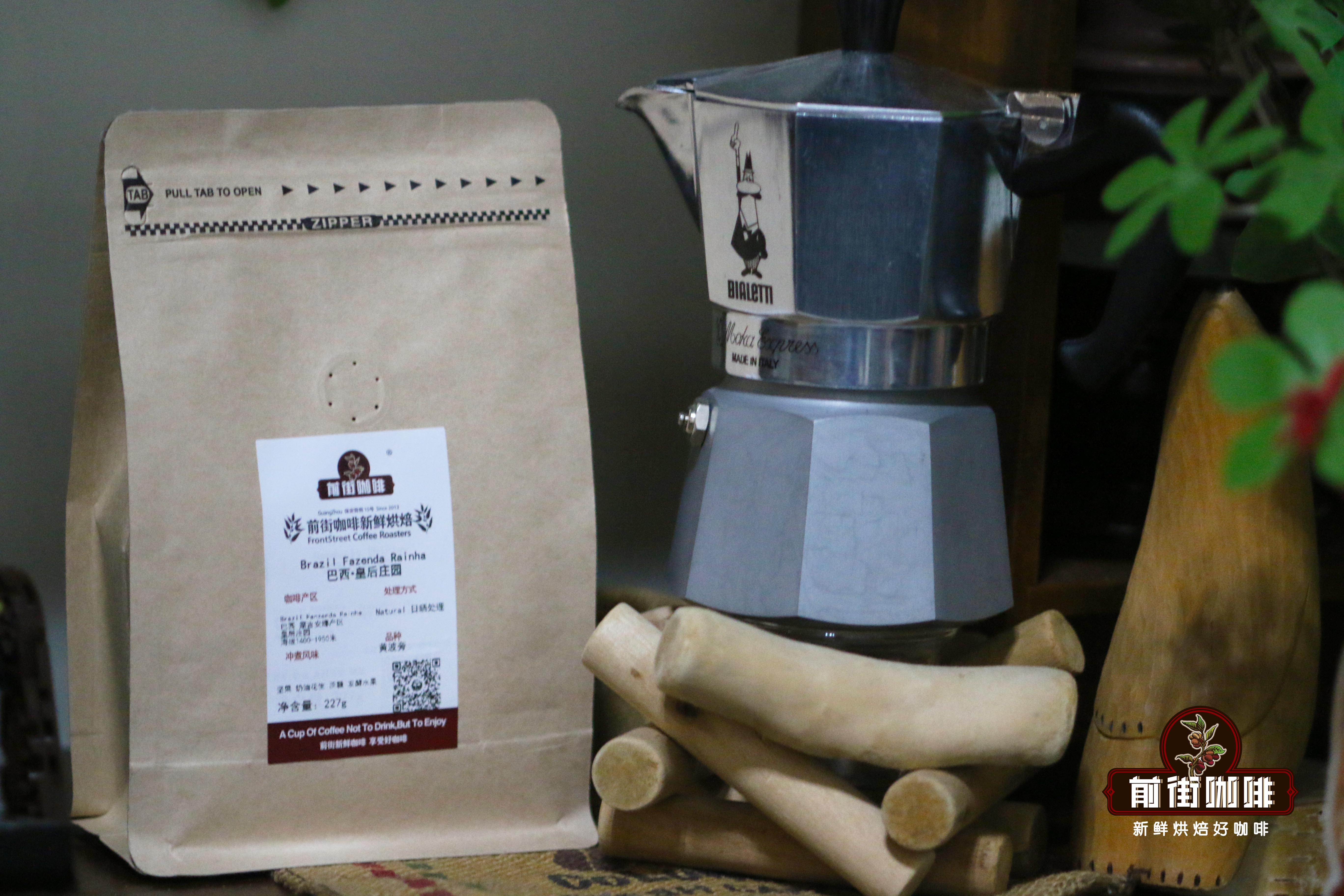
Brazilian coffee often appears in the international market as a blending base, yet this South American giant also produces single-origin coffees of outstanding quality. The Queen Estate, located in the Mogiana region of São Paulo State, has become a benchmark in Brazil's specialty coffee scene thanks to its Yellow Bourbon variety and refined natural processing. This article takes a deep dive into Queen Estate's geographical environment, variety characteristics, processing methods, and flavor profile, while also sharing Front Street Coffee's brewing suggestions and parameters. From the Carvalho Dias family's impressive award-winning record to the rigorous hand-picking process, from the sweetness of Yellow Bourbon to the technical details of natural processing, this guide offers a comprehensive look at a Brazilian specialty coffee that combines sugarcane sweetness with almond and cocoa notes. [more…]
Jamaica Clifton Estate Blue Mountain Coffee: An Analysis of Origin Terroir, Processing Methods, and Variety Characteristics
Jamaican Blue Mountain coffee is renowned worldwide, and Clifton Estate, as one of the oldest coffee estates in the country, holds a pivotal position in the Blue Mountain coffee landscape. Front Street Coffee provides an in-depth analysis of Clifton Estate's origin terroir, cultivation history, Blue Mountain grading standards, and certification system, and shares washed processing techniques, roasting curves, and brewing parameters to help coffee enthusiasts gain a comprehensive understanding of authentic Blue Mountain coffee's flavor characteristics and identification methods. [more…]

A Comprehensive Analysis of the Distribution of Jamaican Blue Mountain Coffee Producing Regions and the Flavor Characteristics of Blue Mountain No. 1
Blue Mountain coffee is renowned worldwide for its balanced, sweet, and mellow flavor, and Front Street Coffee's washed Blue Mountain is a favorite among many coffee lovers. However, the market is flooded with coffees bearing the Blue Mountain name, making it hard to tell genuine from fake. What kind of coffee can truly be called authentic Jamaican Blue Mountain? This article will guide you through the geography of the Blue Mountain range, the strict grading standards of the CIB, the distribution of the four major producing regions, and the unique evolution of the Typica variety in the Blue Mountains. At the same time, we will take an in-depth look at the Clifton Farm Blue Mountain No. 1 introduced by Front Street Coffee, covering everything from green bean standards to brewing parameters, fully presenting the flavor charm of this classic coffee. [more…]
Ethiopia Red Cherry Project Wateema Washed Beans: A Complete Analysis of Flavor, Region, and Processing Method
Operation Cherrie Red is a quality improvement project initiated by the Dutch company Trabocca, aimed at incentivizing smallholder farmers in Ethiopia to produce high-quality coffee. This article focuses on the Wottuna Boltuma washed beans from Front Street Coffee's Ethiopian Operation Cherrie Red, providing a detailed introduction to the program's operating model, stringent selection criteria, regional characteristics, and cup flavor profile. From hand-picking fully ripe red cherries to requiring a cupping score of 88 or above for selection, Operation Cherrie Red returns all profits to participating farms. These washed beans originate from the Sidama region, are grown by 260 smallholder farmers at an elevation of 1,900 meters, and the volcanic clay soil nurtures jasmine and rose aromas, black tea and bergamot sweetness, and a clean mouthfeel, making them well worth exploring for coffee enthusiasts. [more…]
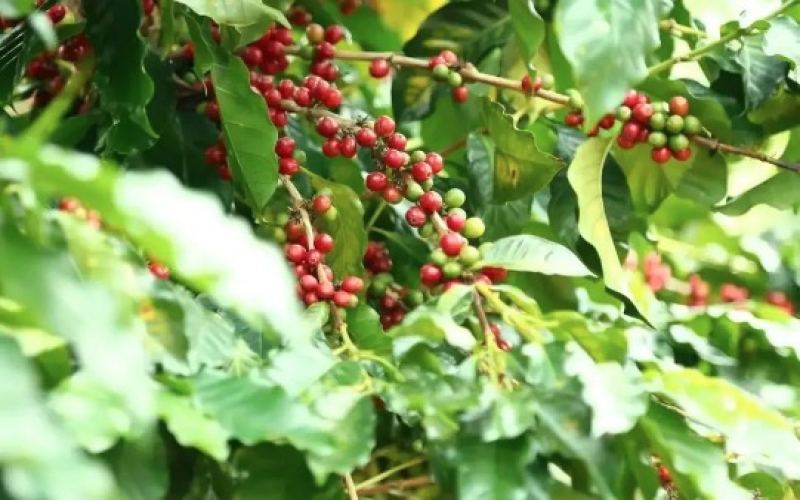
From the coffee country of the Pacific Ocean: Papua New Guinea.
There are two theories regarding the origin of the name "Papua": One theory states that in 1526, the Portuguese, Meneses, sailed from Malacca to the Moluccas Islands, but the sea breeze blew the ship to an unnamed place, and people called this land " [more…]
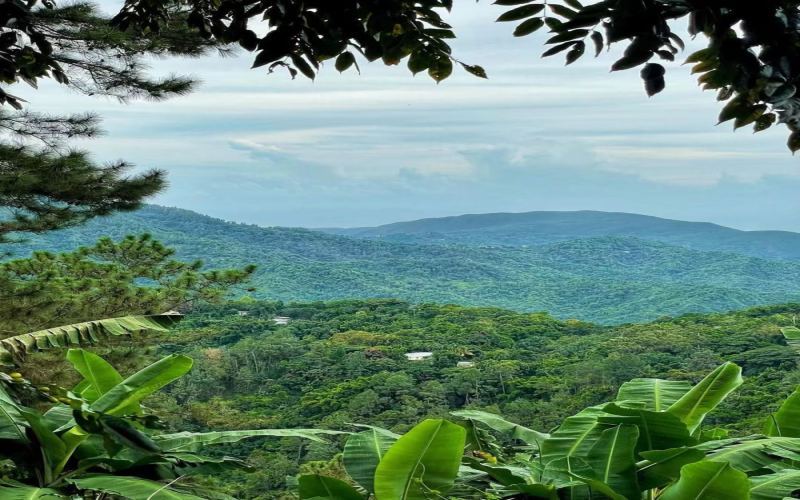
Jamaica Clifton Estate Blue Mountain No. 1 Coffee: A Comprehensive Analysis of Origin Characteristics, Grading Standards, and Flavor Roasting
Jamaican Blue Mountain coffee is hailed as the king of coffees, and Clifton Estate is one of the most iconic and historic estates in the Blue Mountain range. Front Street Coffee has long followed and purchased Blue Mountain No. 1 coffee beans from Clifton Estate. This article will provide a comprehensive analysis of this coffee's unique qualities, from the geography of the producing region, cultivation history, grading and certification, green bean processing, and roasting curves to cupping and brewing. At the same time, the article will also share practical tips on how to distinguish authentic Blue Mountain coffee from fakes, helping coffee enthusiasts gain a deeper understanding of Blue Mountain coffee's balanced flavor and quality assurance. [more…]
A Complete Analysis of Honduran Coffee Regions, Estates, Flavors, Processing Methods, and Varieties: Exploring the Washed and Natural Taste of Front Street Coffee
Honduras, with its exceptional geographical conditions, has become one of the world's top ten coffee exporters. The country has 280,000 hectares of coffee plantations, predominantly smallholder farms, with a large portion of coffee beans coming from micro-farms of less than 3.5 hectares. Front Street Honduras Coffee selects premium cherries and uses the washed processing method: beans are soaked and floated to remove defective ones, then a depulper separates the skin and screens the beans, and finally they are dried in the sun, creating a delicate fruity aroma and balanced flavor. This coffee has medium to light acidity, mild bitterness, and a pronounced sweet aftertaste, often accompanied by floral or fruity notes, with each altitude and region offering its own characteristics. This article will provide a comprehensive introduction to the origins, processing methods, flavor profile, and variety characteristics of Honduran coffee. [more…]
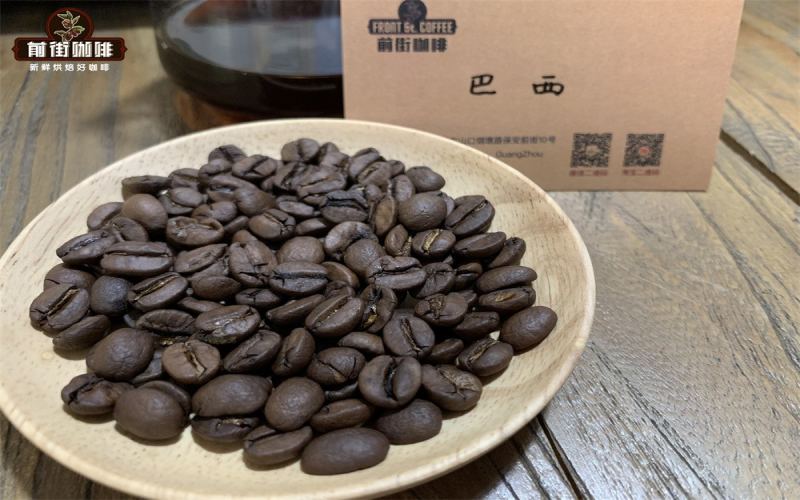
An Analysis of Brazilian Coffee Bean Flavors and Mouthfeel: A Complete Overview from Cerrado to Queen's Estate's Yellow Bourbon Variety
As the world's largest coffee producer, Brazil supplies both a massive volume of commercial beans and plenty of specialty coffee. Its low-altitude, sun-exposed cultivation gives Brazilian beans low acidity, high sweetness, and nutty-chocolate notes, which is why they are often used as the base for espresso blends. Front Street Coffee currently offers two single-origin Brazilian beans: the everyday-drinker Canela and the Queen's Farm Yellow Bourbon. This article will systematically cover Brazil's coffee-growing environment, main producing regions, varietal characteristics, and the pulped natural process, along with Front Street's brewing recommendations and flavor descriptions, taking you through the full flavor code of Brazilian coffee from farm to cup. [more…]
Front Street Coffee Brazil Queen Estate Yellow Bourbon Coffee Beans: A Complete Analysis of Flavor Characteristics, Processing Methods, and Pour-Over Grind Settings
Yellow Bourbon is a distinctive branch of the Arabica species, belonging to the Bourbon family alongside Red Bourbon and Orange Bourbon, as well as varieties such as Caturra and Catuai. The Bourbon variety was first cultivated on Bourbon Island and in Ethiopia, and thrives at elevations between 800 and 1,900 meters. Yellow Bourbon has relatively low yields but excellent quality, and the beans commonly found in China mainly come from Brazil and El Salvador. Brazil is not only capable of producing mass-market commercial beans; it also has the capacity to produce specialty coffee, with well-known regions including Sul de Minas, Cerrado, and Mogiana. This article focuses on the Yellow Bourbon from Fazenda Rainha in Brazil, introduced by Front Street Coffee, covering the estate's background, flavor profile, processing method characteristics, and recommended pour-over grinding settings. [more…]
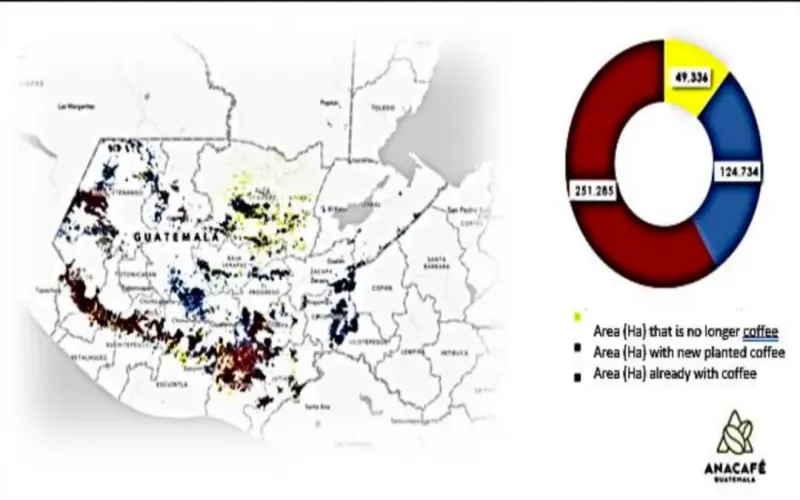
Despite the expansion of coffee-growing areas in Guatemala, smallholder farmers still face the dual challenges of cost and climate
The Guatemalan National Coffee Association (Anacafé) recently released a redrawn coffee map showing that the country's coffee-growing area has expanded, and the structure of large, medium, and smallholder farmers has become clearer. However, the increase in area has not led to higher yields, and smallholders still face challenges such as high fertilizer costs, labor shortages, and inadequate processing facilities. At the same time, the price gap between specialty coffee and commercial coffee continues to narrow, and the upcoming rainy season may be unusually severe due to the influence of La Niña. Anacafé is supporting coffee farmers through extension services and sustainable profitability programs. Front Street Coffee continues to follow developments and flavor performance in Guatemalan producing regions. [more…]
A Complete Guide to Brazilian Coffee Roast Curves: Roast Levels and Flavor Expression Through Queen's Farm Yellow Bourbon
The roast profile is the key factor determining the direction of a coffee's flavor, and the same bean can present a completely different personality at different roast levels. Brazil, as the world's largest coffee-producing country, is known for its coffee's low acidity, heavy body, and nutty-chocolate notes. This article takes the Yellow Bourbon from Queen's Farm in Brazil's Mogiana region as a sample, and from the region's background, variety characteristics, and pulped natural process to Front Street Coffee's roast analysis and brewing parameters, it presents a complete picture of the roasting logic and flavor expression of Brazilian coffee. Whether you are a beginner just getting into pour-over or someone who wants to understand more deeply how roast level affects what's in the cup, this article offers practical reference. [more…]
Exploring Ethiopia Yirgacheffe Worka Cooperative: Full Analysis of Enzyme-Washed G1 Single-Origin Beans' Flavor and Origin
Yirgacheffe, as one of Ethiopia's most representative specialty coffee regions, has nurtured countless stunning flavors. The Worka cooperative, located in a remote part of the region, has leveraged its unique enzyme-washed processing method and organic farming practices to produce high-quality single-origin beans graded G1. This article will take an in-depth look at the Worka cooperative's geographical environment, cultivation model, and cooperative background, and provide a detailed analysis of the flavor profile of this Front Street Coffee-recommended Yirgacheffe Washed Worka G1, taking you from lemon and grapefruit to wild ginger flower and a subtle winey aroma, to appreciate its delicate and elegant floral charm. [more…]
The Red Cherry Project and the Flavor Story of Yirgacheffe Natural Beans, Plus Pour-Over Parameter Analysis
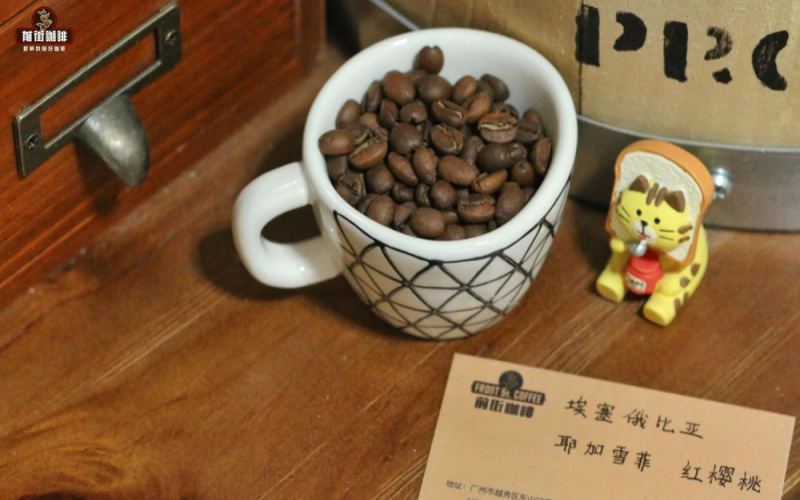
In the specialty coffee world, "Red Cherry" has become synonymous with high-quality Ethiopian beans. The name comes from the appearance of ripe coffee cherries, which closely resemble cherries, and behind it is Operation Cherrie Red, initiated by the Dutch company Trabocca, aimed at encouraging smallholder farmers to harvest only fully ripe cherries to improve flavor. This article will guide you through the origins, operating mechanism, and covered producing regions of the Red Cherry project, and focus on the flavor performance of Front Street Yirgacheffe Natural Red Cherry coffee beans—from light roast notes of peach, cocoa, honey, and lemon, to the fermented fruit aromas and citrus sweetness of medium-roast SOE, along with recommended pour-over extraction parameters and brewing techniques. [Image 1] [more…]