







Search Results for: small hole
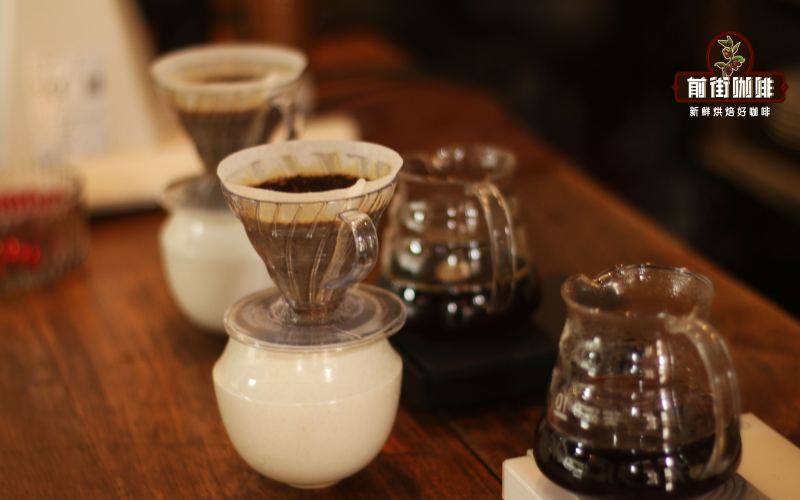
What is the purpose of blooming in pour-over coffee? How can beginners use the well method to improve bloom evenness?
Blooming is an indispensable key step in pour-over coffee, directly affecting the completeness and uniformity of subsequent extraction. Front Street Coffee has confirmed through comparative experiments that the extraction yield of coffee using blooming is significantly higher than versions that skip it. However, blooming is not as simple as "pouring water and waiting for bubbles"—blooming time, water amount, and wetting uniformity all influence the final quality. For beginners who are not yet skilled at water control, uneven wetting of the coffee bed often occurs in conical drippers. In this case, a simple and easy "digging a hole" method can significantly improve the degassing effect. Based on Front Street Coffee's practical experience, this article breaks down in detail the specific steps, applicable scenarios, and precautions of the hole-digging operation, helping beginners stably achieve more uniform extraction results even without proficient technique. [more…]
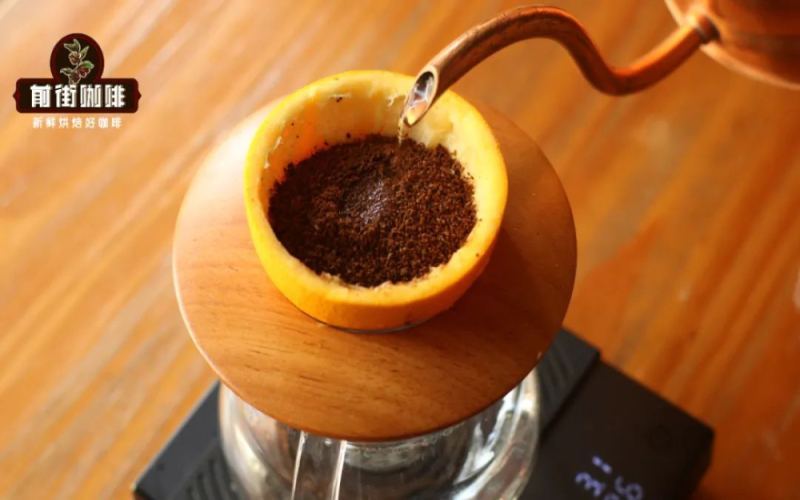
Is it feasible to make a pour-over dripper from fresh orange peel? A complete hands-on test from choosing the fruit and poking holes to brewing parameters
Hollowing out a fresh orange to make a dripper for brewing coffee—this method, which once went viral online, has recently seen new variations. Front Street Coffee, out of curiosity, gave it a try firsthand, from picking oranges, scooping out the flesh, poking holes, to brewing, and conducted a comparative test with two different coffee beans. The first attempt, due to holes that were too small, caused severe clogging and over-extraction, resulting in bitterness; the second time, after enlarging the hole size and coarsening the grind, a delicious cup was finally achieved, featuring citrus aromas, blueberry sweetness, and a black tea-like sensation. This article fully documents the steps, parameters, and pitfalls of this experiment, and summarizes three key details to note when using an orange peel as a dripper, for the reference of coffee enthusiasts who enjoy hands-on experimentation. [more…]
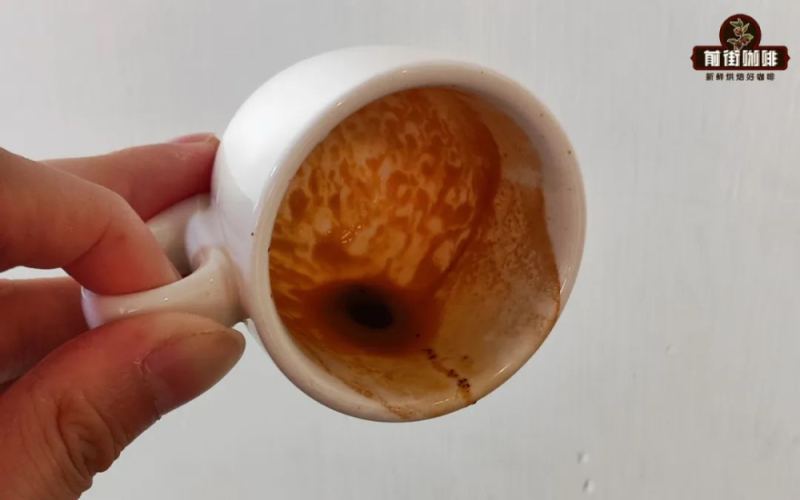
Is it normal for black sediment to appear at the bottom of an espresso cup? Explaining why fines pass through the filter basket
Many coffee enthusiasts, while enjoying an espresso, notice black particles settling at the bottom of the cup and worry whether this means something went wrong with the extraction. In fact, in most cases this phenomenon is perfectly normal. These sediments are extremely fine coffee grounds that have passed through the holes of the portafilter basket, and they usually sink to the bottom gradually after the coffee has rested for a few minutes. This article will explain in detail the principle behind how these fines appear, their relationship with tiger-striped crema, and several factors that may cause a sudden increase in sediment, including grinding too fine and deformation of the basket's mesh. At the same time, Front Street Coffee will also use examples to help you determine when you need to adjust your grinding parameters, so you can face that layer of fine grounds at the bottom of your cup with greater ease. [more…]

How to Use a Flat-Bottom Dripper with Adjustable Flow Rate? Hero Variable-Speed Cake Dripper Hands-On Review and Three Brewing Recipes
What kind of brewing experience does a flat-bottom dripper with manually switchable extraction modes actually deliver? Front Street recently got its hands on Hero's variable-speed cake dripper, which uses a knob mechanism to offer three flow-rate settings—immersion, slow, and uniform—while its flat-bottom design makes it quite beginner-friendly. Front Street has brewed beans such as washed Butterfly Flower, Mozart, and Juliette Geisha with it, and also tried extending the variable-speed function to iced pour-over scenarios, comparing it with the V60. This article provides a complete record of three sets of brewing parameters, flavor performance, and detailed issues found during use, for coffee enthusiasts' reference. [more…]
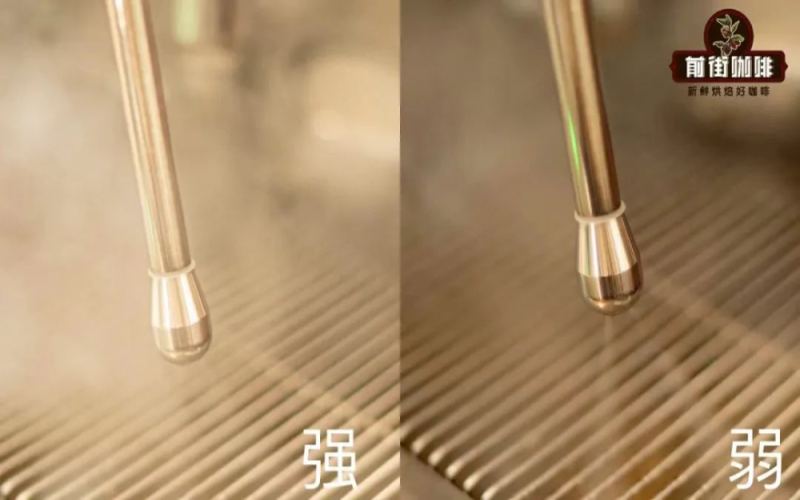
Analysis of the Reasons for Weakened Steam in Espresso Machines: How to Deal with Clogged Steam Wands and Key Points for Daily Cleaning
When frothing milk with an espresso machine, if the steam becomes progressively weaker, it doesn't just hurt efficiency—it also seriously degrades the quality of the milk foam. In fact, the problem usually lies with the steam wand tip: residual milk scale clogs the small holes, preventing steam from flowing out smoothly. This article will break down the reasons for weak steam in detail, and walk you through step by step how to unclog the tip, soak and clean it, and what maintenance details to watch for in daily use, helping your espresso machine restore powerful steam and effortlessly produce fine, delicate milk foam. [more…]
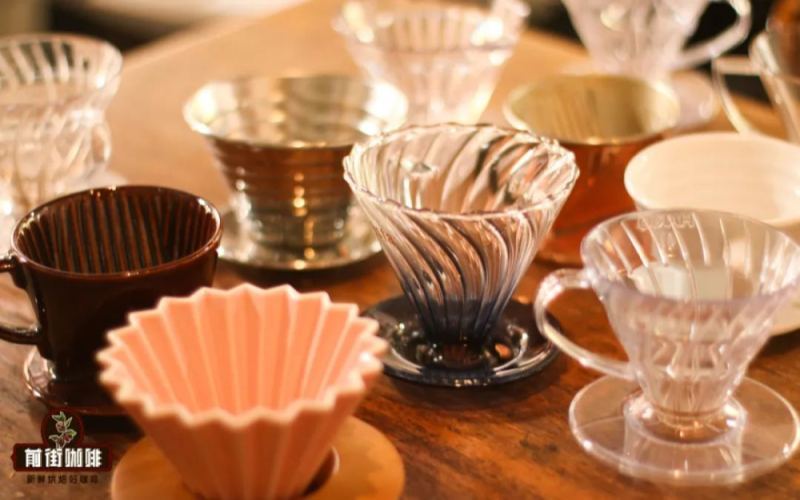
How Do Flow-Guiding Ribs and Holes Affect Pour-Over Extraction? A Full Analysis of Dripper Structural Differences
Pour-over drippers on the market come in all shapes and sizes, from conical to fan-shaped, from single-hole to multi-hole, and behind every design lies a different extraction logic. The key to a cup of coffee's flavor direction is often hidden in the distribution of the dripper's ribs and the drainage holes. How do the flow channels alter the water path? Why do spiral ribs make extraction more even? How do the number and size of the holes affect the drainage speed? From Front Street's perspective, this article breaks down the core structure of the dripper one by one, helping you see the essence amid a dazzling array of products and choose the one that truly suits you. [more…]
What should you do if your latte milk foam isn't fine and smooth enough? A detailed explanation of steam frothing vortex techniques
Many coffee enthusiasts, when making latte art, most often encounter the problem of coarse milk foam that is not fine and smooth enough. In fact, the key to producing ideal dense milk foam lies in understanding how the steam wand works and how to create a stable vortex. This article will start with the principles of steam heating and foaming, gradually break down the core steps of air intake and texturing, and share practical tips for completing steaming and texturing at the same time. Front Street Coffee will also combine everyday operating experience to walk you through key points such as the angle of the milk pitcher, the position of the steam holes, and liquid surface control, so that you can easily recreate silky latte art foam at home. [more…]
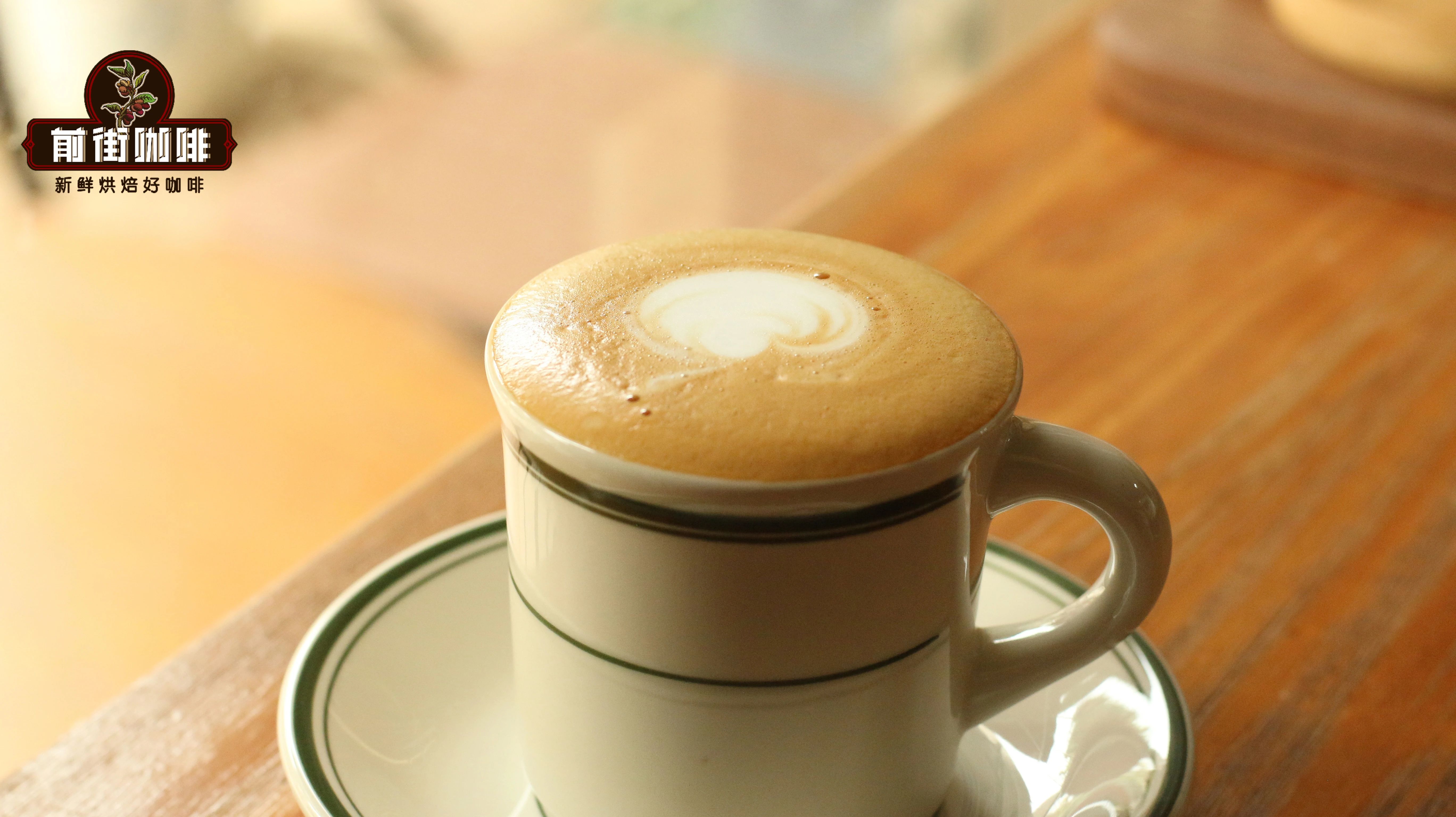
How to Steam Milk Foam for Latte | Latte Milk Foam Beginner Tutorial: How do you steam milk foam suitable for latte art?
Front Street Coffee has previously shared detailed knowledge about steaming milk foam. However, recently a friend sent some videos of steaming milk foam and asked Front Street Coffee for some advice. These problems happen to be quite common among beginners steaming milk foam, so we'll specifically discuss a few points to pay attention to when steaming milk foam. First category, after steaming. [more…]
Is It Normal for Black Sediment to Appear at the Bottom of an Espresso Shot? A Full Analysis of the Causes of Fine Particles and How to Fix Them
Many people notice a layer of fine black powder at the bottom of the cup after finishing a latte or espresso, and sometimes dark particles float at the bottom of an iced latte as well. Is this actually normal? Does it affect flavor or health? In fact, this sediment consists of ultra-fine particles that pass through the filter basket holes during espresso extraction. A trace amount is normal, but if a large amount of grounds is visible to the naked eye, it means something has gone wrong in the extraction process. This article starts with where these fine particles come from, analyzes possible factors such as grinding, the portafilter basket, and barista technique, and offers practical solutions like adjusting the grind setting, switching baskets, and adding a paper filter, to help you enjoy a cleaner cup of coffee. [more…]
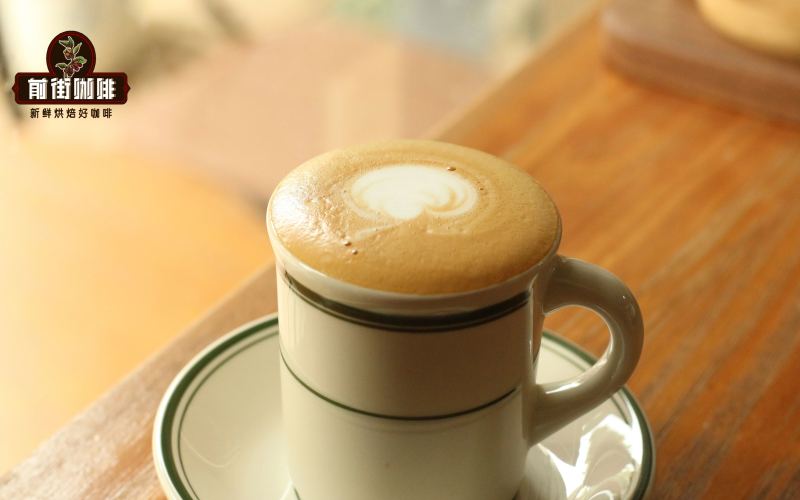
Latte Art Milk Foam Steaming Time and Texture Analysis: Pitcher Angle, Swirl Technique, and Espresso Pairing Recommendations
To create beautiful latte art, both the quality of the steamed milk foam and the quality of the espresso are indispensable. This article focuses on the most common problems beginners encounter when steaming milk, explaining in detail the insertion depth of the steam wand, the principles of aeration and texturing, how to create a vortex by controlling angle and position, and the advanced technique of aeration and texturing simultaneously. At the same time, Front Street also recommends classic blends and dark cocoa blends suitable for beginners and for café use, helping you easily extract espresso with golden crema at home and laying a solid foundation for latte art. [more…]
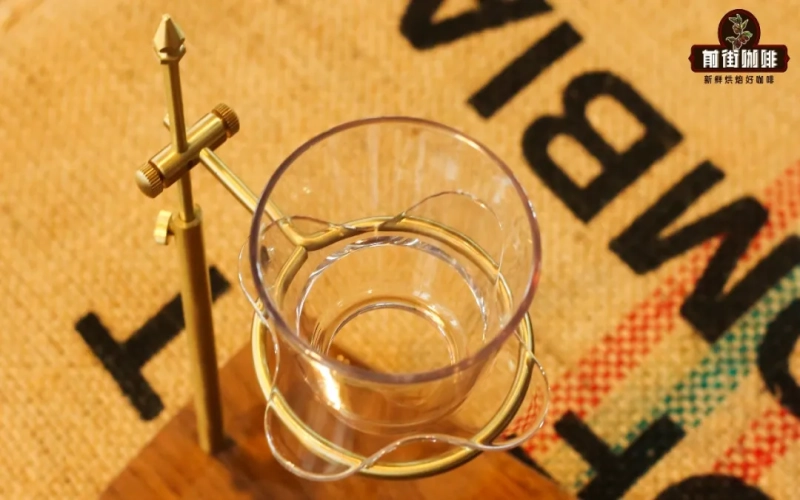
How to Choose Between a Flat-Bottom and a V60 Conical Dripper? Hand-Brew Parameters and Practical Analysis of the Large-Hole Cake Dripper
In the world of pour-over coffee, the shape of the dripper often determines the structure of the coffee bed and the direction of extraction. Flat-bottom drippers and V60 conical drippers each have their own followers, while the large-hole flat-bottom drippers that have emerged in recent years have attracted considerable attention for their combination of immersion and percolation characteristics. This article will compare the differences between the two types of drippers from the perspectives of coffee bed distribution, flow rate, and extraction balance, and, using Front Street Yirgacheffe Gutingding as an example, share in detail the adjustment approach for brewing parameters and practical techniques for the large-hole flat-bottom dripper, helping you find a brewing solution that suits you better. [more…]
Why the HARIO V60 dripper has become a staple in coffee shops: a detailed explanation of its cone shape, single hole, and spiral rib structure
Among the many pour-over drippers, the HARIO V60 has become the top choice for many cafés and enthusiasts thanks to its unique cone shape, single hole, and spiral rib design. Its structure allows for more even contact between hot water and coffee grounds, and a more controllable drip rhythm, while also balancing practicality with a stylish appearance. This article starts from the structural principles to analyze why the V60 has become so widely popular, and compares the pros and cons of plastic and glass materials to help you make a decision that suits you better when purchasing. It also retains relevant product recommendation information from Front Street Coffee. [more…]
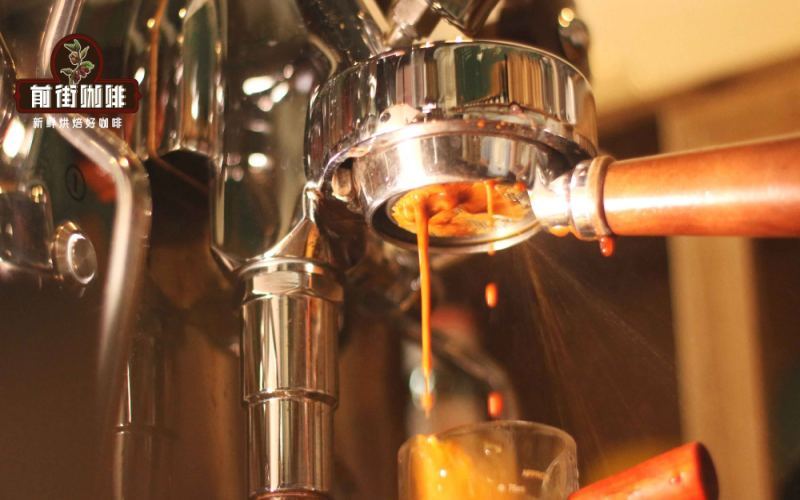
Why Does Espresso Extraction Taste Burnt and Bitter with Channeling? Causes of Channeling and Practical Solutions
When extracting espresso, a suddenly faster flow rate, lighter-colored crema, and a thin body often mean the puck has been pierced by the water flow — what is commonly known as channeling. This article starts with identifying the signs, explains how to spot perforations with the help of a bottomless portafilter, analyzes the main causes such as uneven distribution, insufficient dose, and a clogged dispersion screen, and offers specific solutions including distribution and tamping, adjusting the dose, cleaning the dispersion screen, and choosing suitable espresso beans, to help reduce splattering and bitterness and make espresso extraction more consistent. [more…]
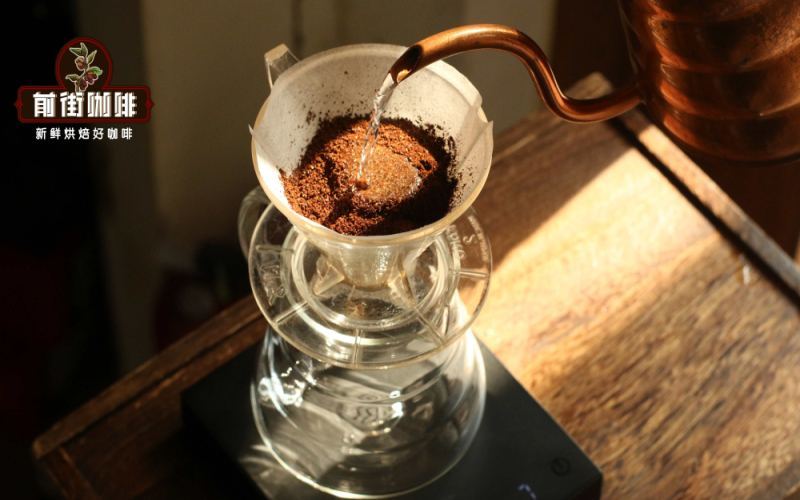
A Century of Evolution of the Melitta Filter Cup: From Blotting Paper Inspiration to a Performance Comparison of the V60 and Kono Pour-Over Filter Cups
Pour-over coffee is inseparable from the dripper, but just how big is the dripper's influence on flavor? This article begins with the Melitta dripper, which went into production in 1912, and traces the story of the birth of the world's first trapezoidal dripper—Mrs. Melitta, inspired by blotting paper, poked holes in a brass cup to filter coffee, but because the filter paper was difficult to fit the cylindrical container, this gave rise to the prototype of the ribs. Afterward, the defect of slow flow in the single-hole design prompted the emergence of multi-hole versions. The article then focuses on the core elements of the dripper: flow rate and flow-guiding performance, and through actual testing of V60 and the Kono short-rib version with Front Street Coffee's Mandheling beans, reveals the practical effects of different drippers on extraction time, mouthfeel, and grinding adjustment. [more…]
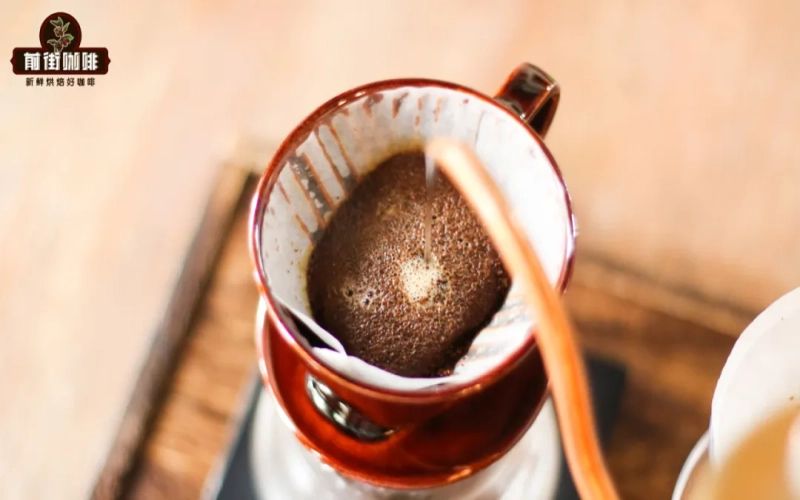
Why Are Trapezoid Drippers Fading from View? A Comparative Analysis of the Brewing Advantages of Wedge Drippers and the V60 Cone Dripper
In the world of pour-over coffee gear, cone-shaped drippers occupy an absolute mainstream, while the once-popular trapezoid dripper appears less and less on the bar. This does not mean it is not useful—on the contrary, thanks to its unique structure, the trapezoid dripper can deliver a more balanced cup performance and a solid mouthfeel. From the perspective of Front Street, this article reviews the historical trajectory of the trapezoid dripper from its birth to its improvements, breaks down the impact of its shape, ribs, and bottom hole on extraction, and, through comparative brewing with the V60, intuitively presents the flavor differences between the two drippers. It also explains why the trapezoid dripper has gradually retreated behind the scenes under the light-roast trend, as well as its beginner-friendly stable extraction characteristics. [more…]

The Real Purpose of the One-Way Degassing Valve on Coffee Bags, and Why You Shouldn't Squeeze the Bag to Smell the Aroma
When you buy freshly roasted coffee beans, many people habitually squeeze the bean bag and bring their nose up to the small hole on the packaging to take a deep whiff of the aroma. This hole is actually a "one-way degassing valve," and its existence serves a clear engineering purpose—it only allows gas to escape and does not let outside air in. This article will explain in detail how the degassing valve works, why it is not meant for squeezing to smell the aroma, and how to use the characteristics of the degassing valve to extend the coffee beans' peak flavor period. [more…]
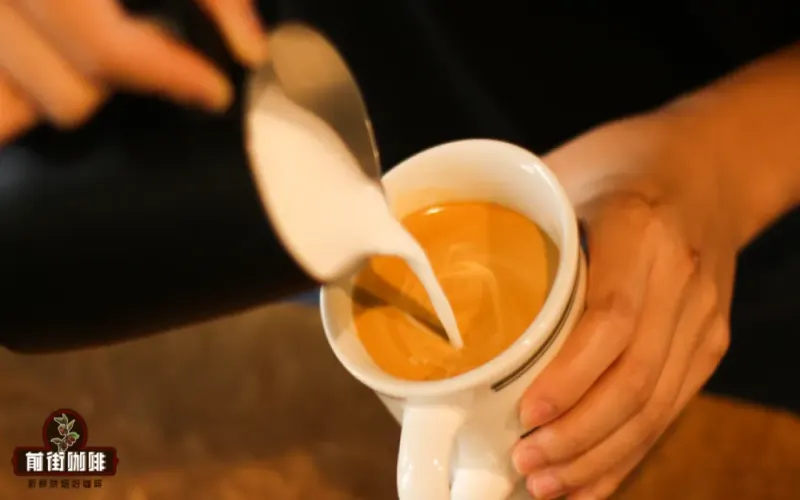
The Complete Guide to Steaming Milk for Lattes: How to Nail Temperature, Thickness, and Timing
To make a latte with dense, silky microfoam and a surface as smooth as a mirror for latte art, the quality of the milk foam is key. Starting from the working principle of the steam wand, this article explains in detail how to produce fine, glossy, free-flowing microfoam by adjusting the position of the steam tip, the frothing angle, and the immersion depth. It also explains the temperature standard for judging when frothing is complete (55-65°C), as well as how to fix the foam once large bubbles appear. Front Street Coffee also offers bean selection suggestions suitable for home practice based on the characteristics of its own espresso blend, and includes a complete six-step operating procedure to help beginners get started quickly. [more…]
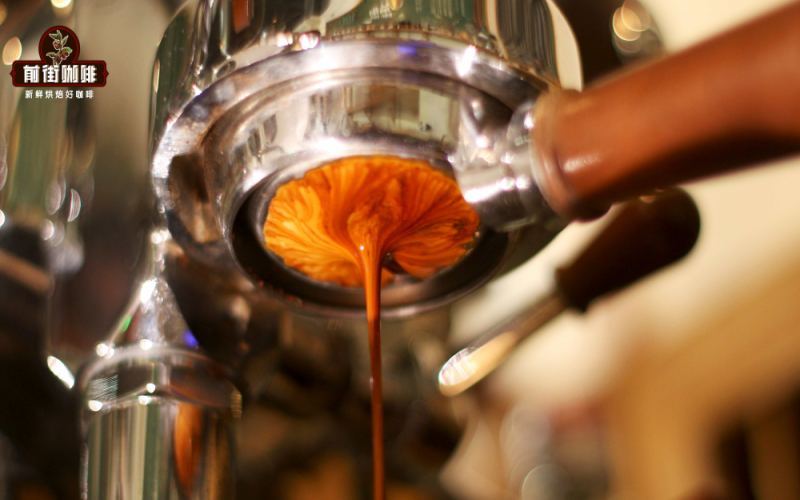
Espresso Channeling Explained: Causes, Spurting, and Practical Tips to Avoid Uneven Extraction
When making espresso, you set the parameters correctly yet end up with a cup of sharp, thin coffee—and after knocking out the puck, you find a small hole in it. Behind this puzzling phenomenon, it is actually "channeling" at work. This article will walk you through what channeling is, why it occurs, and how to avoid extraction sputtering and uneven extraction through bean selection, resting, dose control, and proper distribution and tamping. It will also recommend two espresso recipes—Front Street Classic Blend and Front Street Strawberry Candy Espresso—to help you make stable, delicious espresso at home. [more…]
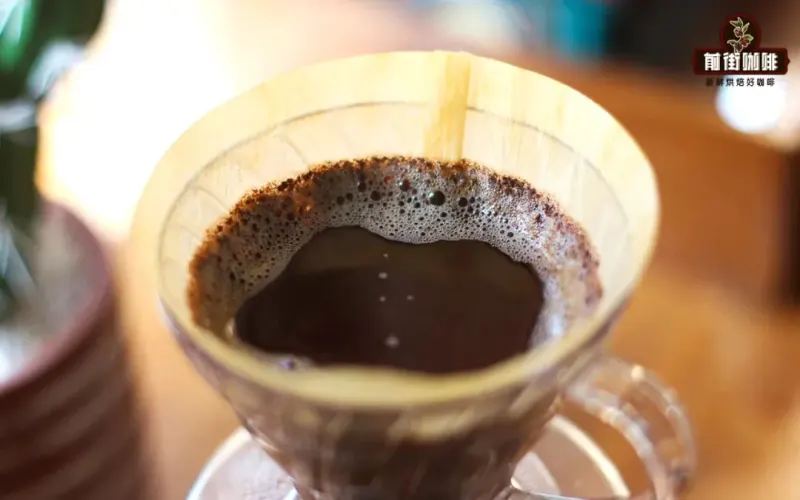
The Correct Way to Use a Showerhead Drip Filter in Pour-Over Coffee: A Detailed Guide to Flow Strength, Clogging Risks, and Stirring Techniques
For beginners, mastering the pouring technique in pour-over coffee is often difficult to stabilize, and in recent years many small辅助 brewing tools have appeared on the market. Front Street Coffee recently got its hands on a pour-over accessory called the "showerhead dripper," whose shape closely resembles a lotus seedpod and can automatically split hot water so it drips gently, thereby making extraction more even. In addition to the showerhead itself, it also comes with a stirring rod, used to make up for the drop in extraction efficiency caused by insufficient water flow impact. However, when using this kind of tool, details such as flow rate and the number of holes still need attention. This article will combine actual operation to explain in detail how to use the showerhead dripper, whether excessively strong water flow can cause clogging, and the specific key points of the stirring method. [more…]
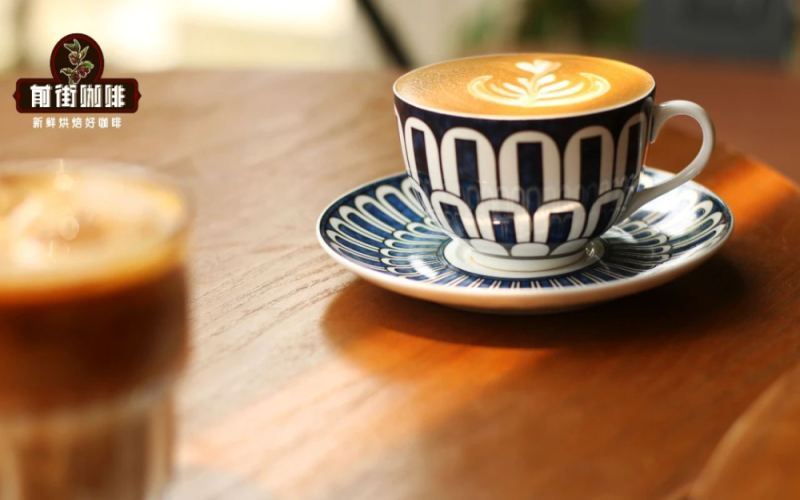
Why Can't You Pull Lines in Latte Art Etching? Mastering Milk Foam Thickness and Steaming Technique Is Key
Many coffee enthusiasts try latte art themselves after watching videos, only to find that they just can't get the rippled lines to come out. In fact, the problem usually lies in the milk foam—ripple patterns place extremely high demands on the thickness and denseness of the milk foam. Drawing on the hands-on experience of Front Street Coffee, this article explains in detail how to steam thin yet dense milk foam suitable for ripple patterns by controlling the position of the steam wand, the steaming angle, and the amount of air intake, and summarizes four common problems—over-blending, foam that is too thin, the pitcher spout touching the cup, and uneven swirling—to help you find the real reason your latte art is failing. [more…]