







Search Results for: slow service
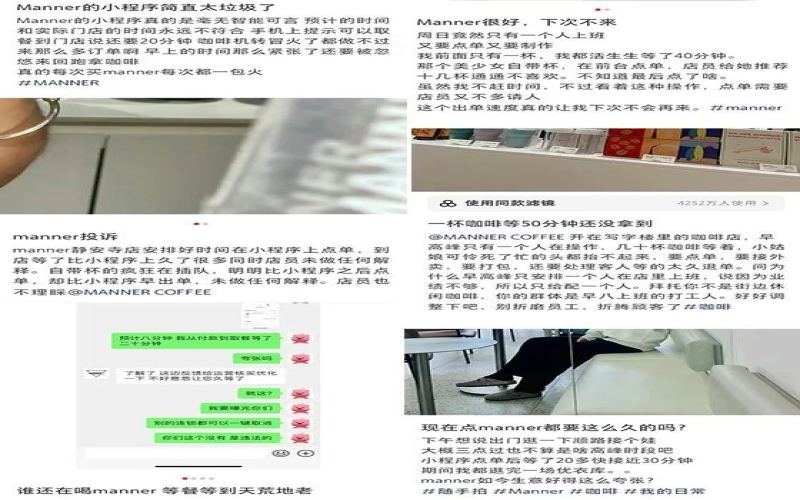
Manner's Slow Service Sparks Heated Debate: Store Staffing Arrangements Draw Criticism, Customers and Employees Alike Call for Improvement
Manner Coffee has won the favor of many consumers with its high cost-performance and thoughtful service. Bringing your own cup and ordering ahead via the mini-program have become daily choices for many office workers. However, recently, complaints about slow order fulfillment at Manner stores have been increasing. The completion times shown in the mini-program are severely inconsistent with actual wait times, and waits of twenty minutes or even an hour during peak hours are common. What dissatisfies consumers even more is that some stores are staffed by only one employee, who is overwhelmed when orders surge, causing customers and delivery riders to be stranded for long periods. Some netizens left bad reviews due to slow order fulfillment, but received a reply from the store saying that "the employee involved has been seriously dealt with," sparking widespread controversy. This article will sort out the course of the incident, netizens' views, and the actual situation of Manner employees, and explore how the brand can balance efficiency and employee care amid rapid expansion. [more…]
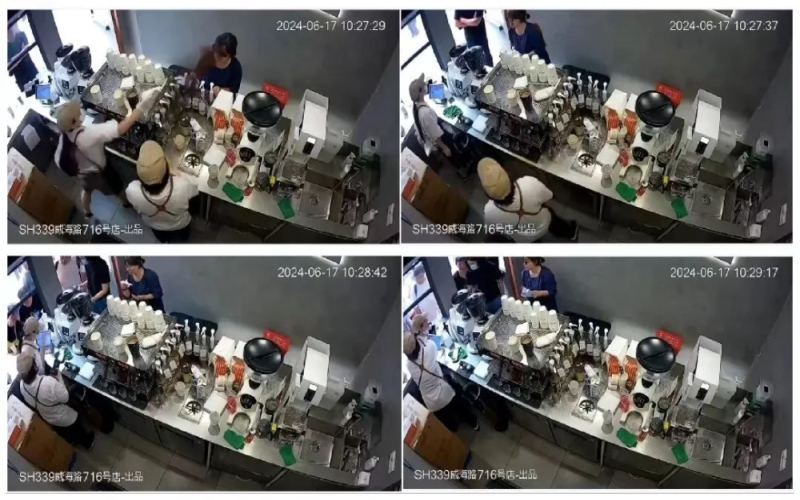
Manner Coffee Store Conflict Incident: Barista Emotional Outburst and Customer Dispute Spark Industry Reflection on Labor Practices
Recently, two intense disputes between staff and customers occurred at Manner Coffee stores in succession, drawing widespread attention. In one incident, due to slow service, an emotional staff member threw coffee powder at a customer, while another escalated into a physical conflict over order催促. The brand responded by dismissing the employees involved, but the issues reflected behind the incidents—such as understaffing at stores and excessive pressure on employees—have become the focus of discussion among netizens and loyal customers. As coffee enthusiasts, we can't help but ponder: while pursuing efficiency, how can we ensure service quality and employee rights? Front Street Coffee has always followed industry trends, advocating rational consumption and humanistic care. [more…]
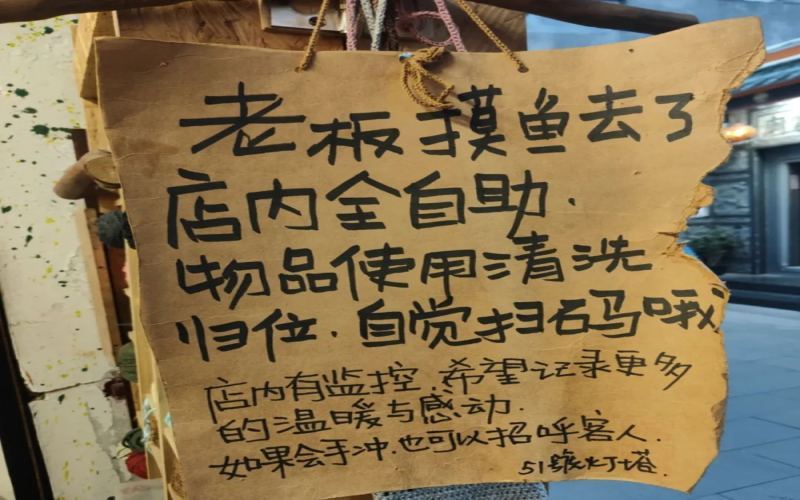
This laid-back coffee shop on Dongshan Island has gone viral thanks to its owner's carefree style, with self-service brewing creating a uniquely relaxing experience.
On Dongshan Island, there is a small coffee shop that can barely fit a sofa and two stools, yet it has unexpectedly become popular thanks to the owner's laid-back approach to running the business. Here, customers can quietly browse coffee beans and brew them themselves, with no overzealous hospitality and no heavy commercial atmosphere. Some people come specifically hoping to run into the owner who's out slacking off, while others are drawn by that "slacking-off manifesto" sign. This down-to-earth, zen-like vibe happens to strike a chord with urban workers' longing for a slower pace of life and a sense of human warmth. This article will take you inside this special coffee shop to see what makes it feel so welcoming. [more…]

Why is it not recommended to have espresso beans ground by the roaster? The deep impact of carbon dioxide loss on espresso extraction and crema
Many coffee bean merchants offer grinding services, including Front Street Coffee, but for espresso extraction, Front Street Coffee does not recommend choosing pre-ground coffee. The reason is not just that the flavor is lost more quickly, but more critically, the carbon dioxide in the coffee beans dissipates in large amounts. Carbon dioxide plays an important role in espresso extraction by building crema and slowing down the flow rate. Once ground into powder, flavor and gases escape more rapidly, the crema becomes thinner day by day, the extraction speed increases, and it can even lead to under-extraction. At this point, the only remedies are adding more coffee or adjusting to a finer grind, but the portafilter basket has limited capacity, leaving very little room for adjustment. This article provides a detailed analysis of the specific effects of pre-ground coffee on espresso extraction, and recommends that those who have requirements for taste and crema prioritize whole beans. [more…]
Can the self-service coffee model succeed? Examining the opportunities and challenges of craft-beer-style operations through two stores in Wuhan and Guangzhou
In recent years, a new format has emerged in China's coffee market—self-service coffee shops, where consumers pay a fixed fee and can then drink unlimited cups of various freshly brewed coffees, a model much like a craft beer bar. Wuhan's first self-service coffee shop opened with a 22-yuan wristband for all-day unlimited drinking of 6 freshly brewed coffees, and after 5 p.m. it even offers half price, quickly attracting attention on social platforms. Guangzhou had previously also seen a self-service store offering only two kinds of coffee, black and white, with 8 insulated buckets lined up on the bar, dispensing coffee at the press of a button. This type of model focuses on speed, low cost, and a multi-flavor experience, but it also faces shortcomings such as dependence on foot traffic for site selection, difficulty ensuring product quality, and a lack of atmosphere and social attributes. Can self-service coffee truly spread across the country and become a new normal in coffee consumption? This article will explore this in light of examples and industry views. [more…]
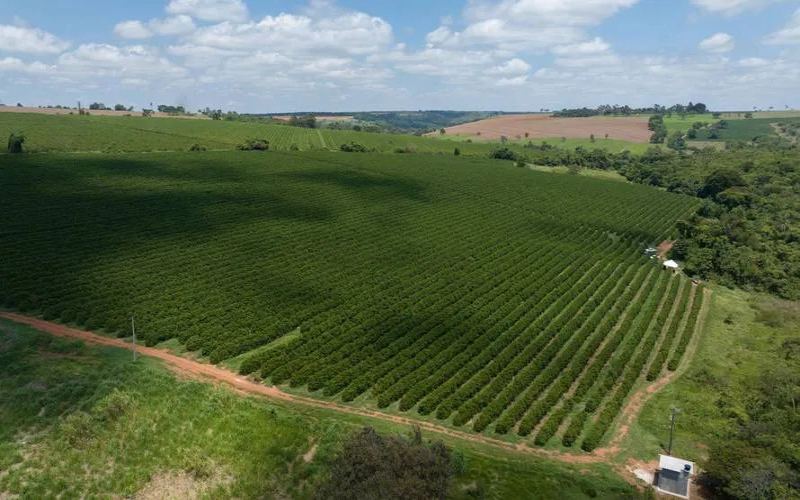
Brazil's November Coffee Exports Up 5.4%, Strikes and Logistics Hurdles May Weigh on Subsequent Shipments
According to the latest data from the Brazil Coffee Exporters Council, Brazil's coffee exports reached 4.662 million bags in November, up 5.4% year-on-year, while export revenue surged 62.7% due to rising international prices. Cumulative exports in the first 11 months of this year have set a new historical record, but fell month-on-month, as producers slowed sales amid higher futures, exchange rate fluctuations and uncertainty over the new crop season. At the same time, port logistics bottlenecks and an indefinite strike by customs auditors from the Federal Revenue Service are bringing additional costs and delay risks to the export chain. With both Brazil and Vietnam troubled by drought and global supply tightening, Arabica and Robusta futures continue to climb, and coffee prices are expected to remain high in the short term. Follow origin developments, and Front Street Coffee will continue to bring frontline news. [more…]
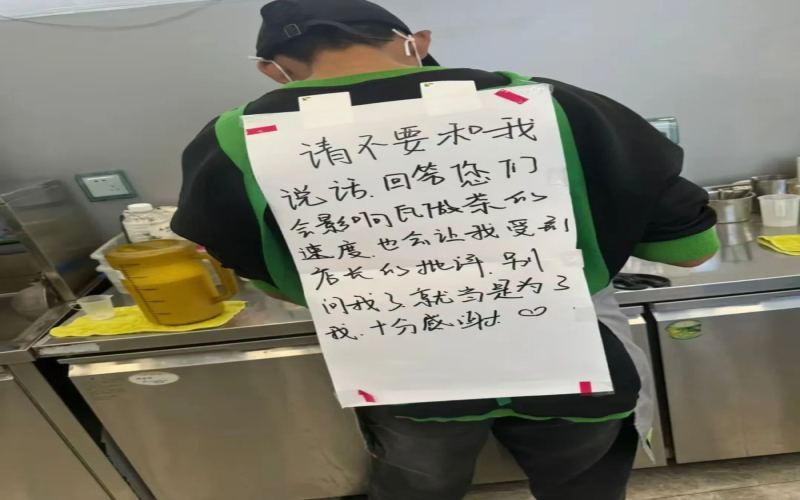
Tea shop employee wears note on back begging customers not to chat, sparking debate over one-person-multiple-roles dilemma
Recently, a customer at a tea shop noticed a prominent large-print notice posted behind the back of an employee who was busy making tea with their back turned. The notice asked customers not to talk to them, explaining that responding would slow down tea preparation and could lead to criticism from the store manager. After the photo was shared online, it quickly sparked heated discussion. Some found it novel and amusing, others pointed out wording errors, and some expressed confusion—given how widespread self-service ordering is today, why would such a situation still occur? Workers, however, revealed a different reality: many stores, in order to cut labor costs, assign only one person on duty, leaving employees to juggle multiple roles and genuinely having no spare capacity during peak hours. Behind this seemingly humorous note is a real conflict between staffing levels in the tea industry and customer communication. Front Street Coffee invites you to take a closer look. [more…]
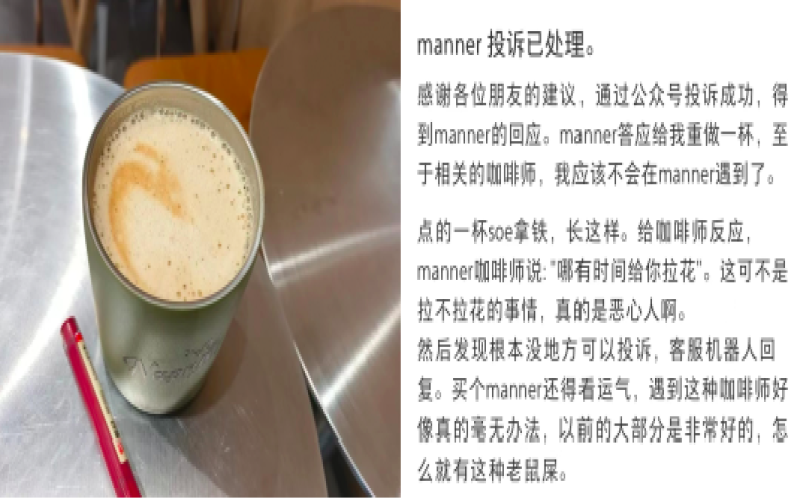
A latte without latte art cost a barista their job? Manner service controversy sparks industry reflection.
In today's world, where specialty coffee culture is increasingly widespread, latte art has become almost a standard feature of hot lattes. However, when a latte without latte art was served to a customer, the ensuing complaint actually led to a barista losing their job—an incident at a Manner store that quickly went viral on social media. Some spoke up for the barista, arguing that latte art is merely decorative and inconsequential; others pointed out that since the brand has clear regulations, an employee who responds perfunctorily to customer feedback is indeed hard to exonerate. Behind this lies not only the relationship between latte art and coffee quality, but also the deeper conflicts faced by chain coffee brands amid rapid expansion—between staffing shortages, service standards, and consumer rights. [more…]

Luckin baristas collectively complain: behind the Xiaohongshu ordering guides are ice counts, no-sugar-no-milk requests, and bizarre notes
Recently, Luckin's iced drinks have been under continuous scrutiny due to issues of too much ice and shrinking portions after removing ice. Many consumers have started sharing "high cost-performance ordering strategies" on platforms like Xiaohongshu, from specifying the amount of ice to requesting less milk and less sugar, no sugar and no milk, and even asking for cilantro in their lattes. These seemingly meticulous notes have left café baristas complaining bitterly: counting ice cubes slows down service, removing flavored syrups ruins the taste, and requests to remove ice from frappuccinos are even more absurd. This article compiles genuine complaints from frontline baristas and also reminds consumers that seemingly troublesome requests aimed at brands often end up pressuring frontline workers. [more…]
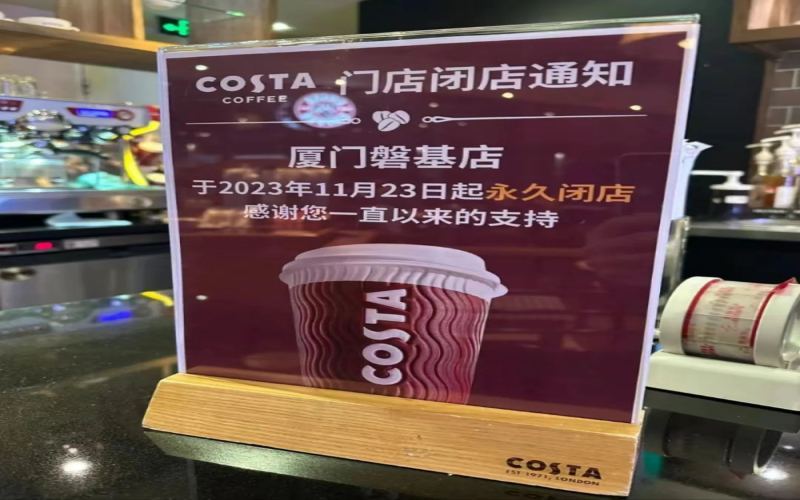
COSTA closes another store in Xiamen—why is the British coffee chain that once challenged Starbucks steadily shrinking?
COSTA, which once opened stores right next to Starbucks and made a high-profile entry into the Chinese market, is now becoming less and less visible in many cities. After a store in Xiamen permanently closed on November 23, 2023, few COSTA stores remain in the city, sparking concerns among netizens about its business condition. Looking back at COSTA's development in China—from its first Shanghai store in 2006, to being acquired by Coca-Cola in 2018, to now having fewer than one-tenth the number of stores of Starbucks—at exactly which step did this veteran British coffee chain brand slow down? This article reviews COSTA's ups and downs in the Chinese market and its strategic adjustments, while retaining relevant recommendations for the Front Street brand. [more…]
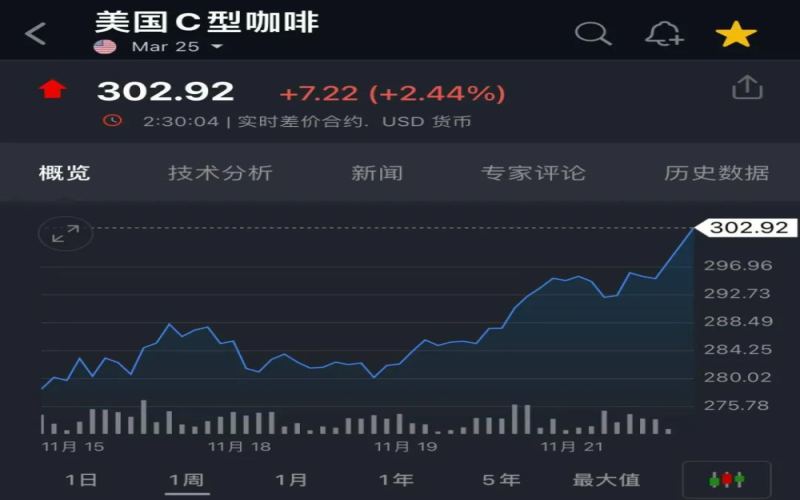
Coffee futures break through 300 cents to a 13-year high, with Brazilian drought and tight inventories as the main drivers
Recently, U.S. C-type coffee futures prices have been climbing steadily, breaking through the 300 cents per pound mark, touching an intraday high of 303.93 cents, and finally closing at 302.92 cents, setting a new 13-year record and simultaneously driving Robusta coffee futures higher. The core driver of this rally comes from the USDA Foreign Agricultural Service (FAS) sharply lowering its forecast for Brazil's 2024/25 production to 66.4 million bags, a 5% reduction from the previous USDA estimate of 69.9 million bags. Combined with multiple factors including Brazil experiencing its worst drought since 1981 and inventories shrinking 26% year-on-year, market concerns over global coffee supply continue to intensify. Producing countries such as Honduras have also seen reduced output due to adverse weather, further exacerbating the tight supply situation. [more…]
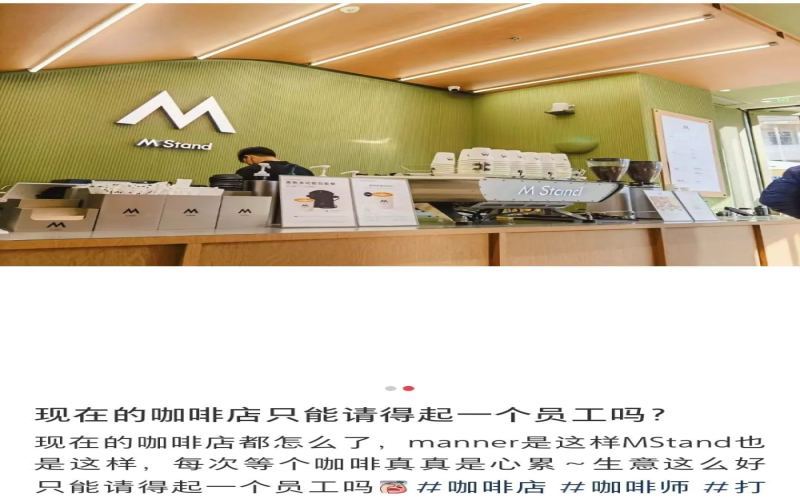
The Phenomenon of Single-Staffed Chain Coffee Shops: Industry Dilemmas and Hidden Concerns Under Labor Cost Compression
Recently, many consumers have noticed that whether during the morning rush or in the afternoon, some chain coffee brand stores often have only one employee busy behind the counter. Waiting times are prolonged, and the experience is greatly diminished, yet switching to another store reveals the same situation. What exactly is happening behind this? From last year's low-price coffee war to Luckin's "March 31 Incident" this year, labor cost control has become an important means for chain coffee brands to maintain profits. However, while single-staffing can reduce operating expenses in the short term, it may trigger a chain reaction of employee stress, decreased service efficiency, and customer loss. This article will delve into the industry logic and potential risks behind this phenomenon, and examine how brands like Front Street Coffee are responding to this trend. [more…]
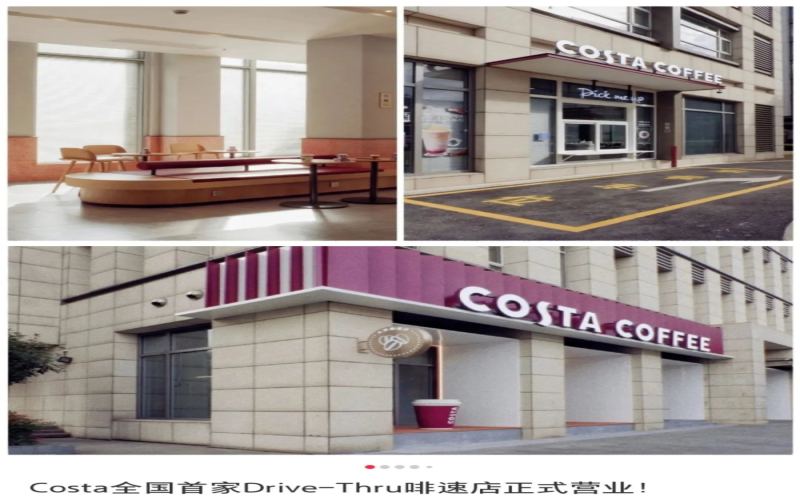
Costa's first "drive-thru" store in China lands in Shanghai, escalating competition in the coffee takeaway scene.
Competition in China's coffee market is extending from the number of stores to the battle for consumption scenarios. Recently, Costa Coffee opened its first "drive-thru" store in China on Tainan West Road in Pudong New Area, Shanghai. This model, which allows customers to pick up their orders without leaving their cars, has a history of many years overseas, but is still a novelty in China. Notably, the store also offers meeting room rentals and co-working services, putting it in direct competition with the "shared space" concept store previously launched by Starbucks. Costa once regarded Starbucks as its biggest competitor, but the gap in store scale between the two in China is now quite obvious. Whether this "drive-thru" store can help Costa accelerate its expansion in China is worth continued attention. [more…]
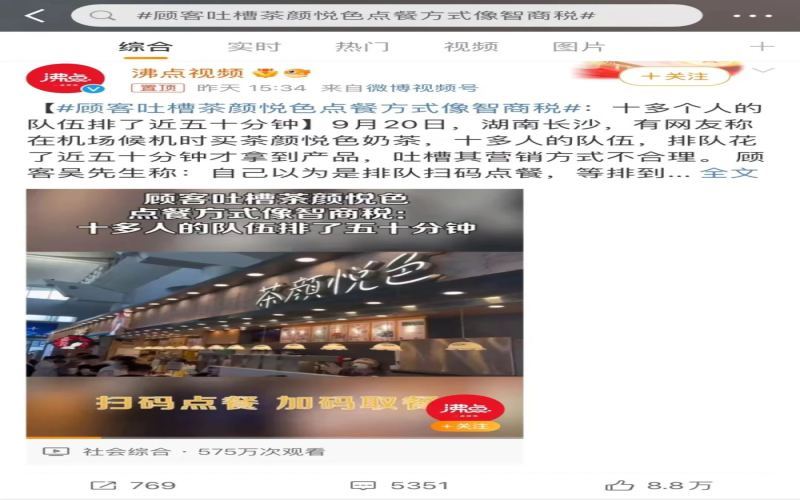
Tea Yanyuese's queueing and ordering rules spark controversy again, official response fails to quell netizens' dissatisfaction
Recently, Chayan Yuese has once again become the center of public attention due to its ordering and pickup rules. Some customers at the Changsha airport store waited nearly fifty minutes before getting their drinks, questioning its cumbersome ordering process and unreasonable marketing methods, which struck a chord with many. In fact, Chayan Yuese has adjusted its ordering rules multiple times, and consumers have kept complaining. Although the company responded officially that the new rules are meant to ensure the texture of the milk foam, netizens were not convinced. This article reviews the course of the incident, the views of various parties, and the brand's response, and explores the logic and controversy behind the queuing phenomenon in the milk tea industry. [more…]
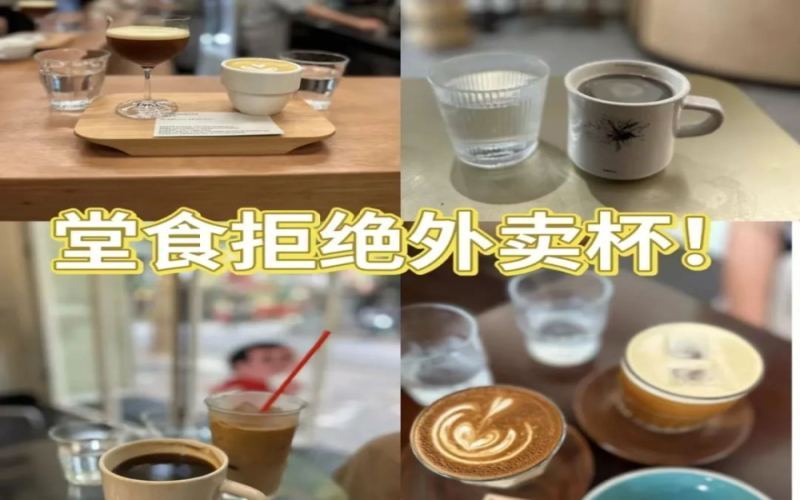
Why Do Coffee Shops Often Use Takeaway Cups for Dine-In? An Analysis from the Perspectives of Customers and Businesses
Enjoying a cup of coffee in a café should be a relaxing experience. However, when the drink is served in a disposable takeaway cup, does your experience suffer? Some prefer the ambiance of dine-in cups, while others favor takeaway cups due to hygiene concerns; businesses make choices based on operational efficiency and cost. This article explores the considerations behind dine-in versus takeaway cups from two dimensions: customer psychology and store operations, and points out that cup choice is closely tied to a store's positioning. Additionally, some people bring their own cups—which type are you? Front Street Coffee believes that attention to detail in service often determines the success or failure of the experience. [more…]
A Review of the World's Top Ten Famous Coffee Chains: A Flavor Journey from Starbucks to Front Street
Coffee has long become part of modern daily life, and the chain brands found on street corners are precisely an important force driving the popularization of coffee culture. This article reviews ten representative coffee brands from the United States, Japan, Germany, Italy, the United Kingdom, Canada, Singapore, and China, covering Starbucks, Doutor, Tchibo, Ditsch, Second Cup, illy, Costa, McCafe, The Coffee Bean & Tea Leaf, as well as Guangzhou's local Front Street Coffee. Each brand has its own unique historical background and business philosophy, from affordable positioning to specialty roasting, from fast-food speed to slow craftsmanship, together forming a diverse picture of the global coffee market. Whether you seek convenience or care about flavor, you can find names worth knowing in this list. [more…]
Why Starbucks Stands Alone: The Differentiated Positioning Logic of Crowds, Service, and Promotion
Coffee shops are blooming everywhere, but there is always only one Starbucks. Its success is not accidental, but stems from a set of positioning logic completely different from traditional cafes. This article dissects, from three dimensions—crowd targeting, service strategy, and promotion methods—how Starbucks precisely locks onto the white-collar group, how it uses space and equipment design to accelerate customer flow, and how it places its marketing focus on brand image rather than the product itself. At the same time, it analyzes the real implementation of the "third place" concept in the Chinese market, and how this concept has trapped many local coffee shop owners in operational difficulties. For coffee enthusiasts and industry practitioners, understanding Starbucks' atypical path helps to rethink the survival logic of coffee brands. [more…]
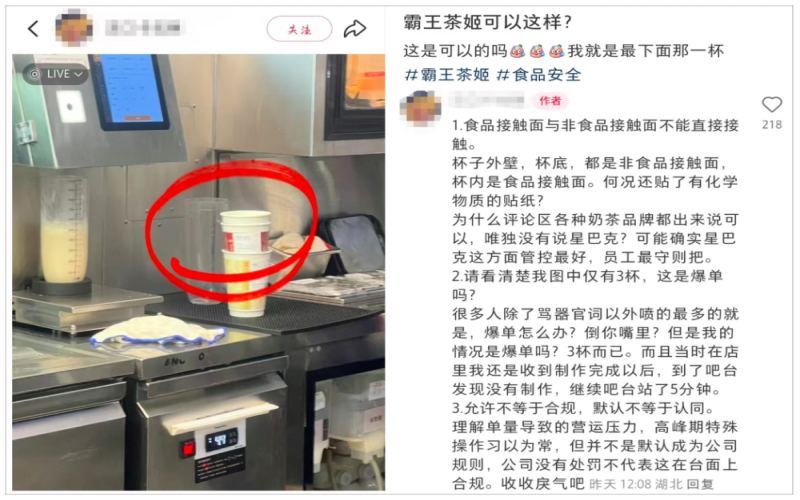
Bawang Chaji's stacked paper cups operation sparks controversy: customers question food hygiene, staff say it's a helpless move during peak hours
Recently, a customer picking up an order at a Chagee store noticed that staff had stacked labeled paper cups one inside another, with their own cup at the very bottom. This raised concerns about possible food contamination from the cup walls coming into direct contact with the inside of another cup. The post quickly sparked widespread discussion: many bubble tea shop employees pointed out that unused paper cups are already stacked when they leave the factory, and that stacking cups during peak hours is a common practice to save counter space and speed up service. But most consumers were not convinced, noting that brands such as Starbucks, Luckin Coffee, and Heytea have explicit rules against this practice. Behind this debate lies the real dilemma facing tea beverage stores as they try to balance the pressure of order surges with hygiene standards. [more…]
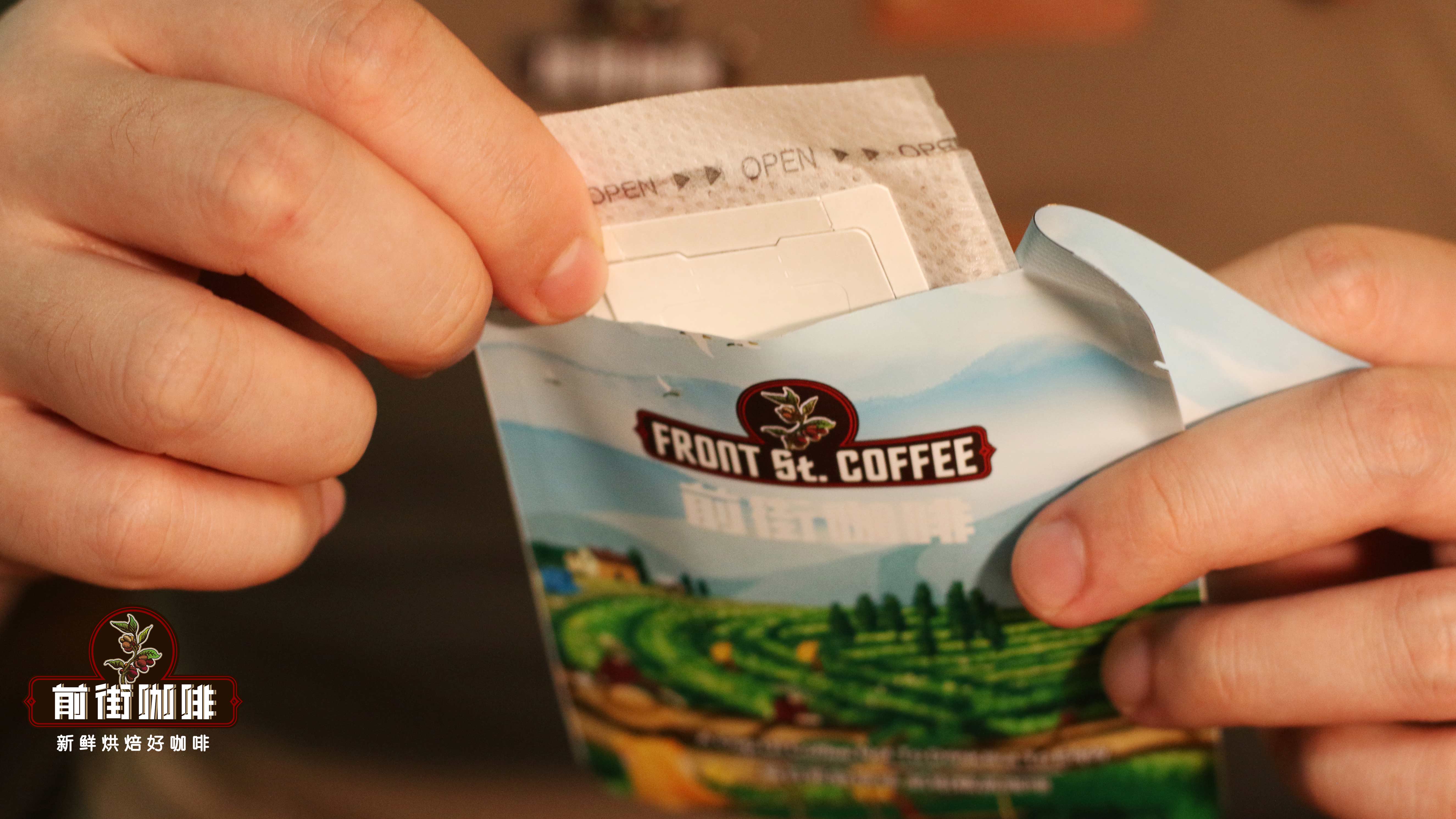
A hands-on test of five Front Street drip coffee bags with distinct flavors: a complete guide from bean selection to brewing
Since the drip bag coffee was invented by Yamanaka Sangyo Co., Ltd. of Japan in 1990, it has gradually become a daily choice for specialty coffee lovers with the advantage of both convenience and quality. Front Street Coffee has long provided drip bag coffee packs for sale and custom services. This article will present five distinctive flavor drip bags in full, from bean selection and production to brewing—covering tea-like, floral, fruity, fermented, and full-bodied profiles—along with detailed grinding, packaging, and brewing steps to help you easily recreate a good cup of coffee at home. [more…]
Coffee bean recommendations for opening a shop: roast level determines your menu's character
The roast level of coffee beans directly shapes a shop's flavor impression. Light roasts more easily bring out floral, fruity, citrus, and tea notes, making them ideal for highlighting a region's character; medium roasts tend to balance sweetness, acidity, and body, giving them broad menu versatility; dark roasts, meanwhile, build familiarity through cocoa, nut, and roasted aromas. When choosing beans for a shop, you can start with [more…]