







Why Does a Self-Service Coffee Shop on Dongshan Island Draw Crowds?
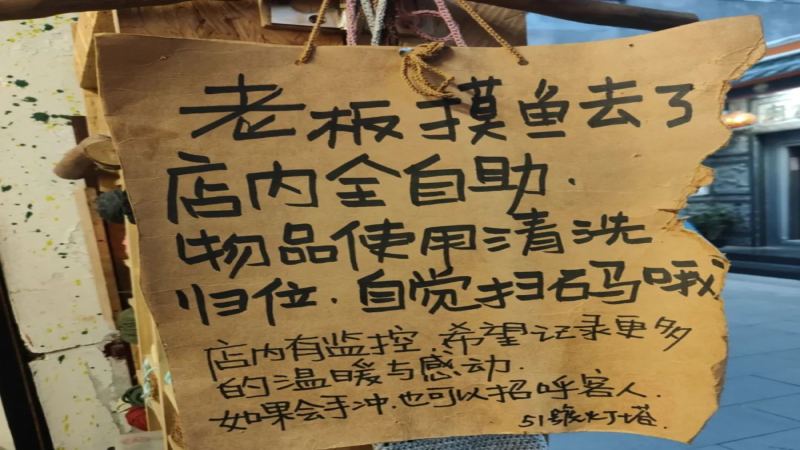
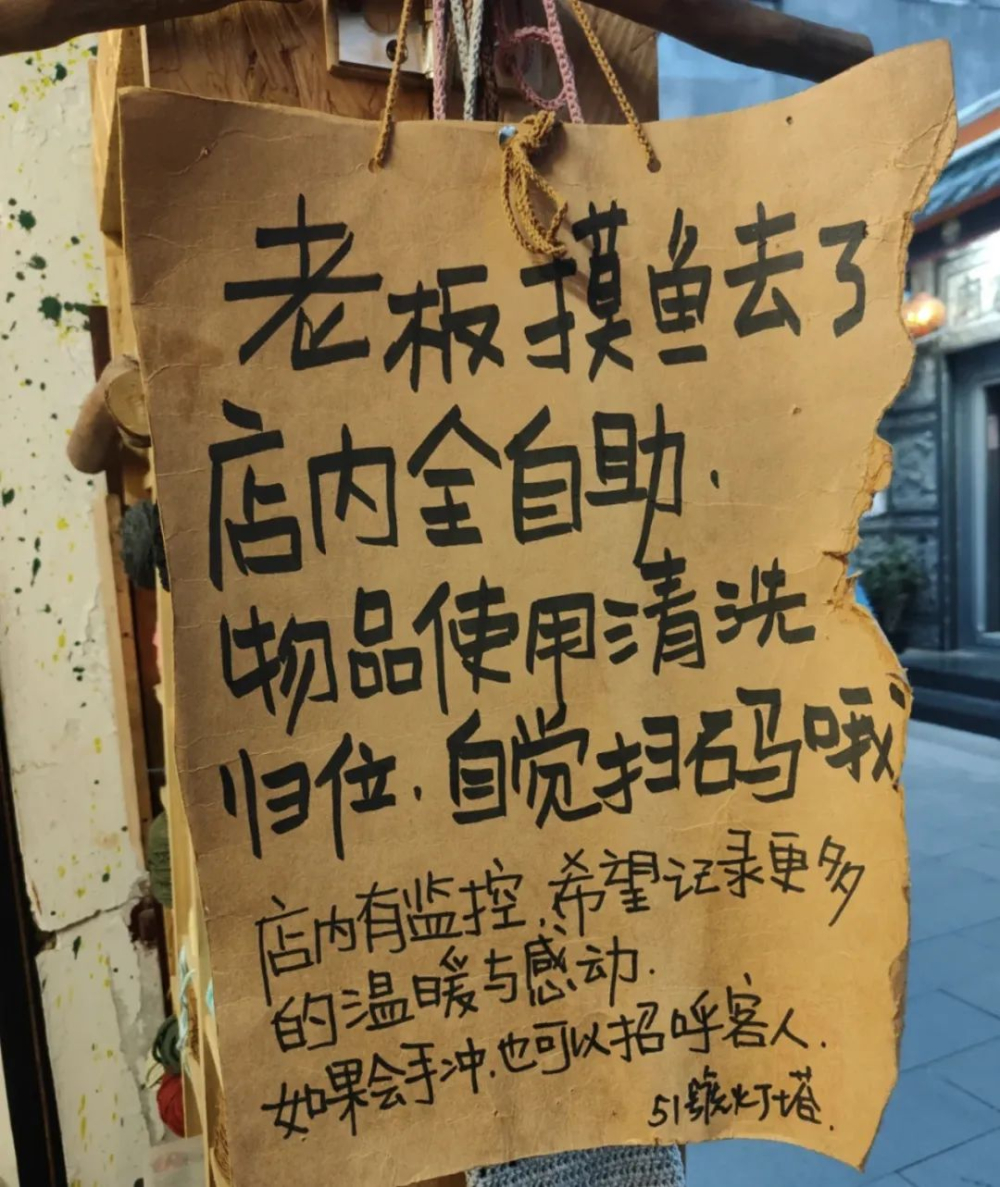
A tiny coffee shop on Dongshan Island has become popular by doing the opposite of hospitality. The space holds one sofa and two stools, and customers choose their own beans and brew the coffee themselves. The owner labels each bag with its brewing method and flavor profile, then often slips out, leaving a sign that jokes about slacking off. Socially anxious visitors say the lack of fuss suits them.
No barista hovers, no heavy commercial styling, and strangers sometimes trade pour-over tips across the room. Regulars make the trip hoping to catch the owner in. The appeal sits against a market where shops open by the thousand, and it echoes a wider curiosity about coffee's origins, including who grows coffee beans and what a coffee beans name actually tells you about flavor.
On Dongshan Island, there is a small coffee shop that has room for only one sofa and two stools, yet it has unexpectedly become popular because of the owner's laid-back attitude toward running the business. Here, customers can quietly choose coffee beans and brew them themselves, with no overzealous hospitality and no heavy commercial atmosphere. Some people come specifically hoping to run into the owner who has slipped out to slack off, while others are drawn by that "slacking-off manifesto sign." This down-to-earth, zen-like vibe happens to strike a chord with urban office workers' longing for a slower pace of life and a sense of human warmth. This article will take you into this special coffee shop and show you why it makes people feel so at home.
There is a coffee shop on Dongshan Island with very limited space—only enough room inside for one sofa and two stools. But it is precisely the owner's casual, do-as-he-pleases way of running the shop that has drawn many people to come and check it out.
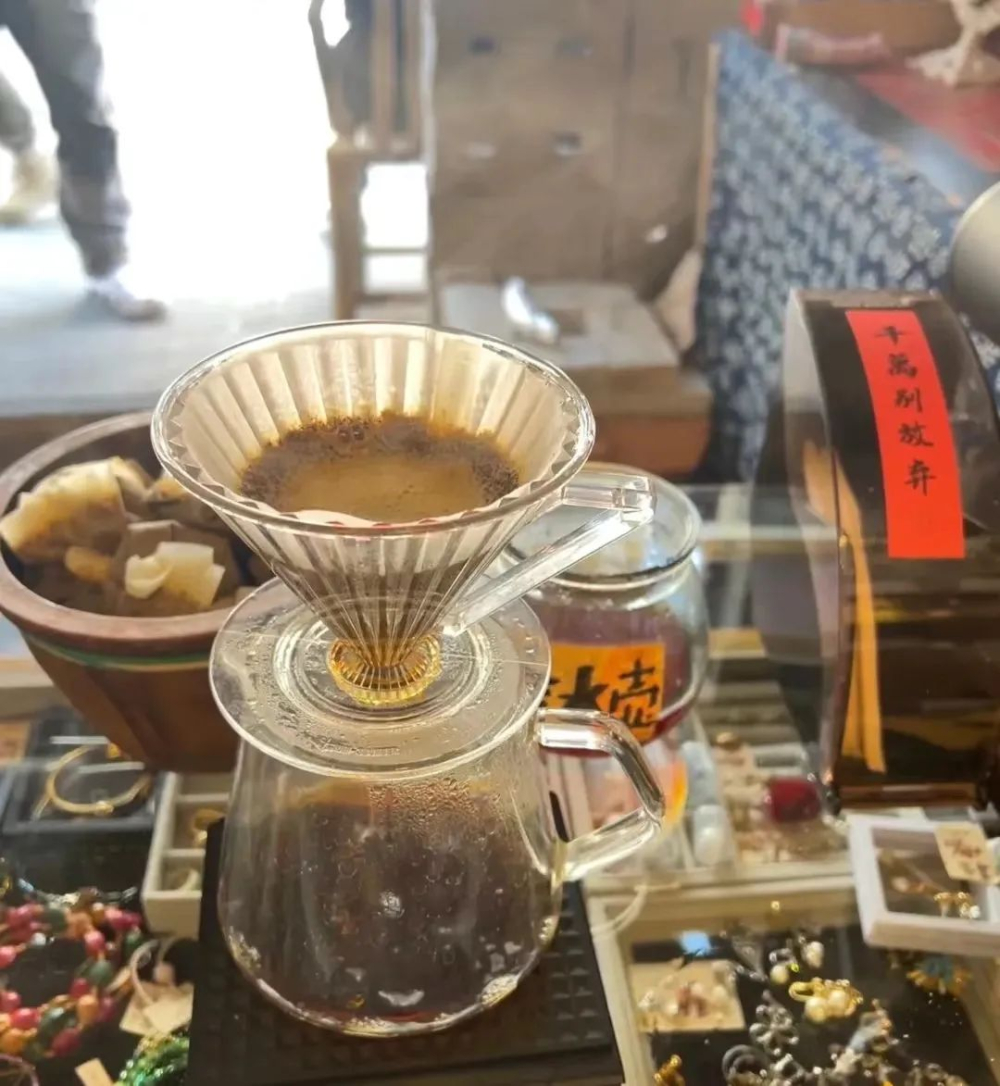
One customer commented online that for someone like them with social anxiety, coming across a coffee shop like this is simply wonderful. There is no need to deal with overly enthusiastic greetings from a barista, and you can quietly pick out coffee beans on your own. The owner labels each bean's brewing method and flavor profile on the packaging. After choosing the flavor they like, customers brew it themselves and slowly savor the coffee in the quiet summer, which feels especially pleasant.
Another netizen expressed affection for this atmosphere, saying that there is no heavy commercial vibe here, strangers can get to know one another through coffee, and occasionally customers who are good at pour-over coffee will voluntarily help others brew a cup.
Because the owner often slips out to slack off, some customers even make a special trip just to try their luck and see whether they can meet this zen-like boss. And when customers do show up, the owner greets them warmly, as if seeing old friends.
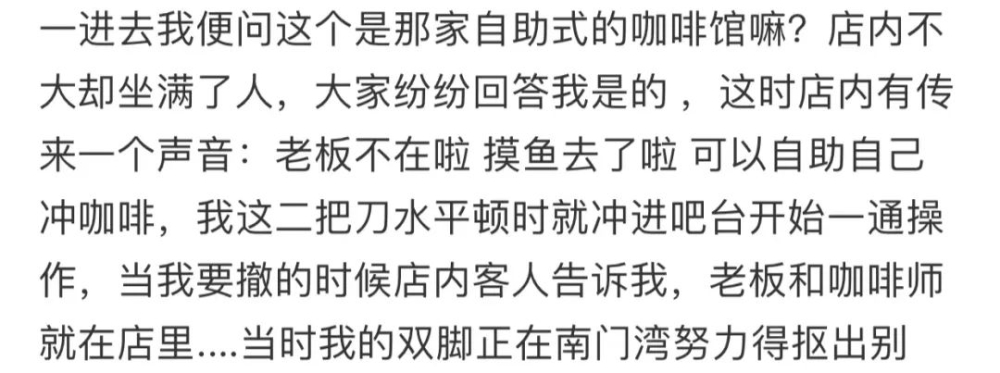
Another netizen also shared a funny story about this zen-like shop owner ⬇️
This shop was originally quite ordinary, but the owner's zen-like attitude unexpectedly became its biggest highlight. That sign bearing the "owner's slacking-off manifesto" also turned into the shop's most iconic zen-like symbol.
Nowadays, coffee shops are springing up by the thousands. In terms of decor style, many coffee shops have also begun taking the "zen" route in order not to be drowned out by the wave of homogenization.
The zen style is usually very down-to-earth, conveying an attitude of "whether we make money or not doesn't matter; being happy is what matters most," thereby diluting the commercial flavor and giving customers a sense of feeling at home.
For example, from certain shop names or ways of speaking, you can feel the owner's zen-like mindset, and it also easily attracts passersby's attention.

Perhaps there are many coffee shops more professional than this one, and plenty of lavishly decorated shops as well, but the owner's friend-like way of welcoming people—neither too warm nor too cold, just right—and that warm sense of making people feel at home are the reasons everyone prefers the zen atmosphere in coffee shops.
The first reason people like the zen style is novelty. This kind of uncompetitive zen shop makes people curious about how on earth it makes a profit, and before they know it, they have walked inside.
The second is that in the fast-paced, accelerating life of the city, there are truly few environments that let people slow down and steal a little leisure time. Urban office workers live regular lives of nine to six and five days on, two days off, yet inwardly they long for a zen life of doing as they please and following their mood entirely.
The third is that in a city thick with commercial atmosphere, zen-style small shops remind everyone of the simple human warmth once found among rural neighbors.
The above content is compiled by CoffeeHunters, a coffee news website.


