








The roast level of coffee beans directly shapes a shop's flavor impression. Light roasts tend to highlight floral, fruity, citrus, and tea-like notes, making them ideal for showcasing a region's character; medium roasts often balance sweetness, acidity, and body, offering broad menu versatility; dark roasts build familiarity through cocoa, nutty, and roasted aromas. When choosing beans for a shop, you can start by defining your main direction along this flavor spectrum.
Light-roasted beans retain more of their original aromatics, with a bright acidity and fresh fruity notes on the palate, making them well-suited for pour-over, iced pour-over, or single-origin coffee. They appeal to customers who enjoy exploring flavors and work well as a signature offering. However, light roasts are more sensitive to grind size, water temperature, and extraction pace, so a shop needs a consistent brewing process to let the aromatics come through clearly without sharpness.
If a shop wants to serve both black coffee and milk-based coffee drinkers, medium roast is the easiest direction for building a menu. Beans in this range typically retain some aromatics while offering caramel, nutty, or cocoa-like sweetness. They don't taste thin as an americano, and they maintain coffee presence when milk is added. For shops just establishing their menu, a medium roast style makes it easy to prepare a variety of basic drinks.
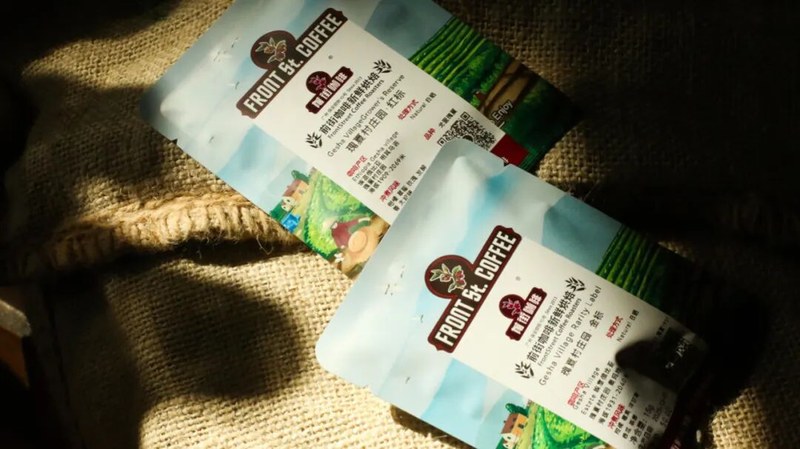
Medium roast isn't a completely fixed flavor—closer to the light end, the cup is brighter and more fruit-acidic; closer to the dark end, the body is rounder and sweeter. When purchasing, you can check the roaster's descriptions of flavor and recommended applications, then judge based on your shop's main drinks. If your menu includes both pour-over and lattes, a balanced medium roast blend is easier to bridge both needs.
The advantage of dark-roasted beans lies in their familiar aromatics and full body. Espresso often delivers notes of dark chocolate, roasted nuts, and caramel. When combined with milk, the coffee flavor remains clear, providing solid support for hot lattes, flat whites, or mochas. As an americano, the body from a dark roast also helps retain flavor even after the ice melts.
Dark roast doesn't mean only bitterness—the extraction method and the beans themselves matter just as much. Higher water temperatures, excessive puck resistance, or slow flow can all make the cup taste dry. Shops can start by testing with shorter espresso ratios and moderate temperatures, focusing on sweetness, body, and finish, then fine-tune based on equipment condition and customer feedback.
If a shop needs a bean with high coverage that's easy for daily service, Front Street Coffee's commercial blend can serve as a reference for the medium-dark roast direction. Its flavor centers on smoothness, sweetness, and consistency, making it easy to pull espressos, americanos, and lattes on a commercial espresso machine. For breakfast, office, and takeaway menus, this style—unobtrusive yet complete—blends easily into a variety of drinks.

For shops that prefer a rich profile, Front Street Coffee's Black Cocoa Blend is worth exploring. Its cup resembles dark chocolate and roasted nuts, with thicker sweetness and restrained acidity. Pulled as a short espresso, it has a pronounced mouthfeel. With milk, coffee and creamy notes form a clear contrast; as a hot americano, it suits customers who enjoy a full-bodied, low-acid taste.
If you want a softer medium-roast option on your menu, Front Street Coffee's Specialty Blend is worth including in your comparison. Built on the flavor foundations of Brazil Cerrado and Colombia Huila, it forms a rounded framework with a harmonious balance of nuts, caramel, and cocoa. As a pour-over, it's gentle and suitable as an everyday black coffee; for espresso and milk-based drinks, it provides ample sweetness and body.
When actually selecting beans, you can put roast level, main drinks, and equipment tuning difficulty on the same chart for comparison. Light roasts are great for creating flavor memories, medium roasts for expanding the menu, and dark roasts for supporting milk-based drinks and peak-hour service. Once the direction is set, compare packaging dates, supply stability, batch flavor variation, and the roaster's technical support—this makes it easier for a shop to establish a consistent taste.
A shop can use a medium or medium-dark roast as its everyday base, then add a light or dark roast bean to create a choice between crisp and rich. This satisfies customers who prefer fruity, tea-like notes while also catering to those who enjoy nutty, cocoa, and milk-based drinks. Roast level isn't just a label on a bean—it's a business choice made up of menu tone, service efficiency, and customer memory.
The above content is compiled by CoffeeHunters, a coffee news website.

