







Search Results for: size upgrade
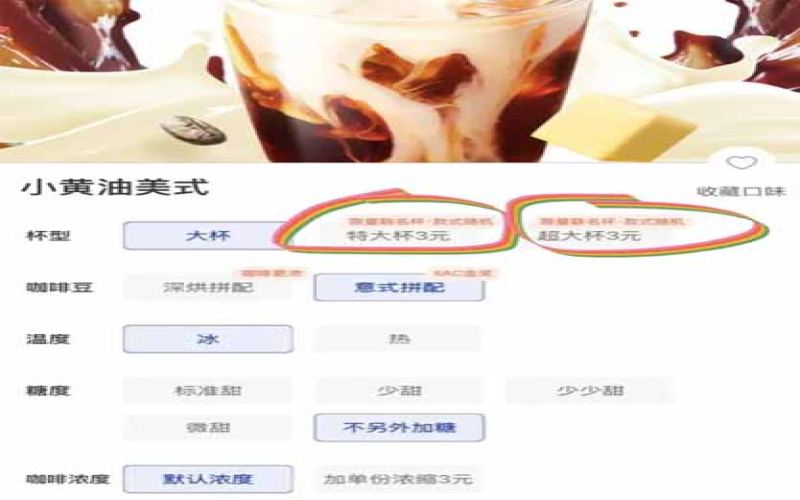
Luckin adds 3 yuan to upgrade to a large cup: The capacities of the extra-large and super-large cups are a mystery, and the upgrade rules leave consumers confused.
Luckin Coffee recently launched two new cup sizes, Extra Large and Super Large, on its mini-program, allowing users to upgrade for an additional 3 yuan. However, the official listing does not clearly indicate the capacity difference between the two, sparking widespread discussion among consumers. Some are delighted by the larger volume, while more are confused about "which is bigger, Extra Large or Super Large," and whether the upgrade means more coffee liquid or just added water. Store employees give inconsistent explanations—some say the cup size depends on whether the drink is iced or hot, while others say the recipe adjustments vary by product. Behind this upgrade, Luckin's lack of communication forces users to rely on repeated trial and error to confirm the taste. This article sorts out the whole story and includes related recommendations from Front Street Coffee. [more…]
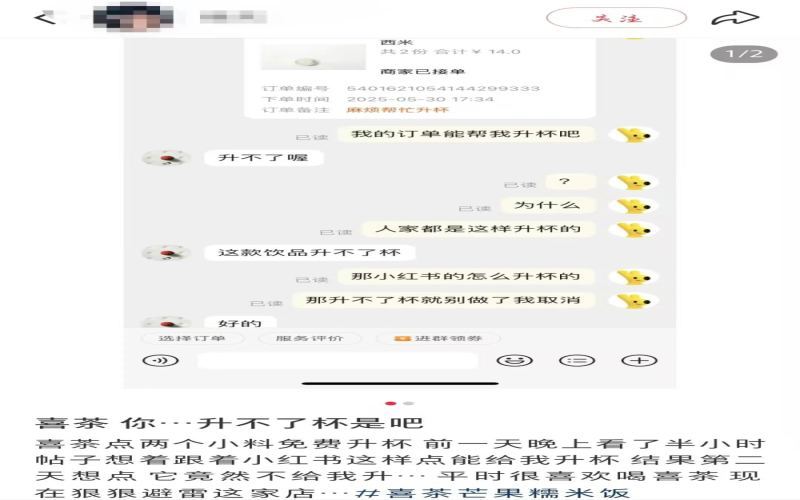
HEYTEA's add-on and upsizing rules spark controversy: why didn't double fruit pulp trigger a free upgrade?
Recently, a consumer shared on social media a frustrating experience with cup upgrades when ordering from Heytea, sparking widespread discussion. The customer ordered a Mango Coconut Sticky Rice drink with double fruit pulp and sago toppings, following an online guide, expecting to automatically receive a supersized cup like other netizens, but was told that an upgrade was not possible. After the incident gained traction, many netizens shared similar experiences, questioning the inconsistency in the brand's upgrade criteria. How exactly does Heytea define its cup upgrade rules? Why do differences in store execution occur? This article will review the sequence of events and analyze the underlying operational logic and possible reasons. [more…]
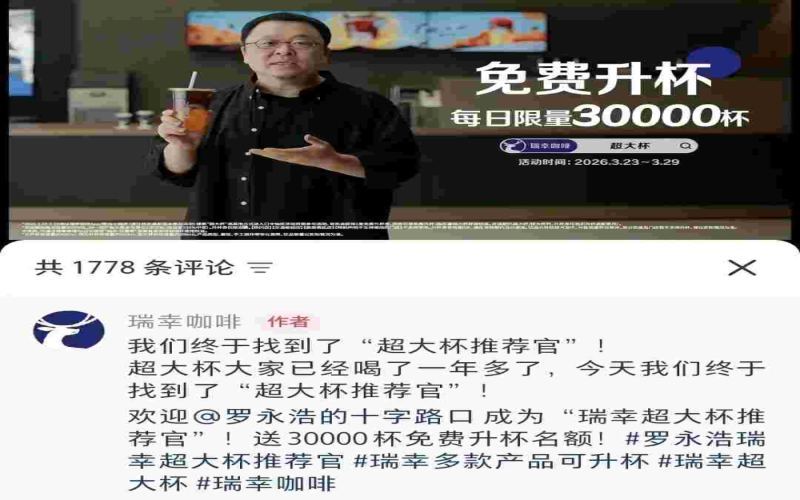
Luckin and Cotti launched extra-large cup promotions on the same day, and the differences in free upgrade rules sparked discussions among consumers taking sides.
Luckin officially announced Luo Yonghao as the Super Size Cup Recommender, and its ad recreates the iconic 2011 micro-film ordering scene, flooding social media. On the same day, Cotti launched "Super Size Cup Unlimited Free Upgrade," with a poster hinting at "no gimmicks, no lottery," and the two brands' tit-for-tat cup upgrade strategies sparked heated discussion. Luckin requires a code word lottery to get a coupon, while Cotti allows direct ordering in the 9.9 zone. Consumers have mixed views on the two sets of rules—some prefer Cotti's no-threshold approach, while others point out that its eligible categories are only 6 items. Behind this capacity upgrade business war lies the competition for user mindshare among coffee brands. Front Street Coffee continues to follow industry trends and bring in-depth observations to enthusiasts. [more…]
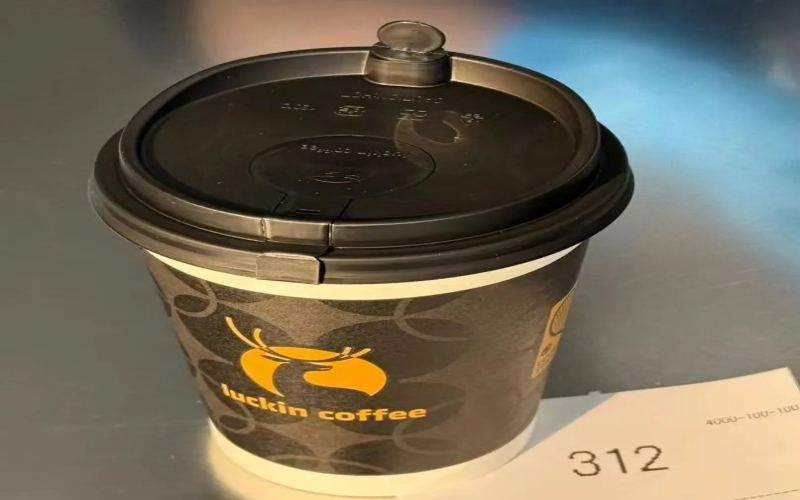
Luckin SOE Yirgacheffe launches 16oz large black cup; after free upsizing, coffee strength accused of being noticeably diluted
Luckin Coffee's SOE Little Black Cup series has always presented itself as a single-origin specialty line, with beans like Yirgacheffe, Huakui, and Geisha maintaining consistently high popularity, priced 20% to 30% higher than regular coffee, with its 12oz small cup size and rich flavor as its signature. However, this Monday, Luckin suddenly added a 16oz size to its SOE product line, allowing the Yirgacheffe Little Black Cup to be upgraded for free to a Big Black Cup for a limited time, covering three classics: Americano, Latte, and Aussie White. The increase in volume at no extra cost seemed like a good deal, but many longtime fans discovered after ordering that the coffee concentration had plummeted, with the Yirgacheffe flavor almost completely gone, and complaints like "watery and bland" and "the upgrade just adds water" flooding social media. Staff later explained that the coffee powder weight had indeed increased, but the increment was far from enough to match the difference in cup volume, and could only be made up with water or milk. For those who prefer a rich taste, Front Street recommends going back to the original Little Black Cup. [more…]
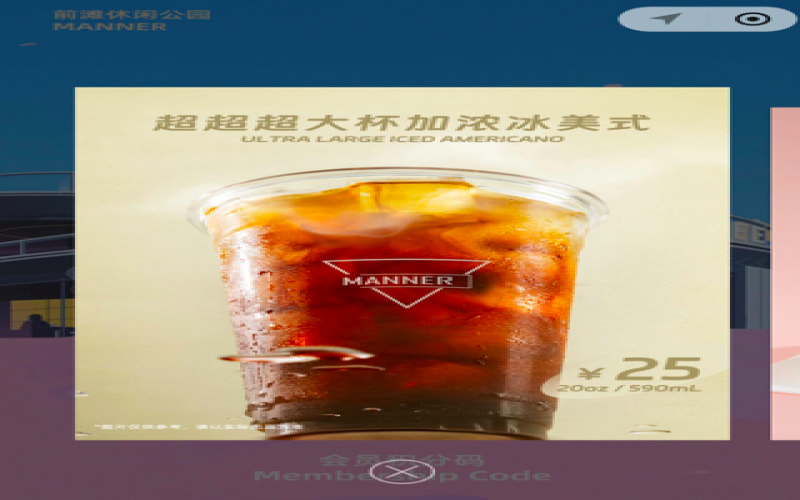
Manner launches a 590ml super-extra-large iced Americano, and the size upgrade adding only 117ml sparks heated discussion
Manner Coffee has recently quietly launched a new product called the "Super Super Super Large Cup Extra-Strong Iced Americano," priced at 25 yuan, with an official cup volume of 590ml. However, many consumers have noticed that compared to the existing 473ml extra-large iced Americano, the capacity has only increased by 117ml, which stands in stark contrast to the expectations created by the three "super" characters in the name. At the same time, an employee revealed that the standard recipe for this new product is 2 shots of espresso, one more than the extra-large cup, but if you add an extra shot of espresso to the extra-large cup, the total price is only 20 yuan and the concentration is higher. The mismatch between capacity, ratio, and price quickly made this new product the focus of discussion among coffee enthusiasts. [more…]
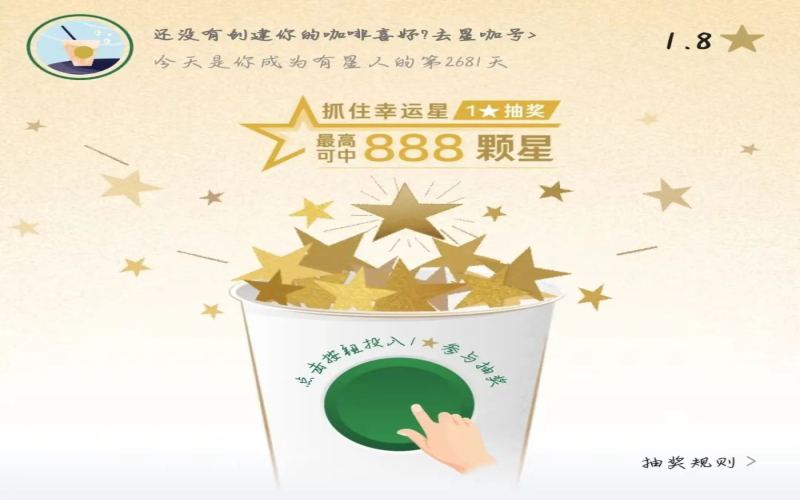
After upgrading its membership program, Starbucks launched a star lottery, and users who invested their inventory ended up with time-limited stars, sparking debate.
The Starbucks app recently completed an upgrade, officially adding the Diamond tier to its membership system, and simultaneously launched a limited-time lottery event where members can participate using stars. The top prize of 888 stars looks tempting—converted at 9 stars for a grande beverage, that's equivalent to 98 free coffees. However, many users only discovered after spending their hard-earned stars that most results merely returned a small number of stars valid for just two weeks, or even came up empty-handed. The odds of winning, the expiration period of rewards, and issues like accidentally tapping and having stars automatically deducted have led some people to jokingly call this event a "star recycling program." [more…]
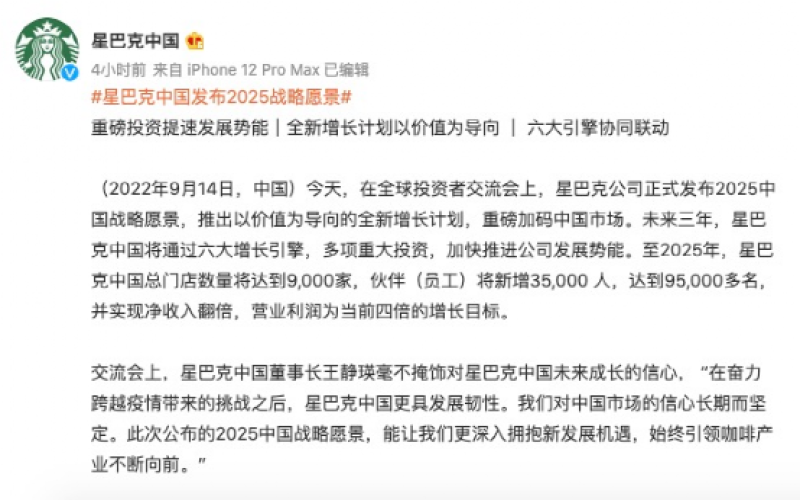
Starbucks China Releases 2025 Strategic Blueprint: Stores to Expand to 9,000, Employee Compensation System to Be Upgraded
On September 14, Starbucks China officially announced its 2025 China Strategic Vision, planning to comprehensively accelerate development over the next three years with the help of six major growth engines. The blueprint covers multiple dimensions, including store network expansion, promotion of the green store certification system, digital membership upgrades, localized new product development, and employee salary increases. According to the plan, by 2025 Starbucks China's total number of stores will climb to 9,000, its workforce will grow to 95,000, and doubling targets have been set for both net revenue and operating profit. At the same time, the Starbucks Coffee Innovation Park will also begin production in the summer of 2023, completing the localization layout of the entire industry chain. In the face of fierce competition from local brands such as Luckin, whether this strategy can help Starbucks consolidate its market position is worth continued attention. [more…]
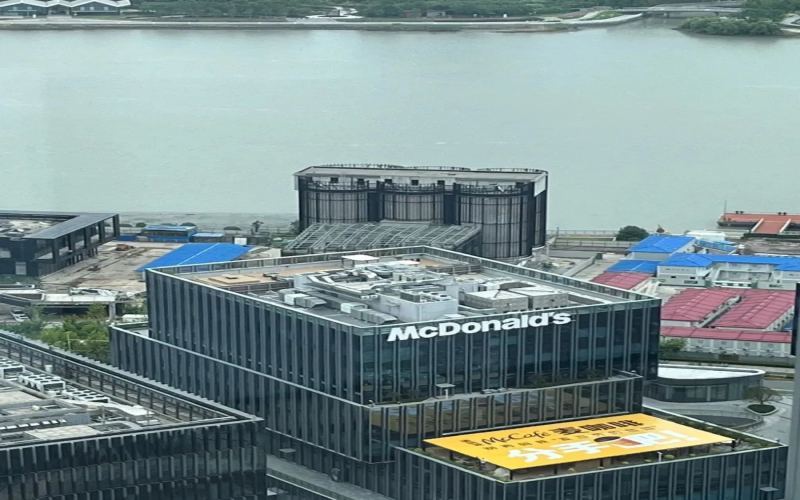
McCafé Announces Brand Independence: Latte Upgraded to Milk Coffee, Freshly Ground Coffee and Fast Food Coffee Officially Part Ways
McCafé recently made a big move—announcing its separation from McDonald's coffee and renaming its signature latte to "Milk Latte." This move sparked quite a bit of discussion: What exactly is the difference between McCafé and McDonald's coffee? And what is this new "Milk Latte" thing? It turns out McCafé has always operated as a store-within-a-store, focusing on freshly ground coffee, while the McDonald's fast-food area sells pre-ground drip coffee. After going independent, McCafé launched four Milk Latte products, with an increased amount of coffee grounds and a 30% higher milk ratio, resulting in a richer taste. Currently, there are nearly 2,500 McCafé stores nationwide, with plans to accelerate expansion in the future. Want to know the story behind this "breakup"? Read on. [more…]
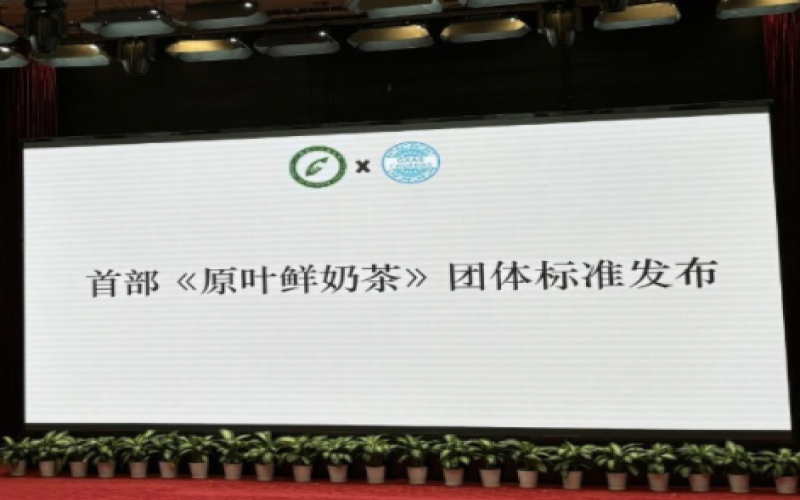
China's first group standard for "Whole-Leaf Fresh Milk Tea" officially takes effect, further accelerating the health-oriented upgrade of new-style tea drinks.
In recent years, consumers' growing attention to beverage health has driven tea drink brands to continuously iterate toward natural ingredients and clean formulas. Against this backdrop, the group standard "Original Leaf Fresh Milk Tea," proposed by the Guangxi Tea Circulation Association and drafted under the leadership of Chagee (Shanghai) Brand Management Co., Ltd., was approved for release and implementation, becoming China's first group standard for original leaf fresh milk tea in the new-style tea beverage sector. The standard clearly defines the terminology and definitions of original leaf fresh milk tea, and sets specific requirements for raw material selection, production processes, storage conditions, and prohibited additives, marking another important step forward in the standardization of the freshly made tea beverage industry. [more…]
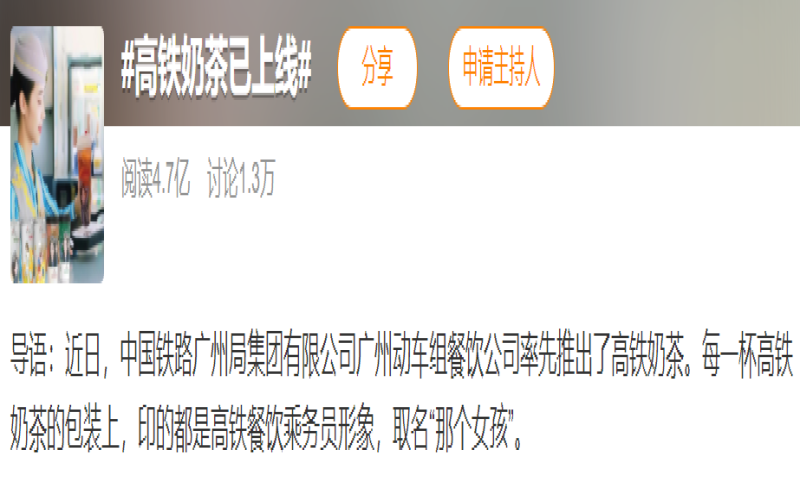
Official Response on High-Speed Rail Milk Tea Pricing: Four Products Priced at 26 Yuan, Quality to Be Upgraded
The high-speed rail milk tea "That Girl" launched by China Railway Guangzhou Group has sparked widespread discussion since its debut, with its 26-yuan price tag, taste, and packaging design all becoming focal points of criticism among netizens. In response to the controversy, the head of Guangzhou EMU Catering Co., Ltd. responded on November 16, stating that the pricing takes into account production costs, transportation, and the special operating environment of high-speed rail, in line with relevant department standards, and promised to continuously optimize product quality based on passenger feedback. Whether this high-speed rail milk tea, which sells 3,000 cups daily and is often out of stock, can turn its reputation around is worth watching. [more…]
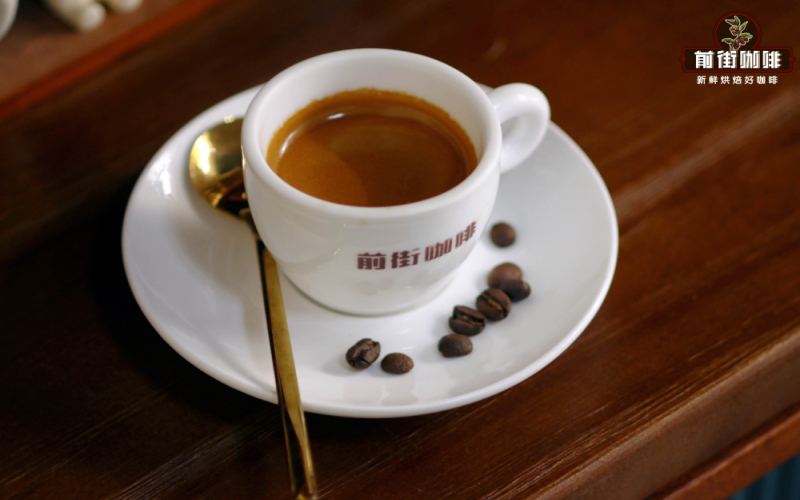
What exactly does SOE coffee refer to? Why is it priced higher than blends? Is it worth paying extra to upgrade Americano or Latte to SOE?
Walking into any specialty coffee shop, you can always spot SOE on the menu, often priced noticeably higher than regular espresso drinks. SOE stands for Single Origin Espresso—espresso extracted directly from coffee beans of one specific origin. It takes a completely different path from blended beans: the former emphasizes the pure expression of a region's flavor, while the latter pursues consistency and balance. An espresso machine amplifies the beans' own character, so not all single-origin beans are suited for SOE—roast level, extraction parameters, and freshness all influence the final flavor. This article will start from the definition of SOE, its pros and cons, its differences from coffee blends, and the extraction recipes for two Front Street Coffee SOE beans, to help you make a clearer judgment before paying extra to switch to SOE. [more…]
Behind the shrinking coffee cup: from large to small, the quality logic of why prices rise instead of fall
In recent years, coffee cups on the street have noticeably shrunk, from the once-common 500ml large size to small 250-300ml cups, yet prices haven't dropped accordingly—instead, they've gotten more expensive. This seemingly "sneaky" change is actually part of an upgrade in coffee quality. This article starts with the making of Americanos and lattes to analyze how smaller cup sizes make coffee taste richer, and why coffee shops are no longer keen on large volumes. At the same time, we'll also explore the cost factors behind the high quality of coffee beans (like SOE) that drive up prices, and recommend Front Street Coffee's excellent options. [more…]
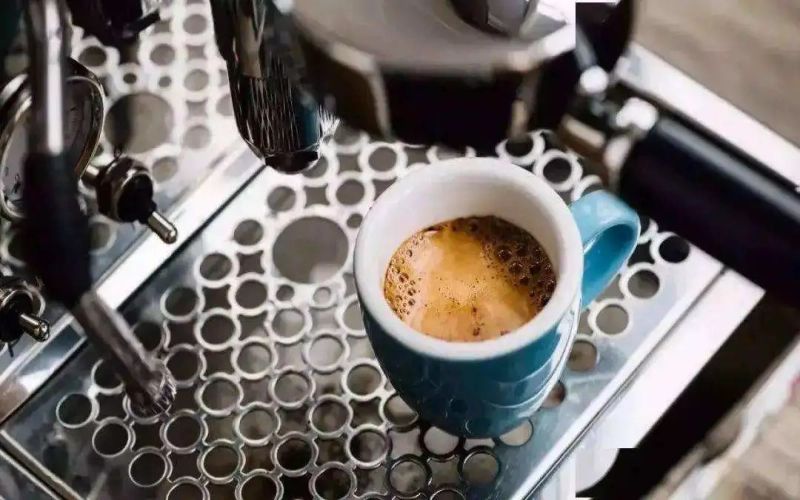
The Road to UNESCO Heritage Status for Espresso and the Century-Long Evolution of the Espresso Machine
A small cup of espresso carries Italy's profound cultural heritage and the marks of change from the industrial age. From the birth of steam-powered coffee machines at the end of the 19th century, to the iterative upgrades of spring piston and semi-automatic espresso machines in the 20th century, and then to today's globally popular café culture, espresso has gone through more than a century of development. At the same time, Italy has been working since 2016 to seek intangible cultural heritage status for espresso, and it has now finally entered UNESCO's formal review process. This article will take you through the history of the development of the espresso machine and bring you the latest progress on its heritage application. [more…]

Major brands are rushing into the coffee arena. Is this a new market opportunity or just a fleeting internet-famous fad?
In recent years, the coffee market has continued to expand, yet competitive pressure within the industry has also intensified. As the number of coffee shops surges, well-known companies such as Sinopec, Huawei, China Post, and Li-Ning have all made cross-industry forays into the coffee business, and the Weizhi Group behind Gold Roast cereal has also increased its investment. Some see this as a reflection of consumption upgrading, while others worry that a stampede of big brands into cross-industry ventures will ultimately end in a mess. Is cross-industry coffee a rational choice that follows market logic, or merely short-term marketing sustained by novelty alone? This article analyzes market data, brand advantages, and industry barriers to explore whether cross-industry coffee can shake off the label of "short-lived internet celebrity." [more…]
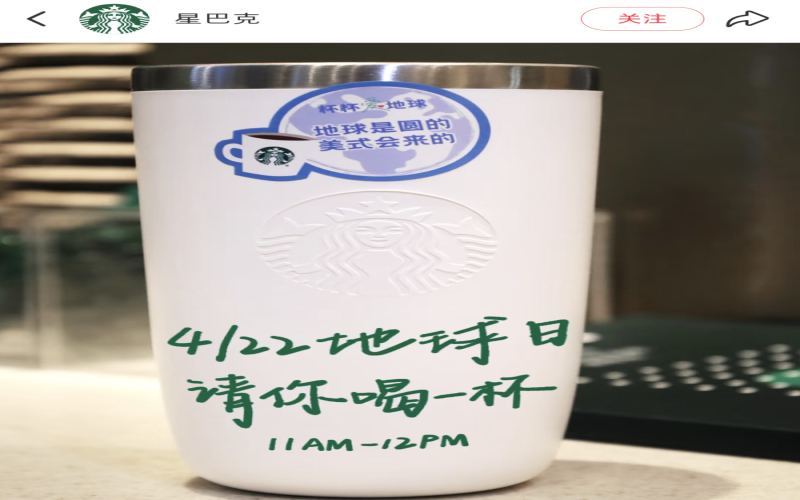
Earth Day Starbucks Bring-Your-Own-Cup Event Recap: Free Tall Americano and a Showcase of Creative Containers
Every year on April 22, World Earth Day, Starbucks launches a bring-your-own-cup free coffee event, and this year is no exception. During the designated time slot, bring a non-disposable container to the store and you can get a free medium Americano; the first 30 people can even upgrade to a Berry Berry flavored Americano. Although the size is limited to medium, there are no restrictions on the type of container, so this event has gradually evolved into an annual "BYOC Cup Showcase" for coffee lovers. From buckets and milk bottles to pickle jars and gourds, all kinds of wildly imaginative containers make their appearance, with office workers quietly taking advantage of the freebie and attention-seekers using the opportunity to show off their cups. This article takes you through the highlights of this year's event to see which containers left the deepest impression. [more…]
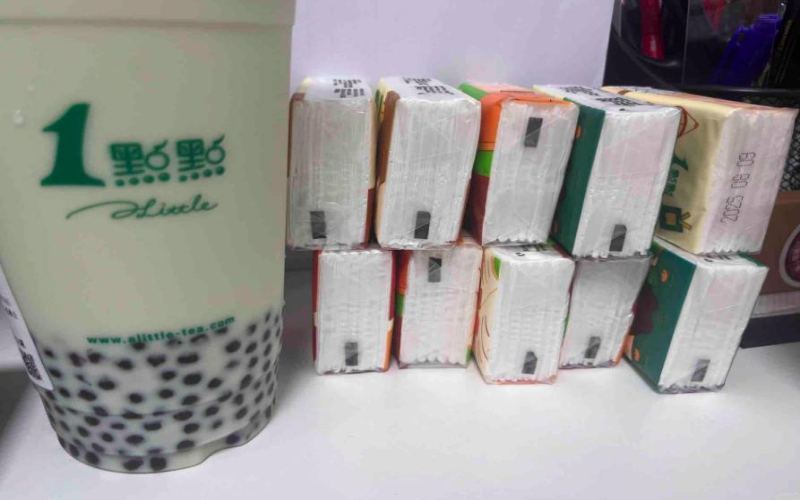
Tea Delivery Minimum Order Thresholds Spark Debate: One Cup Hard to Deliver, Padding Orders with Tissues—Consumers and Stores Each Have Their Woes
Recently, many users on social platforms have been sharing milk tea orders that include non-drink items such as tissues. This is not a brand promotion, but rather the result of consumers being forced to add extra items to meet the minimum order threshold for delivery. Many chain tea and coffee shops set their delivery minimum at 20 to 30 yuan, while a single cup of drink often costs only around ten yuan, leaving customers who just want one cup unable to place an order directly. They can only add tissues, snacks, or upgrade to a larger size to reach the required amount. Some orders also require a minimum actual payment to qualify for free delivery, further adding to the consumer's burden. Store operators say the minimum order fee and delivery rules are set uniformly by brand headquarters and the platform, and franchisees have no authority to adjust them. This discussion surrounding delivery thresholds reflects the real conflict between the demand for single-person, single-cup consumption and platform operating rules. [more…]
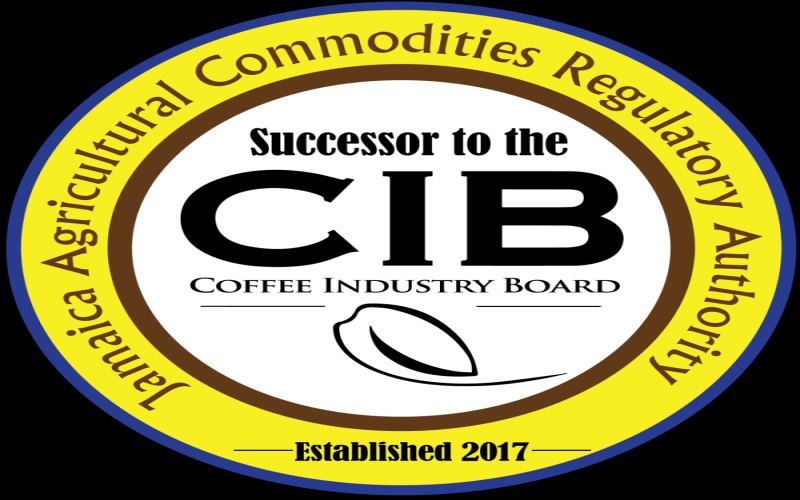
A Complete Guide to Jamaican Blue Mountain Coffee Barrel Markings: From CIB Certification to Estate Stamps
The worldwide fame of Blue Mountain coffee is inseparable from the establishment and strict control of the Jamaica Coffee Industry Board (CIB). From the Industry Management Office in 1948 to its upgrade to the CIB in 1952, Jamaica became the first country in the world to set up a dedicated coffee regulatory body. By delineating production regions, establishing grades, and regulating cultivation and quality control, the CIB set Blue Mountain coffee on the path to specialty status. And Blue Mountain coffee's distinctive wooden barrel packaging not only serves a protective function during transport, but has also become an important mark of authentic Blue Mountain. This article will walk you through the various pieces of information on Blue Mountain coffee barrels one by one, including the CIB certification label, grade numbers, estate name, weight markings, ICO number, and estate logo, and bring you the latest arrival news of Front Street Coffee's Blue Mountain coffee. [more…]

Supermodel Robot Café Coming Soon to Dubai: Will Fully Automated Unmanned Service Replace Baristas?
What happens when barista craftsmanship meets supermodel robots? According to British media reports, the world's first supermodel robot café, Donna Cyber Café, is planned to open in Dubai in 2023. The robot waitstaff are modeled after Eastern European model Diana Gabdullina, featuring silicone skin and lifelike eyes, and can even recognize customers' emotions. The store will operate 24 hours a day, with everything from making coffee to serving ice cream done entirely by robotic arms. Meanwhile, domestically, unmanned coffee kiosks represented by COFE+ are also expanding rapidly and have already been exported to multiple countries. Will robots steal baristas' jobs, or drive the industry's upgrading? This article takes you to find out. [more…]
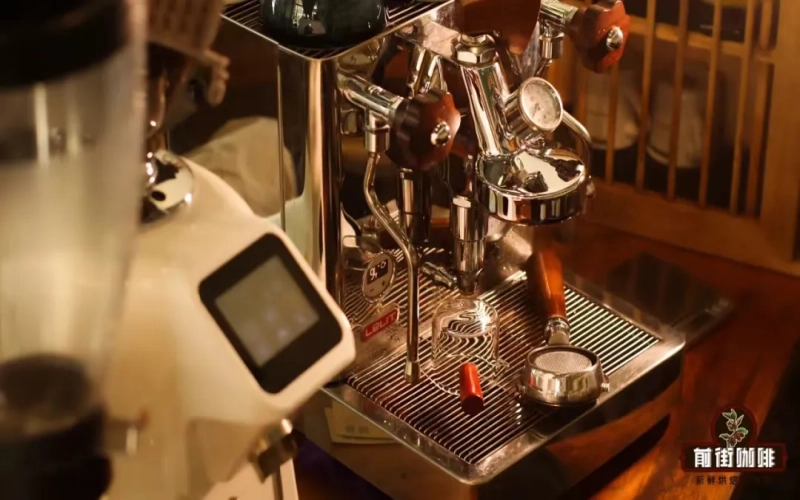
Manual or Electric? How to Choose Between Flat, Conical, and Ghost Tooth Burrs? The Complete Guide to Buying a Coffee Grinder
Faced with the bewildering array of coffee grinders on the market, beginners often don't know where to start. This article systematically sorts out the approach to buying a grinder from three dimensions: power source, price range, and burr structure. Whether you're a pour-over enthusiast just getting started or an advanced player preparing to upgrade your equipment, you'll be able to find a direction that suits you here. The article will also introduce several highly cost-effective electric grinder products recommended by Front Street Coffee, helping you make a wise decision based on your budget and extraction method. [more…]
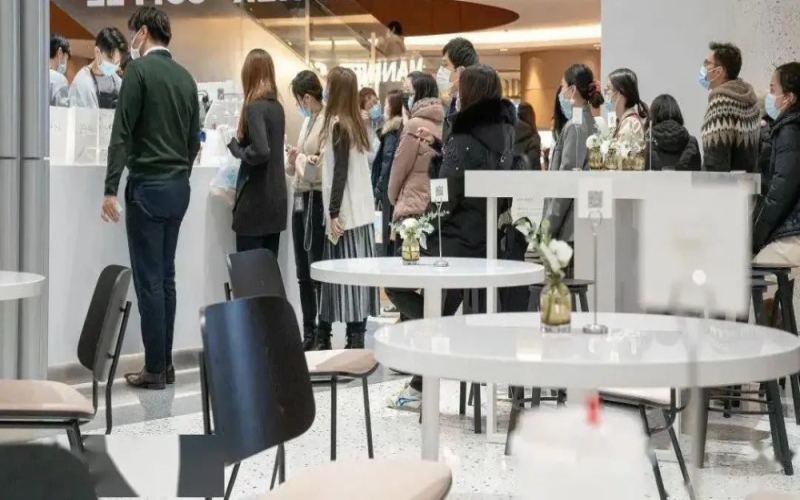
China's Coffee Market Growth Trends and Industry Outlook: An Analysis of the 2023 Scale Trajectory and Consumer Drivers
Over the past two decades, coffee has gradually integrated into daily life in China from a novelty, with the market size continuing to expand. Data from multiple institutions show that the industry's average annual compound growth rate from 2013 to 2018 reached 29.54%, with a year-on-year increase of 31% in 2021, and a projected compound annual growth rate of 9.63% from 2022 to 2025. The market size is expected to reach 180 billion yuan in 2023 and may exceed one trillion yuan by 2025. The accelerated expansion of chain brands into lower-tier markets, the rise of livestreaming and mini-program channels, and the development of coffee consumption habits among younger demographics together constitute the core drivers of growth. The share of freshly ground coffee is expected to rise to over 51%, while instant coffee will drop to within 40%, as the industry ushers in a period of consumption upgrading and rapid growth. [more…]