







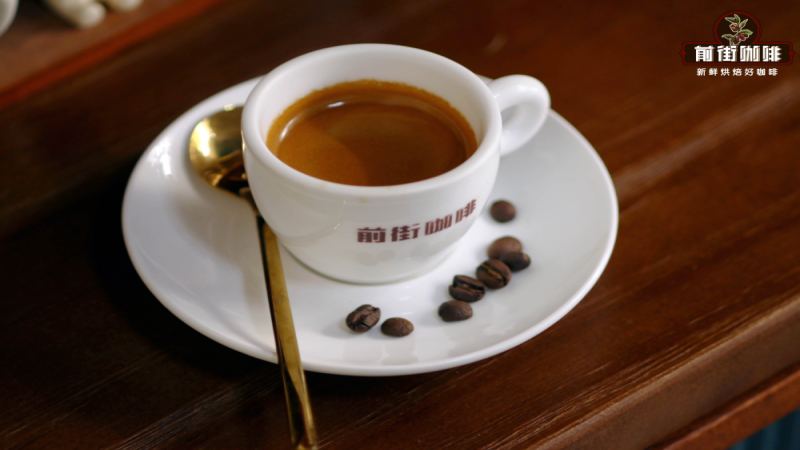
What Does SOE Coffee Mean on a Cafe Menu?
SOE stands for Single Origin Espresso: espresso pulled from beans grown in one specific origin rather than a blend. Because an espresso machine intensifies a bean's inherent flavors, that cup reads as the pure expression of one region, while blended espresso aims for consistency and balance across a repeatable profile.
Not every single-origin bean works as SOE espresso. High-pressure extraction magnifies whatever the bean carries, so a citrus-forward Ethiopia Yirgacheffe turns sharply acidic, while an herbal Indonesia Mandheling tastes bitter and roasty. Roasting changes too: beans headed for an espresso machine are typically roasted darker than the same lot sold for pour-over.
Walk into any specialty coffee shop, and you'll always spot SOE on the menu, usually priced noticeably higher than regular espresso drinks. SOE stands for Single Origin Espresso — espresso extracted directly from coffee beans of a specific single origin. It follows a completely different path from blended beans: the former emphasizes the pure expression of a region's flavors, while the latter pursues consistency and balance. An espresso machine amplifies the beans' own character, so not every single-origin bean is suited for SOE — roast level, extraction parameters, and freshness all shape the final flavor. This article will start from the definition of SOE, its pros and cons, its differences from blended coffee, and the extraction recipes for two Front Street SOE beans, to help you make a clearer judgment before paying extra for SOE.
To learn more about specialty coffee, follow: Front Street Coffee (Frontsteet Coffee)
As espresso grew increasingly popular, SOE espresso entered the public eye alongside it. At Front Street's shops, customers often ask: can I choose my own beans for espresso? Is there an SOE option available?
What exactly is SOE coffee
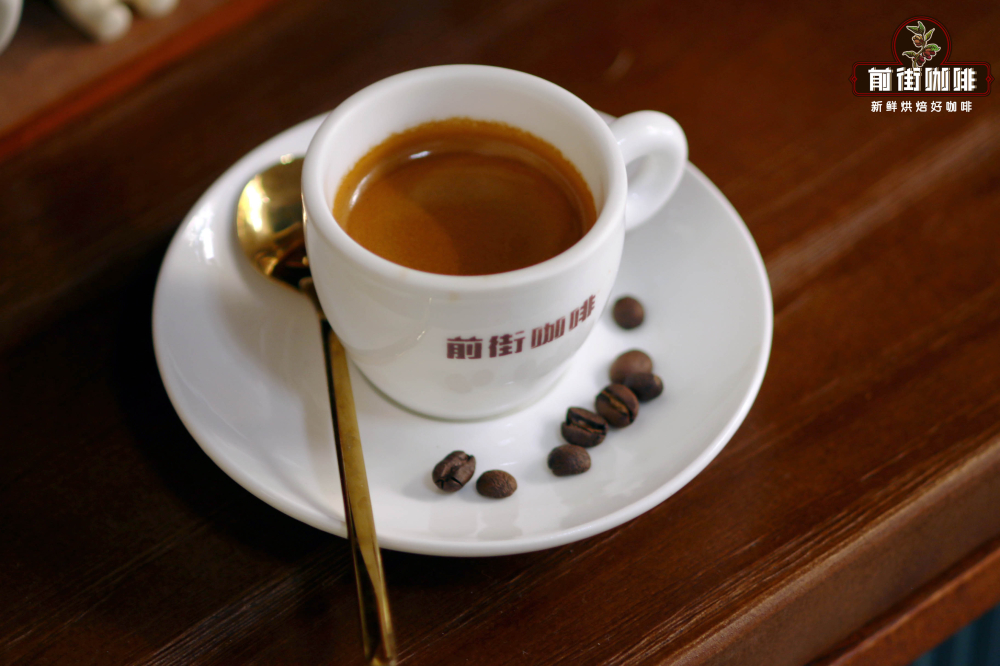
SOE is short for Single Origin Espresso, meaning espresso extracted from coffee beans of the same single origin. For example, if Front Street used Qianjie Ethiopia Yirgacheffe to make espresso, that cup would be an SOE. The English word for espresso itself is Espresso. It's worth noting that not just any bean can be used for SOE.
Espresso machines have a notable trait: they multiply the beans' original flavors. Take Front Street Ethiopia Yirgacheffe — this bean is primarily citrus-lemon in character, with a refreshing style. After high-pressure extraction in an espresso machine, the SOE's acidity becomes exceptionally sharp. Switch to Front Street Indonesia Mandheling, a bean with herbal and earthy notes, and the resulting SOE will be very bitter and roasty.
Market SOE and single-origin beans also differ in roasting strategy. Take a bean with pronounced acidity: pour-over and other drip methods usually use a lighter roast, but once it's headed for an espresso machine, the roast has to go darker. Conversely, SOE beans intended for espresso are theoretically not suitable for pour-over. Likewise, light-roasted beans are mostly unsuitable for espresso machines, because they expand little when absorbing water, making channeling easy and the flavor naturally poor.
What are the characteristics of SOE coffee
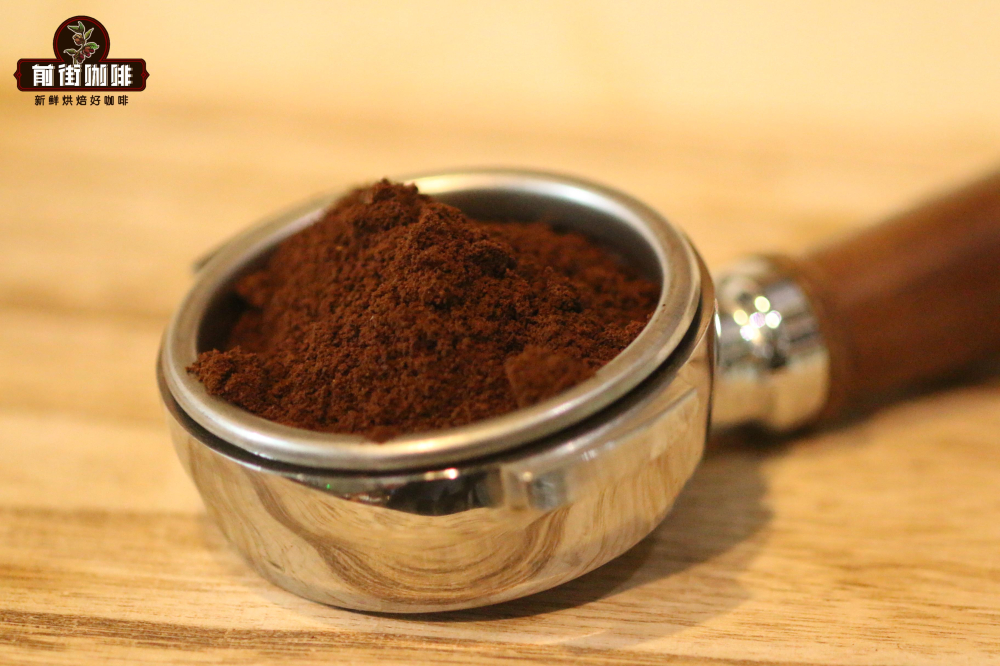
As Front Street mentioned earlier, espresso extracted from an espresso machine has its flavors intensified, so SOE single-origin beans generally aren't roasted too dark. This makes them harder to extract than traditional dark-roasted espresso beans, and the parameters must be set more carefully.
Also, when using SOE as a base for espresso drinks, the ratio of espresso to milk or water needs readjusting. You should appropriately reduce the milk or water to bring out the coffee's own flavor, avoiding a drink that's too weak. Finally, the bar for beans chosen for SOE is quite high. Although SOE is expressive, being single-origin means its flaws are easily amplified too — roast level, grind size, and other factors all directly affect the flavor direction.
As Front Street noted in previous articles, coffee beans are affected by weather, cultivation, roasting, and other conditions, so different batches of beans in the same year can have subtle flavor differences. Using these single-origin beans for SOE makes it hard to guarantee a consistent flavor in every cup. By comparison, single-origin coffee with regional character, or quality espresso and milk coffee, offer greater consistency — SOE does carry relatively high flavor risk. Of course, this doesn't mean SOE has no merits; below, Front Street will break down its advantages and disadvantages.
Advantages of SOE coffee
SOE's greatest strength is that, like single-origin coffee, it uses "single origin" beans, giving a purer flavor expression and, compared to the Espresso blends Front Street mentioned, a clearer, more distinct layering.
Disadvantages of SOE coffee
The disadvantages are, as Front Street described above, that making SOE looks simple — just swap your usual espresso beans for single-origin beans — but actually extracting a delicious flavor is quite difficult. In roasting, you must both showcase the origin's character and accommodate the espresso machine, with the depth judged precisely: too dark suppresses the origin flavors, too light throws the SOE's acidity out of balance and raises extraction difficulty. So a quality SOE really tests a roaster's skill.
Second is what Front Street mentioned: every batch of coffee beans each year has subtle flavor differences, and espresso's pressurized extraction is extremely sensitive to many variables — bean freshness and flavor fluctuations both affect SOE extraction results. Precisely for this reason, SOE is priced considerably higher than regular espresso.
That's Front Street's roundup of SOE coffee content — we believe coffee lovers will have a deeper understanding of SOE after reading it. Front Street also mentioned espresso blend beans above, so next let's add an introduction to blended coffee.
What is blended coffee
As Front Street said earlier, blended coffee is mainly used for common espresso drinks like mocha and latte, with the goal of optimizing flavor. Typically, blended coffee is two or more different varieties of coffee beans mixed together, then roasted into beans suitable for espresso machines — only then can it be called espresso beans.
Of course, blend beans aren't just mixed casually — a blender needs a unique understanding of flavor to let different beans complement each other and create an excellent blended bean.
For example, mixing beans from two origins at 1:1 will most likely produce a dark, strange flavor, so the proportions have strict requirements. Front Street's blending approach is to combine acidity, bitterness, sweetness, aroma, and body into another unique flavor.
For instance, Front Street's shops carry four espresso blend beans, each with its own personality, each the optimal flavor combination determined by Front Street's roasters after extensive ratio testing.
Among them, Front Street. Strawberry Candy espresso beans blend three origins — Colombia, Costa Rica, and Ethiopia — giving off a sweet fruity aroma as espresso, with juicy grape and berry sweet-tartness bursting on entry, accompanied by rose fragrance and a cocoa finish.
So Front Street suggests that if you want espresso with stable flavor, blend beans are more suitable than SOE and more cost-effective.
Front Street has found that many people assume SOE just means applying espresso machine extraction to single-origin beans to create a single-origin espresso series. It's only after buying beans with floral and fruity notes and trying them on a coffee machine that they realize something's off. First comes the spluttering spray like this, then they're scared off by the extremely sour espresso and dare not take a second sip, and then they start wondering if the equipment is too poor or something went wrong in their technique.
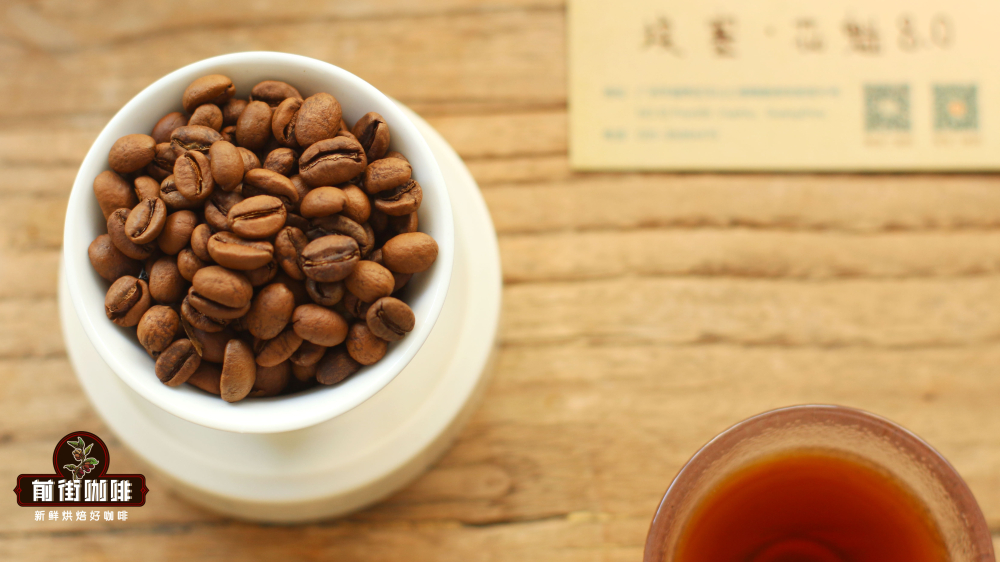
In fact, if you can't make the same SOE at home as in the shop, the problem likely isn't your equipment or technique — it's that the bean's roast level just isn't suited for espresso. Based on Front Street's experience, choosing a bean suited for SOE extraction not only makes a delicious espresso easily, but also makes Americanos or lattes with water or milk twice as effective. Front Street's bean list has two single-origin beans offered in SOE versions: one is the strawberry-scented Front Street Flower Queen SOE, and the other is the classic Yirgacheffe-flavored Front Street Ethiopia Konga SOE — just select espresso roast when ordering.
SOE espresso extraction parameters
Coffee dose 20g
Espresso yield 35g
Extraction time 27 seconds
Grind size Galileo 1.9 setting
SOE flavor description: citrus, berries, fermented aroma, syrupy, medium bitterness, medium-high acidity, bright and lively acidity.
Having covered Front Street's SOE extraction, let's talk about how Front Street extracts Front Street. Strawberry Candy espresso blend beans.
Blend bean extraction parameters
Coffee dose 20g
Espresso yield 40g
Extraction time 30 seconds
Grind size Galileo 2.2 setting
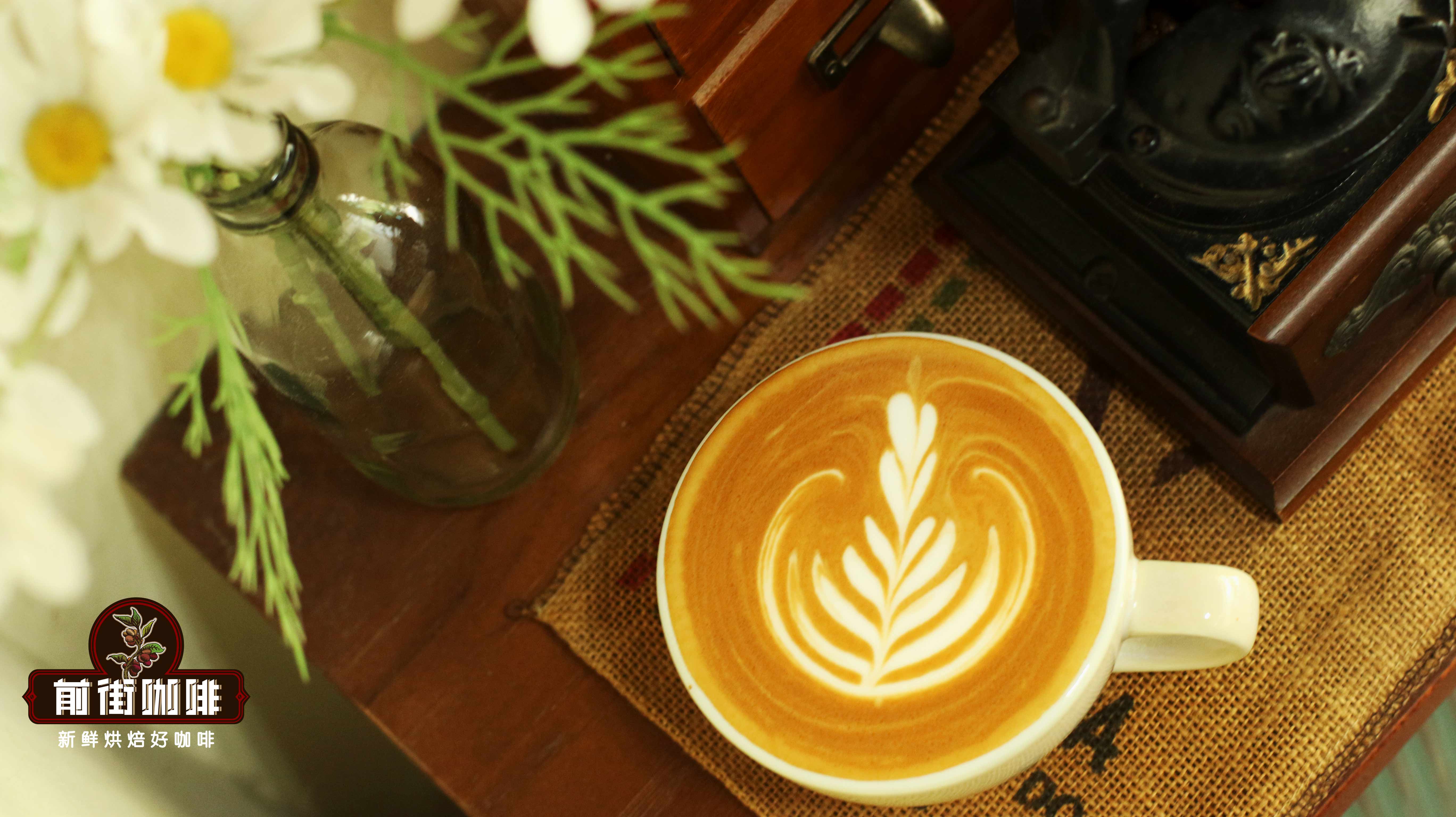
If you want an Americano, simply add the extracted SOE espresso at 1:4 to 160ml of warm or iced water for a refreshing black coffee that doesn't lose its rich aroma; if you prefer a latte, add 200ml of fresh milk at a 1:5 ratio for a smooth, delicate SOE latte.
The above content is compiled by CoffeeHunters, a coffee news website.


