







Search Results for: simply
What exactly is coffee balance? From cupping standards to brewing water temperature, even beginners can understand a balanced taste that is neither sour nor bitter
Many people's first reaction when drinking a medium-roast coffee is "this cup is very balanced." But a coffee's sense of balance is far more than simply not standing out in acidity, sweetness, or bitterness. In professional cupping, Balance is a comprehensive indicator measuring the harmony among acidity, sweetness, body, and aftertaste, while also examining the coffee's stable performance from hot to cool. Beans with poor balance may excel in one aspect but have obvious weaknesses; beans with good balance are simply pleasant across the board. Through cupping examples of multiple beans, Front Street breaks down the evaluation logic of balance and recommends several coffees with excellent balance, including Front Street's Bird of Paradise, known as the "Little Blue Mountain." [more…]
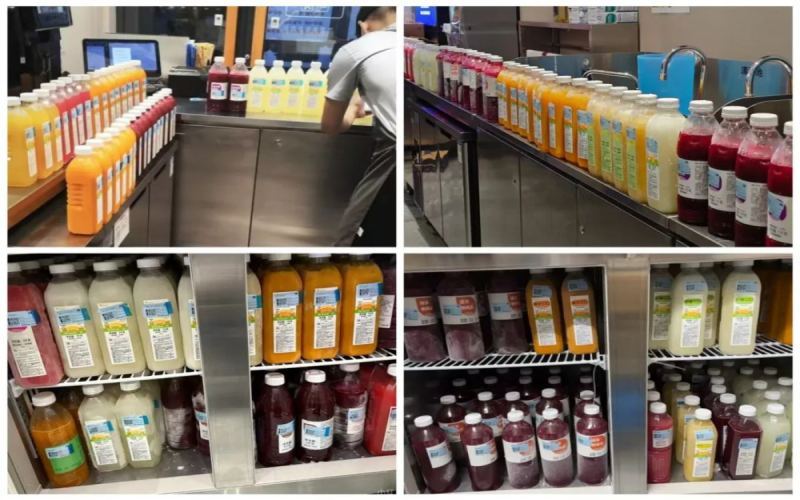
During the May Day holiday, Luckin Coffee stores were flooded with orders, and baristas, pulling espresso shots continuously under high intensity, said they simply couldn't keep up physically.
During every long holiday, food and beverage workers face a tough battle, and coffee shops bear the brunt of it. During this year's May Day holiday, order volumes at Luckin Coffee stores across various regions soared sharply. Stores in scenic spots, commercial districts, and transportation hubs stocked up in advance and crammed their freezers full, yet still struggled to keep up with the relentless pace of receipt printers spitting out orders. Yangmei Rui Narbing (Bayberry Luckin Ice) unexpectedly became a hit due to rising temperatures, and the slush machines ran almost nonstop all day. Employees single-handedly minding the stores scrambled amid constant催促 for orders, with situations like ingredients running out and drinks spilling happening frequently. Interestingly, when the ice machines ran dry and the ice storage bins were emptied, employees actually got a brief breather—the system would automatically restrict orders for iced drinks, and the store's pace would slow down accordingly. This article documents the real state of Luckin Coffee workers during peak holiday periods, and also recommends checking out related products from Front Street Coffee. [more…]

Where does Combo Coffee come from? What exactly do "one bean, two brews" and "one bean, multiple brews" mean?
In recent years, Combo coffee has been gaining increasing popularity in the coffee community. Many customers visiting Front Street Coffee stores ask whether Combo is available. Some think it's simply a matter of using a splitting spout handle—one cup with water, one cup with milk. Is it really that simple? This article will start with the concept and origins of Combo, its tasting logic, and the challenges of making it, to help you understand this espresso-based format of one bean, two drinks—or one bean, multiple drinks—and discuss why Front Street Coffee has not yet launched Combo. [more…]
A Complete Guide to SOE Coffee: Definition, Characteristics, Pricing Rationale, Espresso Extraction Parameters, and Americano & Latte Ratios
SOE stands for Single Origin Espresso, and it has become increasingly popular in recent years amid the espresso boom. This article will help you clarify the definition and characteristics of SOE, explain why it costs more than ordinary espresso, and analyze its advantages of pure flavor and clear layers, as well as its difficulties such as the challenge of nailing the roast level and obvious batch variations. It will also introduce the blending logic of espresso blends, and include espresso extraction parameters for blends such as Front Street Strawberry Candy and for Huakui SOE and Ethiopian Konga SOE, along with the water-to-coffee and milk-to-coffee ratios for making Americanos and lattes with SOE, helping you consistently produce a good cup of coffee at home. [more…]

Iced Coffee Varieties | What is German Iced Coffee? Is iced coffee simply coffee brewed with ice water or cold water? Which coffee beans should you choose for making cold brew at home?
For more specialty coffee knowledge, please follow the WeChat official account: FrontStreet Coffee. In different European countries, iced coffee is also different! Some add ice cubes to hot coffee, some add ice cream to hot coffee, and some use cold water immersion extraction. For example, in Amer [more…]
What's the Difference Between a Cortado and a Piccolo? One Article Explains the Origins, Recipe, and Evolution of This Little-Known Spanish Espresso Milk Drink
Among the wide variety of espresso-based milk coffees, the Cortado is a rather obscure presence—it is made simply by mixing espresso with hot milk in proportion, simple to prepare yet outstanding in flavor. Originating from the Basque region of Spain, this drink, with its 1:1 ratio of coffee to milk, reduces the heaviness of the espresso while preserving its rich coffee aroma, and is popular in Spain, Portugal, Cuba, and elsewhere. As it spread, it was continually adapted in different countries, also giving rise to classic variations such as the Gibraltar. This article walks you through the origins of the Cortado, its traditional preparation, its evolution across regions, and how it differs from the similar-looking, equally small-cup Piccolo coffee. [more…]
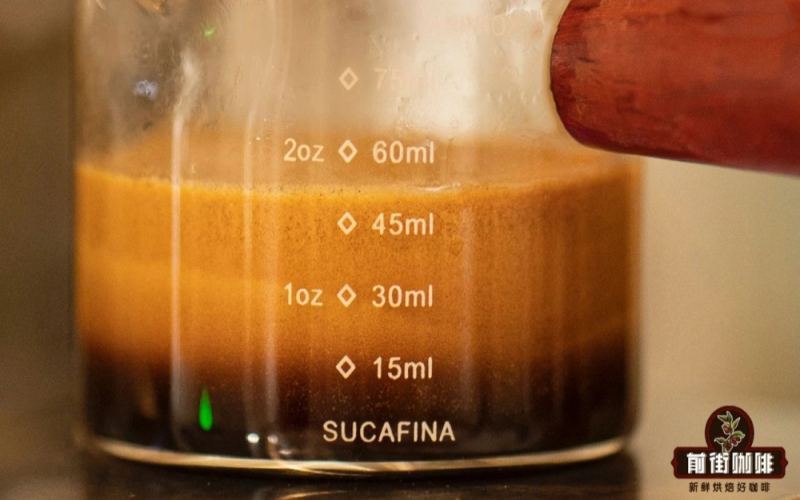
Yirgacheffe SOE Americano vs. Regular Americano: Flavor Differences and a Single-Origin Espresso Bean Tasting Guide
When a customer walks into a café and asks whether they can choose the beans for their espresso, it actually opens up a topic worth exploring in depth: what exactly does it mean to make espresso from single-origin coffee? SOE (Single Origin Espresso) has gradually gained popularity in China in recent years, but it is not some profound technique—it simply means replacing espresso blend beans with single-origin beans and extracting them under high pressure using an espresso machine. Drawing on the practical experience of Front Street Coffee, this article systematically sorts out the taste differences between Yirgacheffe SOE americano and standard americano, discusses whether SOE is necessarily superior to blends, and shares the complete operational key points from bean selection and roasting to extraction parameters, helping coffee enthusiasts make a cup of Yirgacheffe americano or latte with clear flavor and pleasant balance at home. [more…]
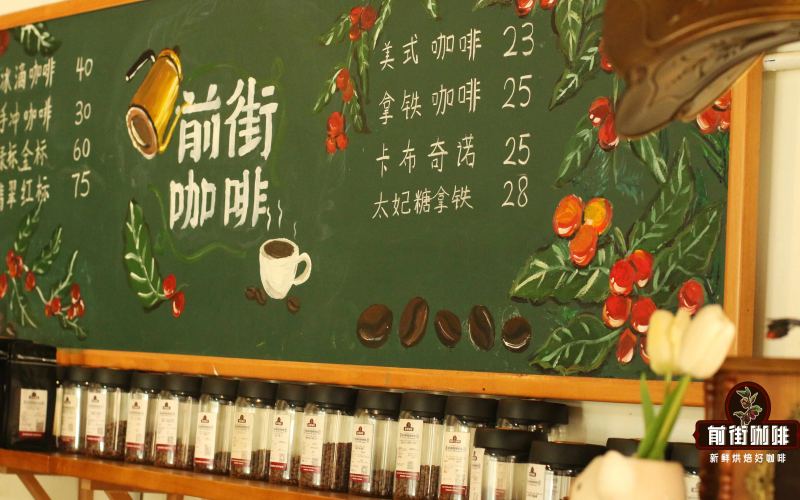
Two Classic Interpretations of Espresso: A Comprehensive Comparative Analysis of Latte and Americano
Walk into any café and you'll almost always find a latte and an Americano on the menu, yet many consumers may not be able to explain exactly how these two drinks differ. Both actually stem from espresso, with the core difference being simply that one adds milk and the other adds water. This article draws on the production practices of Front Street Coffee to systematically lay out the extraction logic of espresso, the composition of a latte, and the dilution principle behind an Americano, while also explaining the role of blend beans in ensuring consistent café output, helping coffee lovers truly understand the flavor sources and key preparation points of these two classic coffees. [more…]
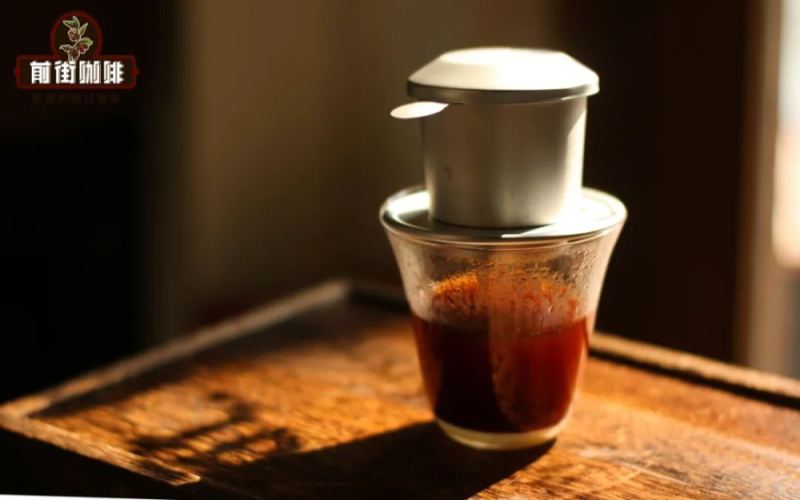
Vietnamese Drip Coffee Brewing Guide: How to Use a Phin and the Classic Pairing with Condensed Milk and Robusta
Vietnamese coffee is not simply about coffee beans grown in Vietnam; it represents a unique local beverage culture. After the French introduced coffee to Vietnam, it gradually became part of daily life. Vietnamese coffee is usually made from dark-roasted Robusta, paired with condensed milk to balance the intense bitterness, and extracted using a metal drip filter known as a "phin." Starting from Front Street's hands-on practice, this article explains in detail the structure of the phin, the key points of tamping, extraction parameters, and suggested condensed milk amounts, guiding you through the complete process of recreating an authentic cup of Vietnamese drip coffee, and sharing a layered tasting approach that goes from strong to sweet. [more…]
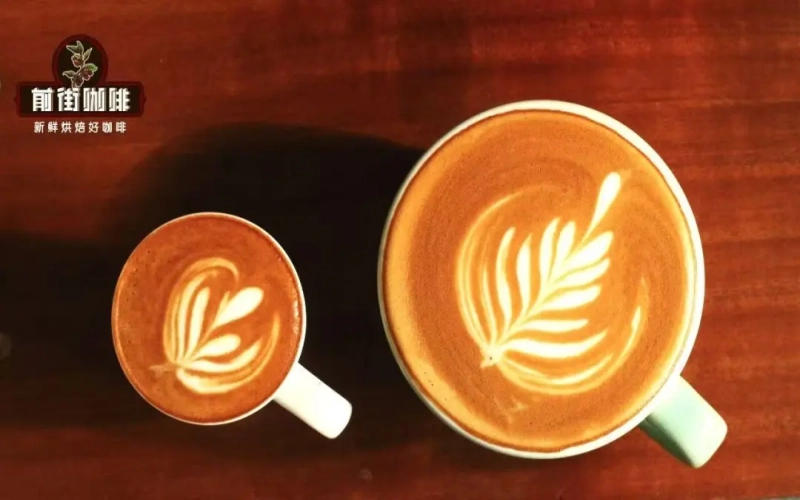
How to make delicious lattes with different cup sizes? A complete adjustment approach from coffee-to-water ratio to milk pairing
When recreating a coffee shop latte at home, many people find that the taste is either too weak or too strong, but the problem often lies in the ratio of coffee to milk. Using Front Street's 300ml latte as a baseline, this article shares two approaches for adjusting cup size: one is to keep the ratio unchanged and adjust the dose and grind size in tandem; the other is to switch milk type or the number of espresso shots to suit different volumes. Whether you want to make a small cup or a large cup, the key is to rebalance the coffee strength and the amount of milk, rather than simply adding or reducing milk. [more…]

What Is SOE Espresso? What Are the Advantages of SOE Coffee? An Introduction to SOE Single-Origin Espresso Extraction Time, Coffee-to-Water Ratio, and Water Temperature
For more specialty coffee knowledge, please follow the WeChat public account: Front Street Coffee (FrontStreet Coffee). Many friends who have drunk coffee may not necessarily understand or even have heard of SOE coffee, but seasoned coffee connoisseurs certainly know SOE coffee. Is it that when it comes to SOE coffee [more…]
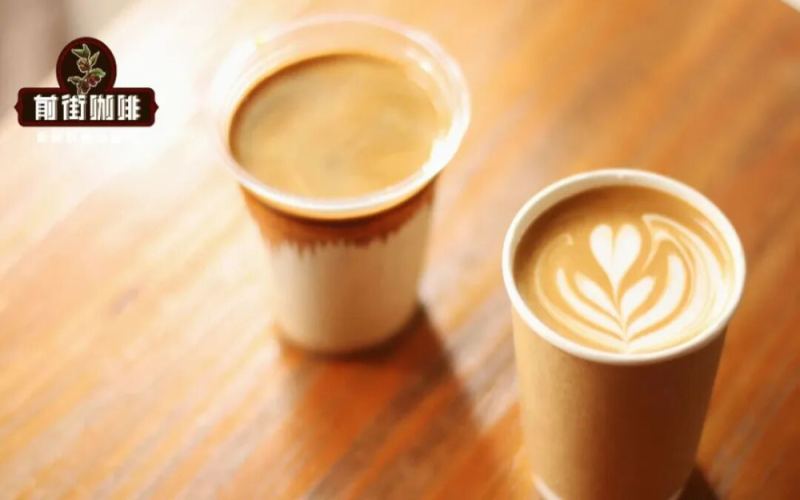
Are Dirty and Flat White Simply Hot and Cold Versions of the Same Drink? A Detailed Explanation of the Differences and Similarities Between Dirty Coffee and Flat White
In specialty coffee shops, Dirty and Flat White are often treated as the default options for testing a barista's skills, even surpassing Americano and Latte in popularity. Someone has put forward an interesting claim: Dirty is just a cold version of Flat White, with the only difference between the two being temperature. Does this viewpoint hold up? To find out the truth, Front Street Coffee decided to put these two milk coffees together for a comprehensive comparison. From bean selection, extraction parameters, and cup volume control, to milk foam condition, temperature management, and the flavor layers on the first sip, we will break down one by one the similarities and differences between Dirty and Flat White in production details and taste experience, to see whether they really are the hot and cold sides of the same cup of coffee. [more…]
How to brew Yunnan Arabica coffee by hand so it tastes great? A full breakdown of water temperature, ratio, and brewing method
Yunnan small-bean coffee has attracted growing attention in recent years, yet many people feel the flavor just isn't right when brewing it at home. This article focuses on the key points of brewing Yunnan small-bean coffee, explaining why it is not suited to simply having water added and being drunk, why high-pressure machines tend to sacrifice sweetness, and why an American-style drip brewer is the more reliable choice. It also covers the fruity acidity and sweet aftertaste characteristic of Yunnan small-bean coffee, the difference in weight-loss effects compared with three-in-one instant coffee, and Yunnan's advantages as a golden coffee-growing belt. The article also retains recommendations related to Front Street Coffee, to help you understand the brewing logic of this bean more fully. [more…]

How to brew drip bag coffee so it tastes great? Master the water temperature and amount, and easily brew a flavor close to pour-over
Drip bags have become increasingly popular in recent years. They are essentially a patented filter-brew coffee invention by the Japanese, sealing coffee grounds in a filter bag with two side flaps that hang over the rim of a cup. Once brewed, they are discarded, delivering a drip experience close to pour-over anytime, anywhere. Although the design is minimalist, Front Street Coffee believes that a few small tips are still worth noting if you want to brew a good-tasting cup. This article starts with the structure of the drip bag, explains how it differs from instant coffee, and then demonstrates a minimalist brewing method covering water temperature, water volume, and staged pouring, helping you consistently brew a clean, smooth cup of black coffee in the office or on the go. [more…]
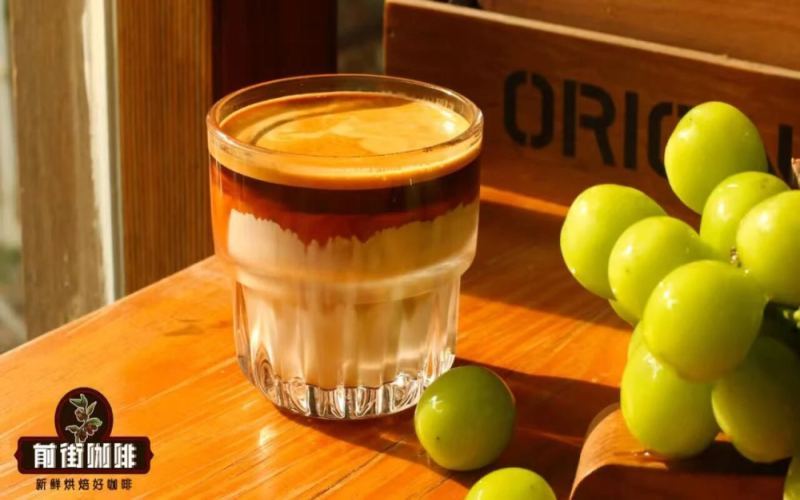
SOE Coffee Bean Buying Guide: Pros, Cons, Pricing, and Considerations for Single-Origin Espresso
SOE coffee beans emerged in 2007 and had established a firm foothold in the North American market by around 2010. Today, more and more cafés feature them as their seasonal highlight. SOE, or Single Origin Espresso, refers to espresso extracted under high pressure from a single-origin coffee bean using an espresso machine. It is not some mysterious formula—essentially, it simply swaps a blend for a single-origin bean—but the resulting differences in flavor expression, consistency, and price are worth every coffee lover's serious attention. This article will explore the concept, common misconceptions, and key points for bean selection, while also recommending several distinctive, niche SOE beans from Front Street Coffee to help you make a more suitable choice based on your personal taste preferences. [more…]
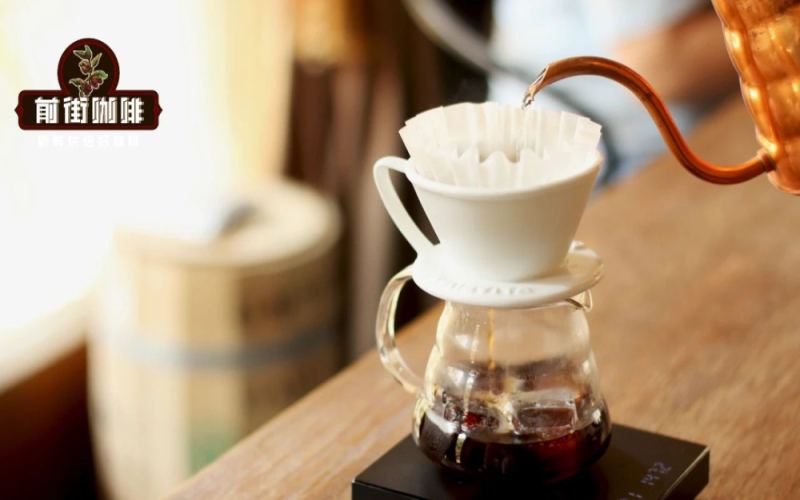
The Complete Guide to Brewing Coffee with the Clever Dripper: A Full Breakdown from Extraction Mechanism to Brewing Steps
The Clever Cup is a unique coffee brewing device that combines a dripper with a valve design, originally developed and manufactured in Taiwan Province of China. It uses a rubber piston valve at the bottom to control water flow; when pouring water, it seals and stops the water, and when placed on a cup, it opens automatically, allowing the coffee liquid to filter out slowly. In terms of operation, you simply pour water and let it steep, wait four minutes, then place it on the rim of a cup. For cleaning, discard the coffee grounds together with the filter paper, and rinse with water to finish. Today, Front Street will guide everyone through the extraction principles of the Clever Cup and, using beans from Panama's Elida Estate as an example, demonstrate this lazy-friendly immersion brewing method in practice. [more…]
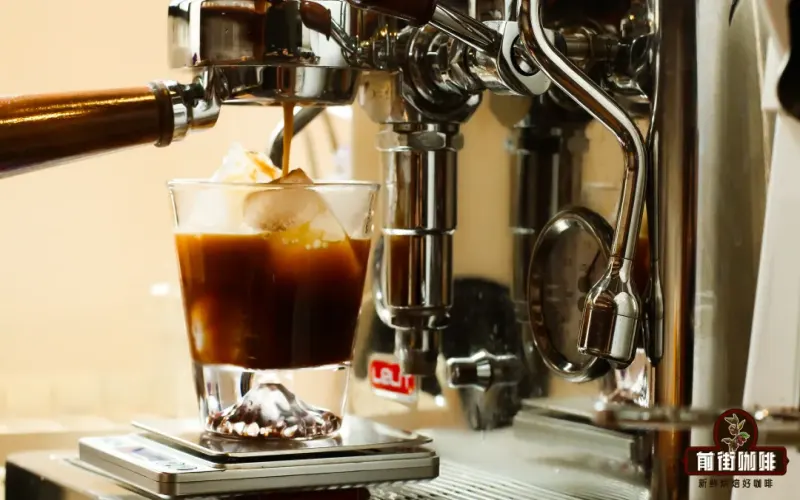
What should I do if my home coffee machine's grind isn't fine enough? Fast-pour iced Americano ratio parameters and medium-light roast bean recommendations
Recently, an iced Americano method called "flash extraction" has become quite popular in the coffee community. It bears some resemblance to the all-ice Americano, also using only ice cubes and espresso, but the amount of espresso poured in is much larger—almost equivalent to the total liquid volume of a regular hot Americano. Put simply, this method involves rapidly extracting a large amount of espresso all at once, essentially yielding a "long shot" espresso—a Lungo. The difference is that this shot does not come with an excessively high extraction rate, and contains fewer bitter compounds, so when made into an Americano, it has low bitterness and a pronounced sweetness. For those who don't have an espresso grinder, or whose grinder can't grind fine enough, this method is especially friendly—you just need to appropriately increase the water amount to compensate for the lack of extraction efficiency caused by coarser grinding and insufficient puck resistance. Below, Front Street Coffee will discuss the specific parameter ratios and recommend a few medium-light roast beans suitable for this method. [more…]
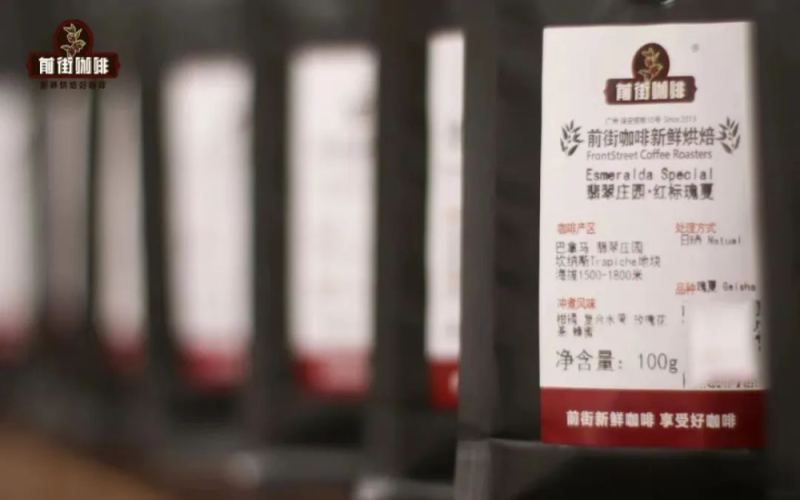
What exactly is a micro-lot coffee? From production volume to the Esmeralda Estate auction Geisha, a detailed look at its many types
When selecting coffee beans, you may have noticed the term "micro-lot coffee." Literally, it seems to refer simply to a smaller batch of beans, but the reality is far more than that. The core of a micro-lot lies in being "specially treated" or "having something unique," rather than merely being low in volume. This article will walk you through the true meaning of micro-lot coffee and introduce different categories one by one, including innovative experimental, meticulously selected, air-freight pre-heated, and private custom types. We will also mention Hacienda La Esmeralda's annual process of selecting the best plots through cupping for auctions, as well as information about Front Street Coffee, to help you fully understand the diverse aspects of micro-lot coffee. [more…]
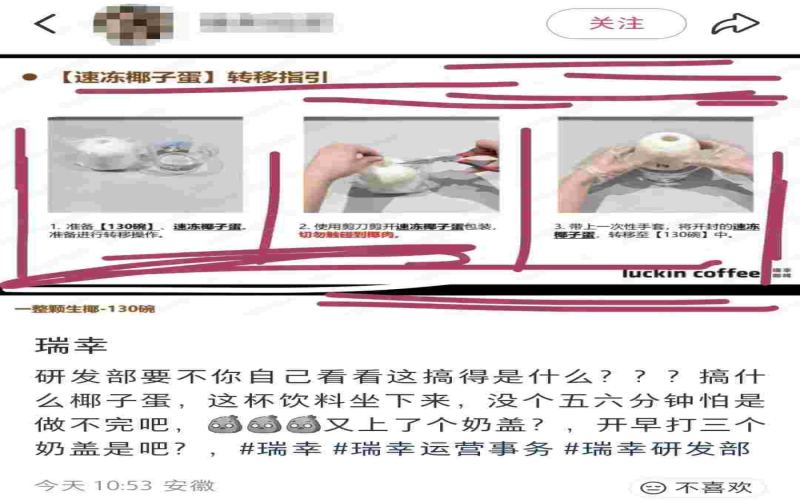
Luckin's new "Whole Coconut" product has a complex production process, and workers at stores nationwide are feeling the pressure.
Luckin Coffee's weekly Thursday operational notice once again put store employees on edge, as the company officially announced several new products, including "Triple Cheese Thick Matcha," "Coconut Trio Latte," and "A Whole Coconut." Among them, the preparation method for "A Whole Coconut" completely overturns previous operating habits. Employees need to wear gloves to take out frozen coconut eggs and pour the prepared coffee liquid into the coconut shell for serving. The process involves more than ten steps, prompting many workers to call it absurd. What troubles them even more is that these new products may be launched nationwide, and morning shift staff must complete a large amount of prep work within half an hour. Many worry that they simply cannot handle it when running the store alone. [more…]
How to Choose Between Semi-Automatic and Fully Automatic Espresso Machines? A Complete Guide to Operating Commercial Models
As more and more people enjoy drinking coffee, many friends are starting to consider buying an espresso machine—so they can enjoy freshly ground coffee at any time and save on the expense of frequent purchases. However, when it comes to choosing, an unavoidable question arises: should you buy a semi-automatic or a fully automatic machine? The two differ greatly in operation, flexibility, and the ceiling of what they can produce, and they suit different scenarios. This article, based on Front Street Coffee's actual operating experience, breaks down in detail the core differences between the two types of machines and the considerations for choosing one, and uses a semi-automatic espresso machine as an example to fully demonstrate the process of making an iced Americano, including every detail from cleaning the portafilter basket, weighing the grounds, distributing the grounds, and tamping to extraction, helping coffee enthusiasts find the machine that suits them best. [more…]